Category: Human Interest

  • Unlocking the Frozen Frontier: The Surprising Potential of Northern Cropland

    Unlocking the Frozen Frontier: The Surprising Potential of Northern Cropland

    Northern regional governments view the increasingly favorable growing conditions as an opportunity to encourage agricultural growth (Figure 2). Some policies support conversion of boreal forests into cropland (Figure 2), while other focus on sustainable intensification through adaptation where expansion is anticipated or occurring (Hohle et al., 2016). For example, Siberia, described as a dormant breadbasket, is currently at ≤ 50% of its estimated production potential achievable by various means including recovering abandoned, former agricultural lands (Swinnen et al., 2017).

    Ah, permafrost. The frozen ground that’s been chilling out for thousands of years, and now, thanks to climate change, it’s about to get a serious makeover. A recent study has revealed that between 3.5 and 9.5 million square kilometers of new northern cropland could become available as the world warms up. Yes, you read that right. We’re talking about a whole new agricultural frontier right in the Arctic’s backyard. If that doesn’t sound like an episode of a nature documentary, I don’t know what does.

    Now, before you start imagining fields of wheat swaying in the Arctic breeze, let’s break this down a bit. The study, which has been making the rounds on Reddit (because where else would you find cutting-edge climate research?), examines how changes in temperature and emissions could lead to the thawing of permafrost. This means that previously un-farmable land could start sprouting crops like corn and soybeans, and maybe even some exotic vegetables that have yet to be invented.

    But let’s not get ahead of ourselves. First off, we need to address the elephant in the room: climate change. The study presents two scenarios: a low emissions scenario and a high emissions scenario. In the low emissions scenario, we’ll see a more modest increase in cropland, while the high emissions scenario could open up the land like a kid tearing into a birthday present.

    So, what does this mean for agriculture? Well, in theory, more land means more food production, which sounds like a win-win. But, hold your horses! It’s not all sunshine and rainbows. Thawing permafrost could release methane—a potent greenhouse gas—into the atmosphere, making climate change even worse. It’s like trying to eat a salad while someone is setting your house on fire. Not quite the balance we’re going for.

    And let’s not forget about the local ecosystems and indigenous communities that have thrived in these regions for centuries. Turning the Arctic into a farming zone could disrupt their way of life and lead to environmental degradation. So, while the idea of new cropland sounds great on paper, it’s a bit like finding out your favorite ice cream shop has opened a new location—exciting, but you also don’t want them to ruin the neighborhood vibe.

    In conclusion, while the prospect of new northern cropland due to thawing permafrost sounds like a fresh opportunity for agriculture, it’s essential to tread carefully. We need to consider the broader implications of climate change and the potential consequences of our actions. So, as we look to this new agricultural frontier, let’s remember to keep our cool (pun intended) and think about sustainable practices. After all, we don’t want to trade one problem for another, right?

    Now, if you’ll excuse me, I need to go plot my own northern farm—complete with solar panels and a wind turbine, of course. Because if I’m going to farm in the Arctic, I’m doing it sustainably, or not at all!


    Inspired by: “Study finds, constrained by permafrost, between 3.5 and 9.5 million km² of new northern cropland to…” (r/climatechange)

  • Melbourne Star Lights Up Pink in Tribute to the Queen of Country: Dolly Parton

    Melbourne Star Lights Up Pink in Tribute to the Queen of Country: Dolly Parton

    The Empire State Building honoured Parton by turning a sparkly pink. … Country music legend Dolly Parton’s cause of death has been revealed, with a statement from the singer’s representative saying she faced a “brief battle with cancer”. …

    If you happened to be in Melbourne recently and noticed the Melbourne Star shining a vibrant pink, don’t worry, you haven’t accidentally stumbled into a cotton candy factory. That delightful sight was a tribute to none other than the legendary Dolly Parton. Yes, the same Dolly Parton who has blessed us with timeless hits like “Jolene” and “9 to 5” and is often referred to as the Queen of Country Music.

    Now, you might be asking yourself, why pink? Well, aside from the obvious connection to the color of cotton candy and flamingos, pink is often associated with love, compassion, and, in this case, a heartfelt homage to an artist who has touched the lives of millions. Dolly’s contributions to music and philanthropy are as dazzling as the Melbourne Star itself, making this tribute a fitting way to celebrate her impact.

    The Melbourne Star, a giant observation wheel towering over the city, decided to go pink as part of a special initiative to honor Dolly during her recent tour. Because when you’re as iconic as Dolly, cities around the world are more than willing to pull out all the stops (or at least change a few light bulbs) to show their appreciation.

    For those who might not know, Dolly Parton is not just a pretty face with a killer voice. She’s also a savvy businesswoman, a philanthropist, and an author. She’s given away millions through her Imagination Library program, which provides free books to children. And let’s not forget her contributions to disaster relief and education. So really, lighting up the Melbourne Star in pink is the least we could do to show our gratitude.

    And let’s face it, who doesn’t love a good photo op? If you’re in Melbourne and you see that pink glow, it’s practically begging for an Instagram post. Just make sure you don’t accidentally include the random stranger who photobombs your selfie. No one needs that kind of drama.

    In conclusion, the Melbourne Star lighting up in pink is more than just a pretty sight; it’s a celebration of an icon who continues to inspire and uplift. So next time you see that pink glow, remember it’s not just a color; it’s a tribute to a woman who has made a significant impact in the world. And if you’re feeling particularly inspired, maybe throw on some Dolly tunes and dance like nobody’s watching. Just be careful not to trip over your own feet.

    So, hats off to Dolly! May her music continue to light up our lives—preferably in a color that doesn’t clash with our outfits. Cheers, Melbourne!


    Inspired by: “Melbourne Star lit up in Pink to honor Dolly Parton” (r/melbourne)

  • The Melting Glaciers of the Himalayas: A Recipe for Flash Floods

    The Melting Glaciers of the Himalayas: A Recipe for Flash Floods

    The advancing ice blocked a river that flowed from an adjacent glacier, creating a new lake. “ Once the water pressure is high enough, it lifts the glacier ice and then drains immediately, like a flash flood ,” says Bolch.

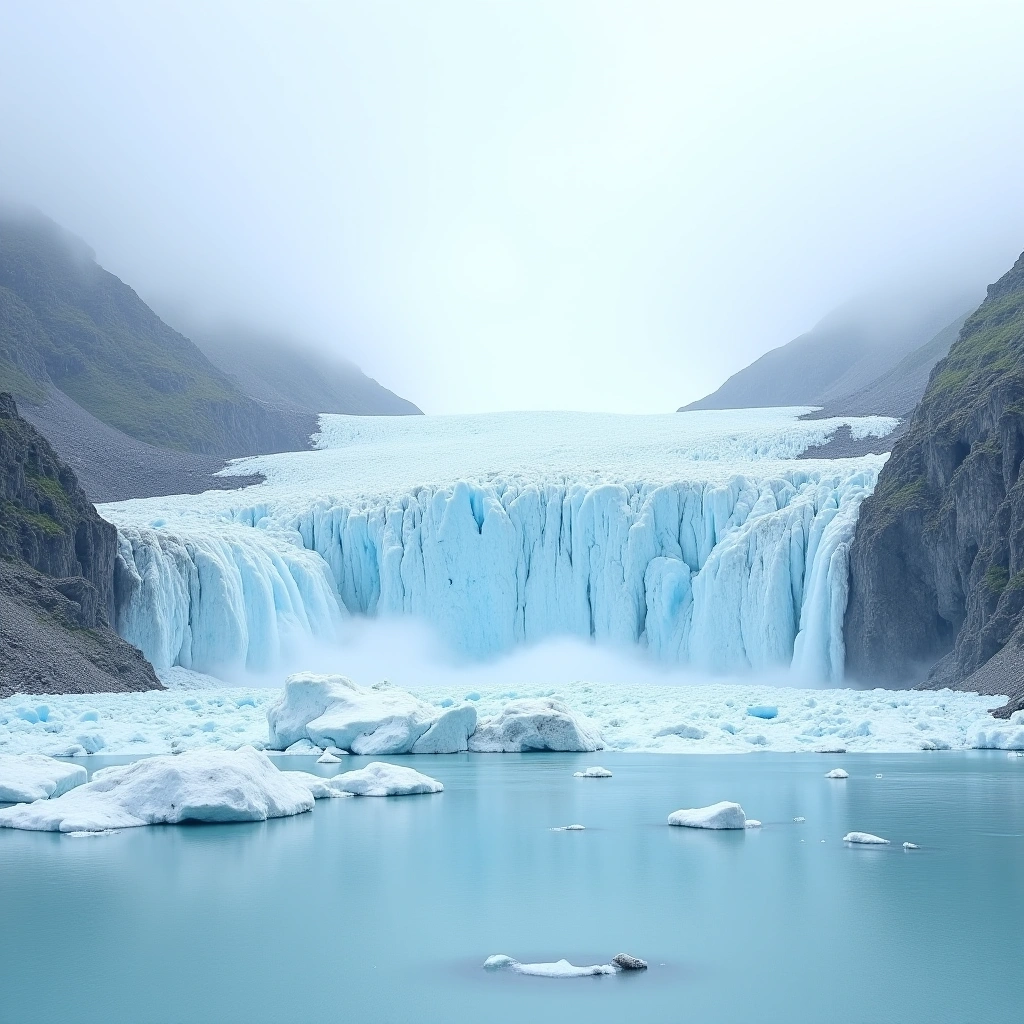
    If you’ve been following the news lately, you might have noticed that the Himalayas are not just the tallest mountains in the world, but they are also becoming a hotspot for nature’s wildest waterworks show. Yes, I’m talking about flash floods, and no, it’s not the latest water park attraction. These floods are serious business, and they are being fueled by none other than our melting ice glaciers.

    Now, you might be wondering why we should care about glaciers melting. After all, they’re just big ol’ blocks of ice, right? Wrong! These glaciers are like the world’s giant water tanks, slowly releasing water into rivers and streams that people rely on for drinking, farming, and, you know, basic survival. But as the climate warms—thanks, climate change—we’re seeing these ice giants lose their cool (pun absolutely intended) faster than you can say “global warming.”

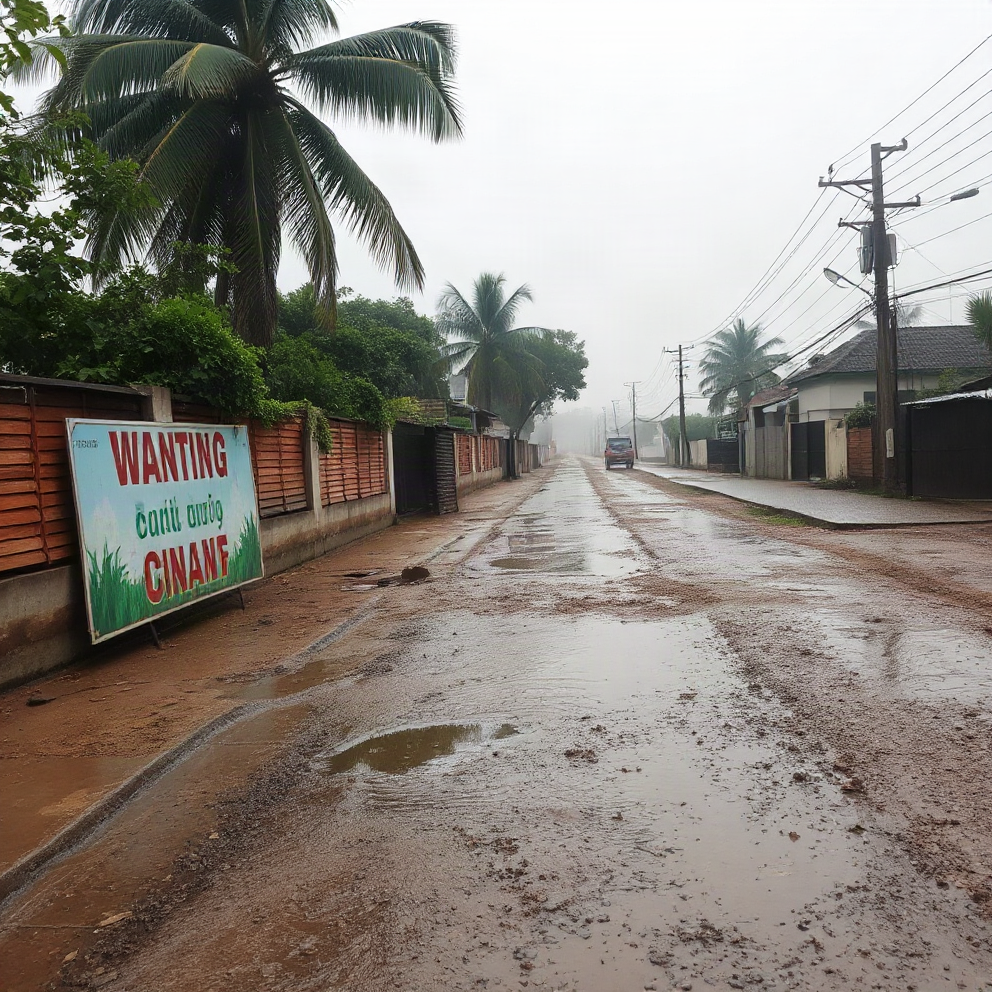
    Recent reports highlight that Nepal has witnessed floods of unprecedented magnitude, and let me tell you, this is not just a minor inconvenience for the locals. Flash floods can sweep away homes, infrastructure, and livelihoods in a matter of minutes. Imagine waking up to what looks like a scene from a disaster movie, but without the comforting presence of a heroic lead to save the day. Spoiler alert: it’s not that cinematic in real life.

    The science here is pretty straightforward. As temperatures rise, glaciers melt at an alarming rate. This excess water doesn’t just sit around looking pretty; it flows downhill, often causing rivers to swell and overflow. In the Himalayas, where the steep terrain can turn a gentle stream into a raging torrent in seconds, the situation becomes even more precarious. With every melted glacier, the risk of flash floods increases, leading to catastrophic events that can uproot entire communities.

    But wait, there’s more! The melting glaciers also mean that there’s less ice to reflect sunlight, which could potentially lead to even warmer temperatures. It’s like a vicious cycle that even the best roller coasters would envy. And let’s be honest; nobody wants to ride that ride.

    So, what can we do about it? Well, while we can’t exactly rebuild glaciers (if only we had the technology to freeze things on command), we can take steps to mitigate climate change. Reducing our carbon footprint, supporting sustainable practices, and advocating for climate action are all ways we can help curb this ongoing crisis. Plus, it gives us something to do other than binge-watching shows about the apocalypse, which, let’s face it, is becoming a little too relatable.

    In conclusion, the melting glaciers of the Himalayas are not just an environmental issue; they’re a human issue. The flash floods they cause can devastate lives and communities, and it’s high time we start paying attention. So, the next time you hear about glaciers melting, remember that it’s not just a sad story—it’s a call to action. Let’s work together to ensure that future generations don’t have to deal with the aftermath of our inaction. Because really, who wants to explain to their kids why the ice caps are gone? No pressure, right?


    Inspired by: “Melting ice glaciers causing crazy flash floods in Himalayas” (r/climatechange)

  • The Melting Glaciers of the Himalayas: A Recipe for Flash Floods

    The Melting Glaciers of the Himalayas: A Recipe for Flash Floods

    The advancing ice blocked a river that flowed from an adjacent glacier, creating a new lake. “ Once the water pressure is high enough, it lifts the glacier ice and then drains immediately, like a flash flood ,” says Bolch.

    If you’ve been following the news lately, you might have noticed that the Himalayas are not just the tallest mountains in the world, but they are also becoming a hotspot for nature’s wildest waterworks show. Yes, I’m talking about flash floods, and no, it’s not the latest water park attraction. These floods are serious business, and they are being fueled by none other than our melting ice glaciers.

    Now, you might be wondering why we should care about glaciers melting. After all, they’re just big ol’ blocks of ice, right? Wrong! These glaciers are like the world’s giant water tanks, slowly releasing water into rivers and streams that people rely on for drinking, farming, and, you know, basic survival. But as the climate warms—thanks, climate change—we’re seeing these ice giants lose their cool (pun absolutely intended) faster than you can say “global warming.”

    Recent reports highlight that Nepal has witnessed floods of unprecedented magnitude, and let me tell you, this is not just a minor inconvenience for the locals. Flash floods can sweep away homes, infrastructure, and livelihoods in a matter of minutes. Imagine waking up to what looks like a scene from a disaster movie, but without the comforting presence of a heroic lead to save the day. Spoiler alert: it’s not that cinematic in real life.

    The science here is pretty straightforward. As temperatures rise, glaciers melt at an alarming rate. This excess water doesn’t just sit around looking pretty; it flows downhill, often causing rivers to swell and overflow. In the Himalayas, where the steep terrain can turn a gentle stream into a raging torrent in seconds, the situation becomes even more precarious. With every melted glacier, the risk of flash floods increases, leading to catastrophic events that can uproot entire communities.

    But wait, there’s more! The melting glaciers also mean that there’s less ice to reflect sunlight, which could potentially lead to even warmer temperatures. It’s like a vicious cycle that even the best roller coasters would envy. And let’s be honest; nobody wants to ride that ride.

    So, what can we do about it? Well, while we can’t exactly rebuild glaciers (if only we had the technology to freeze things on command), we can take steps to mitigate climate change. Reducing our carbon footprint, supporting sustainable practices, and advocating for climate action are all ways we can help curb this ongoing crisis. Plus, it gives us something to do other than binge-watching shows about the apocalypse, which, let’s face it, is becoming a little too relatable.

    In conclusion, the melting glaciers of the Himalayas are not just an environmental issue; they’re a human issue. The flash floods they cause can devastate lives and communities, and it’s high time we start paying attention. So, the next time you hear about glaciers melting, remember that it’s not just a sad story—it’s a call to action. Let’s work together to ensure that future generations don’t have to deal with the aftermath of our inaction. Because really, who wants to explain to their kids why the ice caps are gone? No pressure, right?


    Inspired by: “Melting ice glaciers causing crazy flash floods in Himalayas” (r/climatechange)

  • Why Europe’s Soaring Natural Gas Prices Could Be the Best Thing for Renewable Energy

    Why Europe’s Soaring Natural Gas Prices Could Be the Best Thing for Renewable Energy

    Energy costs surging amid the Middle East conflict are pushing Europeans toward renewable technology at unprecedented rates as households seek escape from volatile fossil fuel markets. Brent crude has jumped over 50% since fighting began, reaching $116 per barrel, while European natural gas prices climbed roughly 70% with March 2026 tracking toward the steepest monthly increase since September 2021.

    Hey there, fellow climate enthusiasts and gas price watchers! Grab your favorite beverage (preferably something hot, because, let’s be real, we might need it to keep warm this winter) and let’s dive into the whirlwind that is Europe’s surging natural gas prices.

    So, what’s the scoop? According to recent reports, natural gas prices in Europe are skyrocketing—like, ‘hold onto your hats’ kind of skyrocketing. In the UK, for instance, domestic gas prices have jumped a whopping 27% year on year. Meanwhile, electricity prices are just hanging out, stable as a rock.

    Now, you might be wondering, “What’s the big deal?” Well, here’s the kicker: for those who rely heavily on gas to power their homes and businesses, this sudden spike in prices is causing a collective gasp and a scramble for alternatives. And guess what? That alternative is looking a lot like renewable energy and nuclear power.

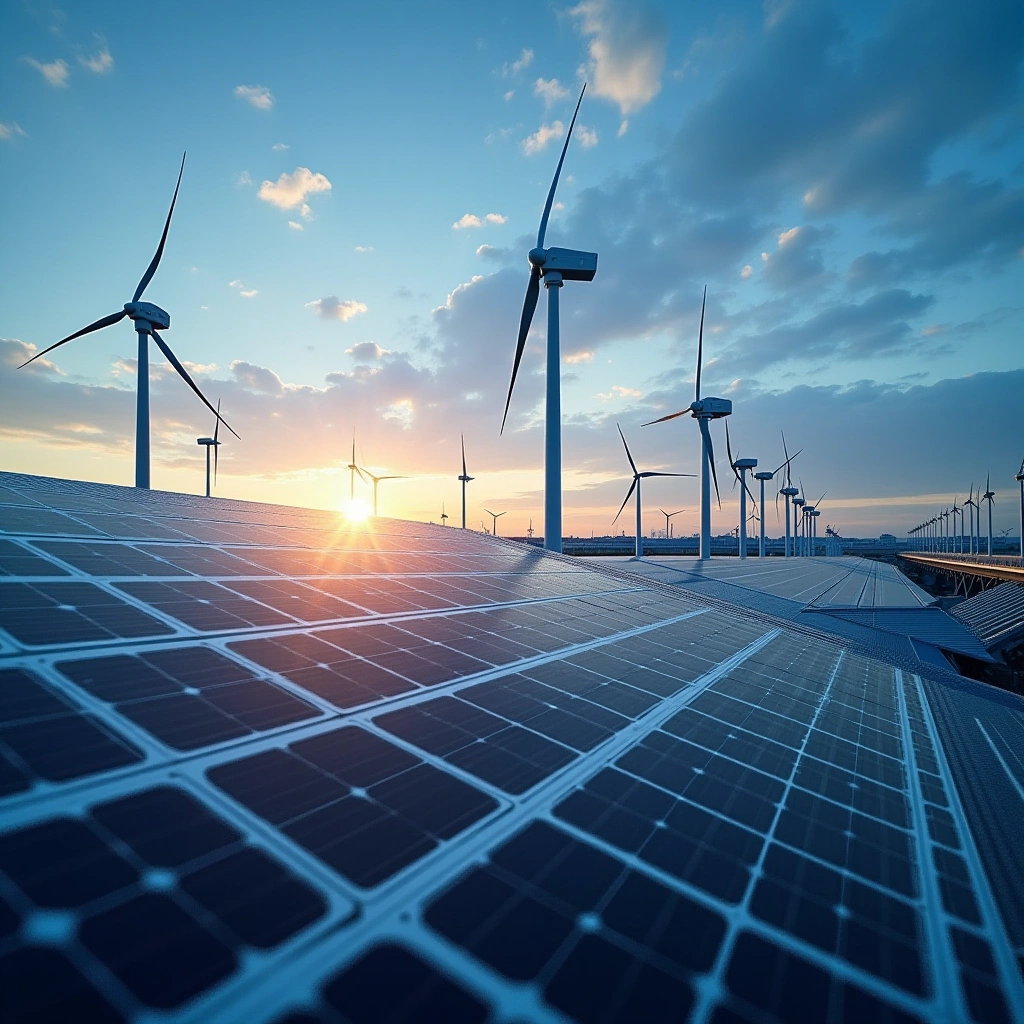
    You see, when the cost of gas starts to resemble the price of a small island, the logic behind switching to renewable sources suddenly becomes crystal clear. If you’re a business or a homeowner staring down the barrel of skyrocketing gas bills, investing in solar panels, wind turbines, or heat pumps starts to look less like a ‘nice-to-have’ and more like a ‘get me out of this gas price nightmare’ situation.

    And it’s not just about power for our homes; transportation is also in the mix. Take Denmark, for example. Their electrification of lorries is not only looking sensible but downright genius! Why rely on gas when you can plug in and zoom off into the sunset?

    What’s really interesting here is that while many of us are passionate about climate change (and rightly so), it’s easy to overlook how non-climate factors—like economic sustainability—can drive change just as effectively. In Europe, the desire to keep the economy afloat is becoming entwined with the push for environmental sustainability. Who knew that high gas prices could actually give renewable energy a leg-up?

    Now, let’s talk money. The sky-high costs of domestic gas, petrol, and diesel mean that electrification options like heat pumps, e-bikes, and electric vehicles (EVs) have a much shorter return on investment. In simple terms, if you’re going to spend a fortune on gas, you might as well invest in something that won’t make your wallet cry every month.

    Earlier this year, there was some pushback against UK politicians for their plans to ramp up renewable energy auctions. But guess what? There’s likely to be no pushback this winter or into 2027. Why? Because the price of gas is making everyone rethink their priorities. Who knew a bit of economic pressure could lead to a climate epiphany?

    However, we need to stay vigilant. The experience of 2022 has taught us that memories can be short. If and when oil and gas prices start to dip again, there’s a good chance that some folks will suddenly forget the urgency of transitioning to renewable energy. We can’t let that happen!

    So, let’s seize this moment. Let’s use the current energy crisis as a catalyst for change. Let’s push for more renewable projects, more electrification, and more sustainable solutions. Remember, high gas prices might be painful now, but they could lead to a greener, cleaner future. And who wouldn’t want that?

    In conclusion, while we all might be feeling the pinch at the pump, let’s take a moment to appreciate the silver lining here. Sometimes, it takes a little economic turmoil to shake us out of our complacency and push us toward a more sustainable future. And who knows? Maybe one day, we’ll look back and thank those soaring gas prices for giving us the nudge we needed to go green. Now, if only we could figure out how to make our heating bills just as manageable.

    Until next time, keep your eyes on the prize and let’s make this a winter to remember—for all the right reasons!


    Inspired by: “Europe’s natural gas prices are surging” (r/climatechange)

  • The Price of Pints: A Deep Dive into Melbourne’s Pub Scene

    The Price of Pints: A Deep Dive into Melbourne’s Pub Scene

    A : Prices vary, but expect to pay between $12 and $16 for a standard pint of quality craft beer in the CBD. Happy hour specials are common and worth seeking out.

    So, you’re sitting back after a long day, and you decide to treat yourself to a couple of pints at your local pub on the waterside. You expect a nice, relaxing evening, but then you see the prices and suddenly feel like you’re about to be charged for a small mortgage instead. Welcome to the world of Melbourne’s beer prices!

    Let’s talk specifics. A recent Reddit post caught my eye, discussing the cost of two pints of beer on the ground floor of a waterside pub—specifically, the mysterious ‘bs level 3’ (which, if we’re being honest, sounds more like a level in a video game than a drinking establishment). The post got me thinking: how much are we really paying for our beloved brews in this city?

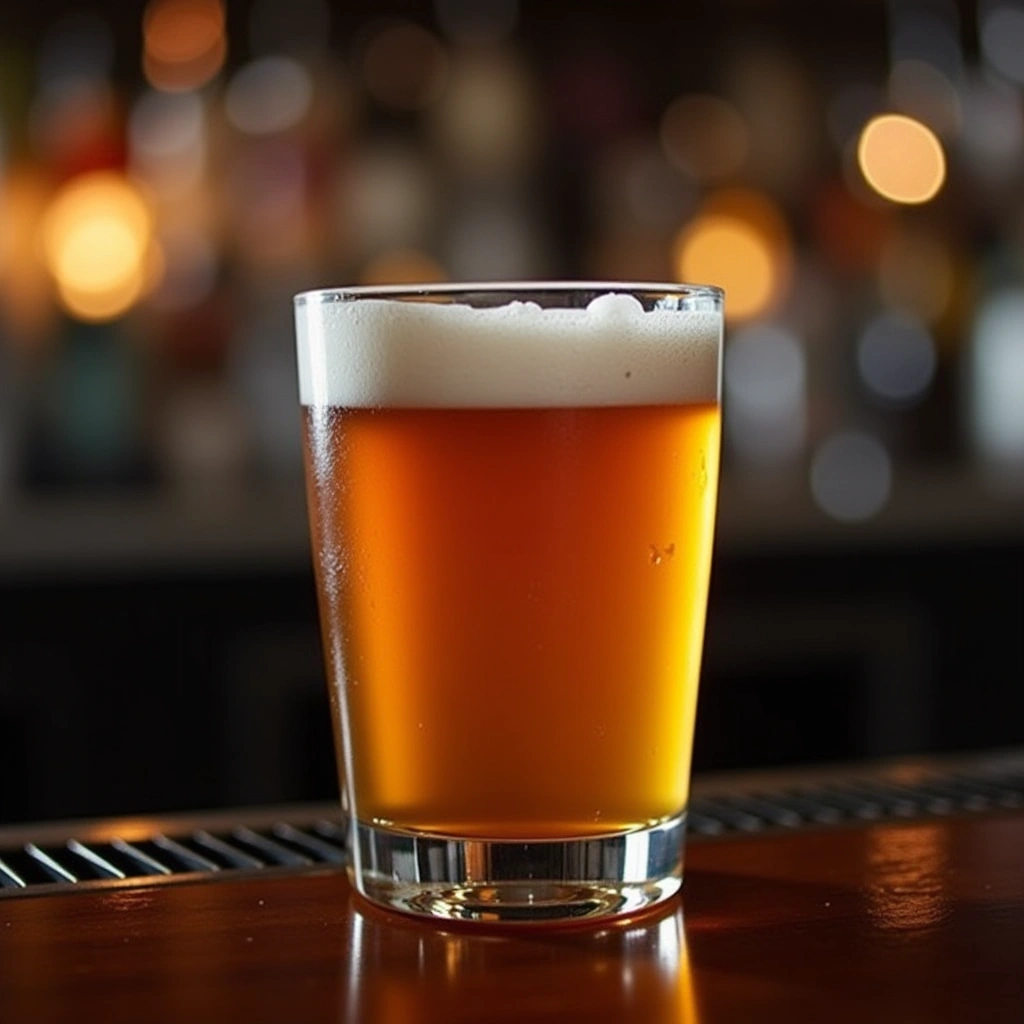
    First off, let’s break down the costs. In Melbourne, you can expect to pay anywhere from $10 to $15 for a pint of beer, depending on where you are. So, if you’re ordering two pints, you might as well hand over your wallet and say goodbye to your savings. Sure, you’re paying for the ambiance and the company (I mean, who doesn’t love a good chat with friends over a cold one?), but let’s be real: you could probably buy a six-pack at the bottle shop for the same price and enjoy it at home in your pajamas.

    But wait, there’s more! You might think that drinking at a waterside pub would come with a view, and you’d be right. The scenery can be breathtaking. Watching the sunset over the water while sipping on a cold one is a vibe—until you realize you’ve just paid for a scenic view that comes with a hefty price tag. It’s like paying for a ticket to a concert and ending up in the nosebleed seats.

    Now, let’s not forget about the infamous ‘happy hour.’ It’s like the holy grail for drinkers in Melbourne. You’d think that during this magical hour, the prices would drop to a reasonable level, but often it feels like they’ve just decided to rearrange the numbers on the menu instead. Sure, you might save a few bucks, but when you’re still paying $8 for a pint, you start to wonder if that’s really a discount or just a cruel joke.

    And let’s take a moment to appreciate the fact that Melbourne has some of the best craft beers out there. You could easily find yourself in a situation where you’re paying premium prices for a pint of a locally brewed beer that tastes like it was crafted by angels. But, let’s face it, unless you’re a beer connoisseur, you might not even notice the difference between that $10 craft beer and the $6 lager that you could be sipping on instead.

    In conclusion, the cost of two pints of beer on the ground floor of a waterside pub in Melbourne is just a reflection of the city’s vibrant (and sometimes overwhelming) drinking culture. It’s all about the experience, the atmosphere, and the memories you create (even if you’re left with an empty wallet). So, the next time you’re out for drinks, remember: it’s not just about the beer; it’s about the ‘experience’—even if that experience costs you an arm and a leg. Cheers!


    Inspired by: “The cost of two pints of beer on the ground floor of the waterside bs level 3” (r/melbourne)

  • Super El Niño: The Dry Spell That Could Make India’s Monsoon Even More Dangerous

    Super El Niño: The Dry Spell That Could Make India’s Monsoon Even More Dangerous

    This intense spell of rain triggered severe flooding and landslides , despite the state still being rainfall-deficient when viewed over the season as a whole. By August 5, 26 people had died in monsoon-related incidents across Kerala.

    Ah, the monsoon season in India—a time when the skies open up, and the country gets drenched in much-needed rain. It’s like nature’s way of washing away the dust and heat of summer, right? Well, hold onto your umbrellas, folks, because it looks like a ‘super El Niño’ is here to rain on our parade, quite literally.

    For those not well-versed in meteorological jargon, El Niño is a climate pattern that can significantly affect weather across the globe. Think of it as Mother Nature’s version of a mood swing. When this phenomenon occurs, it can lead to warmer ocean temperatures in the Pacific, which can disrupt typical weather patterns. And when it gets supercharged into a ‘super El Niño,’ well, things can get a little crazy.

    So, how does this affect India’s monsoon? You would think that with all that extra warmth, we’d be getting more rain. But here’s the kicker—this super El Niño could actually make the monsoon drier. Yes, drier! It’s like ordering a tall glass of water and getting a desert instead.

    According to climate experts, the super El Niño could lead to a decrease in monsoon rainfall in India, which is already a concern for farmers and anyone who enjoys not living in a drought. With less rain, the ground gets parched, crops struggle, and the whole agricultural system can take a hit. But wait, there’s more!

    A drier monsoon doesn’t just mean that farmers will have to deal with wilting crops; it could also make the situation more dangerous. How, you ask? Well, when the rains do come, they tend to come in bursts. This means that instead of a nice, steady drizzle that soaks in and nourishes the earth, we might get torrential downpours that lead to flooding. It’s like a surprise party where the surprise is that your house is now a swimming pool.

    In addition to flooding, a drier monsoon can also lead to an increase in heat waves. So, if you thought you could escape the sweltering heat of summer with the arrival of the monsoon, think again! Instead of a refreshing change, you might just end up with more heat and humidity, which sounds like a lovely combination, doesn’t it?

    Now, before you start panicking and hoarding water bottles, it’s essential to understand that climate patterns are complex and not entirely predictable. Scientists are still researching the exact impacts of a super El Niño on monsoon patterns. But one thing is clear: our planet’s climate is changing, and we need to adapt to these shifts.

    So, what can we do? First, let’s keep an eye on climate news and stay informed. It might not be the most thrilling read, but it beats scrolling through cat memes (no offense to cat lovers). Secondly, support sustainable practices in agriculture and water management. After all, if we can’t count on the weather, we need to be smart about how we use our resources.

    In conclusion, while a super El Niño might sound like a superhero in a climate-themed comic book, it’s more of a villain in this story. With the potential to make India’s monsoon drier and more dangerous, we need to brace ourselves for what’s to come. Stay prepared, stay informed, and maybe keep that umbrella handy—just in case it decides to rain after all!


    Inspired by: “A ‘super El Niño’ could make India’s monsoon drier yet more dangerous” (r/climatechange)

  • The Little Blue Book: A Love-Hate Relationship with Australian Passports

    The Little Blue Book: A Love-Hate Relationship with Australian Passports

    Light blue passports are primarily issued as United Nations Laissez-Passer for staff members, depending on their position level within the organization. White passports are issued to Canadian citizens who require emergency travel documents. Both are extremely rare and are not issued to the vast majority of people.

    Ah, the elusive Australian passport, affectionately known as the little blue book. It’s like the VIP pass to the world, but let’s be honest, getting your hands on one is a feat almost on par with climbing Uluru (minus the climbing part, of course). Recently, a fellow Redditor from Melbourne proudly announced they finally secured this precious booklet, and let me tell you, the excitement is palpable!

    So, what’s the deal with this little blue book? For starters, it’s not just a passport; it’s an expensive ticket to freedom, adventure, and potentially a whole lot of confusion at international airports. This tiny booklet has become a symbol of status, pride, and the odd feeling of dread that comes with realizing just how much you’ll be shelling out to travel overseas.

    Our Reddit friend humorously notes that this passport needs to be handled with the utmost care, like it’s made of tissue paper. Seriously, have you ever seen someone treat their passport like it’s the Holy Grail? One wrong crease, and it’s as if you’ve committed a passport crime. I mean, it’s just paper, right? But no, this paper holds the key to your global escapades, so treat it like the precious artifact it is.

    And let’s talk about the costs. Oh boy, Australia really knows how to keep you on your toes. It’s like they hand you the passport with one hand while the other hand is reaching into your wallet for a hefty travel tax. You might think, “Great, I’ve got my passport! Time to hit the beaches of Bali!” But then reality sets in, and you remember that leaving the country has its price—literally. It’s almost as if the Australian government is saying, “Congratulations on your passport! Now, here’s your monthly subscription fee to travel abroad.”

    It’s almost comical how much planning goes into a simple getaway. You find yourself budgeting for flights, accommodation, food, and—oh, of course—the extra fees just to leave your own country. It’s like Australia is saying, “Sure, you can leave, but it’s going to cost you a small fortune. Have fun!”

    But let’s not rain on the parade. The little blue book signifies more than just a hefty toll to travel. It represents the freedom to explore, to experience cultures, and, let’s face it, to eat your weight in gelato in Italy without a care in the world. So, while the costs may be high and the handling requirements may feel absurd, the joy of travel is absolutely worth it.

    So, to our fellow Melbourne Redditor, congratulations on becoming the proud owner of the little blue book! May it take you on countless adventures, even if it does feel like you’re handing over your life savings every time you want to leave the land down under. Here’s to you and your passport—may it remain crease-free and full of stamps for many years to come!


    Inspired by: “Finally got the little blue book 🇦🇺” (r/melbourne)

  • Choosing the Perfect Suburb: Ringwood vs. Berwick for First-Time Home Buyers

    Choosing the Perfect Suburb: Ringwood vs. Berwick for First-Time Home Buyers

    Yes. It offers larger blocks than most of the middle ring east, direct access to Eastland and Ringwood Lake Park, and a wider spread of school options rather than one tightly competed zone.

    So, you’ve sold your home in New Zealand, and now you’re ready to dive into the wonderful world of real estate in Victoria, Australia. First off, congratulations! You’re one step closer to becoming a proud homeowner, or as I like to call it, a ‘permanent resident of mortgage land.’ Now, the big question is: where should you plant your roots – Ringwood or Berwick? Let’s break it down.

    The Basics: What Do You Need?

    Before we jump into the nitty-gritty of each suburb, let’s get clear about your needs. You mentioned that you work remotely, which is fantastic because you can live practically anywhere (cue the dramatic music). Your partner works in medicine and needs easy access to the motorway. Got it! So, you’re looking for a family home where you can settle for the next 5-7 years without worrying about whether your house is appreciating like a fine wine or depreciating like a forgotten can of beans.

    Ringwood: The Suburb with Options

    Let’s start with Ringwood. Located in the outer east of Melbourne, this suburb is like that reliable friend who always shows up when you need them but never steals the spotlight.

    – Ringwood boasts a train station, which is perfect if you ever want to venture into the city or just want to avoid driving for a change. Plus, it’s close to the EastLink freeway, making those road trips a breeze.

    – The Eastland Shopping Centre is a haven for retail therapy. You’ll find everything from groceries to gadgets. It’s basically like a mini-city where you can lose yourself for hours (and maybe your wallet too).

    – If your family enjoys the great outdoors, Ringwood has some lovely parks and reserves. Perfect for those weekend picnics or just letting the kids run wild while you sip on your coffee and pretend to keep an eye on them.

    – As with any suburb that’s on the up and up, Ringwood can get a bit crowded. If you’re not a fan of traffic (and honestly, who is?), you might find the hustle and bustle a tad overwhelming.

    – Depending on where you are looking, some properties can be on the higher end of your budget, especially if you want something that doesn’t look like it’s been through a tornado.

    Berwick: The Charming Alternative

    Now, let’s chat about Berwick. Located in the southeast, it’s like the charming cousin of Ringwood – a bit quieter but just as lovely.

    – Berwick has a reputation for being a family-oriented suburb. With plenty of schools, parks, and community activities, it’s a great place for kids to grow up. You might even find yourself joining a local sports team (don’t worry, they won’t make you run a marathon).

    – Like Ringwood, Berwick is also accessible via the freeway. You’ll have your pick of routes to get to work or wherever you need to go. Plus, it’s not far from the train station if you ever need to hop on a train and escape for a day.

    – Berwick has a warm, welcoming feel. You might run into your neighbors while walking the dog or at the local café. Who knows, you might just make some lifelong friends!

    – If you’re someone who likes to be in the thick of things, Berwick might feel a little remote. It’s about an hour’s drive to the CBD, which could be a drag if you’re planning to commute regularly.

    – While there are shopping options in Berwick, they’re not as extensive as Ringwood. If you’re someone who thrives on retail therapy, this might be a dealbreaker.

    The Verdict: Ringwood vs. Berwick

    Ultimately, the decision between Ringwood and Berwick comes down to what you value more. Do you want convenience and a bustling atmosphere? Ringwood might be your best bet. Or do you prefer a quieter, family-friendly vibe? Then Berwick could be the place for you.

    Whichever suburb you choose, remember that buying a home is about making memories, not just investment decisions. So, take a deep breath, enjoy the process, and soon enough, you’ll find a place you can truly call home. Happy house hunting!


    Inspired by: “Suburb Advice for First Home Buyer, Outer-Eastern(Ringwood) or South East(Berwick)?” (r/melbourne)

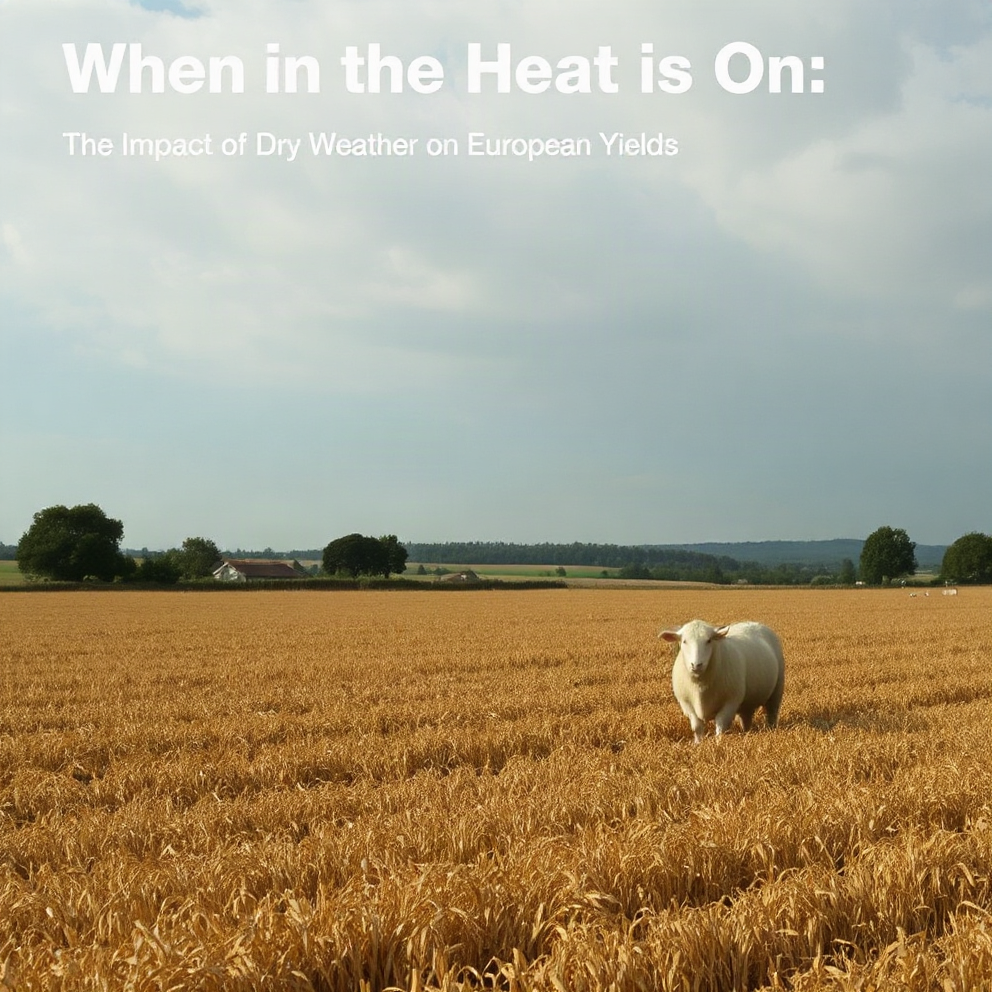
  • When the Heat is On: The Impact of Dry Weather on European Yields

    When the Heat is On: The Impact of Dry Weather on European Yields

    … Persistent heat and exceptional … impairing grain filling and accelerating senescence. Impacts range from moderate yield reductions to severe losses , with crop failure likely in the worst-affected regions….

    Ah, summer in Europe! A time for sun-soaked vacations, outdoor picnics, and, oh yes, the looming threat of climate change making crops wither faster than your enthusiasm for a Monday morning. Recent reports indicate that this year’s exceptionally dry and hot weather has resulted in a significant drop in summer yields by up to 14%. But don’t worry, winter yields are expected to be in line with five-year averages, so at least we can look forward to the same old, same old—if you’re into that sort of thing.

    Let’s break this down a bit. When you think of Europe, you might picture rolling vineyards in France, lush wheat fields in Germany, and olive groves in Italy. But picture this: those vineyards are parched, the wheat is wilting, and the olives are just plain confused. The intense heat and lack of rain have made it tough for farmers to produce the crops they rely on, which, spoiler alert, is not good news for anyone who enjoys eating.

    Now, why should you care? Well, if you enjoy eating bread, drinking wine, or even just existing in a world where food is plentiful, these yield reductions might hit a little closer to home than you’d like. Reduced yields mean less supply, which can lead to increased prices. Yes, that’s right! Your beloved baguette might soon cost as much as your morning coffee. And if you’re a fan of gourmet olive oil, well, you might have to start considering cheaper alternatives—like, I don’t know, canola oil?

    As for winter yields, they’re expected to be in line with the five-year averages, which is like saying, ‘Hey, at least we’re not getting worse!’ It’s a classic case of managing expectations. So, while summer might be throwing us a curveball, winter is just chilling in the background, promising to deliver the same mediocre results as before. Because who doesn’t love a good old-fashioned average?

    Farmers are tough folks, though. They’ve been battling the elements for centuries, and they know a thing or two about adapting. Many are turning to more drought-resistant crops, employing innovative irrigation techniques, and even considering crop rotation plans that might save the day—or at least their livelihoods.

    But let’s not kid ourselves; the situation is serious. Climate change isn’t just a buzzword tossed around at dinner parties. It’s affecting real people and their ability to grow food. So, while we might joke about the rising prices of our favorite foods, the underlying issue is no laughing matter.

    In conclusion, as Europe sweats it out under the relentless sun, let’s take a moment to appreciate the farmers who are working hard to keep our plates full. And maybe, just maybe, we should plant a tree or two, conserve water, and support sustainable farming practices. Because if we don’t, we might find ourselves in a world where the only thing we can afford to eat is, well, air. And that, my friends, is one diet plan nobody wants to follow.


    Inspired by: “Exceptionally dry and hot weather has reduced European summer yields by up to 14%, winter yields ex…” (r/climatechange)