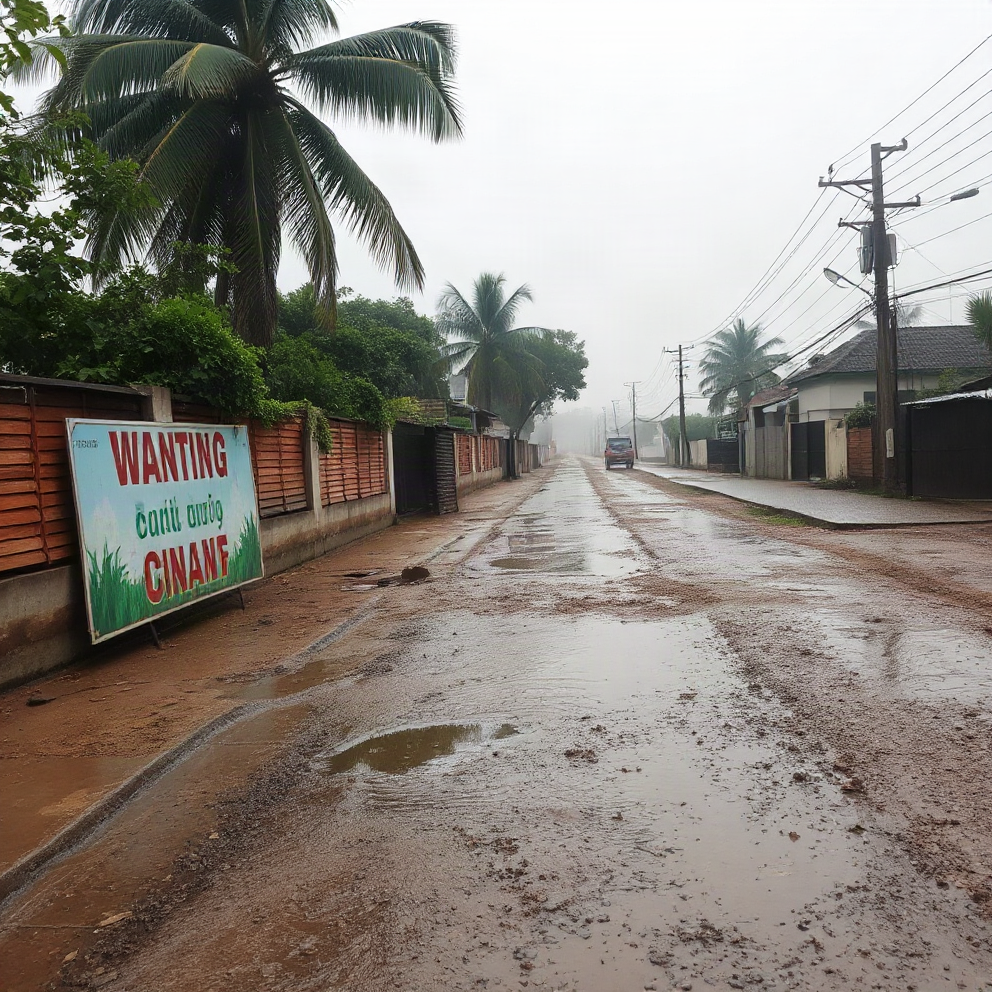
This intense spell of rain triggered severe flooding and landslides , despite the state still being rainfall-deficient when viewed over the season as a whole. By August 5, 26 people had died in monsoon-related incidents across Kerala.
Ah, the monsoon season in India—a time when the skies open up, and the country gets drenched in much-needed rain. It’s like nature’s way of washing away the dust and heat of summer, right? Well, hold onto your umbrellas, folks, because it looks like a ‘super El Niño’ is here to rain on our parade, quite literally.
For those not well-versed in meteorological jargon, El Niño is a climate pattern that can significantly affect weather across the globe. Think of it as Mother Nature’s version of a mood swing. When this phenomenon occurs, it can lead to warmer ocean temperatures in the Pacific, which can disrupt typical weather patterns. And when it gets supercharged into a ‘super El Niño,’ well, things can get a little crazy.
So, how does this affect India’s monsoon? You would think that with all that extra warmth, we’d be getting more rain. But here’s the kicker—this super El Niño could actually make the monsoon drier. Yes, drier! It’s like ordering a tall glass of water and getting a desert instead.
According to climate experts, the super El Niño could lead to a decrease in monsoon rainfall in India, which is already a concern for farmers and anyone who enjoys not living in a drought. With less rain, the ground gets parched, crops struggle, and the whole agricultural system can take a hit. But wait, there’s more!
A drier monsoon doesn’t just mean that farmers will have to deal with wilting crops; it could also make the situation more dangerous. How, you ask? Well, when the rains do come, they tend to come in bursts. This means that instead of a nice, steady drizzle that soaks in and nourishes the earth, we might get torrential downpours that lead to flooding. It’s like a surprise party where the surprise is that your house is now a swimming pool.
In addition to flooding, a drier monsoon can also lead to an increase in heat waves. So, if you thought you could escape the sweltering heat of summer with the arrival of the monsoon, think again! Instead of a refreshing change, you might just end up with more heat and humidity, which sounds like a lovely combination, doesn’t it?
Now, before you start panicking and hoarding water bottles, it’s essential to understand that climate patterns are complex and not entirely predictable. Scientists are still researching the exact impacts of a super El Niño on monsoon patterns. But one thing is clear: our planet’s climate is changing, and we need to adapt to these shifts.
So, what can we do? First, let’s keep an eye on climate news and stay informed. It might not be the most thrilling read, but it beats scrolling through cat memes (no offense to cat lovers). Secondly, support sustainable practices in agriculture and water management. After all, if we can’t count on the weather, we need to be smart about how we use our resources.
In conclusion, while a super El Niño might sound like a superhero in a climate-themed comic book, it’s more of a villain in this story. With the potential to make India’s monsoon drier and more dangerous, we need to brace ourselves for what’s to come. Stay prepared, stay informed, and maybe keep that umbrella handy—just in case it decides to rain after all!
Inspired by: “A ‘super El Niño’ could make India’s monsoon drier yet more dangerous” (r/climatechange)