Category: Human Interest

  • Choo-Chooing Towards a Greener Future: The New European Sleeper Train

    Choo-Chooing Towards a Greener Future: The New European Sleeper Train

    European Sleeper launches the Paris to Berlin overnight train , offering a sustainable, comfortable travel alternative

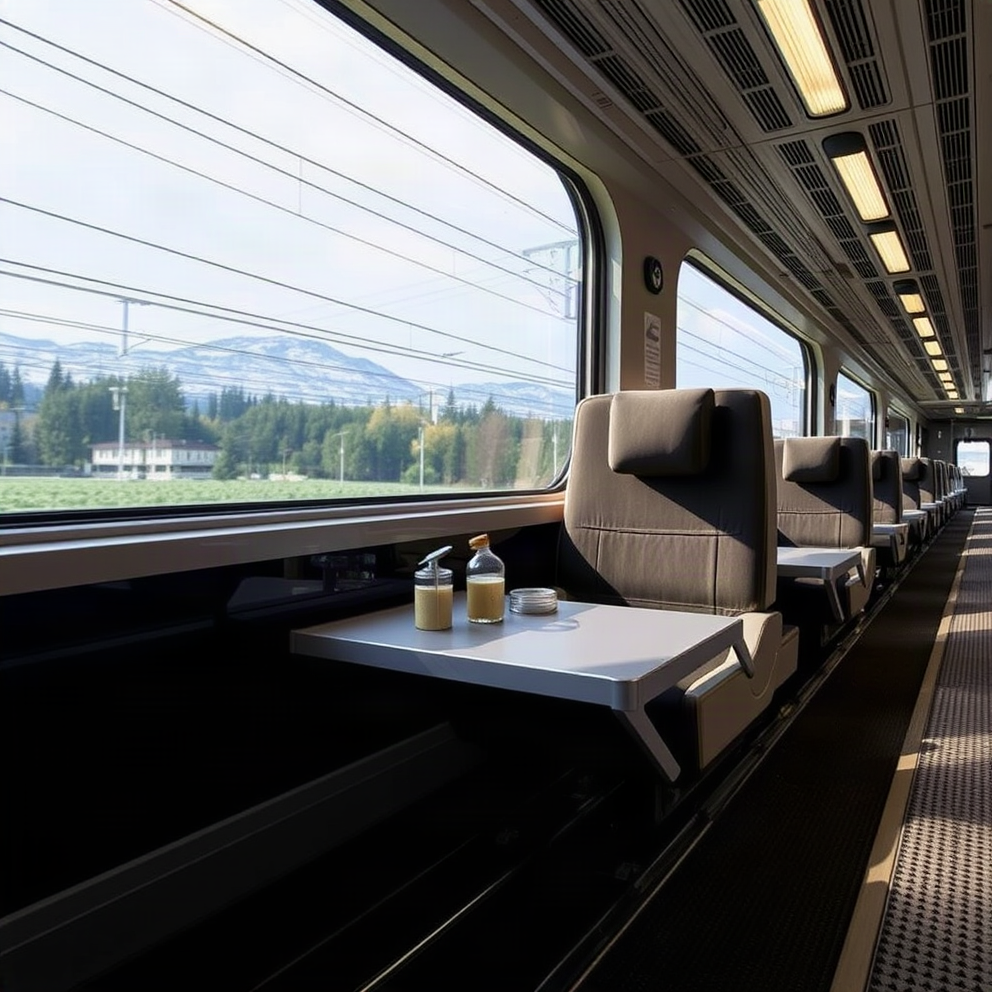
    Hold onto your hats and grab your favorite travel mug because Europe is about to get a whole lot cozier! According to recent reports (yes, I’m looking at you, Reddit), a new sleeper train is set to launch in 2028, connecting Brussels and Amsterdam to the lovely cities of Copenhagen and Malmö. That’s right, folks—by the time your kids are old enough to complain about their long-distance relationship, you might just have a stylish, eco-friendly way to visit them!

    Now, let’s take a moment to appreciate this much-needed addition to our travel options. We’ve all been there—sitting in an airport, inevitably realizing that the overpriced sandwich you just bought could have been a week’s worth of groceries. Or, worse yet, being crammed in a middle seat on a budget airline, wondering if you’ll ever see your knees again. Enter the sleeper train, where you can stretch out, enjoy the scenery, and perhaps even catch a few Z’s as the wheels go round and round.

    But wait, it’s not just about comfort. This train is also a hero for the planet. With climate change being the hot topic (pun intended), we could all use a little help in reducing our carbon footprints. Trains are often touted as one of the most environmentally friendly modes of transport, and this sleeper train is no exception. So, while you’re snuggled up in your cozy cabin, just remember: you’re also doing your part for Mother Earth. That’s right—you can feel morally superior while you doze off!

    Now, let’s talk logistics. The train will connect major cities, which means you can wake up in a new destination, ready to explore without the hassle of checking in and out of hotels. Imagine it: you board in Brussels, and by morning, you’re sipping coffee in Copenhagen. It’s like magic, only with less sleight of hand and more beautiful Scandinavian architecture.

    Of course, the train is set to roll out in 2028, so we still have some time to wait. But hey, good things come to those who wait, right? In the meantime, we can all start practicing our train etiquette. Remember, no loud phone calls, and for the love of all that is holy, please don’t be that person who hogs the bathroom for an extended period. We know you had that extra cup of tea before boarding, but we’re all in this together!

    As the launch date approaches, let’s keep our fingers crossed that the train will be equipped with all the amenities a modern traveler could want. Wi-Fi, charging ports, and maybe even a little bar where you can grab a drink and toast to your decision to save the planet while enjoying an overnight adventure.

    So, here’s to the future of travel! The new sleeper train is not just a mode of transportation; it’s a step towards a greener, more connected Europe. Just think of it as your ticket to adventure—literally! Now, where did I put my travel pillow?


    Inspired by: “New European Sleeper train to launch from Brussels and Amsterdam to Copenhagen and Malmö in 2028” (r/climatechange)

  • How Australian Emissions are Melting Glaciers in Pakistan: A Tale of Global Responsibility

    How Australian Emissions are Melting Glaciers in Pakistan: A Tale of Global Responsibility

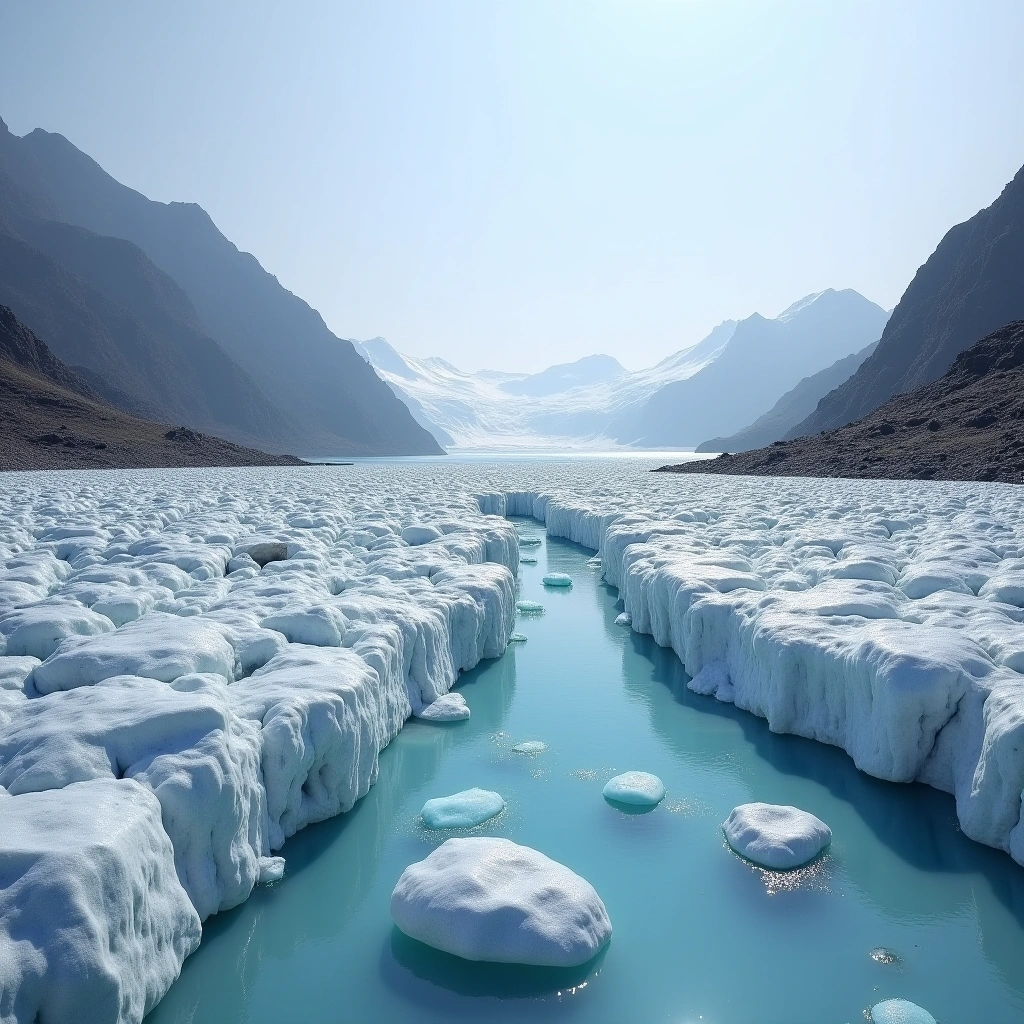
    The melting of glaciers in Pakistan has several adverse effects on the country’s economy, including water scarcity, reduced agricultural productivity, and increased natural disasters .

    So, let’s talk about the fascinating (and slightly terrifying) connection between Australian emissions and melting glaciers in Pakistan. Yes, you heard that right. It’s not just a random fact to throw out at parties to make people uncomfortable; it’s a real issue that’s been brought to light by none other than Australian Senator Mehreen Faruqi.

    Now, before you roll your eyes and think, “Oh great, another politician waving the climate change banner,” let’s break down what she’s actually saying. Faruqi has made a compelling argument that the emissions produced by Australia are having a direct impact on glaciers halfway across the world. And if you thought your carbon footprint was only affecting your local weather, think again!

    Here’s the scoop: Glaciers in Pakistan, particularly in the northern areas like Gilgit-Baltistan, are melting at an alarming rate due to rising global temperatures. This isn’t just a minor inconvenience for the locals who might want to enjoy a nice glacier-view picnic; it’s a serious issue that affects water supply, agriculture, and even the overall economy of the region. When glaciers melt, they don’t just disappear into thin air. They contribute to rising sea levels and can lead to devastating floods. Sounds like a fun time, right?

    Now, let’s connect the dots. Australia, while it may be far removed from the towering peaks of the Karakoram range, is one of the highest per capita greenhouse gas emitters in the world. So, when Faruqi links emissions from Down Under to the glaciers in Pakistan, she’s not just throwing out a dramatic statement for effect; she’s pointing out a significant global issue. It’s a classic case of ‘what happens in Australia doesn’t stay in Australia.’

    But why should Australians care about glaciers in Pakistan? Well, aside from the obvious moral obligation to care about our fellow humans, climate change is a global problem. If we don’t start taking collective responsibility, we’re all going to be in a world of hurt—literally. Rising sea levels could affect Australian coastal cities, and erratic weather patterns could bring about some rather unpleasant surprises to your weekend barbecues. And nobody wants a soggy sausage sizzle.

    So, as we sit in our comfortable homes, sipping our lattes (or whatever it is you fancy), let’s remember that our choices have global consequences. Maybe it’s time to think about how we can reduce our own emissions. Not just for the sake of saving some glaciers in Pakistan, but also for keeping our own backyard from becoming a climate disaster zone.

    In conclusion, Mehreen Faruqi’s comments are a wake-up call for all of us. It’s a reminder that climate change isn’t just a buzzword; it’s a reality that’s affecting people’s lives right now. So, let’s get to work on those emissions, shall we? Because if we don’t, it won’t just be glaciers in Pakistan that are in trouble—it’ll be us, too. And trust me, no one wants to be the reason for the next big climate crisis. Let’s do better, Australia!


    Inspired by: “Mehreen Faruqi Links Australian Emissions Directly to Melting Glaciers in Pakistan” (r/climatechange)

  • The Gas-Powered Data Center Dilemma: A Modern Energy Conundrum

    The Gas-Powered Data Center Dilemma: A Modern Energy Conundrum

    Gas plants with carbon capture can meet data center power needs at scale, helping close a projected 80 GW US reliability gap by 2030 . Discover more.

    In the age of digital everything, it seems we can’t escape the growing presence of data centers. You know, those giant warehouses filled with servers that hum louder than your neighbor’s lawn mower on a Saturday morning? They’re crucial for storing your precious cat memes, streaming your favorite shows, and ensuring that your online shopping habits are well-documented. However, it turns out that these tech behemoths are also contributing to a rather alarming expansion of gas power in the United States. Buckle up, because we’re diving into this gas-fueled rabbit hole.

    First off, let’s talk numbers. Data centers are consuming an increasing amount of energy—like, enough to power entire cities. According to recent reports, energy usage by data centers is expected to skyrocket, and guess what? A good chunk of that energy is coming from natural gas. Yes, the same natural gas that’s been touted as a cleaner alternative to coal, but let’s not kid ourselves; it’s still a fossil fuel that contributes to greenhouse gas emissions.

    Now, before you start picturing a world where data centers are belching smoke like a 19th-century factory, let’s clarify: they are often seen as more efficient than their coal-powered predecessors. But efficiency doesn’t mean they’re off the hook for their environmental impact. As demand for cloud computing and online services grows—thanks to our insatiable need for more storage and faster internet—so does the reliance on natural gas. And that’s a bit of a pickle.

    Why is this happening, you ask? Well, as states push for cleaner energy sources and move away from coal, natural gas has become the go-to option for many energy companies. It’s like choosing the lesser of two evils. But here’s the kicker: while natural gas plants can ramp up quickly to meet demand, they still release carbon dioxide and other harmful pollutants into the atmosphere. So, we’re basically trading one problem for another, and that’s not exactly a win-win.

    But don’t despair just yet! There are some silver linings in this cloudy scenario. Many tech giants are waking up to the environmental impacts of their data centers and are taking steps to mitigate them. For instance, companies like Google and Microsoft are investing heavily in renewable energy sources, aiming to power their data centers with wind and solar. Who knew tech companies could be so environmentally conscious? It’s like finding out your favorite rock band is actually a bunch of environmental activists in disguise.

    The solution isn’t as simple as flipping a switch, though. Transitioning to renewable energy sources requires significant investment and infrastructure changes. It’s not like we can just snap our fingers and make coal disappear. And let’s not forget about the energy demands of our growing digital world. As we continue to rely on technology for everything—from remote work to virtual reality gaming—data centers will remain crucial players in our energy consumption game.

    In conclusion, while data centers are indeed driving an alarming gas power expansion in the U.S., there is hope on the horizon. The tech industry is beginning to recognize its role in the climate crisis and is taking steps to address it. So, the next time you binge-watch your favorite series or upload that adorable video of your pet, take a moment to appreciate the complex energy web that makes it all possible. Just remember, with great power comes great responsibility—especially when that power is derived from fossil fuels. Let’s hope the tech world can keep up the momentum and lead us toward a cleaner, greener future. Because if we can’t count on our data centers to save the planet, who can we count on?


    Inspired by: “Data Centers Are Driving an Alarming Gas Power Expansion in the US” (r/climatechange)

  • Melbourne’s Daily Discussion: A Community Hub for All Things Local

    Melbourne’s Daily Discussion: A Community Hub for All Things Local

    Melbourne (/ˈmɛlbərn/ MEL-bərn, locally [ˈmæɫbən] ⓘ) is the capital and most populous city of the Australian state of Victoria and the second-most populous city in Australia. The city’s name generally refers to a 9,993-square-kilometre (3,858 sq mi) area, comprising an urban agglomeration …

    Welcome to the bustling corner of the internet known as r/Melbourne! If you’ve ever wondered what it’s like to be part of a community that not only shares a love for coffee and laneways but also engages in the daily chit-chat about life in this vibrant city, you’ve come to the right place.

    Today, we’re diving into the daily discussion thread, where locals gather to share everything from their favorite brunch spots to the latest happenings in the city. It’s a bit like a virtual coffee catch-up, minus the actual coffee (just think of it as a caffeine-free chat).

    A Heartfelt Acknowledgment

    Before we get into the nitty-gritty, it’s important to recognize the Traditional Owners of the land we call Melbourne. The Aboriginal and Torres Strait Islander cultures have a deep connection to this area, and acknowledging their history is crucial. It’s like remembering to say thank you when someone holds the door open for you—it’s just good manners.

    What’s Happening in the Daily Discussion?

    The daily thread is your go-to spot for casual chats. New users or those who might be a bit shy about posting can jump in here without feeling like they’re crashing a party. Think of it as the friendly neighborhood gathering where everyone is welcome, and no one is judging your choice of avocado toast (seriously, it’s 2026, and if you want avocado on everything, who are we to stop you?).

    You can also find a place for research or survey requests. Need to know how many Melburnians prefer their coffee flat white versus long black? Post it here! Just don’t be surprised if you end up with a plethora of opinions, because let’s be honest, this city loves a good debate—especially when it comes to coffee.

    Tourist Questions? No Problem!

    Are you a tourist looking to explore the hidden gems of Melbourne? The daily discussion thread is a recommended spot for your questions. Locals are often more than happy to share their insider knowledge. Just remember to ask nicely; we’re a friendly bunch, but we can be a bit snarky if you ask where to find the best beach in a landlocked city.

    A Reminder About Blood Donations

    On a more serious note, Lifeblood Australia is always looking for blood donors. If you’re feeling generous and have the ability to help out, this is a fantastic way to make a difference in the community. Plus, you get a cookie afterward—win-win, right?

    Join the Conversation

    So, whether you’re a long-time Melburnian or just passing through, the r/Melbourne daily discussion thread is the place to be. It’s a vibrant tapestry of opinions, experiences, and a touch of sarcasm that makes our city so unique. So grab your laptop or phone, jump into the thread, and let’s chat! After all, there’s nothing quite like the camaraderie of a community that knows how to appreciate a good coffee and a great conversation.

    In summary, the daily discussion thread is more than just a place for casual talk; it’s a hub for connection, support, and occasional witty banter. So don’t be shy—join in and share your thoughts, questions, and maybe even your favorite pizza topping (pineapple, anyone?).


    Inspired by: “It’s the r/Melbourne daily discussion thread [Thursday 27/08/2026]” (r/melbourne)

  • Unlocking the Frozen Frontier: The Surprising Potential of Northern Cropland

    Unlocking the Frozen Frontier: The Surprising Potential of Northern Cropland

    Northern regional governments view the increasingly favorable growing conditions as an opportunity to encourage agricultural growth (Figure 2). Some policies support conversion of boreal forests into cropland (Figure 2), while other focus on sustainable intensification through adaptation where expansion is anticipated or occurring (Hohle et al., 2016). For example, Siberia, described as a dormant breadbasket, is currently at ≤ 50% of its estimated production potential achievable by various means including recovering abandoned, former agricultural lands (Swinnen et al., 2017).

    Ah, permafrost. The frozen ground that’s been chilling out for thousands of years, and now, thanks to climate change, it’s about to get a serious makeover. A recent study has revealed that between 3.5 and 9.5 million square kilometers of new northern cropland could become available as the world warms up. Yes, you read that right. We’re talking about a whole new agricultural frontier right in the Arctic’s backyard. If that doesn’t sound like an episode of a nature documentary, I don’t know what does.

    Now, before you start imagining fields of wheat swaying in the Arctic breeze, let’s break this down a bit. The study, which has been making the rounds on Reddit (because where else would you find cutting-edge climate research?), examines how changes in temperature and emissions could lead to the thawing of permafrost. This means that previously un-farmable land could start sprouting crops like corn and soybeans, and maybe even some exotic vegetables that have yet to be invented.

    But let’s not get ahead of ourselves. First off, we need to address the elephant in the room: climate change. The study presents two scenarios: a low emissions scenario and a high emissions scenario. In the low emissions scenario, we’ll see a more modest increase in cropland, while the high emissions scenario could open up the land like a kid tearing into a birthday present.

    So, what does this mean for agriculture? Well, in theory, more land means more food production, which sounds like a win-win. But, hold your horses! It’s not all sunshine and rainbows. Thawing permafrost could release methane—a potent greenhouse gas—into the atmosphere, making climate change even worse. It’s like trying to eat a salad while someone is setting your house on fire. Not quite the balance we’re going for.

    And let’s not forget about the local ecosystems and indigenous communities that have thrived in these regions for centuries. Turning the Arctic into a farming zone could disrupt their way of life and lead to environmental degradation. So, while the idea of new cropland sounds great on paper, it’s a bit like finding out your favorite ice cream shop has opened a new location—exciting, but you also don’t want them to ruin the neighborhood vibe.

    In conclusion, while the prospect of new northern cropland due to thawing permafrost sounds like a fresh opportunity for agriculture, it’s essential to tread carefully. We need to consider the broader implications of climate change and the potential consequences of our actions. So, as we look to this new agricultural frontier, let’s remember to keep our cool (pun intended) and think about sustainable practices. After all, we don’t want to trade one problem for another, right?

    Now, if you’ll excuse me, I need to go plot my own northern farm—complete with solar panels and a wind turbine, of course. Because if I’m going to farm in the Arctic, I’m doing it sustainably, or not at all!


    Inspired by: “Study finds, constrained by permafrost, between 3.5 and 9.5 million km² of new northern cropland to…” (r/climatechange)

  • Melbourne Star Lights Up Pink in Tribute to the Queen of Country: Dolly Parton

    Melbourne Star Lights Up Pink in Tribute to the Queen of Country: Dolly Parton

    The Empire State Building honoured Parton by turning a sparkly pink. … Country music legend Dolly Parton’s cause of death has been revealed, with a statement from the singer’s representative saying she faced a “brief battle with cancer”. …

    If you happened to be in Melbourne recently and noticed the Melbourne Star shining a vibrant pink, don’t worry, you haven’t accidentally stumbled into a cotton candy factory. That delightful sight was a tribute to none other than the legendary Dolly Parton. Yes, the same Dolly Parton who has blessed us with timeless hits like “Jolene” and “9 to 5” and is often referred to as the Queen of Country Music.

    Now, you might be asking yourself, why pink? Well, aside from the obvious connection to the color of cotton candy and flamingos, pink is often associated with love, compassion, and, in this case, a heartfelt homage to an artist who has touched the lives of millions. Dolly’s contributions to music and philanthropy are as dazzling as the Melbourne Star itself, making this tribute a fitting way to celebrate her impact.

    The Melbourne Star, a giant observation wheel towering over the city, decided to go pink as part of a special initiative to honor Dolly during her recent tour. Because when you’re as iconic as Dolly, cities around the world are more than willing to pull out all the stops (or at least change a few light bulbs) to show their appreciation.

    For those who might not know, Dolly Parton is not just a pretty face with a killer voice. She’s also a savvy businesswoman, a philanthropist, and an author. She’s given away millions through her Imagination Library program, which provides free books to children. And let’s not forget her contributions to disaster relief and education. So really, lighting up the Melbourne Star in pink is the least we could do to show our gratitude.

    And let’s face it, who doesn’t love a good photo op? If you’re in Melbourne and you see that pink glow, it’s practically begging for an Instagram post. Just make sure you don’t accidentally include the random stranger who photobombs your selfie. No one needs that kind of drama.

    In conclusion, the Melbourne Star lighting up in pink is more than just a pretty sight; it’s a celebration of an icon who continues to inspire and uplift. So next time you see that pink glow, remember it’s not just a color; it’s a tribute to a woman who has made a significant impact in the world. And if you’re feeling particularly inspired, maybe throw on some Dolly tunes and dance like nobody’s watching. Just be careful not to trip over your own feet.

    So, hats off to Dolly! May her music continue to light up our lives—preferably in a color that doesn’t clash with our outfits. Cheers, Melbourne!


    Inspired by: “Melbourne Star lit up in Pink to honor Dolly Parton” (r/melbourne)

  • The Melting Glaciers of the Himalayas: A Recipe for Flash Floods

    The Melting Glaciers of the Himalayas: A Recipe for Flash Floods

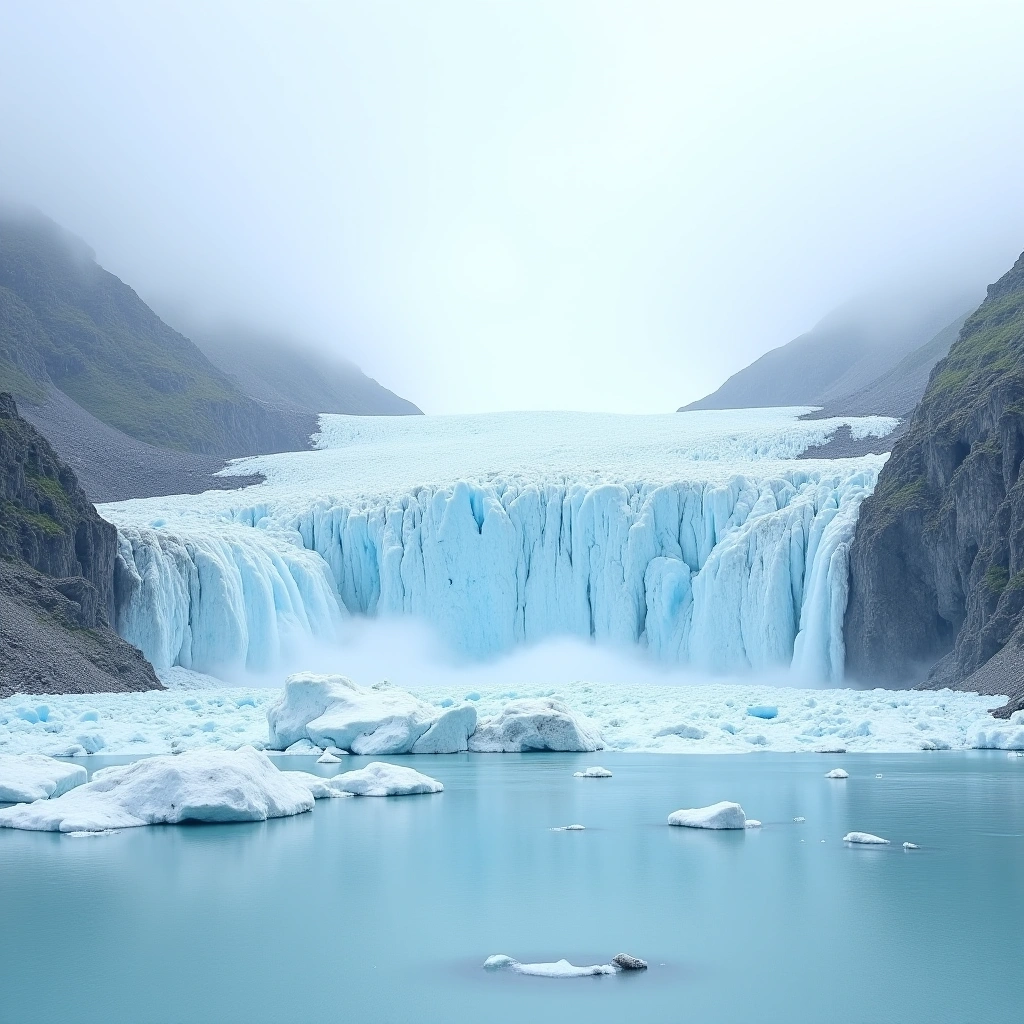
    The advancing ice blocked a river that flowed from an adjacent glacier, creating a new lake. “ Once the water pressure is high enough, it lifts the glacier ice and then drains immediately, like a flash flood ,” says Bolch.

    If you’ve been following the news lately, you might have noticed that the Himalayas are not just the tallest mountains in the world, but they are also becoming a hotspot for nature’s wildest waterworks show. Yes, I’m talking about flash floods, and no, it’s not the latest water park attraction. These floods are serious business, and they are being fueled by none other than our melting ice glaciers.

    Now, you might be wondering why we should care about glaciers melting. After all, they’re just big ol’ blocks of ice, right? Wrong! These glaciers are like the world’s giant water tanks, slowly releasing water into rivers and streams that people rely on for drinking, farming, and, you know, basic survival. But as the climate warms—thanks, climate change—we’re seeing these ice giants lose their cool (pun absolutely intended) faster than you can say “global warming.”

    Recent reports highlight that Nepal has witnessed floods of unprecedented magnitude, and let me tell you, this is not just a minor inconvenience for the locals. Flash floods can sweep away homes, infrastructure, and livelihoods in a matter of minutes. Imagine waking up to what looks like a scene from a disaster movie, but without the comforting presence of a heroic lead to save the day. Spoiler alert: it’s not that cinematic in real life.

    The science here is pretty straightforward. As temperatures rise, glaciers melt at an alarming rate. This excess water doesn’t just sit around looking pretty; it flows downhill, often causing rivers to swell and overflow. In the Himalayas, where the steep terrain can turn a gentle stream into a raging torrent in seconds, the situation becomes even more precarious. With every melted glacier, the risk of flash floods increases, leading to catastrophic events that can uproot entire communities.

    But wait, there’s more! The melting glaciers also mean that there’s less ice to reflect sunlight, which could potentially lead to even warmer temperatures. It’s like a vicious cycle that even the best roller coasters would envy. And let’s be honest; nobody wants to ride that ride.

    So, what can we do about it? Well, while we can’t exactly rebuild glaciers (if only we had the technology to freeze things on command), we can take steps to mitigate climate change. Reducing our carbon footprint, supporting sustainable practices, and advocating for climate action are all ways we can help curb this ongoing crisis. Plus, it gives us something to do other than binge-watching shows about the apocalypse, which, let’s face it, is becoming a little too relatable.

    In conclusion, the melting glaciers of the Himalayas are not just an environmental issue; they’re a human issue. The flash floods they cause can devastate lives and communities, and it’s high time we start paying attention. So, the next time you hear about glaciers melting, remember that it’s not just a sad story—it’s a call to action. Let’s work together to ensure that future generations don’t have to deal with the aftermath of our inaction. Because really, who wants to explain to their kids why the ice caps are gone? No pressure, right?


    Inspired by: “Melting ice glaciers causing crazy flash floods in Himalayas” (r/climatechange)

  • The Melting Glaciers of the Himalayas: A Recipe for Flash Floods

    The Melting Glaciers of the Himalayas: A Recipe for Flash Floods

    The advancing ice blocked a river that flowed from an adjacent glacier, creating a new lake. “ Once the water pressure is high enough, it lifts the glacier ice and then drains immediately, like a flash flood ,” says Bolch.

    If you’ve been following the news lately, you might have noticed that the Himalayas are not just the tallest mountains in the world, but they are also becoming a hotspot for nature’s wildest waterworks show. Yes, I’m talking about flash floods, and no, it’s not the latest water park attraction. These floods are serious business, and they are being fueled by none other than our melting ice glaciers.

    Now, you might be wondering why we should care about glaciers melting. After all, they’re just big ol’ blocks of ice, right? Wrong! These glaciers are like the world’s giant water tanks, slowly releasing water into rivers and streams that people rely on for drinking, farming, and, you know, basic survival. But as the climate warms—thanks, climate change—we’re seeing these ice giants lose their cool (pun absolutely intended) faster than you can say “global warming.”

    Recent reports highlight that Nepal has witnessed floods of unprecedented magnitude, and let me tell you, this is not just a minor inconvenience for the locals. Flash floods can sweep away homes, infrastructure, and livelihoods in a matter of minutes. Imagine waking up to what looks like a scene from a disaster movie, but without the comforting presence of a heroic lead to save the day. Spoiler alert: it’s not that cinematic in real life.

    The science here is pretty straightforward. As temperatures rise, glaciers melt at an alarming rate. This excess water doesn’t just sit around looking pretty; it flows downhill, often causing rivers to swell and overflow. In the Himalayas, where the steep terrain can turn a gentle stream into a raging torrent in seconds, the situation becomes even more precarious. With every melted glacier, the risk of flash floods increases, leading to catastrophic events that can uproot entire communities.

    But wait, there’s more! The melting glaciers also mean that there’s less ice to reflect sunlight, which could potentially lead to even warmer temperatures. It’s like a vicious cycle that even the best roller coasters would envy. And let’s be honest; nobody wants to ride that ride.

    So, what can we do about it? Well, while we can’t exactly rebuild glaciers (if only we had the technology to freeze things on command), we can take steps to mitigate climate change. Reducing our carbon footprint, supporting sustainable practices, and advocating for climate action are all ways we can help curb this ongoing crisis. Plus, it gives us something to do other than binge-watching shows about the apocalypse, which, let’s face it, is becoming a little too relatable.

    In conclusion, the melting glaciers of the Himalayas are not just an environmental issue; they’re a human issue. The flash floods they cause can devastate lives and communities, and it’s high time we start paying attention. So, the next time you hear about glaciers melting, remember that it’s not just a sad story—it’s a call to action. Let’s work together to ensure that future generations don’t have to deal with the aftermath of our inaction. Because really, who wants to explain to their kids why the ice caps are gone? No pressure, right?


    Inspired by: “Melting ice glaciers causing crazy flash floods in Himalayas” (r/climatechange)

  • Why Europe’s Soaring Natural Gas Prices Could Be the Best Thing for Renewable Energy

    Why Europe’s Soaring Natural Gas Prices Could Be the Best Thing for Renewable Energy

    Energy costs surging amid the Middle East conflict are pushing Europeans toward renewable technology at unprecedented rates as households seek escape from volatile fossil fuel markets. Brent crude has jumped over 50% since fighting began, reaching $116 per barrel, while European natural gas prices climbed roughly 70% with March 2026 tracking toward the steepest monthly increase since September 2021.

    Hey there, fellow climate enthusiasts and gas price watchers! Grab your favorite beverage (preferably something hot, because, let’s be real, we might need it to keep warm this winter) and let’s dive into the whirlwind that is Europe’s surging natural gas prices.

    So, what’s the scoop? According to recent reports, natural gas prices in Europe are skyrocketing—like, ‘hold onto your hats’ kind of skyrocketing. In the UK, for instance, domestic gas prices have jumped a whopping 27% year on year. Meanwhile, electricity prices are just hanging out, stable as a rock.

    Now, you might be wondering, “What’s the big deal?” Well, here’s the kicker: for those who rely heavily on gas to power their homes and businesses, this sudden spike in prices is causing a collective gasp and a scramble for alternatives. And guess what? That alternative is looking a lot like renewable energy and nuclear power.

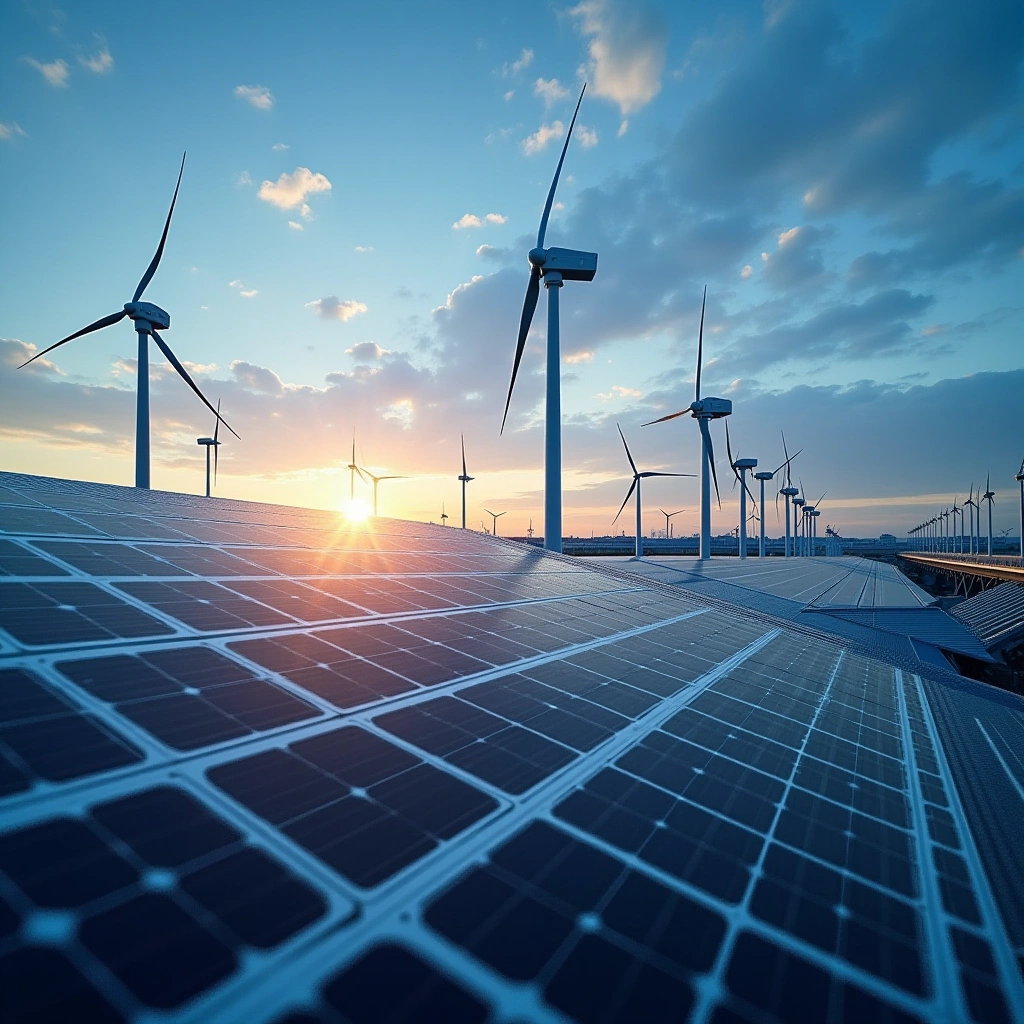
    You see, when the cost of gas starts to resemble the price of a small island, the logic behind switching to renewable sources suddenly becomes crystal clear. If you’re a business or a homeowner staring down the barrel of skyrocketing gas bills, investing in solar panels, wind turbines, or heat pumps starts to look less like a ‘nice-to-have’ and more like a ‘get me out of this gas price nightmare’ situation.

    And it’s not just about power for our homes; transportation is also in the mix. Take Denmark, for example. Their electrification of lorries is not only looking sensible but downright genius! Why rely on gas when you can plug in and zoom off into the sunset?

    What’s really interesting here is that while many of us are passionate about climate change (and rightly so), it’s easy to overlook how non-climate factors—like economic sustainability—can drive change just as effectively. In Europe, the desire to keep the economy afloat is becoming entwined with the push for environmental sustainability. Who knew that high gas prices could actually give renewable energy a leg-up?

    Now, let’s talk money. The sky-high costs of domestic gas, petrol, and diesel mean that electrification options like heat pumps, e-bikes, and electric vehicles (EVs) have a much shorter return on investment. In simple terms, if you’re going to spend a fortune on gas, you might as well invest in something that won’t make your wallet cry every month.

    Earlier this year, there was some pushback against UK politicians for their plans to ramp up renewable energy auctions. But guess what? There’s likely to be no pushback this winter or into 2027. Why? Because the price of gas is making everyone rethink their priorities. Who knew a bit of economic pressure could lead to a climate epiphany?

    However, we need to stay vigilant. The experience of 2022 has taught us that memories can be short. If and when oil and gas prices start to dip again, there’s a good chance that some folks will suddenly forget the urgency of transitioning to renewable energy. We can’t let that happen!

    So, let’s seize this moment. Let’s use the current energy crisis as a catalyst for change. Let’s push for more renewable projects, more electrification, and more sustainable solutions. Remember, high gas prices might be painful now, but they could lead to a greener, cleaner future. And who wouldn’t want that?

    In conclusion, while we all might be feeling the pinch at the pump, let’s take a moment to appreciate the silver lining here. Sometimes, it takes a little economic turmoil to shake us out of our complacency and push us toward a more sustainable future. And who knows? Maybe one day, we’ll look back and thank those soaring gas prices for giving us the nudge we needed to go green. Now, if only we could figure out how to make our heating bills just as manageable.

    Until next time, keep your eyes on the prize and let’s make this a winter to remember—for all the right reasons!


    Inspired by: “Europe’s natural gas prices are surging” (r/climatechange)

  • The Price of Pints: A Deep Dive into Melbourne’s Pub Scene

    The Price of Pints: A Deep Dive into Melbourne’s Pub Scene

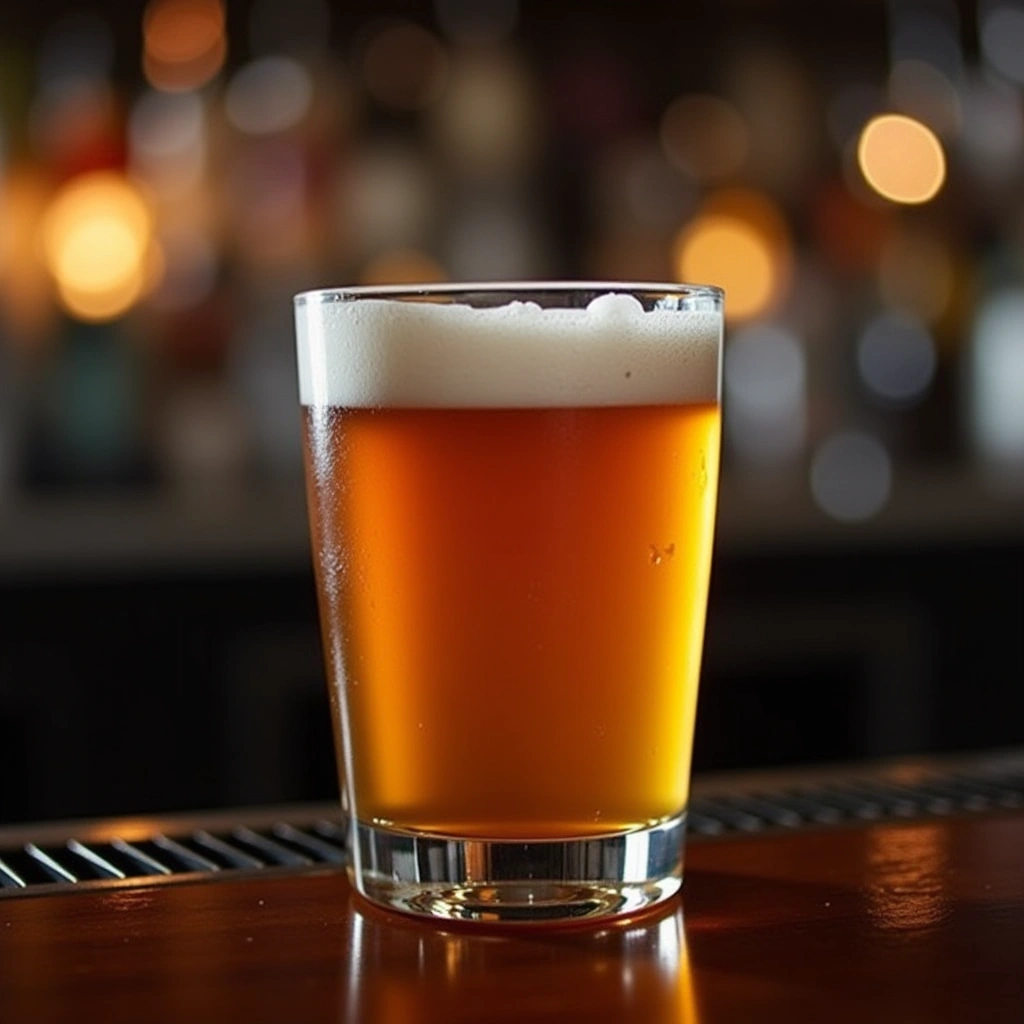
    A : Prices vary, but expect to pay between $12 and $16 for a standard pint of quality craft beer in the CBD. Happy hour specials are common and worth seeking out.

    So, you’re sitting back after a long day, and you decide to treat yourself to a couple of pints at your local pub on the waterside. You expect a nice, relaxing evening, but then you see the prices and suddenly feel like you’re about to be charged for a small mortgage instead. Welcome to the world of Melbourne’s beer prices!

    Let’s talk specifics. A recent Reddit post caught my eye, discussing the cost of two pints of beer on the ground floor of a waterside pub—specifically, the mysterious ‘bs level 3’ (which, if we’re being honest, sounds more like a level in a video game than a drinking establishment). The post got me thinking: how much are we really paying for our beloved brews in this city?

    First off, let’s break down the costs. In Melbourne, you can expect to pay anywhere from $10 to $15 for a pint of beer, depending on where you are. So, if you’re ordering two pints, you might as well hand over your wallet and say goodbye to your savings. Sure, you’re paying for the ambiance and the company (I mean, who doesn’t love a good chat with friends over a cold one?), but let’s be real: you could probably buy a six-pack at the bottle shop for the same price and enjoy it at home in your pajamas.

    But wait, there’s more! You might think that drinking at a waterside pub would come with a view, and you’d be right. The scenery can be breathtaking. Watching the sunset over the water while sipping on a cold one is a vibe—until you realize you’ve just paid for a scenic view that comes with a hefty price tag. It’s like paying for a ticket to a concert and ending up in the nosebleed seats.

    Now, let’s not forget about the infamous ‘happy hour.’ It’s like the holy grail for drinkers in Melbourne. You’d think that during this magical hour, the prices would drop to a reasonable level, but often it feels like they’ve just decided to rearrange the numbers on the menu instead. Sure, you might save a few bucks, but when you’re still paying $8 for a pint, you start to wonder if that’s really a discount or just a cruel joke.

    And let’s take a moment to appreciate the fact that Melbourne has some of the best craft beers out there. You could easily find yourself in a situation where you’re paying premium prices for a pint of a locally brewed beer that tastes like it was crafted by angels. But, let’s face it, unless you’re a beer connoisseur, you might not even notice the difference between that $10 craft beer and the $6 lager that you could be sipping on instead.

    In conclusion, the cost of two pints of beer on the ground floor of a waterside pub in Melbourne is just a reflection of the city’s vibrant (and sometimes overwhelming) drinking culture. It’s all about the experience, the atmosphere, and the memories you create (even if you’re left with an empty wallet). So, the next time you’re out for drinks, remember: it’s not just about the beer; it’s about the ‘experience’—even if that experience costs you an arm and a leg. Cheers!


    Inspired by: “The cost of two pints of beer on the ground floor of the waterside bs level 3” (r/melbourne)