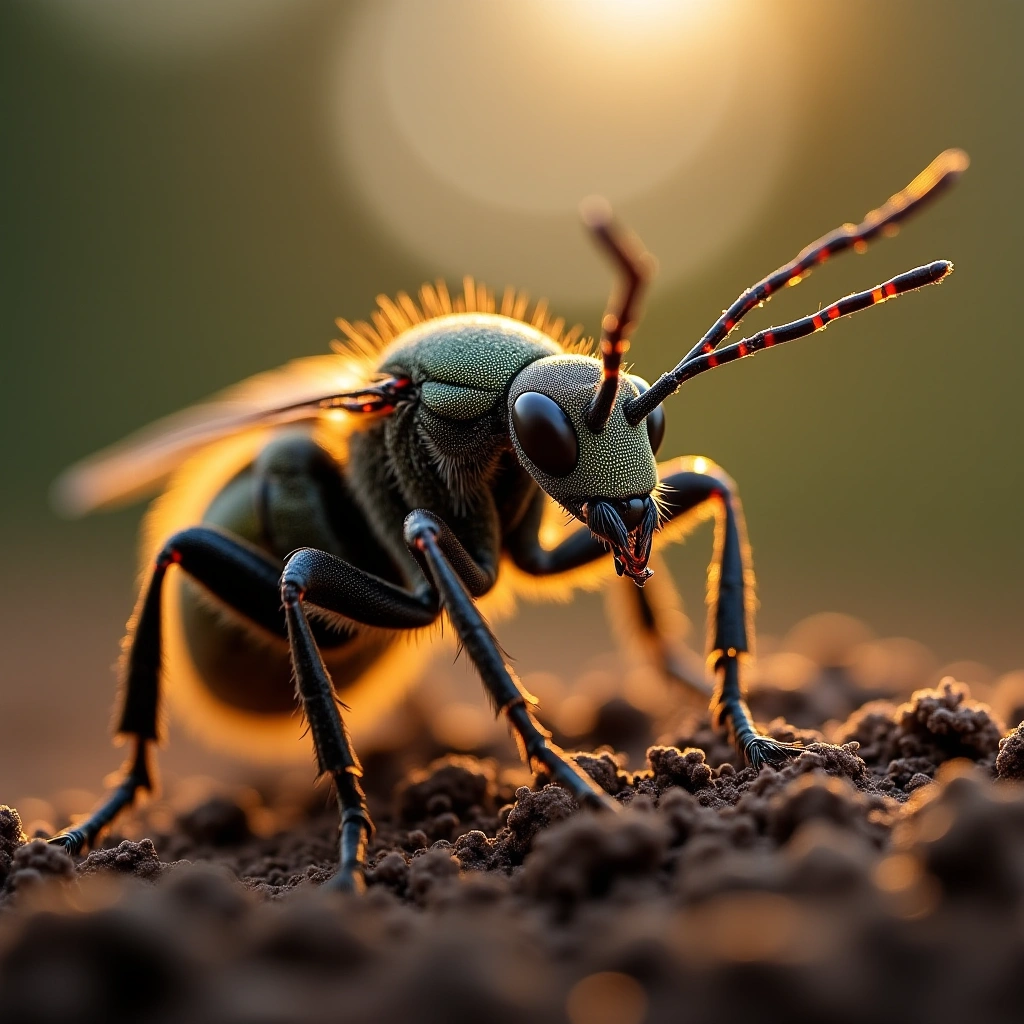
It is 50 years since I first collected those caterpillars in the school playground, and every year that has passed there have been slightly fewer butterflies, fewer bumblebees – fewer of almost all the myriad little beasts that make the world go round. These fascinating and beautiful creatures are disappearing, ant by ant, bee by bee, day by day. Estimates vary and are imprecise, but it seems likely that insects have declined in abundance by 75% or more since I was five years old.
Let’s take a moment to appreciate the little critters that scuttle, buzz, and crawl around us every day. Yes, I’m talking about insects—the tiny, often overlooked creatures that play a massive role in our ecosystem. But here’s the kicker: they’re in trouble. Due to climate change, insect populations are declining, and the consequences could be catastrophic. So, what’s at stake? Buckle up, because we’re diving into the insect apocalypse.
The Pollination Predicament
First off, let’s talk about pollination. You know, the process that turns flowers into fruit and makes your brunch avocado toast possible? Around 75% of the world’s crops depend on insect pollination. Yes, that’s right—without our buzzing friends, we might have to rethink our breakfast choices. Imagine a world without strawberries, almonds, or coffee. The horror!
When insects like bees and butterflies start to dwindle, the fruits and vegetables we rely on for nutrition could become scarce. This could lead to food shortages, skyrocketing prices, and let’s be honest, a lot of very unhappy Instagram feeds. Nobody wants to see photos of sad, empty plates.
The Food Chain Fiasco
Insects are a vital part of the food chain. They serve as food for birds, small mammals, reptiles, and even some larger mammals. If insects start disappearing, it’s not just the plants that will suffer; it’s a whole cascade of consequences. Imagine a world where your favorite birds are singing a little less cheerfully because they can’t find enough bugs to eat. The circle of life would be more like a sad, lopsided triangle.
Soil Health and Nutrient Cycling
Insects also help keep our soil healthy. They break down organic matter, recycle nutrients, and aerate the soil. Think of them as nature’s little gardeners. Without these tiny workers, soil health would decline, leading to poor crop yields and less fertile land. Suddenly, that backyard vegetable garden you’ve been dreaming about might turn into a barren wasteland. No tomatoes for your summer salads? Sacrilege!
The Rise of Pests
Now, you might be thinking, “Good riddance to those pesky bugs!” But hold on there, my friend. When beneficial insects decline, it creates an opportunity for harmful pests to thrive. Yes, the very pests you despise could become a bigger problem. Think about it: fewer ladybugs to eat aphids means more aphids for your plants to suffer. It’s like inviting the party crashers to take over your house while the good guests are out.
Climate Change: The Insect’s Worst Enemy
So, what’s causing this decline? You guessed it—climate change. Rising temperatures, altered rainfall patterns, and habitat loss are all contributing to the dramatic drop in insect populations. It’s not just a bad hair day for insects; it’s a full-blown crisis. As their habitats change, many species are unable to adapt quickly enough, leading to extinction.
What Can We Do?
Now that we’ve established that the decline of insects is a big deal, you might be wondering what you can do to help. For starters, plant native flowers and create habitats for these little guys. Skip the pesticides—they’re like the party poopers of the insect world. Support sustainable farming practices and educate others about the importance of insects. Every little bit helps, and who knows, you might just become the local insect hero.
Final Thoughts
In conclusion, the decline of insects is no laughing matter. Their absence could lead to food shortages, disrupted ecosystems, and a whole lot of unhappy animals (and humans). So, let’s give a round of applause to our tiny friends and work towards protecting them. After all, a world without insects is a world that’s a bit less colorful, a lot less tasty, and frankly, just plain sad. Let’s not let that happen, shall we?
Inspired by: “quais as consequências do declinio dos insetos?” (r/climatechange)