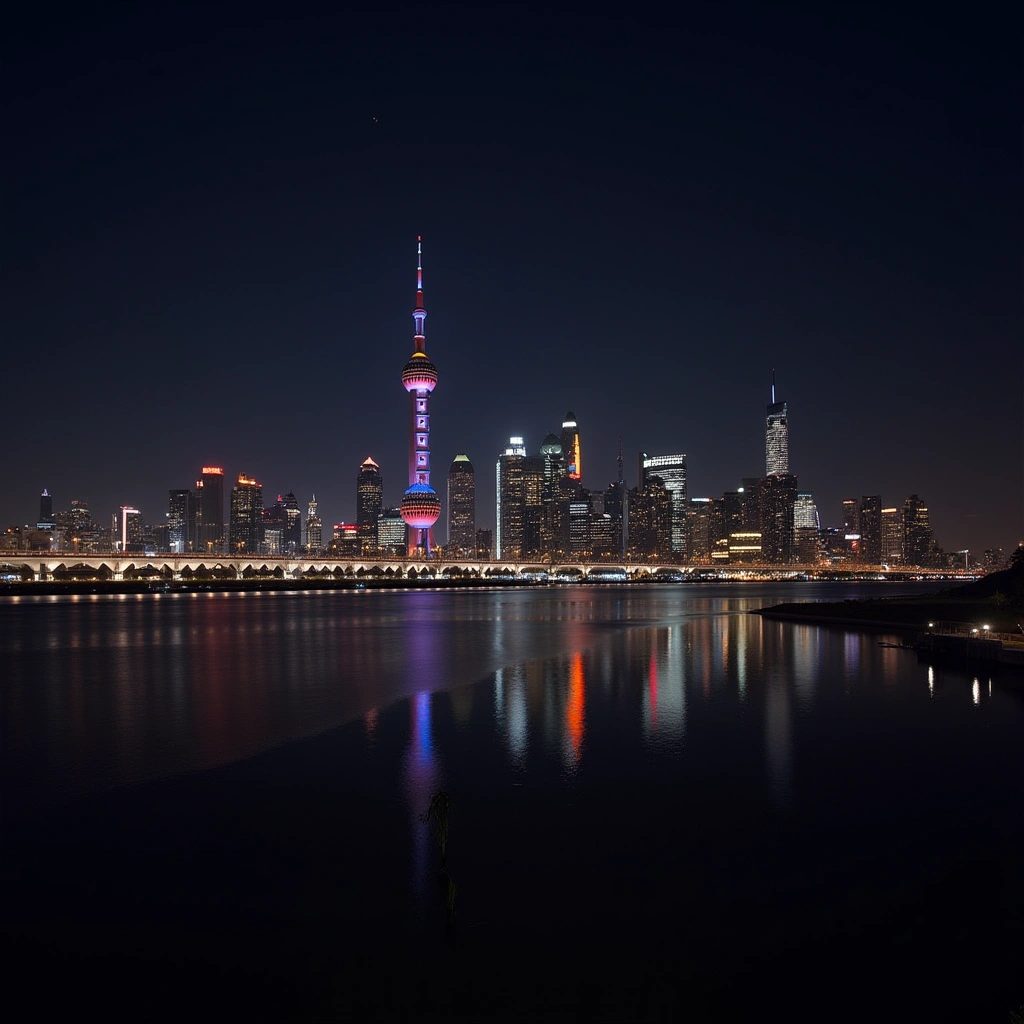
As extreme heat reshapes daily life in more cities, authorities must plan ahead. We will need more research on how cities can best adapt their daily rhythms to rising temperatures. It’s common to think of a city’s nightlife as revellers visiting bars or watching performances.
As the temperature continues to rise, it seems like the only thing hotter than the weather is the conversation around how cities can adapt. Enter the nightlife scene, which might just hold the key to keeping us cool—or at least cooler than we’d be if we were stuck sweating it out in the sweltering heat.
Let’s face it: summer days can be brutal. The sun blazes down like it’s auditioning for a role in a remake of ‘Hell: The Movie.’ Meanwhile, the evenings? Oh, they’re like a breath of fresh air, if fresh air were more like a light breeze and less like an oven. So why not leverage those lovely nighttime hours to help us cope with the rising heat?
The idea is simple: if cities extended their hours of operation, we could shift more of our activities to the cooler evenings. Imagine this: instead of trudging through the heat at noon just to grab a coffee, you could saunter over to your favorite café at 9 PM when the temperature dips and the ambiance is just right. Not only would this help keep us cool, but it would also reduce energy consumption during peak hours when the sun is at its meanest.
Now, I know what you’re thinking. “But what about the nightlife?” Well, my friend, that’s the beauty of it! Cities could transform into vibrant night hubs, giving a whole new meaning to ‘life at night.’ Picture open-air markets filled with food trucks, live music, and outdoor movie screenings. It’s like a festival every night! And let’s be real, who doesn’t want to enjoy a taco while lounging under the stars instead of sweating through a boring dinner at 5 PM?
Of course, this isn’t just about avoiding heatstroke while sipping a margarita. It’s about creating a more sustainable urban environment. With more people out and about in the evenings, we could potentially reduce the need for air conditioning, which, let’s be honest, is the real villain in our quest for coolness. Higher energy consumption leads to higher emissions, and we all know that’s not great for the planet.
Cities like Barcelona and Tokyo have already started experimenting with this concept, keeping their streets alive long after the sun goes down. In Barcelona, for instance, the nightlife is so vibrant that it’s practically a second job for locals. And who wouldn’t want to be paid in tapas and sangria?
But it’s not just about partying until dawn (though that does sound appealing). It’s about creating a community that thrives in the evenings, where people can socialize, shop, and enjoy the outdoors without feeling like they’re melting into a puddle.
So, city planners, take note! Let’s start thinking outside the box—or, rather, outside the sun. It might be time to embrace the night and give our cities a makeover that prioritizes both our comfort and the environment. After all, if the sun is going to be relentless, we might as well take our lives to the moonlit streets. And who knows? Maybe we’ll even discover that nightlife isn’t just for the young and reckless, but for everyone who wants to beat the heat—one cool evening at a time.
Inspired by: “From nightlife to life at night: Cities must stay open later to beat the rising heat” (r/climatechange)