Category: Human Interest

  • Who is ‘Better Victoria’ and Why Should We Care?

    Who is ‘Better Victoria’ and Why Should We Care?

    Victoria (Alexandrina Victoria; 24 May 1819 – 22 January 1901) was Queen of the United Kingdom of Great Britain and Ireland from 20 June 1837 until her death in 1901. Her reign of 63 years and 216 days, which was longer than those of any of her predecessors, constituted the Victorian era, …

    Ah, the joys of modern advertising! If you’ve spent any time on YouTube lately, you might have stumbled across those charming little ads for something called “Better Victoria.” You know the ones—short, snappy, and seemingly designed to make you reconsider your life choices while you’re trying to watch cat videos or the latest viral dance challenge. But what exactly is this organization, and why are they popping up like a whack-a-mole in your ad feed? Let’s dive in!

    First off, let’s clarify: Better Victoria is not a political party. They’re not here to run for office or offer you a shiny new policy proposal that sounds good on paper but leaves you wondering how it’ll affect your daily life. No, they’re taking a different approach, which apparently involves throwing shade at the current Labor initiatives while simultaneously asking us to think about the big picture. Because, you know, nothing says “we care” quite like a vague ad that points out how life isn’t getting easier without actually telling you how they plan to make it better.

    So what’s the deal with their ads? They seem to be pitting local issues against Labor’s initiatives, which feels a bit like a high school debate gone awry. Take that annoying roundabout in your neighborhood, for instance. Instead of just letting it be a part of your daily commute, they want you to consider how it could be better—like a metaphorical roundabout that’s been given a motivational poster and a pep talk. The ads then direct you to their website, which, let’s be honest, is as clear as mud.

    Now, if you’re like me, you might be wondering who’s behind this enigmatic organization. Well, I did a bit of sleuthing (and by that, I mean Googling in my pajamas) and found out that the registered PO Box for Better Victoria is linked to Axial Advisory in Ripponlea. Sounds fancy, right? But what does that even mean? Who knows! Apparently, they prefer to keep their funding sources as secretive as the recipe for Coca-Cola. This lack of transparency raises eyebrows, especially with state elections looming.

    What’s the real agenda here? Are they just trying to undermine Labor in a bid to gain some political clout, or is there something more sinister at play? Perhaps they’re secretly AI enthusiasts with a grand plan to replace all local government with algorithms that can debate the merits of roundabouts versus traffic lights. I mean, if we’re going to dream, let’s dream big!

    But let’s get back to the crux of the issue: Is there a way to convince Better Victoria to allocate their ad budget toward something more useful? Like maybe funding local community projects, or, I don’t know, helping to fix those annoying roundabouts instead of just complaining about them? It seems like a missed opportunity to actually contribute to society rather than just pointing fingers.

    In conclusion, while Better Victoria might be stirring the pot in the lead-up to the elections, it’s crucial that we remain skeptical. They may not be a political party, but they’re definitely trying to influence the conversation. So the next time you hit that skip button on their ad, just remember: you’re not just skipping an ad; you’re skipping over a mystery that might just need a little more investigation. And who knows, maybe we’ll find out that Better Victoria isn’t just about better ads—but about making our communities better, too. Now, wouldn’t that be something?


    Inspired by: “Who is Better Victoria?” (r/melbourne)
  • Papua New Guinea: A Coral Wonderland Gets a Much-Needed Protection Makeover

    Papua New Guinea: A Coral Wonderland Gets a Much-Needed Protection Makeover

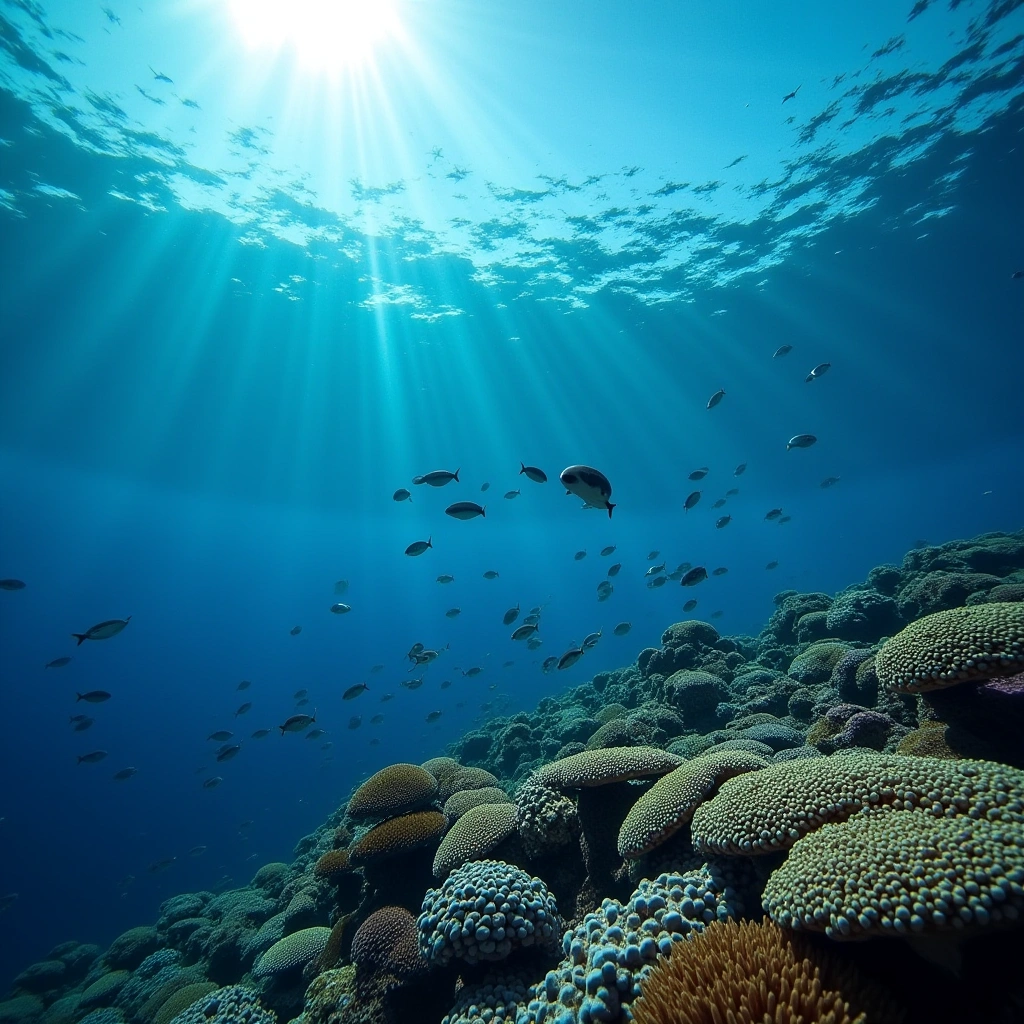
    Papua New Guinea announced plans for the Western Manus Marine Protected Area , a nearly U.K.-sized no-take sanctuary in the Coral Triangle that will protect marine biodiversity, endangered species and Pacific fisheries while supporting global …

    Ah, Papua New Guinea! Known for its stunning landscapes, diverse cultures, and now, a coral-rich marine ‘highway’ that’s about to get a serious upgrade. Yes, you heard it right! The country is stepping up to protect a whopping 200,000 square kilometers of its marine territory, and it’s about time!

    Let’s break this down. What exactly does ‘no-take’ marine protected area mean? Well, it’s not a fancy term for an exclusive beach party. It means that fishing and other extractive activities are banned in this area to allow marine life to thrive. And thrive it will, because this region is a vibrant underwater paradise, home to gray reef sharks, majestic manta rays, adorable green turtles, playful dolphins, and even seabirds that probably think they’re the life of the ocean party.

    Now, some of you might be wondering, why should we care? Well, aside from the fact that these creatures are just plain cool, protecting marine ecosystems is crucial for the health of our planet. Coral reefs are often referred to as the ‘rainforests of the sea’ because they support a staggering amount of biodiversity. Plus, they help protect coastlines from erosion, which is a pretty big deal in the face of climate change.

    But wait, there’s more! The establishment of this marine protected area isn’t just about being the ocean’s superhero. It’s also about supporting the local fisheries. That’s right! Healthy marine ecosystems can actually boost fish populations, which means more fish for local communities to catch sustainably. Talk about a win-win situation!

    So, how did this all come about? Well, it’s not like one day someone woke up and said, ‘Hey, let’s protect a huge chunk of the ocean!’ This initiative is part of a broader effort to address climate change and preserve biodiversity in Melanesia. It’s a collaborative effort that involves the government, local communities, and environmental organizations working hand in hand. Because, let’s face it, saving the planet is a team sport.

    Now, while we’re all for optimism, let’s sprinkle in a bit of reality. Protecting marine areas is one thing; enforcing those protections is another. It’s like putting a ‘No Fishing’ sign in the middle of a buffet. Sure, it looks nice, but if no one is watching, you can bet there will be some sneaky fishers trying to snag dinner. So, ongoing monitoring and community involvement will be key to making this initiative successful.

    In conclusion, Papua New Guinea is setting an example that we hope will inspire other nations to follow suit. Protecting our oceans is not just about saving the cute animals (although that’s a solid reason). It’s about ensuring a sustainable future for our planet and the people who depend on it. So, here’s to Papua New Guinea and its coral-rich marine highway! May it flourish and thrive, and may we all take a page out of their book when it comes to conservation efforts.

    Now, if only we could get the same level of protection for our favorite snack foods—like pizza and tacos. But that’s a topic for another day!


    Inspired by: “Papua New Guinea will safeguard coral-rich marine ‘highway’: 200,000 km2 of ‘no-take’ marine protec…” (r/climatechange)

  • Victoria’s Rental Taskforce: A Permanent Solution to Landlord Shenanigans

    Victoria’s Rental Taskforce: A Permanent Solution to Landlord Shenanigans

    Our renting taskforce is cracking down on rental providers and estate agents who commit rental law offences .

    So, it seems that Victoria has decided to make its rental taskforce a permanent fixture. Yes, you heard that right! No more temporary fixes or half-hearted attempts at regulating the rental market. This is a full-on, no-nonsense crackdown on landlords who think they can run amok without any consequences. I mean, it’s about time, right?

    For those of you who might be wondering what a rental taskforce actually does, let’s break it down. Picture a group of highly motivated individuals with a mission: to keep landlords in check and ensure that renters aren’t subjected to the whims of the housing market. Think of them as the Avengers, but instead of superpowers, they wield legal regulations and tenant rights.

    The move to make this taskforce permanent comes as a reaction to the ongoing issues faced by renters. Rising rents, shoddy living conditions, and landlords who think they can get away with anything have become the norm. Seriously, if we had a dollar for every horror story we’ve heard about landlords, we could probably afford to buy a house ourselves (or at least a decent cup of coffee).

    Now, let’s talk about what this means for renters. With the taskforce in place, there’s hope for a more balanced playing field. The taskforce aims to enforce existing laws and introduce new regulations that protect tenants. This could include measures like limiting rent increases, ensuring properties are up to code, and even cracking down on those pesky ‘no pets’ clauses that seem to pop up everywhere. I mean, come on, Fido deserves a home too!

    Of course, not everyone is thrilled about this development. Landlords are likely to be rolling their eyes and muttering about how unfair it is that they can’t just raise rent whenever they feel like it. But let’s be real here: the housing market has been a bit of a wild west for too long. It’s time to rein in the chaos and hold landlords accountable for their actions.

    Furthermore, making the taskforce permanent shows that the government is taking these issues seriously. It’s not just a band-aid solution; it’s a commitment to improving the rental landscape in Victoria. And let’s face it, if we can’t even guarantee basic living conditions for renters, what are we even doing?

    In conclusion, the permanent establishment of Victoria’s rental taskforce is a significant step forward in the fight for tenant rights. It’s a glimmer of hope for those who have felt powerless in the face of rising rents and landlord negligence. So, here’s to a future where renters can feel safe and secure in their homes, and landlords might just think twice before trying to pull a fast one. Let’s raise a glass (or a rental agreement) to that!


    Inspired by: “Victoria makes rental taskforce permanent in major crackdown on landlords” (r/melbourne)

  • Shining a Light on Nigeria’s Solar Boom: The Numbers Don’t Tell the Whole Story

    Shining a Light on Nigeria’s Solar Boom: The Numbers Don’t Tell the Whole Story

    Battery storage capacity surged by over 305% in 2025, reaching 40.6 megawatt-hours as businesses and households seek to insulate themselves from a grid that can wheel no more than 5,000 megawatts at any given time, despite installed generation …

    When we think about renewable energy, we often picture sprawling solar farms or wind turbines dancing in the breeze. But what if I told you that Nigeria’s solar expansion is happening at lightning speed, yet the official statistics barely scratch the surface? Yep, it seems like we’re in a classic case of ‘the left hand doesn’t know what the right hand is doing’—or in this case, the government doesn’t know what the people are doing.

    So, let’s dive into why this is happening and what it means for Nigeria and the broader African continent. Spoiler alert: it’s a lot more exciting than it sounds!

    The Numbers Game

    According to the latest reports—those that are actually acknowledged by the officials—Nigeria is making strides in solar energy. But here’s the kicker: the rapid growth of distributed solar systems, like those snazzy rooftop panels that you might see on houses, is largely absent from the official data. It’s almost as if these statistics are playing hide and seek, and they’re really good at it!

    Distributed solar is basically solar energy generated on a smaller scale, often by homeowners or small businesses. Think of it as the little engine that could, quietly chugging along while the big, flashy solar farms get all the attention. These smaller systems are popping up like mushrooms after a rainstorm, but because they’re not centrally monitored, nobody really knows how many there are or how much energy they’re producing.

    Why is This Happening?

    You might be wondering why such a significant portion of solar energy production is flying under the radar. Well, there are a few reasons:

    1. Lack of Infrastructure: In many parts of Nigeria, the infrastructure to monitor and record solar energy production simply doesn’t exist. It’s like trying to count the stars in the sky with a broken telescope—good luck with that!

    2. Government Bureaucracy: Let’s face it, government processes can be slower than a snail on a leisurely stroll. By the time they catch up with the rapid growth in solar installations, the numbers might already be outdated.

    3. Informal Market: A lot of solar installations are happening in the informal sector. Individuals are buying panels and setting them up without any official tracking. It’s like a DIY solar revolution, and who doesn’t love a good DIY project?

    The Impact of This Solar Surge

    So, what does this mean for Nigeria and the continent at large? Well, for starters, it means that the potential for renewable energy in Africa is way more promising than current data suggests. If we consider the hidden solar installations, Nigeria could be on the verge of a renewable energy breakthrough that could light up the entire region.

    Moreover, this boom in distributed solar energy can lead to job creation, reduced reliance on fossil fuels, and, most importantly, a cleaner environment. Just imagine a future where Nigeria isn’t just known for its oil reserves but also as a leader in renewable energy. How’s that for a plot twist?

    Conclusion

    So, the next time someone tells you that Nigeria is lagging in solar energy, you can confidently say, “Hold on there, friend! The numbers are just a tad misleading.” The real story is one of innovation, resilience, and a grassroots movement towards cleaner energy.

    Let’s hope that in the future, we’ll get better data that reflects this incredible growth. Until then, keep your solar panels shining and your spirits high—because Nigeria’s solar expansion is a bright spot in the fight against climate change, even if the official statistics are still in the dark.

    And who knows? Maybe someday, we’ll have enough data to make the solar boom official, and then we can all throw a party to celebrate—complete with solar-powered disco balls, of course!


    Inspired by: “Nigeria’s solar expansion not captured in official data – Africa’s solar expansion is happening fas…” (r/climatechange)

  • Welcome to the r/Melbourne Daily Discussion Thread: Your Go-To Spot for Casual Chats!

    Welcome to the r/Melbourne Daily Discussion Thread: Your Go-To Spot for Casual Chats!

    The place for your everyday casual chat.

    Ah, Melbourne! The city of coffee, culture, and that one time it was summer in the morning and winter by lunch. If you’re a Melburnian or just someone who fancies a bit of banter about this lovely city, you’re in luck! Today, we’re diving into the daily discussion thread from the r/Melbourne subreddit. So grab your flat white, and let’s get chatting!

    Every day, the r/Melbourne subreddit opens its virtual doors to locals and visitors alike for a casual chat about anything under the sun—well, as long as it’s related to Melbourne and not your cousin’s weird obsession with collecting spoons. This daily thread is a great place for newcomers to dip their toes into the community, ask questions, or just engage in some good old-fashioned Melbourne banter.

    A Warm Welcome

    First things first, let’s talk about the warm welcome that’s extended to everyone. The r/Melbourne community is incredibly inclusive, and new users or those without a lengthy subreddit history can feel right at home here. Maybe you’re new to the city and have no idea how to navigate the labyrinth that is Melbourne’s tram system. Or perhaps you’re a tourist trying to figure out if it’s too early for a pint at the pub. Whatever your query, this thread is the perfect place to ask!

    Respecting the Land

    Before we dive into the nitty-gritty of daily discussions, it’s important to acknowledge the Traditional Owners of the land. The r/Melbourne subreddit takes this commitment seriously, recognizing the ongoing connection that Aboriginal and Torres Strait Islander cultures have with the lands, waters, and communities of this area. So, while you’re sipping your coffee and scrolling through memes, take a moment to appreciate the rich history that surrounds us.

    Your Daily Dose of Chats

    Now, let’s get to the fun part! The daily discussion thread is where you can find everything from recommendations for the best laneway bars to the latest news about local events. Feeling peckish? Ask for the best spots for a late-night kebab—because we all know that nothing pairs with a night out quite like a good kebab.

    And don’t be shy! If you’ve recently discovered a hidden gem in your neighborhood or have a burning question about where to find the best pizza, this is your stage. After all, what’s more Melbourne than a spirited debate over who serves the best slice?

    Research and Surveys

    If you’re a data nerd or just someone who loves to help out, you might appreciate the research and survey requests that pop up in the daily thread. Whether it’s a local university looking for participants in a study about coffee consumption or a startup gathering opinions on their latest app, you can lend your voice to the cause. Who knows, you might just help shape the future of Melbourne’s coffee scene!

    Tourist Questions Welcome

    For those visiting Melbourne, the daily discussion thread is also a treasure trove of information. You can ask questions about the must-see attractions, the best times to visit the Queen Victoria Market, or even which tram line will take you to the most Instagrammable spots. Just remember, if someone suggests taking the tram to the beach, they might be having a laugh at your expense.

    Join the Conversation!

    So, whether you’re a long-time resident or just passing through, don’t hesitate to jump into the r/Melbourne daily discussion thread. It’s the perfect place to connect with fellow Melburnians, share your experiences, and maybe even make some new friends along the way. Remember, Melbourne is not just a city; it’s a community, and you’re invited to be a part of it.

    In conclusion, let’s raise our coffee cups to the daily discussion thread on r/Melbourne! Here’s to casual chats, helpful tips, and the occasional friendly debate about whether pineapple belongs on pizza (spoiler: it does). Happy chatting, everyone!


    Inspired by: “It’s the r/Melbourne daily discussion thread [Monday 31/08/2026]” (r/melbourne)

  • The Great Swooping Debate: Noisy Miners vs. Magpies

    The Great Swooping Debate: Noisy Miners vs. Magpies

    As torturously grating as that hysterical scream may be, it is illegal to kill a noisy miner – they’re protected by state laws. While debate continues on whether the introduced myna should be culled, the native miner birds can scream and swoop till their hearts’ content.

    Ah, the joys of living in Melbourne, where the coffee is strong, the weather is unpredictable, and the birds are downright aggressive. If you’ve spent any time outdoors in this beautiful city, you’ve likely heard the age-old debate: “Are magpies the ultimate swooping menace, or are we just not giving enough credit to the noisy miners?” Well, grab your dog leash and a helmet because we’re diving into this feathered feud!

    First off, let’s talk about magpies. These black-and-white beauties have a reputation that precedes them. With their swooping tactics aimed at unsuspecting pedestrians during breeding season, it’s like they’ve taken a page out of a horror movie script. You’d think they were training for the next Olympic event—”Swooping 101: How to Scare the Living Daylights Out of Humans.” But interestingly enough, there are some folks out there who have never been swooped by a magpie. Yes, you read that right!

    Take our friend over at Reddit, who claims to have never been swooped by a magpie in their life. They even wonder if their staunch allegiance to the Collingwood Football Club has anything to do with it. I mean, who wouldn’t want to avoid the wrath of a magpie if it meant keeping their footy team’s colors intact? But for the rest of us, it’s like we’ve been marked for life.

    Now, let’s turn the spotlight to the noisy miner. These little rascals are not just noisy; they’re downright obnoxious. If magpies are the stealthy ninjas of the bird world, then noisy miners are like that loud friend who shows up uninvited to your quiet gathering and starts yelling about how great their latest TikTok is. They swoop in on you, squawking and dive-bombing as if you’ve just entered their territory.

    Imagine trying to enjoy a peaceful stroll with your dog, only to have a noisy miner decide that you’re the perfect target for their aerial antics. It’s relentless! You’re just minding your own business, and suddenly, you’ve got a flock of feathered hooligans yelling at you like you’ve just stolen their favorite snack. It’s enough to make anyone reconsider their morning walks.

    So, why do some people get swooped by magpies while others find themselves on the receiving end of noisy miner chaos? Is it a karmic balance? A sign from the universe? Or perhaps it’s just a matter of luck—or lack thereof. Maybe it’s all about how you carry yourself. If you walk with confidence, perhaps the magpies sense that and decide to spare you. But if you’re shuffling along, dodging the noisy miners like they’re throwing shade at your dog’s latest haircut, well, you might just be their next target.

    In the end, whether you’re dodging dive-bombing magpies or fending off the noisy miners, one thing is for sure: living in Melbourne means you’ll never be short on excitement—especially from its bird inhabitants. So, next time you head out for a walk, just remember to keep your head on a swivel and maybe, just maybe, wear a hat. Who knows? You might just become the anomaly in this great swooping debate.


    Inspired by: “DAE only ever get swooped by noisy miners instead of magpies?” (r/melbourne)

  • Sailing into the Future: Australia’s Battery-Powered Bulk Carrier Sets Sail

    Sailing into the Future: Australia’s Battery-Powered Bulk Carrier Sets Sail

    Yampu is not yet fully electric . However, the ship was originally designed with the possibility of switching to electric propulsion in the future. Therefore, the battery system has become an intermediate step, which can reduce diesel consumption …

    Ahoy there, eco-warriors and ship enthusiasts! Buckle up, because we’re about to dive into some electrifying news from the land down under. Australia has officially welcomed the world’s first battery-powered self-unloading bulk carrier into its maritime fleet. Yes, you heard that right—this ship doesn’t run on diesel; it runs on batteries! Talk about a power move!

    Now, before you start picturing a giant floating battery (which, let’s be honest, would be a sight to see), let’s unpack what this means for the shipping industry and our planet.

    What’s a Self-Unloading Bulk Carrier Anyway?

    First off, let’s clarify what a self-unloading bulk carrier is. It’s not a fancy term for a ship that spontaneously decides to offload its cargo (though that would be impressive). Instead, it refers to vessels designed to transport bulk materials—think grains, coal, or aggregates—and equipped with systems that allow them to unload their cargo without needing a crane. It’s like having a built-in conveyor belt, making the unloading process as smooth as butter.

    The Electric Revolution at Sea

    Now, back to our star of the show: this battery-powered beauty! With the shipping industry being a notorious carbon emitter, this innovative vessel is like a breath of fresh air—quite literally. By replacing traditional fuel with batteries, it aims to reduce greenhouse gas emissions and make the shipping process more sustainable. Who knew ships could go green and not just become floating islands of pollution?

    A Step Towards Sustainable Shipping

    You might be wondering, why does this matter? Well, let’s break it down. The shipping industry accounts for about 2-3% of global carbon emissions. That’s a hefty slice of the pie, and with the world scrambling to hit those climate goals, every little bit helps. This battery-powered carrier is a step in the right direction, proving that even the heaviest of cargo can be transported with a lighter carbon footprint.

    Challenges Ahead

    But let’s not pop the champagne just yet. While this ship is a groundbreaking achievement, it’s not without its challenges. For starters, battery technology is still evolving, and the capacity to carry large loads over long distances without needing a recharge is a hurdle that needs to be overcome. Plus, we can’t forget about the infrastructure to support charging these behemoths at ports. So, while we’re celebrating, let’s also keep our eyes peeled for the bumps in the road ahead.

    The Bigger Picture

    This isn’t just about one ship; it’s about an entire industry that is slowly but surely realizing it can’t keep sailing on fumes. As more companies look to reduce their environmental impact, we could see a fleet of eco-friendly vessels hitting the waves. Imagine a world where cargo ships glide silently across the ocean, powered by clean energy. It’s like a scene from a futuristic movie—minus the flying cars (we’ll get there eventually).

    Conclusion

    So, here’s to Australia and its pioneering spirit! The world’s first battery-powered self-unloading bulk carrier is not just a win for the shipping industry; it’s a win for the planet. It’s a reminder that innovation can help us navigate the stormy seas of climate change. As we move forward, let’s hope this ship is just the tip of the iceberg in the push towards greener transportation. Now, if only we could figure out how to make flying cars a reality…

    Until then, let’s keep our eyes on the horizon and our hopes high. Sail on, battery-powered carrier, sail on!


    Inspired by: “World’s first battery-powered self-unloading bulk carrier enters service in Australia” (r/climatechange)

  • How Three Schoolgirls Turned Warty Pea Plants into a Scientific Breakthrough

    How Three Schoolgirls Turned Warty Pea Plants into a Scientific Breakthrough

    When three teenagers glimpsed what others dismissed as plant disease, they saw a path to solving agriculture's nitrogen problem —and the scientific establishment's skepticism only made them dig deeper.

    So, picture this: three schoolgirls in Kinsale, Ireland, out gardening one sunny day, when they stumble upon a pea plant that looks like it’s been through a bad case of acne. Instead of tossing it in the compost heap or calling it a day, they decide to take it to school. Because, you know, what else would you do with a wart-covered plant?

    Émer Hickey, the brave soul who discovered this botanical oddity, was just a teen when she and her mother unearthed the plant. When she asked her teacher what was wrong with it, the answer was less than enlightening. “Nothing much, just a bunch of nodules housing some friendly bacteria called rhizobium.” It turns out, these bacteria are like the personal trainers of the plant world, helping legumes like peas get their nitrogen fix in exchange for a little sugar. It’s a beautiful partnership, but there’s a catch: cereal crops like wheat, barley, and rice can’t join the party.

    Now, if you were a sensible teenager, you might have shrugged it off and moved on to more pressing matters, like figuring out how to survive high school. But not Émer, Ciara Judge, and Sophie Healy-Thow. The trio had been studying the world food crisis in geography class, and they decided to take this newfound knowledge and run with it—right into a three-year-long scientific endeavor that would make most adults question their career choices.

    Equipped with nothing but youthful determination (and maybe a bit of naivety), they turned a spare bedroom into a makeshift laboratory. With homemade incubation racks and hand-labeled samples, they soaked cereal seeds in rhizobium cultures, measuring everything from germination rates to seedling growth. It’s like a science fair project on steroids—if steroids were made of dedication and a sprinkle of teenage rebellion.

    Over the course of three years, they tested around 13,000 seeds, logging an astounding 120,000 individual measurements. Honestly, if I had to keep track of that many numbers, I’d probably just start throwing seeds around and calling it a day. But these girls? They were relentless. And their efforts paid off in a big way.

    Against all odds, the treated barley and oats germinated up to 50% faster than their untreated counterparts. That’s right, folks—these little seeds were practically racing to grow. Not only did they sprout faster, but they also ended up being stronger, with dry mass increases of up to 74%. It’s like they took a power-up before heading out into the world.

    You can imagine the reactions when the girls shared their findings with the scientific community. The adults who had told them it wouldn’t work on cereals were probably left scratching their heads, wondering how three teenagers managed to outsmart them. The project quickly gained recognition, winning the coveted BT Young Scientist of the Year award in 2013, making them the first all-girls team to snag the title. And if that wasn’t enough, they also took home the EU Young Scientist contest. Talk about a glow-up!

    So, what’s the takeaway from this story? If you ever find a weird-looking plant, don’t just throw it away. Who knows? You might just stumble upon the next big thing in agricultural science. And remember, sometimes the best ideas come from the most unexpected places—like a spare bedroom filled with seeds, notebooks, and a whole lot of youthful ambition.

    In a world where adults often underestimate the power of youth, these three girls have shown us that a little curiosity and a dash of determination can lead to groundbreaking discoveries. So, next time you see a wart on a plant, just think: it could be the start of something incredible!


    Inspired by: “How Three Schoolgirls Turned Warty Pea Plants into a Scientific Breakthrough”

  • Where Are All the Father’s Day Restaurant Events?

    Where Are All the Father’s Day Restaurant Events?

    Several NYC restaurants are running Father ‘ s Day specials on June 21: Peasant (SoHo) has a Whole Animal rotisserie menu and a Whole Pig Dinner; MangoSeed (Flatbush, Brooklyn) offers beer and rum flights with NBA Finals viewing; The Standard Grill (Meatpacking District) hosts Daddy’ s Bingo with martinis and sparklers; Junoon (Flatiron) adds special Indian dishes; and Lysée (Flatiron) sells an $80 chocolate cake serving four to six.

    Ah, Father’s Day. A day we set aside to show appreciation for the dad in our lives, whether it’s your own father, a father figure, or just that guy who’s really good at fixing things around the house. But have you noticed something a little peculiar about this special day? It seems like the restaurant scene is a bit of a ghost town when it comes to celebrating dear old Dad.

    Now, let’s get real for a second. Mother’s Day is practically a national holiday for restaurants. You can’t walk two steps without tripping over a brunch special that includes mimosas, complimentary chocolates, and maybe even a free foot massage if you’re lucky. They roll out the red carpet for moms, and rightly so—after all, they did carry us for nine months and put up with our teenage angst.

    But Father’s Day? Not so much. It’s like the restaurants went on holiday themselves. You’d think they’d at least offer a special breakfast or lunch menu, perhaps a nice steak deal or a beer flight to celebrate the man who taught you how to ride a bike or fix a leaky faucet. But nope, it’s business as usual, my friends.

    I was recently chatting with my wife about this very topic. She was on the hunt for a nice spot to take me for Father’s Day, and after a few fruitless searches, she came back with an apology instead of a reservation. “Sorry, hon, but it looks like we’re stuck with the same old takeout again this year.” Thanks, restaurants, for making me feel as special as a leftover sandwich.

    It’s baffling, really. You’d think that with all the dad jokes flying around and the barbecue culture deeply embedded in our society, there would be a few more themed events to celebrate the occasion. I mean, how hard would it be to whip up a ‘Dad’s Day BBQ Bash’ or ‘Grill and Chill’ event? Just slap a few burgers on the grill, pour some cold ones, and boom! You’ve got yourself a Father’s Day celebration.

    But instead, we get the same ol’ menu with a side of indifference. It’s like the restaurants are saying, “Sure, we love dads, but not enough to put in any effort.” I can’t help but wonder if this is some sort of conspiracy. Maybe there’s a secret pact among restaurant owners to keep Father’s Day low-key so they can save all the good stuff for the moms.

    So, what’s a dad to do? Should we just accept our fate and resign ourselves to another year of mediocre food and a lack of fanfare? Or should we take matters into our own hands and start organizing our own events? I’m thinking of starting a grassroots movement: “Dads Deserve Better” where we demand steak specials, craft beer tastings, and at least a nod to our existence on Father’s Day.

    In the meantime, let’s not forget to appreciate the little things. Maybe a simple family dinner at home is all we really need. Or perhaps a day spent watching sports in our pajamas—because nothing says “I love you, Dad” quite like a full day of couch time.

    So here’s to all the dads out there: may your Father’s Day be filled with love, laughter, and hopefully a decent meal—whether it’s from your favorite restaurant or a well-cooked dish at home. And to the restaurants, we’re watching you. Next year, let’s step it up a notch, shall we?


    Inspired by: “Is it just me or is there a lack of Fathers Day themed restaurant events?” (r/melbourne)

  • The Current State of the U.S. Energy Transition: A Rollercoaster Ride

    The Current State of the U.S. Energy Transition: A Rollercoaster Ride

    Amanda Levin of the Natural Resources Defense Council published a rebuttal in Heatmap this week, highlighting a recent peer-reviewed study and modeling from Energy Innovation that finds the U.S. will achieve less than half of the emissions reductions it would have under Biden-era policies. (To be clear: Those are economywide figures, while Bermel is focused on the power sector.) Let’s state the obvious: No one really knows how full or empty the glass is.

    So, let’s talk about the U.S. energy transition, shall we? If you’ve been paying attention (or even if you haven’t), you might be wondering where we stand in this grand adventure of swapping fossil fuels for something a little less… well, smoky. Grab your popcorn, because this is going to be a wild ride!

    First off, let’s set the scene. The U.S. has been trying to transition its energy system to cleaner sources for quite some time now. Think of it as a teenager trying to clean their messy room: there’s a lot of shoving things under the bed and hoping no one notices. But hey, progress is progress, right?

    As of now, renewable energy sources like wind and solar are gaining traction faster than your cousin’s TikTok dance moves. In fact, according to recent data, renewables accounted for about 20% of the total electricity generation in the U.S. in 2022. Not too shabby! That’s like moving from an old flip phone to the latest smartphone—definitely an upgrade.

    But wait! Before you start popping champagne corks, let’s take a look at some of the hiccups along the way. For one, while renewable energy is on the rise, fossil fuels are still hanging around like that one friend who overstays their welcome at a party. Natural gas and coal still make up a significant chunk of our energy mix—around 60%. It’s like trying to go vegan but still sneaking in a cheeseburger every now and then. We get it, old habits die hard.

    Now, let’s sprinkle in some government policies because what’s an energy transition without a bit of political drama? The Biden administration has set ambitious goals, such as cutting greenhouse gas emissions by at least 50% by 2030. They’re throwing money at clean energy like it’s confetti at a parade. The Inflation Reduction Act, for instance, is expected to provide billions in incentives for renewable energy projects. It’s like giving a kid a mountain of candy and telling them to eat healthy.

    However, not everyone is on board with this energy transition train. Some states are clinging to coal like it’s a life raft in a stormy sea, and there are ongoing battles over regulations and subsidies. It’s like watching a soap opera, with plot twists and cliffhangers that keep you on the edge of your seat.

    Another major player in this energy drama is technology. Energy storage solutions, like batteries, are slowly but surely improving, which is great news for those windy or sunny days when the power just isn’t flowing. If we can figure out how to store energy better, it’s like finding the Holy Grail of renewable energy.

    Then there’s the issue of infrastructure. The U.S. power grid is about as outdated as a dial-up internet connection. Upgrading it to handle an influx of renewable energy is no small feat. It’s like trying to fit a square peg in a round hole—frustrating and messy.

    So, where does that leave us? In a bit of a pickle, to be honest. We’re making strides, but there’s a long road ahead. The energy transition is like running a marathon, and right now, we’re still somewhere around mile 5, sweating profusely and wondering why we signed up for this in the first place.

    In conclusion, while the U.S. energy transition is moving forward, it’s a mixed bag of progress and setbacks. We’re seeing growth in renewables, but fossil fuels are still lurking in the background. With supportive policies, technological advancements, and a little bit of luck, we might just reach the finish line. Until then, keep your eyes on the prize and maybe invest in some good running shoes.


    Inspired by: “So, where exactly does the US energy transition stand?” (r/climatechange)