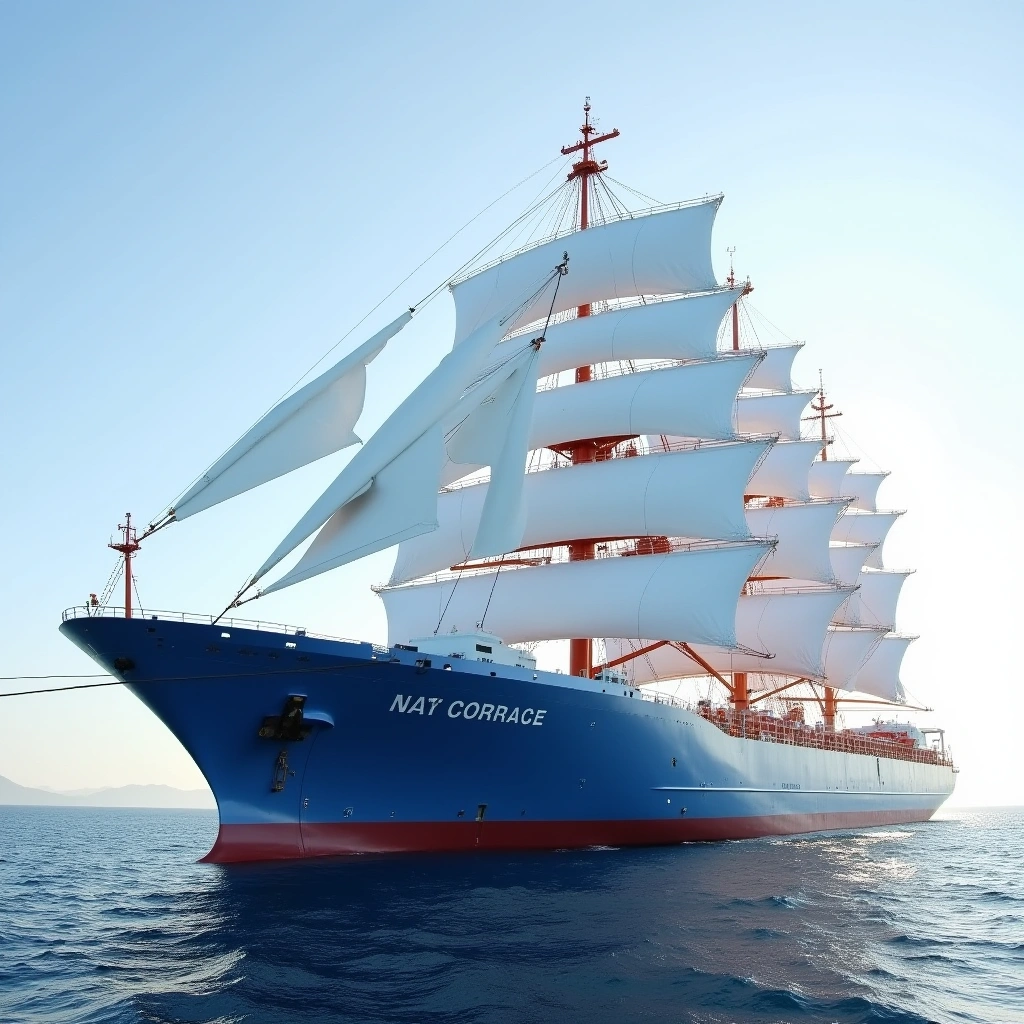
Yampu is not yet fully electric . However, the ship was originally designed with the possibility of switching to electric propulsion in the future. Therefore, the battery system has become an intermediate step, which can reduce diesel consumption …
Ahoy there, eco-warriors and ship enthusiasts! Buckle up, because we’re about to dive into some electrifying news from the land down under. Australia has officially welcomed the world’s first battery-powered self-unloading bulk carrier into its maritime fleet. Yes, you heard that right—this ship doesn’t run on diesel; it runs on batteries! Talk about a power move!
Now, before you start picturing a giant floating battery (which, let’s be honest, would be a sight to see), let’s unpack what this means for the shipping industry and our planet.
What’s a Self-Unloading Bulk Carrier Anyway?
First off, let’s clarify what a self-unloading bulk carrier is. It’s not a fancy term for a ship that spontaneously decides to offload its cargo (though that would be impressive). Instead, it refers to vessels designed to transport bulk materials—think grains, coal, or aggregates—and equipped with systems that allow them to unload their cargo without needing a crane. It’s like having a built-in conveyor belt, making the unloading process as smooth as butter.
The Electric Revolution at Sea
Now, back to our star of the show: this battery-powered beauty! With the shipping industry being a notorious carbon emitter, this innovative vessel is like a breath of fresh air—quite literally. By replacing traditional fuel with batteries, it aims to reduce greenhouse gas emissions and make the shipping process more sustainable. Who knew ships could go green and not just become floating islands of pollution?
A Step Towards Sustainable Shipping
You might be wondering, why does this matter? Well, let’s break it down. The shipping industry accounts for about 2-3% of global carbon emissions. That’s a hefty slice of the pie, and with the world scrambling to hit those climate goals, every little bit helps. This battery-powered carrier is a step in the right direction, proving that even the heaviest of cargo can be transported with a lighter carbon footprint.
Challenges Ahead
But let’s not pop the champagne just yet. While this ship is a groundbreaking achievement, it’s not without its challenges. For starters, battery technology is still evolving, and the capacity to carry large loads over long distances without needing a recharge is a hurdle that needs to be overcome. Plus, we can’t forget about the infrastructure to support charging these behemoths at ports. So, while we’re celebrating, let’s also keep our eyes peeled for the bumps in the road ahead.
The Bigger Picture
This isn’t just about one ship; it’s about an entire industry that is slowly but surely realizing it can’t keep sailing on fumes. As more companies look to reduce their environmental impact, we could see a fleet of eco-friendly vessels hitting the waves. Imagine a world where cargo ships glide silently across the ocean, powered by clean energy. It’s like a scene from a futuristic movie—minus the flying cars (we’ll get there eventually).
Conclusion
So, here’s to Australia and its pioneering spirit! The world’s first battery-powered self-unloading bulk carrier is not just a win for the shipping industry; it’s a win for the planet. It’s a reminder that innovation can help us navigate the stormy seas of climate change. As we move forward, let’s hope this ship is just the tip of the iceberg in the push towards greener transportation. Now, if only we could figure out how to make flying cars a reality…
Until then, let’s keep our eyes on the horizon and our hopes high. Sail on, battery-powered carrier, sail on!
Inspired by: “World’s first battery-powered self-unloading bulk carrier enters service in Australia” (r/climatechange)