Category: Human Interest

  • The PTV App: A Love-Hate Relationship with Time Travel

    The PTV App: A Love-Hate Relationship with Time Travel

    The Public Transport Victoria (PTV) App is your one-stop shop for journey planning, mobile myki, instant fare payment, and real-time travel alerts, including disruptions . The PTV App puts you in charge of the ride.

    Ah, the PTV app. It’s that little gem we all love to hate, isn’t it? If you’re a Melburnian relying on public transport, you know exactly what I’m talking about. It seems like just when you think you’ve got it all figured out, the PTV app decides to throw a curveball. Enter the latest head-scratcher: the app showing services from 15 minutes ago when you select ‘leave now’. What’s up with that?

    First off, let’s acknowledge the genius behind the app’s design. I mean, who doesn’t love a good mystery? You wake up in the morning, grab your phone, and the PTV app greets you with a tantalizing puzzle: “Are you on time, or are you fashionably late?” It’s like the app is saying, “Why don’t you just take a wild guess?”

    So, here’s the deal. You set your departure time forward a few minutes, thinking you’re outsmarting the system. But lo and behold, the app continues to show services from 15 minutes ago. It’s like it’s stuck in a time loop, and you’re the unsuspecting character trying to break free. Congratulations! You’ve just been awarded the title of “Most Confused Commuter.”

    But wait, it gets better. This glitch means the top result is always wrong. Picture this: you’re standing at the station, anxiously checking the app for the next train, and it tells you the service left ages ago. Panic sets in. You start questioning your life choices, wondering if you should just embrace the chaos and start walking to work instead. You might even consider adopting a bike, but let’s be real—who wants to sweat before a 9 AM meeting?

    Now, I’m sure the developers are working hard behind the scenes to fix this little hiccup. I mean, they must be aware that a public transport app should ideally provide accurate, real-time information, right? But until then, we’re left navigating this confusing landscape of outdated information. It’s like trying to decipher ancient hieroglyphics, only instead of a cool archaeological find, you just end up late for work.

    And let’s not forget the social media reactions. Reddit is buzzing with users sharing their frustrations. One user even pointed out that it seems to have just started doing this, adding to the collective confusion. It’s comforting to know that we’re all in this together, grappling with the same bewildering app. If there’s one thing you can count on in Melbourne, it’s that we can bond over our shared struggles with public transport.

    So, what can you do in the meantime? Well, you could always try a good old-fashioned method of checking train times—like asking a fellow commuter. Just be prepared for the awkward small talk that might ensue. Or you could keep your eye on the station screens, which, let’s face it, are often just as reliable as the app.

    In conclusion, while the PTV app continues to perplex us with its time-traveling antics, let’s embrace the journey. After all, public transport is an adventure in itself. Who knows? You might make a new friend or discover a hidden café while waiting for that elusive train that’s actually just around the corner. Until the app gets its act together, let’s keep the humor alive and remember: it’s just another day in the life of a Melburnian commuter.


    Inspired by: “Does anyone know what is with the PTV app showing services from 15 minutes ago for "leave now", eve…” (r/melbourne)


  • Understanding Today’s Protest: A Deep Dive into Melbourne’s March

    Understanding Today’s Protest: A Deep Dive into Melbourne’s March

    March for Australia was a series of nationwide protests in many Australian cities that occurred on 31 August 2025, 19 October 2025 and 26 January 2026 (Australia Day). The protests aimed to express discontent towards perceived mass immigration in Australia. The protests have been described …

    Ah, protests. The modern-day equivalent of a town hall meeting, but with more chanting, flags, and a lot less civility. So, what were we protesting about today in Melbourne? Spoiler alert: it seems to be a farewell party for the concept of diversity.

    According to our trusty Reddit source, the demographic profile of the protestors skewed heavily toward the 30-50 age range, predominantly white males. Now, before you roll your eyes and think, “Oh great, another gathering of the ‘I miss the good old days’ club,” let’s dig a bit deeper.

    The protestors were observed chanting “Aussie Aussie Aussie!” (which, let’s be honest, sounds like a rallying cry for an overly enthusiastic footy match rather than a serious political statement) and waving Australian flags like they were about to win a gold medal in patriotism. This leads us to the million-dollar question: what were they protesting?

    From the vibes (and by vibes, I mean the not-so-subtle hints dropped by our Redditor), it appears the protest had a strong anti-immigration flavor. Now, I’m not saying that all protests are just a cover for people to air their grievances about things they don’t quite understand, but let’s just say that the anti-immigration message isn’t exactly new. It’s like the sequel to a movie that should have never been made.

    Now, one might wonder: why the sudden surge in protest activity? It’s not like the immigration policies in Australia are changing overnight. Or are they? Perhaps the protestors are reacting to something deeper, like an existential crisis brought on by too many avocado toasts and not enough job security? Who knows!

    But here’s the kicker: while waving flags and chanting might seem like a great way to vent frustrations, it doesn’t exactly solve the issues at hand. It’s like shouting into the void and expecting it to shout back. Spoiler alert: it won’t.

    So, what’s the takeaway here? If you’re planning to join a protest, at least take a moment to consider what you’re standing for. And maybe, just maybe, leave the chanting to the sports fans. Because, let’s face it, at the end of the day, we’re all just trying to navigate this wild ride called life—preferably with a little less hostility and a lot more understanding.

    In conclusion, whether you’re waving your flag high or sitting quietly at home with your cup of tea, let’s remember that the world is a big, diverse place. And while it’s totally acceptable to love your country, it’s equally important to love the people who call it home—regardless of where they came from.

    So, what’s today’s protest really about? Maybe it’s just a reminder that we all need to get out of our echo chambers and remember that we’re all in this together. And if that doesn’t work, there’s always the option of just watching Netflix instead.


    Inspired by: “Whats today’s protest about?” (r/melbourne)

  • A Man, His Boat, and the Joys of Cruising St Kilda

    A Man, His Boat, and the Joys of Cruising St Kilda

    Sailing to the most remote of the Hebrides, St Kilda, was the stuff of legend for the young Martyn Murray . As an adult, he decided to take on the challenge Sailing as a boy in the comparative safety of the Firth of Clyde we spoke of St Kilda …

    Ah, St Kilda! The picturesque beachside suburb of Melbourne known for its vibrant culture, stunning sunsets, and, of course, the occasional eccentricity. This weekend, one adventurous soul decided to take his cruising game to the next level, and by ‘cruising,’ I mean gliding across the waters in his trusty boat—because why not?

    Imagine the scene: the salty breeze in your hair, the sun beaming down, and the harmonious sound of waves lapping against the hull. For many, this is the epitome of relaxation, and our Reddit user, CaptainCrankDat, seems to have nailed it. I mean, if you’re going to be a captain, you might as well have a catchy name, right?

    As he cruised past the iconic St Kilda beach, one can only imagine the looks he received. Were they envious glances from sunbathers? Curious stares from joggers? Or perhaps a mix of both, as people pondered the life choices that led them to be landlocked while he floated freely like a seagull on a mission.

    Now, let’s talk about the boat itself. We all know that boats come in various shapes and sizes, from the luxurious yachts of the rich and famous to the humble dinghies that seem to have survived multiple apocalypses. It’s unclear what kind of vessel CaptainCrankDat was navigating, but I like to imagine it had character—maybe a few dents and some questionable stains, but hey, it’s all part of the charm, right?

    Cruising along the coast, he likely passed by the famous Luna Park, where the ferris wheel spins like a nostalgic dream, and the thrill-seekers scream their lungs out on roller coasters. Meanwhile, here’s our captain, probably pondering deep philosophical questions like, “Is it too early for a beer?” or “Do I really need to wear sunscreen?” Spoiler alert: Yes, you do need sunscreen, Captain!

    As he took in the sights, it’s hard not to appreciate the beauty of St Kilda. The palm trees swaying in the wind, the vibrant atmosphere filled with laughter and music, and the occasional sighting of a pelican stealing someone’s lunch. Ah, nature at its finest!

    But let’s be real for a second. While cruising might seem like a peaceful escape, it’s not all sunshine and rainbows. There are challenges, like navigating through the occasional flock of seagulls who think your boat is their new perch. Or that moment when you realize you forgot to bring snacks—because what’s a boat ride without snacks? It’s practically a crime against humanity!

    Despite the potential hurdles, there’s something undeniably freeing about being out on the water. The worries of life seem to drift away like the small waves lapping at your boat. Plus, you can wave at all the jealous beachgoers who are stuck on dry land, and let’s face it, that’s a pretty satisfying feeling.

    So, hats off to CaptainCrankDat for reminding us of the simple joys of cruising. Whether you’re a seasoned sailor or just someone who enjoys a leisurely day on the water, there’s something special about connecting with nature and embracing the open sea—just don’t forget your sunscreen and snacks next time!

    In conclusion, if you find yourself in Melbourne, make sure to take a little cruise of your own. Who knows? You might just discover that there’s more to life than sitting on the beach, and you might even earn yourself a catchy nickname along the way. Just remember: boat rides are best enjoyed with good company and a cooler full of refreshments. Cheers to the open water!


    Inspired by: “Just a man and his "boat"” (r/melbourne)

  • Charming Getaways: The Best Towns and Villages Near Melbourne

    Charming Getaways: The Best Towns and Villages Near Melbourne

    Daylesford is the perfect romantic getaway from Melbourne, not only is it the spa capital of Australia, but it’s also very well known for its delicious food. It is a super charming town with lots of cute shops, restaurants & their wine deli is awesome! I’d highly recommend visiting during peak summer, as you will get a chance to see the beautiful lavender fields at Sault Daylesford.

    Alright, fellow Melburnians and visitors alike, let’s talk about those delightful little towns and villages that are just a hop, skip, and a jump away from Melbourne. You know, the kind of places where you can swap your bustling city life for a quaint afternoon of good food, picturesque scenery, and maybe even a little shopping therapy.

    If you’ve already enjoyed the serene vibes of Warburton and the artsy charm of Warrandyte, let’s explore some other gems that are just begging to be visited for a day trip. Grab your car keys and let’s hit the road!

    1. Daylesford

    About an hour and a half from Melbourne, Daylesford is the spa capital of Australia. Yes, you heard that right. If you’re in desperate need of some R&R, this is your place. With natural mineral springs, stunning gardens, and a plethora of cafes, you can indulge in everything from a luxurious spa treatment to a slice of homemade cake (because calories don’t count on a day trip, right?). Plus, the scenery is just gorgeous, especially in autumn when the leaves turn into a kaleidoscope of colors.

    2. Healesville

    If you’re a fan of wildlife and wine (and let’s be honest, who isn’t?), Healesville is your go-to spot. Just about an hour from the city, this town is home to the Healesville Sanctuary, where you can get up close and personal with kangaroos, koalas, and other native Australian animals. After you’ve had your fill of cuteness, why not head over to one of the local wineries for some tastings? Because nothing says ‘I love life’ quite like sipping on a glass of Shiraz while looking at rolling hills.

    3. Yarra Glen

    Speaking of wine, let’s not forget about Yarra Glen. Located in the stunning Yarra Valley, this town is another winner for wine lovers. With a range of vineyards and cellar doors, you can easily spend a day hopping from one winery to another. And if you need to soak up some of that wine-induced happiness, there are also plenty of gourmet food options available. Just remember to have a designated driver, unless you want to end up singing karaoke to the cows on the way home.

    4. Mount Dandenong

    For a bit of a climb and some breathtaking views, head to Mount Dandenong. While it’s not technically a village, the area is dotted with charming little spots like Olinda and Sassafras. You can enjoy a leisurely stroll through the beautiful gardens, visit the quaint shops, and then grab a bite at one of the cozy cafes. Be sure to check out the famous Miss Marple’s Tea Room; it’s like stepping into a storybook. Just don’t forget to take a selfie with the view – it’s practically a requirement these days.

    5. Brighton

    Now, if you’re in the mood for a coastal vibe without the long drive, Brighton is your answer. This beachy suburb is known for its colorful bathing boxes that look like they were plucked straight out of a postcard. Grab an ice cream, take a leisurely stroll along the beach, and don’t forget to snap a picture with those iconic boxes. It’s a classic Melbourne experience, and your social media followers will thank you for it.

    6. Sorrento

    Last but not least, let’s talk about Sorrento. This seaside town is about an hour away and offers a perfect blend of beaches, boutique shops, and some fantastic dining options. You can wander along the coastline, explore the historic buildings, and maybe even catch a ferry to Queenscliff if you’re feeling adventurous. Just remember, the only thing better than a day trip is a day trip that ends with fish and chips by the sea.

    So there you have it! A list of charming towns and villages near Melbourne that are perfect for a day of exploration. Whether you’re in the mood for a spa day, wildlife adventures, or just a relaxing beach escape, there’s something for everyone. Now, go out there and make some memories! And remember, if you find a hidden gem of your own, don’t keep it a secret – share the love!


    Inspired by: “Nice towns / villages near Melbourne” (r/melbourne)

  • From Coal to Solar: A Spark of Hope for Colorado’s Energy Future

    From Coal to Solar: A Spark of Hope for Colorado’s Energy Future

    Molson Coors is taking a Keenesburg former coal mine into the future with a clean energy solar farm .

    Ah, Colorado! Known for its stunning mountains, craft breweries, and, until recently, its coal mines. But guess what? The state is making a bold move by turning a former coal mine into a sprawling 47-acre solar farm. Yes, you heard it right! That dusty old mine, which probably has more stories of hard labor than your dad has about walking uphill both ways to school, is about to get a shiny new makeover.

    So, what’s the scoop? This solar farm will boast a whopping 16,000 solar panels, ready to soak up the sun and convert those rays into approximately 7 megawatts of power by the end of the year. To put that into perspective, that’s enough energy to power around 1,000 homes! Talk about a glow-up!

    But let’s take a moment to appreciate the irony here. For decades, coal was the backbone of many communities in Colorado, providing jobs and energy. Now, as we collectively wake up to the reality of climate change (thanks, science!), there’s a new kid on the block: renewable energy. It’s like watching your favorite sitcom from the ’90s get a reboot, but this time with better writing and a conscience.

    This transition doesn’t just help the environment; it’s also a great way to revitalize areas that have been economically challenged after the decline of the coal industry. Think of it as a phoenix rising from the ashes, but instead of flames, we have solar panels. And let’s be honest, who wouldn’t want to see a former coal mine transformed into a bright, sunny solar farm? It’s a win-win situation: cleaner energy and a better-looking landscape.

    Of course, some might argue that coal has been a reliable energy source for decades. And they wouldn’t be wrong—until you factor in all those pesky environmental impacts. With solar energy, the only thing we’re really mining is sunshine, and let’s be honest, that’s a resource that’s not going to run out anytime soon (unless we find a way to block the sun, which I’m pretty sure is a plot point in a bad sci-fi movie).

    As we look forward to the completion of this solar farm, we can only hope it’s the first of many such projects across the country. The transition to renewable energy is not just about saving the planet; it’s about creating jobs, fostering innovation, and maybe even giving coal a run for its money in the energy arena.

    So here’s to Colorado! May your coal mines be replaced by solar farms, your skies be filled with sunshine, and your energy be cleaner and greener. If this trend continues, we might just be able to say goodbye to fossil fuels and hello to a brighter, more sustainable future. And who knows? Maybe one day we’ll look back at coal mining and say, “What were we thinking?” But for now, let’s celebrate this step in the right direction and keep those solar panels shining!


    Inspired by: “Site of former Colorado coal mine is being converted into a 47-acre solar farm: 16,000 solar panels…” (r/climatechange)

  • The $1 Charity Charge: A Dine-and-Dash Dilemma or a Philanthropic Pass?

    The $1 Charity Charge: A Dine-and-Dash Dilemma or a Philanthropic Pass?

    Yes. With the Endless Aisle integration, you can reorder low or out-of-stock food items through vetted vendors, right from your BinWise inventory dashboard—saving time and reducing manual errors.

    Imagine this: you’re out for a nice meal at Maison Bâtard, relishing the culinary delights, when suddenly, you spot a mysterious $1 charge tagged onto your bill. Surprise! It’s not a hidden fee for the artisanal butter or the organic napkin; it’s a charity donation aimed at supporting professional development in the hospitality sector. Sounds noble, right? But wait—there’s a catch. It’s an opt-out charge, not opt-in. So, would you pay the extra buck or raise an eyebrow and demand its removal?

    Let’s break this down. First off, the idea of a charity charge isn’t entirely new. Many restaurants have experimented with similar tactics, but they usually give diners a heads-up beforehand. Here, it seems Maison Bâtard decided to keep diners in the dark about this little surprise. You know, like that time your friend said they’d pay for dinner but then conveniently forgot their wallet.

    Now, some folks might argue that a dollar isn’t a big deal. It’s just a cup of coffee or a fancy piece of gum, right? But here’s the kicker: it’s not about the dollar. It’s about choice. When you dine out, especially at trendy places like those under the Lucas Collective umbrella (Chin Chin, Kisume, Society, and the rest of the gang), you’re already paying a premium for the experience. Adding a surprise charge feels a bit like being told your meal comes with a side of guilt.

    So would you pay the dollar? Some might say yes, embracing the spirit of giving and supporting the industry. Others, like our friend from the Reddit post, took a stand and opted out. And honestly, can you blame them? It’s like being asked to donate to a cause right after your server spills wine on your new shirt.

    Let’s consider the broader implications of this charge. On one hand, it supports professional development in a sector that often gets overlooked. Hospitality workers are the backbone of the dining experience, and investing in their growth is undeniably important. On the other hand, is it fair to add costs without clear communication? Should diners be responsible for funding professional development, or is that something employers should handle?

    If we take a quick stroll through the comments section of the original Reddit post, you’ll find a delightful mix of opinions. Some diners are all for it, while others are ready to take up arms (or at least their cutlery) in protest. A few might even suggest that if restaurants want to support their staff, maybe they should just raise menu prices across the board and be straightforward about it. After all, transparency is key, right?

    In conclusion, would you have paid the dollar? It really depends on your perspective. Do you view it as a small price to pay for a good cause, or as an unwelcome surprise that disrupts your dining experience? Either way, this scenario has sparked a conversation about the ethics of spontaneous charity charges in restaurants, and that’s something we can all chew on. So next time you’re dining out, keep an eye on that bill—because you never know when a dollar donation might sneak up on you. And remember, it’s not just a meal; it’s an experience, complete with unexpected fees and moral dilemmas. Bon appétit!


    Inspired by: “$1 donation added to restaurant bill (Maison Bâtard), would you have paid?” (r/melbourne)

  • England’s Water Crisis: A Race Against Time

    England’s Water Crisis: A Race Against Time

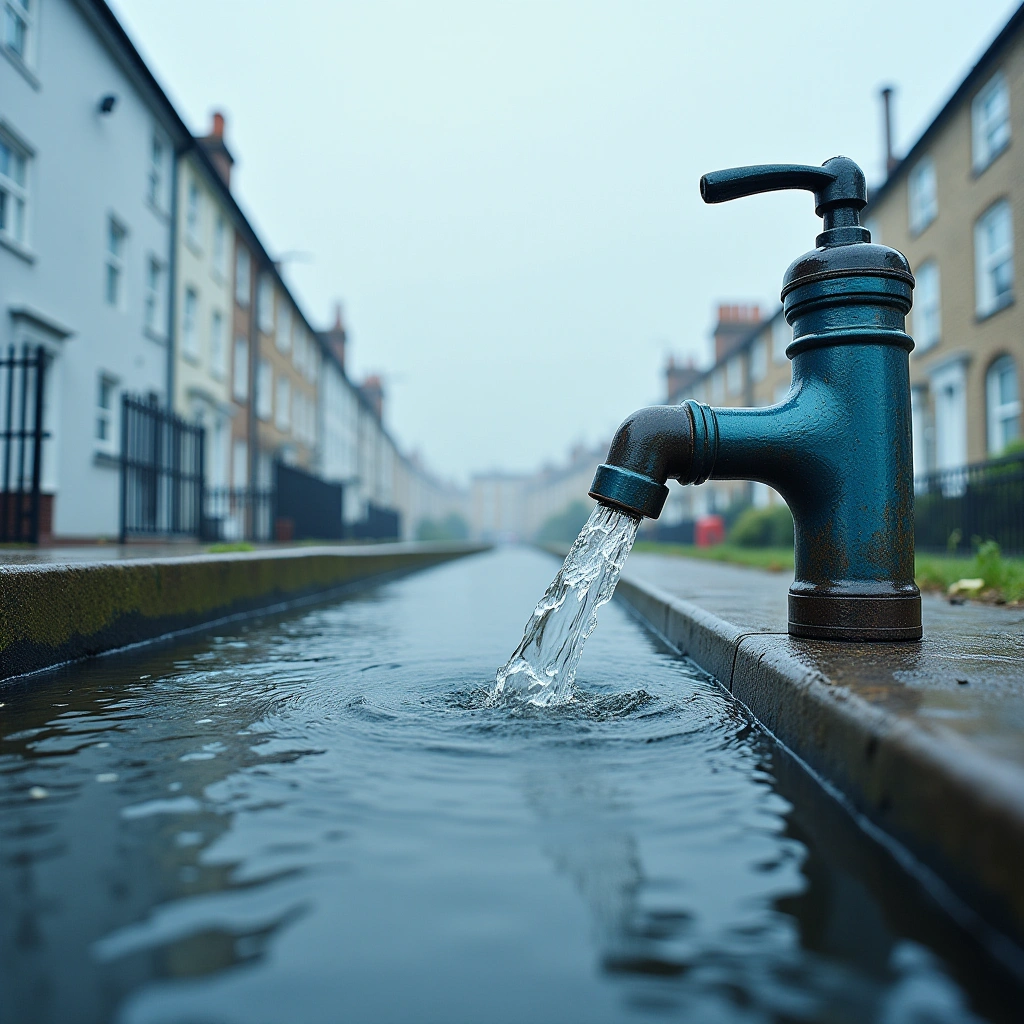
    … Russell says, even with projected population growth, if everyone in England knocked a minute off their shower time, for example, it would save nearly one billion litres of water a day by 2050 .

    Let’s talk about water, shall we? Yes, that precious liquid that makes up about 60% of our bodies, 70% of the Earth, and apparently, 100% of our worries in England right now. If you’ve been living under a rock—or perhaps in a drought-stricken part of England—you might not have heard about the nation’s impending water crisis. Spoiler alert: it’s not great.

    Now, you might be wondering how a country known for its rain could possibly be in danger of running out of water. Well, it seems that the good old British weather has decided to play a cruel joke on us. While the rain usually pours down like it’s auditioning for a role in a disaster movie, climate change has turned that tap to a trickle. With rising temperatures and changing precipitation patterns, England is facing a serious risk of water shortages. Who knew that all those years of complaining about the rain would lead us here?

    As the population grows and the demand for water increases, one might think that the solution is simple: just build more reservoirs, right? Ah, if only it were that easy! The reality is that constructing new water infrastructure takes time, money, and a lot of red tape. And let’s not forget about the environmental concerns. Nobody wants to be the villain draining a picturesque lake just to make sure the neighbors can fill their bathtubs.

    The race is now on to find sustainable solutions to keep the taps running. Some innovative ideas are cropping up, like rainwater harvesting and recycling wastewater. Yes, you heard that right—recycling wastewater. Before you gag, just remember that your morning coffee probably started its life as someone’s shower water. So, the next time you take a sip, just think of it as a “farm-to-table” experience, just with a slightly different twist.

    In addition to these creative solutions, there’s also a push for better water management practices. This includes fixing those leaky pipes that seem to be more common than a rainy day in London. It’s estimated that a significant amount of water is lost through these outdated systems. It’s like leaving the tap running while brushing your teeth—only on a much larger scale. Seriously, if we could just get everyone to check their pipes, we might be able to save a small lake’s worth of water.

    And let’s not forget the role of technology in this water-saving crusade. Smart meters and digital monitoring systems are being implemented to help track usage and pinpoint leaks. It’s like putting your water usage on a strict diet, and nobody likes that. But as we all know, sometimes tough love is necessary to prevent a full-blown crisis.

    So, what can you do to help? Start by being mindful of your own water usage. Shorter showers, turning off the tap while brushing your teeth, and fixing those pesky leaks in your own home can make a difference. Plus, it’s a great way to feel like you’re doing your part in saving the world—one drop at a time.

    In conclusion, while England might be known for its rain, it’s time to take the impending water crisis seriously. With innovative solutions, better management practices, and a little help from each of us, we can work together to ensure that future generations won’t have to battle for a glass of water. So, let’s raise a glass (of water, of course) to a future where we don’t have to worry about running out of the most essential resource on the planet. Cheers!


    Inspired by: “The race to stop England running out of water” (r/climatechange)

  • Panama Canal Drought: A Dive into Doom or a Call to Action?

    Panama Canal Drought: A Dive into Doom or a Call to Action?

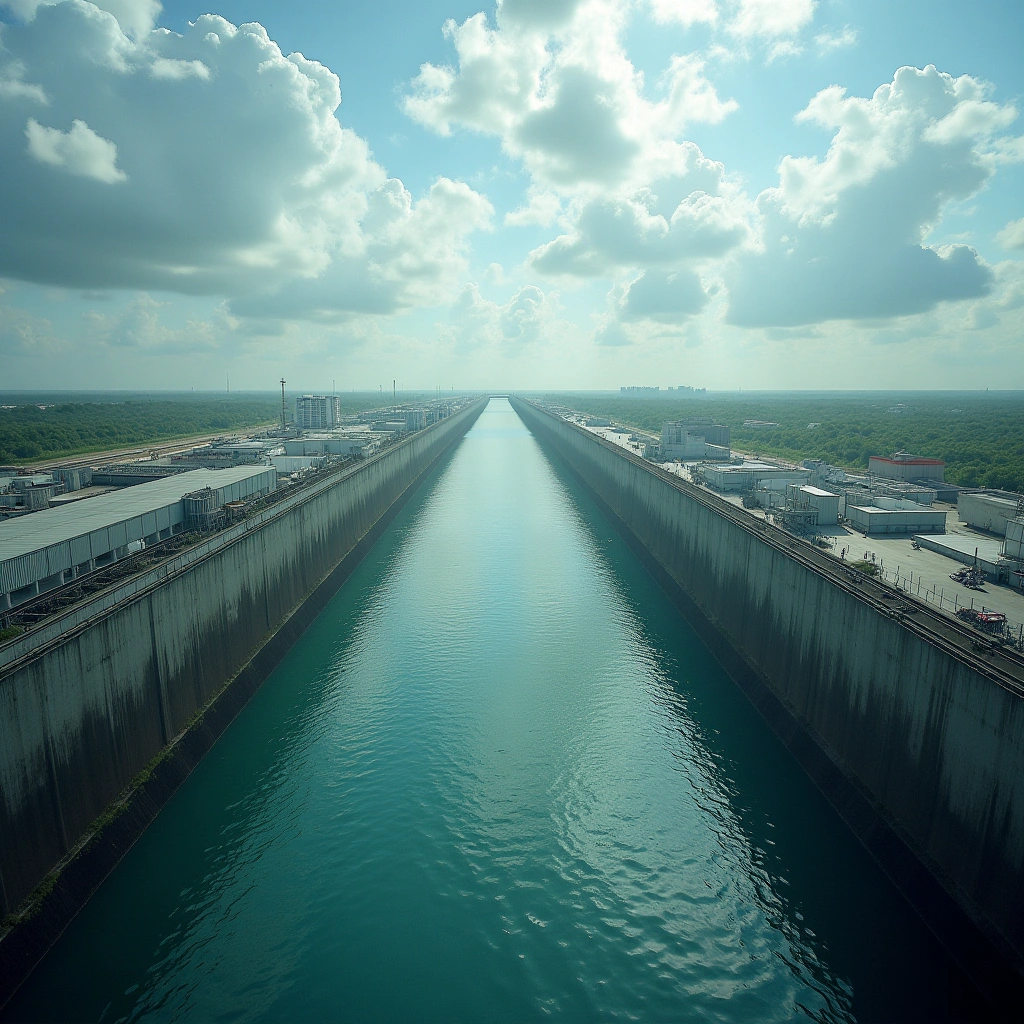
    If Panama Canal transits fall to the levels they did during the droughts in 2023 and 2024, a much higher economic disruption could be on the horizon, for the US in particular , Ziemer said, noting though that the disruption might be less of a …

    Ah, the Panama Canal. Once a marvel of engineering, now a source of collective anxiety for climate-conscious individuals and card gamers alike. If you’ve been following the news—or if you’re just glancing at your social media feed—you might have noticed that the canal is drying up faster than a teenager’s enthusiasm for chores. And while it’s easy to spiral into despair, let’s take a moment to unpack this situation and maybe, just maybe, find a glimmer of hope amid the doom scrolling.

    First off, let’s set the stage. The Panama Canal, which connects the Atlantic and Pacific Oceans, has been a crucial shipping route since its opening in 1914. It’s like the world’s busiest water highway, but instead of cars, we’ve got giant cargo ships chugging along, delivering everything from electronics to avocados. However, climate change is throwing a wrench—or should I say a drought?—into the works. Water levels are plummeting, and the implications are pretty dire. Less water means fewer ships can pass through, which can disrupt global trade and raise prices on all those things we love to buy (and probably don’t need).

    Now, if you’re anything like the folks in the Reddit thread, you might be feeling a tad overwhelmed. The conversation seems to go in circles, with a lot of finger-pointing at countries like China and India, which can feel like a game of climate blame tag. But let’s not throw in the towel just yet.

    Yes, it’s true that some nations are contributing more to climate change than others, but that doesn’t mean we should throw our hands up in defeat. It’s easy to fall into the trap of thinking that any positive changes by first-world countries are irrelevant when faced with the colossal emissions from developing nations. But here’s the kicker: progress is still progress. Every little bit counts, and it’s not all doom and gloom.

    For instance, renewable energy sources are on the rise. Countries around the globe are investing in wind, solar, and other clean energy technologies. The shift toward sustainability is gaining momentum, and more people are becoming aware of their carbon footprints. It’s like a slow-moving train, but hey, at least it’s moving in the right direction!

    And speaking of movement, let’s talk about what you can do. You mentioned being handicapped and unable to join protests, but there are plenty of ways to make your voice heard without leaving the comfort of your home. You can support local and global climate initiatives, educate others about the importance of sustainability, or even just have conversations with your friends and family about the issues at hand. Sharing information—real information, mind you—can help combat the misinformation that’s rampant in today’s digital landscape.

    If you’re feeling particularly adventurous, consider getting involved in online activism or supporting eco-friendly brands. Your purchases can speak volumes, and every dollar spent on sustainable products is a vote for a healthier planet. Plus, you’ll get to feel warm and fuzzy inside, knowing you’re doing your part, even if it’s just from your couch.

    In conclusion, while the Panama Canal’s current state might seem like a sign of impending doom, it’s important to remember that change is possible. Yes, the challenges are enormous, but so are the opportunities for innovation and improvement. So, the next time you find yourself spiraling into despair over climate news, take a deep breath, remind yourself that you’re not alone, and maybe even play a card game or two to take your mind off things. Because if there’s one thing we can all agree on, it’s that a little laughter—and maybe some well-placed sarcasm—can go a long way in these trying times.


    Inspired by: “Depressed by Panama Canal/Current” (r/climatechange)

  • Welcome to the r/Melbourne Daily Discussion Thread: Your Go-To for All Things Melbourne!

    Welcome to the r/Melbourne Daily Discussion Thread: Your Go-To for All Things Melbourne!

    Melbourne (/ˈmɛlbərn/ MEL-bərn, locally [ˈmæɫbən] ⓘ) is the capital and most populous city of the Australian state of Victoria and the second-most populous city in Australia. The city’s name generally refers to a 9,993-square-kilometre (3,858 sq mi) area, comprising an urban agglomeration …

    Ah, Melbourne! The city where the coffee is as strong as your love for footy, and the weather changes faster than your friend’s opinion on pineapple on pizza. If you’re a Melbourne local or just someone who’s stumbled upon this lovely corner of the internet, you’ve landed in the right place. Let’s dive into the r/Melbourne Daily Discussion Thread, shall we?

    First things first, let’s acknowledge the Traditional Owners of the land. Yes, we’re talking about the Aboriginal and Torres Strait Islander cultures. These folks have been around for a while—like, thousands of years. So, it’s only right that we pay our respects to their ongoing connection to the lands, waters, and communities we now call home. It’s a good reminder that we’re all guests on this land, and we should treat it with the respect it deserves.

    Now, let’s get to the fun stuff! The r/Melbourne Daily Discussion Thread is your daily dose of casual chatter. You can pop in and talk about anything and everything. Whether you want to discuss the best brunch spots (spoiler alert: there are too many to count), or if you’re looking for recommendations for your next Netflix binge while you sip your flat white, this is the place to do it.

    New users, rejoice! This thread is like a warm hug for those who might feel a tad intimidated by the vastness of Reddit. You can jump in without a history and start chatting about your favorite laneway art or the latest food truck you stumbled upon. Just remember, there’s no judgment here—unless you’re that person who insists that Melbourne is better than Sydney. We’ll just roll our eyes and move on.

    Are you conducting research or surveys? Well, you’re in luck! This thread allows research requests, so feel free to ask away. Just don’t be surprised if someone replies with a meme instead of actual data. It’s Reddit; it’s what we do.

    And let’s not forget about our tourists! If you’re visiting Melbourne and have a burning question about where to find the best gelato or how to navigate our tram system without looking completely lost (hint: just follow the crowd), this thread is your best friend. Locals are usually more than happy to share their secrets, though they might throw in a cheeky warning about the weather—because you know, it could be sunny one minute and raining the next.

    As we scroll through the daily discussions, don’t forget to check out the wiki for Melbourne. It’s filled with information about the city that could rival even the most exhaustive travel guide. You’ll find everything from the best street art spots to the ins and outs of the local music scene. It’s like having a Melbourne expert in your pocket—just without the awkward small talk.

    So, whether you’re a lifelong Melburnian or a newbie trying to figure out which coffee shop to hit up first, the r/Melbourne Daily Discussion Thread is here for you. Dive in, make some connections, and who knows? You might just find your new favorite cafe or the perfect spot to watch the sunset over the Yarra River. Just remember to bring a jacket—you know how Melbourne is!

    Happy chatting, folks! And may your discussions be as lively as a Saturday night at the MCG!


    Inspired by: “It’s the r/Melbourne daily discussion thread [Sunday 30/08/2026]” (r/melbourne)

  • The Shocking Truth About Electric Vehicles: They Actually Last!

    The Shocking Truth About Electric Vehicles: They Actually Last!

    Unlike starter batteries used in gasoline vehicles, electric vehicle drivetrain batteries are designed to last the lifetime of the vehicle and recent data shows they have very low failure rates.

    If you’ve ever been curious about electric vehicles (EVs) and their battery life, then you might be in for a delightful surprise. A recent real-world study from Sweden took a deep dive into the durability of used EVs and found something that might just make you do a double take—these vehicles retained between 91% and 97% of their battery capacity after a whopping 100,000 kilometers (or about 62,000 miles for those of us who haven’t fully embraced the metric system). Yes, you heard that right! It seems like EVs are not just a fad; they’re actually holding up like a champ.

    Now, let’s break that down a bit. First off, 100,000 kilometers is no small feat. For context, that’s roughly the distance from New York City to Los Angeles and back—twice! So, if these EVs can keep their battery capacity after that kind of mileage, it’s fair to say they’re doing something right.

    The study analyzed 10,000 used EVs, which is quite a sizable sample. This isn’t just a small group of hipster drivers in their retrofitted Nissan Leafs; we’re talking about a diverse range of electric vehicles zipping around Sweden. This kind of data is crucial because it challenges the common misconception that EV batteries degrade quickly and leave you stranded like a sad puppy on the side of the road.

    But why should you care? Well, for starters, if you’re considering making the switch to electric, this study might just tip the scales in favor of a greener choice. It’s no secret that EVs are generally better for the environment, but if they can also hold their juice longer than your average smartphone, then that’s a win-win situation. Imagine not having to replace your car battery every few years—that’s almost as satisfying as finding an extra fry at the bottom of the bag.

    Now, let’s get a little nerdy for a moment. What does this retention of battery capacity mean for the average consumer? It means that when you buy a used EV, you’re not just getting a car that’s been through the wringer; you’re getting a vehicle that’s still got plenty of life in it. This could potentially save you a boatload of cash in the long run. Plus, you’ll be doing your part to save the planet, which is a nice bonus when you think about it.

    Of course, it’s not all sunshine and rainbows. While this study is promising, it’s essential to consider other factors like charging infrastructure, the environmental impact of battery production, and how you plan to charge your vehicle at home. But let’s not rain on the parade just yet! The takeaway here is that EVs are proving to be more reliable than many skeptics thought.

    So, if you’re on the fence about going electric, maybe it’s time to hop off that fence and take a ride in one of these battery-retaining wonders. Who knows? You might just find that going green isn’t as daunting as it seems. Plus, you’ll have a fun conversation starter at your next dinner party—”Did you know my EV still has 95% battery capacity after 100,000 kilometers?” Just be prepared for the eye rolls from your friends who are still driving gas guzzlers.

    In conclusion, the Swedish study sheds some much-needed light on the longevity of EV batteries. They’re not just a passing trend; they’re here to stay. So, if you’ve been thinking about making the switch, it looks like you can do so without the fear of your car turning into a glorified paperweight after a few years. And that, my friends, is something to celebrate!


    Inspired by: “Swedish real-world study of 10,000 used EVs found they retained between 91% and 97% battery capacit…” (r/climatechange)