Category: Human Interest

  • The Thirsty Southwest: A Water Crisis in the Desert

    The Thirsty Southwest: A Water Crisis in the Desert

    Even worse, recent research suggests that the current drought-stricken environment of the Southwest could persist “through at least 2100,” driven by global warming . Because of the megadrought the flagship water resource of the Southwest, …

    Ah, the desert Southwest. A place known for its stunning landscapes, vibrant sunsets, and—wait for it—an alarming water crisis that’s turning it into a hotbed of anxiety. Yes, you heard that right. The same region that supports millions of humans and vast acres of grazing land for cows is facing a water shortage that could make even the most resilient cactus shed a tear.

    Let’s take a moment to appreciate the irony here. We’ve got a landscape that’s dry as a bone, yet it’s somehow managing to support millions of people, their homes, and their insatiable thirst for everything from lawn care to avocado toast. And don’t even get me started on the cows. Apparently, they’re not just here to moo and look cute; they’re also consuming a significant amount of water to keep up with our demand for beef. So, what happens when the water starts to dry up? Spoiler alert: it’s not pretty.

    The truth is, the water in the Southwest is disappearing faster than a magician’s rabbit. Climate change, overuse, and mismanagement are all playing a role in this grand disappearing act. With increasing temperatures and prolonged droughts, the resources that once seemed abundant are quickly dwindling. If you think about it, it’s like a bad game of musical chairs—only instead of chairs, we’re losing access to water.

    Now, you might be wondering why this matters. Well, let’s break it down. Water is essential for life, and not just for humans who can’t function without their morning coffee. It’s crucial for agriculture, which means fewer crops and higher food prices. And that’s not just a problem for the cows; it’s a problem for everyone who enjoys eating. We all love a good burger, but if the water keeps vanishing, we might have to start considering tofu as a viable option. Yikes!

    So, what can we do about this? While I’m not suggesting we all start praying for rain (though that might help), there are steps we can take to address the situation. Conservation efforts are key. Simple changes like fixing leaks, using water-efficient appliances, and xeriscaping (that’s a fancy word for landscaping that reduces or eliminates the need for irrigation) can make a difference. Plus, we can support policies that promote sustainable water management—because, let’s face it, we could all use a little more water wisdom.

    In conclusion, the water crisis in the desert Southwest is a serious issue that demands our attention. It affects not only the millions of people living there but also the agriculture that feeds us all. If we don’t take action soon, we may find ourselves in a situation where we’re all fighting over the last drop of water like it’s the final slice of pizza at a party. And nobody wants to be that person. So let’s get our act together, shall we? The desert may be dry, but our commitment to preserving water shouldn’t be.


    Inspired by: “The desert Southwest’s water supports millions of humans and acres of cow food. But the water is di…” (r/climatechange)

  • The Future is Bright (and Sodium-Powered): A Look at the New 25-Year Sodium-Ion Home Battery

    The Future is Bright (and Sodium-Powered): A Look at the New 25-Year Sodium-Ion Home Battery

    Sodium ion home storage products began entering the market in 2025. sodium ion battery line in April 2025, with full-scale residential availability expected in late 2025 to 2026. Multiple manufacturers, including BYD, Pylontech, and HiNa Battery , are developing or have already launched home -scale sodium ion products. Wider consumer availability is projected for 2026–2027 as production capacity ramps up.

    Hey there, fellow earthlings! So, have you heard the news? There’s a new kid on the energy block, and it’s not just another lithium-ion battery trying to convince us it’s the best thing since sliced bread. Nope, it’s a sodium-ion home battery, and it’s making waves with a jaw-dropping 25-year lifespan. Yes, you read that right: 25 years. I mean, that’s longer than most of my relationships!

    Now, before you roll your eyes and think, “Oh great, another battery that promises the world,” let’s break it down. Sodium-ion technology has been buzzing around the tech world for a while now, but it seems like it’s finally ready to step into the spotlight. For those of you who are not up to speed, sodium-ion batteries are like lithium-ion’s less flashy cousin who’s finally decided to show up to the family reunion. They use sodium, which is abundant and, if I may say, a lot less expensive than lithium. So, why aren’t we all using sodium batteries already? Well, it’s complicated, my friend.

    First off, lithium-ion batteries have had a head start. They’ve been the golden child for years, powering everything from our smartphones to our electric cars. But with the growing demand for sustainable energy solutions, there’s been a push to find alternatives that are not just good for our devices but also good for our planet. And here comes sodium-ion, strutting in with a 25-year warranty like it’s the new iPhone.

    What makes this sodium-ion battery so special? For starters, its longevity is a game-changer. Imagine not having to replace your home battery for a quarter of a century. That’s like having a pet goldfish that never dies (or at least I hope yours doesn’t). Plus, sodium is more abundant and easier to source than lithium, which is a definite win for the environment. Less mining, less pollution, and more energy independence? Count me in!

    Now, let’s talk practicality. With a sodium-ion battery, homeowners can store energy generated from renewable sources like solar panels. This means you can harness the power of the sun during the day and use it at night while simultaneously feeling like a superhero for saving the planet. It’s like having your cake and eating it too, but instead of cake, it’s clean energy, and instead of eating, it’s saving the Earth. Get it?

    Of course, with any new technology, there are always skeptics. Some may wonder if sodium-ion batteries can deliver the same performance as their lithium counterparts. Well, the answer is: they can, but they might not be as compact or as powerful just yet. But hey, they’re still in the early stages of development. Just like that awkward phase we all went through in middle school—give them some time, and they might just come into their own.

    As the planned rollout of these batteries in the US approaches, it’s clear that the energy landscape is shifting. We’re moving away from fossil fuels and toward more sustainable solutions, one sodium-ion battery at a time. And let’s be honest, if we can power our homes with sodium instead of relying on oil from who-knows-where, that’s a step in the right direction.

    So, here’s to the sodium-ion battery: the underdog of the energy world. If it can deliver on its promises, we might just be looking at a future where our homes are powered by a battery that lasts longer than a decade-old sitcom. Cheers to that!


    Inspired by: “25-year sodium-ion home battery debuts ahead of planned US rollout” (r/climatechange)

  • Sydney vs. Melbourne: The Great Migration Debate

    Sydney vs. Melbourne: The Great Migration Debate

    Sydney is often described as having a fast-paced and energetic lifestyle, with a strong focus on career advancement and social life . It’s a city where people work hard and play hard.

    Ah, the age-old rivalry between Sydney and Melbourne. It’s like Coke vs. Pepsi, but with more coffee and a lot less sugar. For those Sydney-siders contemplating the big leap to Melbourne, you’re not alone! Many have packed their bags, traded the beach for the laneways, and set off on a new adventure. But what’s it really like to make the move? Let’s dive in!

    First off, let’s address the elephant in the room: the housing market. If you’re dreading the idea of paying over $1 million for a mortgage in Sydney, you’re not just being dramatic; it’s a reality for many. Melbourne’s property prices are no walk in the park either, but they can feel like a bargain compared to the Sydney price tags. Think of it as swapping a luxury yacht for a fancy sailboat. Still expensive, but at least you’re not drowning in debt!

    Now, let’s talk about the cities themselves. Sydney is known for its stunning beaches and iconic landmarks like the Opera House and Harbour Bridge. But let’s be honest, how many times can you Instagram the same beach sunset before it loses its charm? Melbourne, on the other hand, is bursting with culture, arts, and food that’ll make your taste buds dance. From the famous laneways filled with street art to the coffee culture that could put Starbucks to shame, there’s always something new to explore.

    What do you miss if you make the switch? Well, for starters, the glorious sun. Sydney’s beaches are hard to beat, and the weather is, let’s say, a bit more forgiving. You might find yourself missing those lazy beach days and the ability to wear shorts year-round. But on the flip side, Melbourne’s unpredictable weather means you can experience four seasons in a single day, which is just delightful if you enjoy carrying an umbrella, a sunhat, and a scarf all at once.

    And what about the people? Sydney has a reputation for being a bit, shall we say, aloof? Melbourne, however, prides itself on being friendly and laid-back. You might even find yourself having a casual chat with a stranger at a café, which is a refreshing change of pace. Just be prepared for the occasional debate about whether pineapple belongs on pizza—trust me, it’s a serious topic down here.

    A significant upside of moving to Melbourne is the vibrant arts scene. Whether you’re into theatre, music, or just watching street performers, there’s no shortage of entertainment options. Plus, the city hosts several festivals throughout the year, so you’ll never be short of things to do on weekends. Just remember to wear comfortable shoes; you’ll be doing a lot of walking.

    In conclusion, if you’re a Sydney-sider considering a move to Melbourne, it’s worth weighing the pros and cons. Sure, you might miss the beaches and the sunshine, but you’ll gain a city full of culture, great coffee, and a real sense of community. Plus, you’ll have a fantastic story about how you bravely ventured into the land of trams and unpredictable weather. So, why not take the plunge? After all, life is too short to spend it worrying about mortgages and the same old beach views!

    Happy moving!


    Inspired by: “Any Sydney-siders move to Melbourne, how are you finding it?” (r/melbourne)

  • The Ute Dilemma: Are Bigger Cars Really Bullying Smaller Ones?

    The Ute Dilemma: Are Bigger Cars Really Bullying Smaller Ones?

    The car is so tiny at 3.6m end-to-end that driving one involves a Jack Russell style of tenacity to ensure the rest of the traffic doesn’t push you around too much. That won’t stop the bullying though and I have been honked at by impatient drivers behind me while I'm waiting to turn at an intersection – the same junction I use every day but never get harassed at when I’m in a ute or large SUV.

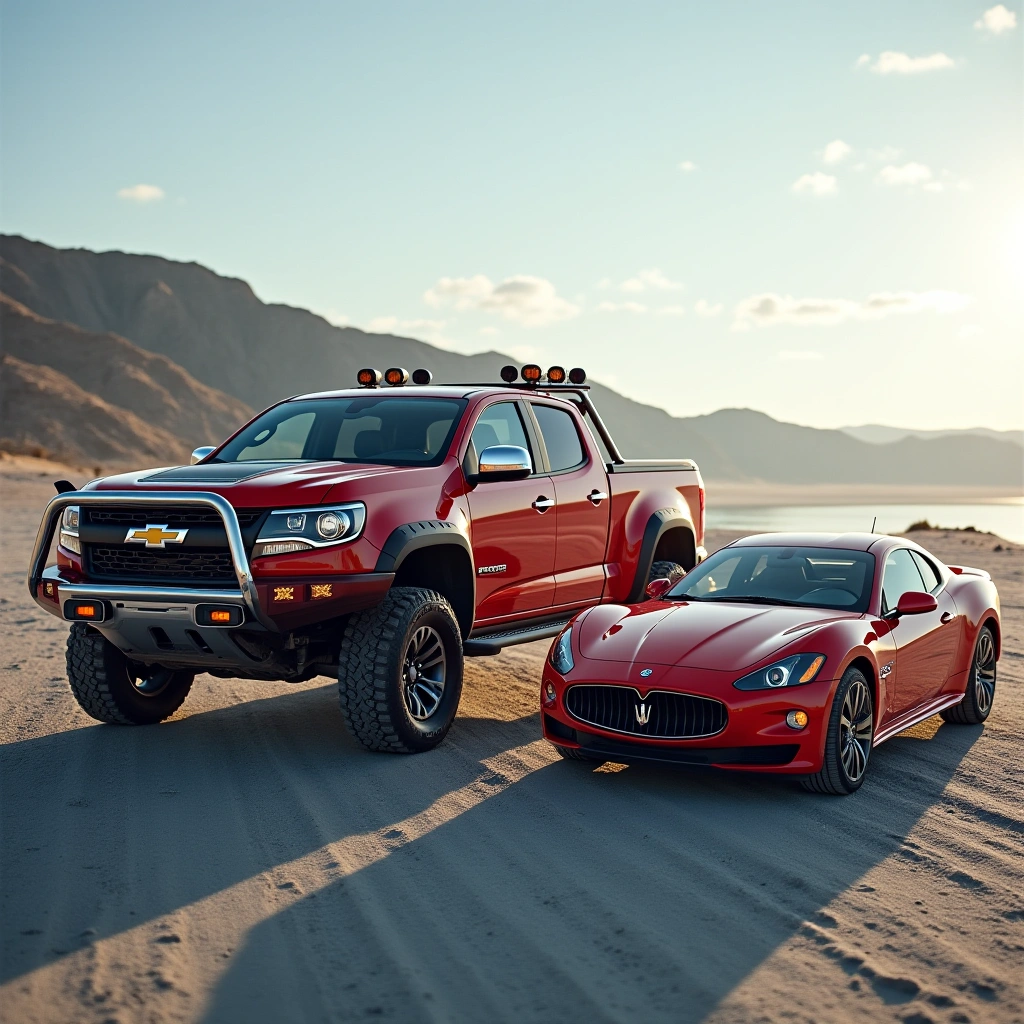
    Ah, the age-old question of the road: Does size really matter? When it comes to cars, it seems that the bigger the vehicle, the bigger the attitude. A recent Reddit post from a Melbourne driver sparked quite the debate about whether drivers of utes (that’s Australian for pickup trucks, in case you were wondering) and 4WDs are inherently more aggressive toward smaller cars.

    Let’s set the scene: Picture our Redditor cruising along in the left lane, just a smidge under the speed limit—because, you know, who wants to risk a speeding ticket for going five k’s over? Suddenly, a ute comes barreling up behind them, high beams flashing like it’s a disco party. Now, here’s the kicker: the right lane is wide open, yet Mr. Ute Driver decides that intimidation tactics are the way to go instead of just changing lanes. Classic.

    This isn’t an isolated incident. Our Redditor’s friend encountered a similar situation just weeks prior, with a car behind her also flashing lights in a fit of impatience. It seems that there’s a trend here. But is it just a coincidence, or is there something more sinister at play?

    Let’s dive into the psychology of driving. Larger vehicles often come with a sense of invincibility. Drivers may feel more powerful—like they own the road—because, let’s face it, who wouldn’t feel like a king in a massive 4WD? It’s like walking into a bar and immediately feeling cooler because you’re wearing a leather jacket. You just can’t help but strut a little, can you?

    Now, when a ute driver sees a smaller car, there’s a chance they might think, “Ah, easy prey!” (This is not to say all ute drivers are bullies; I mean, some of them are just nice folks who like to haul stuff.) But there’s this unspoken hierarchy on the road, and smaller cars often find themselves at the bottom of the pecking order.

    But wait—there’s more! The Redditor mentioned they were driving a Mazda 3 hatchback, a car known for being compact and cute, but not exactly intimidating. It raises the question: Do drivers behave differently based on the type of car someone is in?

    You bet they do! Think about it: when you’re in a smaller car, you might be more cautious, more aware of your surroundings. But the driver of a hulking 4WD might be more likely to zoom in on you, thinking, “This little hatchback won’t stand a chance against my beast of a vehicle!” It’s like a lion eyeing a gazelle, but with more road rage and less nature documentary soundtrack.

    So, are ute and 4WD drivers more aggressive? It seems that way. But it’s not just about the size of the vehicle; it’s also about the driver’s mentality. Some drivers just feel entitled to the road, and they’ll use their size to push around smaller cars. It’s like that one friend who insists on picking the restaurant every time because they drive the biggest car.

    In conclusion, next time you find yourself in a smaller car and you feel the pressure from a ute behind you, just remember: you’re not alone. It’s not just you; it’s a combination of vehicle size and driver attitude. So, keep your cool, stay safe, and maybe consider investing in a pair of sunglasses to block out those high beams. And who knows? Maybe one day, we’ll all just get along on the road—until then, drive defensively and keep those hatchbacks shining!


    Inspired by: “Do ute/4WD drivers tend to be more aggressive towards smaller cars, or is this just a coincidence?” (r/melbourne)

  • The Great Airport Price Heist: Period Products Edition

    The Great Airport Price Heist: Period Products Edition

    The Heist : How a Gang Stole …8,000,000 at Kennedy Airport and Lived to Regret It [Volkman, Ernest, Cummings, John] on Amazon.com. FREE shipping on qualifying offers. The Heist : How a Gang Stole …8,000,000 at Kennedy Airport and Lived to Regret It

    So, picture this: you’re at Melbourne Airport, excited for your trip, possibly dreaming of cocktails and sunbathing on a beach somewhere. But wait! Nature calls, and you realize you’re in dire need of some period products. No big deal, right? Wrong! You stroll into WHSmith, and your heart sinks as you see the price tag—$16.50 for what you know costs about $5 down at your friendly neighborhood Colesworth.

    Now, I get it. Airports are notorious for charging an arm and a leg for everything. You want a bottle of water? That’ll be $10, please. A sandwich? Prepare to mortgage your house. But when it comes to essential hygiene products, especially for half the population, this seems a bit… excessive, don’t you think?

    Let’s break this down. You’re at the airport, probably already stressed from the security lines, flight delays, and the constant fear of missing your gate. The last thing you need is to be financially assaulted over something as basic as period products. Sure, you could say, “Well, they’ve got you over a barrel!” But come on, this is exploitation at its finest.

    The submitter of the Reddit post, who we’ll affectionately refer to as SuccessfulYam9113 (because why not?), pointed out that these products are literally three times the price for something that’s a necessity. It’s like being charged $50 for a pair of socks when you can get a whole pack at Kmart for $5—except this time, it’s a product that’s not just a luxury but a requirement for many.

    Now, I know what you’re thinking: “But it’s airport pricing!” Yes, yes, we’ve heard it all before. But is there really a justification for such a markup on a product that is essential for health and hygiene? One could argue that this is a blatant cash grab, taking advantage of those who might be in a pinch.

    And here’s the kicker: SuccessfulYam9113 mentioned they didn’t have time to walk to the pharmacy near Maccas. So, let’s say you’re in a rush, running to catch your flight, and the only thing standing between you and your plane is a $16.50 box of tampons. That’s a situation you don’t want to be in.

    So, what’s the solution here? Should we start a revolution? Hand out pamphlets? Organize a boycott of overpriced airport shops? Probably not. But maybe we should start doing a little more research before we head to the airport. Knowing where the nearest pharmacy is could save you a pretty penny, and hey, it’s also good exercise to walk a little.

    In the end, it’s always a good idea to stock up on your essentials before you travel. Because nobody wants to be that person at the airport, clutching their wallet as they decide whether to splurge on overpriced necessities. Let’s keep the prices down, folks—because being caught off-guard should only happen with your period, not your wallet!


    Inspired by: “$5 max at colesworth, $16.50 at Melbourne Airport for period products?!” (r/melbourne)

  • Coal, Nuclear, and the Great Energy Debate in Victoria

    Coal, Nuclear, and the Great Energy Debate in Victoria

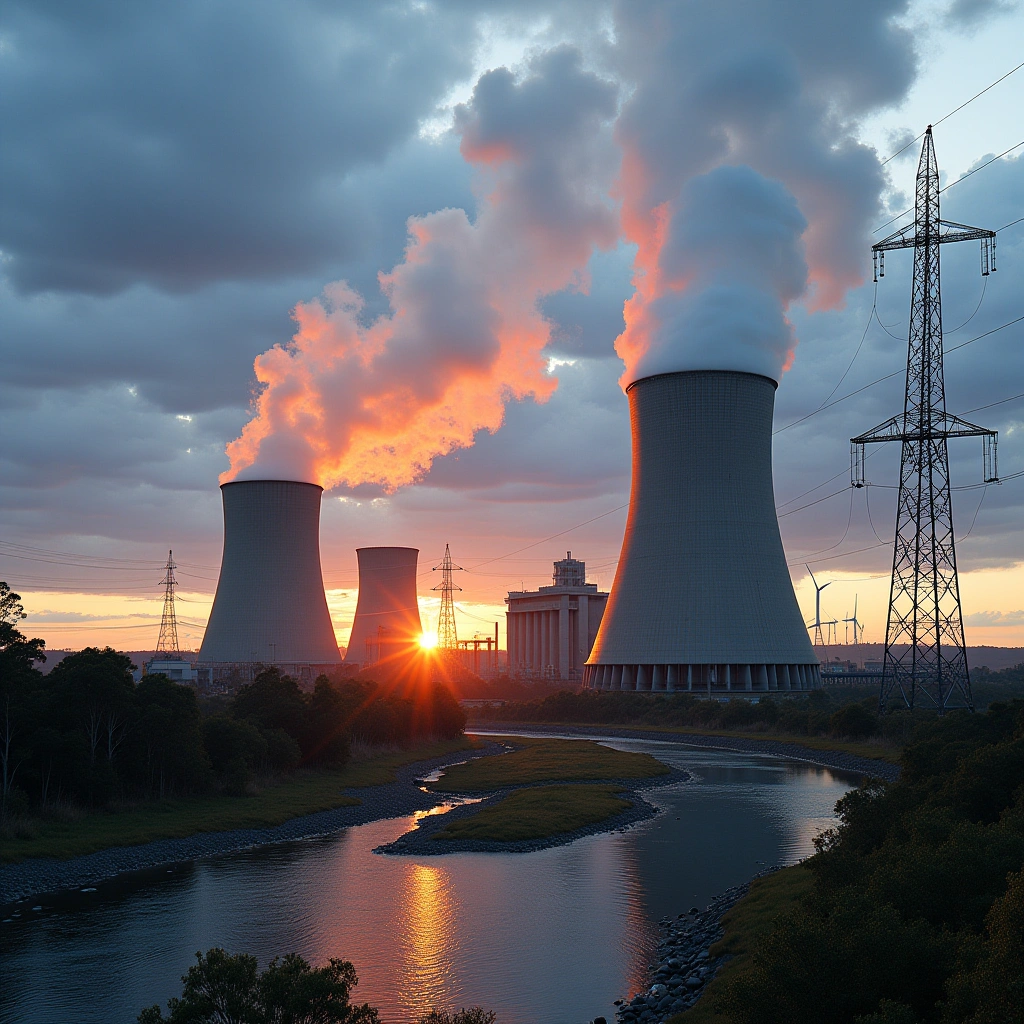
    Nuclear power in Australia has been a topic of practical debate since the mid-20th century. Australia has never had a nuclear power plant, and has only one nuclear reactor (OPAL), the third in a series at Lucas Heights, New South Wales, which have been used exclusively for research, training, …

    So, it seems that One Nation has decided to throw their hat into the ring of energy policy in Victoria by committing to coal-fired power and lifting the nuclear ban. Because, you know, nothing says ‘let’s embrace the future’ quite like a good ol’ coal plant and a nuclear reactor.

    Now, before you start picturing a scene straight out of a post-apocalyptic movie where everyone is wearing radiation suits and dodging mutant kangaroos, let’s break this down a bit.

    First off, coal-fired power. It’s like the old uncle at a family gathering who just won’t leave the party even though everyone else has moved on to more modern, eco-friendly options. Sure, it’s familiar, and it can keep the lights on, but it’s also a major contributor to climate change and, let’s be honest, it’s about as trendy as wearing socks with sandals.

    One Nation’s commitment to coal might be appealing to some who are concerned about job losses in the coal industry, but it raises a few eyebrows. Are we really going to dig ourselves deeper into a hole (pun intended) when it comes to our environmental responsibilities?

    Now, let’s talk about lifting the nuclear ban. This is where things get spicy. Nuclear energy has been the subject of heated debates, and for good reason. On one hand, it’s a low-carbon energy source that can generate a lot of power without spewing greenhouse gases into the atmosphere. On the other hand, there’s the small issue of what to do with nuclear waste and the potential for catastrophic meltdowns. You know, minor details.

    For many, the idea of nuclear power is reminiscent of Chernobyl and Fukushima—hardly the kind of imagery you want when you’re trying to convince the public that this is the way forward. But proponents argue that with advancements in technology and safety measures, nuclear could be a viable option for a cleaner energy future.

    So, what does this all mean for the average Victorian? Well, it’s a mixed bag. If you’re a fan of coal and nuclear energy, you might be thrilled at the prospect of these policies. But if you’re more environmentally conscious, you might be left scratching your head, wondering why we’re not investing more in renewable energy sources like wind and solar.

    It’s like being at a buffet where you’re trying to decide between the gluten-free, organic quinoa salad and the greasy, deep-fried onion rings. Sure, the rings are tempting, but do you really want to feel that regret later?

    At the end of the day, the conversation about energy in Victoria is far from over. With One Nation’s bold commitments, we have to ask ourselves: Are we really ready to embrace the past, or should we be looking toward a more sustainable future?

    As always, keep your eyes peeled for updates, because in the world of energy policy, things can change faster than you can say ‘renewable resources.’ And who knows, maybe one day we’ll be able to power our homes with nothing but sunshine and good vibes. But for now, it looks like we’re still stuck debating coal and nuclear. Cheers to that!


    Inspired by: “One Nation commits to coal-fired power and lifting nuclear ban in Victoria” (r/melbourne)

  • Finding the Perfect Individual Serve Hotpot in Melbourne’s CBD

    Finding the Perfect Individual Serve Hotpot in Melbourne’s CBD

    This is a review for hot pot restaurants in Melbourne, VIC: "Decent hot pot place! You go and choose your items from the fridge, and they throw it into a soup base for you. Word of warning – the spiciness scale here is spicy, so go at least one or two less in terms of chilli level than you would normally. Pricing was OK, and the quality was OK – the seafood was mostly frozen and not the highest quality, but acceptable." See more reviews for this business.

    Ah, hotpot! The culinary equivalent of a warm hug on a chilly Melbourne day. If you’ve ever sat around a bubbling pot, slurping up deliciousness while trying to keep your hair away from the broth (good luck with that), you know it’s an experience worth having. But what happens when you have a big group with a smorgasbord of dietary preferences? Enter the individual serve hotpot—a glorious solution for those who can’t agree on anything, let alone what to put in a communal pot.

    So, you’re on the hunt for a hotpot restaurant in Melbourne’s CBD where each person can take the reins and design their own bowl of wonder. You’re not alone! A recent Reddit post from user /u/panda_bag sparked a lively discussion about just this topic. They’re looking for suggestions for hotpot spots that cater to individual servings, and we’re here to help!

    What’s in a Name?

    First things first, let’s clarify what you’re looking for. These individual serve hotpots don’t have a universally accepted name, which is probably why it’s causing some confusion. They might be referred to as ‘individual hotpots’, ‘personal hotpots’, or even ‘mini hotpots’. Whatever you call them, they’re a lifesaver for large groups with diverse dietary needs. You can mix and match ingredients without the risk of someone sneaking in an ingredient you absolutely detest (looking at you, coriander).

    Why Individual Hotpots Rock

    1. Dietary Freedom: Whether you’re vegan, gluten-free, or just someone who can’t stand the thought of sharing a pot with that guy who thinks he can add pineapple to everything, individual hotpots let you craft your meal just how you like it.

    2. Less Stress: Remember the last time you had to negotiate what goes into the communal pot? Yeah, let’s avoid that chaos. With individual servings, everyone’s happy, and you can focus on enjoying each other’s company (and the food).

    3. Experimentation: Feel like being adventurous? Go ahead and toss in some squid balls and spicy tofu! You can try new things without fear of ruining the entire meal for everyone else.

    Hotpot Recommendations in Melbourne CBD

    Now, let’s get to the good stuff—the recommendations! Here are some popular spots in the CBD that offer individual serve hotpots:

    1. The Hotpot: Located right in the heart of the city, this place has a fantastic array of ingredients. They’re known for their fresh produce and the option to mix your own broth. Plus, the atmosphere is vibrant, making it a great spot for groups.

    2. Shabuhouse: For those who love a bit of flair, Shabuhouse offers a trendy take on the hotpot experience. Their individual pots are perfect for those who want to customize their flavors. Bonus points for their excellent dipping sauces!

    3. Little Lamb Hotpot: If you’re looking for a more traditional experience, Little Lamb offers a wide selection of broths and ingredients. Their individual serve hotpots are a hit among locals, and they cater well to various dietary restrictions.

    4. Hi Hotpot: Since you already mentioned Hi Hotpot in Preston, it might be worth checking if they have a location closer to the city. Their individual setups are a crowd pleaser, and the variety is impressive.

    Wrapping Up

    So there you have it! The quest for the perfect individual serve hotpot in Melbourne’s CBD doesn’t have to be daunting. With these recommendations in hand, you can gather your crew, put together your dream bowls, and enjoy a delightful meal without the stress of sharing (or arguing over what goes in the pot).

    Remember, hotpot is all about fun, flavor, and a bit of friendly banter. So, grab your chopsticks, and get ready to dive into a delicious experience that’s sure to warm your hearts and bellies. Happy hotpotting!


    Inspired by: “Individual serve hotpot restaurant suggestions in CBD” (r/melbourne)

  • Electric Vehicles: The Rise of the Eco-Friendly Road Warriors

    Electric Vehicles: The Rise of the Eco-Friendly Road Warriors

    Explore how electric motorcycles are transforming into true "eco warriors" in the fight against climate change and energy depletion . Discover the benefits of zero emissions, energy conservation, and noise reduction, making them greener alternatives …

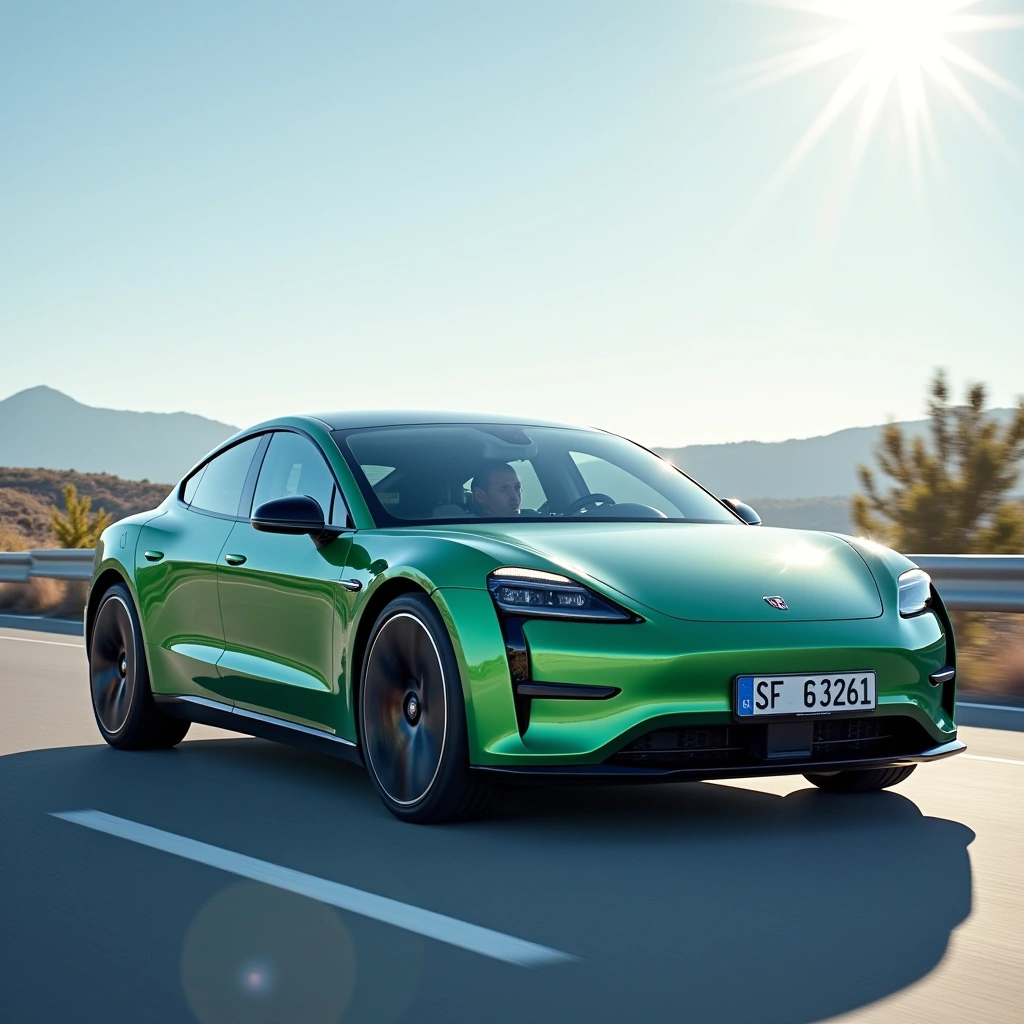
    If you’ve been living under a rock (or perhaps just a very loud gas-guzzling truck), you might have missed the fact that electric vehicles (EVs) and plug-in hybrid electric vehicles (PHEVs) have officially taken the automotive world by storm. As of July, these eco-friendly rides have managed to snag a whopping 27% of the global market share. That’s quite the leap from a measly 6% just five years ago and a paltry 1% a decade back. Talk about a glow-up!

    So, what’s behind this sudden surge? Well, it seems that the world is finally waking up to the fact that our love affair with fossil fuels is like dating that one person who keeps borrowing money and never pays it back. You know, it’s just not sustainable. With climate change knocking at our doors (and sometimes even barging in uninvited), people are starting to realize that maybe, just maybe, we should consider greener alternatives.

    Manufacturers have also jumped on the bandwagon, with companies rolling out new models faster than you can say “battery-operated vehicle.” Tesla, of course, continues to lead the pack, but now there’s a whole array of competitors. From traditional car manufacturers to new startups, everyone seems to be trying to get a piece of that electric pie. And let’s be honest, who wouldn’t want to drive around in a car that’s not only sleek but also helps save the planet?

    But it’s not just about the cars themselves; it’s about the infrastructure too. Charging stations are popping up like mushrooms after a rainstorm, making it easier for EV drivers to juice up their rides. Gone are the days of frantically searching for a gas station; now it’s all about finding the nearest charging point. And if you’re lucky, you might just find one that’s located near a nice coffee shop. Talk about a win-win!

    Of course, there’s still a long way to go before EVs and PHEVs dominate the roads completely. Issues like battery disposal and the environmental impact of lithium mining still need to be addressed. Not to mention, if you live in an apartment complex, good luck finding a place to charge your car. It’s like trying to find a unicorn in a haystack.

    Despite these challenges, the momentum is undeniable. With governments worldwide offering incentives for EV purchases and companies pledging to go green, it seems like we’re on the right track. Plus, who wouldn’t want to be the person at the dinner party bragging about their electric vehicle? “Oh, you still drive a gas car? How quaint!”

    In conclusion, the rise of EVs and PHEVs is a testament to our growing awareness of climate issues and the need for sustainable solutions. So, if you’re in the market for a new vehicle, maybe consider joining the electric revolution. Your future self (and the planet) will thank you. And who knows? You might even get to enjoy the smug satisfaction of knowing you’re part of the solution, while others are still stuck in the gas lane.


    Inspired by: “EVs+PHEVs hit 27% global market share in July, up from 6% 5 years ago and 1% 10 years ago” (r/climatechange)

  • Chasing the Best Laziji in Melbourne: A Spicy Adventure

    Chasing the Best Laziji in Melbourne: A Spicy Adventure

    An absolute Melbourne laksa institution that has held its ground against the ever-changing shuffle of restaurants on Glen Waverley's Kingsway strip — these legends know exactly what they're doing.

    If you’ve ever found yourself in Melbourne and thought, “Hmm, I could really go for some spicy chicken today,” then you’re in for a treat. Let’s talk about Laziji, the Chongqing chili chicken dish that has taken the culinary scene by storm. You might be wondering, what exactly is Laziji? Well, it’s not just any ordinary chicken; it’s a spicy, crispy, mouthwatering dish that will have your taste buds dancing like nobody’s watching.

    Now, if you’re a fan of heat (and by heat, I mean the kind that makes you question your life choices while simultaneously reaching for a glass of water), then Laziji is your new best friend. Traditionally, this dish is prepared with chunks of chicken that are marinated, deep-fried to golden perfection, and then tossed with an obscene amount of dried red chilies and Sichuan peppercorns. The result? A flavor explosion that’s both numbing and exhilarating. Sounds tempting, right?

    So, where do you go in Melbourne to get your hands on the best Laziji? Luckily for you, the city is home to some fantastic restaurants that serve this spicy delight. First up, we have Chongqing Street Noodle. This place is a hidden gem, and if you’re lucky enough to find it, you’ll be greeted with a plate of Laziji that’s as authentic as it gets. The crunchiness of the chicken combined with the fiery chilies will have you coming back for more—just be sure to bring a friend along to share the pain (and the glory).

    Next on the list is Dainty Sichuan. Now, this place is a cult favorite among spice lovers. The Laziji here is known for its generous portions and intense flavor. You might want to consider bringing a fire extinguisher because the heat levels can be quite intense. But hey, no pain, no gain, right?

    And we can’t forget Sichuan House. This spot has a reputation for serving some of the best Sichuan food in Melbourne, and their Laziji is no exception. With the perfect balance of spice and crunch, it’s a dish that will make you forget all your problems—at least until the spicy aftermath hits you!

    Now, let’s be honest, Laziji isn’t just a meal; it’s an experience. You might find yourself in a battle with your taste buds, questioning your life choices, and wondering why you didn’t opt for a salad instead. But as they say, life is too short to eat bland food!

    So, if you’re ready to embark on this spicy adventure, grab your friends, head out to one of these amazing spots, and dive into the world of Laziji. And if you have any other recommendations or hidden gems you think I should check out, feel free to share! After all, the more spicy chicken, the better, right? Happy eating, Melbourne!


    Inspired by: “Best Laziji in Melbourne” (r/melbourne)

  • A Colorful Day at Brighton Beach: The Iconic Beach Boxes

    A Colorful Day at Brighton Beach: The Iconic Beach Boxes

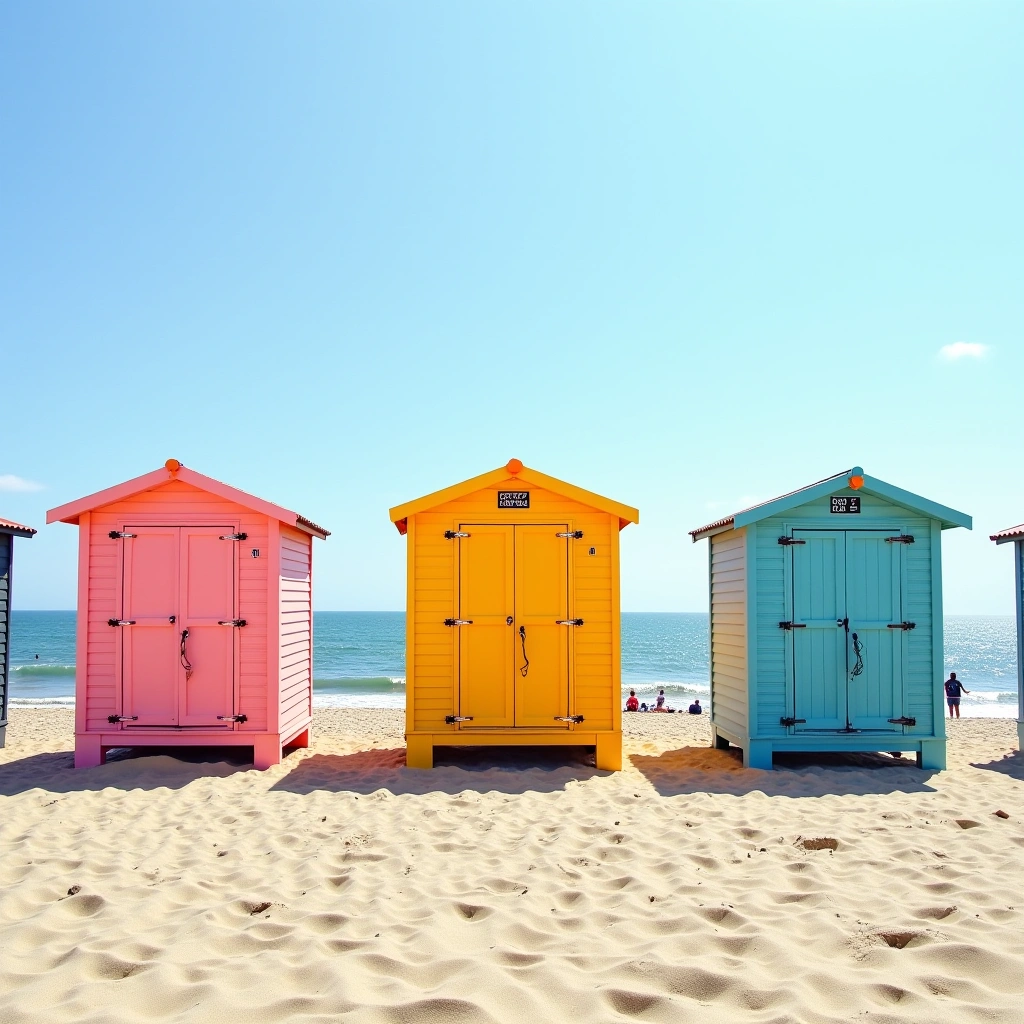
    Once you see photos of them it’s kinda obvious, but the Brighton Bathing Boxes are those brightly colored wooden beach huts lining the beach in Victoria . And there’s over 90 of them!

    Ah, Brighton Beach! A place where the sun shines brighter, the waves crash a little louder, and the beach boxes stand proudly in their rainbow of colors, waiting for Instagrammers to snap that perfect shot. If you’ve ever been to Melbourne, you’ve probably heard of these little beauties. But if you haven’t, let me paint a picture for you—because who doesn’t love a good visual?

    First off, let’s talk about those beach boxes. They’re not just any old storage sheds; these are the VIPs of the beach world. Each box is a kaleidoscope of colors, sporting hues that would make a box of crayons jealous. From pastel pinks to vibrant blues, they’re like the candy store of the beach. And let’s be honest, who wouldn’t want to take a selfie in front of a bright yellow box that practically screams, “I’m on holiday!”?

    The beach boxes date back to the 1800s, originally built as changing rooms for beachgoers. Yes, folks, they were once the height of fashion and modesty—because what says ‘class’ more than changing into a swimsuit in a little wooden box? Nowadays, they serve as a lovely backdrop for your family photos, romantic getaways, or just a great place to sit and contemplate life while watching the waves roll in.

    The best part? Each box is privately owned, which means you can’t just waltz into one and make yourself at home. However, that doesn’t stop people from using them as a backdrop for their social media posts. Nothing says ‘I’m living my best life’ quite like lounging on the sand next to a row of colorful beach boxes, right?

    Now, if you’re thinking about visiting Brighton Beach, plan your trip wisely. It’s best to go on a sunny day when the colors pop and the beach is buzzing with life. Bring your sunscreen, a good book, and perhaps a beach ball, because what’s a day at the beach without some slightly embarrassing attempts at volleyball?

    And let’s not forget about the iconic Brighton bathing boxes that are a part of the local culture! They are not just pretty faces; they have stories to tell. Each box has its own unique character and charm—kind of like the locals, really. Some boxes are adorned with quirky decorations, while others maintain a more classic look. You might even find one that reminds you of your Aunt Edna’s obsession with flamingos. Seriously, Aunt Edna, it’s time to let that obsession go.

    If you’re feeling adventurous, you might even consider renting a beach box for the day. Imagine having your own little slice of paradise, complete with a view of the ocean, and a place to store your snacks (because snacks are essential). Just be aware that you may have to fight off seagulls that are as persistent as your relatives during the holidays.

    In conclusion, Brighton Beach Boxes are not just a pretty sight; they’re a Melbourne icon. Whether you’re there for a relaxing day in the sun, an Instagram-worthy photo op, or just to enjoy the salty breeze, these colorful boxes are sure to brighten your day. So grab your camera, put on some sunscreen, and head to Brighton Beach. Who knows? You might just discover your new favorite spot in Melbourne, or at the very least, get a fantastic tan and a few laughs along the way!


    Inspired by: “Brighton Beach Boxes” (r/melbourne)