Category: Human Interest

  • A Blast from the Past: How 19th-Century Scientists Saw Global Warming Coming

    A Blast from the Past: How 19th-Century Scientists Saw Global Warming Coming

    19th-century scientists established the foundational physics of global warming by identifying the greenhouse effect and the heat-trapping properties of carbon dioxide long before modern climate concerns emerged. In 1824, Joseph Fourier proposed that the atmosphere traps heat, while Eunice Newton Foote and John Tyndall experimentally confirmed in the 1850s that CO2 and water vapor are potent heat-trapping gases. By 1896, Svante Arrhenius created the first climate model, accurately predicting that doubling atmospheric CO2 would raise global temperatures, though he underestimated the rapidity of industrial emissions.

    When we think about the climate crisis, our minds often jump to the modern-day scientists in lab coats, furrowing their brows over computer models and climate graphs. But what if I told you that some of the first whispers of global warming came from the minds of scientists over a century ago? Yes, you heard that right! The 19th century wasn’t just about top hats and horse-drawn carriages; it was also a time when some brilliant minds were already peeking into the future of our planet.

    Let’s rewind to the 1820s, a time when people were still figuring out how to properly use a spoon. Enter Joseph Fourier, a French mathematician and physicist who had a hunch that our Earth was keeping some secrets under wraps. Fourier was the first to propose the concept of the greenhouse effect, suggesting that the Earth’s atmosphere traps heat, much like a cozy blanket. Who knew that a few centuries later, we’d be complaining about our own cozy blanket being a bit too warm?

    Fast forward to the 1850s, and we meet John Tyndall, an Irish physicist who decided to take Fourier’s ideas and run with them. Tyndall conducted experiments that demonstrated how certain gases, like carbon dioxide and methane, absorb heat. It’s as if he was the original climate detective, piecing together clues about how our atmosphere works. He even went so far as to suggest that increasing levels of carbon dioxide could lead to a warmer Earth. Spoiler alert: he was right.

    But wait, there’s more! In the late 1800s, we have Svante Arrhenius, a Swedish scientist who took Tyndall’s findings and cranked the dial up to eleven. Arrhenius calculated that doubling the amount of carbon dioxide in the atmosphere could raise global temperatures by as much as 5 to 6 degrees Celsius. Now, this was back when the world was still trying to figure out how to put a man on the moon, let alone understand the complexities of climate science. Arrhenius was basically predicting the future while most people were just trying to keep their horses from eating their hats.

    Now, you might be wondering, why didn’t anyone listen to these guys? Well, it turns out that the 19th century had a bit of a habit of ignoring science in favor of more pressing matters, like inventing the telephone or figuring out which way to wear a bowler hat. Plus, the industrial revolution was in full swing, and nobody wanted to rain on the parade of progress with talk of carbon emissions and melting ice caps.

    Fast forward to today, and we’re all too aware of the consequences of ignoring these early warnings. The climate crisis is no longer a distant threat; it’s knocking at our door, and it’s not just delivering pizza. But the remarkable foresight of those 19th-century scientists serves as a reminder that our understanding of the climate has deep roots. They were the unsung heroes who dared to raise the alarm, even when it fell on deaf ears.

    So the next time you find yourself scrolling through climate change news or debating the latest climate report, take a moment to appreciate the scientists who laid the groundwork for our understanding of global warming. They may not have had the flashy technology we have today, but their insights were ahead of their time. And hey, if they could predict our current situation without the aid of smartphones, just imagine what they could’ve done with a TikTok account!

    In conclusion, while we’re busy grappling with the consequences of climate change, let’s tip our hats to the 19th-century scientists who saw it coming long before we did. They may not have had the luxury of social media to spread their message, but their legacy lives on in our quest to save the planet. So, here’s to Fourier, Tyndall, and Arrhenius—three guys who had a lot more foresight than most of us today. Let’s hope we can live up to their expectations before it’s too late!


    Inspired by: “How 19th-Century Scientists Predicted Global Warming – JSTOR Daily” (r/climatechange)

  • Indonesia’s Solar Ambitions: A Bright Future Ahead!

    Indonesia’s Solar Ambitions: A Bright Future Ahead!

    Indonesian President Prabowo Subianto has said the government is serious about realizing its 100 GW solar program, with construction targeted within three years .

    Hey there, fellow earthlings! 🌍 Today, we’re shining a light on Indonesia’s ambitious goal to crank out a whopping 100 gigawatts (GW) of solar power by 2029. Now, before you roll your eyes and think, “Oh great, another country trying to save the planet,” let’s break down why this is a big deal and how it might just change the game for energy in Indonesia.

    First off, let’s talk numbers. 100 GW is not just a random figure plucked from thin air. To put it into perspective, that’s enough energy to power millions of homes, or to keep your air conditioner running while you binge-watch your favorite shows—because let’s be honest, that’s a priority.

    Indonesia is planning on deploying a mix of solar power solutions, including ground-mounted, rooftop, and floating solar plants. Yes, you heard that right—floating! I mean, who wouldn’t want a solar farm that floats on water? It’s like the energy version of a houseboat, but more eco-friendly and less likely to sink during a storm.

    But why is Indonesia making this leap into the solar world? For starters, the country is looking to ditch its reliance on diesel generation. Seriously, have you seen the price of fuel lately? Not to mention the environmental impact of burning fossil fuels. By shifting to solar, Indonesia is not only aiming for cleaner energy but also for energy independence. This means less reliance on imported fuels and more control over their energy future. It’s like going from renting a house to finally owning your own—minus the mortgage stress.

    One of the most exciting aspects of this initiative is the focus on electrifying rural areas and villages. Imagine a small village in Indonesia finally getting access to reliable electricity. No more candlelit dinners (unless that’s your thing), and more importantly, kids can study at night without straining their eyes. Plus, who wouldn’t want to charge their phone without having to walk miles to find a power source? Talk about a game changer!

    Now, let’s not forget about the decentralized, smaller-scale solar systems. This is where things get really interesting. By empowering local communities to harness solar energy, Indonesia is not just building a power grid; they’re building a sense of ownership and responsibility towards their energy resources. It’s like giving people the keys to their own energy castle—minus the moat, of course.

    And let’s face it, the world is watching. Indonesia’s moves could inspire other countries to step up their renewable energy game. If they can pull this off, it’s a win-win situation for the environment and the economy. Who knows, maybe we’ll see a wave of countries trying to outdo each other in the solar arena. Solar Olympics, anyone?

    In conclusion, Indonesia’s goal of achieving 100 GW of solar energy by 2029 is not just a lofty ambition; it’s a necessary step towards a sustainable future. It’s about electrifying rural communities, reducing reliance on fossil fuels, and paving the way for a greener planet. So, here’s to sunny days ahead—literally! Let’s hope they can pull it off, because the world could use a little more sunshine and a lot less pollution. 🌞


    Inspired by: “Indonesia aims for 100 GW solar target by 2029, deploying ground-mounted, rooftop and floating sola…” (r/climatechange)

  • Chillin’ Out: The Impact of Air Conditioning on Heat-Related Deaths

    Chillin’ Out: The Impact of Air Conditioning on Heat-Related Deaths

    Results: Results show an independent association between increased air conditioning prevalence and lower heat-related mortality risk . Excess deaths due to heat decreased during the study periods from 1.40% to 0.80% in Canada, 3.57% to 1.10% …

    As temperatures rise and summer becomes a never-ending sauna, many of us find ourselves cranking up the air conditioning to escape the sweltering heat. But have you ever wondered just how much good that cool breeze is doing beyond your immediate comfort? Spoiler alert: it could be saving lives!

    In a world where climate change is making heat waves more frequent and intense, air conditioning has become a hot topic—pun intended. So, let’s dive into the question of how much air conditioning usage actually prevents heat deaths.

    It’s Getting Hot in Here

    First things first, let’s talk about heat-related deaths. According to the Centers for Disease Control and Prevention (CDC), extreme heat is a leading cause of weather-related fatalities in the United States. In fact, it claims more lives than hurricanes, floods, and tornadoes combined. So, it’s safe to say that we should probably take this whole heat thing seriously.

    When the mercury rises, our bodies can only handle so much before things start to go awry. Heat exhaustion, heat stroke, and even death can result from prolonged exposure to high temperatures, especially for vulnerable populations like the elderly, children, and those with pre-existing health conditions. This is where our trusty air conditioning units come into play, acting like a modern-day hero in the fight against heat-related disasters.

    AC: The Unsung Hero

    Research has shown that air conditioning significantly reduces heat-related mortality. In cities where AC is common, the rates of heat-related deaths drop dramatically. A study from the ureau of Labor Statistics found that during extreme heat events, areas with higher air conditioning penetration saw fewer fatalities compared to those without.

    But here’s the kicker: while air conditioning is a lifesaver, it’s not a magic wand. It’s not like you can just sit in your living room, blast the AC, and ignore the fact that it’s 110 degrees outside. The effectiveness of air conditioning in preventing heat deaths also depends on factors like accessibility, socio-economic status, and individual behavior. Not everyone has the luxury of central air or even a window unit, and that’s a problem.

    The Cost of Comfort

    Let’s not forget the elephant in the room: the environmental impact of air conditioning. While it keeps us cool, it also contributes to greenhouse gas emissions, especially if your unit is powered by fossil fuels. So, while we’re busy saving lives, we’re also contributing to the very problem that’s causing those heat waves in the first place. Talk about a double-edged sword!

    Finding Balance

    So, what’s the solution? Ideally, we need to strike a balance between keeping cool and being environmentally responsible. This could mean investing in energy-efficient appliances, utilizing passive cooling techniques, or even advocating for community cooling centers during heat waves. It’s all about finding that sweet spot where we can all stay safe without roasting the planet.

    Conclusion

    In conclusion, while air conditioning is undoubtedly a crucial tool in preventing heat-related deaths, it’s not a one-size-fits-all solution. The benefits of AC are clear, but so are the challenges it presents. So, as we crank up the cool air this summer, let’s also keep an eye on the bigger picture and work towards a sustainable future—because no one wants to melt away in their own home, right?

    Now, if you’ll excuse me, I need to go adjust my thermostat. It’s getting a little too hot in here!


    Inspired by: “How much air conditioning usage actually prevents heat deaths?” (r/climatechange)

  • Your Daily Dose of Melbourne: Join the Conversation!

    Your Daily Dose of Melbourne: Join the Conversation!

    One day in Melbourne itinerary#melbourne #melb #melbourneitinerary #visitmelboune #wheretovisit #melbourneguide #spendthedaywithme #dayinmylifemelbourne #melbournecity #thingstodo #thingstodoinmelbourne #melbournetips #melbournefood #travel #travelvlog #travelguide #australia … Log in to see more from dailydoseofmelb. … Log in or sign up for ThreadsSee what people are talking about and join the conversation.

    Hey there, Melbourne enthusiasts! Welcome to the r/Melbourne Daily Discussion Thread, where the coffee is strong, the opinions are stronger, and the chances of someone mentioning footy are about 100%. Whether you’re a local, a traveler, or just someone with a strong Wi-Fi connection, this is the perfect place to dive into the everyday happenings of our beloved city.

    A Little Respect Goes a Long Way

    Before we dive into the nitty-gritty of our daily chat, let’s take a moment to acknowledge the Traditional Owners of the land. Yep, that’s right! We’re talking about the Aboriginal and Torres Strait Islander cultures, who have been around long before Melbourne was even a twinkle in the settlers’ eyes. It’s important to recognize their ongoing connection to the lands and waters, and pay our respects to Elders past and present. After all, it’s their home we’re enjoying, so let’s not forget that!

    What’s Happening Today?

    Now, onto the juicy bits! The r/Melbourne Daily Discussion Thread is like the community bulletin board, but without the missing cat posters (unless someone’s lost their pet kangaroo, of course). This is where you can chat about anything and everything related to Melbourne. Want to share the latest coffee shop you’ve discovered that serves a mean flat white? Go for it! Think you’ve found the best spot for a sunset view? We want to hear about it!

    New Users, Don’t Be Shy!

    If you’re new to the subreddit or just don’t have a history yet, this thread is your safe space. Feel free to introduce yourself! Tell us where you’re from, what brought you to Melbourne, or even your favorite local dish (we see you, meat pie lovers!). We promise we won’t bite—unless you try to convince us that pineapple belongs on pizza, and then all bets are off.

    Research and Surveys, Oh My!

    Got a research project? Need some survey responses? This is the place to ask! Just keep it relevant to Melbourne, and we’ll be happy to help. We love supporting local initiatives, so don’t be shy about reaching out for a helping hand (or keyboard).

    Tourist Questions Welcome!

    Tourists, listen up! If you’re visiting and have questions about what to do, where to eat, or how to navigate the tram system without looking like a complete deer in headlights, you’ve come to the right place. The locals are always eager to share their insider tips, whether it’s the best hidden laneway bars or the top spots to avoid during rush hour. Just remember, if someone suggests you try Vegemite straight from the jar, they might be pulling your leg. Or maybe they’re just really into that salty spread—who knows?

    Join the Conversation

    So what are you waiting for? Jump into the r/Melbourne Daily Discussion Thread and join the conversation! Whether you want to share your thoughts on the latest news, ask for recommendations, or just vent about the weather (because let’s be real, it can change faster than a Melbourne minute), this is the place for you.

    In conclusion, Melbourne is a city full of life, culture, and a whole lot of character. So let’s keep the conversation going and celebrate everything that makes this city the vibrant place we all adore. And remember, if all else fails, there’s always a good footy match to discuss! Cheers!


    Inspired by: “It’s the r/Melbourne daily discussion thread [Tuesday 01/09/2026]” (r/melbourne)

  • The Thirsty Southwest: A Water Crisis in the Desert

    The Thirsty Southwest: A Water Crisis in the Desert

    Even worse, recent research suggests that the current drought-stricken environment of the Southwest could persist “through at least 2100,” driven by global warming . Because of the megadrought the flagship water resource of the Southwest, …

    Ah, the desert Southwest. A place known for its stunning landscapes, vibrant sunsets, and—wait for it—an alarming water crisis that’s turning it into a hotbed of anxiety. Yes, you heard that right. The same region that supports millions of humans and vast acres of grazing land for cows is facing a water shortage that could make even the most resilient cactus shed a tear.

    Let’s take a moment to appreciate the irony here. We’ve got a landscape that’s dry as a bone, yet it’s somehow managing to support millions of people, their homes, and their insatiable thirst for everything from lawn care to avocado toast. And don’t even get me started on the cows. Apparently, they’re not just here to moo and look cute; they’re also consuming a significant amount of water to keep up with our demand for beef. So, what happens when the water starts to dry up? Spoiler alert: it’s not pretty.

    The truth is, the water in the Southwest is disappearing faster than a magician’s rabbit. Climate change, overuse, and mismanagement are all playing a role in this grand disappearing act. With increasing temperatures and prolonged droughts, the resources that once seemed abundant are quickly dwindling. If you think about it, it’s like a bad game of musical chairs—only instead of chairs, we’re losing access to water.

    Now, you might be wondering why this matters. Well, let’s break it down. Water is essential for life, and not just for humans who can’t function without their morning coffee. It’s crucial for agriculture, which means fewer crops and higher food prices. And that’s not just a problem for the cows; it’s a problem for everyone who enjoys eating. We all love a good burger, but if the water keeps vanishing, we might have to start considering tofu as a viable option. Yikes!

    So, what can we do about this? While I’m not suggesting we all start praying for rain (though that might help), there are steps we can take to address the situation. Conservation efforts are key. Simple changes like fixing leaks, using water-efficient appliances, and xeriscaping (that’s a fancy word for landscaping that reduces or eliminates the need for irrigation) can make a difference. Plus, we can support policies that promote sustainable water management—because, let’s face it, we could all use a little more water wisdom.

    In conclusion, the water crisis in the desert Southwest is a serious issue that demands our attention. It affects not only the millions of people living there but also the agriculture that feeds us all. If we don’t take action soon, we may find ourselves in a situation where we’re all fighting over the last drop of water like it’s the final slice of pizza at a party. And nobody wants to be that person. So let’s get our act together, shall we? The desert may be dry, but our commitment to preserving water shouldn’t be.


    Inspired by: “The desert Southwest’s water supports millions of humans and acres of cow food. But the water is di…” (r/climatechange)

  • The Future is Bright (and Sodium-Powered): A Look at the New 25-Year Sodium-Ion Home Battery

    The Future is Bright (and Sodium-Powered): A Look at the New 25-Year Sodium-Ion Home Battery

    Sodium ion home storage products began entering the market in 2025. sodium ion battery line in April 2025, with full-scale residential availability expected in late 2025 to 2026. Multiple manufacturers, including BYD, Pylontech, and HiNa Battery , are developing or have already launched home -scale sodium ion products. Wider consumer availability is projected for 2026–2027 as production capacity ramps up.

    Hey there, fellow earthlings! So, have you heard the news? There’s a new kid on the energy block, and it’s not just another lithium-ion battery trying to convince us it’s the best thing since sliced bread. Nope, it’s a sodium-ion home battery, and it’s making waves with a jaw-dropping 25-year lifespan. Yes, you read that right: 25 years. I mean, that’s longer than most of my relationships!

    Now, before you roll your eyes and think, “Oh great, another battery that promises the world,” let’s break it down. Sodium-ion technology has been buzzing around the tech world for a while now, but it seems like it’s finally ready to step into the spotlight. For those of you who are not up to speed, sodium-ion batteries are like lithium-ion’s less flashy cousin who’s finally decided to show up to the family reunion. They use sodium, which is abundant and, if I may say, a lot less expensive than lithium. So, why aren’t we all using sodium batteries already? Well, it’s complicated, my friend.

    First off, lithium-ion batteries have had a head start. They’ve been the golden child for years, powering everything from our smartphones to our electric cars. But with the growing demand for sustainable energy solutions, there’s been a push to find alternatives that are not just good for our devices but also good for our planet. And here comes sodium-ion, strutting in with a 25-year warranty like it’s the new iPhone.

    What makes this sodium-ion battery so special? For starters, its longevity is a game-changer. Imagine not having to replace your home battery for a quarter of a century. That’s like having a pet goldfish that never dies (or at least I hope yours doesn’t). Plus, sodium is more abundant and easier to source than lithium, which is a definite win for the environment. Less mining, less pollution, and more energy independence? Count me in!

    Now, let’s talk practicality. With a sodium-ion battery, homeowners can store energy generated from renewable sources like solar panels. This means you can harness the power of the sun during the day and use it at night while simultaneously feeling like a superhero for saving the planet. It’s like having your cake and eating it too, but instead of cake, it’s clean energy, and instead of eating, it’s saving the Earth. Get it?

    Of course, with any new technology, there are always skeptics. Some may wonder if sodium-ion batteries can deliver the same performance as their lithium counterparts. Well, the answer is: they can, but they might not be as compact or as powerful just yet. But hey, they’re still in the early stages of development. Just like that awkward phase we all went through in middle school—give them some time, and they might just come into their own.

    As the planned rollout of these batteries in the US approaches, it’s clear that the energy landscape is shifting. We’re moving away from fossil fuels and toward more sustainable solutions, one sodium-ion battery at a time. And let’s be honest, if we can power our homes with sodium instead of relying on oil from who-knows-where, that’s a step in the right direction.

    So, here’s to the sodium-ion battery: the underdog of the energy world. If it can deliver on its promises, we might just be looking at a future where our homes are powered by a battery that lasts longer than a decade-old sitcom. Cheers to that!


    Inspired by: “25-year sodium-ion home battery debuts ahead of planned US rollout” (r/climatechange)

  • Sydney vs. Melbourne: The Great Migration Debate

    Sydney vs. Melbourne: The Great Migration Debate

    Sydney is often described as having a fast-paced and energetic lifestyle, with a strong focus on career advancement and social life . It’s a city where people work hard and play hard.

    Ah, the age-old rivalry between Sydney and Melbourne. It’s like Coke vs. Pepsi, but with more coffee and a lot less sugar. For those Sydney-siders contemplating the big leap to Melbourne, you’re not alone! Many have packed their bags, traded the beach for the laneways, and set off on a new adventure. But what’s it really like to make the move? Let’s dive in!

    First off, let’s address the elephant in the room: the housing market. If you’re dreading the idea of paying over $1 million for a mortgage in Sydney, you’re not just being dramatic; it’s a reality for many. Melbourne’s property prices are no walk in the park either, but they can feel like a bargain compared to the Sydney price tags. Think of it as swapping a luxury yacht for a fancy sailboat. Still expensive, but at least you’re not drowning in debt!

    Now, let’s talk about the cities themselves. Sydney is known for its stunning beaches and iconic landmarks like the Opera House and Harbour Bridge. But let’s be honest, how many times can you Instagram the same beach sunset before it loses its charm? Melbourne, on the other hand, is bursting with culture, arts, and food that’ll make your taste buds dance. From the famous laneways filled with street art to the coffee culture that could put Starbucks to shame, there’s always something new to explore.

    What do you miss if you make the switch? Well, for starters, the glorious sun. Sydney’s beaches are hard to beat, and the weather is, let’s say, a bit more forgiving. You might find yourself missing those lazy beach days and the ability to wear shorts year-round. But on the flip side, Melbourne’s unpredictable weather means you can experience four seasons in a single day, which is just delightful if you enjoy carrying an umbrella, a sunhat, and a scarf all at once.

    And what about the people? Sydney has a reputation for being a bit, shall we say, aloof? Melbourne, however, prides itself on being friendly and laid-back. You might even find yourself having a casual chat with a stranger at a café, which is a refreshing change of pace. Just be prepared for the occasional debate about whether pineapple belongs on pizza—trust me, it’s a serious topic down here.

    A significant upside of moving to Melbourne is the vibrant arts scene. Whether you’re into theatre, music, or just watching street performers, there’s no shortage of entertainment options. Plus, the city hosts several festivals throughout the year, so you’ll never be short of things to do on weekends. Just remember to wear comfortable shoes; you’ll be doing a lot of walking.

    In conclusion, if you’re a Sydney-sider considering a move to Melbourne, it’s worth weighing the pros and cons. Sure, you might miss the beaches and the sunshine, but you’ll gain a city full of culture, great coffee, and a real sense of community. Plus, you’ll have a fantastic story about how you bravely ventured into the land of trams and unpredictable weather. So, why not take the plunge? After all, life is too short to spend it worrying about mortgages and the same old beach views!

    Happy moving!


    Inspired by: “Any Sydney-siders move to Melbourne, how are you finding it?” (r/melbourne)

  • The Ute Dilemma: Are Bigger Cars Really Bullying Smaller Ones?

    The Ute Dilemma: Are Bigger Cars Really Bullying Smaller Ones?

    The car is so tiny at 3.6m end-to-end that driving one involves a Jack Russell style of tenacity to ensure the rest of the traffic doesn’t push you around too much. That won’t stop the bullying though and I have been honked at by impatient drivers behind me while I'm waiting to turn at an intersection – the same junction I use every day but never get harassed at when I’m in a ute or large SUV.

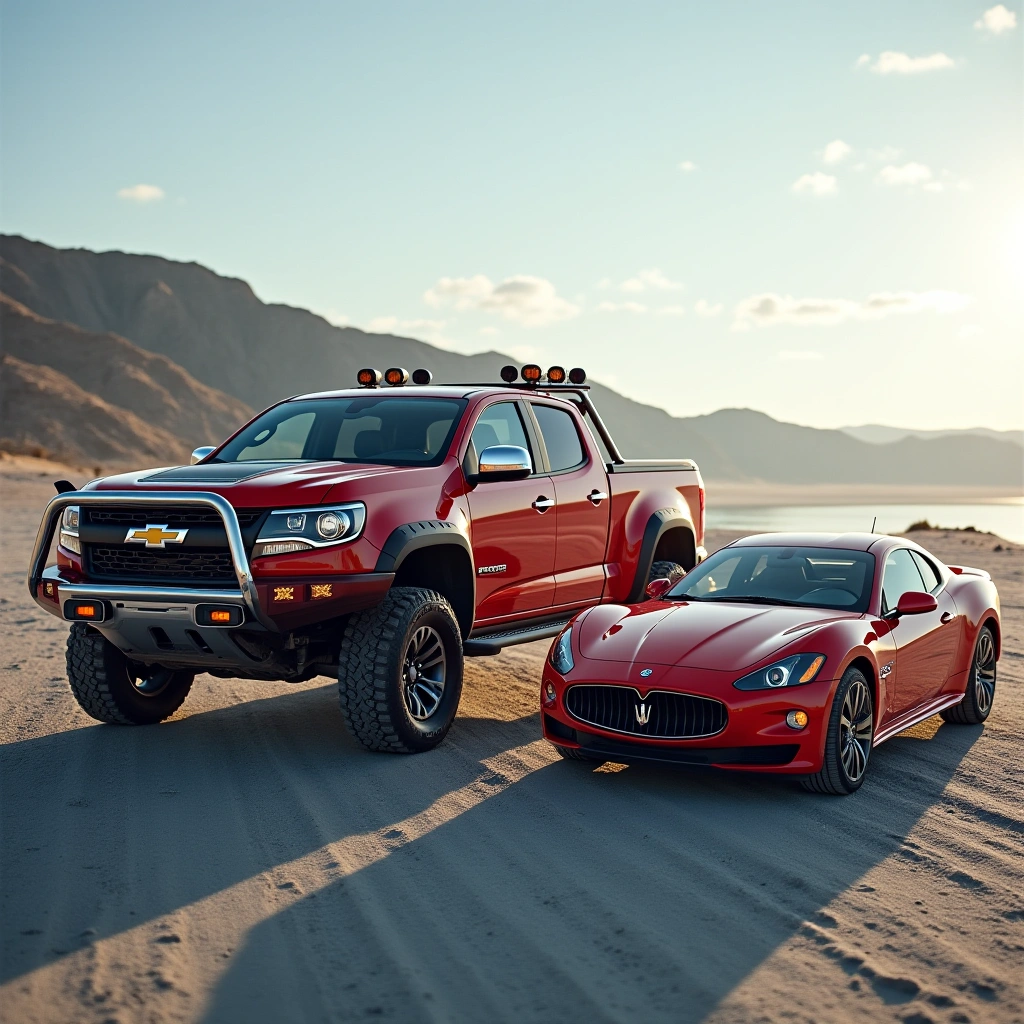
    Ah, the age-old question of the road: Does size really matter? When it comes to cars, it seems that the bigger the vehicle, the bigger the attitude. A recent Reddit post from a Melbourne driver sparked quite the debate about whether drivers of utes (that’s Australian for pickup trucks, in case you were wondering) and 4WDs are inherently more aggressive toward smaller cars.

    Let’s set the scene: Picture our Redditor cruising along in the left lane, just a smidge under the speed limit—because, you know, who wants to risk a speeding ticket for going five k’s over? Suddenly, a ute comes barreling up behind them, high beams flashing like it’s a disco party. Now, here’s the kicker: the right lane is wide open, yet Mr. Ute Driver decides that intimidation tactics are the way to go instead of just changing lanes. Classic.

    This isn’t an isolated incident. Our Redditor’s friend encountered a similar situation just weeks prior, with a car behind her also flashing lights in a fit of impatience. It seems that there’s a trend here. But is it just a coincidence, or is there something more sinister at play?

    Let’s dive into the psychology of driving. Larger vehicles often come with a sense of invincibility. Drivers may feel more powerful—like they own the road—because, let’s face it, who wouldn’t feel like a king in a massive 4WD? It’s like walking into a bar and immediately feeling cooler because you’re wearing a leather jacket. You just can’t help but strut a little, can you?

    Now, when a ute driver sees a smaller car, there’s a chance they might think, “Ah, easy prey!” (This is not to say all ute drivers are bullies; I mean, some of them are just nice folks who like to haul stuff.) But there’s this unspoken hierarchy on the road, and smaller cars often find themselves at the bottom of the pecking order.

    But wait—there’s more! The Redditor mentioned they were driving a Mazda 3 hatchback, a car known for being compact and cute, but not exactly intimidating. It raises the question: Do drivers behave differently based on the type of car someone is in?

    You bet they do! Think about it: when you’re in a smaller car, you might be more cautious, more aware of your surroundings. But the driver of a hulking 4WD might be more likely to zoom in on you, thinking, “This little hatchback won’t stand a chance against my beast of a vehicle!” It’s like a lion eyeing a gazelle, but with more road rage and less nature documentary soundtrack.

    So, are ute and 4WD drivers more aggressive? It seems that way. But it’s not just about the size of the vehicle; it’s also about the driver’s mentality. Some drivers just feel entitled to the road, and they’ll use their size to push around smaller cars. It’s like that one friend who insists on picking the restaurant every time because they drive the biggest car.

    In conclusion, next time you find yourself in a smaller car and you feel the pressure from a ute behind you, just remember: you’re not alone. It’s not just you; it’s a combination of vehicle size and driver attitude. So, keep your cool, stay safe, and maybe consider investing in a pair of sunglasses to block out those high beams. And who knows? Maybe one day, we’ll all just get along on the road—until then, drive defensively and keep those hatchbacks shining!


    Inspired by: “Do ute/4WD drivers tend to be more aggressive towards smaller cars, or is this just a coincidence?” (r/melbourne)

  • The Great Airport Price Heist: Period Products Edition

    The Great Airport Price Heist: Period Products Edition

    The Heist : How a Gang Stole …8,000,000 at Kennedy Airport and Lived to Regret It [Volkman, Ernest, Cummings, John] on Amazon.com. FREE shipping on qualifying offers. The Heist : How a Gang Stole …8,000,000 at Kennedy Airport and Lived to Regret It

    So, picture this: you’re at Melbourne Airport, excited for your trip, possibly dreaming of cocktails and sunbathing on a beach somewhere. But wait! Nature calls, and you realize you’re in dire need of some period products. No big deal, right? Wrong! You stroll into WHSmith, and your heart sinks as you see the price tag—$16.50 for what you know costs about $5 down at your friendly neighborhood Colesworth.

    Now, I get it. Airports are notorious for charging an arm and a leg for everything. You want a bottle of water? That’ll be $10, please. A sandwich? Prepare to mortgage your house. But when it comes to essential hygiene products, especially for half the population, this seems a bit… excessive, don’t you think?

    Let’s break this down. You’re at the airport, probably already stressed from the security lines, flight delays, and the constant fear of missing your gate. The last thing you need is to be financially assaulted over something as basic as period products. Sure, you could say, “Well, they’ve got you over a barrel!” But come on, this is exploitation at its finest.

    The submitter of the Reddit post, who we’ll affectionately refer to as SuccessfulYam9113 (because why not?), pointed out that these products are literally three times the price for something that’s a necessity. It’s like being charged $50 for a pair of socks when you can get a whole pack at Kmart for $5—except this time, it’s a product that’s not just a luxury but a requirement for many.

    Now, I know what you’re thinking: “But it’s airport pricing!” Yes, yes, we’ve heard it all before. But is there really a justification for such a markup on a product that is essential for health and hygiene? One could argue that this is a blatant cash grab, taking advantage of those who might be in a pinch.

    And here’s the kicker: SuccessfulYam9113 mentioned they didn’t have time to walk to the pharmacy near Maccas. So, let’s say you’re in a rush, running to catch your flight, and the only thing standing between you and your plane is a $16.50 box of tampons. That’s a situation you don’t want to be in.

    So, what’s the solution here? Should we start a revolution? Hand out pamphlets? Organize a boycott of overpriced airport shops? Probably not. But maybe we should start doing a little more research before we head to the airport. Knowing where the nearest pharmacy is could save you a pretty penny, and hey, it’s also good exercise to walk a little.

    In the end, it’s always a good idea to stock up on your essentials before you travel. Because nobody wants to be that person at the airport, clutching their wallet as they decide whether to splurge on overpriced necessities. Let’s keep the prices down, folks—because being caught off-guard should only happen with your period, not your wallet!


    Inspired by: “$5 max at colesworth, $16.50 at Melbourne Airport for period products?!” (r/melbourne)

  • Coal, Nuclear, and the Great Energy Debate in Victoria

    Coal, Nuclear, and the Great Energy Debate in Victoria

    Nuclear power in Australia has been a topic of practical debate since the mid-20th century. Australia has never had a nuclear power plant, and has only one nuclear reactor (OPAL), the third in a series at Lucas Heights, New South Wales, which have been used exclusively for research, training, …

    So, it seems that One Nation has decided to throw their hat into the ring of energy policy in Victoria by committing to coal-fired power and lifting the nuclear ban. Because, you know, nothing says ‘let’s embrace the future’ quite like a good ol’ coal plant and a nuclear reactor.

    Now, before you start picturing a scene straight out of a post-apocalyptic movie where everyone is wearing radiation suits and dodging mutant kangaroos, let’s break this down a bit.

    First off, coal-fired power. It’s like the old uncle at a family gathering who just won’t leave the party even though everyone else has moved on to more modern, eco-friendly options. Sure, it’s familiar, and it can keep the lights on, but it’s also a major contributor to climate change and, let’s be honest, it’s about as trendy as wearing socks with sandals.

    One Nation’s commitment to coal might be appealing to some who are concerned about job losses in the coal industry, but it raises a few eyebrows. Are we really going to dig ourselves deeper into a hole (pun intended) when it comes to our environmental responsibilities?

    Now, let’s talk about lifting the nuclear ban. This is where things get spicy. Nuclear energy has been the subject of heated debates, and for good reason. On one hand, it’s a low-carbon energy source that can generate a lot of power without spewing greenhouse gases into the atmosphere. On the other hand, there’s the small issue of what to do with nuclear waste and the potential for catastrophic meltdowns. You know, minor details.

    For many, the idea of nuclear power is reminiscent of Chernobyl and Fukushima—hardly the kind of imagery you want when you’re trying to convince the public that this is the way forward. But proponents argue that with advancements in technology and safety measures, nuclear could be a viable option for a cleaner energy future.

    So, what does this all mean for the average Victorian? Well, it’s a mixed bag. If you’re a fan of coal and nuclear energy, you might be thrilled at the prospect of these policies. But if you’re more environmentally conscious, you might be left scratching your head, wondering why we’re not investing more in renewable energy sources like wind and solar.

    It’s like being at a buffet where you’re trying to decide between the gluten-free, organic quinoa salad and the greasy, deep-fried onion rings. Sure, the rings are tempting, but do you really want to feel that regret later?

    At the end of the day, the conversation about energy in Victoria is far from over. With One Nation’s bold commitments, we have to ask ourselves: Are we really ready to embrace the past, or should we be looking toward a more sustainable future?

    As always, keep your eyes peeled for updates, because in the world of energy policy, things can change faster than you can say ‘renewable resources.’ And who knows, maybe one day we’ll be able to power our homes with nothing but sunshine and good vibes. But for now, it looks like we’re still stuck debating coal and nuclear. Cheers to that!


    Inspired by: “One Nation commits to coal-fired power and lifting nuclear ban in Victoria” (r/melbourne)