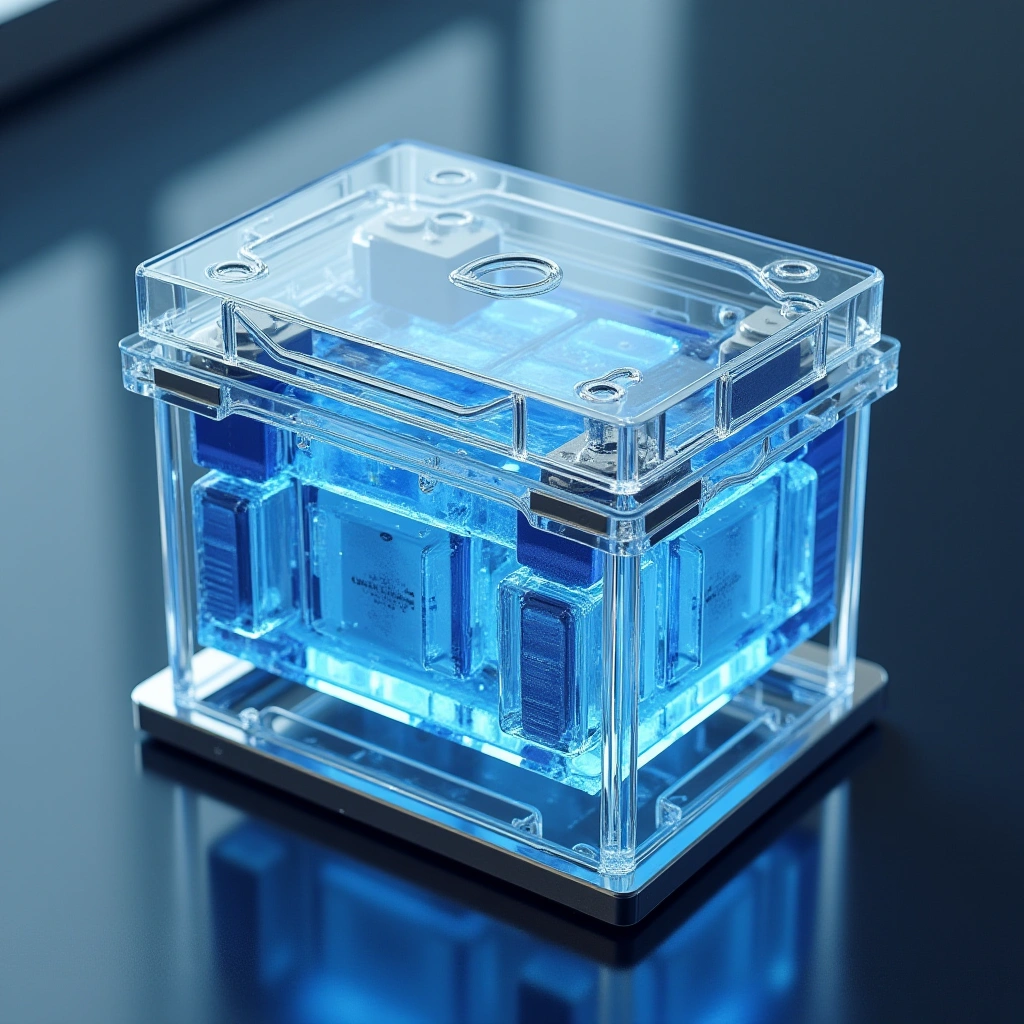
Sodium ion home storage products began entering the market in 2025. sodium ion battery line in April 2025, with full-scale residential availability expected in late 2025 to 2026. Multiple manufacturers, including BYD, Pylontech, and HiNa Battery , are developing or have already launched home -scale sodium ion products. Wider consumer availability is projected for 2026–2027 as production capacity ramps up.
Hey there, fellow earthlings! So, have you heard the news? There’s a new kid on the energy block, and it’s not just another lithium-ion battery trying to convince us it’s the best thing since sliced bread. Nope, it’s a sodium-ion home battery, and it’s making waves with a jaw-dropping 25-year lifespan. Yes, you read that right: 25 years. I mean, that’s longer than most of my relationships!
Now, before you roll your eyes and think, “Oh great, another battery that promises the world,” let’s break it down. Sodium-ion technology has been buzzing around the tech world for a while now, but it seems like it’s finally ready to step into the spotlight. For those of you who are not up to speed, sodium-ion batteries are like lithium-ion’s less flashy cousin who’s finally decided to show up to the family reunion. They use sodium, which is abundant and, if I may say, a lot less expensive than lithium. So, why aren’t we all using sodium batteries already? Well, it’s complicated, my friend.
First off, lithium-ion batteries have had a head start. They’ve been the golden child for years, powering everything from our smartphones to our electric cars. But with the growing demand for sustainable energy solutions, there’s been a push to find alternatives that are not just good for our devices but also good for our planet. And here comes sodium-ion, strutting in with a 25-year warranty like it’s the new iPhone.
What makes this sodium-ion battery so special? For starters, its longevity is a game-changer. Imagine not having to replace your home battery for a quarter of a century. That’s like having a pet goldfish that never dies (or at least I hope yours doesn’t). Plus, sodium is more abundant and easier to source than lithium, which is a definite win for the environment. Less mining, less pollution, and more energy independence? Count me in!
Now, let’s talk practicality. With a sodium-ion battery, homeowners can store energy generated from renewable sources like solar panels. This means you can harness the power of the sun during the day and use it at night while simultaneously feeling like a superhero for saving the planet. It’s like having your cake and eating it too, but instead of cake, it’s clean energy, and instead of eating, it’s saving the Earth. Get it?
Of course, with any new technology, there are always skeptics. Some may wonder if sodium-ion batteries can deliver the same performance as their lithium counterparts. Well, the answer is: they can, but they might not be as compact or as powerful just yet. But hey, they’re still in the early stages of development. Just like that awkward phase we all went through in middle school—give them some time, and they might just come into their own.
As the planned rollout of these batteries in the US approaches, it’s clear that the energy landscape is shifting. We’re moving away from fossil fuels and toward more sustainable solutions, one sodium-ion battery at a time. And let’s be honest, if we can power our homes with sodium instead of relying on oil from who-knows-where, that’s a step in the right direction.
So, here’s to the sodium-ion battery: the underdog of the energy world. If it can deliver on its promises, we might just be looking at a future where our homes are powered by a battery that lasts longer than a decade-old sitcom. Cheers to that!
Inspired by: “25-year sodium-ion home battery debuts ahead of planned US rollout” (r/climatechange)