Category: Human Interest

  • How Solar Power Can Save You Money Even in Gloomy Britain

    How Solar Power Can Save You Money Even in Gloomy Britain

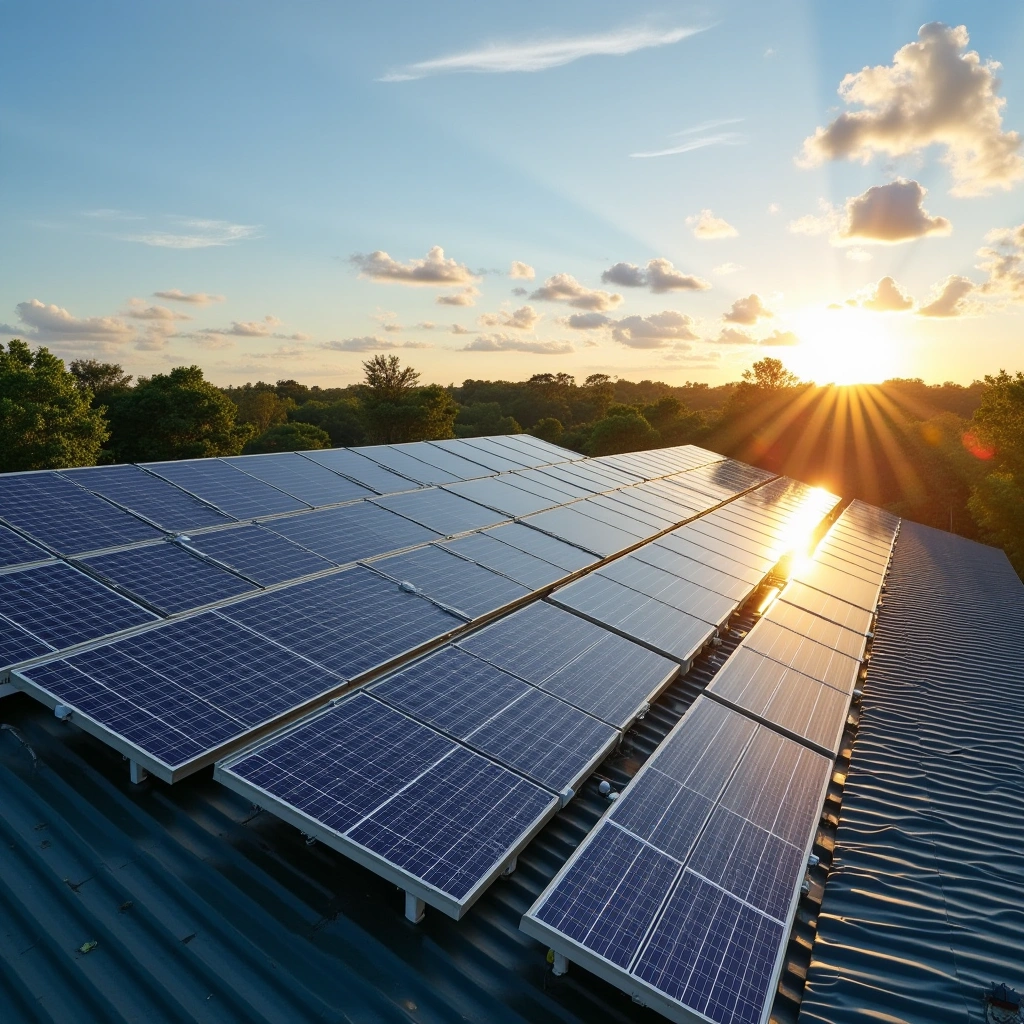
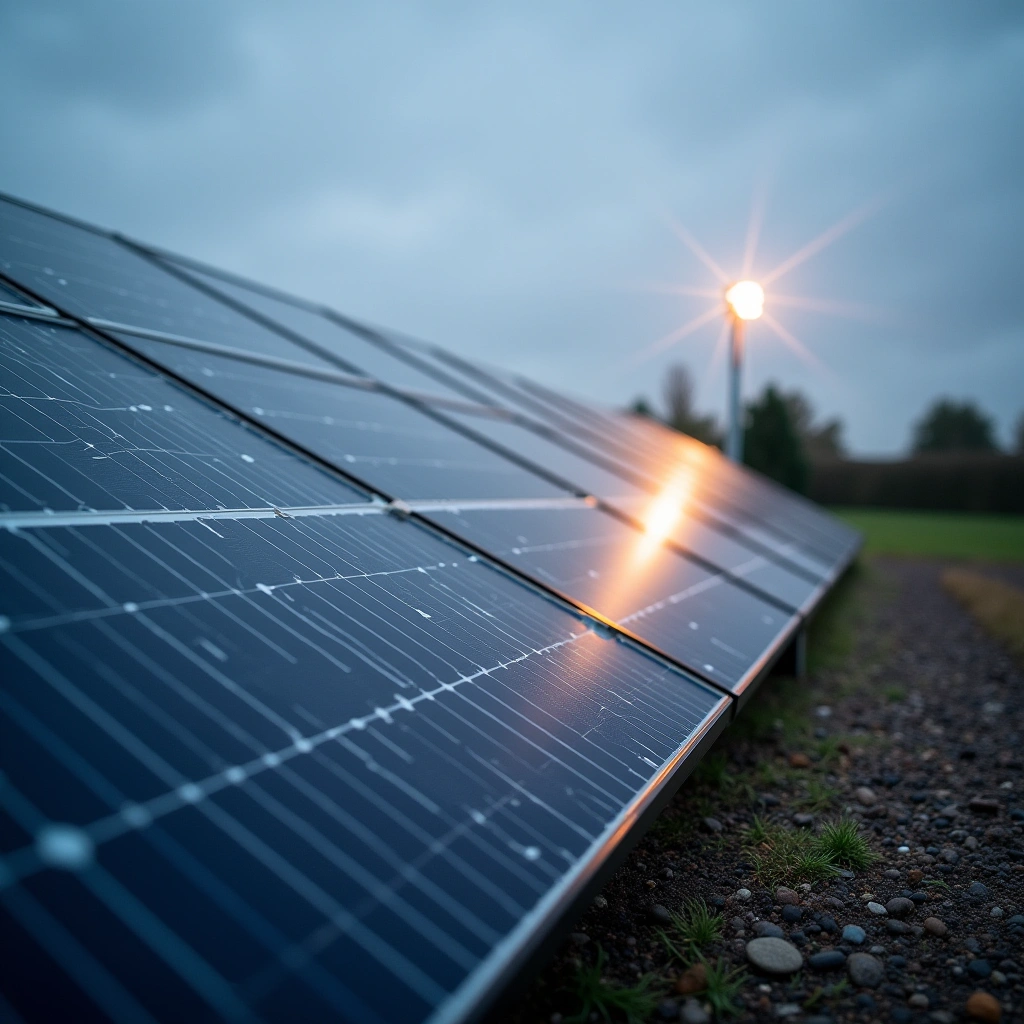
    Solar panels in the UK generate electricity from daylight rather than direct sunlight, allowing them to produce 20-35% of their peak capacity even on overcast days. This efficiency is enhanced by cooler temperatures, which prevent the overheating that reduces panel performance in hotter climates. Consequently, despite Britain’s cloudy reputation, the combination of rising electricity prices and falling installation costs makes solar a viable financial investment nationwide.

    If you’ve ever looked out the window on a drizzly British day and thought, “Well, there goes my solar savings!” you might want to think again. According to recent findings that are making waves (or perhaps gentle ripples) across the internet, solar energy can still cut your energy bills by at least £400 annually, even in the cloudiest corners of the UK. Yes, you read that right—cloudy Britain, where the sun is as rare as a decent cup of coffee after 3 PM.

    Now, let’s break this down a bit. You might be wondering how on Earth (or in the UK) solar panels can be effective when it seems like the sun has taken a permanent vacation. Well, the magic of solar technology is that it doesn’t require direct sunlight to function. Instead, it can harness those pesky rays that manage to peek through the clouds. It’s like that one friend who shows up to the party late but still manages to be the life of it.

    So, how does this translate into savings? When you install solar panels, you’re essentially generating your own electricity, which means you’re less reliant on the grid. This is particularly beneficial in a country where energy prices seem to rise faster than the number of rainy days. With the average savings of £400, that’s enough to fund a few pints at the pub or maybe even a cheeky takeaway on a Friday night.

    But wait, there’s more! The UK government has been quite generous with incentives for solar energy adoption. There are various schemes and grants available that can help offset the initial costs of installation. Plus, with the ongoing push for green energy and the reduction of carbon footprints, it’s a win-win situation. You save money and help save the planet. Who knew you could be a superhero while sitting at home in your pajamas?

    Of course, let’s not pretend that solar panels are a magical solution to all your energy woes. There are considerations to keep in mind, like the orientation of your roof, potential shading from trees (or your neighbor’s overgrown hedge), and the initial installation costs. But for many households, the long-term benefits can far outweigh the initial investment.

    In conclusion, if you’re still skeptical about solar power working in the UK’s less-than-sunny climate, remember that even a little sunshine can go a long way. With savings of at least £400 per year and the added bonus of contributing to a greener planet, it might just be time to dust off that calculator and see if solar is a good fit for your home. After all, who wouldn’t want to save a few quid while simultaneously saving the world? Now, if only solar panels could also brew a decent cup of tea…


    Inspired by: “Solar cuts ‘at least £400 from bills in even the cloudiest British areas’” (r/climatechange)

  • What’s Up with Those Flashing Lights on the Eastern Freeway?

    What’s Up with Those Flashing Lights on the Eastern Freeway?

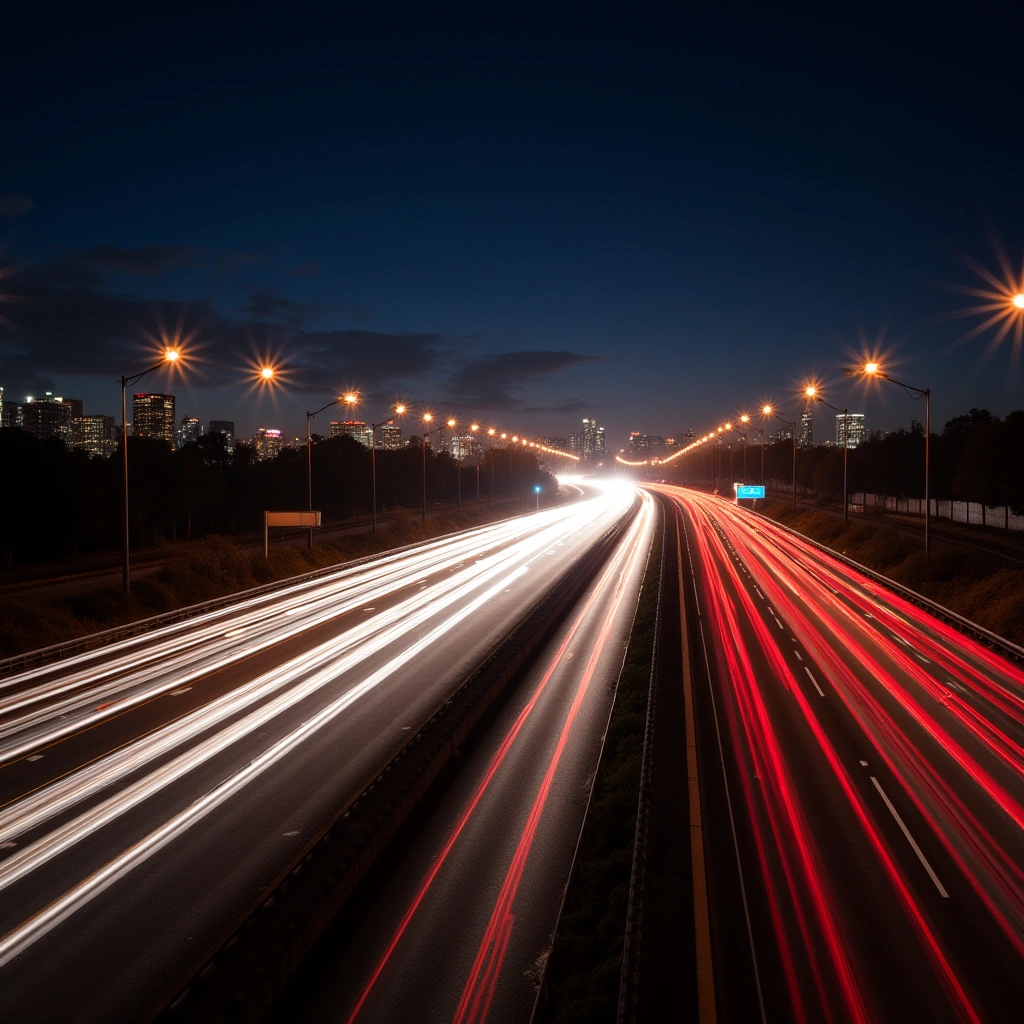
    Flashing blue lights along freeways are typically mobile surveillance trailers used by security companies to monitor specific areas, with the lights designed to grab attention and warn drivers that the area is being watched. Alternatively, these lights may indicate Emergency Vehicle Preemption (EVP) systems, which give priority to emergency vehicles at intersections, though these are generally not used along freeway stretches. In some cases, unexpected blue hues on streetlights are due to manufacturing defects where the phosphor coating on LED bulbs delaminates, causing them to glow blue instead of white.

    If you’ve been driving on the Eastern Freeway recently and noticed some rather flashy new additions to the scenery, you’re not alone. Those cameras on poles with blue and white lights aren’t just there to make your commute look like a scene from a sci-fi movie. So let’s dive into what they are and why they’re flashing like a disco party in the middle of traffic.

    First off, let’s address the obvious question: why the flashing lights? Well, these are not just your average cameras. They are part of a new traffic management system designed to keep our beloved freeway from turning into a parking lot. The blue and white lights serve a practical purpose. They’re meant to grab your attention—because apparently, the regular road signs just weren’t doing the trick. You might think they’re there to warn you about something serious, like a unicorn crossing the road, but in reality, they’re there to alert drivers about various traffic conditions.

    Now, you might be wondering what these cameras are actually detecting. Are they spying on your Instagram scrolling while you’re stuck in traffic? Not quite. These cameras are monitoring traffic flow, detecting congestion, and even capturing speeding vehicles. Yes, that means the next time you think you can get away with a little lead foot action, those cameras might just be giving you a virtual thumbs down.

    But wait, there’s more! They also have the capability to monitor phone usage. So, if you’re one of those people who can’t resist checking your phone while waiting for the light to change, you might want to reconsider. These cameras are like your overly concerned parent, always watching and ready to call you out on your bad habits.

    And let’s not forget about those little dome cameras accompanying the flashy ones. They’re like the sidekicks in a superhero movie—always there, quietly doing their job while the flashy lights steal the spotlight. These dome cameras can provide additional surveillance and data collection, making sure that every inch of the freeway is covered.

    So, what’s the ultimate goal of all this high-tech wizardry? It’s all about improving safety and efficiency on the roads. With the ever-growing population and the increasing number of cars on the road, traffic management is more crucial than ever. The combination of flashy lights and cameras is aimed at reducing accidents and improving travel times. Because let’s face it, no one enjoys sitting in traffic, contemplating their life choices.

    In summary, the cameras on poles with their flashy blue and white lights are not just there for show. They’re part of a sophisticated traffic management system designed to keep us safe and our commutes as smooth as possible. So, the next time you see those lights flashing, remember they’re not just pretty decorations. They’re hard at work trying to make your drive a little less of a headache. And who knows, maybe they’ll even help you avoid that awkward moment when you realize you’re the only car not moving in a sea of brake lights.

    Drive safe, and keep those phones down—those cameras are watching!


    Inspired by: “What are the cameras on poles with flashing blue and white lights on the eastern freeway?” (r/melbourne)

  • Meet Purrcy: The Cuddly Chaos Goblin of Melbourne

    Meet Purrcy: The Cuddly Chaos Goblin of Melbourne

    The provided search context does not contain specific information regarding a character named "Purrcy" or a book titled "The Cuddly Chaos Goblin of Melbourne," preventing a direct factual summary. However, the context does reference books set in Melbourne as a category of literature available for readers. Additionally, general goblin lore in media, such as the Giggling Goblin from Sofia the First, often portrays them as initially mischievous creatures who may reveal deeper emotional layers.

    Hey there, cat lovers of Melbourne! Gather ’round because I have a special introduction that will make your heart melt faster than an ice cream cone on a hot summer day. Meet Purrcy, the 7-month-old feline dynamo who’s not just a cat—he’s a certified professional cuddler and a full-time chaos goblin. Yes, you heard that right!

    Purrcy is the kind of kitty that can turn even the grumpiest of mornings into a snuggle fest. Imagine waking up to a fluffy ball of joy who climbs into your arms or snuggles under the blanket like he’s auditioning for a role in a Hallmark movie. I mean, who needs coffee when you have a cat like Purrcy to jumpstart your day with cuteness?

    Now, let’s talk about his daily routine, which is basically a masterclass in how to be an adorable kitten. When he’s not busy seeking out his humans for a cuddle session, you can find him flopping around the house, looking for attention like a tiny furry drama queen. And let’s be real, with all that energy packed into his little body, he’s basically a furry tornado of fun!

    But don’t let his sweet demeanor fool you; this little guy has a lot of playtime to get through. Purrcy loves toys, particularly the kind that dangles from a string—because what’s more fun than pretending to be a mighty hunter? His foster mum is doing her best to keep up with his antics, but let’s face it, even the most dedicated cat parents might find themselves outmatched by a kitten on a mission.

    Now, if you happen to have children aged 5 and up, you’re in luck! Purrcy has met kids and absolutely adored playing with them, especially when they whip out a cat teaser. He’s like a little furry ambassador for fun and games. And for those of you with other cats, Purrcy is respectful and would likely thrive in a home with another young, playful cat to share his shenanigans with.

    As for dogs? Well, Purrcy hasn’t had the chance to meet any yet, but given his easygoing nature, I’d say there’s a pretty good chance he could learn to coexist with them—provided there’s a proper introduction, of course. After all, nobody wants a cat-and-dog showdown straight out of a cartoon!

    So, what does Purrcy need in his forever home? It’s pretty simple: he’s looking for an indoor-only environment where he can safely explore, play, and cuddle to his heart’s content. He’s perfectly happy in an apartment or smaller home, as long as there are toys and climbing opportunities. Ideally, he’d love humans who are home reasonably often because, let’s face it, he’s going to want to be the center of your universe.

    If you have older kids who know how to be gentle and respectful with cats, Purrcy would thrive in that atmosphere. Honestly, if you’re looking for a young cat with a big personality and an even bigger capacity for cuddles, Purrcy might just be the purr-fect addition to your family.

    So, are you ready to welcome this adorable chaos goblin into your home? If you’re in Melbourne and interested in adopting Purrcy, check out his profile on Pet Rescue [here](https://www.petrescue.com.au/listings/1181163). Trust me, your life will be a whole lot sweeter (and more chaotic) with him around! ❤️


    Inspired by: “Meet Purrcy 🐈 — 7 months old, professional cuddler & full-time chaos goblin (Forever Friends Anima…” (r/melbourne)

  • AI Art in Restaurants: Red Flags That Make You Think Twice

    AI Art in Restaurants: Red Flags That Make You Think Twice

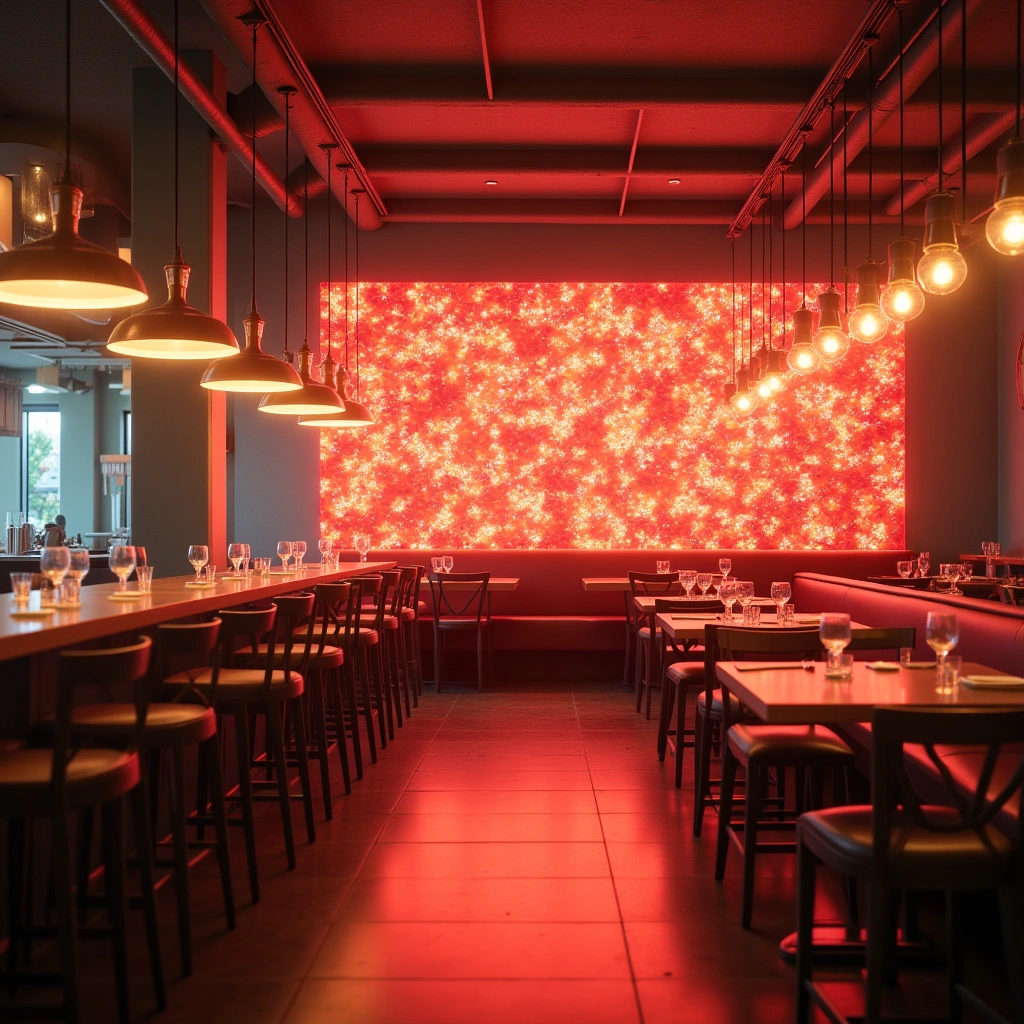
    The use of AI-generated food imagery in restaurant marketing has sparked significant backlash due to uncanny, unappetizing visuals that often defy physical reality, such as defying gravity or resembling synthetic materials. This trend is widely viewed as a red flag for dishonesty and low quality, with consumers interpreting AI ads as a sign that the actual food is either inedible or the establishment lacks confidence in its craft. Consequently, many diners now view authentic, even imperfect, photography as a more trustworthy indicator of a restaurant’s integrity and value.

    Ah, Melbourne—a city known for its vibrant food scene, eclectic culture, and, increasingly, its AI-generated art. Yes, you heard me right! The robots have taken over, and they’re not just flipping burgers; they’re also painting murals that could make Picasso roll in his grave. But as we navigate this brave new world of hospitality, we must keep our eyes peeled for those red flags that might make us think twice before stepping into a restaurant.

    Now, let’s be real. There’s a fine line between art and, well, whatever AI churns out after a few too many digital cocktails. The rise of AI art in restaurants has left many of us wondering: is this the future of dining, or just a fancy way to distract us from the food? Here are some red flags to watch for next time you’re on the hunt for a meal.

    1. AI Art That Looks Like It Was Made in a High School Art Class

    If you walk into a restaurant and the art on the walls resembles something your cousin Bob created after a few too many drinks at a family BBQ, it’s time to reconsider your dinner plans. Sure, art is subjective, but there’s a difference between ‘unique’ and ‘what the heck is that?’ When the art looks like it was generated by an over-caffeinated algorithm, you might want to question if the chef is also an AI.

    2. The Menu is All Over the Place

    You know that feeling when you walk into a restaurant and the menu looks like it was designed by a committee of indecisive squirrels? If the restaurant is offering sushi tacos and spaghetti burgers, it’s a sign they might be relying on gimmicks to attract customers. And if the art is just as chaotic as the menu, it’s probably time to retreat. You don’t want to end up eating something that sounds like a marketing intern’s fever dream.

    3. Overly Polished Instagram Feed

    Let’s face it; if a restaurant’s social media looks too good to be true, it probably is. If every single dish looks like it was styled by a professional photographer and the art looks like it’s been airbrushed to perfection, proceed with caution. While a stunning feed can be enticing, it can also be a red flag that the experience is all about the aesthetics, with very little substance behind it.

    4. The Staff Has the Personality of a Robot

    Speaking of robots, if the staff seems like they were programmed to serve you without any hint of human emotion, you might want to reconsider your dining experience. A restaurant should feel welcoming, not like a scene from a sci-fi movie where the servers have been replaced by humanoid machines. If the only personality you encounter is through the AI art on the walls, it might be time to head for the exit.

    5. The Chef’s Special is Just a Rehash of Internet Trends

    If you see a ‘chef’s special’ that sounds suspiciously like the latest food trend you saw on TikTok, take a step back. Sure, we love a good trend, but if the restaurant is just jumping on the bandwagon without any unique twist, it might not be worth your time—or your taste buds. And if the art looks like it was inspired by the same trends, you’re probably in for a disappointment.

    Conclusion: Trust Your Gut (and Your Eyes)

    At the end of the day, dining out should be an enjoyable experience, not a gamble where you risk ending up with a plate of regret. So as you explore the AI art craze in Melbourne’s restaurants, keep these red flags in mind. A little skepticism can go a long way in ensuring that your meal is memorable for all the right reasons.

    So, the next time you find yourself staring at a digital masterpiece that looks more like a glitch than a great work of art, trust your instincts. After all, there are plenty of places in Melbourne where the food and atmosphere are as genuine as the art—and they don’t require a software update to prove it!


    Inspired by: “With the ever increasing amount of AI art in restaurants across Melbourne, what are your hospitalit…” (r/melbourne)

  • Costco Goes Off-Grid: The Sunshine State’s Newest Solar Superstar

    Costco Goes Off-Grid: The Sunshine State’s Newest Solar Superstar

    Costco’s Port St. Lucie distribution center has become the first facility to operate fully off the Florida utility grid, utilizing an integrated system of solar panels, battery storage, and EV charging provided by Trinity Energy. This move addresses grid instability and rising energy costs by ensuring 24/7 power resilience for critical operations like refrigeration and data centers without straining local infrastructure. The project serves as a replicable model for large-scale energy independence, following similar off-grid implementations at Costco’s California distribution centers.

    In a world where we often wonder if the apocalypse is nigh (thanks, climate change), Costco has decided to take a bold step into the future of energy. Yes, you heard that right! The retail giant has officially taken its Florida distribution center off the grid, and it’s done so with a shiny new on-site solar and battery system. Cue the applause!

    Now, before you say, “But why?” let’s break it down. This isn’t just any old backup power project that takes eons to complete. Costco has managed to finish this solar setup faster than you can say, “Where’s my membership card?” Seriously, it’s like they had a race against time, and spoiler alert: they won.

    So, what does this mean for the average Costco shopper? Well, for starters, it means that the good folks at Costco can now enjoy round-the-clock reliability against outages. That’s right, no more worrying about whether the power will go out while you’re in the frozen food aisle contemplating your life choices. You can buy those 10-pound bags of frozen broccoli with confidence!

    But wait, there’s more! This solar system isn’t just a pretty face; it’s got some serious muscle. It will power essential services like lighting, refrigeration, HVAC (that’s heating, ventilation, and air conditioning for the uninitiated), and even EV charging stations. Yes, you can now charge your electric vehicle while you load up on bulk toilet paper and snacks. Talk about multitasking!

    And let’s not forget about the financial aspect. By going off-grid, Costco is also looking at some long-term savings. With energy costs rising faster than the price of avocado toast, relying on solar energy is a smart move. Plus, it’s a nice little PR win for the company, showing that they care about sustainability and reducing their carbon footprint. Who doesn’t love a good corporate glow-up?

    In conclusion, Costco’s Florida distribution center is setting a precedent for other companies to follow. This move not only highlights the feasibility of renewable energy solutions but also proves that you can run a massive operation without being tethered to the traditional power grid. So next time you’re stocking up on snacks for the big game or that surprise dinner party (you know who you are), just remember that you’re also supporting a company that’s taking steps to embrace a greener future.

    Who knew saving the planet could taste so sweet? Now, if only they could figure out how to make kale chips palatable…


    Inspired by: “Costco takes Florida distribution center off grid with on-site solar and batteries. 🌞 The system w…” (r/climatechange)

  • Hybrid Trains: The New Wave of Public Transport in Melbourne’s West

    Hybrid Trains: The New Wave of Public Transport in Melbourne’s West

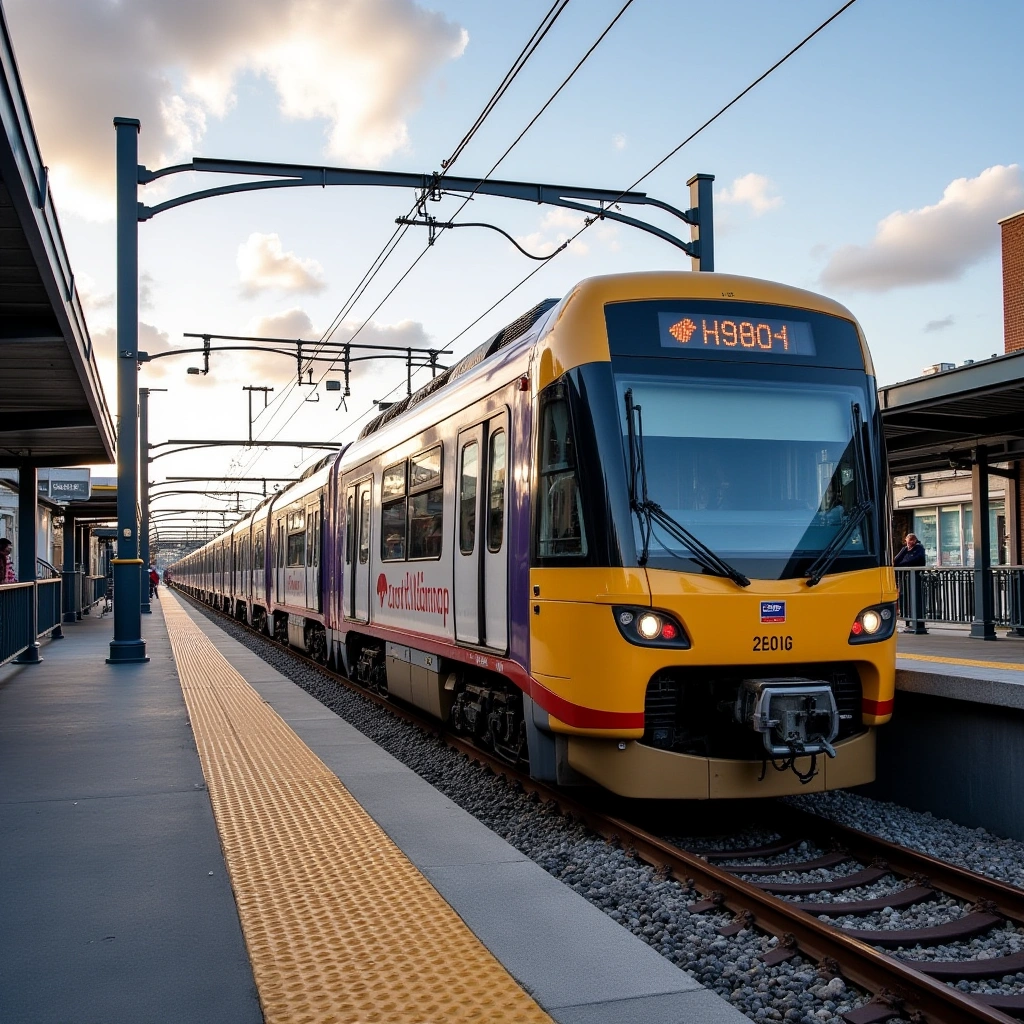
    Melbourne’s western rail lines currently rely on regional V/Line diesel trains, despite being part of Australia’s fastest-growing urban corridor and having been promised electrification since 2018. The Victorian Liberal Coalition has pledged $1.7 billion for 25 hybrid diesel-electric trains to be delivered within four years, arguing this offers a faster, cheaper alternative to the Labor government’s delayed full electrification plan. While the opposition claims hybrid trains will double capacity and allow access to the City Loop, the Labor government and infrastructure experts criticize the proposal as a costly interim measure that delays the permanent solution of full network electrification and track duplication.

    If you thought Melbourne’s public transport saga couldn’t get any more exciting, think again! The Liberals have come out with a shiny new promise of hybrid trains for the western suburbs. Yes, you heard it right—hybrid trains! Because why not add a touch of modernity to our beloved, albeit sometimes frustrating, train system?

    Now, before we dive into the nitty-gritty of hybrid trains, let’s take a moment to appreciate the sheer joy of public transport. Picture this: you’re crammed into a train with a delightful mix of commuters, the smell of coffee, and perhaps a hint of someone’s lunch from three days ago. Ah, the ambiance! But fear not, the future might just be a little less cramped and a lot more eco-friendly.

    So, what exactly are hybrid trains? In simple terms, they’re like the Swiss army knives of the train world—combining both electric and diesel power. Think of it as the train equivalent of a coffee shop that serves both lattes and flat whites. This hybrid model is designed to reduce emissions and improve efficiency, which is music to the ears of anyone who’s ever been stuck behind a belching diesel train.

    The promise of these new trains comes as part of a broader plan to enhance public transport in the west of Melbourne. While some might argue that this is just another political promise—like that time someone promised to stop using the word “literally”—there’s a glimmer of hope. After all, hybrid technology is already being implemented in various cities around the world, leading to quieter and cleaner journeys.

    Now, let’s address the elephant in the room: the timing of this announcement. With elections around the corner, some skeptics might suggest the Liberals are just trying to win a few hearts (and votes) in the west. And who could blame them? If I were a politician, I’d probably promise a fleet of unicorns too if it meant securing a few more votes.

    However, regardless of the political undertones, the need for improved public transport in Melbourne is undeniable. The west has historically been a bit of a Cinderella story when it comes to transport infrastructure. More trains, better services, and less time wasted on overcrowded platforms? Yes, please!

    As we look forward to these hybrid trains potentially rolling into service, let’s not forget the other aspects of public transport that need attention. Like, can we finally solve the mystery of the missing train announcements? You know, the ones that always seem to come at the most inconvenient times? Or how about ensuring that the trains don’t magically disappear during peak hours? Just a thought.

    In conclusion, while the promise of hybrid trains is exciting, it’s essential to keep our expectations in check. After all, we’ve been promised a lot over the years, and sometimes reality can be a bit of a letdown (like finding out that your favorite café has run out of avocado). But here’s hoping that this initiative will lead to greener and more efficient travel for all of us in Melbourne’s west. Who knows, maybe one day we’ll be able to enjoy a smooth ride without the usual hiccups. And if all goes well, we might just have something to brag about over our next coffee catch-up!


    Inspired by: “Liberals promise new hybrid trains for Melbourne’s west” (r/melbourne)

  • What the Heck is That? The Mystery of the ‘Baby on Board’ Sticker

    What the Heck is That? The Mystery of the ‘Baby on Board’ Sticker

    The "Baby on Board" sticker was created in 1984 by Michael Lerner, who was inspired to request caution after experiencing aggressive driving while transporting his nephew. While a persistent urban legend claims the sign originated from a tragic accident to alert first responders, its actual purpose was to encourage other motorists to drive more carefully around vehicles carrying children. Lerner subsequently founded Safety 1st, turning the sticker into a commercial success that later diversified into broader child safety products.

    So, picture this: you’re cruising down the streets of Melbourne, minding your own business, when suddenly you spot a car adorned with a ‘Baby on Board’ sticker. But wait—there’s no baby in sight. In fact, the backseat looks suspiciously empty. What gives? Is this some kind of new-age parenting technique, or have we just stumbled upon the latest entry in the realm of automotive oddities?

    Let’s break it down. The ‘Baby on Board’ sticker has been around since the 1980s and was initially designed to alert emergency responders that a tiny human was inside the vehicle. The idea was that if a car were to get into an unfortunate accident, the rescuers would know to look for a baby. Cute, right? But in the age of TikTok and Instagram, it seems like the sticker has evolved—or devolved, depending on your perspective.

    People now seem to slap these stickers on their cars for all sorts of reasons. Maybe they’re trying to make a statement about their parenting prowess, or perhaps they just think it looks cool. But let’s face it, if you’re using a ‘Baby on Board’ sticker and your backseat is filled with nothing but a couple of grocery bags and an old pizza box, that’s a little misleading, don’t you think?

    Now, I’m not here to judge anyone’s parenting choices (or lack thereof). But let’s consider the implications. What if someone sees your sticker and assumes you’ve got a little bundle of joy in the back? They might slow down, drive cautiously, or even offer to help you with your shopping bags. But when they peek in and see a half-eaten sandwich and a plush toy instead of a baby, what are they supposed to think? “Is that the world’s most irresponsible parent?”

    And let’s not forget the potential for confusion. Imagine a scenario where you’re driving along, and someone spots your sticker and immediately rushes to your aid, only to discover that your ‘baby’ is actually a rather sad-looking stuffed animal. I mean, that could lead to a whole new level of awkwardness. “Uh, thanks for the help, but that’s just Mr. Snuggles. He’s not a real baby, but he does need a lot of love.”

    In all seriousness, this phenomenon raises some interesting questions about how we communicate through symbols on our vehicles. Are we trying to convey a message, or just trying to fit into the parenting narrative that society seems to expect? It’s like wearing a shirt that says ‘World’s Best Parent’ when you just Googled how to change a diaper five minutes ago.

    So, the next time you see a car proudly displaying a ‘Baby on Board’ sticker, take a moment to ponder what lies within. Is it a tiny human, a stuffed animal, or perhaps just a creative way to get people to be extra cautious around your ride? Whatever it is, at least you can chuckle a little and appreciate the quirky world of car stickers. Because let’s be honest, life is too short not to have a bit of fun—even if that fun comes in the form of a confusing sticker on your neighbor’s car.

    And for those who are wondering, yes, I did find out what the sticker means. Thanks to the wonderful Reddit community for clearing that up. Now I can sleep soundly, knowing that the mystery of the sticker has been solved—at least until the next bizarre car trend emerges!


    Inspired by: “What the FUCK is this?” (r/melbourne)

  • Meet the Giraffes of Werribee Zoo: Tall Tales from Down Under

    Meet the Giraffes of Werribee Zoo: Tall Tales from Down Under

    Werribee Open Range Zoo features a bachelor herd of male giraffes roaming freely in expansive savannah enclosures, distinct from the zoo’s predator exhibits. Visitors can observe these sky-scraping mega-herbivores, which grow up to 5 meters tall, via the included Safari Bus Tour or through specialized Wild Animal Encounters that allow for close-up feeding experiences. This open-range setup replicates natural behaviors, allowing giraffes to socialize with other species like rhinos and zebras while highlighting their role in conservation and pollination.

    If you’ve ever dreamed of standing face-to-face with a giraffe, your dreams can come true at Werribee Open Range Zoo in Melbourne. Known for its stunning landscapes and diverse wildlife, Werribee isn’t just a zoo; it’s an adventure in the wild (well, sort of). It’s where you can channel your inner safari guide without having to worry about pesky mosquitoes or lions chasing after you.

    Let’s talk about the stars of the show: the giraffes. These elegant creatures are the tallest land animals on Earth, and at Werribee, they seem to strut their stuff with a grace that would make even a catwalk model envious. With their long necks and those charming, awkwardly large faces, giraffes are basically the gentle giants of the animal kingdom. They may look like they’re always in a good mood, but trust me, they have their moments too—like when you forget to bring them a snack.

    Werribee Zoo’s giraffe exhibit is designed to replicate their natural habitat, allowing these towering beauties to roam and graze freely. You can even get up close and personal during the feeding sessions. Yes, you can actually feed a giraffe! Just imagine the Instagram photos—your friends will either be in awe or ridiculously jealous. But be warned, they have long, sticky tongues that could put a lollipop to shame. So, if you’re not a fan of slobbery surprises, you might want to hold your snacks tight.

    But why giraffes, you may wonder? Well, these majestic creatures are not just about their height. They play a vital role in their ecosystems, primarily through their browsing habits. By munching on the leaves from tall trees, they help maintain the balance within their habitat, allowing other species to thrive. So, next time you see a giraffe, just remember: it’s not just a pretty face—it’s a vital part of the ecosystem!

    Now, if you’re planning a visit to Werribee Zoo, you’re in for a treat. Aside from the giraffes, the zoo is home to a range of other animals, including zebras, rhinos, and a variety of birds. The open range design means that you can enjoy a more natural viewing experience, and who doesn’t want to see a zebra trying to figure out how to fit in with a bunch of giraffes? It’s like a nature documentary unfolding right before your eyes.

    And don’t forget to check out the educational programs offered at the zoo. They’re not just for kids—adults can learn a thing or two about conservation efforts and the importance of protecting wildlife. Plus, you can impress your friends with fun facts about giraffes, like how they can run as fast as 37 miles per hour (that’s faster than the average human can sprint, by the way).

    So, whether you’re a local or just visiting Melbourne, make sure Werribee Open Range Zoo is on your bucket list. Not only will you get to meet some of the tallest animals on the planet, but you’ll also walk away with a newfound appreciation for wildlife. And who knows? You might leave with a few giraffe-related puns in your back pocket. After all, they’re the ‘giraffe-tastic’ highlight of any trip!

    In conclusion, if you’re looking for a fun day out with a side of wildlife education, head over to Werribee Zoo. Just remember to bring some snacks for the giraffes—trust me, they’ll appreciate it. And if they happen to give you a little lick in return, just consider it a quirky, unforgettable souvenir!


    Inspired by: “Werribee zoo giraffe” (r/melbourne)

  • The Great Southern Cross Escalator Upgrade: A Tale of Patience and Progress

    The Great Southern Cross Escalator Upgrade: A Tale of Patience and Progress

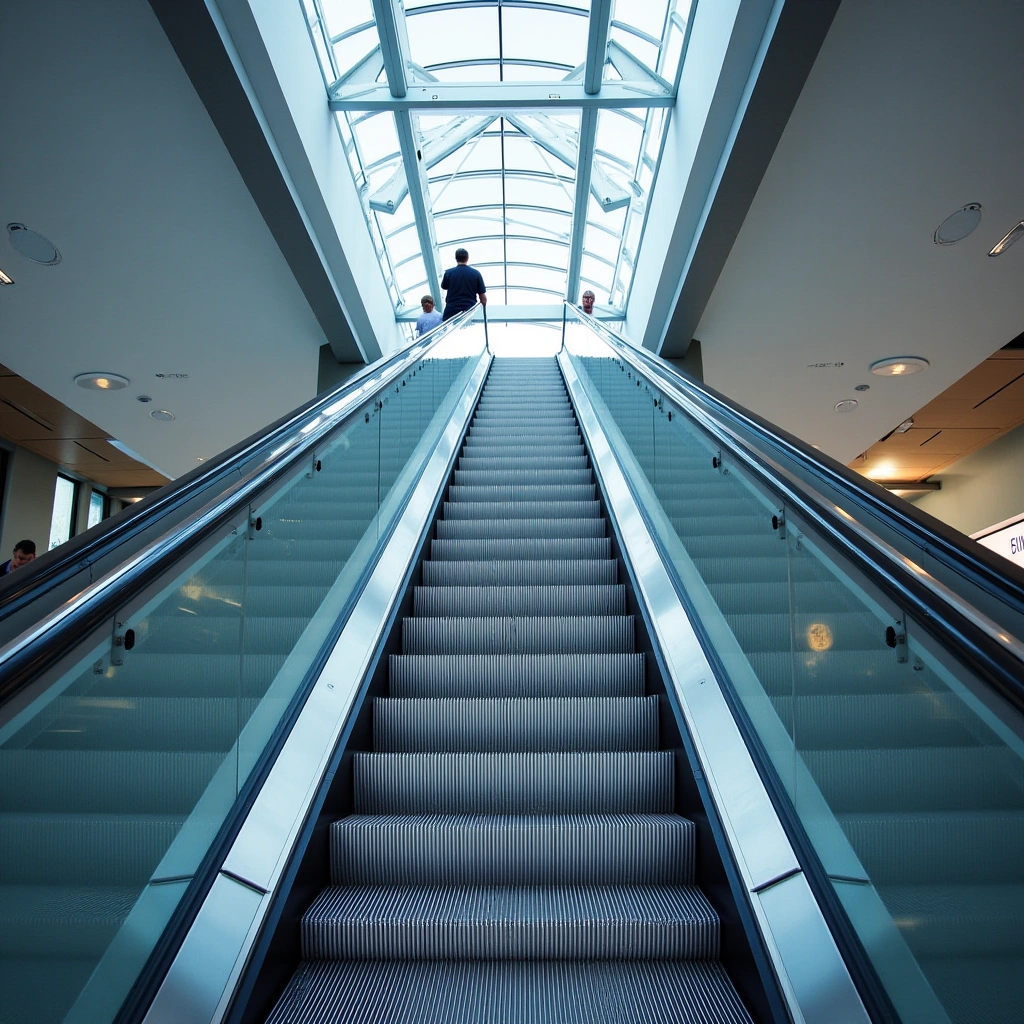
    Southern Cross Station in Melbourne is currently undergoing a major infrastructure project to replace escalators on the Collins Street end of metropolitan platforms 9–14. The upgrade aims to improve efficiency, capacity, and reliability for the station’s growing passenger numbers, with works scheduled from September 2025 through August 2026. To minimize disruption, the upgrades are being delivered in stages, replacing one escalator at a time while keeping the others operational, though passengers may experience changes during peak morning and afternoon hours.

    Ah, the Southern Cross Station in Melbourne. A bustling hub of activity where commuters come and go, and yet, there’s one thing that seems to stand still: the escalators. If you’ve ever been through this station, you might have noticed that the escalators have been undergoing an upgrade for what feels like a lifetime. I mean, is it just me, or does it feel like these escalators are taking the scenic route to modernization?

    As our dear Redditor Gydafud aptly pointed out, are we witnessing the slowest upgrade in history? It seems like every time I visit Southern Cross, I see the same signs, the same construction barriers, and the same bewildered expressions on the faces of commuters wondering if they should just take the stairs to avoid the escalator drama.

    Let’s break this down. Upgrading escalators is no small feat. You can’t just pop down to the local hardware store, pick up a couple of escalator parts, and get to work. These things require careful planning, engineering wizardry, and probably a few cups of coffee for the poor souls working on them. But really, how long does it take to install a few moving stairs?

    To put it into perspective, if these escalators were a movie, they’d be one of those overly long epics that leave you wondering if you should have brought a snack and a sleeping bag. The construction has been ongoing for what seems like years, and we’re all just waiting for the grand reveal. Will they be faster? Will they be shinier? Or will they just be the same old escalators with a fresh coat of paint?

    As we stand around the construction zone, it feels like a social experiment on human patience. You can almost hear the collective sighs of commuters as they shuffle their feet, trying to decide if they should risk the escalator or brave the stairs. And let’s be honest, who doesn’t love a good cardio session while trying to catch a train?

    So, as we wait for these upgrades to finally wrap up, let’s take a moment to appreciate the irony of it all. Here we are, in a city known for its efficiency and vibrancy, and yet, we’re stuck in a time loop of escalator upgrades. Maybe one day, we’ll look back on this and laugh. Or maybe we’ll just keep grumbling about it for years to come.

    In the meantime, let’s keep our fingers crossed that the end is in sight. Who knows? Perhaps one day soon, we’ll be gliding up those escalators at lightning speed, wondering how we ever survived the snail’s pace of the past. Until then, let’s embrace the journey and maybe invest in a good pair of walking shoes, just in case.


    Inspired by: “Southern Cross Escalator Upgrades” (r/melbourne)

  • When Trams Go Wobbly: A Look Back at Melbourne’s 1991 Heatwave

    When Trams Go Wobbly: A Look Back at Melbourne’s 1991 Heatwave

    Melbourne’s 1991 heatwave caused significant disruptions, including the death of over 500 flying foxes, a doubling of water usage, and a 20x increase in ambulance calls, while also triggering major train system failures due to failed air conditioning. Historical accounts from similar extreme heat events, such as the 1912 heatwave, highlight how intense temperatures can overwhelm public transport, stranding thousands of passengers at beaches because tram and train services could not cope with the crowds. This context underscores the ongoing challenge Melbourne faces in maintaining transit reliability and passenger safety during periods of extreme heat.

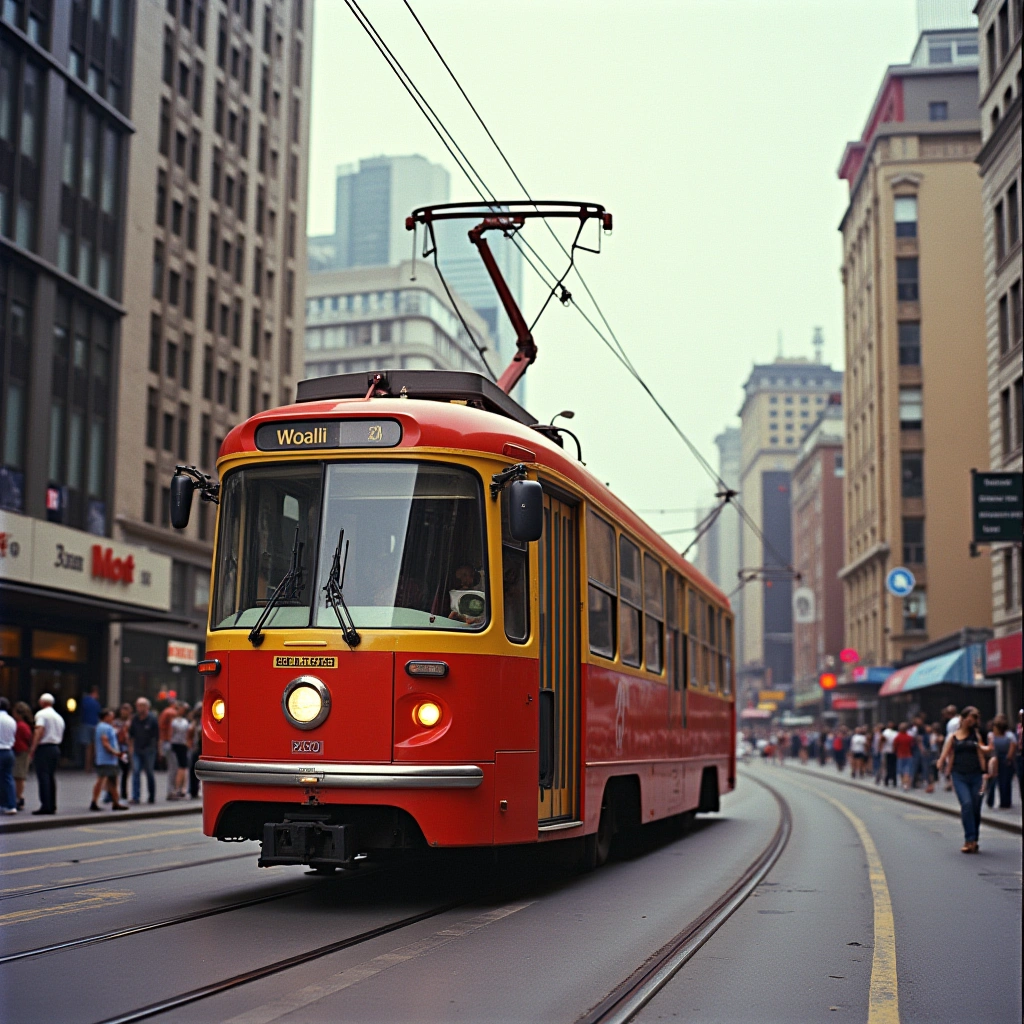
    Ah, Melbourne. Home to coffee snobs, unpredictable weather, and, of course, trams. Let’s not forget the infamous heatwave of 1991, where temperatures soared so high that even the tram lines decided to throw in the towel and buckle under the pressure. Sounds dramatic, right? But this is Melbourne, where even the infrastructure has a flair for the theatrical.

    In January 1991, the city experienced a heatwave that had everyone sweating bullets. The mercury climbed to a staggering 43.2 degrees Celsius (that’s about 109.8 degrees Fahrenheit for our non-metric friends), and it wasn’t just the people who were feeling the heat. The tram tracks, made of steel, had their own meltdown moment. When the temperature rises, metal expands, and let’s just say that the tram lines were not ready for their big moment in the sun.

    As the heat intensified, sections of the tram line began to buckle, creating a less-than-ideal scenario for commuters relying on public transport. Picture this: you’re waiting for your tram, and instead of the usual ‘ding ding’ of the approaching vehicle, you get the sound of metal groaning and bending beneath the sun’s relentless rays. Talk about a dramatic entrance!

    The buckling of tram lines is not just a quirky little problem; it’s a safety hazard. Trams can’t just glide over warped tracks like they’re on a Sunday stroll. This kind of situation calls for emergency repairs and a lot of grumpy commuters. And let’s be honest, no one likes being late to work, especially if it means facing the wrath of your boss.

    But let’s take a moment to appreciate the resilience of Melburnians. Instead of panicking, locals found humor in the situation. Memes weren’t a thing back then, but if they were, you can bet there would have been a flood of jokes about trams taking a ‘day off’ due to the heat.

    The 1991 heatwave also served as a wake-up call for the city’s infrastructure. It highlighted the need for better materials and designs that could withstand extreme temperatures. It’s almost like the tram lines were sending a message: “Hey, next time, maybe invest in some heat-resistant materials, huh?”

    Fast forward to today, and Melbourne’s tram system has made significant strides in addressing these issues. Engineers have developed better track designs and materials that can cope with the heat, reducing the chances of a repeat performance by the tram lines.

    So, the next time you hop on a tram in Melbourne, just remember the summer of 1991 and the brave little tram lines that decided to take a stand against the heat. They may have buckled under pressure, but they also paved the way for a more resilient transportation system. And who knows? Maybe one day, we’ll look back and laugh at how we survived the summer of 1991, all while sipping on our overpriced lattes.

    In conclusion, it’s a wild ride, this Melbourne heat. Between the unpredictable weather and the tram lines that have a flair for the dramatic, it’s no wonder that we Melburnians have a sense of humor about our city’s quirks. So here’s to the tram lines of 1991—may they rest in peace, and may we never take our cool, smooth rides for granted again!


    Inspired by: “Tram line buckling in the heat (1991)” (r/melbourne)