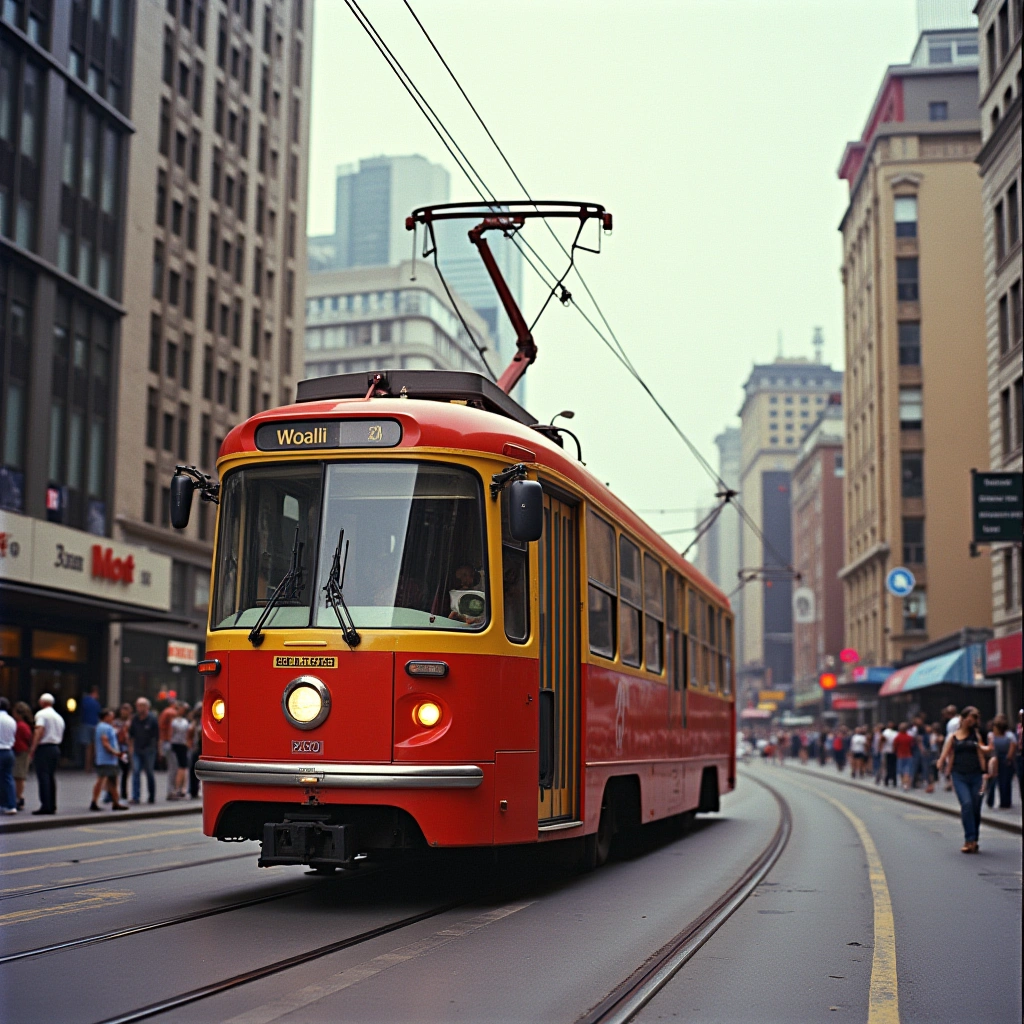
Melbourne’s 1991 heatwave caused significant disruptions, including the death of over 500 flying foxes, a doubling of water usage, and a 20x increase in ambulance calls, while also triggering major train system failures due to failed air conditioning. Historical accounts from similar extreme heat events, such as the 1912 heatwave, highlight how intense temperatures can overwhelm public transport, stranding thousands of passengers at beaches because tram and train services could not cope with the crowds. This context underscores the ongoing challenge Melbourne faces in maintaining transit reliability and passenger safety during periods of extreme heat.
Ah, Melbourne. Home to coffee snobs, unpredictable weather, and, of course, trams. Let’s not forget the infamous heatwave of 1991, where temperatures soared so high that even the tram lines decided to throw in the towel and buckle under the pressure. Sounds dramatic, right? But this is Melbourne, where even the infrastructure has a flair for the theatrical.
In January 1991, the city experienced a heatwave that had everyone sweating bullets. The mercury climbed to a staggering 43.2 degrees Celsius (that’s about 109.8 degrees Fahrenheit for our non-metric friends), and it wasn’t just the people who were feeling the heat. The tram tracks, made of steel, had their own meltdown moment. When the temperature rises, metal expands, and let’s just say that the tram lines were not ready for their big moment in the sun.
As the heat intensified, sections of the tram line began to buckle, creating a less-than-ideal scenario for commuters relying on public transport. Picture this: you’re waiting for your tram, and instead of the usual ‘ding ding’ of the approaching vehicle, you get the sound of metal groaning and bending beneath the sun’s relentless rays. Talk about a dramatic entrance!
The buckling of tram lines is not just a quirky little problem; it’s a safety hazard. Trams can’t just glide over warped tracks like they’re on a Sunday stroll. This kind of situation calls for emergency repairs and a lot of grumpy commuters. And let’s be honest, no one likes being late to work, especially if it means facing the wrath of your boss.
But let’s take a moment to appreciate the resilience of Melburnians. Instead of panicking, locals found humor in the situation. Memes weren’t a thing back then, but if they were, you can bet there would have been a flood of jokes about trams taking a ‘day off’ due to the heat.
The 1991 heatwave also served as a wake-up call for the city’s infrastructure. It highlighted the need for better materials and designs that could withstand extreme temperatures. It’s almost like the tram lines were sending a message: “Hey, next time, maybe invest in some heat-resistant materials, huh?”
Fast forward to today, and Melbourne’s tram system has made significant strides in addressing these issues. Engineers have developed better track designs and materials that can cope with the heat, reducing the chances of a repeat performance by the tram lines.
So, the next time you hop on a tram in Melbourne, just remember the summer of 1991 and the brave little tram lines that decided to take a stand against the heat. They may have buckled under pressure, but they also paved the way for a more resilient transportation system. And who knows? Maybe one day, we’ll look back and laugh at how we survived the summer of 1991, all while sipping on our overpriced lattes.
In conclusion, it’s a wild ride, this Melbourne heat. Between the unpredictable weather and the tram lines that have a flair for the dramatic, it’s no wonder that we Melburnians have a sense of humor about our city’s quirks. So here’s to the tram lines of 1991—may they rest in peace, and may we never take our cool, smooth rides for granted again!
Inspired by: “Tram line buckling in the heat (1991)” (r/melbourne)