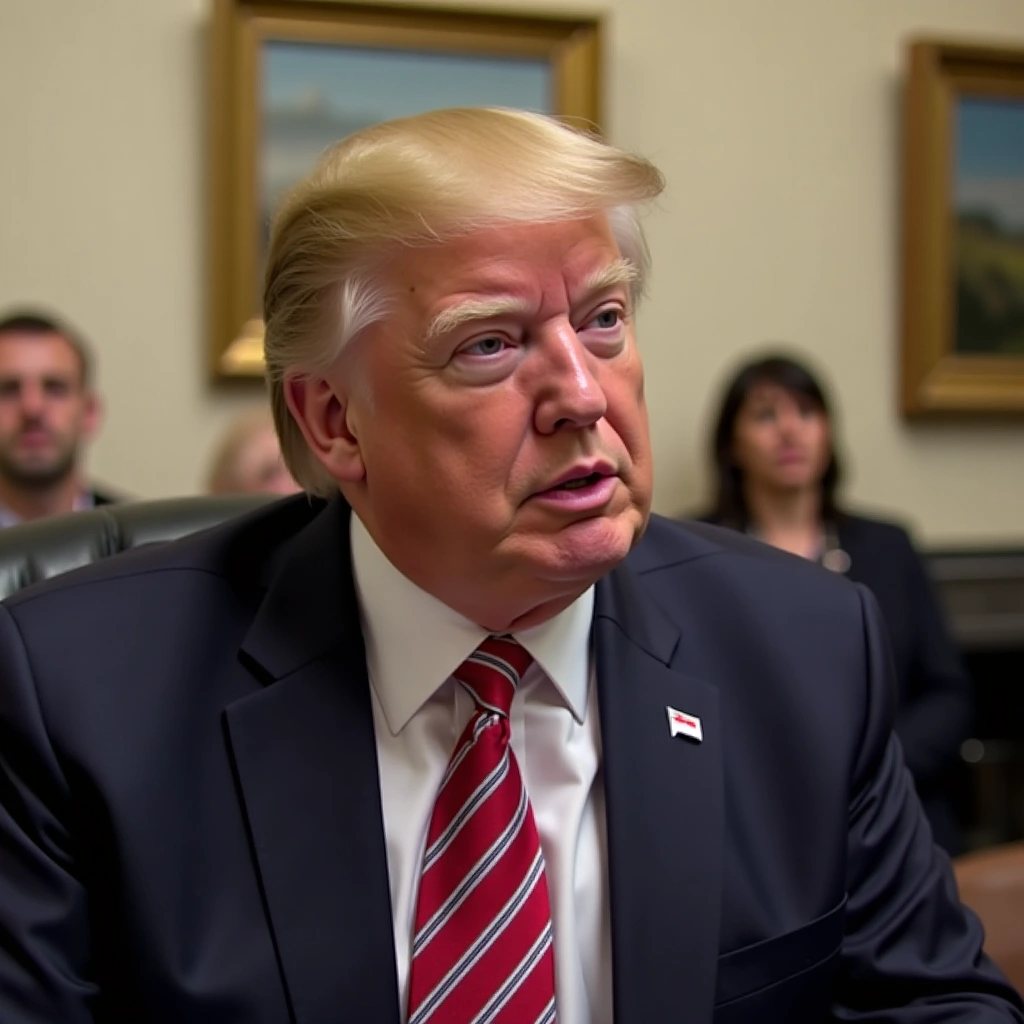
Treasury said its Office of Foreign Assets Control designated the Hezbollah-affiliated charity Ta'awanu Association and its founder, along with two Lebanese brothers who the US said have aided the Islamic militant group.
If you’ve ever wondered what happens when a charity turns out to be something other than a charity, the latest US move against a Hezbollah-linked group offers a pretty clear answer. On Wednesday, November 18, the US Treasury Department announced new sanctions targeting three people based in Lebanon and three entities. The headline target is the Hezbollah-affiliated Ta’awanu Association, along with its founder. Two Lebanese brothers, whom the US says have helped the Islamic militant group, are on the list too.
The Treasury’s Office of Foreign Assets Control, usually called OFAC, handled the designations. If you haven’t dealt with OFAC before, think of it as the department that keeps a very long and very serious list of people and groups that American individuals and companies are not allowed to do business with. Once someone lands on that list, any assets they hold under US jurisdiction can be frozen, and Americans generally can’t send them money, make deals with them, or pretend they didn’t know. It’s less a slap on the wrist and more a locked door.
Treasury Secretary Scott Bessent did not mince words. “The Iranian regime’s attempts to infringe on Lebanon’s sovereignty through terror proxies like Hezbollah will not be tolerated,” he said. He added that the US government “will continue to disrupt Iran’s attempts to exert influence in the region and fund its proxies.” Diplomatic language, it is not. It’s the sort of sentence you write when you want everyone in the room to understand you’re not kidding.
So why does a charity matter so much? Because in this part of the world, aid organizations can be a powerful tool for building loyalty. Providing food, medical help, or money to families creates goodwill, and goodwill can translate into political and social influence that outlasts any single election or news cycle. When a group with militant ties runs that kind of operation, the line between helping people and funding an armed organization gets blurry fast. Washington’s position is that the blur is intentional, and that when money flows through a charity to a group like Hezbollah, the charity is just the middle step in a longer chain.
The case reaches beyond Ta’awanu, too. Coverage from JNS described the action as targeting a Hezbollah-linked charity and a gold-smuggling network, which suggests the Treasury is looking at more than one way that money moves. Cash, precious metals, and aid shipments are all ways to move value without it looking like a bank transfer, and sanctions are designed to close those gaps one by one. It’s a bit like a game of whack-a-mole, except the moles are carrying gold bars and the mallet is a federal office.
Then there’s the broader picture. The US views Hezbollah as a terrorist organization and sees Iran as its main sponsor. Sanctions like these are part of a long-running strategy to squeeze the financial lifelines that keep proxy groups running across the region. Supporters of the approach argue it makes it harder for these groups to pay fighters, run services, and project power. Critics often point out that sanctions can also hit ordinary people who rely on aid organizations, and that pressure rarely ends the underlying conflicts on its own. Both points can be true at once, which is part of what makes this topic so frustrating to follow.
The Lebanese angle matters here as well. Bessent’s comments framed Hezbollah’s influence as an assault on Lebanon’s sovereignty, a claim that resonates with many Lebanese who have long debated the group’s role in their country’s politics and security. Whether you see the sanctions as justified or heavy-handed, they are another sign that Lebanon’s internal affairs are deeply tangled with outside powers.
For now, the takeaway is simple. The US has added three individuals and three entities to its sanctions list, aiming to cut off money it says supports Hezbollah and, by extension, Iran’s regional network. Expect more of these announcements, because as long as proxy groups keep finding new ways to move money, Treasury will keep looking for new ways to stop them.
Inspired by: “US sanctions Hezbollah-linked charity in push against Iran’s proxies, Treasury says” (r/News)