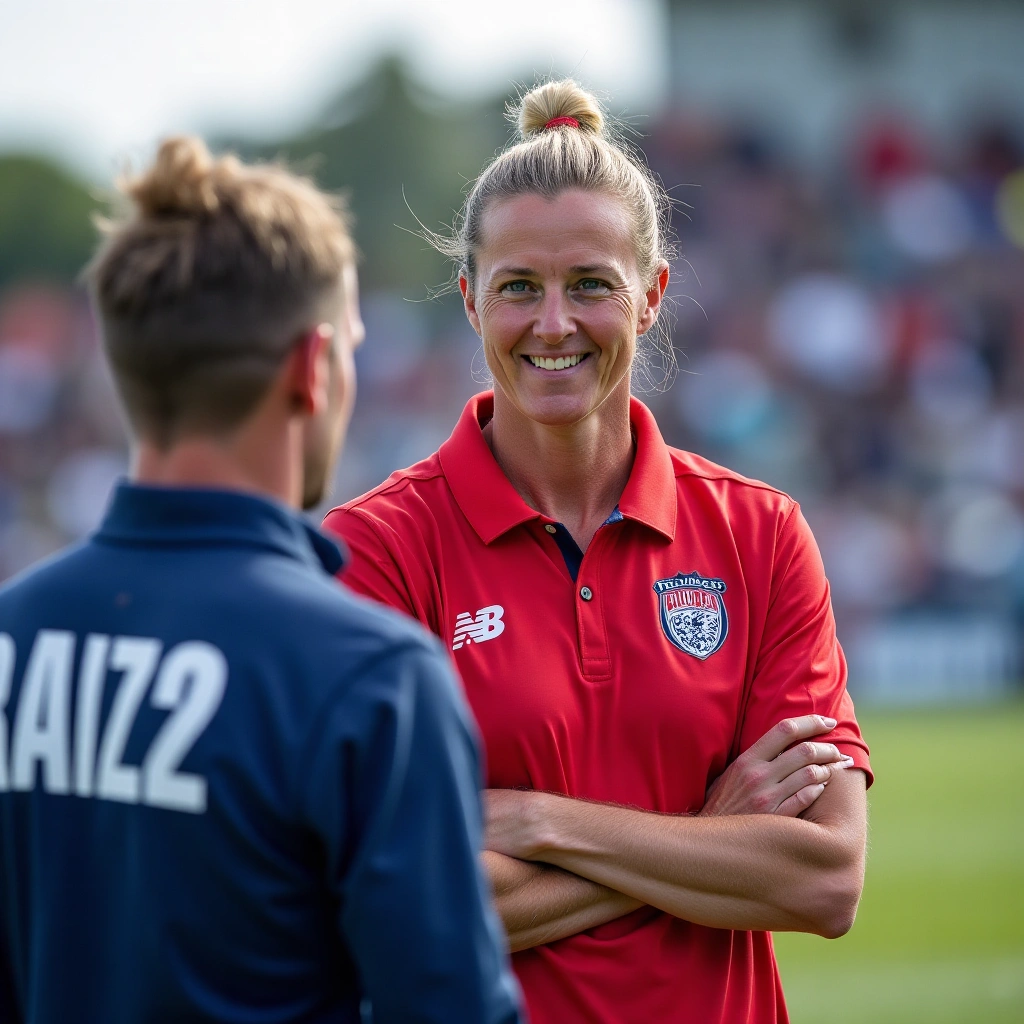
" Qualifying for a major tournament, first and foremost, I'll be leaning on our experienced players ,” Hayes said on a media call.
There’s a particular kind of pressure that comes with a must-win match, and it’s the kind that makes even experienced athletes check their shoelaces twice. Right now, the US women’s national team is facing exactly that. Head coach Emma Hayes has made it clear she’ll rely heavily on veteran players as the team works toward qualifying for next year’s World Cup, and after reading through the coverage, it’s hard to argue with the logic.
Here’s the situation in plain terms. The US is preparing for the CONCACAF W Championship, and the stakes are straightforward. A quarter-final victory over El Salvador on November 27th would send the team through to the World Cup. No complicated tiebreakers, no scenario where you need three other results to go your way. Just win and you’re in. That kind of clarity is refreshing, if also a little terrifying.
When a coach says she’s leaning on veterans, she’s essentially saying she wants people who have already been through the chaos of big tournaments. Anyone can look composed during a friendly on a sunny afternoon. It’s a different story when the knockout pressure hits and every touch feels like it’s being graded by a few million people on social media. Players who have experienced that before tend to handle it better, and they also know how to keep younger teammates from spiraling when things get tense.
The squad named for this campaign includes Trinity Rodman, Mallory Swanson, and Sophia Wilson, along with midfielder Sam Coffey, who is returning after an injury absence. Coffey’s return is one of the more interesting threads here. Coming back from injury is never just about physical fitness. There’s the mental side too, the question of whether your body will hold up and whether your rhythm with teammates still feels natural. A player like that brings value simply by being available and by bringing a steadying presence to the midfield.
The mix of names also tells you something about balance. Veterans provide experience and calm decision-making, while the more dynamic attacking players bring unpredictability. A squad that leans too heavily on either group can struggle, so the goal is finding a blend where the seasoned players set the tone and the others find the spaces to make a difference.
It’s also worth noting that this story has been picked up by several news outlets, including CNA, Salem Radio Network News, and The Straits Times. When that many outlets cover the same team news, it usually means the fanbase is paying close attention, and the expectations are high. For a program with a long history of success, anything short of advancing would feel like a stumble, even if the path is more complicated than it looks from the outside.
So what should fans watch for? Keep an eye on how the veterans are used in the early stages of the match and whether Coffey’s minutes are managed carefully as she comes back. Watch for communication on the pitch, too. Nervous teams tend to get loud and scattered, while composed teams talk in short, useful bursts. If the veterans are doing their job, the younger players should look relaxed even when the scoreboard is tight.
Ultimately, Hayes’s approach is about trusting people who have been there before. Whether that trust pays off will be decided on the field, on November 27th, when the margin for error is basically nonexistent. No pressure, right? Just the small matter of qualifying for a World Cup.
Inspired by: “US women's coach Hayes leaning on veterans for World Cup qualifier” (r/News)