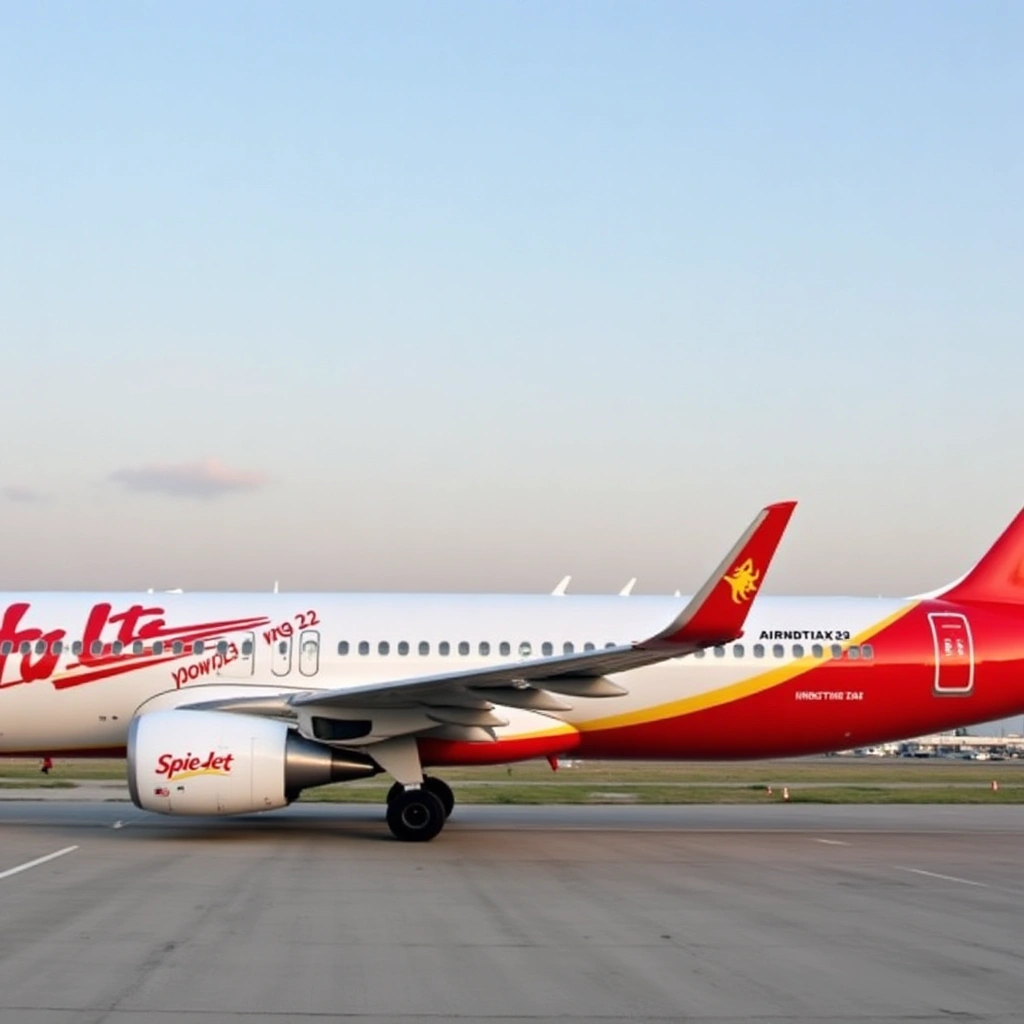
Cash-strapped budget airline SpiceJet has approved a proposal to raise up to Rs 5,500 crore to strengthen its finances, rebuild its fleet and support its revival .
If you’ve ever watched an airline’s finances the way some people watch a cricket match in the last over, you’ll know the drama can be intense. This week SpiceJet’s board gave the green light to a proposal to raise up to ₹5,500 crore. The stated goal is to bolster the airline’s finances and support its revival. Reading that, my first thought was: that’s a lot of money, and I hope someone has a very clear plan for it.
Here’s what the board approved. The fundraise could happen through equity or other financial instruments, such as debt and convertible securities. The menu of options includes rights issues, where existing shareholders get the first chance to buy new shares, private placements, where shares are sold to a selected group of investors, and institutional share sales, where big investors like funds get a slice of the pie. It’s a bit like a restaurant offering several payment methods. The question is which one the kitchen actually accepts.
Why does an airline need this kind of cash? Running an airline is famously expensive. Aircraft leases, fuel, maintenance, salaries, airport charges, and insurance all add up quickly, and ticket prices don’t always keep pace. When revenue falls short of those costs for long enough, the cash reserves start to look a little thin. SpiceJet has been dealing with financial and operational challenges in a difficult operating environment, and a fundraise like this is one way to buy time and rebuild confidence.
Now, a board approval is not the same as money landing in the bank. A board saying yes to a proposal is the first step in a longer process. The actual raise depends on investor appetite, market conditions, regulatory approvals, and the terms that can be negotiated. Investors will look closely at whether the airline can turn things around, because nobody wants to pour money into a leaky bucket. So the approval is a signal of intent, not a guarantee of success.
There’s also the question of who ends up owning what. Equity raises dilute existing shareholders, meaning each existing share represents a slightly smaller piece of the company once new shares are issued. Debt and convertible securities work differently. Debt has to be repaid with interest, which adds pressure on future cash flow. Convertible securities can later turn into shares, which brings its own trade-offs. Each option carries a different balance of risk and reward, and the mix chosen will shape the airline’s financial health for years.
For passengers, the immediate impact is less clear. A stronger balance sheet could mean more stable operations and fewer surprises, which is good news for anyone who has ever had a flight cancelled at short notice. But financial fixes don’t instantly translate into smoother travel. Schedules, fleet availability, and service quality depend on many moving parts, and money is only one of them.
So what should we make of this? A ₹5,500 crore fundraise is a serious attempt to stabilise a struggling carrier, and that deserves to be taken seriously. It is also a reminder that airline turnarounds are rarely quick or easy. Plenty of companies announce big plans with confident language, and the real test comes in execution. Over the coming months, the details will matter: which instruments are used, who invests, and whether the airline can convert fresh capital into steady operations.
For now, the sensible takeaway is cautious optimism. The board has made its move. The rest of the story will depend on whether the money arrives, how it’s used, and whether SpiceJet can prove that its revival is more than a well-written press release. I’ll be keeping an eye on it, probably with a coffee in one hand and a flight tracker app in the other.
Inspired by: “SpiceJet board approves Rs 5,500 crore fund raising proposal” (r/News)