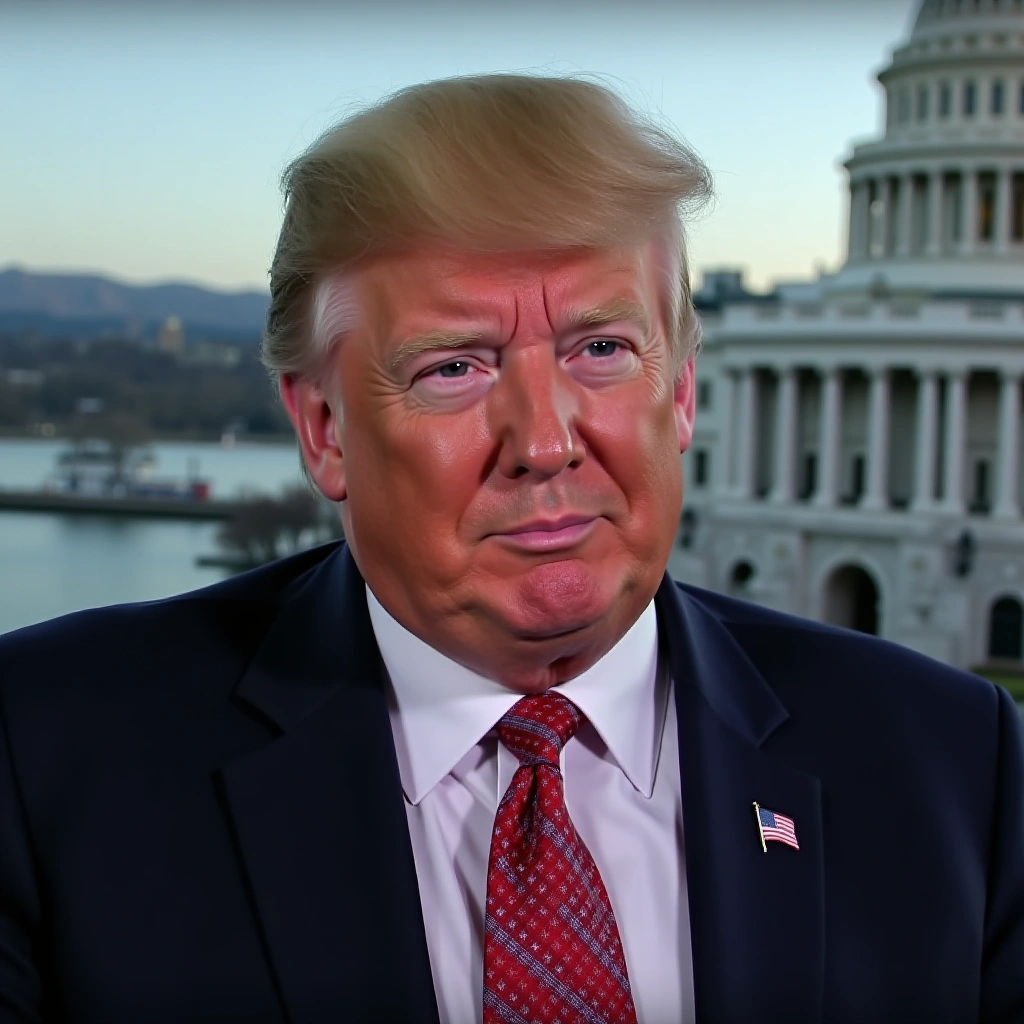
JD Vance on Monday said he and President Donald Trump are totally aligned on the war in Iran after the vice president this month attributed Republicans’ electoral beatdown in the midterm elections to voter frustrations with the conflict.
There’s a special category of political statement that exists only to put out a fire the speaker may have started. It usually sounds something like “We are completely united,” and it tends to arrive right after someone says something that made people wonder whether they were, in fact, completely united.
This week’s entry comes from Vice President JD Vance, who wants the world to know there is “no daylight” between him and President Donald Trump on the war with Iran. None. Not a sliver. Not even the faint glow of a phone screen under a closed door.
The insistence was prompted by what Mediaite called an “eyebrow-raising post.” Let’s walk through what happened, why it raised eyebrows, and why “no daylight” is one of the most reliably fascinating phrases in politics.
The Setup: Midterm Losses and an Awkward Explanation
According to coverage from Mediaite, NBC News, and the Jerusalem Post, Vance was talking in a recent interview about the political fallout from Republican losses in the midterm elections.
Post-midterm interviews tend to be uncomfortable. Nobody enjoys explaining why voters showed up and declined to give your party what it wanted. The usual approach is to blame turnout, messaging, candidate quality, the weather, or the other side’s fundraising, or to claim it wasn’t really that bad.
Vance went somewhere more interesting. He initially suggested that the war with Iran was a contributing factor in those losses.
That’s a notable thing for a sitting vice president to say. The war is being run by the administration he serves in, and the commander in chief is his boss. Suggesting that the war cost your party at the ballot box is the kind of observation that gets clipped, shared, and examined from every angle within minutes.
And that’s what happened.
Enter the Eyebrows
When a vice president seems to link his own administration’s military campaign to his party’s electoral losses, people start asking questions. Is he distancing himself? Is he signaling disagreement? Is he positioning himself for the future? Is this the first visible crack in the relationship?
Those are fair questions. Political observers are trained to read between the lines, and occasionally they find several pages that aren’t there. But when the line in question is “this war may have hurt us,” there’s a fair amount to read.
So Vance did what officials usually do when a comment starts generating its own news cycle: he clarified, firmly.
“No Daylight”: The Clarification
Vance affirmed that there is “no daylight” between himself and the president on Iran. He and Trump, he said, are aligned in their views on the conflict.
He also noted that Trump is considering options for ending the military campaign. That detail matters, because it reframes the earlier comment. If the president is already looking at ways to wind the war down, then a vice president acknowledging its political costs isn’t necessarily dissent. It could simply match where the administration is already heading.
The Jerusalem Post’s coverage adds that Vance vowed there would be no “forever war.” That phrase has long been a political touchstone, a shorthand for open-ended military commitments with no clear exit, the kind many voters across the spectrum have grown tired of. Invoking it suggests Vance wants to be seen as committed to the conflict having an end point.
So the official position is this: Vance and Trump agree, the president is weighing how to end the campaign, and nobody wants a forever war. Tidy. Unified. Daylight-free.
A Brief Appreciation of the Phrase “No Daylight”
“No daylight” is a remarkable phrase, mostly because it’s so rarely used when things are calm. Nobody holds a press availability to announce that they and their colleague agree on lunch.
The phrase appears almost exclusively when people suspect that daylight exists. It works like a weather report that nobody asked for until the sky got weird. “No daylight” is a response to the question “Is there daylight?”, and the fact that someone is asking is the story.
To be fair, sometimes the answer really is no. Officials in the same administration do occasionally say something clumsy, phrase something poorly, or make an honest observation that gets read as a political signal. Not every off-message moment is a power struggle. Sometimes it’s just someone speaking candidly in an interview, then realizing a bit too late that candor and the internet don’t always mix.
So Is There Actually a Rift?
Based on what’s been reported, the official answer is no. Vance has said so directly and emphatically.
The more interesting takeaway is how these two ideas can coexist:
1. The war may have contributed to Republican losses in the midterms.
2. The vice president and the president are fully aligned on the war.
These aren’t necessarily contradictory. A person can support a policy and still recognize that it’s politically costly. The tension comes from how the first statement sounds when a vice president says it out loud. It invites speculation, and speculation in Washington behaves like a houseplant that thrives on neglect. It needs no encouragement to grow.
The detail about Trump considering options to end the campaign may be the most important piece. It suggests the administration is aware that the conflict carries costs, whether political or otherwise, and that an exit is at least under discussion. Read that way, Vance’s original remark looks less like a break and more like an early preview of a direction the White House may already be considering.
The Broader Political Picture
Wars are rarely politically neutral. They shape public opinion, dominate news coverage, and give voters a concrete issue to judge an administration on. After midterm losses, it’s natural for a party to look at the major issues of the moment and ask which ones hurt.
Vance naming the Iran war as a possible factor, and then quickly stressing unity, captures a familiar balancing act. Politicians want to be honest enough to seem credible about what went wrong, but not so honest that it looks like they’re breaking ranks.
The “no forever war” pledge also fits a broader message. It signals to voters weary of long conflicts that the administration isn’t planning to stay indefinitely. Whether that reassurance lands will likely depend on what happens next, and specifically on whether the options Trump is reportedly weighing turn into an actual end to the campaign.
The Bottom Line
JD Vance said something that made people wonder whether he and Donald Trump see the Iran war differently. He then made it very clear that they don’t. There is, he insists, no daylight.
Maybe that’s exactly right, and this was a candid comment about the midterms that got more attention than it deserved. Or maybe it’s a small glimpse of the internal conversations that happen whenever a war starts weighing on an administration’s political fortunes. Either way, the official stance is unity, the stated goal is avoiding a forever war, and the president is reportedly considering how to bring the campaign to a close.
In the meantime, political watchers will keep checking the gap between the president and vice president for any stray beams of light. That’s what they do. And it’s exactly why phrases like “no daylight” exist.
Inspired by: “‘No Daylight’: Vance Insists He And Trump Are on the Exact Same Page on Iran War After Eyebrow-Rais…” (r/Media)