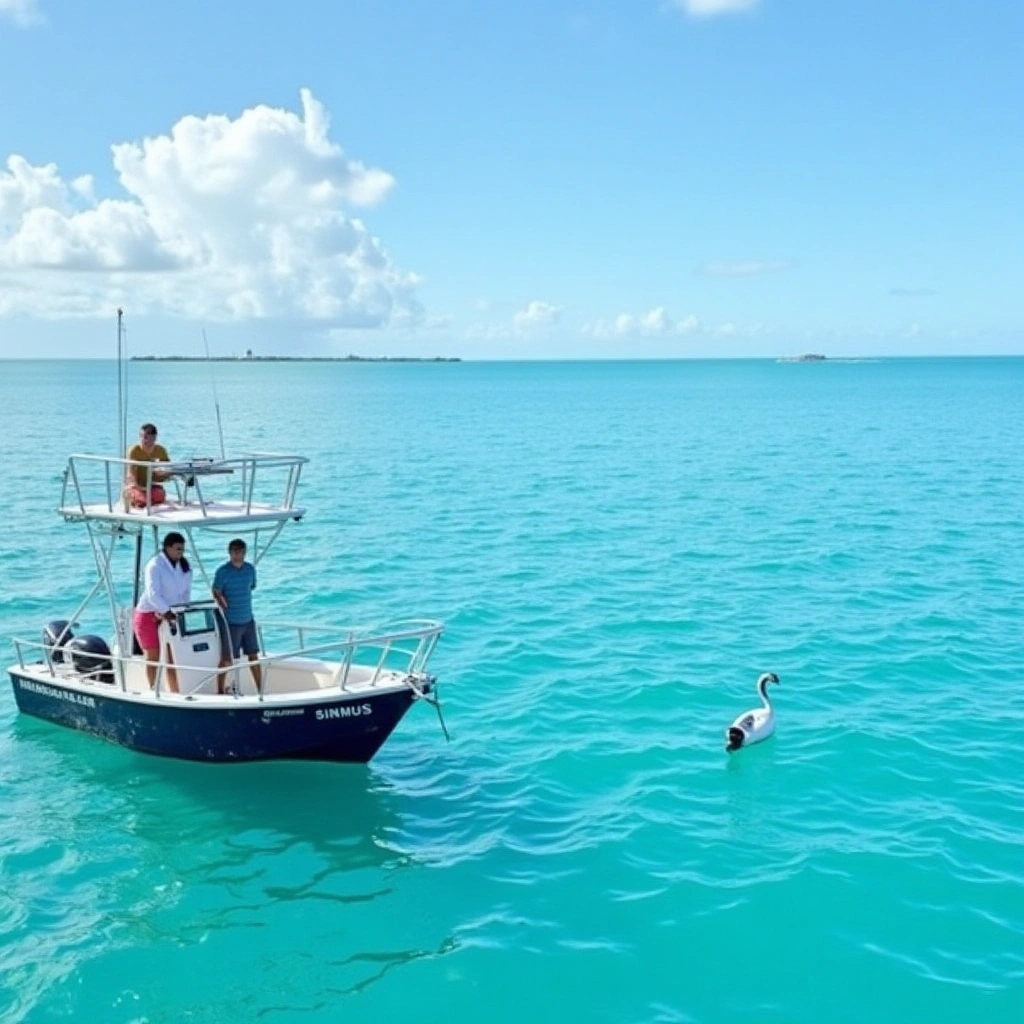
Police received an emergency call just before 3 p.m. Friday about a possible drowning at the southern point of North Bimini, near the entrance to Bimini Harbour . Officers learned the group had gone out past a marked area warning swimmers about …
Some news stories call for a lighter touch. This one, mostly, does not. Two American tourists, a 38-year-old man and a 40-year-old woman, have died in an incident off Bimini in the Bahamas. According to police, the pair were swept away by strong currents while swimming, and authorities are investigating the deaths as a suspected drowning.
The story has been picked up widely, with outlets including KUSA, KARE 11, WTIC, ABC7 Los Angeles, ABC11 Eyewitness News, and ABC7 San Francisco all running it. Beyond those basics, the public details are limited. We don’t know the victims’ names from the reports summarized here, how they were related, or the exact timeline. Since the investigation is ongoing, we’ll stick to what’s been reported and not fill the gaps with guesswork. The internet has plenty of guessing already.
The goal here is not to turn a tragedy into content. Two people went on what was probably supposed to be a relaxing trip and didn’t come home, and their families deserve respect. But stories like this one do raise a useful question: what should the rest of us know before we wade into beautiful, deceptively calm water? So let’s talk about it, with the occasional dry remark aimed at our own overconfidence and never at the victims.
Where Is Bimini, Anyway?
Bimini is a district of the Bahamas and one of the closest parts of the country to the United States. It sits roughly 50 miles off the coast of South Florida, which makes it a popular quick getaway for American travelers. It’s known for clear turquoise water, fishing, diving, and beaches that look like a screensaver come to life.
That postcard look is part of the problem with ocean safety in general. Water that looks inviting doesn’t always behave that way. The ocean has no interest in your vacation photos.
The Hidden Danger: Strong Currents
Police say the two tourists were swept away by strong currents. Without speculating about this specific incident, it’s worth explaining how currents can overwhelm even capable swimmers.
One of the best-known hazards is the rip current, a narrow, fast channel of water flowing away from shore. Rip currents can form along many beaches, including ones that look calm from the sand. They don’t pull you under, despite the old “undertow” myth. What they do is carry you away from the beach faster than most people can swim against them.
That’s where things go wrong. A swimmer’s natural instinct is to head straight back toward shore. Fighting a strong current wears you out quickly, and exhaustion and panic are a dangerous combination in deep water. Being a strong swimmer helps, but it isn’t a force field. Plenty of confident swimmers have learned that the ocean doesn’t check your lap times first.
How to Spot Possible Rip Currents
Rip currents aren’t always visible, but there are some signs to look for:
– A channel of churning, choppy water between areas of breaking waves
– A noticeable difference in water color, such as a darker or murkier strip
– A line of foam, seaweed, or debris moving steadily out to sea
– A gap or break in the incoming wave pattern
The tricky part is that the calmer-looking patch between breaking waves can be the more dangerous spot. It’s like the ocean is running a very convincing scam.
What to Do If You’re Caught in a Current
Safety organizations generally share the same core advice, and it’s worth memorizing before your next beach trip:
1. Stay calm. Easy to say, hard to do, and still the most important step. Panic burns energy you need.
2. Don’t swim straight against the current. You’ll likely tire yourself out without making progress.
3. Swim parallel to the shore. Rip currents are often narrow, so swimming sideways can get you out of the channel. Then you can angle back toward land.
4. If you can’t escape, float or tread water. Conserve energy. Some currents weaken farther from shore, and floating buys you time.
5. Signal for help. Wave your arms and yell to get the attention of lifeguards or people on shore.
What to Do If Someone Else Is in Trouble
This part matters just as much. Many drowning tragedies around the world involve would-be rescuers who go into the water to help and get caught themselves. Wanting to help is admirable. Becoming a second emergency is not.
If you see someone struggling:
– Alert a lifeguard right away if one is present.
– Call emergency services.
– Throw something that floats, such as a life ring, cooler, or boogie board.
– Shout instructions to swim parallel to shore.
– Keep your eyes on the person so you can direct rescuers.
Going in yourself without flotation or training is extremely risky, even when every instinct tells you to do it.
Practical Tips for Your Next Beach Vacation
You don’t have to swear off the ocean forever. Just give it the respect it has very much earned.
– Swim near lifeguards when possible. Not every beach has them, especially at more remote spots, so be extra careful where they’re absent.
– Check local conditions. Look for warning flags, posted signs, and local weather or surf advisories. Ask hotel staff or locals about known hazards. They usually know which spots to avoid.
– Never swim alone. A buddy can call for help, even if they can’t jump in.
– Know your limits. Pool swimming and open-ocean swimming are two different sports. Waves, currents, and fatigue all add difficulty.
– Go easy on the alcohol. A rum drink on the beach is practically required in the Caribbean, but alcohol affects judgment, coordination, and stamina. Save the celebrating for after the swim.
– Consider flotation. If you’re snorkeling or swimming farther from shore, a flotation device or snorkel vest isn’t uncool. It’s smart. Nobody at the beach is grading your outfit.
– Pay attention to changes. Conditions can shift during the day. A calm morning doesn’t promise a calm afternoon.
A Sobering Reminder
Travel is supposed to be about rest, adventure, and making memories. Most beach trips end with sunburn, sand in every bag you own, and too many photos of the same sunset. Stories like the one from Bimini remind us that the ocean, however beautiful, is a powerful natural force that deserves caution.
Authorities are still investigating, and more details may come out over time. For now, our thoughts are with the families and friends of the two people who lost their lives.
If there’s one takeaway, let it be this: learn how currents work, swim where it’s safe, and never assume calm water means safe water. That knowledge takes about five minutes to pick up, and it could make all the difference.
Inspired by: “2 American tourists die in suspected drowning incident off Bimini in the Bahamas, police say” (r/Local)