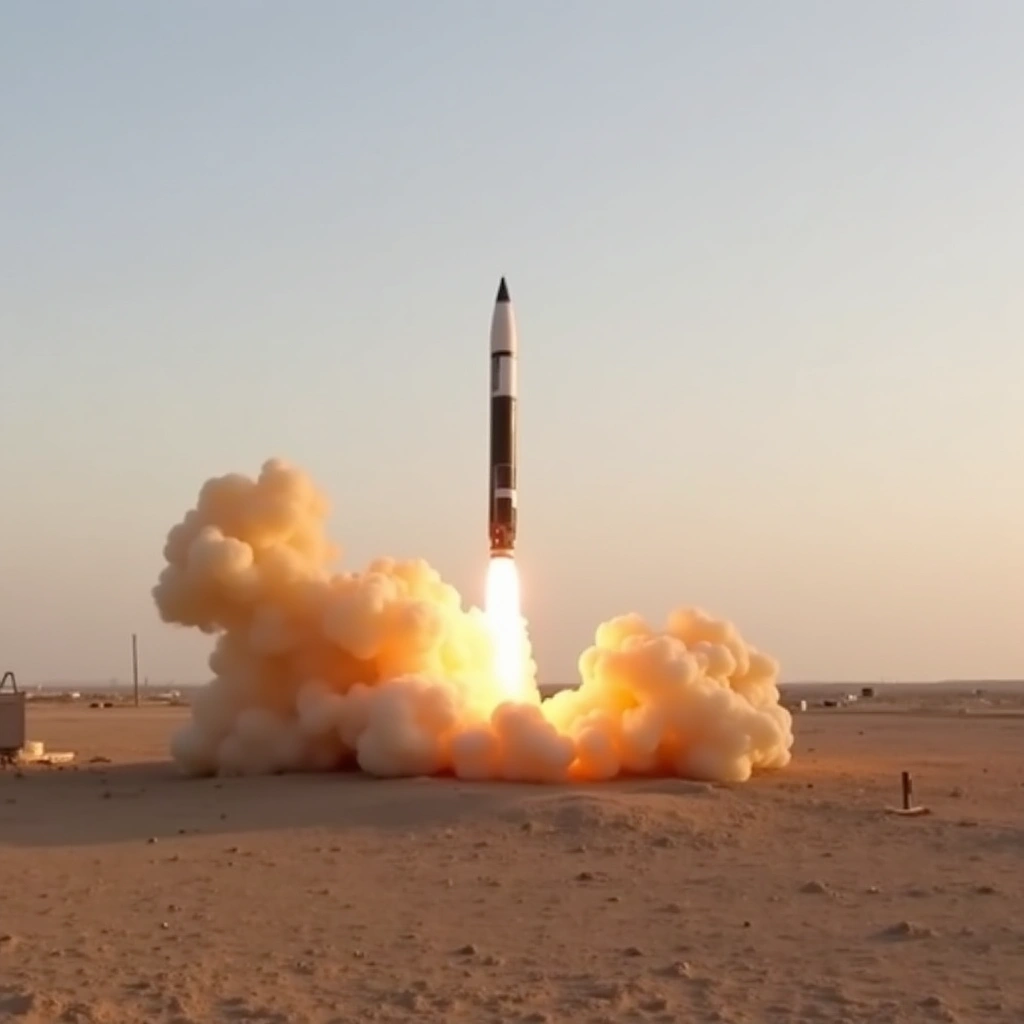
The Houthi–Saudi conflict is an ongoing armed conflict involving the Armed Forces of Saudi Arabia and Houthi forces in Yemen and along the Saudi–Yemeni border, including parts of Asir, Jazan, and Najran in Saudi Arabia and Saada, Al-Jawf, and Hajjah in Yemen.
Some news stories arrive with lots of detail. Others arrive as two sentences and a shrug. This one is the second kind, so let’s go through what we actually know, what we don’t, and why a short wire report still matters.
The Short Version (It’s Very Short)
According to a Reuters report dated November 15, Yemen’s Iran-aligned Houthis said on Sunday that they targeted two sites in Riyadh, the Saudi capital, with two ballistic missiles: King Khalid International Airport and a financial centre in the city.
The key line comes right after that: there was no immediate Saudi confirmation.
That’s all of it. The report was written by Yasmine Ghania and Muhammad Al Gebaly, edited by Andrew Cawthorne, and picked up by outlets including Salem Radio Network News and Crypto Briefing. If you’re wondering why a crypto news site is covering ballistic missiles, so am I. Apparently a missile claim aimed at a “financial centre” counts as market news now.
“Said” Is Doing a Lot of Work Here
The most important word in the headline is “say.” The Houthis say they launched missiles. That’s a claim from one side of an armed conflict, and it hasn’t been independently verified in the report.
That doesn’t make it false. It also doesn’t make it confirmed. It means we’re at the stage where one party has made a statement and the other party hasn’t responded yet, at least not publicly. Anyone who has watched a group chat after someone writes “we need to talk” knows this stage well, though usually with fewer ballistic missiles.
On this kind of story, the first report tends to answer “who is claiming what.” The questions people actually care about come later: Did missiles really launch? Were they intercepted? Was anyone hurt? Was anything damaged? None of that is in the original report, so we shouldn’t fill in the blanks ourselves.
Who Are the Houthis, Briefly?
If you’re new to this, the Houthis are an armed movement in Yemen that took control of large parts of the country, including the capital Sanaa. Reuters calls them “Iran-aligned,” and that phrase points to the wider regional rivalry around Yemen’s war.
Saudi Arabia leads a military coalition that has been fighting the Houthis since 2015, backing Yemen’s internationally recognized government. The war has lasted for years and has caused a severe humanitarian crisis in Yemen. As a result, cross-border attacks, including missile and drone launches toward Saudi territory, have become a recurring part of the conflict.
So a Houthi claim about firing toward Saudi Arabia is not out of character. Sadly, it fits a long and familiar pattern.
Why These Targets?
The two targets named in the claim are worth a closer look.
King Khalid International Airport is Riyadh’s main airport. Airports matter for obvious practical reasons, and they carry symbolic weight too. Claiming to target one sends a message about reach, and it’s meant to get attention well beyond the people who were scheduled to fly that day.
A financial centre in the capital is also a deliberate choice. Saudi Arabia has worked hard to present itself as a stable place for business and investment. Naming a financial hub as a target is a way of saying “we can threaten what you’re proudest of.” It’s psychological as much as military, and probably more so.
For both targets, the goal of the claim seems to be showing that the capital isn’t out of reach. Whether anything actually happened on the ground is still unclear from the report.
The Waiting Game
When claims like this appear, the usual next step is a response from Saudi authorities or the coalition. Sometimes that’s a statement saying missiles were intercepted. Sometimes it’s silence. Sometimes the two sides’ accounts barely overlap.
As of the original report, there was nothing from the Saudi side. That could mean several things: they hadn’t finished assessing, they didn’t see a reason to comment, or nothing happened that they felt needed addressing. Guessing which one it is would be speculation, and the internet has plenty of that already. You’re welcome.
How to Read Stories Like This Without Losing Your Mind
A few tips for the next time a two-line conflict report shows up in your feed:
1. Notice who is speaking. “X says” means X is the source. That’s useful information, not proof.
2. Look for confirmation, or a lack of it. Good reports tell you when the other side hasn’t responded. This one did, and that’s to its credit.
3. Don’t fill gaps with drama. If the report doesn’t mention damage or casualties, don’t assume there were some. Don’t assume there weren’t, either.
4. Expect updates. Early wire reports are first drafts. More details, corrections, or competing accounts often come later.
5. Be a little wary of headlines that sound bigger than the story. “Missiles launched at financial centre” sounds dramatic. The actual text is one claim and one non-confirmation.
The Bigger Picture
It’s easy to treat stories like this as routine noise from a conflict that has dragged on for years. But the routine is the grim part. Repeated claims of missile launches toward a neighboring country’s capital show how far a war in one of the region’s poorest countries spreads beyond its borders, and how the people living through it, mostly in Yemen, keep paying the price.
So yes, this news item is tiny: two sentences, two missiles, two named targets, and no confirmation. It’s still a reminder that the Yemen conflict is unresolved, and each new claim, verified or not, adds to that record.
We’ll find out more when someone other than the people who say they fired the missiles decides to comment. Until then, the honest summary is this: the Houthis made a claim, and everyone else is waiting.
Inspired by: “Yemen’s Houthis say they launched ballistic missiles towards Riyadh airport, financial centre” (r/News)