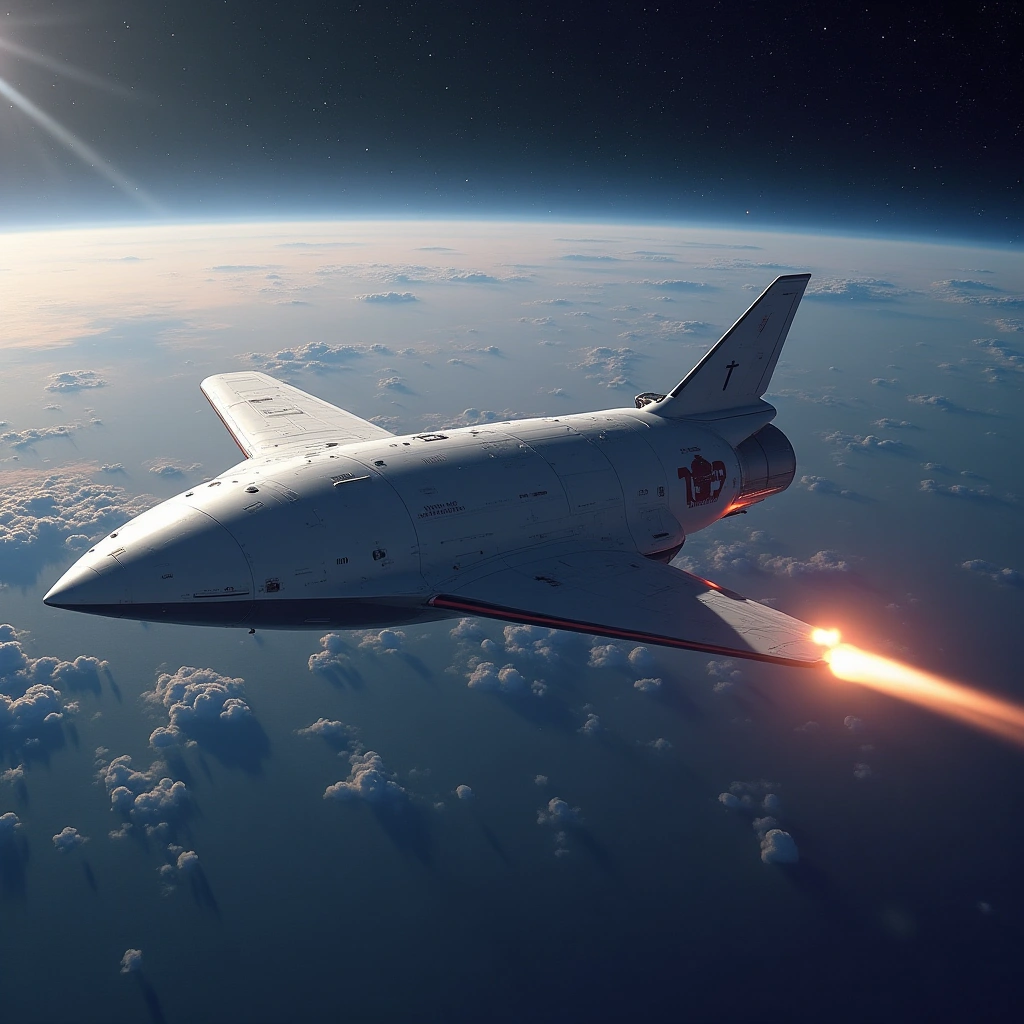
Sharing his reaction on X, Pichai said he had watched the manoeuvre live and found it incredible . “Congrats @SpaceX for that starship catch, still feels like science fiction! Watching it live was incredible. Upwards!” he wrote.
There are a few things you expect from the CEO of Google. Product announcements. Talk about AI. Maybe a carefully worded statement about privacy. What you might not expect is the head of one of the world’s largest tech companies reacting to a rocket event like the rest of us: mouth slightly open, refreshing the livestream, saying some version of “wait, did that actually just happen?”
Yet that’s roughly where Sundar Pichai landed. According to reports from the Times of India and the Hindustan Times, Pichai congratulated SpaceX after the company achieved what’s being described as its first midair catch of a Starship spacecraft on its return. His summary of the moment: it “still feels like science fiction.”
Honestly? Fair.
What Actually Happened
Here are the details from the reports, without dressing them up too much, since the real story is impressive enough on its own.
The catch took place at SpaceX’s Starbase facility in Texas, after the Starship spacecraft successfully re-entered Earth’s atmosphere. Before coming home, Starship reportedly completed 14 laps around the planet and deployed advanced Starlink satellites during the flight.
Then, instead of splashing into the ocean or touching down on landing legs like a polite, conventional spacecraft, it was caught. In midair. By a tower.
If you’re new to this, yes, that is as wild as it sounds. The idea of grabbing a returning rocket out of the sky with giant mechanical arms is the kind of thing that, not long ago, would have earned you a gentle pat on the shoulder and a suggestion to lie down. Now it’s a real engineering approach, and SpaceX keeps pulling it off.
Not Everything Went Perfectly
In the interest of balance, and because rockets love humbling people, the flight wasn’t flawless. The reports note that a first-stage booster explosion occurred shortly after liftoff during the tests.
So the day included both a historic catch and a booster that apparently decided to end its career dramatically. That’s very much in keeping with how SpaceX tends to operate. The company has long embraced a test-heavy approach where things are flown, pushed hard, sometimes broken, and then improved. Spectacular failures are treated less like disasters and more like expensive lessons with excellent camera angles.
It’s also a useful reminder that “historic success” and “something exploded” are not mutually exclusive in the rocket business. In most industries, a product blowing up would dominate the headlines. In spaceflight testing, it can end up as a footnote to an even bigger achievement.
Why the Catch Is Such a Big Deal
You might be wondering why anyone would want to catch a spacecraft in the first place. Wouldn’t it be easier to just land it?
The short answer is reusability. The whole point of SpaceX’s approach is to make spacecraft that can fly, come back, and fly again, much like airplanes do, rather than being used once and discarded. Catching a vehicle with a tower is part of that strategy. It can cut down on the hardware the vehicle itself needs to carry, and it brings the spacecraft back right where it can be processed for another flight.
If reuse can be made routine, the cost of getting things into orbit could fall dramatically. That matters for satellite networks like Starlink, for scientific missions, and for any ambitions involving the Moon, Mars, or wherever else humans decide to send expensive equipment next.
In other words, the catch isn’t just a flashy stunt for social media, although it is extremely good at being a flashy stunt for social media. It’s a step toward making spaceflight cheaper and more frequent.
The 14 Laps and the Starlink Deployment
The catch is getting most of the attention, understandably, because few things compete with a giant tower snatching a spacecraft out of the air. But the reports also point to two other notable parts of the mission.
First, Starship completed 14 laps around Earth. That’s not a quick hop up and back down; it’s a genuine stint in orbit, which tests how the vehicle holds up over a longer flight before it attempts re-entry.
Second, it deployed advanced Starlink satellites. That’s a sign Starship is being used to do actual work, not just to prove it can survive the trip. Delivering payloads is the whole job description, after all. A rocket that can’t carry anything useful is basically a very loud, very expensive firework.
Put together, the mission showed Starship launching, operating in orbit, delivering satellites, surviving re-entry, and getting caught on the way home. Minus the booster’s unscheduled fireworks show, that’s a pretty complete résumé.
Why Pichai’s Reaction Hit Home
There’s something oddly reassuring about a tech executive admitting that a piece of technology still feels like science fiction. These are people who spend their days surrounded by cutting-edge products and futuristic promises. If anyone should be immune to being impressed, it’s the CEO of Google.
And yet, here we are. Pichai’s comment captures what a lot of people feel watching these flights. We’ve reached a point where reusable rockets are almost routine news, but every so often something happens that resets the sense of wonder. A spacecraft circling the planet, coming back through the atmosphere, and being caught by a tower is one of those moments.
It also says something about how the tech world views spaceflight right now. Big names in technology aren’t just watching out of polite curiosity. They’re paying attention because space is increasingly tied into communications, data, and global connectivity, all areas that matter to companies like Google. Starlink alone is a reminder that satellites and the internet are becoming closer neighbors than ever.
Still, you don’t have to read too much strategy into it. Sometimes a person sees a spacecraft get plucked out of the sky and simply thinks, “well, that’s incredible.” Pichai just happens to have a much bigger audience when he says it.
The Bigger Picture
It’s easy to get numb to space milestones when they arrive one after another. A rocket landed? Sure. Another one landed? Naturally. A tower caught a booster? Old news, apparently.
But stepping back, the progress is remarkable. Catching a returning Starship spacecraft is a different challenge from what came before, and doing it after an orbital mission that included satellite deployment makes it even more significant.
The booster explosion is a reminder that this is still very much a work in progress. Testing will continue, things will occasionally go boom, and engineers will keep refining the system. That’s how this process works. Nobody gets a flawless reusable spacecraft on the first try, no matter how many livestream viewers are hoping for perfection.
Final Thoughts
Sundar Pichai summed it up nicely: it still feels like science fiction. And in a way, that’s the best possible review an engineering team could ask for. When the head of Google watches your work and reacts like a kid seeing a rocket for the first time, you’ve probably done something right.
Sure, a booster exploded. Rockets gonna rocket. But a spacecraft completed 14 laps around Earth, deployed Starlink satellites, came back through the atmosphere, and was caught midair at Starbase in Texas. If that doesn’t make you at least a little impressed, you might want to check whether you’re secretly a robot.
The future, it turns out, involves giant towers catching spaceships. Science fiction writers, please update your notes accordingly.
Inspired by: “Google CEO congratulates SpaceX; says ‘still feels like science fiction ‘” (r/World)