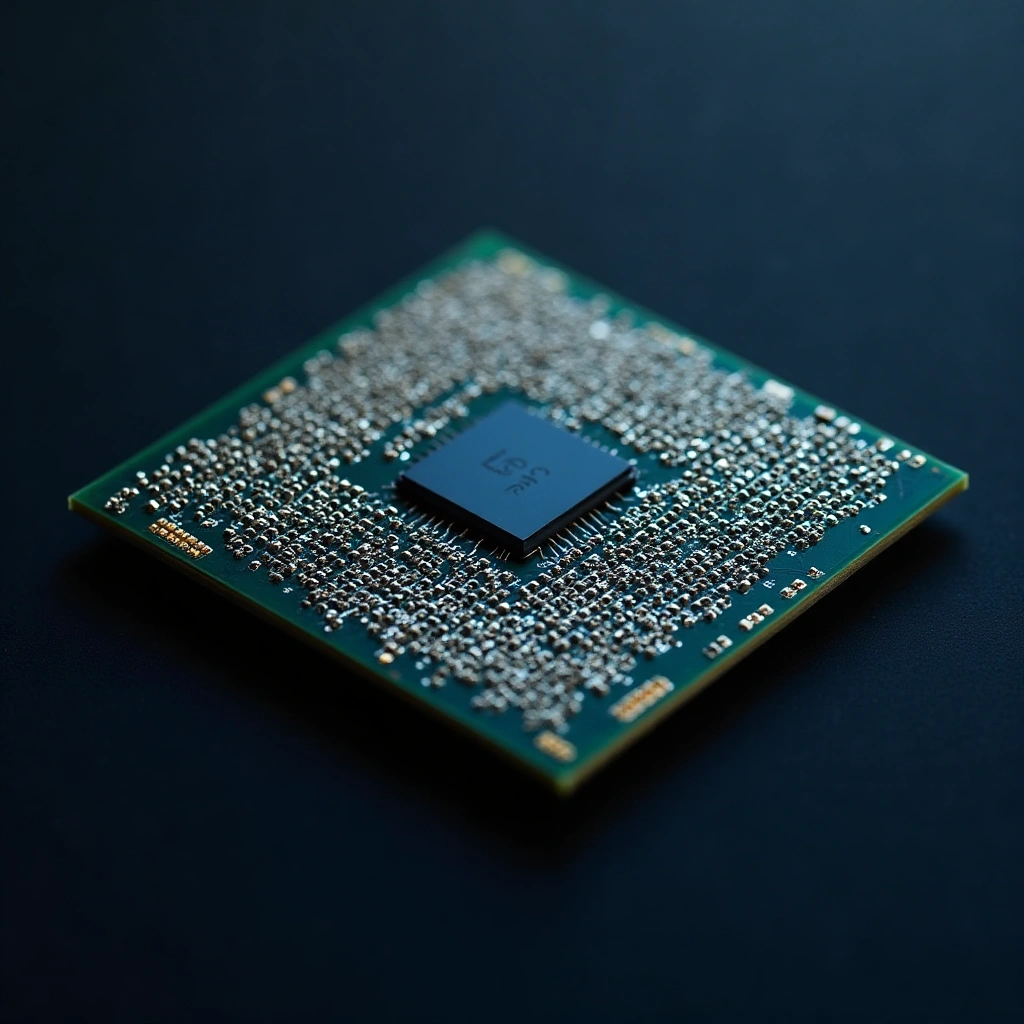
Procurement records show PLA-linked buyers repeatedly seeking A100, H100, H800 and H200 chips despite US export controls … China’s People’s Liberation Army wants Nvidia’s best AI hardware.
If you have ever tried to buy the last concert ticket or the hottest gadget of the season, you already understand the basic problem here. The thing everyone wants is scarce, the rules say you can’t just walk in and grab it, and somebody is always looking for a side door. In this case, the crowd includes China’s People’s Liberation Army, and the item on the shelf is some of the most sought-after hardware in the tech world: advanced AI chips made by Nvidia.
According to reporting from CNBC, The Next Web, and Crypto Briefing, citing a U.S. government commission, the PLA has been actively trying to get its hands on Nvidia’s most advanced semiconductor chips. The goal, as described, is to build artificial intelligence capabilities. Officials and analysts have linked this effort to China’s broader push toward what is often called intelligentization, which is a fancy way of saying the military wants to use AI across its operations, from data analysis to decision-making and beyond.
Why Nvidia? If you have followed the AI boom at all, you know that Nvidia’s chips have become the engines behind a huge share of large-scale AI training and computing. The company’s top-tier processors are powerful, widely used, and difficult to replace quickly. When a technology becomes that central, it also becomes a strategic asset, and that is exactly where governments start paying very close attention.
This is where export controls come in. The United States has restricted the sale of certain advanced chips and related technology to China, with the stated aim of limiting Beijing’s ability to develop cutting-edge AI systems that could have military applications. In theory, the rules are straightforward. In practice, enforcing them is a lot like trying to keep track of every bag of flour in a busy bakery. Chips can move through third-party countries, be sold through intermediaries, or be acquired in ways that are hard to trace from one end of a supply chain to the other.
That is the core concern raised in the reporting: the effort is reportedly aimed at evading U.S. export controls. Whether that happens through indirect purchases, shell arrangements, or other workarounds, the message is the same. A restriction written on paper is only as strong as the mechanisms that catch people trying to get around it. Critics of current enforcement argue that gaps remain, and this story is a reminder of how hard those gaps can be to close.
It is also worth noting what the reporting does and does not claim. It describes China’s military as actively seeking these chips, citing a commission’s findings. It does not mean every attempt succeeds, and it does not give a full picture of what has been acquired or how. Good coverage of a story like this stays careful about the difference between what is alleged, what is documented, and what remains uncertain, and that caution is worth keeping in mind.
The bigger picture is the tug-of-war between innovation and security. Nvidia sells a product that is in enormous demand around the world, and the company operates in a global market. Governments, meanwhile, want to limit the transfer of technology that could boost military capabilities. Those goals overlap but do not always align. Companies may face pressure to comply with rules that are constantly evolving, while officials try to stay ahead of people who are very motivated to find new routes.
For the rest of us, the story matters because AI is no longer a niche research topic. It shapes everything from consumer apps to national defense planning. When a major military power is reportedly chasing the best hardware to accelerate its AI programs, it affects global competition, trade policy, and the broader race to set the rules for how advanced AI gets built and used.
So, is this a simple story about a sneaky bid for tech? Not really. It is a story about incentives, supply chains, and the very real difficulty of controlling technology that is both incredibly valuable and widely distributed. The rules exist, the demand is intense, and the enforcement challenge is real. Expect to hear a lot more about this as the AI race keeps heating up.
Inspired by: “China’s military seeks Nvidia’s advanced chips for AI capabilities, commission says” (r/Business)