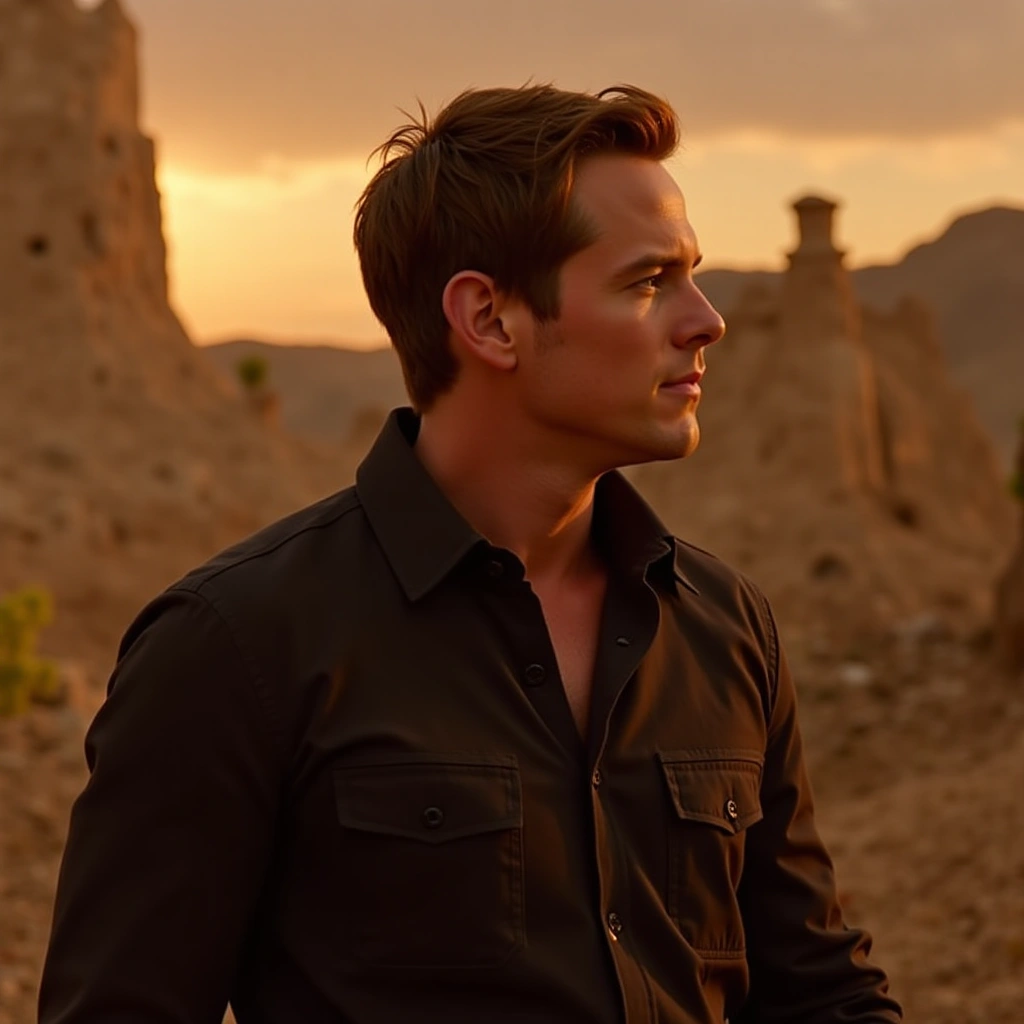
“The Hunger Games: Sunrise on the Reaping” dives into the backstory of Haymitch Abernathy, played by Joseph Zada.
Panem is back, and it’s still a terrible place to live. Rigged lotteries, televised child combat, and a ruling class that treats human suffering like prime-time entertainment. Some things never change, and in a franchise built on the idea that power rarely gives anything up willingly, that’s kind of the point.
The latest entry, The Hunger Games: Sunrise on the Reaping, is another prequel. It’s set 24 years before the original films and several decades after The Ballad of Songbirds & Snakes, which makes it a sort of middle child in the timeline. And like many middle children, it has something to prove.
This time the spotlight lands on Haymitch Abernathy, played by Joseph Zada. Yes, that Haymitch. The mentor whose main coping strategies in the original films were sarcasm and whatever was in the nearest bottle. If you ever wondered how someone ends up like that, this movie is here to explain, and judging by the reviews, the explanation isn’t cheerful.
So, What’s the Verdict?
The critical response is mostly positive, with one notable dissent. Three reviews give a good sense of where opinion has landed.
ComingSoon.net calls it “A Tragic, Powerful Dystopian Thriller.” That’s strong praise, and “tragic” is probably the most honest word you could attach to a Haymitch origin story. Anyone who has seen the original films already knows his story does not end in sunshine and emotional stability.
The Hollywood Reporter calls it “A Worthier Prequel to the Dystopian Battle Royale, Powered by Joseph Zada’s Star-Making Turn.” There’s a lot packed into that headline. “Worthier prequel” suggests the critic sees it as an improvement within the franchise’s prequel branch. “Star-making turn” is the phrase every young actor hopes to see next to their name, and it means Zada isn’t just filling the role but potentially launching a career with it.
The South China Morning Post is cooler, with the headline “recast prequel lacks emotional edge.” That’s the main knock against the film: for some viewers, the brutality is there but the gut-punch isn’t quite landing.
So we have two reviews saying “powerful” and “star-making,” and one saying “missing something.” Not exactly a civil war in the critical districts, but enough disagreement to be interesting.
Why Haymitch Is a Smart Choice
Of all the characters who could have carried a prequel, Haymitch is arguably one of the most compelling picks. In the original films he’s a victor of the Games, which in Panem is less a happy ending and more a lifetime subscription to trauma. He’s bitter, funny, and clearly damaged, and the original story strongly hints that his past was ugly.
That’s prequel gold. You already know where the character ends up, so the drama isn’t about whether he survives. It’s about what it costs him. A good origin story makes you look back at the older version of the character and understand him differently. Every snide remark and every drink starts to carry more weight.
The risk, of course, is that knowing the destination can drain the tension out of the journey. If audiences know Haymitch walks out alive, the movie has to work harder to make them care about what happens along the way. That may be part of why the emotional response seems to be splitting critics.
The Arena Is Still Brutal
One thing the reviews seem to agree on is that the film doesn’t soften the brutal reality of the Games. The arena is still a nightmare, and the film reportedly digs into how that violence affects everyone involved, not just the people fighting.
That has always been where The Hunger Games works best. The franchise is at its sharpest when it’s not just showing spectacle but making you uncomfortable about watching it. There’s an irony baked into the whole thing: we’re sitting in theaters munching popcorn while watching a story that criticizes a society for treating violence as entertainment. The series has always known this, and it uses that discomfort on purpose.
A prequel centered on Haymitch gives the film a chance to show the Games from the perspective of someone the franchise eventually reveals to be permanently shaped by them. That’s heavier material than a straightforward survival thriller, and when it works, it really works.
About That “Lacks Emotional Edge” Criticism
The South China Morning Post’s critique is worth taking seriously, because emotional resonance is basically the franchise’s fuel. Without it, the Hunger Games are just a very elaborate, very grim obstacle course.
The review specifically refers to it as a “recast prequel,” which touches on a challenge every prequel faces. When a beloved character has been defined by a previous performance, a new actor has to make the role their own while still convincing audiences it’s the same person. Haymitch was famously played by Woody Harrelson in the original films, and that’s a pretty big pair of drunken boots to fill.
Interestingly, the Hollywood Reporter seems to think Zada fills them very well, calling his performance star-making. So the disagreement may not be about the acting so much as about the film as a whole and whether the story built around him hits as hard as it should. It’s entirely possible for a lead performance to be excellent while the surrounding movie feels a bit emotionally distant. That happens more often than studios would like to admit.
Is This the Best Prequel So Far?
The Hollywood Reporter’s “worthier prequel” framing invites the obvious comparison with The Ballad of Songbirds & Snakes. Without wading too deep into fandom debates, it’s fair to say that calling one prequel “worthier” implies the critic sees real improvement here, whether in storytelling, performances, or how well it connects to the larger saga.
Placing this story 24 years before the original films also gives it a useful position in the timeline. It’s close enough to the main saga to connect directly to characters audiences know, but far enough back to show a different version of Panem. That’s a sweet spot for a prequel: familiar enough to matter, different enough to surprise.
Should You Go See It?
If you’re a fan of the franchise, this one seems like an easy yes. A film focused on Haymitch, featuring a lead performance at least one major outlet calls star-making, and described by another as tragic and powerful, is not something most fans will want to skip.
If you’re more casual about Panem, the mixed note from the South China Morning Post is worth keeping in mind. You may get a well-made, intense dystopian thriller that doesn’t quite crush your heart the way the best moments of the series did. That’s still a decent evening, just maybe not a life-changing one.
And if you’re someone who always thought Haymitch was the most interesting person in the room, well, congratulations. Hollywood finally agrees with you. It only took a few decades of fictional history and a whole new actor to get there.
Final Thoughts
The Hunger Games: Sunrise on the Reaping looks like a serious, grim, and largely well-received addition to the franchise. Critics are praising its brutality, its tragedy, and especially Joseph Zada’s performance, while at least one reviewer feels it doesn’t hit the emotional highs it’s aiming for.
That’s a pretty respectable report card for a prequel, a genre that often struggles to justify its own existence. The odds, as they say, seem to be mostly in its favor. Just maybe bring tissues, and don’t expect Haymitch’s story to have a happy ending. You already know how this one turns out.
Inspired by: “The Hunger Games: Sunrise on the Reaping Review: A Tragic, Powerful Dystopian Thriller” (r/Entertainment)