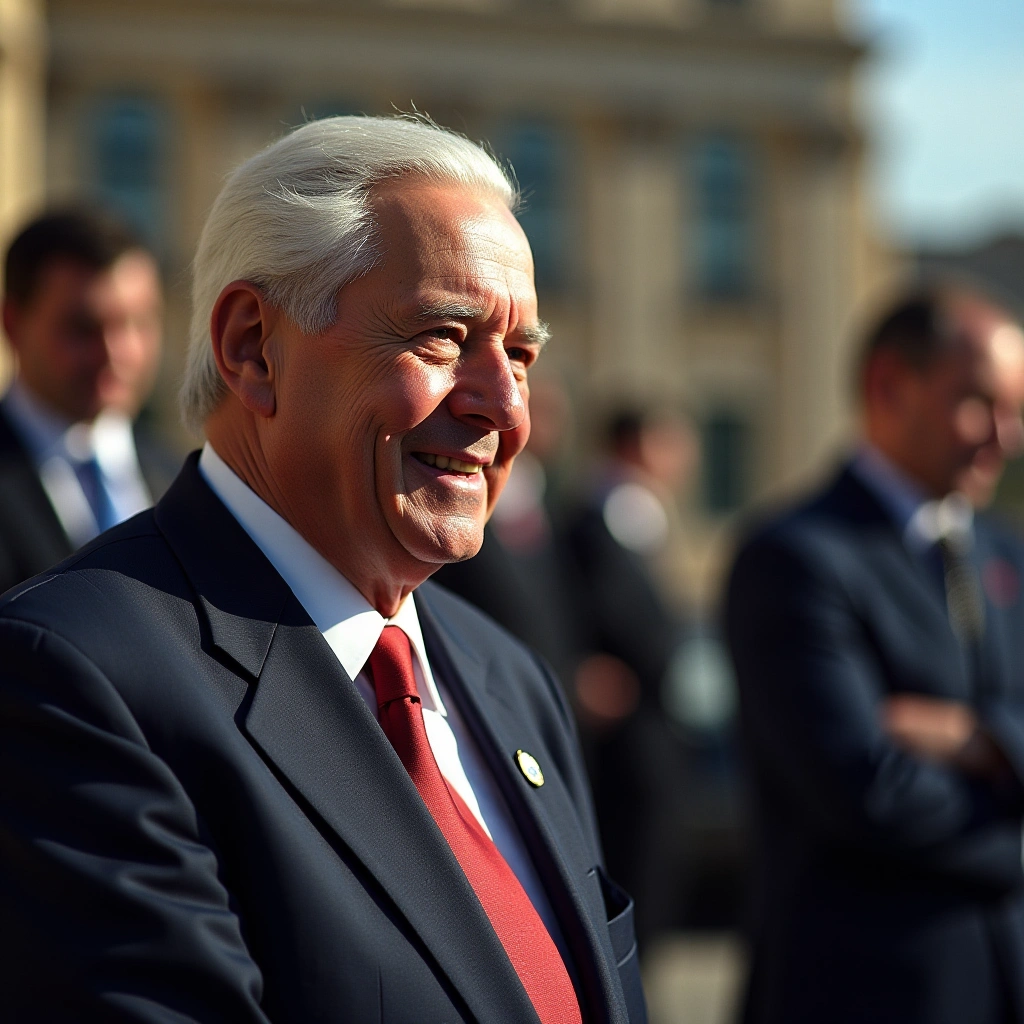
He founded the Guadalajara cartel and was known as “El Jefe de Jefes” ( Boss of Bosses ). He was convicted in two cases, with sentences totalling 77 years.
Some nicknames are earned on the playground. “The Boss of Bosses” is not one of them.
Miguel Angel Felix Gallardo, the man who carried that title and who is widely regarded as one of the most powerful drug lords Mexico has ever produced, has died at age 80. According to reports from outlets including the Jamaica Observer, CTV News and France 24, he was moved to a hospital for emergency treatment two days before his death. He had been in custody since 1989, which means he spent more than three and a half decades behind bars. That’s a long stretch for anyone, and a notably long one for a man whose former line of work doesn’t usually come with a retirement plan.
France 24 called him the “architect of Mexico’s drug trade.” That’s a phrase that sounds like an awkward LinkedIn headline, but it gets at why his death is drawing international attention.
Who Was Miguel Angel Felix Gallardo?
Felix Gallardo was a central figure in the Guadalajara Cartel, one of the most influential criminal organizations in Mexican history. In an era when the drug trade was more scattered, he became known as the man who helped bring it together. Hence the nickname. Nobody gets called “The Boss of Bosses” for being great at delegating the office snack order.
His reputation rests on the idea that he wasn’t just a trafficker. He was an organizer, someone who saw the business side of an illegal industry and treated it like one. That is precisely why so many accounts describe him as foundational. When people talk about how Mexico’s modern drug trade took shape, his name keeps coming up.
The Arrest That Changed Everything
Felix Gallardo was arrested in 1989, and he stayed in custody from then until his death. In practical terms, he spent more of his life in the prison system than many of today’s cartel figures have spent being alive.
His arrest is widely seen as a turning point. With the man at the top removed, the organization he helped build didn’t simply vanish. It fragmented. The story many historians and journalists tell about Mexican organized crime is that the breakup of his network helped give rise to the rival groups that later dominated headlines for decades. So, in a grim and ironic way, taking out the boss of bosses produced a lot more bosses. Anyone who’s watched a corporate restructuring will find this depressingly familiar, minus the paperwork and with far higher stakes.
Why the Word ‘Notorious’ Is Doing a Lot of Work
Headlines describe him as “notorious,” and that’s not journalistic flair. Felix Gallardo’s name is tied to some of the darkest chapters in the history of the drug war. His case has long been linked to the 1985 killing of U.S. DEA agent Enrique “Kiki” Camarena, an event that strained relations between the United States and Mexico and shaped American drug enforcement policy for years afterward.
It’s worth saying plainly that the light tone of a blog post shouldn’t be confused with any warmth toward the subject. The drug trade he helped organize has been tied to enormous violence and suffering, and the people hurt by it are the part of this story that matters most. The jokes here are aimed at the absurdity of the situation, not at the victims.
Decades in Custody, Then a Final Hospital Trip
The immediate details are fairly simple. Officials said he was transferred to a hospital for emergency treatment and died two days later. He was 80.
That ending stands out partly because it’s so ordinary. Popular culture tends to wrap figures like this in dramatic myth: shootouts, daring escapes, mysterious disappearances. Felix Gallardo’s final chapter was an elderly man in long-term custody being rushed to the hospital. Real life is rarely as cinematic as streaming services would like it to be.
On that note, if his name sounds familiar to people who don’t follow crime news, there’s a good chance it’s because dramatized versions of his story have shown up on screen. That’s the strange afterlife of figures like him. They become characters, and the real history gets flattened into something closer to entertainment. Worth keeping in mind before anyone starts treating a drug kingpin like a prestige-TV antihero.
Why His Death Still Matters
You might reasonably ask why the death of a man who has been locked up since 1989 is international news. A few reasons:
He’s a historical landmark. For anyone trying to understand how Mexico’s drug trade grew into what it became, Felix Gallardo is a key reference point. His death closes a chapter, even if the book is very much still being written.
His influence outlived his freedom. The structure he helped build, and the way it splintered after his arrest, shaped the decades that followed. That’s a heavier legacy than most people leave behind.
It’s a reminder of how long this has been going on. The fact that the “architect” of the trade could spend more than 35 years in custody while the industry kept rolling along says something uncomfortable about how deeply rooted the problem is. Arresting the boss, it turns out, isn’t the same as ending the business.
The Bottom Line
Miguel Angel Felix Gallardo, “The Boss of Bosses,” died at 80 after being taken to a hospital for emergency treatment, having been in custody since 1989. He was a leading figure in the Guadalajara Cartel and is remembered as one of the most powerful drug lords in Mexican history, a man many credit, or rather blame, for organizing the country’s modern drug trade.
His death ends a life that’s been the subject of headlines, investigations and more than a few TV scripts. What it doesn’t end is the industry he helped shape. That part of his legacy, unfortunately, seems to be in no hurry to retire.
Inspired by: “Notorious Mexican drug lord Miguel Angel Felix Gallardo dies” (r/News)