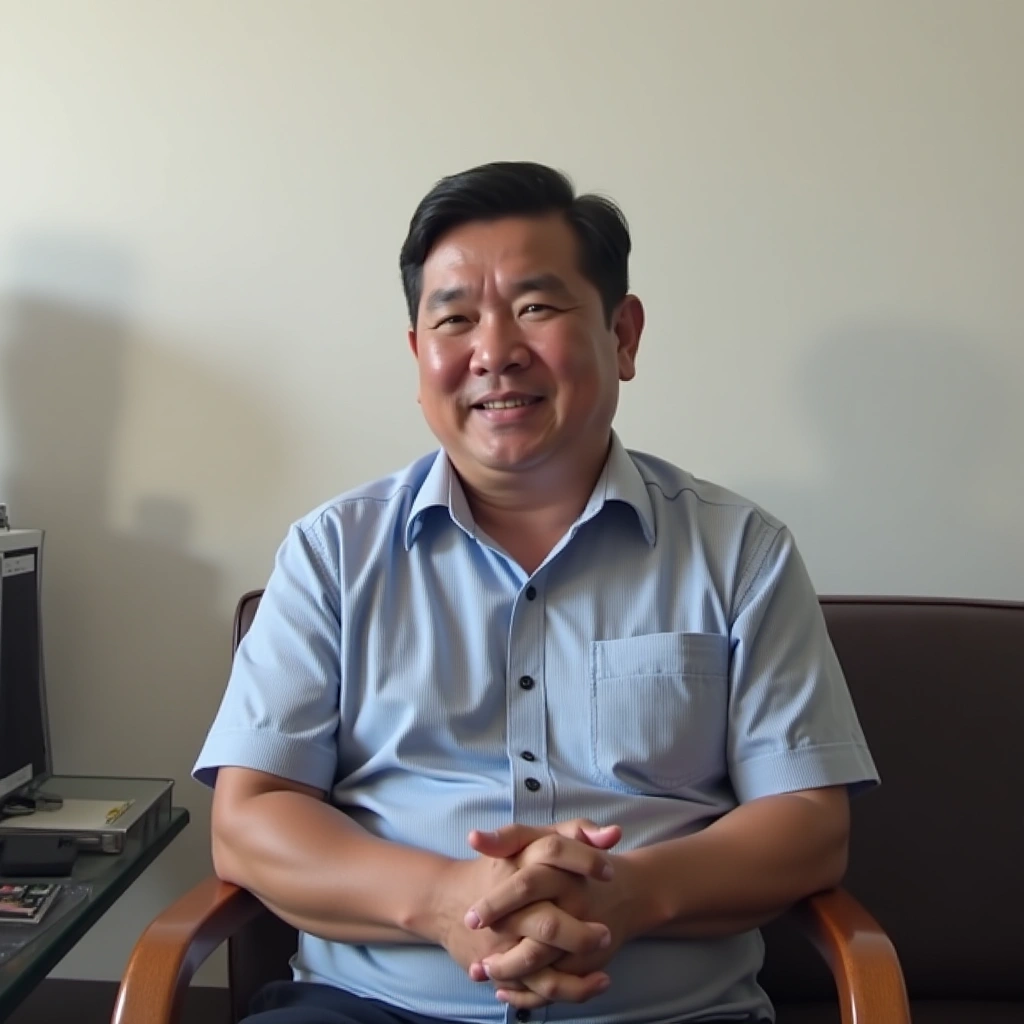
MANILA: Indonesian President Prabowo Subianto apologised on Sunday (Nov 15) for the transboundary haze from forest and land fires in his country that has affected Singapore and Malaysia , according to a statement from the Indonesian Presidential …
There are a few things you can count on in Southeast Asia: humidity, excellent food, and, depressingly often, a grey-brown fog that drifts across national borders without bothering to show a passport. That fog has a name, transboundary haze, and this week it got something it rarely receives: a formal apology.
Indonesian President Prabowo Subianto has apologised to Singapore and Malaysia for the haze caused by ongoing forest and land fires in Indonesia. He delivered the apology on Sunday during the 49th ASEAN Leaders’ Summit in Manila, according to reports from CNA and the South China Morning Post. He also said the Indonesian government has been working to address the situation.
After months of persistent fires and smoky skies, residents of both neighbouring countries could be forgiven for responding with a polite nod and a slightly wheezy cough.
What Actually Happened
The facts are short and fairly simple:
– Indonesian President Prabowo Subianto.
– Singapore and Malaysia.
– Transboundary haze from forest and land fires burning within Indonesia.
– The 49th ASEAN Leaders’ Summit in Manila.
– Sunday.
– Sorry, and we’re working on it.
The fires have gone on for months, and the haze has affected communities in both Singapore and Malaysia. This was not a one-weekend inconvenience you can solve by postponing a barbecue. It has been a long stretch of hazy skies.
Why an Apology Matters, Even If It Doesn’t Clear the Air
To be clear, an apology does not filter anything. No air purifier has a “diplomatic remorse” setting. Still, in regional politics, saying sorry carries real weight.
ASEAN has long valued consensus and non-interference, which usually means member states avoid publicly criticising one another. In that setting, a head of state standing up at a regional summit and acknowledging that his country’s problem has spilled onto the neighbours is notable. It tells Singapore and Malaysia that their complaints have been heard at the highest level.
The venue also matters. Prabowo didn’t post a vague statement late on a Friday and hope nobody noticed. He apologised at a gathering of the region’s leaders, which is about as public as Southeast Asian diplomacy gets.
The Haze: A Recurring Guest Nobody Invited
If you live in the region, none of this will come as a shock. Haze from fires in Indonesia has returned many times over the years, usually during the drier months. The fires are often linked to land clearing, and peatland fires in particular are notoriously hard to extinguish once they start. Peat can smoulder underground, which makes it a firefighter’s nightmare and an excellent producer of smoke.
Wind patterns then carry that smoke across the water to Singapore and Malaysia. The result is a familiar routine: people check air quality readings, schools and outdoor events get disrupted, masks reappear, and everyone develops strong opinions about which air purifier to buy.
The region has tried to tackle the problem collectively. ASEAN member states have an agreement on transboundary haze pollution, signed back in 2002, intended to get countries cooperating on prevention, monitoring, and response. Agreements are nice. Agreements that stop fires from starting are nicer. The fact that we’re reading about another apology suggests the gap between the two hasn’t fully closed.
“We’re Working on It”
Prabowo’s assurance that the government has been working to address the situation is the part people will watch most closely. The reports don’t spell out exactly what those efforts include, so it would be unfair to fill in the details with guesswork.
What we can say is that addressing haze tends to involve two separate challenges. The first is putting out fires that are already burning. The second, harder one is stopping new fires from being set or spreading. The first is an emergency response. The second involves land management, enforcement, and economic incentives, which is the kind of slow, unglamorous work that rarely makes headlines but actually shifts the forecast.
An apology addresses the past. Prevention addresses the future. Ideally, the neighbours get both.
How Singapore and Malaysia Might Be Feeling
Picture the experience of a resident in either country. For months you’ve been checking the air quality before deciding whether to go for a run, whether the kids should play outside, or whether to keep the windows shut and the fan running at full blast. Then the news arrives: the president of Indonesia says sorry.
The reaction is probably mixed. There’s some appreciation, because acknowledgement is better than denial or silence. There may also be a dash of weary scepticism, because the haze has come back before, and people would quite like to stop having this conversation every few years.
Both reactions are reasonable. An apology can be sincere and still leave people wanting results.
The Bigger Picture for ASEAN
Haze is one of the clearest examples of a problem that ignores borders. One country can’t fix it alone, and the countries that suffer most from the smoke can’t fix it at the source. That makes it a real test of how well regional cooperation works.
A public apology at an ASEAN summit is a step toward the honesty that cooperation needs. You can’t jointly solve a problem if nobody admits it exists. The next steps are less dramatic but more important: sustained effort on the ground, continued communication between governments, and hopefully fewer seasons where the skyline disappears behind a smoky curtain.
The Bottom Line
President Prabowo apologised to Singapore and Malaysia for months of transboundary haze caused by forest and land fires in Indonesia, delivering the message at the 49th ASEAN Leaders’ Summit in Manila and saying his government is working on the problem.
It’s a meaningful gesture and a welcome dose of accountability. But the people of Singapore and Malaysia will ultimately judge it by one simple measure: whether they can look up and see blue sky.
Until then, keep the masks handy, keep checking those air quality readings, and keep hoping that the next headline about haze is the one announcing it’s gone for good.
Inspired by: “Indonesia President Prabowo apologises to Singapore, Malaysia over transboundary haze” (r/News)