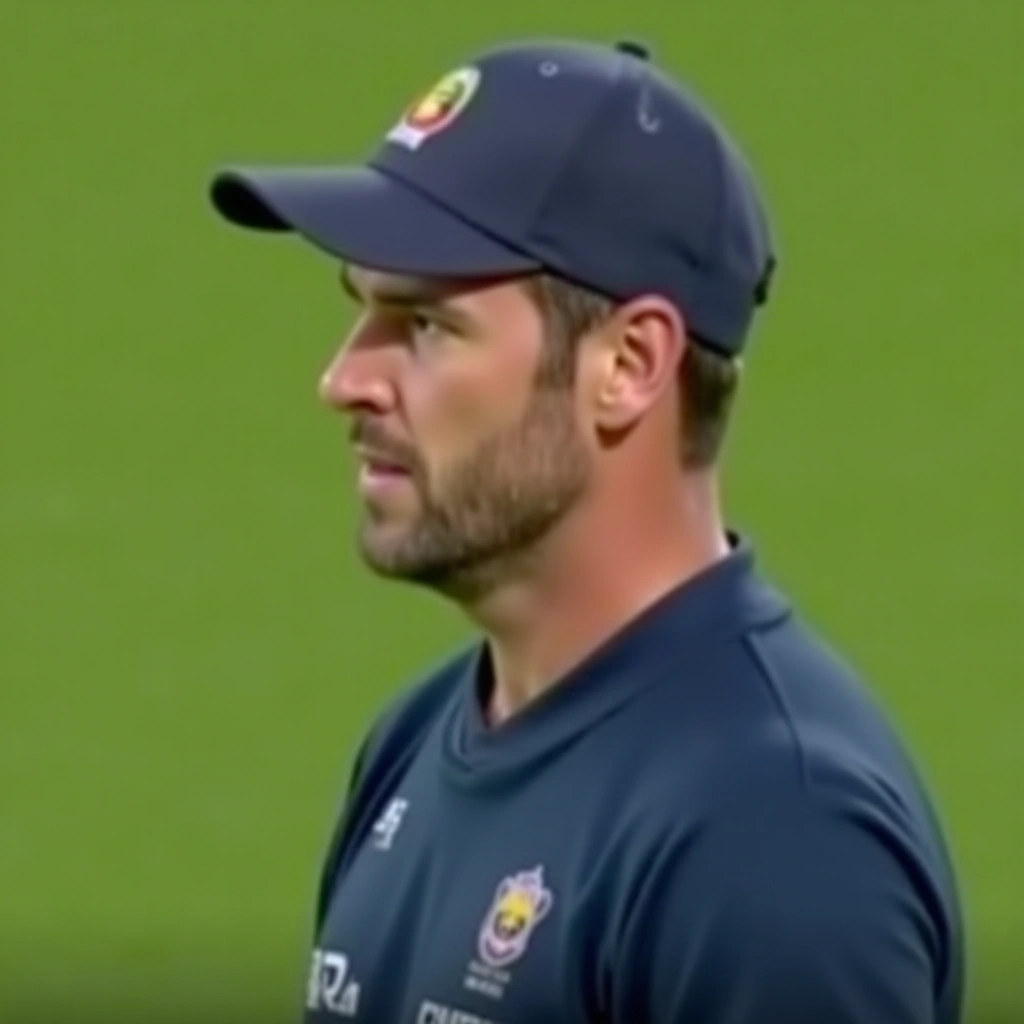
The South Africa rugby boss Rassie Erasmus has been handed a six-match ban after his comments about match officials following the Springboks defeat to France. The coach, 54, made reference to "match-fixing" in wide-ranging comments on Monday …
There are a few things you can count on in international rugby. Scrums will collapse, someone will argue about a forward pass, and at some point a head coach will say something about the referees that he probably should have run past a lawyer first. This time it’s South Africa head coach Rassie Erasmus, and World Rugby has decided his commentary deserves a six-match ban.
Yes, six matches. Not a stern letter or a quiet chat over coffee about choosing your words. A proper ban.
What Happened
World Rugby has banned Erasmus for six matches over comments he made about match officials. Several outlets covered the story, including BBC News, the Irish Examiner, TheJournal.ie, the NZ Herald and The Sun. If you read all five, you’ll notice something fun: the facts are the same, but the tone ranges from “measured public broadcaster” to “someone has spilled a pint in the tabloid newsroom.”
The Irish Examiner traced the ban back to an “explosive Dublin press conference.” The NZ Herald kept it simple: a six-game ban for referee comments. The Sun went full Sun, describing Erasmus as “slapped” with a “SIX-GAME ban” (capital letters theirs, not mine) after a “furious match-fixing rant.”
That last phrase is the tabloid’s framing, so treat it with the usual pinch of salt you’d keep handy for a red-top headline. Still, whatever words you pick, they were strong enough for World Rugby to step in.
The Saturday Problem
TheJournal.ie pointed out the practical, immediate effect: Erasmus is banned from the Aviva Stadium for the Ireland match on Saturday.
That’s the bit that stings. It’s one thing to get banned from a dull fixture nobody will remember by Tuesday. It’s quite another to be barred from the ground for a South Africa versus Ireland game in Dublin. These matches carry real weight, and missing one in person is a big deal for any coach, let alone one as hands-on as Erasmus.
There’s also some irony in the setting. The press conference that apparently lit the fuse took place in Dublin, and the first match he’ll miss is in Dublin. If you were writing this as a sports drama, your editor would tell you it was a bit on the nose.
Why World Rugby Cares So Much About Referee Comments
You might be thinking: it’s just words. Coaches complain about referees in every sport, and if criticising officials were a crime, half of all pub regulars would be in prison.
The difference is that rugby, more than most sports, makes a point of protecting its officials. Respect for the referee is treated as close to sacred. Players are expected to address the ref respectfully, captains do the talking, and backchat gets punished. When a head coach of a top international side goes after officials publicly, governing bodies tend to see it as a threat to that culture rather than just a grumpy man with a microphone.
There’s a practical side too. Referees at the top level already work under a staggering amount of scrutiny. Every decision gets replayed, slowed down and picked apart by millions of viewers. When a high-profile coach adds fuel to that fire, it raises the temperature for officials who, last time anyone checked, are human beings doing a very difficult job.
So from World Rugby’s point of view, a six-match ban isn’t only about punishing one man. It’s also a message to every other coach thinking about turning a post-match press conference into a one-man tribunal.
Is Six Matches Too Much?
This is where opinions will split, probably along national lines and probably very loudly.
Supporters of the ban will say this is exactly the sort of thing that needs a firm response. If the sport wants to protect referees, it can’t just wag a finger when someone with a big platform crosses the line. Six matches is long enough to hurt, which is rather the point.
Critics will argue that coaches should be allowed to raise concerns about officiating, and that heavy punishments risk shutting down legitimate debate. There’s a reasonable conversation to be had about where the line sits between fair criticism and something more damaging. Saying “I think the referee got some big calls wrong” is one thing. Suggesting anything sinister about the officials is another, and if The Sun’s “match-fixing rant” description is anywhere near the mark, that’s the side of the line World Rugby clearly thought this fell on.
Personally, I’d say if you’re a head coach and your comments get described with the word “explosive” by one paper and “furious” by another, you probably didn’t nail the diplomatic approach.
What It Means for South Africa
In the short term, the Springboks will have to get through at least the Ireland match without their head coach present at the stadium. Teams at this level have deep coaching staffs, and preparation for big games happens long before kick-off, so it’s not as though the players will be wandering around the pitch asking where the try line is.
Still, there’s an obvious difference between having the boss there on the day and not having him there. Matchday decisions, half-time adjustments, the general sense of authority in the room: these things matter, and losing them for a fixture of this size is a genuine setback.
Over six matches, the effect builds up. It’s a long stretch to be kept away from your own team on matchday, and the staff around him will have to step up and handle more of the visible leadership.
The Bigger Picture
Rugby has a long-running and slightly awkward relationship with officiating controversy. The game is complex, the laws are famously tricky, and the gap between what one fan sees as a clear penalty and what another sees as a scandalous injustice is often about two seconds of replay footage.
That makes it all the more important, at least from the governing body’s perspective, that the people at the top of the game don’t pour petrol on every disagreement. Fans will always shout at referees. That’s practically a birthright. Coaches with international platforms are held to a higher standard, whether they like it or not.
The Erasmus ban is a clear signal that World Rugby is willing to enforce that standard against one of the most prominent figures in the sport. Whether that changes how other coaches speak in the future remains to be seen. Somehow I suspect the post-match press conference will survive as a source of drama.
Final Whistle
So, to sum up: a head coach said things about match officials, World Rugby didn’t like them, and now he’s banned for six matches, including the Ireland game at the Aviva Stadium on Saturday. Depending on which outlet you read, this was either a serious disciplinary matter or the sporting equivalent of a soap opera cliffhanger.
The lesson for coaches everywhere is pretty simple. If you’ve got concerns about refereeing, there are official channels for raising them. The microphone at a press conference in a rival’s home city is probably not one of them.
Inspired by: “South Africa head coach Erasmus banned for six matches” (r/News)