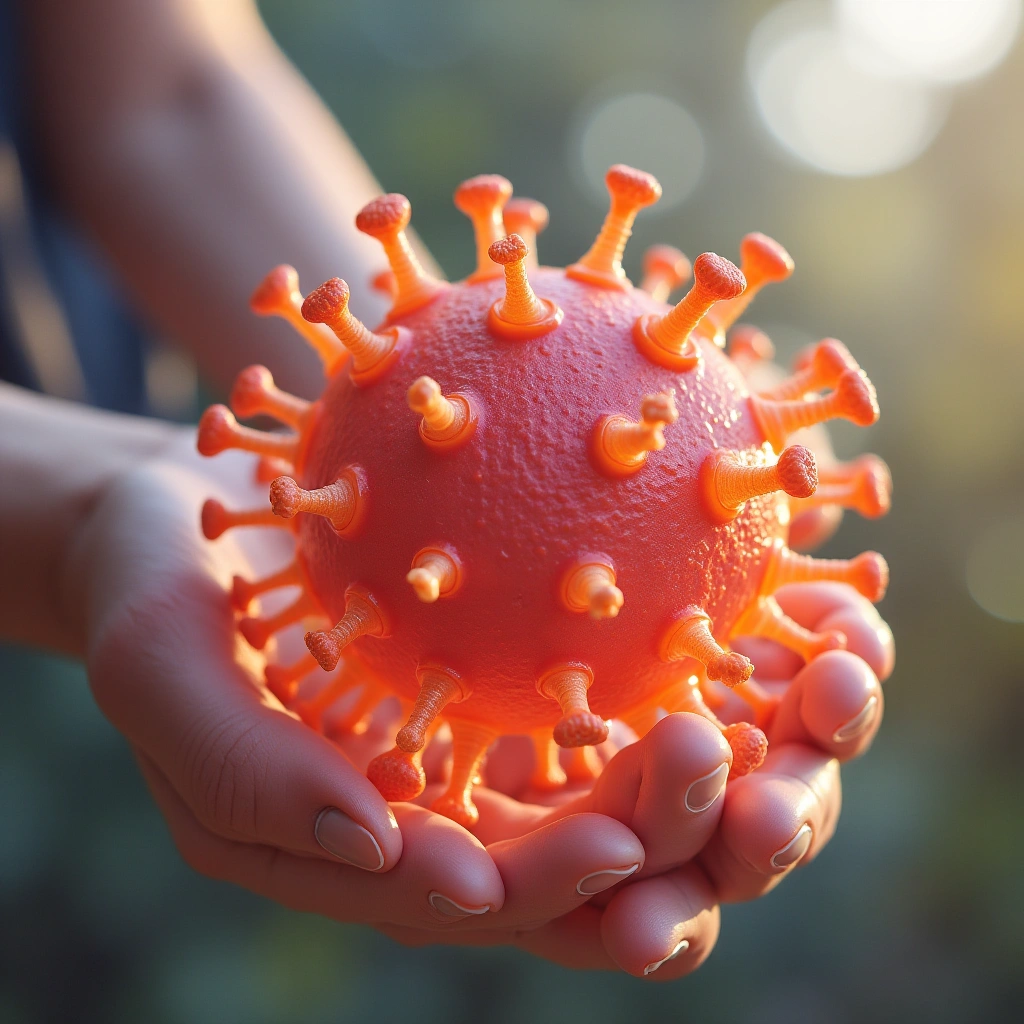
Measles is no longer eliminated in the U.S. , a United Nations commission determined, reversing one of the country’s greatest public health achievements this century.
Some achievements take decades to earn and surprisingly little effort to lose. Ask anyone who has watched a perfect attendance record die on the last day of school. Now the United States can relate on a national scale: according to the Pan American Health Organization (PAHO), the country has officially lost its measles elimination status, a distinction it had held since 2000.
That’s more than 25 years of being able to say, with a straight face, that measles was no longer circulating here. And now we can’t. Cool. Great. Love that for us.
What Does “Elimination Status” Even Mean?
First, a quick clarification, because “elimination” sounds a lot more final than it is. Elimination does not mean measles vanished from the planet, never to bother anyone again. That would be “eradication,” which is the gold medal of public health, and humanity has only pulled it off for a very small number of diseases.
Elimination means something more modest but still very meaningful: the disease is no longer spreading continuously within a country. Cases can still pop up, usually when someone catches measles abroad and brings it home like the world’s worst souvenir. But in a country with elimination status, those outbreaks get contained before the virus can settle in and make itself comfortable.
The key threshold is time. If measles transmission continues uninterrupted for more than 12 months, a country loses its elimination status. That’s the line the US has now crossed, according to PAHO.
How We Got Here
The numbers behind this decision are not subtle. Over the past two years, the US has reported more than 7,700 measles cases and more than 10 deaths. For a disease the country had effectively stopped from spreading at the turn of the millennium, that is a stunning reversal.
And unlike some public health mysteries that keep scientists up at night, this one doesn’t require a dramatic investigation. The loss of elimination status has been attributed to rising anti-vaccine sentiment and declining vaccination rates. In other words, the plot twist is that there isn’t much of a plot twist.
Measles is famously contagious, one of the most contagious diseases out there. It needs a high level of community immunity to be kept in check. When vaccination rates slip, the virus doesn’t politely wait for a debate to conclude. It just finds the gaps and moves in.
A Quick Reminder About Why Measles Is Not a Minor Inconvenience
There’s a certain strain of thinking that treats measles as a nostalgic childhood rite of passage, like scraped knees or getting your first library card. It is not that.
More than 10 people have died in this recent stretch. Each of those deaths came from a disease that the country had the tools to keep out of circulation. That’s the part that should sting the most. This isn’t a story about a new, unknown threat outpacing science. It’s a story about a well-understood threat returning because the defenses got weaker.
The “Cases Remain Low Here” Angle
Coverage of the announcement has come from a range of outlets, including The Hill, WGN-TV, ABC7 San Francisco, the Chicago Sun-Times, and The Straits Times. The Chicago Sun-Times noted that cases remain low in Illinois, which is genuinely good news for Illinois.
But it’s also a useful reminder of how national status works. Elimination status isn’t handed out state by state like participation trophies. It reflects the country as a whole. A few states doing well doesn’t cancel out sustained transmission elsewhere, the same way one roommate doing the dishes doesn’t mean the apartment is clean.
That said, low local numbers matter. They show that areas with strong vaccination coverage can still hold the line, which is the entire point.
Why This Is Embarrassing on the World Stage
The Straits Times framed it as the US losing a status held for nearly three decades, and international coverage is part of what makes this sting. The United States has long positioned itself as a leader in medicine, research, and public health. Losing measles elimination status is a bit like a famous chef getting a health code violation for forgetting to wash their hands. Technically fixable, but awkward.
It also matters regionally. PAHO tracks elimination across the Americas, and progress against measles in the region depends on countries keeping their own outbreaks contained. When one large country starts letting the virus circulate, that’s not a purely domestic problem.
Can the US Get Its Status Back?
Yes, and this is the hopeful part. Elimination status is not a one-time lifetime award. A country can regain it by stopping sustained transmission. The path back is not mysterious either: raise vaccination rates, contain outbreaks quickly, and keep the virus from finding new pockets of unprotected people for long enough to break the chain.
The hard part isn’t the science. The hard part is persuasion, trust, and convincing enough people that the thing that worked for 25 years is still worth doing. That’s a messier challenge than developing a vaccine, which, conveniently, we already have.
The Bottom Line
The United States held measles elimination status since 2000. After more than 7,700 cases, over 10 deaths, and more than 12 months of uninterrupted transmission, PAHO says that streak is over. The main culprits named are rising anti-vaccine sentiment and falling vaccination rates.
It took years of work by health officials, doctors, and families to get measles out of regular circulation. It took a lot less to let it back in. The good news is the door can be closed again. The less good news is that someone has to actually close it.
So if you’ve been meaning to check your vaccination records, now’s a fine time. Consider it your small contribution to winning back a title the country really shouldn’t have lost in the first place.
Inspired by: “US loses measles elimination status after more than 25 years” (r/Local)