Cinq ans après la création de … qui met le paddock face à une évidence gênante : la F1 parle beaucoup de diversité, mais ne sait toujours pas vraiment la mesurer ….
Formula One is a sport obsessed with speed. Teams spend fortunes to shave a tenth of a second off a lap time. Engineers lose sleep over airflow. Pit crews change four tyres faster than most of us can find our car keys. So there is a certain irony in Lewis Hamilton having to tell the sport, essentially, that it is moving too slowly.
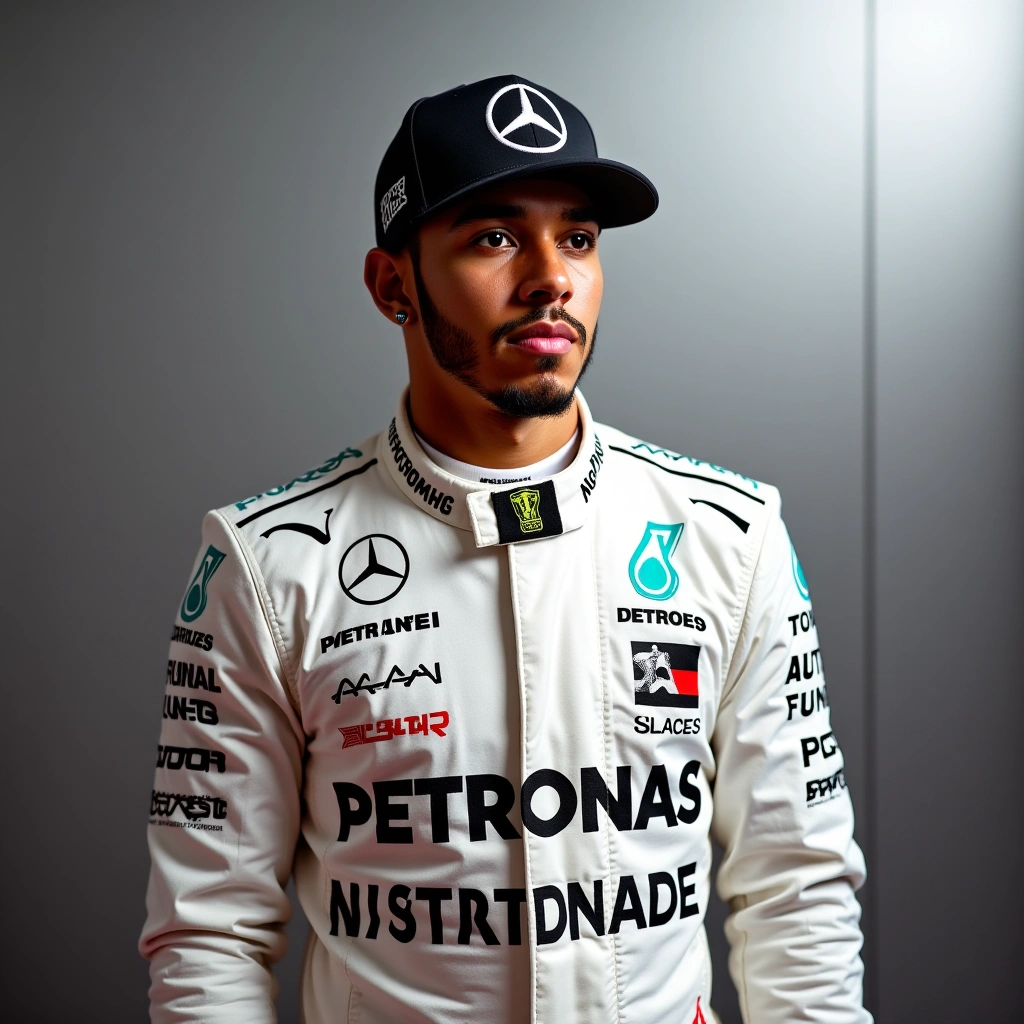
But that is exactly what he has done. Hamilton has urged Formula One to “push harder and move faster” on diversity and inclusion, arguing that the sport’s future depends on tackling inequality. Coming from a seven-time world champion who also happens to be the first and only Black driver to race in F1, this is not a casual suggestion lobbed from the sidelines. It is a lap-by-lap breakdown of where the sport is losing time.
The Report: “Igniting Inclusion”
The message arrives with a report attached, which is always a sign someone means business. Hamilton’s foundation, Mission 44, has released a report titled “Igniting Inclusion.” It is not just a vague call for everyone to be nicer to each other. It comes with specific recommendations and, crucially, a price tag.
The headline figure: the report calls for at least £50 million (around $66 million) to be invested over five years to build career pathways for young people from underrepresented backgrounds.
Now, £50 million sounds like a lot of money, and to most normal humans it is. In Formula One terms, though, let’s just say it is not the kind of sum that makes accountants faint. This is a sport where budgets are discussed in the hundreds of millions and where the cost cap exists precisely because teams were spending like there was no tomorrow. Spread across five years and an entire industry, the ask is ambitious but hardly outlandish.
What the Report Actually Wants
Beyond the funding, “Igniting Inclusion” makes a couple of very practical recommendations.
1. Publish the data. The report recommends that Formula One publish data on the demographics of people working within the sport. This might sound dull, but it is arguably the most important part. You cannot fix what you refuse to measure. It is hard to claim progress, or to be held accountable for a lack of it, if nobody can see the numbers. F1 teams measure tyre temperatures, fuel loads and the exact angle of a front wing flap. Measuring who actually works in the sport does not seem like too much to ask.
2. Guarantee paid early-career opportunities. The report also recommends that teams guarantee paid early-career opportunities. This one targets a quiet but significant barrier. Unpaid internships and informal “get your foot in the door” arrangements tend to favour people whose families can afford to support them while they work for free. If your route into the sport depends on being able to live in an expensive part of the country without a salary, the talent pool shrinks to the people who can afford to try. Paying young people for their work is not a radical concept. It is, in most industries, just called a job.
Why This Matters to F1
Hamilton’s argument is not simply that diversity is a nice idea. His point is that the sport’s future depends on it. And there is a reasonable logic there.
Formula One has enjoyed a surge in global popularity in recent years, with a wider and younger audience tuning in. A sport that wants to keep growing has an interest in making sure the people building the cars, running the strategy and making the decisions reflect a broader slice of the world watching it. Otherwise, it risks being a global spectacle run by a very narrow group of people.
There is also the simple matter of talent. Somewhere out there is a teenager who could become a brilliant aerodynamicist, data engineer or race strategist but who has never been shown a route into motorsport. Every one of those people who gets filtered out by cost, connections or lack of opportunity is talent the sport never gets to use. For an industry that will happily spend a fortune chasing marginal gains, ignoring a whole pool of potential seems like an odd strategy.
Not the First Lap of This Conversation
Hamilton has been pushing on this issue for years, and Mission 44 exists specifically to support young people from underrepresented groups and help them into careers in fields like engineering and motorsport. This new report reads like a progress check. The implied message is that some things have happened, but nowhere near quickly enough.
That is where the “push harder and move faster” phrasing lands. It is not an accusation that F1 has done nothing. It is a nudge, delivered with the confidence of someone who knows a thing or two about pace, that steady and incremental is not the same as fast.
So, Will F1 Listen?
That is the big question. The recommendations are concrete, which makes them harder to wave away with a nicely worded statement and a stock photo of smiling apprentices. Publishing demographic data and guaranteeing paid early-career roles are measurable commitments. Either they happen or they don’t.
Formula One is very good at announcing initiatives. It will be interesting to see whether it is equally good at delivering the boring, structural changes that actually move the needle. Funding pathways, opening up data and paying young people properly are not glamorous. They will not make the highlight reel. But they are the kind of changes that, over five years, could genuinely shift who gets to work in the sport.
The Bottom Line
Lewis Hamilton has spent his career being told what is and is not possible in Formula One and then proving people wrong. Now he is turning that energy toward the sport itself, armed with a report, a funding target and a clear set of demands.
The ask is straightforward: invest at least £50 million over five years, be transparent about who works in the sport, and stop expecting young people to work for free. For a sport built entirely around going faster, being told to speed up should not be a difficult concept to grasp. The question is whether F1 will treat diversity with the same urgency it gives to finding an extra tenth on the stopwatch, or whether it will keep cruising in the slow lane and hope nobody notices.
Inspired by: “Lewis Hamilton urges F1 to ‘push harder and move faster’ on diversity” (r/News)