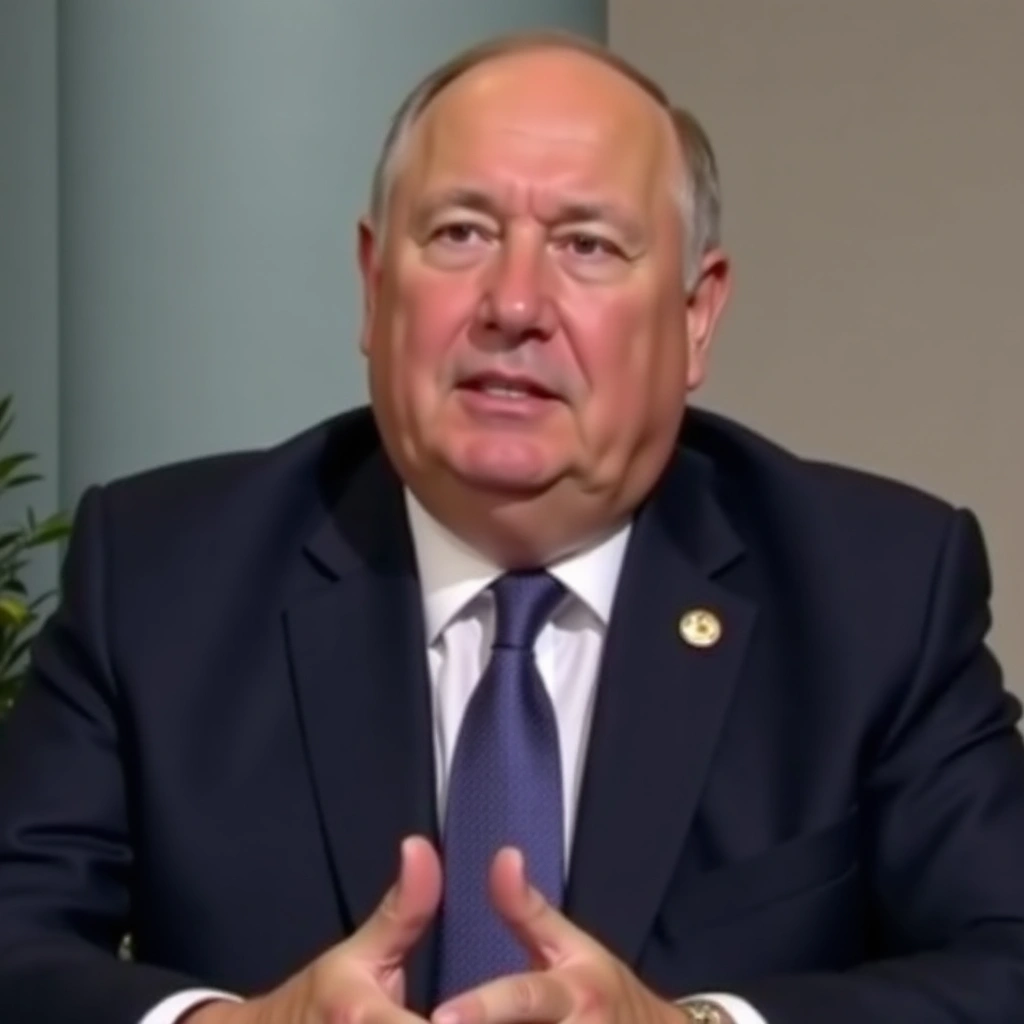
‘ I say very directly to President Putin: end your war, end it now ,’ Anthony Albanese told the Russian president during a speech at Apec in China.
There are plenty of ways to make a point at an international summit. You can give a carefully worded communique, you can shake hands for the cameras, or you can stand up in front of the world’s leaders and basically say, ‘Stop it.’ Anthony Albanese went with the third option at the APEC summit in Shenzhen, and the headline writers across Australian media were quick to pounce on it.
The line that landed everywhere was ‘End your war, end it now.’ It was aimed directly at Russian President Vladimir Putin, and it was delivered during a speech to world leaders. Whether you read that as bold diplomacy or a polite but firm nudge, it’s hard to miss. Diplomats usually prefer their criticism wrapped in several layers of cushioning language, so a direct appeal like this stands out.
Why bring it up at a trade summit?
APEC, the Asia-Pacific Economic Cooperation forum, is primarily about trade and economic cooperation, not security or war. So it might seem odd that a conflict thousands of kilometres away was front and centre. But Albanese’s argument was that the war is not just a European problem. He pointed to the way it is disrupting trade and adding to economic pressures, which hit everyone, including countries that have nothing to do with the fighting.
That’s a fair point. When supply chains wobble, energy prices climb, and food and fertiliser markets get jittery, the bill lands in households and businesses far from any battlefield. Anyone who has tried to buy groceries or fill up a car in the past few years already knows that. Albanese was essentially saying: this is why it matters to you, even if you’re in a room discussing tariffs and shipping routes.
The five-year problem
The conflict has now dragged on for about five years since Russia’s full-scale invasion of Ukraine. That is a long time for any war, and long enough that some people have started to treat it as background noise. Speeches like this are a reminder that it is still very much happening, and that the human and economic costs keep piling up.
Talks, terms and the awkward reality
Reports around the summit suggested Russia is expected to push for favourable terms in upcoming discussions involving the United States and China about ending the war. That’s where things get messy. Anyone hoping for a clean, fair settlement will need to accept that negotiations rarely feel fair to the side that is losing ground, and that the party with the upper hand tends to ask for the most. Albanese’s message, in effect, was that whatever deal emerges should bring the fighting to a stop, rather than simply rewarding whoever can hold out longest.
So, did it work?
That’s the question everyone asks after a speech like this, and the honest answer is: probably not in any immediate, visible way. Wars don’t usually end because a leader at a trade forum said so. Still, public statements like this serve a purpose. They put a position on record, signal where Australia stands, and keep pressure on the conversation when peace talks start to take shape. Diplomacy is often less about dramatic breakthroughs and more about steady, repeated messages until someone finally decides the cost of continuing is too high.
It’s also worth noting how unusual it is for a leader to speak so directly to a head of state who is not in the room. Politicians tend to talk about ‘parties to the conflict’ rather than naming names. Albanese chose the blunt approach, which makes for a good headline and an even better talking point for his supporters. Critics might say it’s easy to lecture from a distance, and that’s a fair observation, but the underlying message is one most people in the room could probably agree with: please stop the war.
For now, the words are on the record, the headlines are written, and the negotiations are still to come. Whether ‘end it now’ turns into anything more than a memorable quote will depend on what happens next, and on whether anyone at the table is actually listening.
Inspired by: “‘End your war, end it now’: Anthony Albanese tells Vladimir Putin to put a stop to Ukraine war” (r/News)