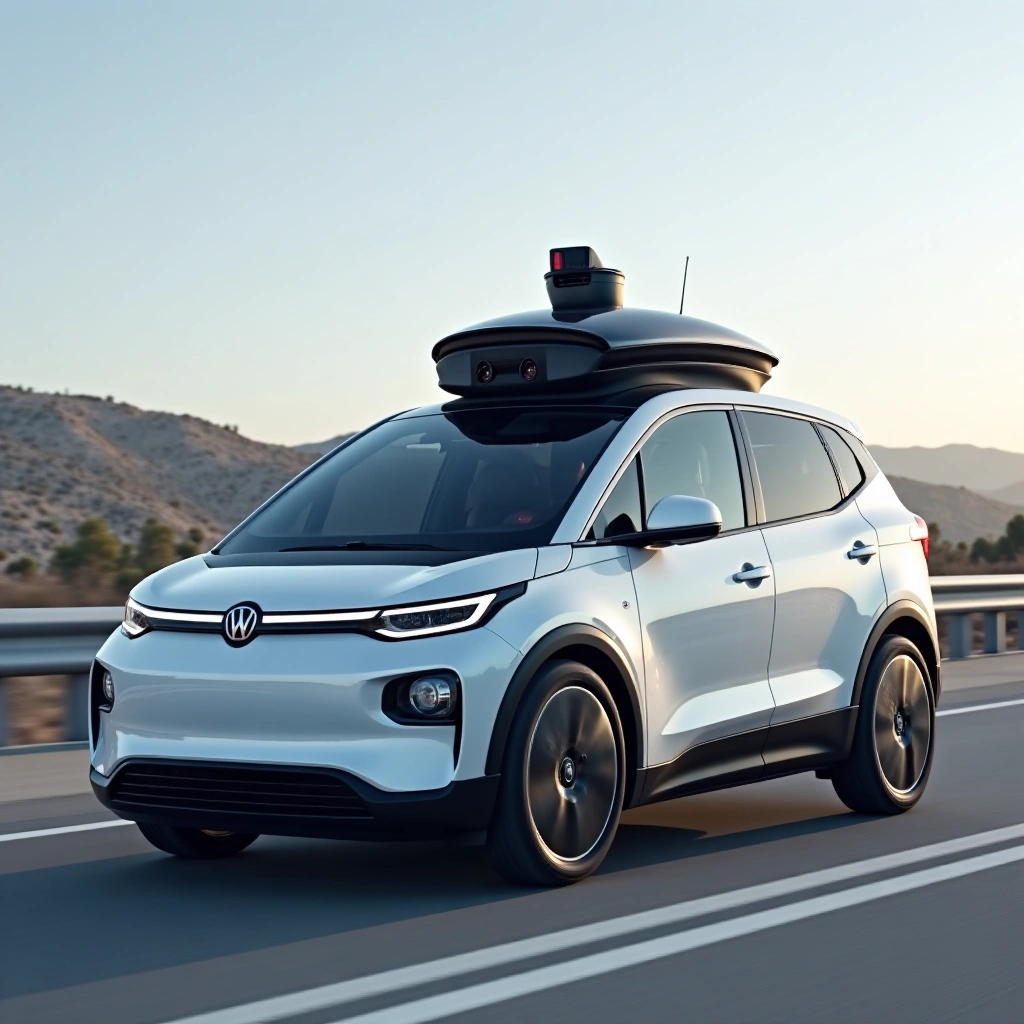
The California DMV has ordered Waymo to suspend freeway service following a series of high-profile mishaps, including one on Interstate 280 that became grist for a viral video.
If you’ve ever white-knuckled your way through a freeway merge, you already know that highways are not the place to test your patience. Now imagine the person next to you is a computer that is supposed to be better at this than you are. That’s the awkward situation California regulators have decided to address, and their answer is essentially ‘not on the freeway, thanks.’
The California Department of Motor Vehicles has banned Waymo’s autonomous vehicles from operating on state freeways. The agency cited public safety concerns following several incidents. According to reports, those incidents included multiple cases of Waymo vehicles entering active construction zones and attempting to pass emergency vehicles. Neither of those is the kind of thing you want a robot doing on a busy highway, and both are the sort of thing that makes a safety regulator reach for the paperwork.
The restrictions went into effect November 11th, and they will stay in place until Waymo demonstrates that it has addressed the problems. In other words, the ban isn’t a permanent verdict. It’s more like being told you can come back to the big leagues once you show you’ve fixed the thing that got you benched. That’s a fairly reasonable bar, though it does leave the company with some homework and a timeline that depends on how convincing that homework looks.
Why does this matter so much? Driverless ride services operate most visibly on city streets, but freeways are a different beast. Speeds are higher, lanes are more crowded, and mistakes happen faster. A construction zone on a highway often comes with shifting lane lines, cones, temporary barriers, and sometimes workers standing close to traffic. Emergency vehicles add another layer: they require drivers to pull over, slow down, or change lanes in ways that depend on reading the situation and responding quickly. Human drivers still make these mistakes, but we at least have a shared set of expectations about how a person should behave when sirens are approaching.
The coverage of this story has been widespread. Local outlets such as ABC7 in both the Bay Area and Los Angeles reported on the order, and the San Francisco Standard framed it as the DMV kicking Waymo off California freeways. KTLA, CNN, and KQED also covered it, with KQED pointing to the agency’s language about a ‘hazard to public safety.’ Unite.AI and TechCrunch covered the story too, and TechCrunch’s headline noted that Waymo suspended freeway rides nationwide following the California DMV order. That detail is worth paying attention to, because it suggests the company is not treating this as a small, local problem.
So what happens next? The most likely path is that Waymo works on the specific behaviors that caused concern, shows regulators that its system handles construction zones and emergency vehicles appropriately, and then gets permission to resume freeway service in California. Whether that happens quickly or slowly depends on how persuasive the evidence is, and that part is up to the DMV.
The bigger takeaway is a little less dramatic. Self-driving technology is not magic, and regulators are not trying to kill it. They’re just making sure that when a driverless car is doing ninety on a freeway, it knows what to do when the road turns into a construction site or when an ambulance comes up fast behind it. Honestly, that seems like a pretty low bar. It’s also a good reminder that ‘it works most of the time’ is not the same thing as ‘it’s ready for everything,’ and the freeway is where that difference gets very expensive.
Inspired by: “DMV bans Waymo driverless vehicles from California freeways after safety mishaps” (r/Local)