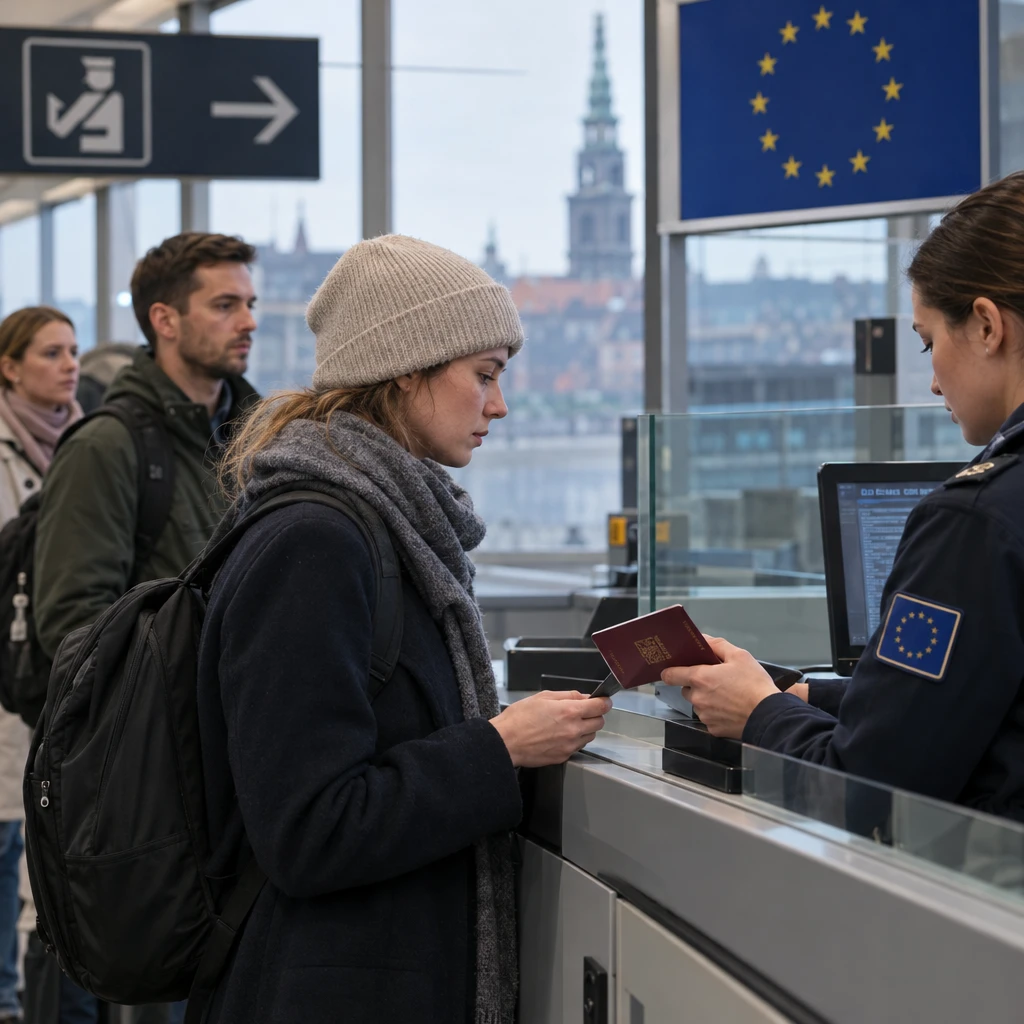
Denmark proposed a halt to tourist visas for Russian citizens and a Schengen-wide refusal to recognize Russian non-biometric passports .
When a government says it wants to make life harder for a whole group of people, it usually doesn’t sound like the start of a holiday planning guide. Yet that’s essentially where things stand after Denmark asked its fellow European Union members to tighten access for Russian nationals.
The push follows the thwarting of an alleged assassination attempt that Denmark links to Russian intelligence. According to a message Copenhagen sent to EU governments, which reporters have seen, Denmark is proposing two main measures. The first is halting tourist visas for Russian citizens. The second is a policy across the Schengen zone under which member states would stop recognizing Russian passports that aren’t biometric. Denmark’s stated aim is to show that Europe can act together and look firm when it comes to Moscow.
If you’ve never thought much about passports, here’s the short version of why the second proposal matters. Biometric passports contain a chip that stores data such as a facial image, making identity checks harder to fake. Older non-biometric passports lack that chip and are generally considered easier to forge or misuse. Refusing to recognize them would, in theory, leave Russian travelers with a bit of paperwork to sort out before they can cross into the Schengen area. In practice, that’s a lot of friction, and friction is exactly the point.
The Schengen zone is a big deal here. It’s a group of European countries that have largely abolished internal border checks, so a traveler who gets through one member’s border can usually move freely across many others. That convenience is also why any tightening at the external edge gets so much attention. A single rule, if adopted, would apply across a huge stretch of the continent, and that’s what makes Denmark’s approach ambitious. It isn’t asking one country to act alone. It’s asking the bloc to move as one.
Why does this matter beyond the bureaucratic details? For starters, it signals how seriously some European governments are taking Russian intelligence activity on their soil and beyond. An alleged plot to kill someone is not a small thing, and governments tend to respond to that kind of threat with measures that are visible, symbolic, and hard to dismiss. Tourist visas and passport recognition are about as visible as policy gets. Nobody can say they didn’t notice.
There is also a tension worth mentioning. Europe has spent years trying to balance security with openness, and visa policy sits right in the middle of that balancing act. Restricting tourist access for an entire nationality raises practical questions. Not every Russian citizen is a government agent, and many have their own reasons to oppose their government. Critics may argue that broad restrictions punish ordinary people for the actions of a state apparatus. Supporters would likely respond that targeted, blanket measures are simpler to enforce than trying to vet each applicant, and that the threat level justifies them.
Then there’s the question of unity, which is exactly what Denmark says it’s after. EU members do not always agree on Russia policy. Some have been more hawkish than others, and some worry about economic or diplomatic fallout. Getting 27 governments to sign onto a shared measure is never quick, and it’s rarely clean. Whether this proposal gains traction will be a useful test of how much consensus exists right now. If it stalls, that tells you something too. If it moves forward, it could become a template for future security-driven decisions.
So where does that leave the average reader? If you’re a Russian citizen hoping to visit Paris or Copenhagen as a tourist, the outlook could get more complicated. If you’re a policy watcher, this is a case study in how a single security incident can ripple into border rules, travel documents, and diplomatic messaging. And if you’re just someone who likes to know why your next trip might involve a few more forms, it’s a reminder that passports and visas are never just pieces of paper.
The proposal is still just that: a proposal, sent in a message to member states. Its fate depends on negotiations that will be anything but quick. But the fact that Denmark felt the need to put it on the table says plenty about how European capitals are thinking about Russia right now. Expect more debate, more diplomacy, and probably more stamps to argue about.
Inspired by: “Exclusive-Denmark pushes EU to tighten curbs on Russians after foiled plot, message to member state…” (r/News)