Category: Science

  • Understanding Nuclear Reactor Pulses and Cherenkov Radiation: The Sonic Boom of Light

    Understanding Nuclear Reactor Pulses and Cherenkov Radiation: The Sonic Boom of Light

    Have you ever heard about the fascinating phenomenon that occurs during a nuclear reactor pulse? It’s a captivating interplay of physics that not only generates power but also creates an awe-inspiring visual spectacle known as Cherenkov radiation. Let’s dive deep into what happens during these reactor bursts and explore the science behind this extraordinary occurrence.

    The Basics of Nuclear Reactor Pulses

    At its core, a nuclear reactor pulse is a sudden burst of power produced during a reactor’s operation. It’s akin to a quick surge of energy that can be harnessed for various purposes, from generating electricity to scientific research. These pulses are crucial, especially in experimental reactors, where researchers seek to understand and refine the processes that govern nuclear fission.

    One of the most remarkable aspects of these power bursts is how they interact with the surrounding environment, particularly water. You see, in a nuclear reactor, water serves as both a coolant and a neutron moderator, helping to regulate the fission reactions. But when particles reach speeds exceeding that of light in water—approximately 0.75 times the speed of light in a vacuum—they create a stunning phenomenon known as Cherenkov radiation.

    What is Cherenkov Radiation?

    Cherenkov radiation is often described as a ‘sonic boom’ of light. This analogy stems from the fact that just as a sonic boom occurs when an object breaks the sound barrier, Cherenkov radiation occurs when charged particles, like electrons, travel faster than the speed of light in a particular medium. In this case, that medium is water.

    When these fast-moving particles move through the water, they disturb the electromagnetic field, creating a cascade of photons—particles of light—that emit a characteristic blue glow. This beautiful blue light is what you might have seen in images of nuclear reactors or underwater research facilities.

    The Science Behind the Glow

    The phenomenon was first observed by Russian physicist Pavel Cherenkov in 1934 and has since been a pivotal point in nuclear physics. Cherenkov radiation not only visually illustrates the principles of relativity and particle physics but also serves practical purposes. For instance, it’s used in particle detectors to identify high-energy particles and in medical imaging applications.

    Applications Beyond the Reactor

    Cherenkov radiation isn’t confined to the walls of a nuclear reactor. Its applications extend far beyond. In the realm of astrophysics, for example, scientists utilize Cherenkov telescopes to detect high-energy gamma rays from cosmic sources. These telescopes observe the Cherenkov light produced by cosmic rays when they interact with the Earth’s atmosphere, providing valuable insights into the universe’s most energetic phenomena.

    Moreover, researchers have developed methods to harness this radiation for medical imaging, particularly in cancer treatment. By capitalizing on the properties of Cherenkov radiation, doctors can improve the precision of radiation therapy, ensuring that cancerous cells are targeted while minimizing damage to surrounding healthy tissue.

    Conclusion

    In summary, the pulse of a nuclear reactor is not just a technical marvel; it’s a breathtaking display of nature’s laws at work. The creation of Cherenkov radiation during these bursts highlights the intricate dance between particles and the mediums they traverse. As we continue to explore the depths of nuclear physics and its applications, who knows what other stunning phenomena await us? The world of science is an ever-unfolding journey of discovery, and Cherenkov radiation is just one of its many luminous chapters.

    So, the next time you think about nuclear reactors, remember the beauty that lies in their power—a radiant burst of light, a testament to the wonders of physics!

  • Unleashing the Power of 33 Raptor Engines: The Future of Space Travel Is Here

    Unleashing the Power of 33 Raptor Engines: The Future of Space Travel Is Here

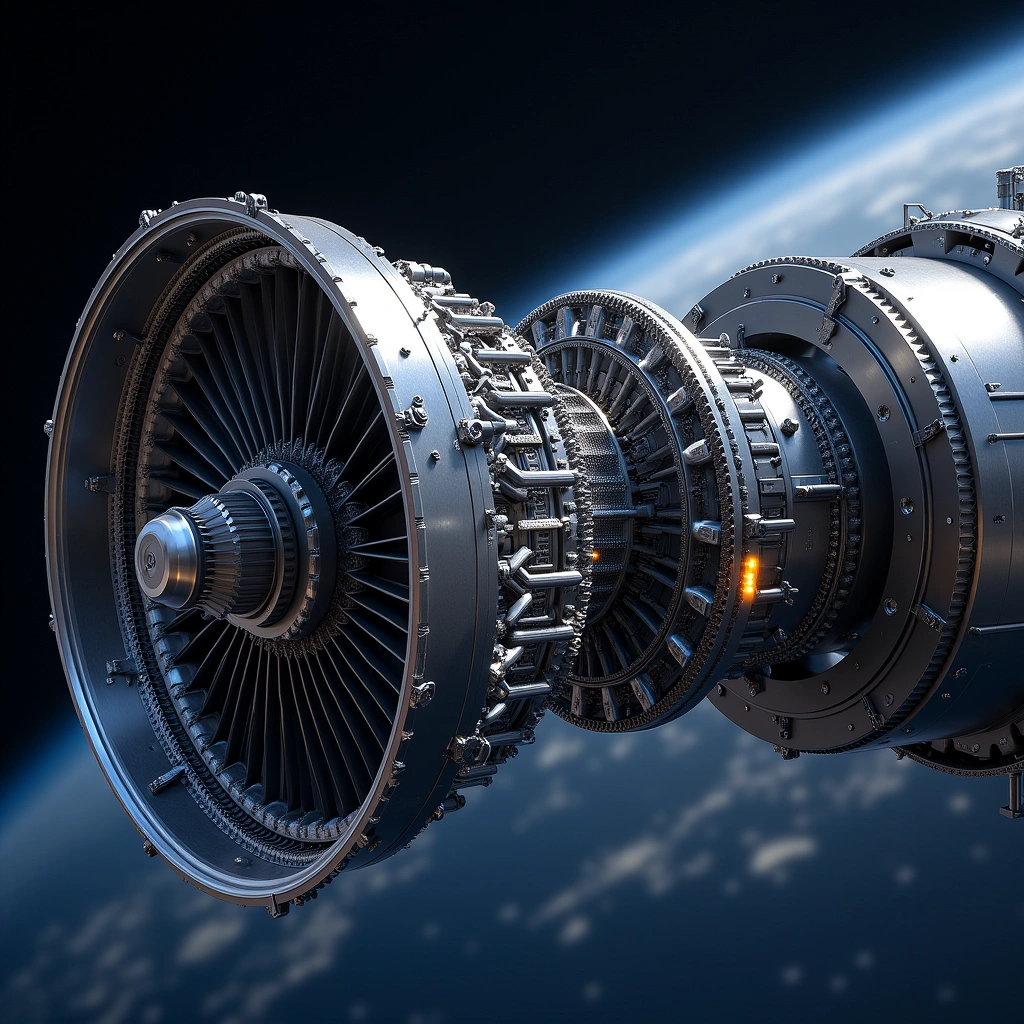
    Picture this: you’re standing in front of a rocket that has 33 Raptor engines strapped to its backside. You might think it’s a scene from a sci-fi movie, but nope, it’s the new reality thanks to SpaceX! When I first read about this, I nearly spilled my coffee in excitement—33 engines? That’s like strapping a jet engine to every one of your family members and telling them to take off!

    Now, let’s break this down. The Raptor engine is no ordinary piece of machinery. Developed by SpaceX, these engines are designed to burn a mix of liquid oxygen and methane at a level of efficiency that would make even your high school science teacher shed a tear of joy. They’re the brains behind the Falcon rockets and the soon-to-be-launched Starship, which aims to take humans to Mars and beyond. If you thought your car had horsepower, wait until you see the numbers on this beast.

    Imagine the sound of those 33 engines roaring to life. It’s the kind of noise that could make you feel like you’re at a rock concert, except instead of headbanging to your favorite band, you’re watching humanity’s next giant leap. The sheer power generated by 33 Raptor engines is enough to send a small country into orbit. I mean, who needs a gym membership when you can just launch rockets, right?

    Now, let’s address the elephant in the room (or should I say, the rocket in the launch pad?): the environmental impact. SpaceX has made strides in using methane, which is touted as a cleaner fuel option compared to the traditional rocket fuels. But let’s not kid ourselves; we’re still launching massive metal tubes into the atmosphere. It’s like trying to make a vegan burger while still throwing a barbecue party next door.

    But back to the excitement! What does this mean for the future of space travel? With SpaceX pushing the boundaries, we can expect more frequent launches, lower costs, and maybe even a vacation on Mars in our lifetime (if you can handle the flight, that is). Just imagine sipping a cocktail in a space hotel while looking at the red planet. Talk about an Instagram moment!

    Furthermore, the implications of this technology stretch beyond just getting to Mars. Think about satellite deployment, space tourism, and maybe even interstellar travel—if Elon Musk gets his way, we might just be using Raptor technology to hitch a ride to Alpha Centauri! Just don’t forget to pack a snack.

    In conclusion, the unveiling of a rocket with 33 Raptor engines is not just a feat of engineering; it’s a giant leap toward the future. So, next time you hear about SpaceX launching something, remember that they’re not just sending rockets into space—they’re sending humanity’s dreams along for the ride. Buckle up, folks; the future is about to get a whole lot more exciting!

    So, what are your thoughts? Are you ready to blast off into a future where 33 Raptor engines can take you anywhere? Or are you still trying to figure out how to parallel park your car? Let’s chat in the comments!

  • Revolutionizing Real-Time BCI Technology with Physics-Based EEG Filtering

    Revolutionizing Real-Time BCI Technology with Physics-Based EEG Filtering

    Hey there, brainwave enthusiasts! Buckle up, because we’re about to dive headfirst into the mind-bending world of Brain-Computer Interfaces (BCIs) and the latest brainchild of science—Physics-based EEG Filtering. Now, I know what you’re thinking: “EEG? Isn’t that just a fancy term for trying to read my thoughts while I’m daydreaming about pizza?” Well, sort of! But it’s way cooler than that.

    First things first, let’s break it down. An EEG, or electroencephalogram, measures electrical activity in our brains. It’s like a mood ring, but instead of changing colors when you’re feeling funky, it gives you a squiggly line that experts can interpret (and I promise, it’s way more exciting than it sounds!).

    Now, enter our superhero of the day—Physics-based EEG Filtering. Traditional methods of filtering EEG signals have been about as effective as trying to find a needle in a haystack while wearing mittens. But fear not! This new approach uses the principles of physics to enhance the quality of real-time BCI technology. Think of it as upgrading from a flip phone to the latest smartphone—suddenly, you can do everything faster and with more style!

    So how does this magical physics-based filtering work? Well, it’s all about understanding how the brainwaves behave like waves in the ocean (minus the sharks, hopefully). By applying physical models to these waves, researchers can filter out noise and interference. It’s like putting on noise-canceling headphones during a rock concert—suddenly, you can hear the sweet sounds of your own thoughts instead of just the chaotic din around you.

    But wait, there’s more! This new filtering technique doesn’t just improve clarity; it also enhances the real-time capabilities of BCIs. Imagine controlling a computer with just your thoughts—no mouse, no keyboard, just pure brainpower! This is the promise of BCIs, but they’ve been held back by noise and interference like a cat stuck in a rainstorm. With physics-based filtering, we’re talking about smoother, faster, and more reliable interactions.

    Now, I can already hear some skeptics saying, “But does this really matter? Isn’t this just a fancy way to geek out over brain waves?” Well, here’s where it gets a bit controversial: the potential applications are mind-blowing (pun intended). From helping individuals with mobility impairments control prosthetics to enabling direct communication for those unable to speak, the implications could change lives in ways we can only begin to imagine. It’s like giving superpowers to the average Joe, and who wouldn’t want that?

    Of course, with great power comes great responsibility. As we venture into this uncharted territory, we must also consider the ethical implications. Who gets access to these technologies? How do we ensure they’re used for good and not, say, to control your mind like a villain in a bad sci-fi movie? These are questions we need to tackle head-on!

    In conclusion, physics-based EEG filtering isn’t just a nerdy new trick; it’s a game-changer for BCI technology. So, the next time you’re at a party and someone brings up EEGs, you can wow them with your newfound knowledge of physics-based filtering. Just don’t forget to mention that you heard it from your favorite blog buddy!

    And who knows? Maybe one day, with the help of these advancements, you’ll be able to send a text to your friend just by thinking about pizza. Now that’s a future worth dreaming about! So, keep your brains buzzing and your thoughts clear, folks. The future is bright, and it’s all in our heads!

  • How to Tackle Cow Farts: The Surprising Science Behind Reducing Methane Emissions in Cattle

    How to Tackle Cow Farts: The Surprising Science Behind Reducing Methane Emissions in Cattle

    Let’s dive into a topic that’s been making waves (or should I say, toots?) in the agricultural world: methane emissions from cows. Now, before you roll your eyes and think, “Oh great, another blog about cow farts,” just hear me out. This is not just some flatulent folly; it’s a serious issue that affects our planet. So grab a snack (not a bean burrito, please), and let’s break it down.

    Why Cows Are Such Gassy Creatures

    First off, you might be wondering why cows are the poster children for methane emissions. Well, it’s all in their stomachs—or should I say, their four stomachs? Cows have a unique digestive system that ferments food through a process called enteric fermentation. This process is great for breaking down grass, but it also produces methane as a byproduct. And let’s be honest, nobody likes a gassy cow.

    The Methane Problem

    Now, you might think, “What’s the big deal about a little gas?” Well, dear friend, methane is a greenhouse gas that’s over 25 times more potent than carbon dioxide over a 100-year period. So those cute, cuddly cows are inadvertently contributing to global warming, and it’s time we do something about it.

    Solutions for Reducing Methane Emissions

    1. Dietary Changes: Believe it or not, cows are pretty picky eaters. By adjusting their diet to include more high-quality forage and less corn, farmers can significantly reduce methane production. Think of it like swapping out those greasy potato chips for a healthy salad. Cows love it, and so does the planet!

    2. Probiotics and Feed Additives: Just like humans take probiotics to maintain gut health, cows can benefit too! Certain feed additives, like seaweed, have been shown to reduce methane emissions by up to 80%. That’s right, seaweed! Who knew that ocean plant could save the planet and your local taco stand?

    3. Manure Management: Okay, this one isn’t exactly glamorous, but proper manure management can also help. By capturing methane from manure and using it to generate energy, farmers can turn a stink bomb into a power plant. Talk about a win-win!

    4. Genetic Selection: Yes, we’re talking about cow breeding here. By selecting for breeds that naturally produce less methane, farmers can breed a new generation of low-emission cows. It’s like dating but for cows—”Hey, you got any low methane genes?”

    5. Innovative Technologies: Researchers are developing all sorts of nifty gadgets to monitor and reduce methane emissions. From wearable sensors that track cow health to devices that capture gas at the source, the future of farming is looking bright—and a little less gassy.

    The Controversial Side of Cow Emissions

    Now, let’s get a bit controversial. Some folks argue that the focus on livestock methane is misplaced, and they have a point. Agriculture as a whole contributes to greenhouse gas emissions, so should we really be singling out our bovine buddies? Others suggest that plant-based diets or lab-grown meat might be the ultimate solution. But hey, let’s not throw the baby out with the bathwater (or the cow out with the methane).

    Conclusion

    In conclusion, while cow farts may be a punchline in the comedy world, they represent a serious challenge for our environment. With some creative thinking and a dash of humor, we can tackle this issue head-on. Who would have thought that a bit of seaweed and some good old-fashioned science could help save the planet? So, the next time you see a cow, give them a wink and a nod for doing their part—and maybe suggest a salad instead of that grain-filled buffet.

    And remember, whether you’re a farmer, a scientist, or just a concerned citizen, we all have a role to play in reducing methane emissions. Now, let’s get to work and make this world a little less stinky!

  • How to Create Your Own Laminar Flow Using a Water Balloon and Duct Tape: A DIY Guide for Science Lovers

    How to Create Your Own Laminar Flow Using a Water Balloon and Duct Tape: A DIY Guide for Science Lovers

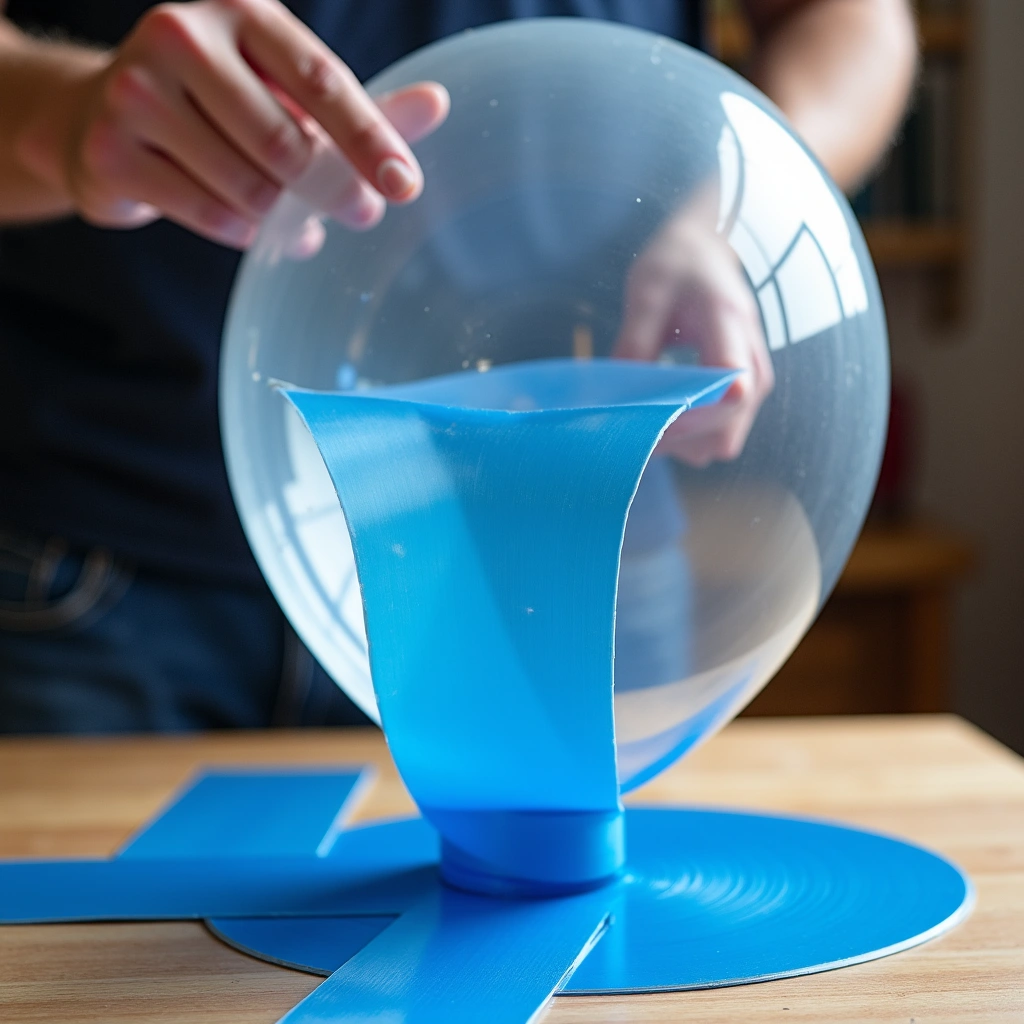
    Hey there, fellow DIY enthusiasts and science nerds! Have you ever wanted to experience the magic of laminar flow without diving into a physics textbook or visiting a research lab? Well, grab your water balloon and duct tape, because I’m about to show you how to create your very own laminar flow setup that will impress your friends and make your physics teacher proud (or at least raise an eyebrow).

    What is Laminar Flow, Anyway?

    First things first, let’s break down what laminar flow actually means. Imagine you’re at a concert, and the crowd is swaying back and forth (classic move, right?). If everyone sways together in a synchronized manner, that’s like laminar flow—smooth and orderly. Now, picture the chaos of a mosh pit where everyone is bouncing around like a bunch of caffeinated kangaroos. That’s turbulent flow. We don’t want that in our water balloon project, folks!

    The Magical Ingredients

    To create laminar flow at home, you’ll need the following materials:
    1. A water balloon
    2. Duct tape (because, obviously)
    3. A drinking straw or a small pipe (the kind you’d use for a craft project, not the kind you’d find in a plumbing nightmare)
    4. A container to catch the water
    5. Water, obviously. It’s a water balloon project, not a sand balloon project!

    Step-by-Step Instructions

    Alright, let’s get this party started!
    1. Prepare Your Water Balloon: Fill your water balloon with water. Be careful not to overfill it, unless you want an impromptu water fight. Once it’s full, tie it up tight—no one likes a leaky balloon!
    2. Create Your Flow Outlet: Take your drinking straw or small pipe and use duct tape to secure one end to the opening of the balloon. Make sure it’s a snug fit! The goal here is to create a controlled outlet for the water to flow out of the balloon.
    3. Position Your Container: Place the container underneath the other end of the straw or pipe to catch the water. You don’t want a waterfall in your living room—unless you’re into that sort of thing.
    4. Test Your Laminar Flow: Now for the moment of truth! Gently squeeze the water balloon. If you’ve done everything right, the water should flow out of the straw or pipe in a nice, smooth, laminar stream. Watch in awe as it flows like a graceful ballerina instead of a turbulent hurricane.

    Tips and Tricks

    • If the water is spraying everywhere, don’t panic! Just adjust how hard you’re squeezing the balloon. Laminar flow requires gentle pressure, so channel your inner Zen master.
    • Experiment with different sizes of straws or pipes. A larger diameter might give you a more substantial flow, but it could also lead to some splashy surprises.
    • Duct tape is your best friend here—if things get messy, just tape it down and hope for the best!

    Why It Matters

    Learning about laminar flow is more than just a fun DIY project. It’s a fundamental concept in fluid dynamics that has real-world applications, from designing efficient airplane wings to ensuring that your morning coffee flows smoothly from the pot to your cup. Plus, it’s a great excuse to show off your scientific prowess at parties!

    Final Thoughts

    So, there you have it! With just a water balloon and some duct tape, you can create a fascinating demonstration of laminar flow right in your own home. Just remember to keep the mosh pits and chaotic water fights at bay. Science is best enjoyed when things are flowing smoothly!

    Now, go forth and impress your friends with your newfound knowledge. Who knew a water balloon could be so much fun? And if anyone asks, just tell them you’re conducting important scientific research. Happy experimenting!

  • Discovering the Fascinating World of Euler’s Disk: Physics Meets Art

    Discovering the Fascinating World of Euler’s Disk: Physics Meets Art

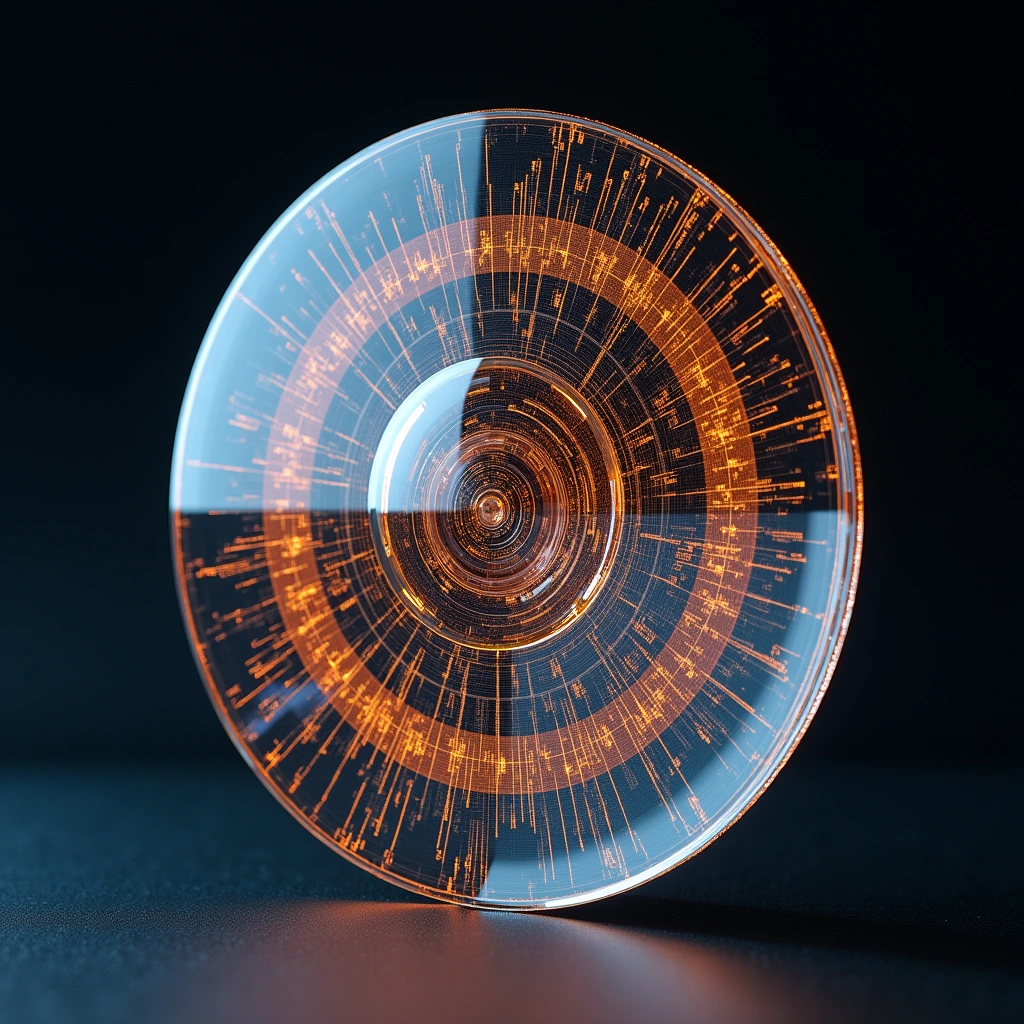
    So, you’ve stumbled upon Euler’s Disk, huh? Sounds like a fancy term you’d hear in a physics lecture, but trust me, it’s way cooler than it sounds. Imagine a shiny metal disk spinning on a flat surface, defying gravity, friction, and your understanding of how things work. If you thought your childhood spinning top was impressive, wait until you get a load of this.

    What is Euler’s Disk?

    Euler’s Disk is not just some mundane piece of metal. It’s a mesmerizing demonstration of physics that combines the principles of rotational motion and energy loss. When you give that disk a good spin, it’ll whirl around and gradually slow down while simultaneously wobbling and making that delightful ‘whoosh’ sound. It’s like watching a toddler trying to keep their balance after eating too much candy—fascinating and slightly chaotic.

    The Science Behind the Spin

    So, why does it do that? Well, Euler’s Disk is named after the Swiss mathematician Leonhard Euler, who might as well have been the rock star of the math world back in his day. The disk spins due to angular momentum, which is a fancy way of saying that once it gets going, it wants to keep going (until it doesn’t, of course). As it spins, gravity pulls it down while the friction from the surface tries to stop it. The combination of these forces creates that mesmerizing wobble.

    The Beauty of Physics in Motion

    Now, here’s where it gets interesting. The way the disk eventually comes to a stop is a thing of beauty. It spins and wobbles until it reaches a point where it can no longer maintain balance—kind of like you after a night out with friends. This slow descent into stillness is a visual treat and a splendid reminder of the laws of physics at play.

    *Image Source: Euler’s Disk in action—nothing like a little physics to spice up your life.*

    Why You Should Care

    You might be wondering, “Why on Earth should I care about a spinning disk?” Well, my friend, Euler’s Disk isn’t just about mesmerizing spins; it’s a gateway to understanding complex concepts in physics, mathematics, and engineering. It’s like having a mini physics lab right in your living room without the danger of exploding beakers. Plus, it gives you a fun party trick to show off when the conversation lags. Just don’t be surprised if people start questioning your sanity when you start talking about angular momentum.

    The Controversy

    Now, let’s stir the pot a bit. Some people argue that Euler’s Disk is merely a toy and should be left to the kids. To them, I say, have you ever tried to explain the concept of inertia to a five-year-old? Spoiler alert: it’s not easy! Euler’s Disk may seem like child’s play, but it offers profound insights into physics that even the most seasoned scientists appreciate. So, let’s not dismiss the magic of spinning metal just because we’ve grown up.

    Final Thoughts

    In conclusion, Euler’s Disk is not just an object; it’s a captivating dance of physics that can entertain, educate, and even inspire. Whether you’re a physics nerd or just someone looking for a cool gadget to impress your friends, this spinning marvel is well worth your time. So, give it a spin (pun intended) and watch as the laws of nature unfold before your very eyes. Just remember, physics might be the only subject that allows you to play with your toys as a grown-up without anyone batting an eye. Now that’s a win-win situation!

  • Exploring the Phantom Flapper: When Love Drives Women to Crime According to 1929 Science

    Exploring the Phantom Flapper: When Love Drives Women to Crime According to 1929 Science

    Ah, the 1920s! A time of flappers, jazz, and questionable science that would make even the most adventurous TikTok influencer raise an eyebrow. Picture it: you’re in a speakeasy, sipping a gin fizz, and a newspaper hits your lap with the headline, “Science Says Woman’s ‘Love Drive’ Goads Her to Violent Crimes!” Well, grab your pearls because we’re about to dive into a bizarre article from 1929 written by none other than the creator of Wonder Woman and an early prototype of the lie detector. Yes, you heard that right!

    Let’s set the stage. The world was still reeling from the aftermath of World War I, and women were stepping into their own, shedding the constraints of the previous century. Enter the “Phantom Flapper,” a term used to describe the wild, liberated women who were shaking up society in their bobbed hair and knee-length skirts. But wait—along with their newfound freedom, some scientists (not the best kind, mind you) posited that the emotional turbulence of love could lead women to commit crimes. Because, obviously, falling in love is just like playing a game of poker where you could either win big or end up in jail.

    Now, how did we get here? The article, penned by the brilliant (and slightly bonkers) William Moulton Marston, suggests that the so-called ‘love drive’ in women was a potent force, comparable to a caffeine-infused espresso shot mixed with a splash of chaos. He argued that when women experienced intense romantic feelings, they could be driven to commit violent acts—because nothing says romance like a good old-fashioned crime spree!

    Hold on a second, though. Can we really chalk up criminal behavior to love?

    Imagine this: you’re in a passionate relationship, and suddenly, your partner forgets your anniversary. What’s a flapper to do? Get a little dramatic, maybe throw a vase or two? According to Marston, this is the kind of love-driven madness that could lead to crimes of passion! I mean, who hasn’t wanted to throw a temper tantrum worthy of a Shakespearean tragedy when love goes awry? But should we really be blaming it on love?

    The article doesn’t stop there. Marston also dabbled in the realm of early lie detection, believing that a woman’s emotional state could be measured scientifically. He was on a mission to prove that women were not just emotional creatures but complex beings capable of both love and crime. Imagine him at a dinner party, passionately explaining his theories while everyone else is just trying to enjoy their meatloaf.

    Of course, this leads us to the question: Are women really more prone to violence when it comes to love? Let’s be honest here—love makes us do crazy things, but so does bad pizza. This 1929 article reflects a time when science often leaned more into sensationalism than actual facts. Fast forward to today, and while love can lead to some questionable decisions (like that one time you dated your best friend’s ex), we’ve learned that crime is a bit more complicated than that.

    So, what can we take away from the Phantom Flapper and Marston’s wild theories? Perhaps it’s a reminder of how far we’ve come in understanding gender, love, and criminal behavior. Also, maybe it’s time for all of us to reconsider that notion of ‘love drive’—because let’s face it, love can be a rollercoaster, but it’s not always a ticket to crime.

    In conclusion, as we read about the Phantom Flapper and the odd intersection of love and crime in 1929, let’s chuckle together at the absurdity of it all. After all, if love really did lead to crime, we’d all be sitting behind bars, writing love letters with shanks fashioned from spoons. And that’s a plot twist I’d love to see in a rom-com!

    So, dear readers, let’s raise a glass to the flappers of yesteryear—may their spirits be as wild as they were and their love lives a little less criminal!

  • NASA’s Asteroid Deflection Test: The Unexpected Twist That Left Scientists Scratching Their Heads

    NASA’s Asteroid Deflection Test: The Unexpected Twist That Left Scientists Scratching Their Heads

    So, you thought sending a spacecraft to smash into an asteroid was a simple task, right? Like sending a kid to the candy store with a fistful of quarters? Well, it turns out that NASA’s asteroid deflection test didn’t exactly go according to plan. Instead of a triumphant high-five moment, we got a wild plot twist that would make any Hollywood screenwriter proud.

    Let’s take a moment to set the scene. NASA, being the smart cookies they are, decided to test a method for defending Earth from potential asteroid impacts. You know, just in case an oversized rock decides to take a detour and crash our planet’s party. Enter the Double Asteroid Redirection Test (DART), which aimed to demonstrate that we could change an asteroid’s orbit by crashing a spacecraft into it at a whopping 14,000 miles per hour. Talk about taking a crash course!

    The plan was simple: hit the smaller of a pair of asteroids, Dimorphos, which is basically a tiny moon orbiting a larger asteroid named Didymos. The goal was to see if the impact would alter Dimorphos’ orbit around Didymos. Spoiler alert: it did! But not in the way scientists expected. Instead of a neat little nudge, it was more like a slap on the wrist that made Dimorphos do a little shimmy instead of a full cha-cha.

    Now, you might be wondering, what went wrong? Was it a case of cosmic miscommunication? Did Dimorphos have its headphones on, jamming to some intergalactic beats while NASA was shouting directions? Well, according to reports, the impact was indeed successful, but the change in the asteroid’s orbit was less dramatic than predicted. It was like thinking you could push your buddy on a swing and instead just giving them a gentle tap that leaves them pondering life’s choices.

    Scientists initially estimated that the impact would reduce Dimorphos’ orbital period around Didymos by about 10 minutes. But the actual change? A mere 32 seconds. Oops! It’s like showing up to a potluck with a bag of chips instead of the five-course meal you promised. Sure, chips are great, but they’re not exactly the culinary triumph everyone was expecting!

    This unexpected outcome has left scientists scratching their heads and re-evaluating their models. They’re now diving deep into the data to figure out what happened. Was it the asteroid’s composition? The angle of impact? Or did Dimorphos just not feel like cooperating that day? It’s as puzzling as trying to assemble IKEA furniture without the instructions—frustrating, yet oddly satisfying when you finally figure it out.

    As we look ahead, this test raises more questions than answers. Should we be worried about our asteroid defenses? Or is this a classic case of ‘you win some, you lose some’? The important thing to remember is that this wasn’t a total flop. Even if Dimorphos didn’t do the full orbital tango, we learned a whole lot more about our cosmic neighbors, and that’s a win in itself.

    So, the next time you hear about a giant rock hurtling through space, just remember: NASA is on it, and they’re not afraid to crash and burn (figuratively speaking, of course). Who knows what the next test will reveal? Maybe next time we’ll get Dimorphos to bust a move that would make even the best dancers jealous. Until then, keep your eyes on the stars—and your fingers crossed for a little more asteroid cooperation in the future!

  • Unraveling the Mysteries of Hydrophobic Hair: The Science of Water-Repellent Locks

    Unraveling the Mysteries of Hydrophobic Hair: The Science of Water-Repellent Locks

    Hey there, hair enthusiasts and curious minds! Let’s dive into a topic that might make you rethink your shampoo choices and your whole hair care routine: hydrophobic hair. Now, before you go thinking that this is some fancy new hairstyle trend that involves standing under a waterfall while dressed as a mermaid, let me clarify. Hydrophobic hair is all about those strands that just refuse to get wet.

    What is Hydrophobic Hair?

    Hydrophobic hair, as the name suggests, is hair that has a natural aversion to water. Imagine trying to convince a cat to take a bath – that’s your hair when it comes to water! But why does this happen? It all boils down to the structure and composition of your hair.

    The Science Behind It

    Your hair is made up of a protein called keratin, which is the same stuff that makes up your nails and the outer layer of your skin. Some hair types have more cuticle layers, which can create a kind of protective barrier. This barrier can repel water, leading to the hydrophobic attribute. Think of it as your hair putting on its best raincoat and saying, “No, thank you!” to any drops that dare approach.

    Why Does It Matter?

    Now, you might be wondering, “So what? Who cares if my hair acts like it’s allergic to rain?” Well, my friend, it matters a lot! Hydrophobic hair can lead to a range of hair care challenges, including difficulty in getting moisture into your strands. If your hair is hydrophobic, it might also mean that it’s prone to dryness and breakage because it’s not absorbing the hydration it needs.

    It’s like trying to pour milk into a bowl with a giant hole in it. Good luck getting your hair to drink up that precious moisture!

    Can You Change Your Hair’s Hydrophobic Nature?

    Ah, the million-dollar question! While you might not be able to flip a switch and transform your hair from a water-repelling fortress to a sponge-like absorbent, there are ways to help. Here are some tips:

    1. Use Moisturizing Products: Look for shampoos and conditioners that are specifically designed for dry or damaged hair. These products often contain oils and humectants that can help improve moisture retention.

    2. Heat Treatments: Consider using heat (with a protective spray, of course) to help open up the hair cuticles, allowing water and moisture to penetrate better. Just don’t overdo it or you’ll be singing the sad song of heat damage.

    3. Stay Hydrated: Just as you need water to survive, your hair also benefits from hydration. Drink plenty of water, and your hair will thank you!

    4. Avoid Over-Washing: Too much washing can strip your hair of its natural oils, making it even more hydrophobic. Try to find a sweet spot that works for you.

    The Controversial Side: Is Hydrophobic Hair a Blessing or a Curse?

    Now, let’s get a bit controversial. Some people argue that hydrophobic hair is a blessing in disguise. Think about it! You can walk through the rain without looking like a soggy mess. No more bad hair days due to unexpected downpours! But on the flip side, the struggle to keep your hair hydrated is real, and it can lead to a constant battle with dryness and frizz.

    So, is hydrophobic hair a gift or a curse? That’s for you to decide, but let’s just say that a little balance is key.

    In Conclusion

    In the grand scheme of things, hydrophobic hair is just one of the many quirks of our beautiful human bodies. Whether you embrace it or fight against it, understanding how your hair works can empower you to take better care of it. So, next time you’re caught in a drizzle, just remember: your hair might be giving a little wink and saying, “Not today, water!”

    And hey, if you’ve got any hydrophobic hair hacks, drop them below in the comments! Let’s make this a community effort to conquer the world of water-repelling locks together.

    Stay fabulous, my friends!

  • GM’s Next-Gen EV Strategy: The Dynamic Duo for Maximum Efficiency and Space

    GM’s Next-Gen EV Strategy: The Dynamic Duo for Maximum Efficiency and Space

    Hey there, fellow car enthusiasts and electric vehicle (EV) aficionados! Buckle up because we’re diving into the electrifying world of GM’s next-gen EVs. Now, I know what you’re thinking: ‘Another EV blog?’ But hold your horses; this isn’t just another run-of-the-mill article. We’re talking about a two-pronged strategy that’s juicing up efficiency and space like there’s no tomorrow!

    The Electric Revolution is Here!

    Let’s face it, folks: the future is electric, and GM is putting the pedal to the metal with their innovative approach. With their next-gen EVs, the automaker isn’t just trying to keep up with the competition; they’re looking to leave them in the dust, like a tortoise overtaking a particularly lazy hare. But how do they plan on doing it?

    Prong One: Efficiency – The Name of the Game

    Efficiency, my friends, is the holy grail of the automotive world. It’s like the secret sauce in your favorite burger – without it, things just don’t taste right. GM is all set to introduce a new electric architecture called the Ultium platform, which sounds as fancy as a five-star Michelin restaurant but is really just a genius way to maximize battery performance.

    This platform is designed to support a variety of battery sizes and vehicle types, which means you’ll see everything from compact cars to massive trucks using the same fundamental technology. It’s like having a Swiss Army knife in your garage! Not only does this approach streamline production, but it also allows for more efficient energy use. Think of it as getting a double shot of espresso instead of just a single. Who wouldn’t want that?

    Prong Two: Space – Because Who Doesn’t Love Elbow Room?

    Now, let’s talk about space. No, not the vast nothingness of outer space (though Elon Musk might disagree). We’re talking about the cabin and cargo space in your shiny new EV. With GM’s innovative design, the Ultium battery packs are being creatively tucked away to maximize usable space. It’s like a Tetris game where the blocks actually fit perfectly!

    With the battery packs situated in the floorboard, you can kiss those cramped legroom complaints goodbye. Plus, expect some roomy trunks that can fit your entire grocery haul (or your secret stash of snacks). You might even find enough space to hide from your in-laws!

    The Controversial Bit: Is This Enough?

    Now, here’s where things get a little spicy. While GM’s strategy sounds fantastic on paper, can they actually deliver? The EV market is a wild west, and competition is heating up faster than a jalapeño pepper in a sauna. Tesla, Rivian, and even established brands like Ford are nipping at their heels. So, the big question remains – will GM’s two-pronged strategy be enough to keep them in the race?

    The Road Ahead

    As they rev up their engines for this electric revolution, GM is betting big on their next-gen EVs. If they can successfully pull off this two-pronged strategy of efficiency and space, they might just set the standard for what electric vehicles can and should be. Picture it: a world where you don’t have to choose between range and comfort – it’s all there, wrapped up in a sleek, shiny package.

    So, my friends, keep your eyes peeled and your fingers crossed. GM might just be on the brink of something extraordinary. Or, they could end up like that last slice of pizza – left behind while everyone else is feasting on more innovative options. Who knows? But one thing’s for sure: the electric future is bright, and we’re all along for the ride.

    So, what do you think? Are you ready to jump on the GM bandwagon, or are you holding out for something else? Let’s chat about it in the comments!