Category: Science

  • Unbelievable! The Most Detailed View of a Human Cell Captured – What Does It Mean for Science?

    Unbelievable! The Most Detailed View of a Human Cell Captured – What Does It Mean for Science?

    Hey there, fellow science enthusiasts! Grab your lab coats and goggles because we’re diving deep into the microscopic world that’s usually reserved for the nerdy kids in school. Yes, I’m talking about the stunning new images of human cells that have just been revealed—like a high-definition photo of your favorite celebrity, but way cooler because, well, it’s science!

    Now, I know what you’re thinking: “Why should I care about human cells when I have a Netflix binge-watch to catch up on?” Well, sit tight, because this isn’t just any old cell. This is the most detailed view of a human cell ever captured, and it’s got more drama than a reality TV show!

    Imagine peering into a realm where the tiniest structures are not just visible but are practically waving at you. Thanks to some groundbreaking imaging technology, scientists have finally managed to snap a photo of a human cell that is so detailed it could make even the most seasoned biologist do a double-take. We’re talking about a resolution that reveals everything from the cell membrane to the intricate organelles inside. It’s like opening a window to a world that has been locked away in a vault for far too long.

    But what does this mean for the average Joe (or Jane)? Well, let’s break it down. First off, with this level of detail, we’re on the brink of huge advancements in medicine. Think about it—understanding how cells function at this level could lead us to new treatments for diseases that have been plaguing humanity for centuries. Cancer, Alzheimer’s, the common cold (okay, maybe not the last one, but you get the point) could all benefit from this newfound clarity.

    And let’s address the elephant in the room: the controversy. Some folks might argue that this level of detail is a bit too much. “Do we really need to see our cells in HD?” they might ask. Well, my friends, why not? It’s like having a superpower! Imagine being able to see your body’s inner workings in such detail that you could literally watch your immune system kick butt against infections. Talk about a confidence booster!

    Plus, let’s face it, this level of detail opens up a Pandora’s box of questions. What if we find out that our cells are living their best lives while we’re busy stressing over deadlines and laundry? Could it be that our cells have more social lives than we do? Who knew our mitochondria were the party animals of the cellular world?

    In conclusion, the detailed view of a human cell isn’t just a scientific breakthrough; it’s a window into the very essence of life. So, the next time you’re about to complain about your day, just remember that somewhere inside you, a tiny cell is navigating life in its own microscopic drama. And honestly, if that doesn’t put things into perspective, I don’t know what will!

    So, here’s to science, cells, and the weird and wonderful world of biology. Keep your eyes peeled for more updates because, trust me, this is just the beginning. Who knows what else we’ll discover when we start looking even closer?

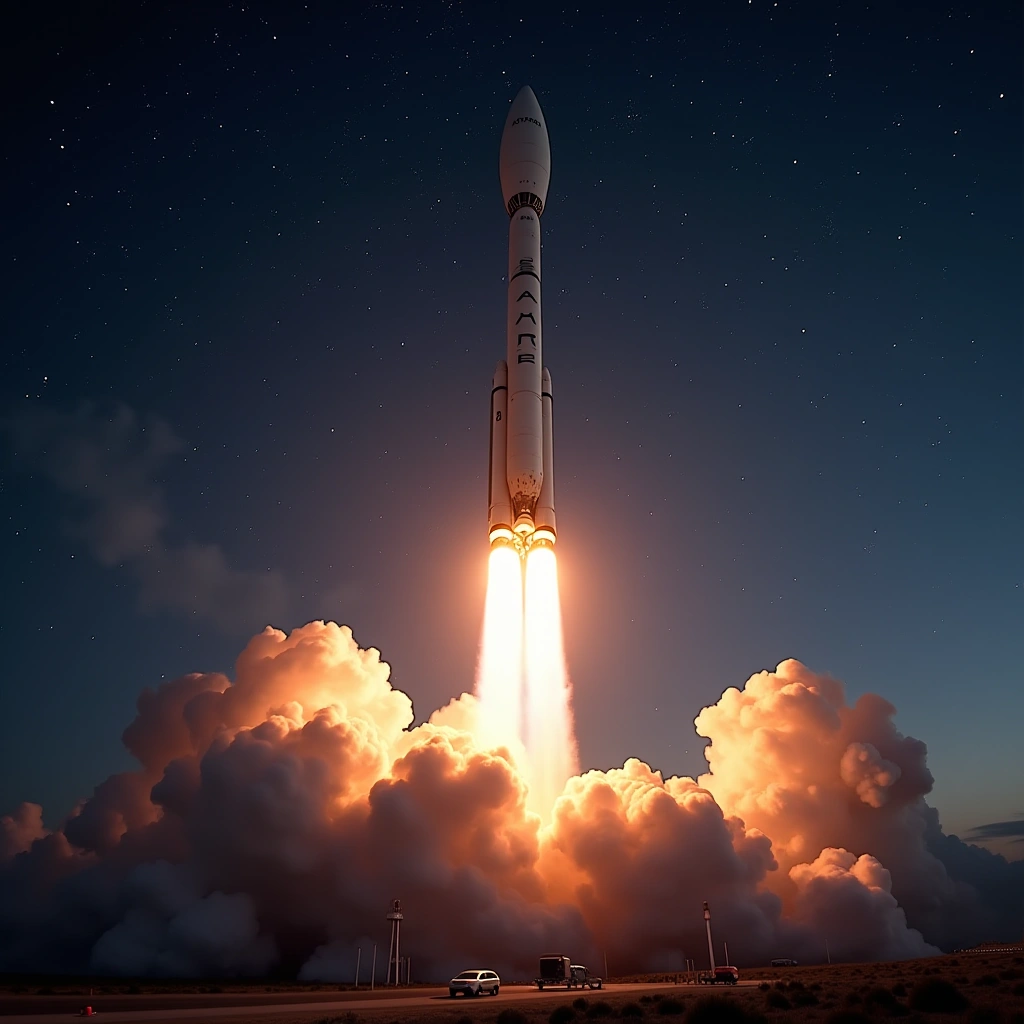
  • When Frogs Fly: The Bizarre Tale of a NASA Rocket Launch and Its Amphibious Casualty

    When Frogs Fly: The Bizarre Tale of a NASA Rocket Launch and Its Amphibious Casualty

    Ah, the wonders of space exploration! From the moon landing to Mars rovers, humanity has always been eager to push the boundaries of what’s possible. But did you know that in 2013, during a NASA rocket launch, a frog got caught in the mix, quite literally? Buckle up, my friend, because this story is about to take a leap into the absurd!

    Picture this: a peaceful day at the launch site, engineers bustling around, rockets standing tall, and a frog, probably just hopping along, minding its own business. And then, BOOM! A rocket launches, and our little green friend gets blasted into the air, defying all laws of physics and probably a few laws of nature too. Now, if that doesn’t sound like the plot of a low-budget sci-fi movie, I don’t know what does!

    Now, before you get all emotional and start forming protests for the rights of amphibians, let’s get a few things straight. This wasn’t just any frog; it was likely a local resident of the launch site, maybe even a star in its own right among the swamp critters. And while the whole thing sounds like a scene from Space Jam, the reality is that wildlife encounters at launch sites are more common than a cat video on the internet.

    But let’s dive into the physics of the situation. NASA’s rockets are designed to propel massive payloads into orbit. The thrust produced is the kind of energy that would make your morning coffee look like a teacup ride at Disneyland. So, when that rocket launched, it created a shockwave powerful enough to send our froggy friend soaring. Talk about an unexpected vacation!

    But what happened to the frog after its brief foray into the stratosphere? Did it land safely? Did it form a new space colony with other celestial amphibians? Or did it become the poster child for NASA’s ‘Space Frog Initiative’? Unfortunately, the truth isn’t as glamorous. The frog likely fell back to earth, having a very rude awakening after its brief taste of freedom. You know, like that time you tried bungee jumping and realized your fear of heights was a little more than just a phobia.

    Now, while this incident might sound like a tragic tale, it does raise some interesting questions. Should NASA consider wildlife in their launch plans? Should we start training frogs for space missions? Imagine a future where frogs become the first amphibians on Mars, hopping around and saying, “We came in peace!”

    In conclusion, the story of the frog blown into the air by a NASA rocket launch is a humorous reminder of the unpredictable nature of life. While some may see this as a tragedy, others may view it as a cosmic joke that unites us all in laughter. So the next time you hear about a rocket launch, take a moment to think of that little frog, bravely navigating the skies, and remember: sometimes, life just takes you for a ride!

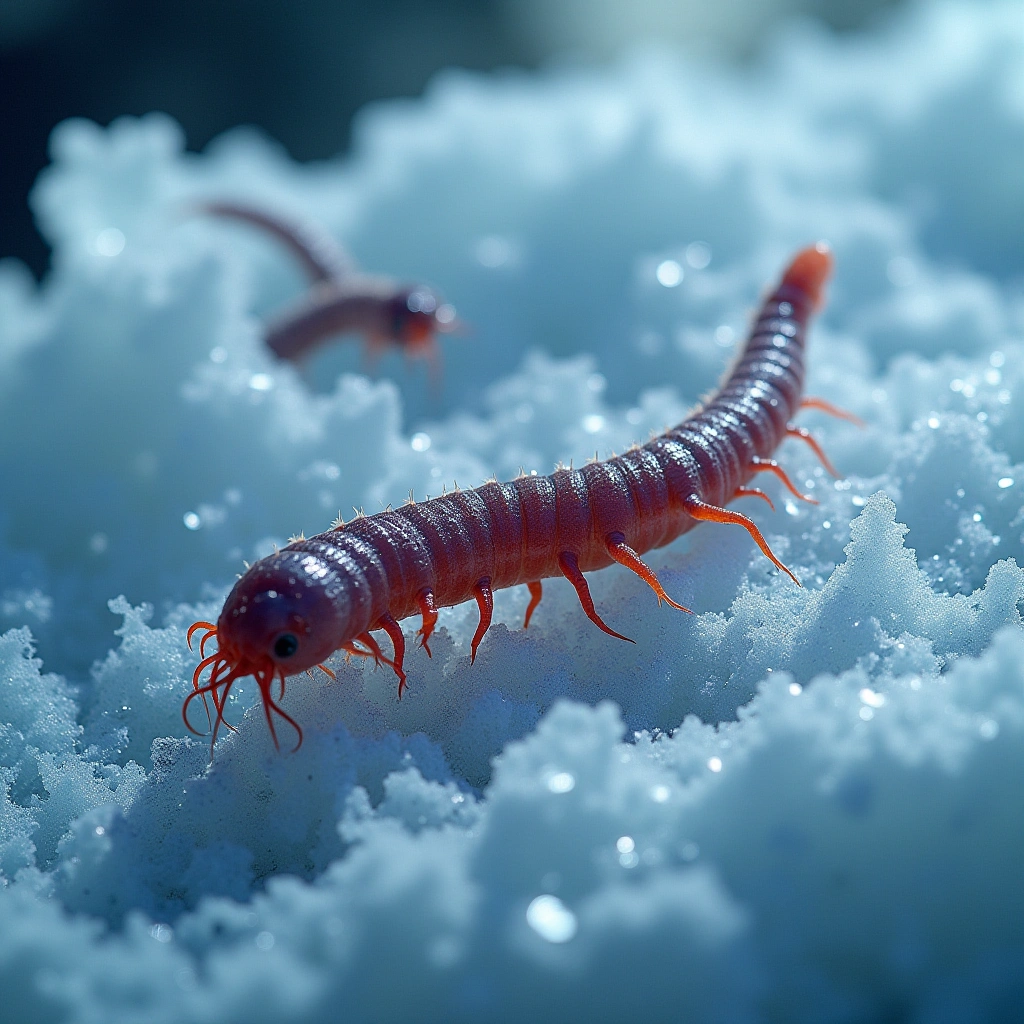
  • Zombie Worms from the Ice: The Science Behind 24,000-Year-Old Resurrection

    Zombie Worms from the Ice: The Science Behind 24,000-Year-Old Resurrection

    So, you thought the only thing that could come back from the dead was your ex on a Friday night? Think again! Scientists have just resurrected a 24,000-year-old ‘zombie worm’ from the Arctic ice, and trust me, it’s more exciting than a Netflix revival of your favorite canceled show.

    Imagine a world where frozen creatures are more than just a meal for hungry explorers. Nope, these ancient worms, or should I say ‘zombie worms’, have been chilling in the ice for 24 millennia, probably dreaming about the good old days when dinosaurs were roaming around. But here’s the kicker: they didn’t just wake up from their icy slumber; they actually reproduced. I mean, who knew ancient worms had game?

    These little critters, scientifically known as Osedax, are not just your average garden-variety worms. They feast on the bones of dead marine creatures, which makes them the ultimate recyclers of the ocean. Talk about a one-way ticket to the VIP section of the food chain!

    But how did scientists manage to bring these ancient wrigglers back to life? It’s not like they found a magical potion or anything (though that would have been super cool). Researchers extracted the worms from permafrost and provided them with the perfect environment to thrive. It’s like throwing a party for a bunch of introverts — just the right ambiance and they come out of their shells.

    Now, you might be wondering, “Why bring back a zombie worm?” Well, besides the fact that it’s a killer conversation starter at parties, studying these ancient creatures can give us insight into how life can persist in extreme conditions. Who knows? Maybe one day we’ll figure out how to revive our sense of adventure that has been frozen since 2019!

    Of course, there are some ethical debates swirling around this resurrection. Are we playing God by bringing back creatures that have been gone for eons? Should we keep them in a lab, or set them free to roam the ocean like they used to? It’s a slippery slope, my friends. Next thing you know, we’ll be trying to resurrect woolly mammoths and then the Jurassic Park theme starts playing in our heads.

    In conclusion, while the idea of a zombie worm might sound like something out of a B-rated horror movie, it’s a fascinating glimpse into the resilience of life on Earth. So next time you’re feeling down about your own life choices, just remember: if a worm can survive 24,000 years in the ice and then reproduce, there’s still hope for all of us. Who knows, the next time you think you’ve hit rock bottom, maybe you’re just a zombie worm waiting to thaw out!

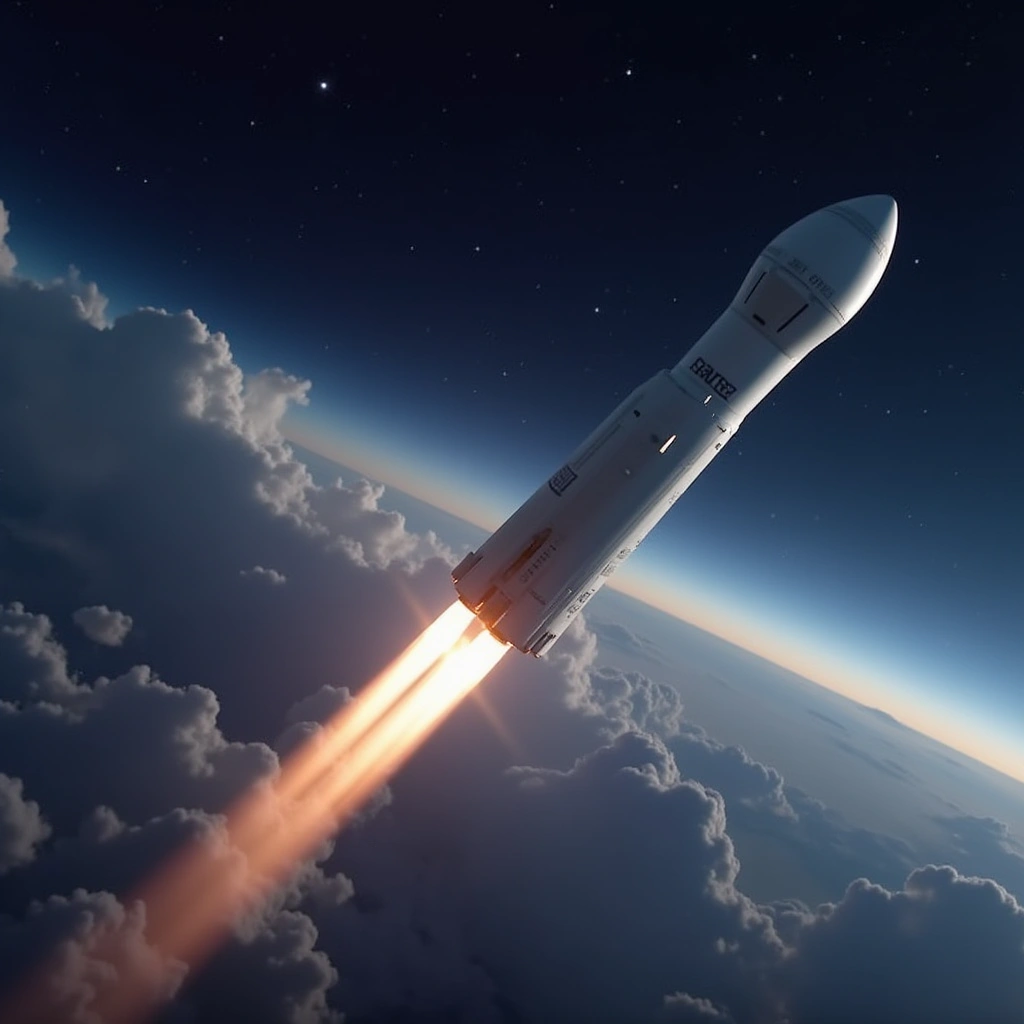
  • Oops! Blue Origin’s New Glenn Rocket Takes a Wrong Turn in Space: The Cosmic Comedy of Errors

    Oops! Blue Origin’s New Glenn Rocket Takes a Wrong Turn in Space: The Cosmic Comedy of Errors

    So, gather ’round, space enthusiasts and couch astronauts! It seems our pals over at Blue Origin decided to spice things up with their New Glenn rocket, but instead of a triumphant launch into the great expanse, they ended up in a cosmic sitcom. Grab your popcorn, because this is going to be a wild ride!

    First things first: New Glenn, named after the legendary astronaut John Glenn, was supposed to be the hero of the day, launching a satellite into orbit. Picture it: a sleek rocket, soaring through the skies, waving to the International Space Station on its way up. But alas, instead of high-fiving the ISS, it might have accidentally joined a different orbiting party. Whoopsie daisy!

    Now, let’s talk about what went wrong. Reports suggest that the rocket successfully lifted off but then took a wrong turn at Albuquerque (or maybe it was a malfunction in the navigation system, but let’s not ruin the joke). Instead of placing the satellite in its designated orbit, it ended up in a less-than-ideal location, which, let’s be honest, is a bit like showing up at a wedding when you were just trying to find the nearest taco truck.

    It’s hard not to chuckle at the situation, but it raises a few eyebrows about the reliability of space travel. I mean, if we can’t trust a multi-billion dollar rocket to deliver our satellites safely, what’s next? Are we going to start seeing “lost in space” signs on the side of the rocket? “If found, please return to Earth!”

    While Blue Origin is undoubtedly working furiously to figure out what went wrong (and probably not laughing as much as we are), this incident brings up some serious questions about the future of private space travel. Are we just a few mishaps away from a new reality show: “Rocket Fails: The Next Generation”? I can already hear the theme song!

    Now, before anyone starts throwing shade at Blue Origin, let’s remember that space is hard. Like, really hard. Even NASA has its fair share of hiccups. But the stakes are higher when you’re dealing with commercial space travel—after all, it’s not just about sending rockets to space; it’s about sending our dreams and ambitions along for the ride.

    So what’s next for New Glenn? Well, it’s grounded for now, probably having a good long think about its life choices. Meanwhile, competitors like SpaceX are zooming ahead, and you can bet they’re taking notes on this little escapade. Let’s just hope they don’t try to one-up Blue Origin with a “how not to launch a rocket” tutorial.

    In conclusion, while we may be giggling at Blue Origin’s cosmic blunder, it’s a reminder that even the best can stumble in the vastness of space. Here’s to hoping they get back on track—and maybe send a satellite to a taco truck next time. Because honestly, who wouldn’t want that?

  • Why Trees Understand the Importance of Personal Space (and We Should Too!)

    Why Trees Understand the Importance of Personal Space (and We Should Too!)

    Hey there, nature lovers and space enthusiasts! Have you ever taken a stroll through your local park and noticed how trees seem to stand in perfect harmony, like they’re at a social gathering with an unspoken rule about personal space? It’s almost as if they’re whispering, ‘Hey buddy, no touching, okay?’ Let’s dig into this leafy philosophy and see what we can learn from our wooden friends.

    First off, let’s address the elephant in the forest: trees are not your average beings. They don’t engage in awkward small talk or shove other trees out of their way for prime sunlight. No, they’re more like that zen friend who always reminds you to breathe and take a step back. With their roots spread out underground, they seem to have a keen sense of boundaries. Imagine if we all had roots that told us when to step back from the drama!

    But why do trees respect each other’s space? Well, it turns out, it’s all about survival. Trees have this unshakeable understanding that overcrowding can lead to competition for resources like sunlight, water, and nutrients. Much like your roommate hogging the last slice of pizza, trees know that too many of them in one spot can lead to a contentious environment. So, they stand their ground, literally!

    Interestingly, many trees have evolved mechanisms to ensure they don’t crowd each other out. Some species, for example, release chemicals that inhibit the growth of nearby competitors. It’s like they’re saying, ‘Not today, sapling!’ This is nature’s version of passive-aggressive behavior, and honestly, it’s kind of impressive. Imagine if we could do that at family gatherings!

    Not only do trees respect each other’s personal space, but they also communicate about it. Yes, you heard that right! Through a complex network of roots and fungi (known as the Wood Wide Web), trees can send signals to one another about threats or resource availability. It’s like they have a group chat but without the memes. So, when one tree feels crowded, it sends out a message saying, ‘Hey, let’s keep a safe distance and avoid that awkwardness.’

    Now, before you start planting trees in your backyard to learn from them, let’s reflect on what we can take away from this botanical wisdom. Just as trees maintain their personal space, we too should strive for boundaries in our lives. Whether it’s with family, friends, or that one coworker who thinks ‘personal space’ is a myth, knowing when to draw the line is crucial.

    In conclusion, let’s channel our inner trees, folks! Let’s respect our own boundaries and those of others. And who knows, maybe if we all took a leaf out of the trees’ book, we’d have a lot fewer awkward encounters at parties. So go on, plant a tree, and while you’re at it, practice your ‘no touching’ policy. Nature knows best!

  • Unleashing the Master of Chains: The Art and Science of Chain Management

    Unleashing the Master of Chains: The Art and Science of Chain Management

    Ah, the master of chains! Sounds like a mythical figure, right? Imagine a wizard with chains instead of a wand, casting spells of organization and efficiency. But in reality, chain management is less about magic and more about strategy, process, and a sprinkle of humor to keep you sane. Buckle up, my friend, because we are diving deep into the world of chains—no, not the ones that keep your bike from being stolen, but the ones that keep businesses running smoothly!

    First off, let’s clarify what we mean by ‘chains’. We’re talking about supply chains, production chains, and even those delightful chains of thought that keep you up at night wondering if you left the oven on. In the world of business, every link in the chain is crucial. One weak link, and you’re left with a mess that even Hercules would struggle to clean up.

    Now, before you start picturing yourself in a suit, wielding a clipboard like a sword, let’s break down the components of chain management. Think of it as cooking a perfect recipe. You need the right ingredients (suppliers), a reliable oven (production process), and of course, a dash of seasoning (logistics) to make everything palatable. Missing just one item can turn your gourmet dish into a disaster faster than you can say ‘burnt toast’.

    One of the biggest challenges in chain management is communication. It’s like trying to play a game of telephone with a bunch of toddlers. One miscommunication, and suddenly, everyone thinks you need 500 cases of pickles instead of 50. No one wants to be the person who ordered enough pickles to supply a small country. So, how do we avoid pickle pandemonium? Clear communication, folks! Use technology, hold regular meetings, and for the love of all that is holy, check your emails before hitting send.

    And let’s not forget about technology. This is 2023, not 1923! If you’re still managing your chains with a pen and paper, it’s time for an upgrade. Embrace the software that can do the heavy lifting (pun intended). From inventory management to process automation, technology is your best buddy in mastering the art of chains. Just remember, the only time you should be using chains in 2023 is for that sweet bike lock.

    Finally, let’s address the elephant in the room: sustainability. Yes, my friend, even chain management has its environmental impact. Consumers are becoming more conscious about where their products come from and how they’re made. So, if your chain is as eco-friendly as a plastic straw, you might want to reconsider your strategy. Go green or go home, right?

    In conclusion, being a master of chains isn’t about wielding power; it’s about understanding the intricate web of processes that connect each aspect of your business. So next time you’re faced with a chain management challenge, just remember: you’re not just managing links; you’re creating a masterpiece. Now go forth and be the chain master you were always meant to be!

  • Did Humans Almost Go Extinct 800,000 Years Ago? DNA Study Uncovers Shocking Truth!

    Did Humans Almost Go Extinct 800,000 Years Ago? DNA Study Uncovers Shocking Truth!

    Hey there, fellow time travelers! Buckle up, because we’re about to dive deep into the DNA rabbit hole that suggests our ancestors nearly pulled a disappearing act around 800,000 years ago. Forget about your latest Netflix binge; this is the kind of drama that could make even a soap opera look like a boring board meeting!

    So what’s the scoop? According to a recent DNA study, it seems that our human family tree was on the verge of being cut down to just a few twigs. Imagine a world where instead of billions of us debating the best pizza toppings, there were only a handful of cavemen trying to figure out how to cook a mammoth without setting their cave on fire. Sounds like a reality show waiting to happen!

    The study suggests that around 800,000 years ago, a massive population bottleneck occurred. This means that our ancestors faced some seriously tough times. Maybe it was climate change, a lack of food, or just a really bad season of ‘Survivor: Ice Age Edition’. Whatever the reason, it almost led to the extinction of our species. Can you imagine a world where the only humans left were those who thought wearing animal skins was a fashion statement? Yikes!

    But here’s where it gets really interesting: this isn’t just about our ancestors playing hide and seek with extinction. It’s a reminder that our species has faced adversity and come out stronger. Think of it as humanity’s version of a dramatic weight-loss transformation. We went from near-extinction to conquering the planet, all while figuring out how to cook our food instead of just gnawing on it raw.

    Now, I know what you’re thinking: “If we almost went extinct, does that mean I’m related to a caveman?” Well, let’s not get ahead of ourselves. While we all share a common ancestor, the chances of you being a direct descendant of a prehistoric dude who decided to take a nap during a mammoth hunt are slim. But who doesn’t love a good family reunion story, right?

    Of course, this study also raises some eyebrows. Some skeptics might argue that DNA studies are like that friend who always tries to find the meaning behind every meme. They can be insightful, but sometimes they just overthink it. But hey, let’s not throw the baby out with the bathwater—this research is still groundbreaking and could help us understand more about human resilience.

    In conclusion, while our ancestors were teetering on the brink of extinction, it turns out they were just one mammoth meal away from a comeback story for the ages. So raise a glass to our caveman cousins who fought through the odds and paved the way for us to debate whether pineapple belongs on pizza! Cheers to survival!

  • SpaceX Takes Off into AI: The New Frontier Beyond the Stars

    SpaceX Takes Off into AI: The New Frontier Beyond the Stars

    So, here we are, folks. SpaceX has done it again! They’ve conquered the stars, launched a few Teslas into orbit, and now they’re setting their sights on the next big thing: Artificial Intelligence. Yes, you heard it right! While you were busy trying to figure out how to get your robot vacuum to stop bumping into the wall, Elon Musk and his crew are plotting to take over the virtual universe.

    Now, before you roll your eyes and say, ‘Not another tech company trying to become the next Skynet,’ let’s break this down. SpaceX has transformed the way we think about space travel. They made rockets reusable! Let that sink in for a moment. If they can turn a spacecraft into a glorified Uber, who’s to say they can’t do the same with AI?

    Now, what could this mean for the world? Well, let’s start with the obvious: AI-powered rockets that can not only take off but also make you a latte on the way to Mars. Imagine your spaceship announcing, ‘Welcome aboard! Would you like your coffee black or with a dash of stardust?’ Because let’s be real, if you’re traveling to Mars, you’re going to need that caffeine fix.

    But on a more serious note, SpaceX diving into AI could have implications that reach far beyond our solar system. Think about it—they already have a wealth of data from space missions. Combine that with advanced AI, and you get a powerhouse that could optimize everything from flight paths to predicting space weather. Forget just conquering the stars; they could be predicting solar flares that would fry your GPS before you even take off!

    Of course, this raises some eyebrows. Critics might say, ‘What’s next? A SpaceX AI that decides to launch itself into the sun?’ But let’s not forget that Musk is all about pushing boundaries. He’s not just trying to get people to Mars; he’s trying to make sure we don’t blow ourselves up first. So, if AI can help us get to a safer future, why not?

    And let’s not underestimate the potential for AI to enhance our everyday lives. With SpaceX’s foray into artificial intelligence, we could be looking at smart homes that actually understand us—no more yelling at your smart speaker to play your favorite song for the fifth time. Instead, it’ll know your guilty pleasure playlist and play it for you when you’re feeling down. Or, you know, when you’re trying to impress that date you invited over just to watch Netflix.

    In conclusion, SpaceX’s venture into AI is not just a quirky side project; it’s a bold move into a realm that could redefine how we live, work, and travel. So, buckle up, my friends, because the next mission to the stars might just involve a highly intelligent AI that not only takes us there but also makes sure we have a great time doing it. Who knows? Maybe we’ll even get space-themed karaoke. And trust me, you haven’t lived until you’ve belted out ‘Rocket Man’ while orbiting Mars!

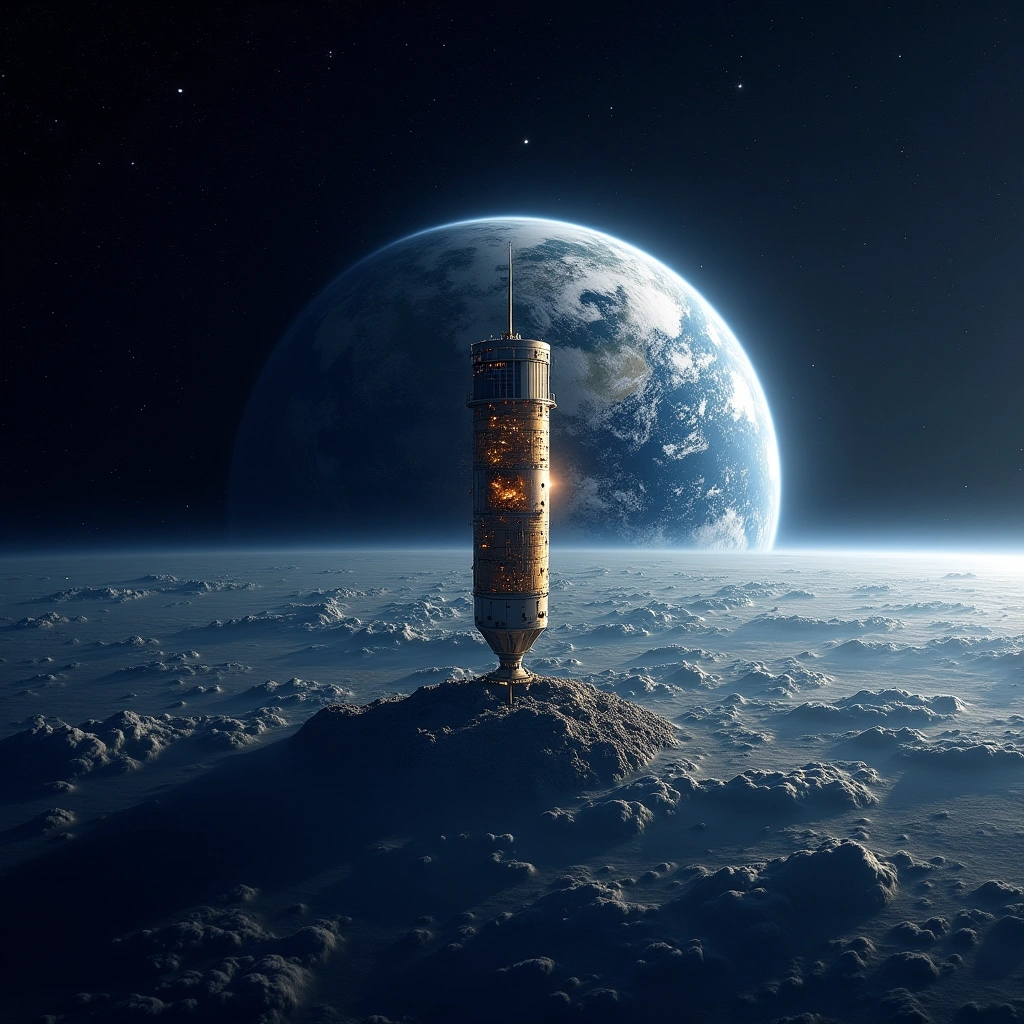
  • NASA’s Artemis Mission: A Glimpse of Earth That Will Make You Feel Tiny

    NASA’s Artemis Mission: A Glimpse of Earth That Will Make You Feel Tiny

    Hey there, cosmic explorers! Buckle up because we’re about to take a virtual rocket ride into the heart of NASA’s Artemis mission, where Earth looks like that perfect Instagram filter, only with fewer hashtags and more awe.

    So, what’s the big deal about seeing Earth from the Moon? Well, let’s just say it’s not your average vacation snapshot. Imagine looking back at your home planet, a swirling blue marble, while standing on the dusty gray surface of the Moon. It’s like taking a selfie while skydiving but with way more existential dread.

    The Artemis mission, NASA’s ambitious plan to return humans to the Moon, isn’t just about planting flags and leaving footprints. It’s about re-establishing our connection to space, and let’s face it, Earth can sometimes feel like that relative you avoid at family gatherings. But seeing it from the Moon? That’s like getting a heartfelt hug from your long-lost uncle. You suddenly realize how much you miss him.

    Now, why should you care about this cosmic view? Well, for one, it reminds us of our place in the universe. We often get so caught up in our daily dramas—like whether to binge-watch that new series or finally get around to cleaning the closet—that we forget we’re part of something way bigger. When astronauts snap photos of Earth from lunar orbit, it’s not just a pretty picture; it’s a wake-up call. A reminder that our planet is fragile and, let’s be real, sometimes a bit of a hot mess.

    But the Artemis mission doesn’t stop at just making us feel small and insignificant. It’s paving the way for future exploration. Think of it as humanity’s ultimate road trip, where the next stop is Mars—and it comes with snacks! Well, if we can figure out how to grow crops in space without turning them into astronaut ice cream. Yum!

    Critics might say, “Why waste money on space when there are issues here on Earth?” To that, I say: Have you ever tried solving problems while looking at them from 238,855 miles away? It’s a lot easier to think creatively about our planet’s challenges when you realize how precious and tiny it is in the grand cosmic scheme of things. Plus, space exploration often leads to technological advancements that can help solve those pesky Earthly problems. You know, like how Velcro was invented thanks to a burr that stuck to a dog. Who knew?

    So, the next time you come across a photo of Earth taken during the Artemis mission, take a moment to appreciate it. It’s not just a snapshot; it’s a reminder of our collective journey. And let’s be honest, it’s a way cooler backdrop than those selfies you took at the beach last summer.

    In conclusion, as we watch humanity reach for the stars once more, let’s remember that every journey to the cosmos begins with a single step—or a giant leap for mankind. So, as we gear up for Artemis and future missions, let’s keep our eyes on the sky and our feet firmly planted on this beautiful blue marble we call home. Now, who’s up for a space-themed party?

  • Can Plants Hear the Pitter-Patter of Rain? The Surprising Science Behind Plant Sensory Perception

    Can Plants Hear the Pitter-Patter of Rain? The Surprising Science Behind Plant Sensory Perception

    Hey there, fellow nature enthusiasts! Grab your watering cans and let’s dive into a topic that’s blossoming in the scientific community – plants can actually sense the sound of rain! Sounds like something straight out of a Netflix documentary, right? But wait, it gets better. This recent study is not just about plants being good listeners; it’s about how they might be the introverts of the plant kingdom, quietly soaking in their surroundings while keeping their leaves to themselves.

    According to the study (which I’m sure had a very serious title that probably included the words ‘phenomenon’ and ‘quantum’ to impress the folks at the botanical society), researchers found that certain plants can detect the rhythmic sound of rain and respond accordingly. It’s like they have their own version of the Weather Channel, but without all the dramatic weather reports and over-the-top graphics. Just good old-fashioned leaf eavesdropping!

    Now, let’s unpack this a bit. You might be wondering how exactly plants do this. Well, it turns out that these green marvels have specialized cells that can pick up vibrations. So while we’re out here arguing about the best way to brew coffee, plants are busy tuning into the symphony of nature. They can detect the vibrations caused by raindrops hitting the ground or foliage, which then signals them to get their hydration game on. Talk about being prepared!

    But, hold your horses! Before you start calling your houseplants your new best friends, let’s be clear – they aren’t exactly having deep conversations about the meaning of life or planning a Netflix binge. They respond in pretty primal ways, like opening their stomata to absorb more water or adjusting their growth patterns. So, while your fern might not spill the tea on your neighbor’s cat, it’s definitely paying attention to the weather!

    This discovery could have some serious implications for agriculture. Imagine farmers being able to harness the power of plant listening skills to optimize irrigation or even improve crop yields. Forget about high-tech sensors; just let the plants tell you when they need a drink! It’s like having a garden that can text you: “Hey, I’m thirsty!” Honestly, who wouldn’t want that?

    But let’s not get too carried away here. There’s a tiny part of me that feels a little bad for these plants. I mean, they can hear the rain, but they can’t exactly move to it. It’s like watching your favorite band from the back row of a concert – you can feel the vibrations but can’t quite get into the groove. Poor things, right?

    So, the next time you water your plants or hear a lovely rain shower, just remember: they might be listening in on the sweet sound of droplets hitting the leaves. They might not have ears, but they’ve got their own way of tuning in. And who knows? Maybe one day we’ll find out they also enjoy a good podcast. Until then, let’s keep the conversation going – what’s next for plant science? Are we going to discover they can also sense bad music? The suspense is killing me!

    In conclusion, while we can’t have a heart-to-heart with our houseplants just yet, knowing that they can sense the rain adds another layer of appreciation for these silent green companions. So, give your plants a little extra love, and don’t forget to check the weather before planning your next watering schedule. They might just be waiting for the rain to sing them a little tune!