Category: Nature

  • Southwest Airlines Bans Humanoid and Animal-Like Robots: Is This the Future of Air Travel or Just Plain Ridiculous?

    Southwest Airlines Bans Humanoid and Animal-Like Robots: Is This the Future of Air Travel or Just Plain Ridiculous?

    In a move that feels straight out of a sci-fi movie, Southwest Airlines recently made headlines by banning humanoid and animal-like robots from their flights. Yes, you heard that right! We’re living in an age where the airline industry is considering who gets a boarding pass based on how much metal they have in their bones. So, let’s unpack this latest aviation controversy.

    First off, let’s address the elephant in the room—or should I say the robot? Why would Southwest Airlines feel the need to ban these futuristic companions? Perhaps they’re worried about a robot uprising mid-flight. Picture it: you’re enjoying your peanuts and soda, and suddenly, a humanoid robot stands up and starts demanding a first-class upgrade. Not exactly how you want to spend your next four hours at 30,000 feet, right?

    But let’s be real for a second. The reason behind this ban could be more about safety than a fear of mechanical mutiny. With how packed flights are these days, can you imagine trying to squeeze a robot into a tiny airplane seat? It’s already a challenge fitting your knees in without becoming a human pretzel, let alone accommodating a five-foot-tall robot buddy.

    Moreover, think about the emotional support aspect. Airlines have opened their arms to therapy pets, but a robot that looks like a Labrador? Now that’s just asking for a scene! You can bet the last thing you want to hear while waiting for the flight to commence is a robot barking commands at you. “Sit! Stay! Buckle your seatbelt!” Talk about confusing your fellow passengers!

    Now, some might argue that this ban is a slippery slope. What’s next? Banning people who dress up as robots for Halloween? “Sorry, sir, your Optimus Prime costume is not allowed. We have a strict no-transforming policy on this airline.” It’s a slippery slope to an absurd future where your favorite cosplay could get you grounded.

    On the other hand, is it really that ludicrous to think that humanoid robots could someday be our in-flight companions? I mean, they could help with serving snacks, handling turbulence, and maybe even cracking a joke or two. “Why did the robot cross the road? To optimize its flight plan!” Okay, maybe that one needs a bit of work…

    In conclusion, while the ban on humanoid and animal-like robots by Southwest Airlines may seem like a humorous overreaction, it raises some thought-provoking questions about the future of air travel. Will we embrace our robot friends or will they remain in the realm of science fiction? Only time will tell, but for now, let’s keep our flights robot-free—at least until they learn to buckle their own seatbelts!
  • When Nature Gets Fiery: The Inside-Out Drama of Lightning-Struck Trees

    When Nature Gets Fiery: The Inside-Out Drama of Lightning-Struck Trees

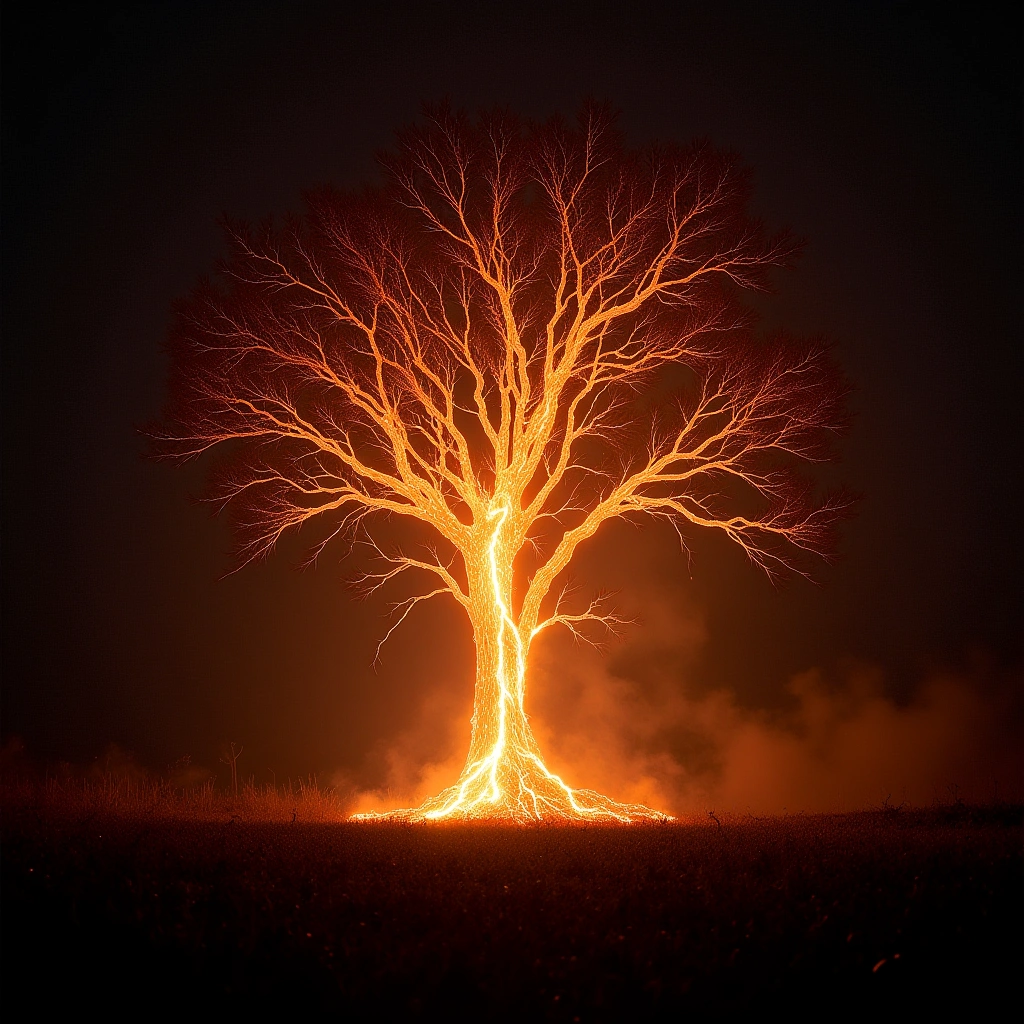
    Hey there, fellow nature enthusiasts and curious minds! Gather around as we dive into a story that sounds like it’s straight out of a fantasy novel: a massive tree struck by lightning, burning from the inside out! This isn’t just your average tree drama; we’re talking about nature throwing a tantrum like it’s auditioning for a role in a superhero movie.

    First off, let’s set the scene. Picture a majestic tree, standing tall and proud, probably whispering sweet nothings to the birds perched on its branches. Then, out of nowhere, a bolt of lightning zaps down from the heavens, hitting this leafy giant like a cosmic game of dodgeball. Nature can be a real diva sometimes!

    Now, you might be wondering, how does a tree burn from the inside out? Well, my friends, it’s all about how trees are structured. When lightning strikes, it can create a superheated plasma channel that travels down through the trunk. This isn’t just a little spark; we’re talking about temperatures that can reach over 50,000 degrees Fahrenheit! That’s hotter than your ex’s mixtape!

    As this heat spreads, it ignites the moisture inside the tree, turning it into steam. And just like that, the tree starts to cook from the inside, much like that sad microwave burrito you forgot about. You might think, ‘Oh, no big deal, it’s just a tree!’ But hold your horses! This flaming spectacle can lead to some serious consequences for the surrounding ecosystem.

    We’re talking about wildlife getting a little too close for comfort. Imagine a family of squirrels trying to do their daily nut collection, only to find their favorite tree is now a fiery inferno! Talk about a nutty situation. Plus, let’s not forget about the potential for wildfires. One tree going up in flames could be the matchstick that lights a whole forest ablaze. And nobody wants to see a bunch of cartoon animals fleeing from a raging fire, right?

    Now, you might be thinking, ‘What can I do to prevent this from happening?’ Well, unless you’ve got Thor on speed dial, you’re kind of at the mercy of Mother Nature. But you can certainly plant trees in strategic locations, away from power lines and other tall structures. And maybe, just maybe, you can start a grassroots movement to get lightning rods installed on every tree in your neighborhood. Just think of the bumper stickers!

    In conclusion, the story of the massive tree struck by lightning is more than just a viral sensation; it’s a reminder of the raw power of nature and the delicate balance of our ecosystems. So next time you see a big tree, give it a little nod of respect. It might just be one lightning strike away from becoming the next big fire hazard—or the star of its own action movie. Stay safe out there, friends!

  • Meet the Malagasy Leaf-Nosed Snake: Nature’s Twisted Twig and Gender Bender

    Meet the Malagasy Leaf-Nosed Snake: Nature’s Twisted Twig and Gender Bender

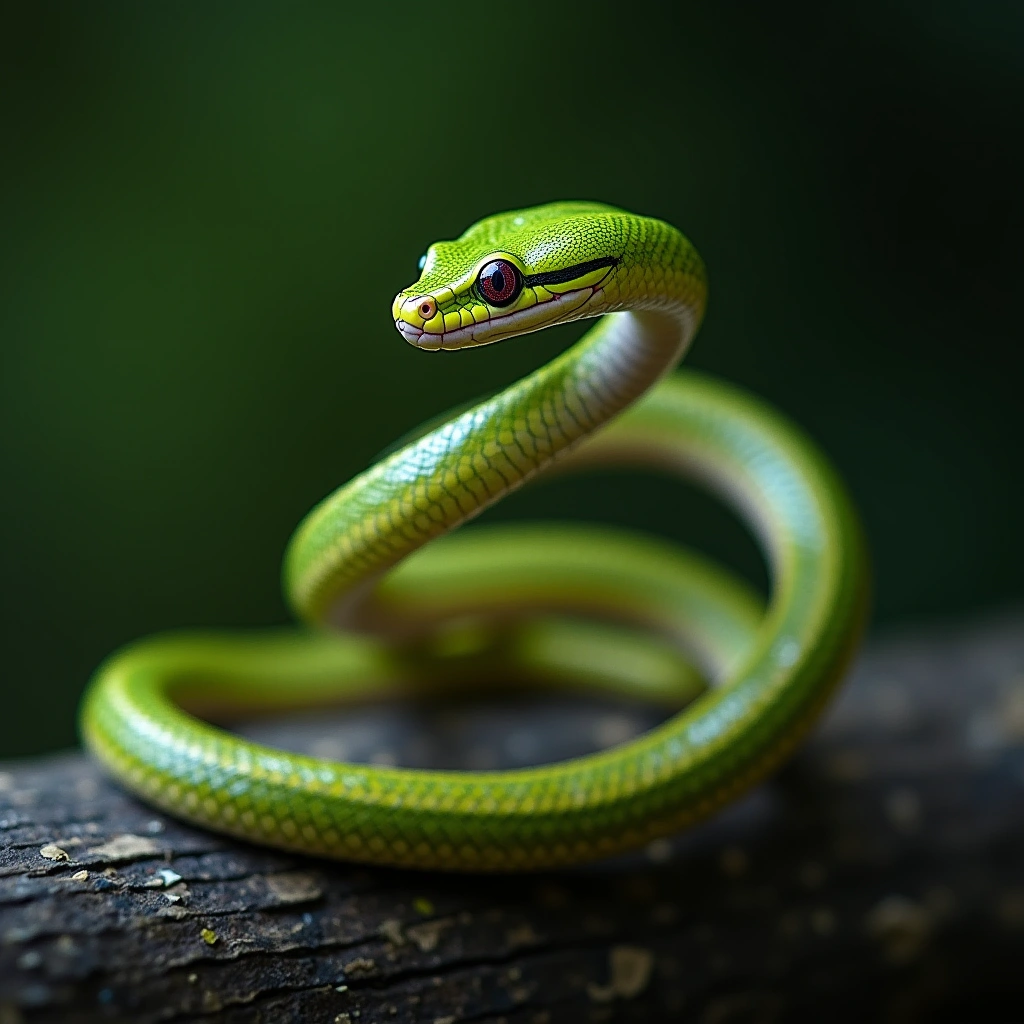
    Have you ever looked at a snake and thought, ‘Wow, I wish I could be a twig!’? No? Well, let me introduce you to the Malagasy leaf-nosed snake (Langaha madagascariensis) – the master of disguise that has taken the whole ‘standing out by blending in’ trend to a whole new level.

    This snake, native to the lush landscapes of Madagascar, spends its life hanging vertically, looking just like a twig. Yes, you heard that right! If you ever find yourself in Madagascar and spot something that looks like a stick, do a double-take – it might just be one of these sneaky serpents, plotting its next meal or contemplating its life choices.

    Now, let’s talk about the extreme sexual dimorphism of this slithery wonder. In simpler terms, that means the boys and girls of this species look wildly different from each other. Imagine a fashion show where the males strut down the runway with their pointy, pencil-like snouts, looking like they just walked off a 90s art installation. Meanwhile, the females are rocking a leaf-shaped snout that would make any plant jealous. It’s like nature’s version of ‘who wore it best?’ – and spoiler alert: the females are winning this one with a look that screams ‘I’m fabulous and I know it.’

    The male’s snout gives him the perfect edge for snagging the ladies, while the females’ leaf-like snout helps them blend in better with the foliage, making them harder to spot for both predators and those pesky, overly-curious humans. It’s like a game of hide and seek where the ladies are the champions of camouflage.

    But let’s not get too lost in the aesthetics. These snakes are not just about looking good; they’re also fascinating from a behavioral standpoint. Their vertical hanging position helps them ambush prey, which consists mainly of smaller reptiles and even the occasional unsuspecting frog. It’s like they’re saying, ‘Stay still, and nobody gets hurt,’ while they wait for their next meal to come within striking distance.

    Despite their odd appearance and unique lifestyle, the Malagasy leaf-nosed snake is a testament to the wonders of evolution. It begs the question: what other fascinating adaptations are lurking in the world’s wild corners? And let’s be honest, if you had the choice between being a boring old snake or a twig-snouted superhero, which would you choose? I know where I’d place my bets!

    So next time you’re feeling down about how you look or questioning your life choices, just remember the Malagasy leaf-nosed snake. It’s not just a snake; it’s a twig that defies the norms, proving that sometimes, it pays to stand out by blending in. Who knew that nature could be so stylishly controversial?

  • Weasel on Woodpecker: Nature’s Most Unexpected Duo

    Weasel on Woodpecker: Nature’s Most Unexpected Duo

    Hey there, fellow nature enthusiasts and lovers of the absurd! So, picture this: a weasel riding on the back of a green woodpecker. No, this isn’t the plot of some avant-garde animated movie; it’s a real-life wildlife moment that has left the internet buzzing with laughter and disbelief.

    Now, if you’re wondering how this odd couple came about, let’s dive into the whimsical world of animal antics. First off, weasels are known for their sneaky and mischievous behavior—think of them as the little troublemakers of the animal kingdom. On the other hand, woodpeckers are the drummers of the forest, busy hammering away at trees in search of insects. Together, they paint quite the hilarious picture!

    Imagine the conversation: “Hey, Mr. Woodpecker, can I hitch a ride? I promise I won’t mess up your feathers!” One can only hope that the woodpecker was in the mood for a little adventure and didn’t mind the extra weight. After all, who wouldn’t want to give a weasel a lift? It’s like the ultimate buddy comedy, just with more feathers and fur.

    Now, let’s get serious for a moment—this image challenges our perceptions of wildlife interactions. Often, we think of animals as solitary creatures, but here we see a surprising camaraderie. It’s a reminder that nature is full of unexpected relationships that often go unnoticed. Nature is basically the original reality TV show, and this duo has us all tuning in for the next episode!

    It’s also worth noting that such photographs can be both entertaining and educational. They spark conversations about biodiversity, animal behavior, and even the importance of conservation. Who knew a snapshot of a weasel and a woodpecker could inspire a whole movement to save their habitats? Talk about a picture being worth a thousand words!

    Now, let’s address the elephant in the room—or rather, the weasel on the woodpecker. Some might argue that this is just a fluke, a bizarre moment in time captured by a lucky photographer. But I say, let’s lean into the absurdity! If a weasel can ride a woodpecker, what else is possible? Maybe a raccoon will start rollerblading, or a deer will take up skateboarding. The possibilities are endless, and frankly, I’m here for it!

    In conclusion, while we might not see this kind of thing every day, it serves as a delightful reminder that nature is full of surprises. So, the next time you’re out and about, keep your eyes peeled—you never know when a weasel might decide to take a joyride on a passing bird. Until then, let’s celebrate this whimsical moment and hope for more hilarious wildlife encounters in the future!

  • The Mola Mola: The Heavyweight Champion of the Ocean’s Bony Fish

    The Mola Mola: The Heavyweight Champion of the Ocean’s Bony Fish

    Hey there, fellow ocean enthusiasts! Grab your snorkels and put on your thinking caps because today we’re diving deep into the fascinating world of the Mola mola, also known as the ocean sunfish. And let me tell you, this fish isn’t just a pretty face; it’s also packing some serious weight—up to 5,000 pounds! That’s like having a small car lounging around in the ocean.

    Now, you might be wondering, what makes the Mola mola so special? Besides its impressive girth, this fish holds the title for being the heaviest bony fish in the world. Yes, you heard that right! Forget the gym; the Mola mola is the real heavyweight champion of the sea. You could say it’s the Arnold Schwarzenegger of fish, but with a much better tan.

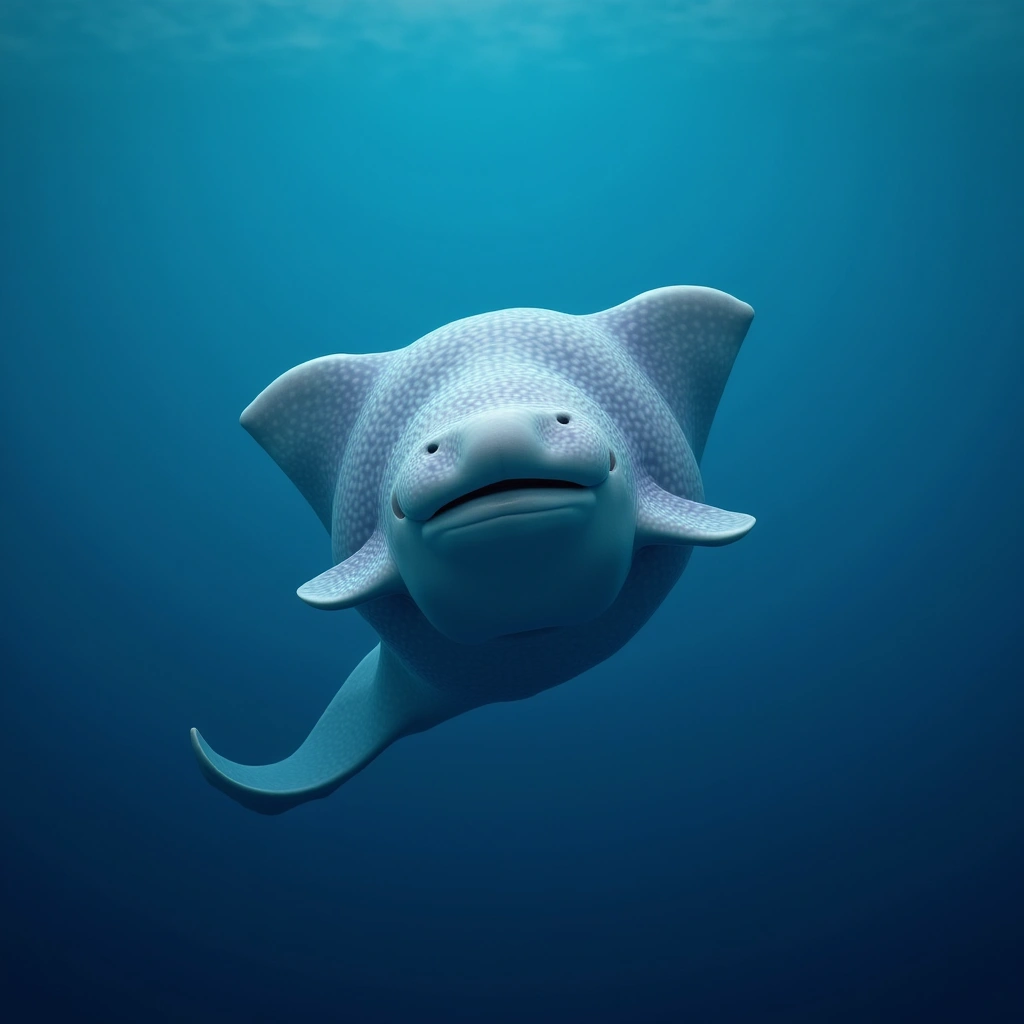
    These magnificent creatures have a body shape that’s as unique as their personality. With a flattened, disc-like form, they look like a giant swimming pancake. And let’s be honest, who doesn’t love pancakes? But don’t let their quirky appearance fool you; they are powerful swimmers, capable of reaching speeds of up to 15 miles per hour when they feel like it. That’s faster than your average couch potato sprinting to the fridge during a binge-watching session!

    But hold on a second—what’s the deal with their diet? You’d think a fish of this size would be munching on a buffet of seafood delicacies, right? Wrong! The Mola mola primarily feasts on jellyfish. Yes, jellyfish! Those squishy blobs you always avoid at the beach. Talk about a weird culinary choice! Imagine being at a dinner party and saying, “Hey, I only eat jellyfish. Bring on the gelatinous goodness!” It’s a bold move, but someone’s got to do it.

    Interestingly, the Mola mola isn’t just about weight and diet; these fish are also social creatures. They often swim in pairs or groups, making them the social butterflies of the ocean. However, let’s be real: can you imagine trying to get a Mola mola to pose for a selfie? “Hey, Mola! Smile for the camera!” They’d probably just give you that classic fishy side-eye.

    Now, in a world where we’re constantly bombarded with the latest diet fads and fitness trends, it’s somewhat refreshing to know that the Mola mola embraces its hefty nature without a care. I mean, they could start a movement: “Be proud of your weight!” Sure, it might not catch on, but it’s a beautiful thought.

    In conclusion, the Mola mola is not just an exceptionally large fish; it’s a symbol of embracing one’s uniqueness. Whether it’s weighing in at 5,000 pounds, dining exclusively on jellyfish, or simply being the pancake of the ocean, the Mola mola reminds us all to be unapologetically ourselves. So, the next time you find yourself struggling with your own weight or what to eat for dinner, just think of the Mola mola and remember: sometimes, it’s good to be a little different.

    Now, go forth and spread the word about the Mola mola! Who knows, maybe one day we’ll see them on the cover of a fitness magazine, teaching us all the art of jellyfish cuisine!

  • Exploring the Mesmerizing Reflections of Pangong Tso Lake: Nature’s Own Mirror

    Exploring the Mesmerizing Reflections of Pangong Tso Lake: Nature’s Own Mirror

    Ah, Pangong Tso Lake! The shimmering jewel of Ladakh that has stolen the hearts of travelers and photographers alike. If Mother Nature had a grand gallery, this lake would be the centerpiece, framed in the most vibrant colors you can imagine. Let’s dive into the reflective beauty of this high-altitude wonder, shall we?

    First, let’s talk about the location. Nestled at an altitude of about 4,350 meters (that’s over 14,000 feet, for those who like to measure in ‘dizzying heights’), Pangong Tso stretches across both India and China. But let’s be honest, it’s like that one friend who can never decide which party to attend—half of it belongs to one country and the other half, well, let’s just say it has a complicated relationship status.

    Now, the reflections! Oh boy, the reflections! When the sun shines just right, the lake transforms into a giant mirror, reflecting the surrounding mountains with such clarity that even your ex’s questionable fashion choices would look good in it. You can’t help but feel like you’ve stumbled into a postcard or a travel advertisement that’s way too good to be true. Spoiler alert: it is!

    But wait, before you pack your bags and throw your sanity out of the window, let’s address the elephant in the room: the weather. The temperature can drop faster than your motivation to hit the gym on a Monday morning. If you’re planning to visit, pack layers like you’re preparing for a fashion show in the Arctic. And don’t forget your sunscreen; the sun can be sneakier than your friend who “totally didn’t” eat your leftover pizza.

    For those of you who enjoy a little adventure, there are plenty of activities to keep you entertained. You can go boating on the lake, which is a great way to feel like you’re in a romantic movie—minus the dramatic music and the inevitable plot twist. If you’re lucky, you might even spot some of the local wildlife, like the elusive black-necked crane, which is basically the divas of the bird world. They know they look good!

    And let’s not forget about the photography! Whether you’re a pro with a fancy camera or someone who just likes to snap pictures with their phone while pretending to understand the rules of composition, you’ll find endless opportunities to capture the beauty around you. Just remember, your Instagram followers are counting on you to make them jealous!

    In conclusion, Pangong Tso Lake is more than just a pretty face (or reflection, in this case). It’s a place where nature showcases its artistry, and where every corner reveals a new masterpiece. So, gather your friends, your camera, and your warmest clothes, and head on over to this stunning destination. Just be prepared for the inevitable question: “Are you ever going to stop posting about this trip?” Spoiler alert: No, we’re not!

  • The Grasshopper Conspiracy: Why Locusts Are Just Party Animals in Disguise

    The Grasshopper Conspiracy: Why Locusts Are Just Party Animals in Disguise

    Hey there, fellow insect enthusiasts! Buckle up your seatbelts because we’re diving deep into the wild world of grasshoppers and their chaotic cousins, the locusts. You might think they’re just ordinary insects, but let me tell you, they’re like the Clark Kent and Superman of the bug universe. Spoiler alert: they are actually just grasshoppers with a flair for drama!

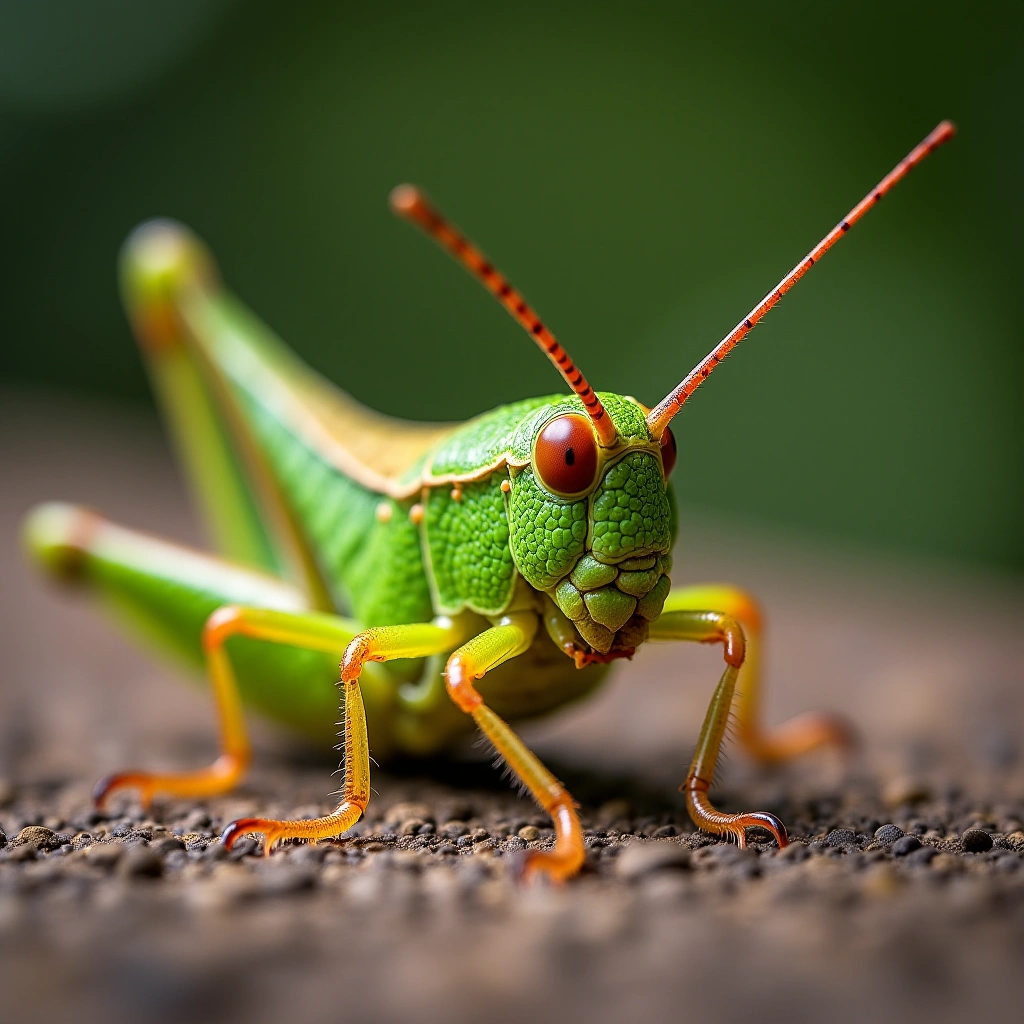
    So, what’s the deal with locusts? Most people picture them as these terrifying swarms that can eat everything in sight, leaving an empty wasteland in their wake. But here’s the kicker: locusts are not a separate species! Nope, they’re just your run-of-the-mill grasshoppers that undergo a transformation when they find themselves in a crowded situation. Talk about an identity crisis!

    You see, when grasshoppers get all cozy and cramped together, they decide to throw a rager. They might be just hopping around minding their own business, but once there’s a crowd, it’s like they’ve hit the insect equivalent of a rave. They start to change physically and behaviorally, switching from their chill, solitary selves to hyperactive swarming machines. It’s like the introverts at a party suddenly deciding they want to be the life of it!

    Now, you might be wondering: how does this transformation happen? Well, it’s all thanks to a little thing called serotonin. When grasshoppers are bunched up, they produce more of this neurotransmitter, which leads to a series of changes. Their bodies bulk up, they change color, and they develop a penchant for group activities—like munching on every crop in sight. You thought your friend got wild when they had one too many drinks? Just wait till you see a grasshopper in a swarm!

    But let’s not get too carried away. While it’s easy to laugh at these little critters, their behavior can have serious implications for agriculture and ecosystems. When they swarm, they can wreak havoc on crops, leading to food shortages that can impact millions. So, while we’re chuckling about their party-animal transformation, let’s not forget that they can be a serious pest in the wrong context.

    In conclusion, locusts are really just grasshoppers that took a wrong turn at the overcrowding junction. They’re not a separate species; they just hit the party button! So next time you hear about a locust plague, remember: it’s just a bunch of grasshoppers who couldn’t handle their social lives. Let’s give them a break, shall we? After all, we all have our wild moments!

  • The Immortal Jellyfish: Nature’s Time Travelers and Why We Should All Be Jealous

    The Immortal Jellyfish: Nature’s Time Travelers and Why We Should All Be Jealous

    Ah, the immortal jellyfish, or as I like to call it, the ultimate anti-aging guru of the ocean. Imagine if you could just hit the reset button on your life every time things got too stressful or you accidentally tried to assemble IKEA furniture without the instructions. Well, my friend, this gelatinous wonder can do just that!

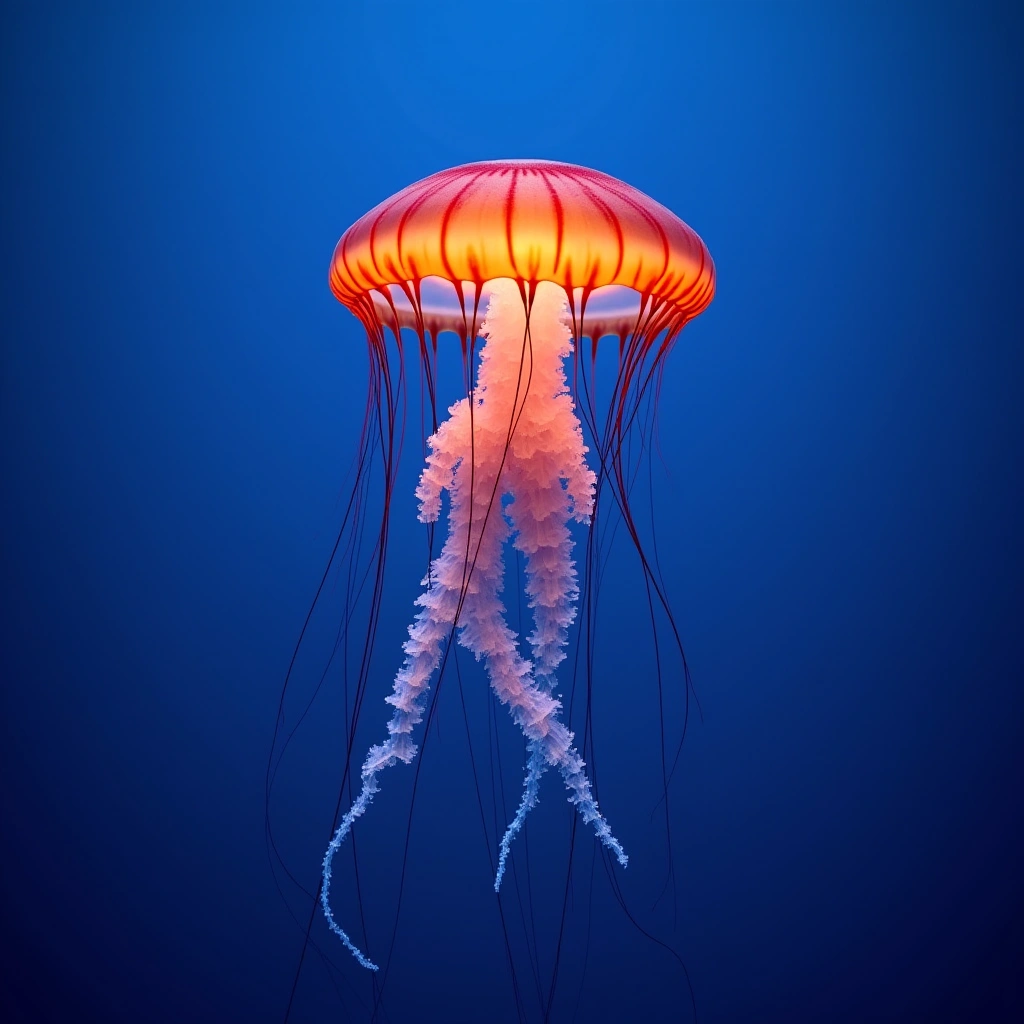
    So, what’s the deal with these jiggly creatures? Scientifically known as Turritopsis dohrnii, they possess a magical ability to revert back to their juvenile polyp stage when faced with stress or injury. It’s like they have their own personal time machine, except instead of a DeLorean, they just float around in the sea, looking all unbothered. Can you imagine the conversations at jellyfish parties? “Hey, you look great! Have you lost weight?” “Nah, I just decided to revert back to my younger self. You should try it!”

    This stunning biological phenomenon raises a few eyebrows and a ton of questions. First off, how does this creature manage to defy the laws of aging? Well, when the immortal jellyfish gets stressed out—maybe it saw a shark, or perhaps it got rejected on a dating app—it can transform its cells back into a younger state through a process called transdifferentiation. Essentially, it hits the reset button on its life cycle, which is both incredible and a little bit unfair, don’t you think?

    Now, before you start planning your jellyfish-themed birthday party, let’s dig into the implications of this phenomenon. Scientists are studying the immortal jellyfish to understand how its regenerative abilities could potentially inform human medicine. Imagine if we could harness this jellyfish magic to reverse the aging process in humans! However, before you start sipping on jellyfish smoothies, let’s be real: not all of us are ready for the existential crisis that comes with living forever. “Hey, Grandma, why do you still look 30?” “Oh, I just decided to revert back a few decades!” Cue the family drama.

    But hold up! While we’re all busy being jellyfish envious, we must remember the ecological balance. These jellyfish don’t just float around being immortal; they are part of a larger ecosystem. Overpopulation of jellyfish can lead to a collapse of marine life, creating a domino effect that could lead to more stressed-out fish than you can shake a stick at. So maybe let’s keep the immortality to the jellyfish, shall we?

    In conclusion, the immortal jellyfish is not just a quirky marine creature; it’s a reminder of nature’s wild creativity and a potential key to some mind-boggling scientific advancements. So next time you’re feeling overwhelmed, just remember: you’re not a jellyfish, and that’s probably a good thing. Embrace your life cycle, wrinkles and all. But hey, maybe just don’t go swimming with jellyfish anytime soon; they might give you a complex!

  • Unexpected Encounters: Hilarious Moments in a South African Bird Hide

    Unexpected Encounters: Hilarious Moments in a South African Bird Hide

    Ah, the joys of bird watching! You think you’re just going to sit quietly in that cozy little bird hide, perhaps sip on some overpriced coffee from the local café, and enjoy the serene beauty of nature. But oh boy, when you’re in South Africa, you better prepare yourself for some unexpected surprises!

    Picture this: you’re nestled in a bird hide, binoculars at the ready, waiting for the majestic African Fish Eagle to swoop down and put on a show. But instead, you suddenly find yourself face-to-face with a curious baboon who has decided that the bird hide is actually a five-star restaurant. You didn’t order a baboon for lunch, but here we are!

    Now, let’s talk about the baboons for a second. These furry mischief-makers have no boundaries. One minute you’re admiring a lovely Cape Sparrow, and the next, you’re frantically trying to shoo away a baboon that’s rummaging through your backpack like it’s on a treasure hunt. Spoiler alert: it found your sandwich, and it looks like it’s not sharing!

    And if that wasn’t enough, just wait until you encounter the local birdwatching enthusiasts. You know the ones—armed with a plethora of camera gear that could rival a NASA launch. They’re there to capture the perfect shot of a rare bird, and they’re not afraid to let you know about it. “Did you see that? It’s a Lesser Spotted Eagle!” they exclaim, while you’re still trying to figure out which end of the binoculars to look through. Talk about pressure!

    But let’s not forget the sounds of nature. While you’re trying to tune into the melodious calls of the birds, there’s always that one person in the hide who thinks they’re a wildlife expert. “Did you hear that? That’s definitely a Black-crowned Night Heron!” they shout, while you’re just wondering if it’s time to switch to decaf. Who knew bird watching could become an impromptu wildlife lecture?

    As the day goes on, you might even have a few unexpected visitors. Maybe a herd of impalas will come by to check out the strange humans hiding in the little box. It’s like a reality show, “Survivor: Bird Hide Edition!” Will you make it out with your sandwich intact, or will the baboons claim victory? Stay tuned!

    So, what’s the takeaway from all this? Well, if you ever find yourself in a bird hide in South Africa, be prepared for the unexpected. Whether it’s a cheeky baboon raiding your lunch, a fellow birdwatcher giving you an unsolicited lecture, or just the unpredictable antics of wildlife, you’re in for a wild ride. And remember, the best moments in life come when you least expect them—especially when they involve animals that think they own the place!

    Now, go grab those binoculars, pack an extra sandwich (seriously, you’ll need it), and get ready for some unforgettable—and hilarious—moments in the great outdoors!

  • The Fiery Waterfall of Yosemite: Nature’s Most Dazzling Trick

    The Fiery Waterfall of Yosemite: Nature’s Most Dazzling Trick

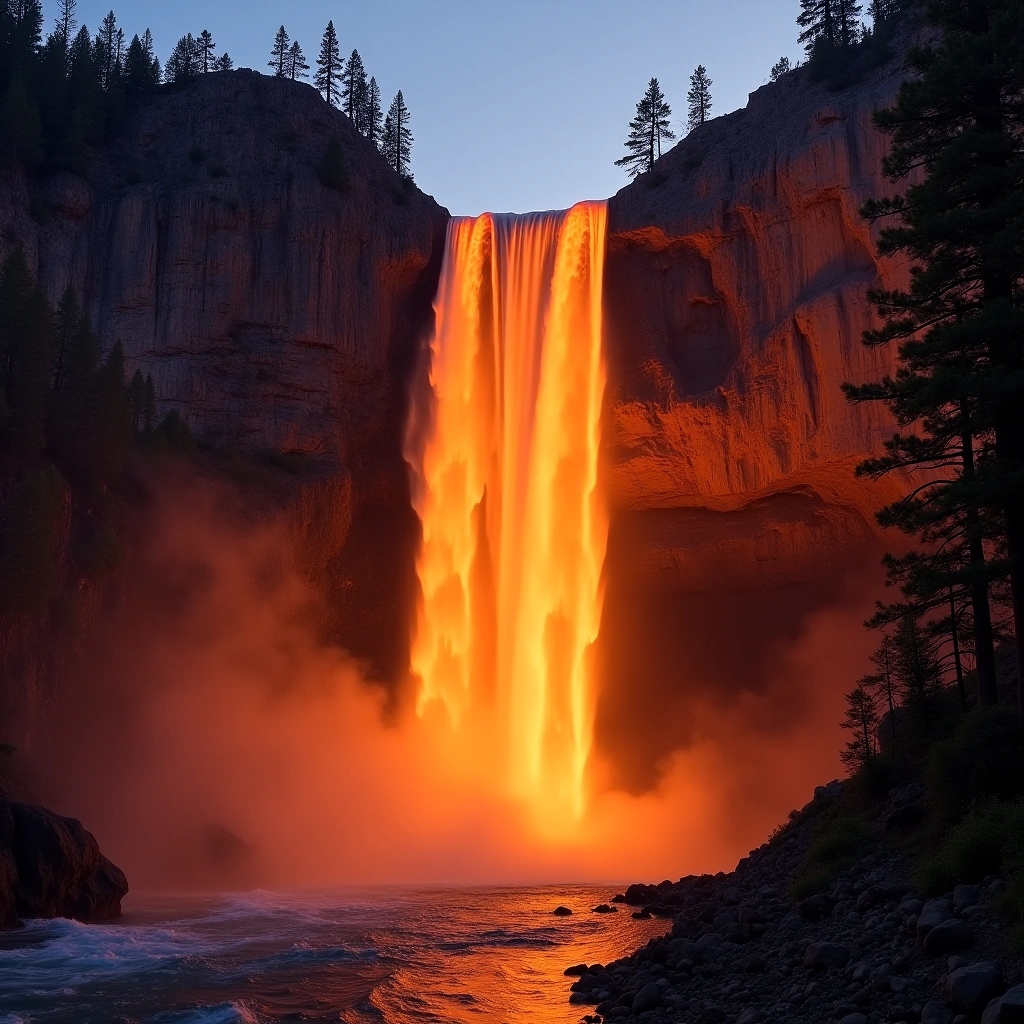
    Hey there, fellow nature lovers and thrill-seekers! Let’s talk about one of the most jaw-dropping spectacles the great outdoors has to offer: Yosemite’s famous waterfall that transforms into a river of fire for just a few fleeting moments each year. Yes, you heard me right—fire! Well, at least it looks that way, and trust me, it’s not the latest trend in nature’s special effects.

    This stunning phenomenon occurs at Horsetail Fall, a waterfall that drops off the eastern edge of El Capitan in Yosemite National Park. Now, before you start envisioning a flaming waterfall that could roast marshmallows from a mile away, let’s clarify. The ‘fire’ effect occurs during a specific time in February when the angle of the sunset hits just right, illuminating the waterfall in a vibrant orange and red hue that makes it look like molten lava cascading down the rocks. You know, just a casual reminder of how nature can flex its artistic muscles.

    So, when exactly can you catch this fiery display? Mark your calendars for mid to late February! But don’t just show up with your camera and a pack of snacks; you’ll want to arrive early to snag a good viewing spot. I mean, who doesn’t love a bit of competition over a waterfall that looks like it’s straight out of a fantasy novel? And trust me, if you get there too late, you might end up watching someone else’s Instagram story instead of capturing your own glory.

    Now, before you head out, let’s chat about the environmental impact of this natural beauty. The influx of visitors during this time can be a double-edged sword. While it brings attention to the beauty of Yosemite, it also leads to overcrowding and potential damage to the ecosystem. So, if you decide to embark on this journey, please remember to practice Leave No Trace principles. No one wants to see a ‘river of trash’ instead of the ‘river of fire.’

    And speaking of fire, let’s not forget about the hilariously overzealous photographers. You know the ones—tripods taller than they are, and they’ve probably got more camera gear than a Hollywood film set. If you’re one of these folks, just remember: it’s not a competition! But hey, if you snag the perfect shot, you’ll be the envy of all your friends, and maybe even the next ‘Yosemite Influencer’. Just don’t forget to tag me in your post; I love living vicariously through others while I sip my coffee at home.

    In conclusion, the fiery waterfall of Yosemite is a breathtaking natural wonder that deserves a spot on everyone’s bucket list. Just remember to respect nature, be considerate of your fellow visitors, and for the love of all things good, don’t be that person who stands in front of someone else’s shot! So grab your camera, pack your sense of adventure, and get ready to experience one of the most magical moments nature has to offer!