Category: Nature

  • The Majestic Kookaburra: Nature’s Laughing Comedy Club

    The Majestic Kookaburra: Nature’s Laughing Comedy Club

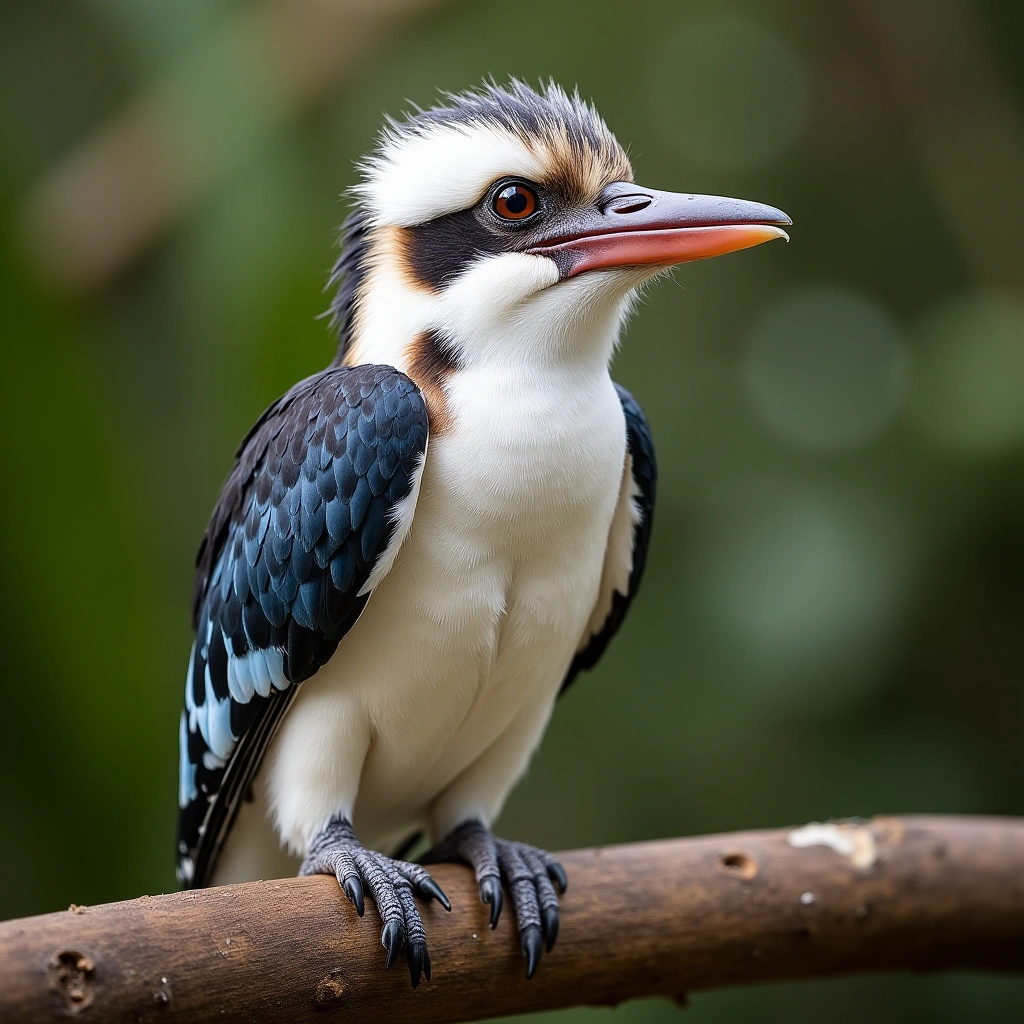
    Ah, the kookaburra! That delightful bird known for its iconic laughing call that could make even the grumpiest person crack a smile. If you’ve ever heard one of these feathered comedians in the wild, you know that their cackles can rival the laughter of the best stand-up comedians in the business. But what is it about these charming creatures that make them so special, and why are they a must-know for anyone who claims to be a nature enthusiast?

    First off, let’s talk about their laugh. The kookaburra’s call is like a hearty chuckle that seems to echo in the trees, often leading unsuspecting hikers to think they’ve stumbled into a bird version of a sitcom. Many people have described it as a laugh that sounds like a mix between a hyena and a drunken uncle at a family BBQ. Either way, it’s a sound that leaves you grinning from ear to ear.

    But don’t let their jovial nature fool you; these birds are serious about their territory. Kookaburras are known for being fiercely protective of their homes, and they will defend their nests with the same ferocity as a mother bear defending her cubs. So, if you’re thinking about creeping up to a kookaburra for a selfie, think again! You might end up with a beak in your ear instead.

    Now, let’s address the elephant in the room: why do kookaburras laugh? Well, scientists believe that this iconic call serves several purposes, including marking territory, attracting mates, and communicating with their family. It’s a bit like a group text message, but with way more feathers and way less drama. Imagine having a family meeting where everyone is laughing instead of arguing about who left the refrigerator open. That’s a kookaburra family get-together for you.

    In terms of habitat, kookaburras are native to Australia and New Guinea, but their popularity has spread like wildfire. You might even find them in parks and gardens around the world, particularly in places that can replicate their natural habitat. They love tall trees and open spaces, which means they’re not particularly fond of urban jungles. In other words, they’re your classic “nature over nurture” type of birds.

    Fun fact: kookaburras are actually part of the kingfisher family, despite their iconic laugh being more reminiscent of a stand-up comedy routine than a fish-catching spree. You’d think they’d be better at fishing with all that laughter, but they’re more into snatching up insects, reptiles, and small mammals. Talk about a multi-talented bird!

    If you ever get the chance to see a kookaburra in action, take a moment to appreciate the beauty and humor of these creatures. They remind us that nature doesn’t always have to be serious; sometimes, it can just be downright funny. So next time you hear a kookaburra’s laugh, remember that it’s not just a call—it’s a reminder to enjoy life, laugh more, and maybe even take a few risks (like getting that selfie!).

    In conclusion, kookaburras are not just birds; they are the comedians of the animal kingdom. Their iconic calls, fierce territorial instincts, and overall hilarious demeanor make them a highlight of the Australian landscape. So, here’s to the kookaburra—may they continue to bring laughter to our lives, one cackle at a time!


  • Why Channelon Might Just Be the Ultimate Pet Choice You Never Considered

    Why Channelon Might Just Be the Ultimate Pet Choice You Never Considered

    Let’s face it, we all love our pets. Whether you’re a dog person or a cat person, there’s something undeniably special about having a creature that depends on you for food, love, and the occasional belly rub. But have you ever thought about adopting a Channelon? No? Well, grab your coffee, and let’s dive in!

    Now, you might be wondering, “What in the world is a Channelon?” Well, it’s not a new streaming service or the latest TikTok trend. A Channelon is actually a fictional creature that has recently taken the internet by storm, primarily in certain quirky corners of Reddit. Think of it as a blend between a cat, a dog, and a slightly confused giraffe. Yes, it’s that unique! So, let’s break down why Channelons might just be the best pets for you.

    1. They Require Minimal Maintenance

    Let’s be honest, we all have busy lives. Between work, social media scrolling, and binge-watching the latest crime documentary, who has the time to walk a dog or clean a litter box? Channelons are about as low-maintenance as it gets. They’re rumored to thrive on just a few snacks and your loving presence. Plus, they don’t shed, which means less vacuuming and more Netflix time!

    2. They’re Great Conversationalists

    Ever had a pet that just stares at you, judging your life choices? Channelons are different. They are said to have a knack for engaging conversation, making them the ideal pet for introverts. Imagine chatting about the latest conspiracy theories or your existential dread over the dinner table. Who needs a therapist when you’ve got a Channelon? They might not have all the answers, but they’ll listen without interruption (unless they see a squirrel, of course).

    3. They’re Perfect for Social Media

    If you’re looking to boost your Instagram game, you’ll want to get yourself a Channelon. With their quirky looks and unique personalities, they’re the perfect candidates for that viral TikTok video. Just imagine the hashtags: #ChannelonCuteness, #PetGoals, and #WhatTheHeckIsThis. You could be the proud pet parent who brings Channelons into the mainstream. Move over, cats and dogs!

    4. They Offer Unconditional Love

    Let’s not forget the most important thing about pets: love. Channelons are rumored to be incredibly affectionate. They’ll curl up next to you on the couch, shower you with snuggles, and generally be your biggest cheerleader. Who wouldn’t want a pet that’s as supportive as your mom on graduation day?

    5. They’re a Conversation Starter

    Imagine having friends over and introducing them to your Channelon. “Oh, what’s that?” they’ll ask, eyes wide with intrigue. You’ll feel like a pet influencer as you explain the ins and outs of Channelon care. Suddenly, you’re the coolest person in the room! Who needs small talk when you have a pet that sparks curiosity?

    In conclusion, while Channelons might be a figment of someone’s imagination (or a clever marketing ploy), the idea of having a unique pet that requires little maintenance, engages in deep conversations, and brings unconditional love to your life is undeniably appealing. So, whether you’re team dog, team cat, or team Channelon, remember that the best pets are the ones that make you smile and fill your life with joy—even if they’re a little imaginary!

    So, what do you think? Would you adopt a Channelon? Or are you too attached to your traditional furry friends? Let’s chat in the comments!

  • The Iceberg That Danced: What Happens When Nature Gets Groovy?

    The Iceberg That Danced: What Happens When Nature Gets Groovy?

    So, picture this: you’re chillin’ (pun intended) on the shores of Argentina, sipping your mate, when suddenly an iceberg from the Upsala Glacier decides to throw a party. Yes, you heard that right! This colossal chunk of ice isn’t just floating around like a lost tourist; it’s putting on a show by rotating like it’s auditioning for Dancing with the Stars. What a time to be alive!

    Now, before you roll your eyes and think, “Oh, it’s just a hunk of ice being dramatic,” let’s dive a bit deeper into what this means. Icebergs are like the Kardashians of the natural world—larger than life and constantly capturing our attention. When one starts to rotate, it’s not just a trivial event; it’s a clear signal that something is happening, and we should probably pay attention.

    The Upsala Glacier, located in the stunning Los Glaciares National Park, has been shedding icebergs like a bad habit. Melting glaciers are a symptom of climate change, and when these massive ice structures break off, they can create all sorts of chaos. The rotation could be attributed to the buoyancy and the uneven melting of the iceberg, causing it to spin like a top. It’s like Mother Nature decided to give us a little science lesson wrapped in a cool ice dance.

    But let’s not kid ourselves; it’s not all fun and games. This rotating iceberg is a stark reminder of the climate crisis we’re facing. As these glaciers melt, they contribute to rising sea levels, which means our beachfront property might just end up being an underwater hotel. Talk about a real estate nightmare! And while the sight of a spinning iceberg might be mesmerizing, it’s also a wake-up call that we need to take better care of our planet.

    So, the next time you hear about an iceberg putting on a show, remember: it’s not just a quirky news story. It’s a reminder of the beautiful—and sometimes terrifying—power of nature. And who knows? Maybe this iceberg will inspire a new TikTok dance! Just imagine icebergs doing the “Ice Ice Baby” routine. Now that would be a viral sensation.

    In conclusion, while we can all appreciate the bizarre and humorous side of nature, let’s not forget the underlying message. The world is changing, and it’s up to us to make sure icebergs can keep spinning for generations to come. So raise your mate, toast to the dancing ice, and let’s get to work on saving our planet. After all, we don’t want to be the generation that let a rotating iceberg be the highlight of our environmental efforts!

  • The Western Parotia: Nature’s Dance Sensation That Puts TikTok to Shame

    The Western Parotia: Nature’s Dance Sensation That Puts TikTok to Shame

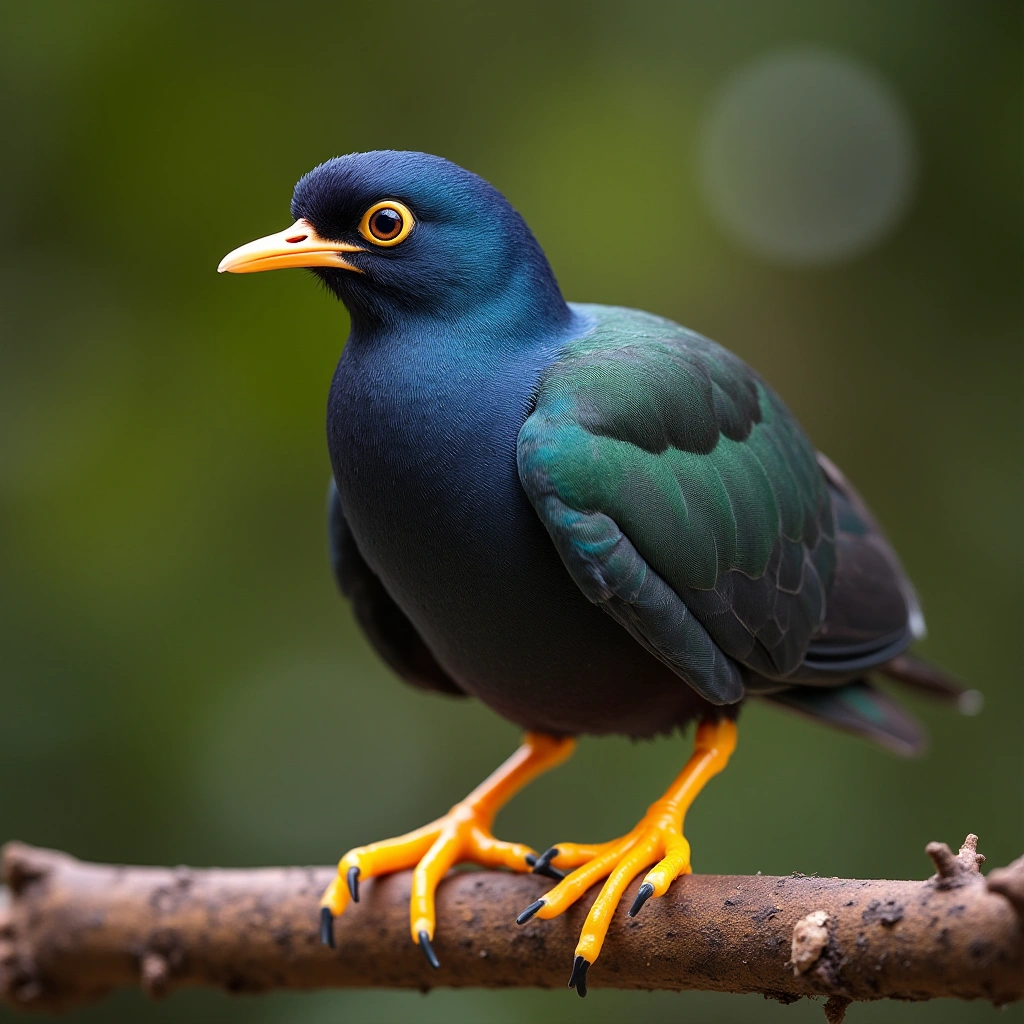
    Imagine a dance party where the DJ is a bird, and the dance floor is a lush rainforest. Welcome to the world of the Western Parotia (Parotia sefilata), a feathered performer that makes even the best TikTok dancers look like they’re still figuring out the ‘floss’. These avian entertainers don’t just chirp; they put on a full-blown show that could rival any Broadway production!

    First, let’s talk about their dance moves. The Western Parotia has a signature courtship dance that involves a series of impressive steps, wing displays, and even some shimmying that would make you question if they’ve taken dance lessons from a professional. Their vibrant plumage and intricate movements are designed to woo their potential mates, and honestly, if I had those moves, I’d be sweeping the dance floor with ease!

    But hold your applause for just a moment! It’s not just about the dance itself; it’s about the setting. These birds strut their stuff in the wilds of Papua New Guinea, where the backdrop is as stunning as a sunset filter on Instagram. Imagine a dapper bird, donned in its finest feathers, performing in the middle of a lush green stage, with the occasional critter as an audience member. Nature sure knows how to throw a party!

    Now, before you start thinking that the Western Parotia is just another pretty face, let’s dive into some controversial territory. Some may argue that these birds are all about the looks and the dance, but let’s be real: their evolutionary strategy is a genius ploy. By flaunting their feathers and grooving like a pro, they’re not just attracting mates; they’re ensuring the continuation of their species. So, next time you see a bird doing the cha-cha, remember that it’s not just a dance; it’s survival!

    And let’s not forget about the judges! Male Western Parotias are the ones bringing the heat, and they’re competing for the attention of the ladies. Talk about high stakes! It’s like a reality show where the prize is a lifelong partner, and the stakes are higher than a contestant’s blood pressure when they’re waiting for the results. The more extravagant the performance, the better the chances of winning the lady bird’s heart. Sorry, humans, but this is the ultimate dating game!

    In conclusion, the Western Parotia is not just a bird; it’s a feathered superstar that deserves its own Netflix special. From its dazzling dance moves to its survival strategy, this bird is a reminder that in the wild, you’ve got to put your best foot (or wing) forward. So, next time you see a video of a Western Parotia shaking its tail feathers, remember: it’s not just a bird; it’s a whole production!

  • Discovering Dog Rock: Albany’s Quirky Granite Marvel and Tourist Magnet

    Discovering Dog Rock: Albany’s Quirky Granite Marvel and Tourist Magnet

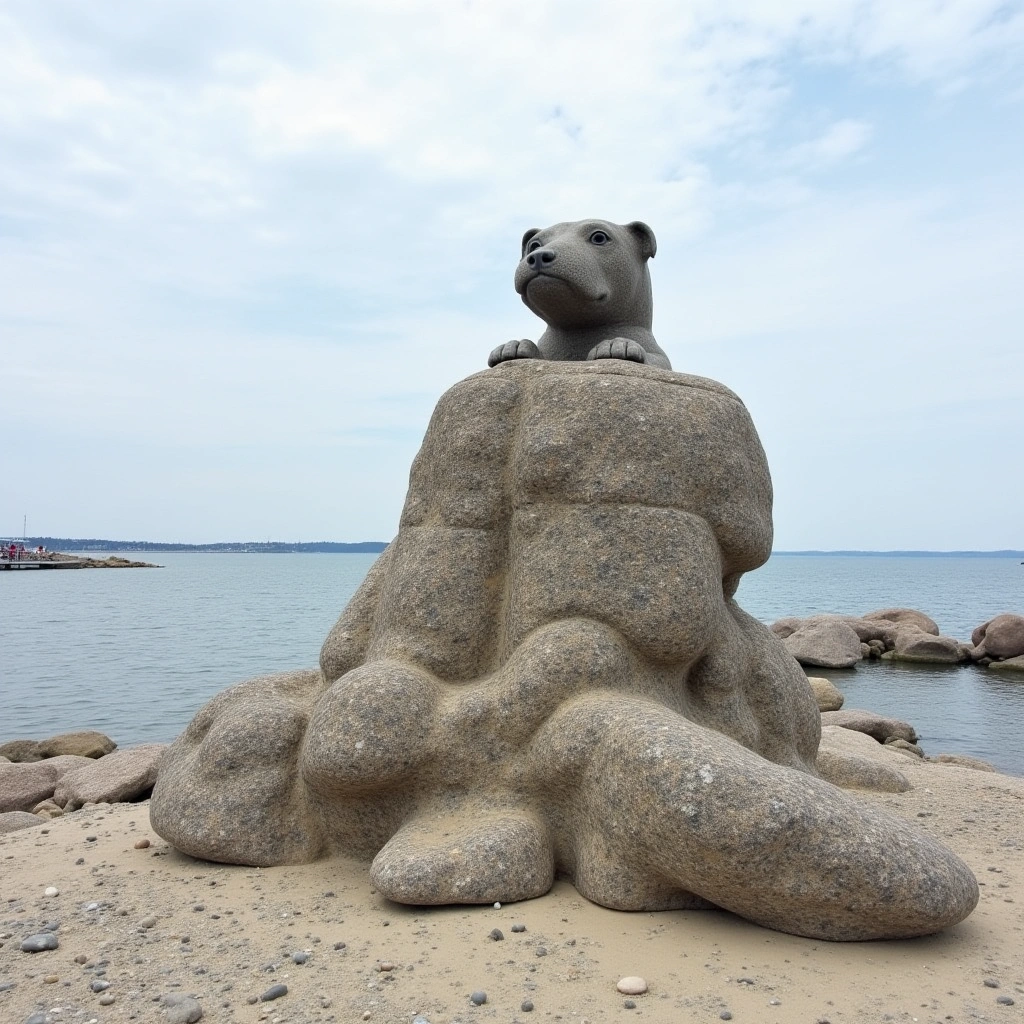
    Ah, Dog Rock! The granite wonder that makes you question if you’ve wandered into a dog park or a geological museum. Located in the picturesque Albany, Western Australia, this unique landmark has carved out a reputation as one of the region’s must-see attractions. So, grab your hiking boots and a sense of humor, because we’re about to embark on a journey that’s more exciting than a dog chasing its tail!

    First things first, let’s talk about what exactly is Dog Rock. This isn’t just any old rock; it’s a massive piece of granite formation that, with a bit of imagination (or perhaps a dog-loving spirit), resembles a canine’s head. Yes, that’s right! If you squint just right and tilt your head to the left, you might just see a dog’s face peeking out from the stone. If you don’t see it, don’t worry—just pretend you do and nod along. After all, it’s all about perspective, right?

    But why should you care about a rock that looks like a dog? Well, for starters, Dog Rock has been around longer than your great-great-grandparents, standing tall and proud for thousands of years. It’s like the wise old sage of the area, silently judging every tourist who walks by with a camera. Speaking of photos, Dog Rock is a hotspot for social media influencers looking to up their Instagram game. Just imagine the likes rolling in when you post a pic with a rock that looks like a dog! #RocknRoll #DogGoneIt

    As a tourist attraction, Dog Rock isn’t just about snapping photos; it’s also about soaking in the breathtaking views of the surrounding Albany coastline. You might even feel inspired to start a rock band—pun intended—because the scenery is just that good. No one’s judging if you break into a spontaneous rendition of “Who Let the Dogs Out” while you’re there!

    Now, let’s get into the juicy bits: the history of Dog Rock. Legend has it that the local Aboriginal people have known and revered this granite formation long before it became a tourist hotspot. They believed it held spiritual significance, a testament to the deep-rooted connection between nature and culture. So, the next time you’re ogling at Dog Rock, remember that you’re standing on sacred ground—and maybe don’t drop that hot dog you brought for a picnic!

    Feeling peckish? You’re in luck! Albany is not just about rocks; it’s also home to some of the best seafood you’ll ever devour. Whether you want to chow down on fresh fish and chips or dive into a gourmet meal featuring local delicacies, Albany has you covered. Just don’t try to feed the seabirds; they’re like the neighborhood bullies of the beach.

    In conclusion, Dog Rock isn’t just a tourist attraction; it’s a quirky piece of history, a photogenic marvel, and a gateway to explore the stunning Albany region. So, next time you find yourself in Western Australia, don’t just drive by this granite gem. Stop, snap a pic, and maybe even take a selfie with the dog that’s been around for eons. Who knows? You might just come away with a new appreciation for rocks, dogs, and the beautiful world we live in.

  • When Nature Plays Tricks: The Day a Waterfall Went Backward

    When Nature Plays Tricks: The Day a Waterfall Went Backward

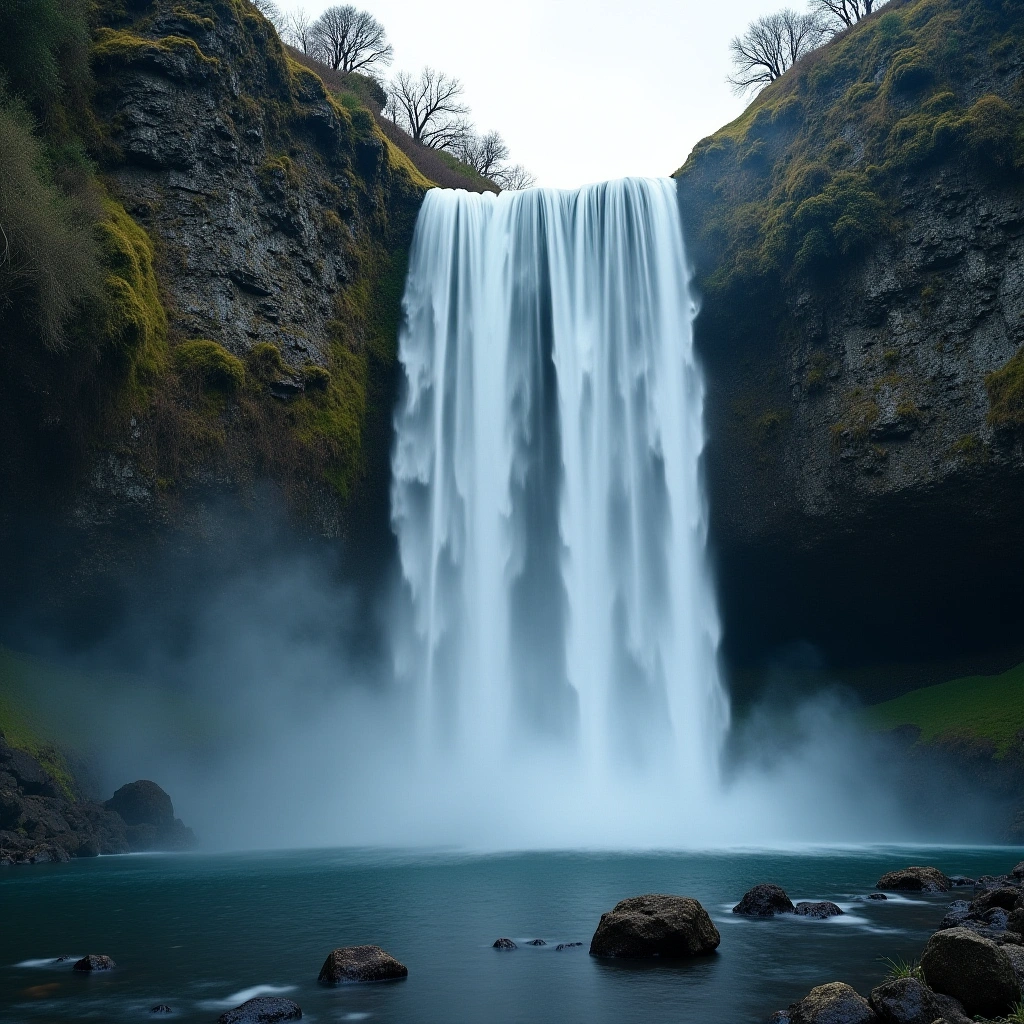
    Picture this: you’re standing by a majestic waterfall, the sound of rushing water serenading your ears, and suddenly, out of nowhere, the water decides it’s had enough of gravity and starts flowing upward. Yes, you read that right! Thanks to some seriously strong winds, nature decided to throw a little tantrum and reverse the waterfall. Welcome to the wild world of meteorological mayhem!

    Now, before you dismiss this as some viral TikTok prank gone wrong, let’s dive into the science behind this mind-boggling phenomenon. Wind can be a powerful force, and when it decides to flex its muscles, things can get a bit chaotic. On that fateful day, the winds were not just strong; they were like a toddler throwing a fit in a candy store. They whipped through the area at such speeds that they managed to defy the natural order of things. Who knew the wind had aspirations of becoming a magician?

    But let’s not ignore the real stars of the show: the waterfalls. These natural wonders are usually the calm, collected types, happily cascading down rocks like they own the place. So, when the water started flowing backward, it must have been like the waterfall was caught in a game of “Simon Says” gone terribly wrong. “Simon says, go up!” And up it went, as if trying to escape the clutches of gravity.

    Now, you might be wondering, how does a waterfall even reverse? Is this some kind of liquid rebellion? Well, it turns out that if the wind is strong enough (we’re talking about winds that could make a tornado look like a gentle breeze), it can push water back up the cliffside, creating the illusion of reversal. It’s nature’s way of saying, “Not today, physics!”

    In a world where we’re constantly told to respect the laws of physics, it’s refreshing (and a little terrifying) to witness Mother Nature breaking the rules. But let’s be real: what a sight it must have been! People likely gathered around, staring in disbelief, phones out, ready to capture the moment for their social media followers. “Check out this waterfall doing the moonwalk!” Talk about a viral sensation!

    Of course, there would be skeptics among the crowd. Some might have claimed it was a hoax or an elaborate prank. But let’s face it: who has the time to fake a waterfall reversal? Unless you’re a really bored magician, that is. The truth is, while it may sound absurd, this event serves as a reminder of the unpredictable beauty of our planet. It’s like nature’s way of keeping us on our toes, reminding us that there’s always room for a little magic in the mundane.

    So, the next time you find yourself near a waterfall, take a moment to appreciate its beauty, but also keep an eye on the wind. You never know when it might decide to throw a surprise party and invite all the water to join in the fun. And remember, in the great debate of water vs. wind, sometimes, the wind just has a better sense of humor!

  • Discovering the Hidden Forest in Tongtianluo Cave: Nature’s Sinkhole Surprise

    Discovering the Hidden Forest in Tongtianluo Cave: Nature’s Sinkhole Surprise

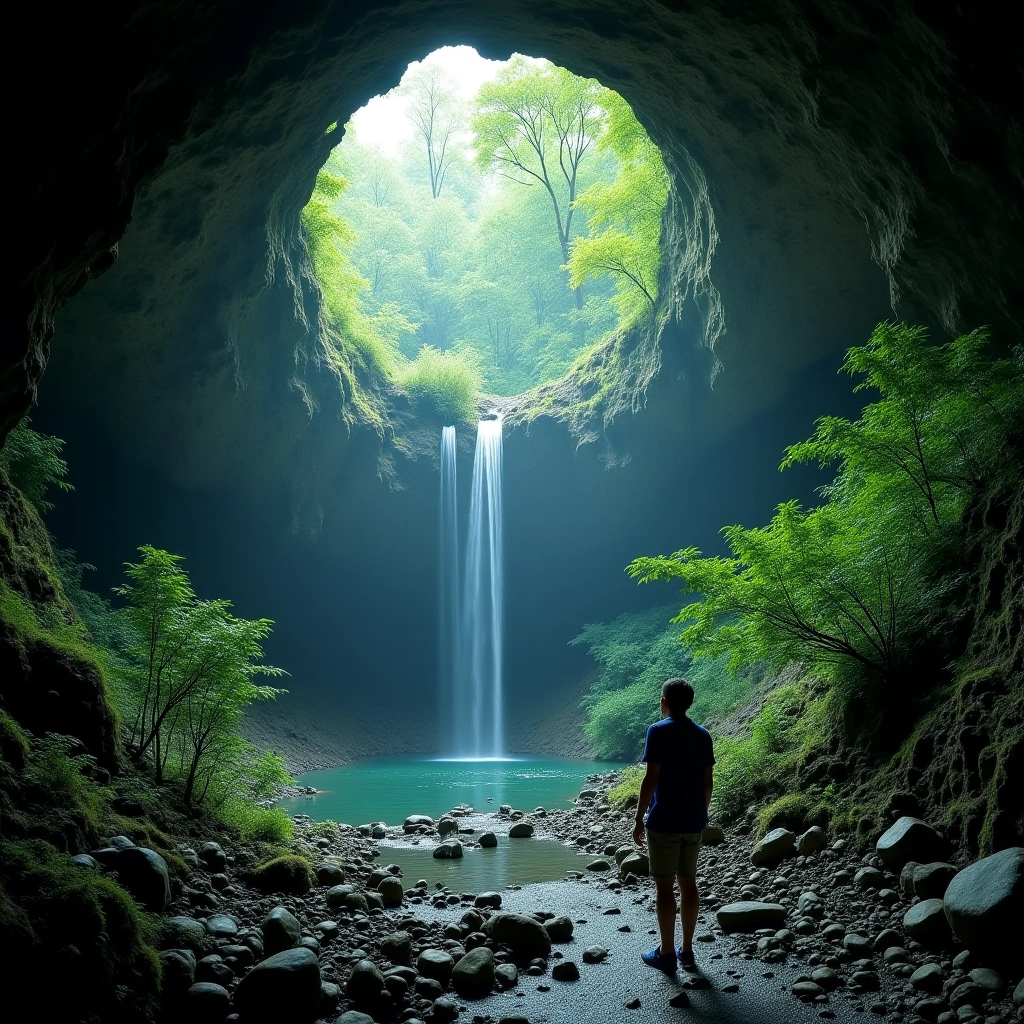
    Hey there, fellow adventurers! Buckle up because today we’re diving into one of nature’s most peculiar wonders: the Tongtianluo Cave in Guangdong, China. Imagine this: you’re wandering around, minding your own business, and suddenly you stumble upon an entire forest inside a sinkhole. Sounds like something straight out of a sci-fi movie, right? Well, hold onto your hiking boots, because this is the real deal!

    Located in the lush landscapes of Guangdong, Tongtianluo Cave is not just any ordinary cave. It’s a mesmerizing natural phenomenon that has made scientists and nature lovers alike raise their eyebrows in disbelief. Picture a gigantic sinkhole, so vast that it has become a mini-ecosystem all on its own. Yes, you heard that right! An ecosystem thriving inside a hole in the ground. Talk about a ‘hole’ lot of life!

    Now, you might be wondering how on Earth a forest can grow inside a cave. Well, the cave’s unique environment provides the perfect conditions for various flora and fauna to flourish. With its high humidity, consistent temperature, and ample sunlight filtering through cracks, it’s like Mother Nature decided to throw a party, and all the trees RSVP’d with a big ‘Heck yes!’.

    But wait, there’s more! This hidden forest is not just a pretty sight; it offers a treasure trove of biodiversity. You can find rare plant species that are exclusive to this region, along with a variety of critters scurrying about, probably wondering why humans are so obsessed with their selfie sticks. It’s a real-life nature documentary waiting to happen!

    Now, let’s talk about the thrill of visiting this wonder. If you’re up for an adventure that would make Indiana Jones proud, you can explore the Tongtianluo Cave yourself. Just imagine peering down into the abyss, where towering trees reach for the sky and the sound of chirping birds fills the air. It’s like stepping into a secret world where time stands still and the worries of daily life vanish faster than your last slice of pizza!

    But, let’s be real for a second. As cool as this hidden gem is, it’s essential to remember that nature is delicate. The more we discover places like Tongtianluo, the more responsibility we have to protect them. So, if you do decide to visit, please tread lightly and respect the environment. After all, we don’t want to be the generation that ruins a perfectly good forest inside a sinkhole, right?

    In conclusion, the Tongtianluo Cave is a testament to nature’s creativity and resilience. It’s not just a cave; it’s a magical forest waiting to be explored. So, pack your bags, grab your camera, and prepare to be amazed by one of China’s most extraordinary natural wonders. Who knows, you might just find yourself falling head over heels for a sinkhole!

  • The Marvelous Mystery of the Rare White Peacock: Nature’s Oddball!

    The Marvelous Mystery of the Rare White Peacock: Nature’s Oddball!

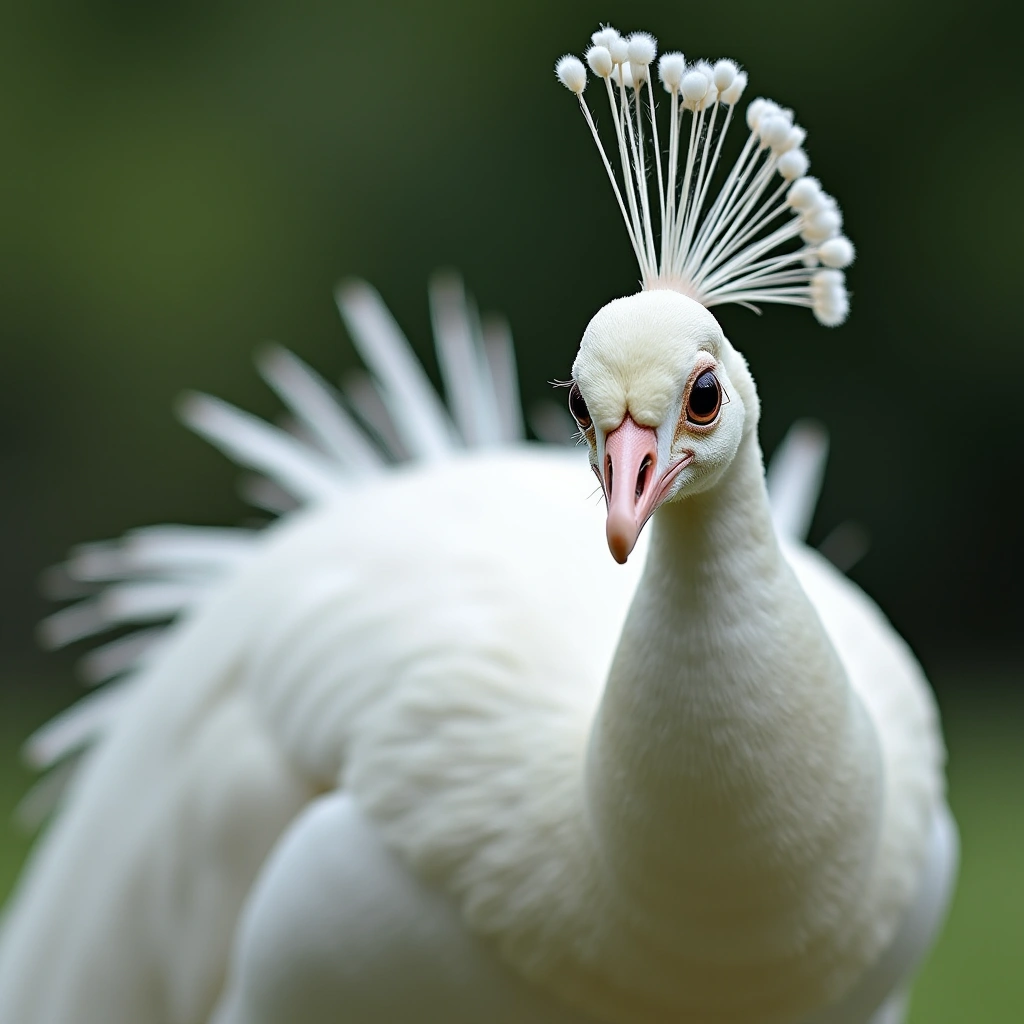
    Hey there, feathered-friends enthusiasts! Today, we’re diving into the fabulous world of the rare white peacock. Yes, you heard it right—a white peacock! It’s like the unicorn of the bird world, flaunting its feathers with a flair that makes even the most extravagant fashionista blush.

    Now, before you start imagining a peacock strutting down a runway, let’s get down to the nitty-gritty. These stunning creatures are not just putting on a show because they feel like it. Their unique appearance is the result of a genetic mutation known as leucism. Sounds fancy, right? Basically, it means they’ve lost some pigment, leaving them looking as pure as a snowflake in a blizzard. And believe me, it’s not just a fashion statement; it’s a biological marvel!

    But hold your horses (or should I say peacocks?) because leucism isn’t all rainbows and sunshine. While these birds might look like they’ve just emerged from a spa day, they can face some serious challenges. Their lack of color can make them more visible to predators. I mean, imagine trying to play hide-and-seek in a bright white outfit when your friends are all in camouflage. It’s not exactly a fair game, is it?

    On the bright side, their rarity adds a sprinkle of magic to their existence. Not only do they catch the eye, but they also capture the hearts of bird watchers, nature lovers, and Instagram influencers alike. If you want to turn some heads on social media, just post a pic of a white peacock. You’ll have followers flocking to your page faster than you can say ‘fowl play.’

    Now, let’s not forget the peacock’s primary job: to strut their stuff and attract mates. While a colorful male might have a competitive edge, these leucistic beauties have their own charm. With feathers that shimmer like freshly fallen snow, they can still woo the ladies. Talk about breaking the mold! Who knew being a little different could be so alluring?

    So, what’s the takeaway here? The rare white peacock isn’t just a pretty face; it’s a symbol of nature’s quirks and surprises. While they may face challenges due to their unique coloration, their beauty and allure remind us that it’s okay to be different. In a world full of ordinary, be the extraordinary white peacock! Just remember to watch out for predators and maybe trade that white outfit for something a little more camouflaged when you’re out in the wild.

    In conclusion, the next time you see a white peacock, tip your hat and give a nod to this rare gem of the avian world. Because if there’s one thing we’ve learned today, it’s that sometimes standing out is the best way to fit in!

  • The Mystique of Double-Headed Dandelions: Nature’s Quirky Surprise

    The Mystique of Double-Headed Dandelions: Nature’s Quirky Surprise

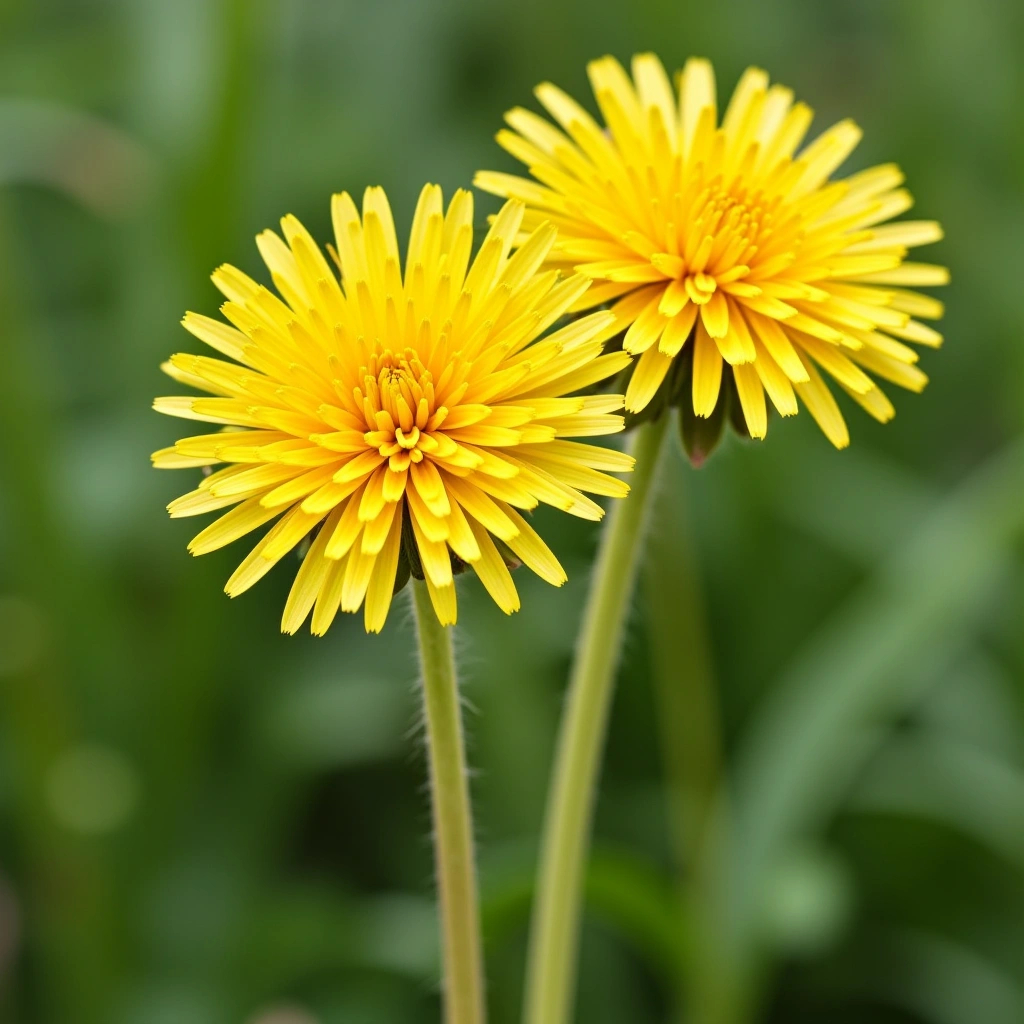
    Ah, dandelions! Those cheerful little yellow flowers that sprout up in your yard like they own the place. But hold onto your gardening gloves, because today we’re diving into the bizarre world of double-headed dandelions. Yes, you heard that right! It’s like the dandelion version of a two-headed cow, and who doesn’t want to witness that kind of botanical oddity?

    Now, you might be wondering, ‘What in the world is a double-headed dandelion?’ Well, my friend, it’s not just a wild imagination or a weird dream after a late-night taco binge. A double-headed dandelion is a rare phenomenon where a single plant produces two flower heads instead of the usual one. It’s like the dandelion decided it needed a buddy—because who wants to bloom alone, right?

    But before we go down the rabbit hole of dandelion friendships, let’s talk about why this happens. Dandelions, like many plants, can occasionally experience genetic mutations or environmental stressors that lead to such unique growth patterns. Think of it as nature’s way of saying, ‘Surprise! You thought you knew everything about dandelions, didn’t you?’ It’s the botanical equivalent of a plot twist in a soap opera.

    Now, if you’re lucky enough to spot one of these double-headed wonders, you might feel a mix of awe and confusion—kind of like when you see your friend try to do a backflip after a few too many drinks. It’s mesmerizing, but also a little concerning. However, unlike your tipsy buddy, double-headed dandelions are perfectly natural. They don’t require a rescue mission; they just need a little admiration.

    But why should you care about a double-headed dandelion? Well, aside from the cool factor, these quirky plants can be a conversation starter at your next garden party. Imagine casually sipping on your sparkling lemonade and saying, ‘Oh, did you see my double-headed dandelion? It’s basically the celebrity of my garden!’ Your guests will either be impressed or question your sanity—either way, it’s a win!

    And let’s face it, dandelions get a bad rap. They’re often labeled as weeds, but they’re resilient little fighters that can thrive in the most unexpected places. Next time you’re tempted to spray that dandelion in your yard with chemicals, think of the double-headed variety. It might just be nature’s way of showing off its creativity and tenacity.

    In conclusion, double-headed dandelions are a testament to the wonders of nature. They remind us that life can be unpredictable and full of surprises—like your cat suddenly deciding it wants to be a lap dog. So the next time you see a dandelion, take a moment to appreciate its uniqueness, because you never know when you might encounter a double-headed dandelion in the wild. Just don’t go trying to start a dandelion double-header breeding program; that could get messy!

  • When Bulls Speak: A Hilarious Dive into Animal Reactions

    When Bulls Speak: A Hilarious Dive into Animal Reactions

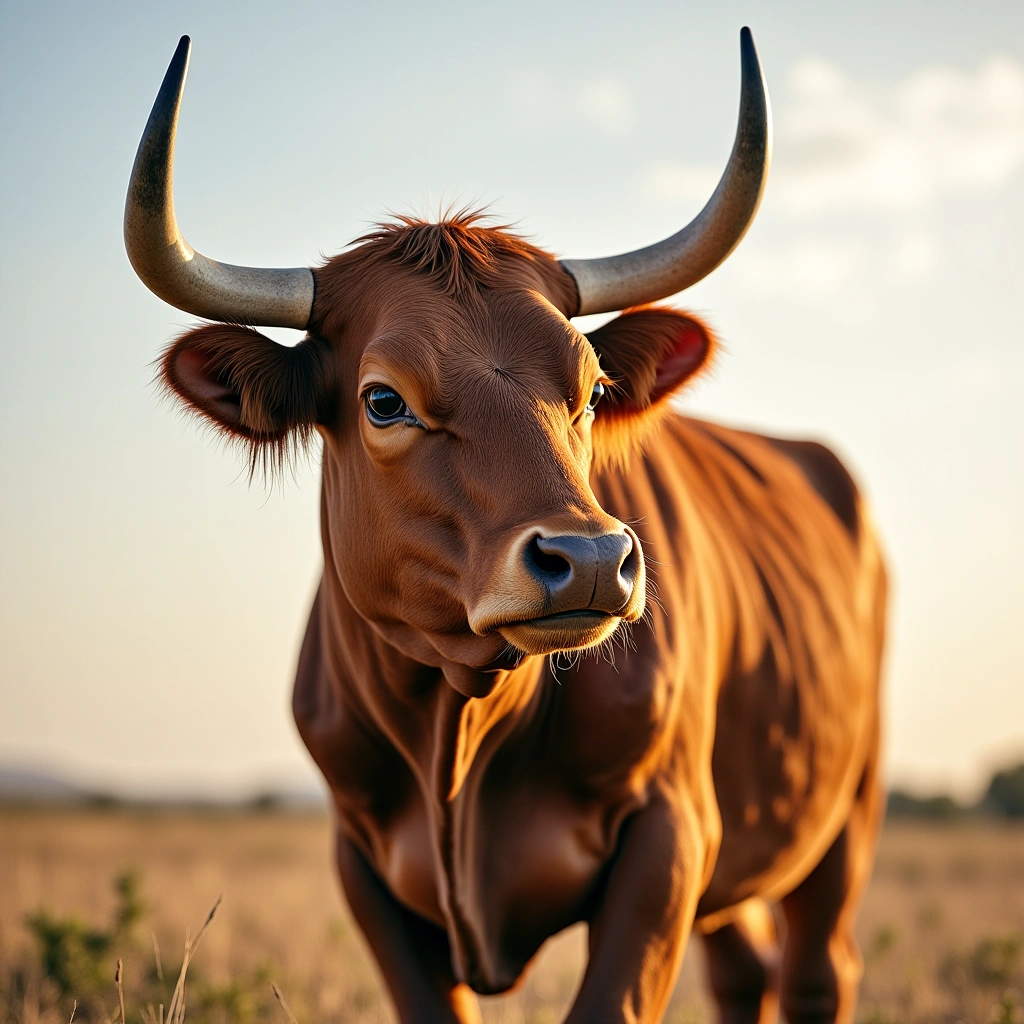
    Imagine a world where bulls could talk. I mean, wouldn’t that be something? Picture it: a massive bull at a rodeo, looking all muscular and majestic, suddenly throwing its head back and exclaiming, “Bruuuh! No you didn’t, no you didn’t!” Talk about a plot twist! This scenario isn’t just funny; it opens a whole new world of possibilities in animal communication.

    Now, let’s break this down. Bulls are big, powerful creatures. They’re like the bodybuilders of the animal kingdom. So when you have one that’s clearly not impressed, you can bet your boots that something hilarious just went down. Maybe it was a cowboy trying to impress the crowd with his lasso skills and failing spectacularly. Or perhaps a fellow bull tried to show off its strength by lifting a hay bale, only to trip and send it crashing down. You know, everyday bull drama!

    But let’s talk about the real implications here. If bulls could actually talk, would they become the next social media stars? Can you imagine a bull with a TikTok account, reacting to life’s little annoyances? “Bruuuh! Did you see that?!” every time a farmer tries to feed them hay that’s clearly past its prime. The potential for viral content is endless. Move over, influencers; we’ve got a new breed of stars!

    And let’s not forget the philosophical questions this raises. Would bulls start to form their own opinions on human behavior? Picture them sitting around in their pasture, discussing the latest trends in human fashion. “Have you seen those skinny jeans? Bruuuh! No way I’m fitting into those!” Or maybe they’d critique our taste in food. “You call that a steak? Bruuuh, please!” The conversations would be legendary, folks.

    However, let’s not get too carried away. As amusing as this bull scenario is, it brings us back to reality. Animals communicate in their own ways, and while they may not use words, their expressions and actions speak volumes. Maybe we should take a page from their book and learn to express ourselves a little more—perhaps with a little less drama and a little more humor.

    So, the next time you see a bull, just imagine it saying, “Bruuuh! No you didn’t, no you didn’t!” It might not be speaking in human language, but it’s definitely having its own thoughts about the absurdity of life. And honestly, isn’t that what we all need more of? A little humor and a lot of understanding—just like our friend, the bull.