Category: Nature

  • The Scorpion Dance: Nature’s Spookiest Serenade

    The Scorpion Dance: Nature’s Spookiest Serenade

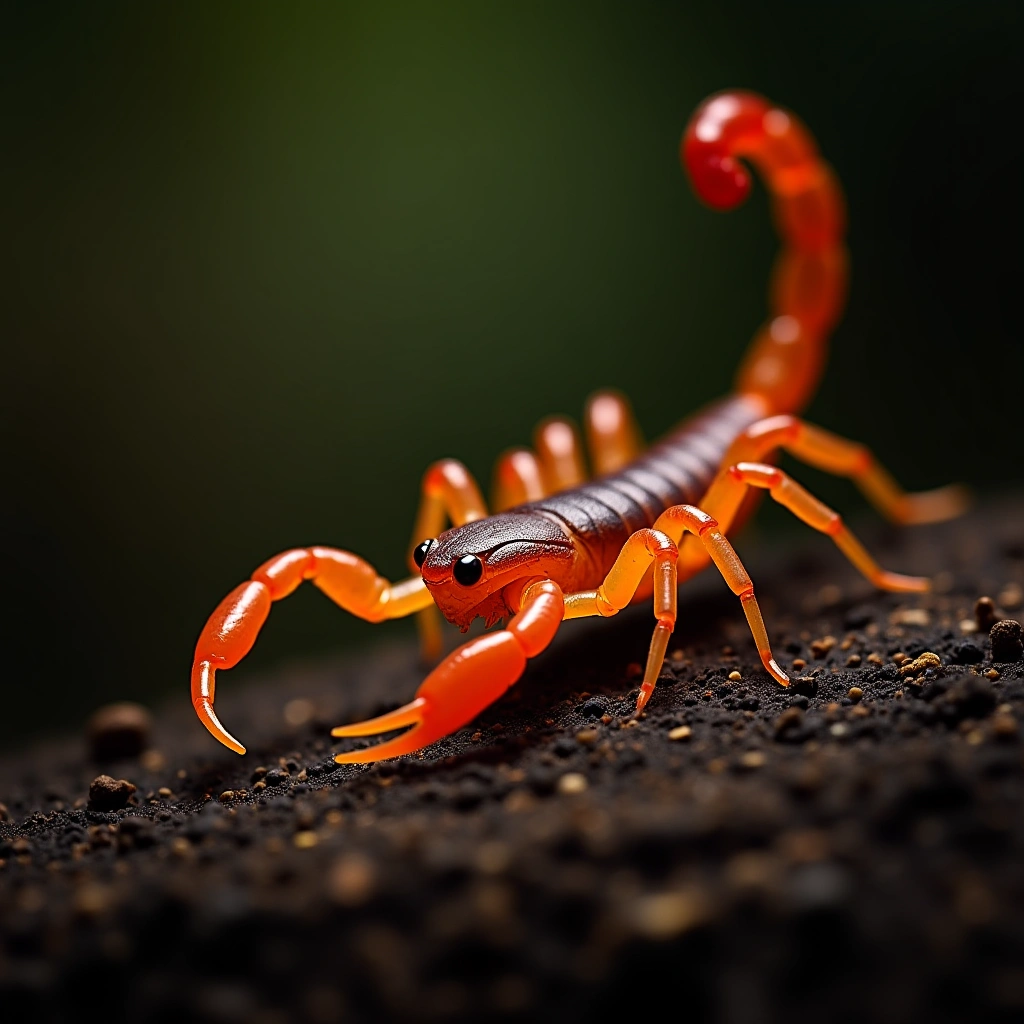
    Ah, the scorpion – nature’s very own eight-legged diva, strutting its stuff like it just stepped off the set of a reality show! If you’ve ever wondered what goes on in the life of a scorpion, let me take you behind the scenes of one of the most bizarre mating rituals you’ll ever witness. Grab your popcorn, folks, because it’s about to get creepy-crawly!

    First off, let’s set the scene. Picture a dimly lit desert landscape, the moon shining down like an overzealous spotlight. In one corner, we have the male scorpion, puffing out its chest (or whatever scorpions have that resembles a chest) and preparing for the ultimate dance-off. It’s like “Dancing with the Stars,” but with more pincers and a lot less sequins.

    Now, here’s where it gets interesting. The male scorpion approaches its female counterpart with all the grace of a drunk uncle at a wedding. He grabs her with his pincers and begins what can only be described as a slow-motion tango that would make even the most seasoned dance instructor recoil in horror.

    This mating dance isn’t just for show; it’s a complex ritual involving a lot of pushing, pulling, and awkward footwork. The male scorpion leads the female in a series of circular movements, almost like they are stuck in a perpetual game of musical chairs – except there are no chairs, and one of them might end up as dinner. Talk about high stakes!

    But wait, it gets even wilder! If the female scorpion is not feeling the vibes, she could literally turn the tables and give him a taste of his own medicine. If she’s not impressed, she could decide to take a swipe at him with her stinger, effectively sending him packing. Ouch! Talk about a harsh rejection! Imagine if dating were that straightforward in the human world. “Sorry, but I’m just not that into you,” followed by a swift jab. We’d all be single!

    After what feels like hours of this bizarre dance, if the stars align and the female is in the mood, they might just engage in a little something called “sexual cannibalism.” Yes, you heard that right. In some species, the female will munch on the male after mating. It’s like a very literal interpretation of “dinner and a show.” But hey, it’s all in the name of love, right?

    So, why do these scorpions go through such a ridiculous mating ritual? Well, it’s all about survival of the fittest. The males that can dance the best (or at least not get eaten) are likely to pass on their genes to the next generation. It’s nature’s way of ensuring that only the most dexterous and perhaps a bit luckier scorpions get to keep the family line going.

    In conclusion, the scorpion mating dance is a comedic yet fascinating ritual that showcases the wild side of nature. It’s a reminder that while we humans have our own complicated dating rituals, at least we don’t have to worry about literally becoming a meal for our date. Next time you see a scorpion performing its mating dance, just remember: it’s not just a dance; it’s a matter of life and death in the world of scorpions. So, tip your hat to these little arachnid Casanovas, and maybe think twice before stepping on one!
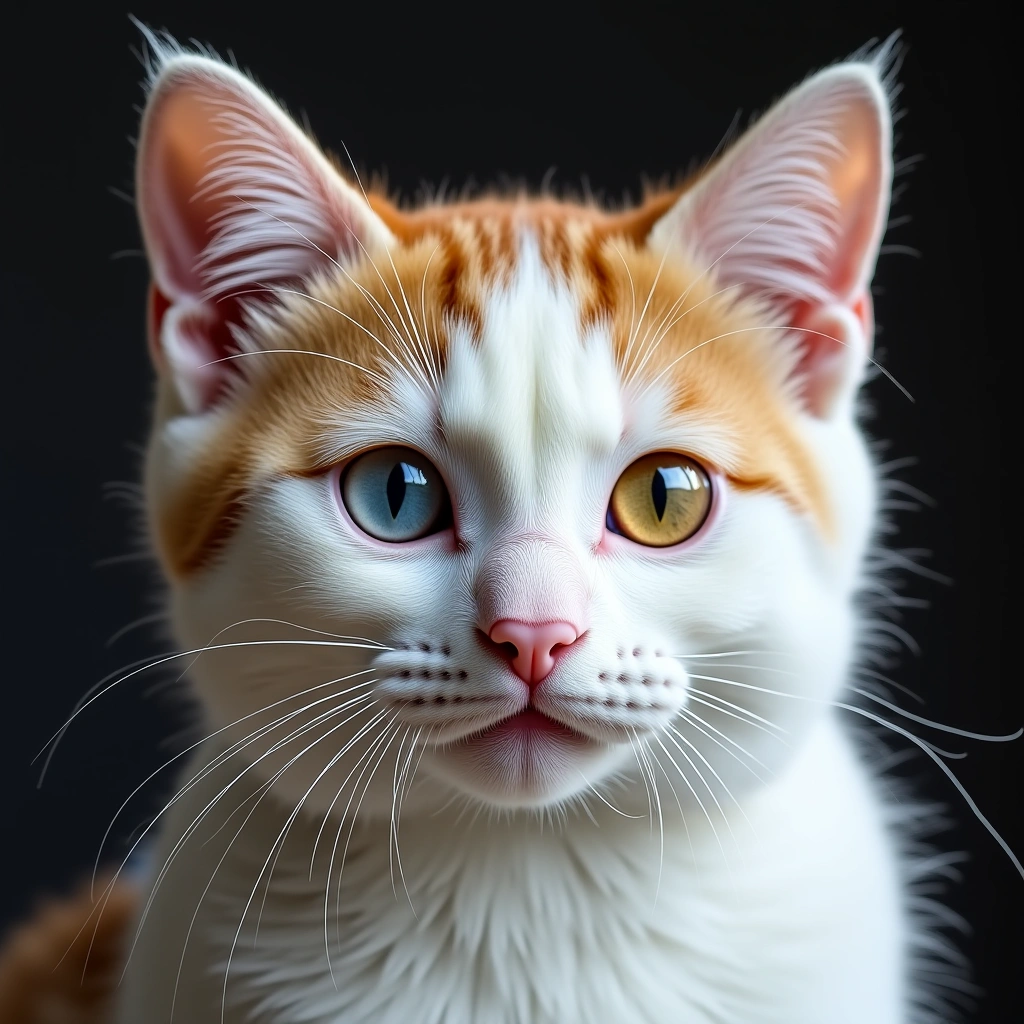

  • The Enigmatic Beauty of Cats with Different Eye Colors: A Purr-fectly Unique Phenomenon

    The Enigmatic Beauty of Cats with Different Eye Colors: A Purr-fectly Unique Phenomenon

    Hey there, fellow feline aficionados! Let’s talk about one of the most mesmerizing quirks in the cat kingdom: those adorable furballs with mismatched eye colors. You know, the ones that look like they just walked out of a mystical fairy tale or a quirky indie film? Yes, we’re diving into the enchanting world of cats with heterochromia!

    First off, what the heck is heterochromia, you ask? Well, it’s not just a fancy word that sounds like it belongs in a spellbook. It refers to a condition where a cat (or any creature, really) has two differently colored eyes. One eye might be a striking blue, while the other could be a mesmerizing green or even a warm amber. It’s like a little gift from Mother Nature, and let’s be honest, who doesn’t love a feline that looks like a walking piece of art?

    Now, you might be wondering how this phenomenon happens. Heterochromia can be genetic or the result of some good old-fashioned luck. Some breeds, like the Turkish Van and the Japanese Bobtail, are known for sporting this eye-catching trait, while other cats might just be the lucky ones born with such uniqueness. It’s like winning the genetic lottery, except instead of cash, you get a cat that looks like it’s judging you from two different perspectives!

    But wait, let’s get a bit controversial here. Some folks might claim that cats with different eye colors are special or even magical. Sure, they look fabulous, but let’s not start labeling them as the “chosen ones” of the kitty universe. Every cat is special in its own way, whether they have one green eye, one blue eye, or even two perfectly matched eyes that don’t know how to pick a color. So, while we adore our heterochromatic pals, let’s not forget that every cat is a queen or king in their own right!

    And here’s where it gets even more interesting: Did you know that the eye color of a cat can change as they age? Yes, you heard that right! Kittens are born with blue eyes, and as they grow older, their eyes can change to various shades depending on their genetics. Talk about a glow-up! So, if you’ve got a kitten with two baby blues, keep your camera ready; you might end up with a cat that looks completely different in just a few months!

    Now, let’s not skip over the fact that those gorgeous mismatched eyes can sometimes indicate health issues. In rare cases, heterochromia can be associated with conditions like deafness. So, if you have a cat with different colored eyes, it might be worth checking in with your vet just to ensure everything is hunky-dory. Because hey, we want our fur babies to not just look fabulous but also be in tip-top shape!

    In conclusion, cats with different eye colors are more than just a pretty face. They embody the quirks and wonders of nature, reminding us that normal is just a setting on a washing machine. So, next time you see a cat with mismatched eyes, give them a wink from one eye to the other and appreciate the delightful oddities of our feline friends. After all, in a world full of ordinary, why not celebrate the extraordinary?

  • The Microscopic Wonders of Ocean Water: What Happens When You Zoom In?

    The Microscopic Wonders of Ocean Water: What Happens When You Zoom In?

    Hey there, ocean lovers and curious minds! Have you ever thought about what a single drop of ocean water looks like under a microscope? If you haven’t, buckle up, because we’re about to dive into the microscopic world that’s teeming with life, drama, and a whole lot of weirdness!

    First off, let’s set the scene. Picture this: you’re standing on a beach, feeling the sand between your toes, the salty breeze in your hair, and the waves crashing rhythmically in the background. Now you bend down and scoop up a drop of that ocean water, which seems so simple and innocent. But oh boy, once you place it under a microscope, things get wild!

    Under the lens, that tiny drop transforms into a bustling microcosm. You’ve got single-celled organisms known as dinoflagellates that look like they’ve just come from a rave party, with their flashy colors and wild shapes. Some are bioluminescent, meaning they can glow in the dark—like the ocean’s very own disco lights. Who knew that Mother Nature was such a party planner?

    But wait, there’s more! You’ll also find diatoms, those beautiful little algae with glass-like shells that resemble tiny works of art. They’re like the Picasso of the plankton world, and they come in a variety of shapes that would make any abstract artist jealous. It’s basically the art gallery of the ocean right under your nose—just don’t try to touch it!

    Now, let’s not forget about the more “interesting” characters in our aquatic soap opera. There are tiny creatures called copepods, which are like the cockroaches of the ocean. They may not be glamorous, but they’re super important to the marine food chain. You might even see some of them having a snack—yes, even in the microscopic world, we can’t escape the dinner drama!

    And we can’t ignore the bacteria! Yes, they’re there too, doing their thing—some are helpful, breaking down organic matter, while others can be a bit of a menace. It’s like having that one friend who brings the good snacks but also spills the beans about your secret crush. Thanks, but no thanks!

    Now, if you’re thinking about diving into this microscopic world yourself, don’t worry, it’s easier than you think. Investing in a decent microscope can open up a whole new realm of possibilities. Just make sure you have a steady hand, or you might end up with a smear of seawater on your shirt instead of a glimpse of undersea magic!

    But here’s the kicker: why does any of this matter? Well, understanding what’s in our oceans helps us appreciate the biodiversity and the delicate balance of marine ecosystems. Plus, every time you take a sip of water, you might just be sharing it with a tiny dinoflagellate that’s been around for millions of years. Talk about a timeless drink!

    So next time you find yourself by the sea, remember that a single drop of ocean water is more than just water—it’s a bustling metropolis of microscopic life. And while it may seem like a small detail, it’s a reminder of the wonders of our world, both big and small. Now, go ahead and make your friends jealous with your newfound ocean facts!

  • The Mesmerizing Power of the Ocean in Slow Motion: Nature’s Cinematic Masterpiece

    The Mesmerizing Power of the Ocean in Slow Motion: Nature’s Cinematic Masterpiece

    Ah, the ocean! That vast expanse of blue that makes you feel as small as a grain of sand in a cosmic desert. But have you ever seen it in slow motion? If you haven’t, buckle up, because we’re diving deep into the mesmerizing world of oceanic slow-mo, and trust me, it’s like watching a majestic ballet performed by Mother Nature herself.

    Imagine this: waves crashing against rocks, each droplet frozen in time, like a tiny glass sculpture just waiting to be admired. When you see it in slow motion, you realize that the ocean isn’t just a big puddle; it’s a drama queen! One moment it’s calm and serene, the next it’s throwing a tantrum that would put a two-year-old in the toy aisle to shame. Who knew water could have such emotional range?

    Now, let’s talk about that hypnotic rhythm. When you watch the ocean in real-time, it’s like a fast-paced thriller movie, but in slow motion, it transforms into an epic love story—complete with heart-stopping moments. The way the waves roll in and out, the foam dancing like it’s at a disco party, it’s enough to make even the toughest of souls feel a bit mushy inside. Seriously, if Shakespeare were alive today, he’d probably write sonnets about the ocean’s slow-motion moves.

    And let’s not forget the wildlife! Have you ever seen a dolphin leap out of the water in slow motion? It’s like they’re auditioning for a role in a high-budget action film. You can almost hear the dramatic music playing in the background. I mean, who knew marine mammals could be such show-offs? And if that’s not enough, watching a sea turtle glide gracefully through the water is like seeing a wise old sage performing tai chi. It’s serene, it’s beautiful, and it makes you wish you could join them… but then you remember you’d probably just sink like a stone.

    Now, before you go rushing off to find a slow-motion camera (or your phone’s slow-mo feature), let’s take a moment to appreciate the science behind this captivating display. In slow motion, we can see the details that our fast-paced lives often overlook. The way light refracts through the water, how tiny particles dance in the currents, and even how the ocean breathes in and out. It’s a reminder that, despite our busy lives, nature is always at work, creating beauty in every moment.

    Of course, watching the ocean in slow motion isn’t just for the Instagram influencers and TikTok stars. It’s a form of meditation—an opportunity to pause, reflect, and appreciate the natural world. So, the next time you find yourself near the ocean, take a moment. Put down your phone (gasp!) and simply observe. You might find that the ocean has more to teach you than you ever imagined.

    In conclusion, whether you’re a beach bum, a science nerd, or just someone who enjoys the art of procrastination, the power of the ocean in slow motion is a mesmerizing experience that shouldn’t be missed. So, go on, grab that camera, and let the ocean’s beauty wash over you—just be prepared for the tidal wave of emotions that might follow!

  • Stick or Moth? The Ultimate Showdown Between Nature’s Masters of Disguise

    Stick or Moth? The Ultimate Showdown Between Nature’s Masters of Disguise

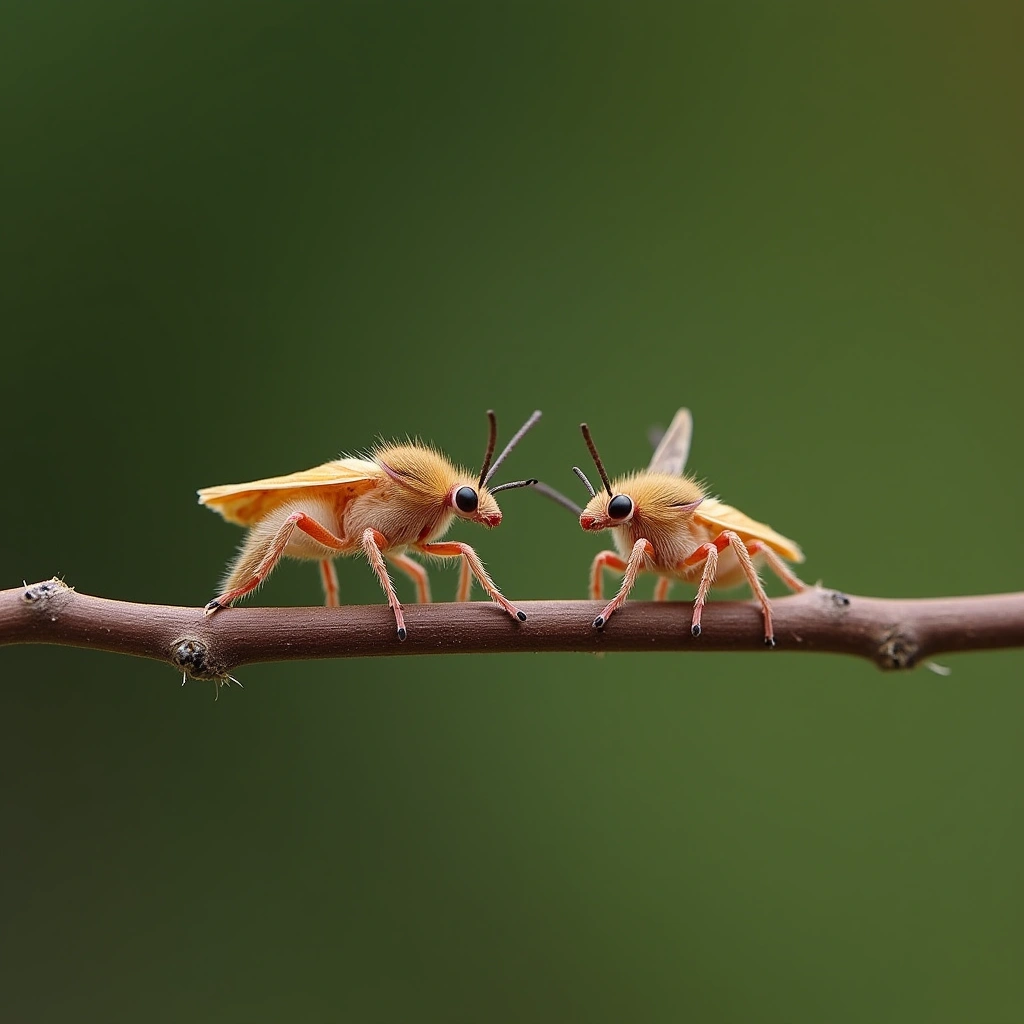
    Ah, the age-old debate that has captivated the minds of many: Stick or Moth? It’s a question that has perplexed entomologists, nature enthusiasts, and confused backyard BBQ hosts alike. Let’s dive into this leafy dilemma and unravel the secrets of these two fascinating creatures.

    First off, let’s talk about the stick insects. These little guys are the ultimate ninjas of the animal kingdom, blending seamlessly into their surroundings. If you ever find yourself in a forest and think you spotted a stick, you might just be looking at one of these crafty critters. They’re like the introverts of the insect world—perfectly content to sit still and let the world pass by. Their ability to mimic twigs and branches is nothing short of an evolutionary miracle. Who needs flashy colors when you can just be a stick?

    On the flip side, we have moths—those nocturnal flyers that are like the party animals of the insect world. While the stick insect is busy playing hide and seek, the moth is out there living its best life, fluttering around porch lights and crashing your summer nights. Moths are like that friend who can’t resist the allure of a good rave, even if it means sacrificing their dignity for a little fun. They might not be as masterful in disguise as the stick insect, but they sure know how to light up a room (or a lamp, in this case).

    But let’s not ignore the controversy here. Some folks argue that stick insects are the superior masters of disguise. They have perfected the art of camouflage to such an extent that it almost feels like they’re showing off. “Look at me! I can literally be a stick!” they seem to say. Meanwhile, moths are just trying to find their way in the dark, often ending up face-first in a bug zapper. Talk about a literal shock to the system!

    Now, if you’re wondering which one is better—stick or moth—it really boils down to what you value in life. Are you a quiet observer, perfectly content to hang out in the background? Then you might just resonate with the stick insect. Or are you the life of the party, drawn to bright lights and vibrant energy? In that case, moths are your spirit animals.

    In conclusion, whether you lean towards the stealthy stick or the boisterous moth, both creatures have their unique charms and attributes. They each play their part in the grand tapestry of nature, reminding us that sometimes, it’s okay to be a little extra or to just chill on the sidelines. So, next time someone asks you to pick a side, just smile and say, “Why not both?” After all, variety is the spice of life!

  • The Curious Case of Dogbane Beetles: Nature’s Tiny Warriors

    The Curious Case of Dogbane Beetles: Nature’s Tiny Warriors

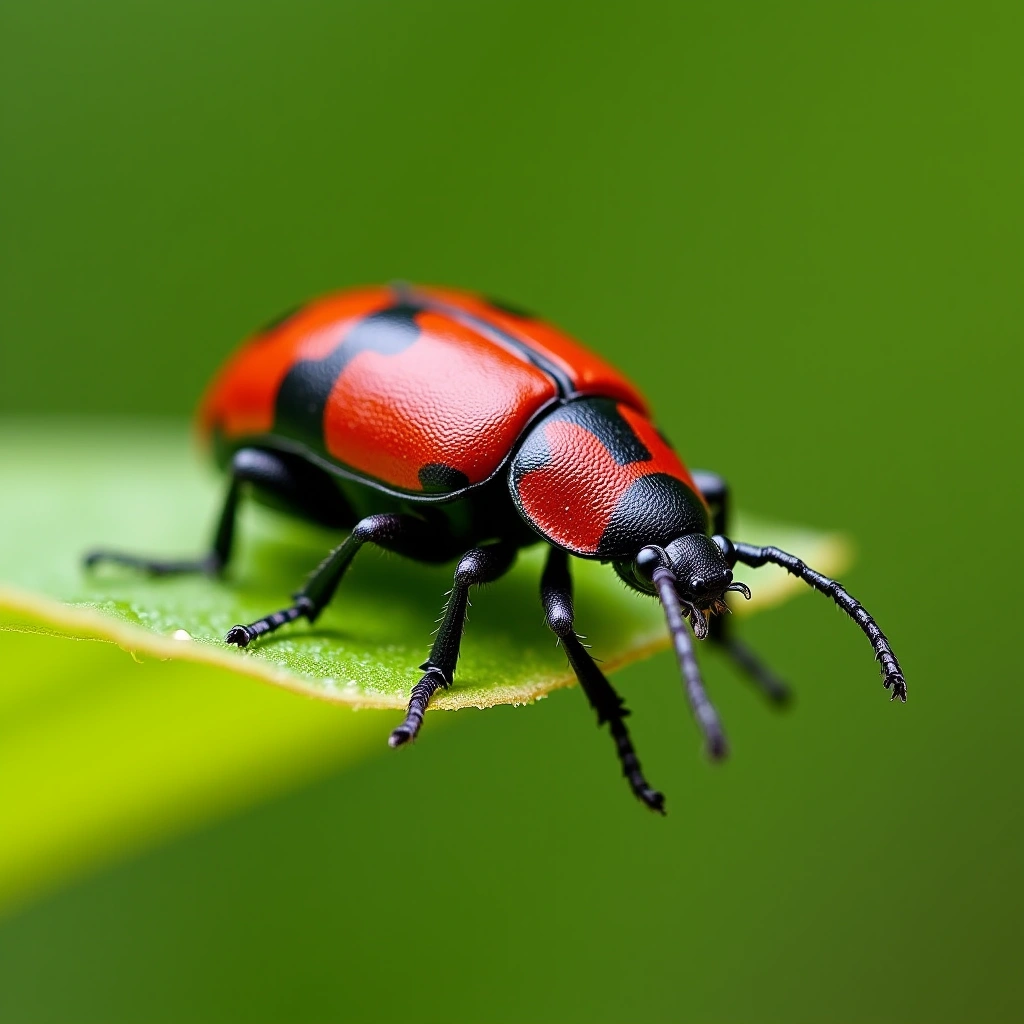
    Ah, the Dogbane Beetle—sounds like a character from a low-budget sci-fi film, right? But no, my friend, these little critters are very much real and quite the intriguing subject of nature’s bizarre cast of characters. Buckle up, because we’re about to dive deep into the wild world of these vibrant beetles, and trust me, it’s more entertaining than a cat video compilation.

    First off, let’s talk about what a Dogbane Beetle actually is. This little guy, belonging to the family Chrysomelidae, has a particular fondness for the Dogbane plant (Acerates). Honestly, it’s like they decided to pick a plant with a name that sounds like a bad Yelp review—“Beware of the Dogbane, it bites!”

    Appearance-wise, they are like the fashionistas of the insect world, flaunting a glossy blue or green sheen that could easily make them the envy of any disco ball. Seriously, if you want to attract attention at your next garden party, just show up with a few of these beauties on your shoulder. You’ll be the life of the party!

    Now, let’s get into their feeding habits. Dogbane Beetles are like those friends who crash at your place and eat all your snacks. They munch on the leaves of their namesake plant, often leaving it looking like it just survived a zombie apocalypse—barely standing and confused about what just happened. But don’t worry, they’re not all bad. Their munching helps keep the Dogbane population in check, which is a service to the ecosystem. Kind of like a really picky eater at a buffet who only selects the good stuff.

    And here’s where it gets juicy—Dogbane Beetles have a secret weapon: they can secrete toxic compounds from their bodies! Yes, you heard that right. They’re like the ninjas of the insect kingdom, armed with a chemical arsenal that can send predators running for the hills. Imagine if cats could spray perfume that made dogs faint; it’s kind of like that. They’re not just sitting around waiting to be someone’s dinner. No siree, they’re taking charge!

    But wait, there’s more! The Dogbane Beetle’s toxicity comes from the very plant they dine on. It’s a classic case of you are what you eat, folks! So, when they’re feeling threatened, they just wave their little toxic arms and say, “Back off, buddy! I’m not just an appetizer!”

    Now, before you throw a “Beetle Appreciation Day” party, remember that Dogbane Beetles are not without their controversies. Some gardeners view them as pests—those little rascals can really do a number on your beloved plants. Yet, trying to eradicate them could upset the balance of your local ecosystem. It’s like that time your friend tried to cut out gluten from their diet, only to realize they were missing out on delicious pizza. Sometimes you’ve got to learn to coexist, my friend.

    So, what’s the takeaway here? Dogbane Beetles are a fascinating blend of beauty and danger, like a glitter bomb wrapped in barbed wire. They serve a purpose in nature, but they can also be a headache for those who want pristine gardens. Next time you stumble upon these little warriors, take a moment to appreciate their role in the circle of life—or at least take a selfie with one. Just watch your fingers!

  • The Mysteries of Blue Icebergs: Penguins’ Chill Playground and Climate’s Comedy Show

    The Mysteries of Blue Icebergs: Penguins’ Chill Playground and Climate’s Comedy Show

    Ah, the majestic penguins! Those waddling little tuxedo-wearers of the Antarctic are the life of the icy party. But have you ever wondered why they seem to have a penchant for lounging on those stunning blue icebergs? No, it’s not just for the Instagram likes. Let’s dive into the frosty depths of this icy phenomenon!

    First off, let’s talk about the star of the show: the blue iceberg. You see, when you think of ice, you might picture a dull, white surface that looks like it belongs in a 1990s sci-fi movie. But in reality, blue icebergs are like the supermodels of the iceberg world—often found strutting their stuff in the chilly waters of the Antarctic. This quirky blue hue is a result of thousands of years of compression. Yes, that’s right! Ice can be fashionable too!

    As snow accumulates and gets compacted over millennia, the air bubbles trapped within the ice get squished out. This process leads to clear ice, which, when it’s thick enough, scatters light in a way that makes it appear blue. Who knew that Mother Nature had such a flair for aesthetics? It’s like she took an art class just to make sure the penguins had a stylish place to chill.

    Now, let’s get back to our beloved penguins. These adorable creatures are not just hanging out on blue icebergs for the view; they’re also there to escape the heat. Yes, you heard it right! While we’re contemplating whether to put on a sweater or turn on the AC, these feathered fellows are basking in the refreshing cold of their icy thrones. It’s like they’re living in a perpetual winter wonderland while we sweat it out in the summer sun. Talk about envy!

    But here’s where it gets interesting—and perhaps a tad controversial. Some scientists argue that the beautiful blue icebergs may soon become a thing of the past. With climate change warming our planet, the ice is melting faster than you can say ‘penguin party!’ This means that while our frosty friends are enjoying their current chill, their fashionable blue icebergs might soon be replaced by a more… drab and less stylish white ice. Imagine telling your friends you vacationed on a white iceberg. So last season!

    So, what can we do about it? Well, besides adopting a penguin as a pet (which, let’s be honest, is illegal and not recommended), we can all do our part to combat climate change. Reduce, reuse, recycle—make it your new mantra! Because if we don’t, we might just be saying goodbye to those stunning blue icebergs and the delightful penguin parties that come with them.

    In conclusion, next time you see a penguin chilling on a blue iceberg, remember: they’re not just cute; they’re also making a bold fashion statement against the backdrop of climate change. So raise a glass of ice-cold lemonade (not from a plastic bottle, please!) to our tuxedo-clad friends and their icy blue playground. Let’s help ensure it stays that way!

  • When Nature Calls: The Hilarious Tale of a Boy and a Bear in the Backyard

    When Nature Calls: The Hilarious Tale of a Boy and a Bear in the Backyard

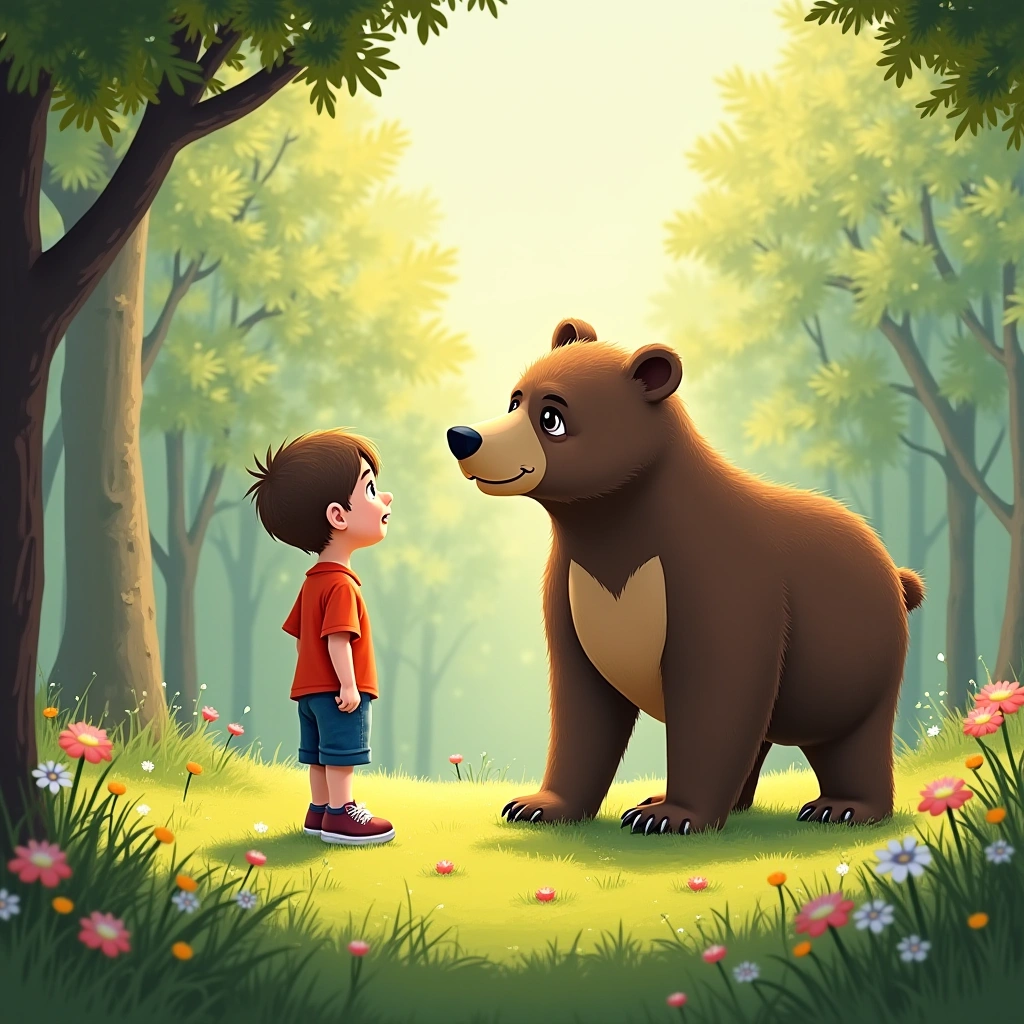
    Ah, the great outdoors! Where the air is fresh, the birds sing sweetly, and, occasionally, a bear decides it’s time to crash your backyard barbecue. Sounds like a scene straight out of a poorly written sitcom, right? But for one young lad, this was all in a day’s work!

    Imagine this: You’re just chilling at home, minding your own business, when your backyard suddenly becomes a wildlife documentary. And what’s our hero doing? He’s calmly warning everyone about the bear as if he’s just seen his neighbor’s dog ripping into the trash. I mean, talk about a chill attitude!

    Now, before we dive deeper, let’s address the elephant—or should I say bear—in the room. Some folks might panic at the sight of a bear. They might scream, run, or even consider hiding under the nearest table (because who wouldn’t want to feel like a scared toddler again?). But not this kid. No, he’s got a level of coolness that would make a cucumber feel inadequate.

    What’s the secret here? Is it a lifetime supply of bear safety training? Or perhaps he’s just got the kind of confidence that comes from knowing he can outrun his friends? Who knows! But what we do know is this: while some would be losing their minds, this kid’s got it all figured out.

    Now, let’s talk about the bear itself. Here’s a thought: what was it doing in the backyard? Was it searching for food? Looking for a place to take a nap? Or perhaps it just wanted to join in on the fun? I can imagine the bear thinking, “Wow, this place looks like it’s got potential! I’ll just pop in for a snack and a little socializing.”

    And let’s not forget about the parents. They must have been watching this unfold like it was the latest episode of their favorite reality show. “Honey, get the camera! Our son is about to become a legend!” Because let’s face it, how many kids can say they’ve had a bear encounter? This kid is going to be the talk of the playground for years!

    But seriously, let’s take a moment to applaud the calm demeanor of this boy. It’s not every day you encounter a bear, and it takes some serious guts to stand there and alert the family while the rest of us would be considering a career change to a hermit.

    In conclusion, the next time you find yourself in a situation that seems outrageous—like a bear in your backyard—channel your inner young hero. Remember, you might just end up with a story that’s better than anything Netflix can offer. So, whether it’s bears, raccoons, or that one neighbor who thinks it’s okay to blast music at 2 AM—stay calm, stay collected, and above all, keep that sense of humor alive!

  • Why a $549 Windows Laptop Might Just Be the Underdog You Didn’t Know You Needed Over MacBook Neo

    Why a $549 Windows Laptop Might Just Be the Underdog You Didn’t Know You Needed Over MacBook Neo

    Hey there, tech aficionados and casual scrollers alike! So, a new study has dropped that’s shaking up the tech world like a toddler with a juice box. It turns out that a $549 Windows laptop has some serious advantages over the shiny, sleek MacBook Neo. Hold onto your keyboards because we’re diving into this rabbit hole!

    First off, let’s talk about price. At $549, the Windows laptop is practically a steal! You could buy one and still have enough left over for a fancy latte or, you know, a small island in the Caribbean. Meanwhile, the MacBook Neo is like that chic friend who never lets you forget how much they spent on their shoes. Yes, I see you rolling your eyes. But come on, who doesn’t want to retire early on a budget?

    Next up, let’s get into performance. Now, before you grab your pitchforks, hear me out! The study suggests that for everyday tasks like browsing the web, streaming cat videos (very important), and writing that novel that you’ve been procrastinating on, the Windows laptop holds its own. It’s like that friend who shows up uninvited but ends up being the life of the party!

    And let’s not forget about software compatibility. The Windows platform is like a buffet, offering a little something for everyone—be it games, productivity software, or that obscure app you downloaded to keep track of your sock collection. Meanwhile, MacBook users sometimes find themselves in an exclusive club that only serves artisanal cheese and doesn’t allow entry to half of the apps out there. Sorry, not sorry!

    Battery life, you ask? Well, the Windows laptop is like that reliable buddy who always has gas in the tank for a spontaneous road trip. Sure, the MacBook Neo boasts impressive stats, but when you’re out there living your life, you want a laptop that won’t conk out on you while you’re trying to save the world (or just finish that Netflix series).

    Now, let’s address the elephant in the room: design. Yes, the MacBook Neo looks like it was sculpted by a team of angels, but at what cost? With a Windows laptop, you’re getting functionality without the guilt of selling a kidney. Plus, you can customize it! Want a neon green case? Go for it! You’re the Picasso of your own tech world.

    In conclusion, while the MacBook Neo may seem like the golden child of the laptop family, don’t underestimate the humble $549 Windows laptop. With a price that won’t make your wallet weep and a performance that can keep up with your daily shenanigans, this underdog is ready to take a seat at the big kids’ table. So next time you’re in the market for a laptop, remember: sometimes the best things come in less flashy packages!

    Now, go forth and choose wisely, my friends. Your wallet (and your future self) will thank you!

  • The Drought is Over: A Horseback Adventure into Nature’s Comeback

    The Drought is Over: A Horseback Adventure into Nature’s Comeback

    Hey there, fellow earthlings! Grab your saddles and hold onto your horses (and maybe a few water bottles), because we’re diving into the heartwarming tale of a man and his trusty steed witnessing the miraculous return of water after a drought that felt longer than a Monday morning.

    Imagine this: you’re out riding your horse, feeling like a modern-day cowboy, when suddenly you spot a glimmer of hope – a puddle! No, not just any puddle, but a glorious body of water that has been on an extended vacation, leaving everything dry and dusty. It’s like spotting a unicorn in the wild, if unicorns were just really thirsty horses.

    This epic moment isn’t just a refreshing sight for our horseback hero; it’s a sign of nature’s resilience. After a long, parched spell where even the cacti were looking a bit sad, the return of water can feel like winning the lottery, but without the pesky taxes. For the flora and fauna, it’s like a buffet has opened up after a long fast. Greenery is ready to party, and who doesn’t want to be invited to that shindig?

    Now, I know some of you might be thinking, “What’s the big deal about water?” Well, my thirsty friend, let me remind you that water is life! It’s the classic comeback story, the underdog that rises from the dry ashes. You see, nature doesn’t just sit back and let droughts take over. Nope! It’s got a few tricks up its sleeve, always ready to surprise us. Just like that friend who claims they can cook but ends up burning water, nature sometimes has its hiccups but ultimately gets it right.

    But let’s not gloss over the fact that this isn’t just a happy tale of water returning. We’re living in a time where climate change is doing its best impression of a bad horror movie, with droughts and floods showing up uninvited. So, while our horse-riding buddy is basking in the beauty of nature’s revival, we should also be raising an eyebrow and asking, “What’s next?” It’s a mixed bag of emotions, folks – a waterworks of joy and concern.

    So, what can we learn from our friend on horseback? First, don’t take water for granted. Second, appreciate the little things – like puddles and the fact that you’re not a cactus. And finally, let’s encourage each other to take care of our planet. Because if we don’t, we might just find ourselves on horseback again, riding through a landscape that’s drier than a desert, and no one wants that.

    In conclusion, let’s raise a glass – preferably filled with water – to the return of our beloved H2O. Here’s to more rainy days, happy plants, and, of course, that brave man and his horse who remind us that sometimes, the best adventures come when you’re least expecting them. Now, off you go, be like that horse and gallop into your next adventure!