Category: Nature

  • Meet the Borneo Giant Pill Millipede: Nature’s Rolling Ball of Curiosity

    Meet the Borneo Giant Pill Millipede: Nature’s Rolling Ball of Curiosity

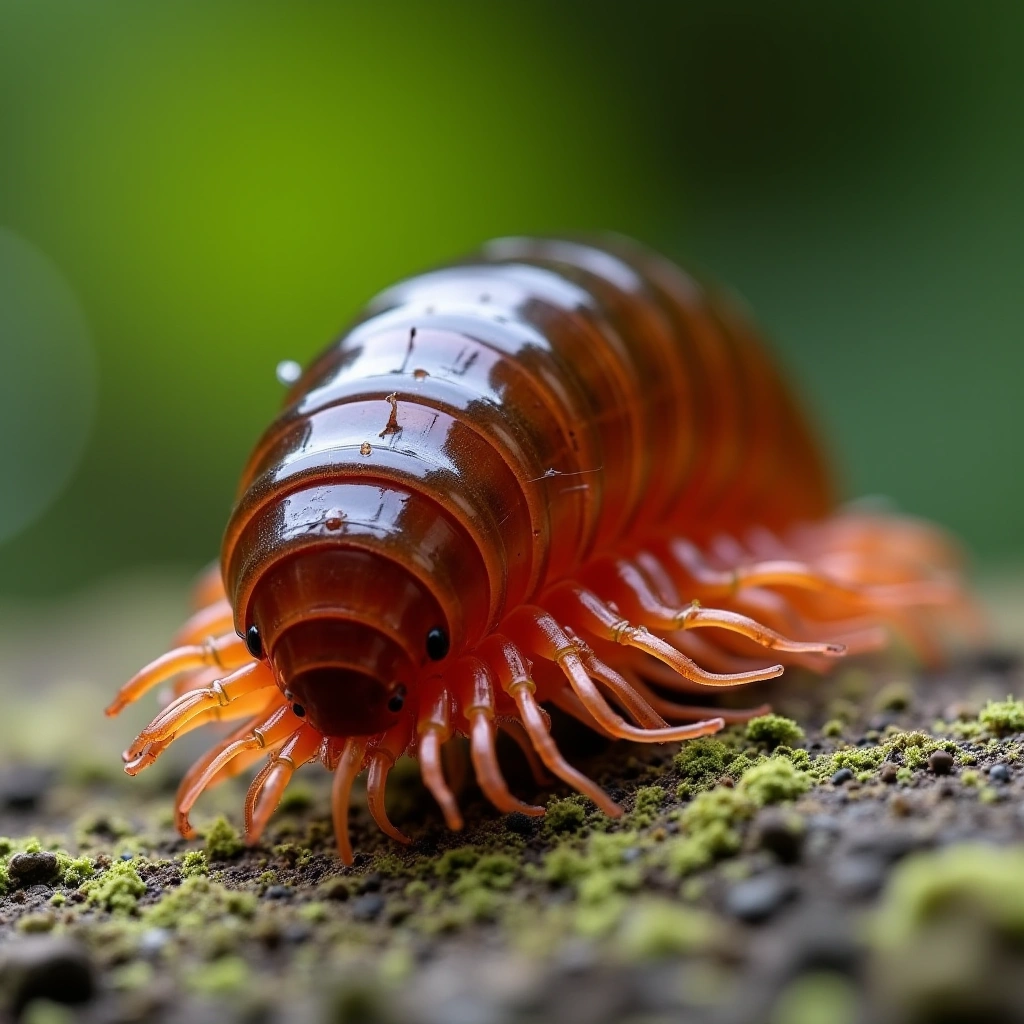
    So, you’ve heard of the Borneo Giant Pill Millipede and thought, ‘What in the world is that?’ Well, grab your magnifying glass because we’re diving into the quirky world of this little critter that makes even the most bizarre sci-fi movies look tame!

    First things first, let’s talk size. The Borneo Giant Pill Millipede can grow up to a whopping 12 inches long! That’s right, folks. This isn’t your average millipede you’d find crawling under a rock in your backyard. This is a full-on, ready-to-roll, giant pill-millipede. It’s like the NBA player of the millipede world, making its smaller cousins look like they just stepped off the junior varsity team.

    Now, why do they roll into a ball, you ask? It’s not because they’re practicing for their Olympic debut in curling (though, wouldn’t that be something?). These little guys roll up into a ball as a defense mechanism. When threatened, they curl up tighter than a burrito at a taco truck during lunchtime. This makes them less appealing to predators who aren’t fans of snack-sized meals. Plus, who wouldn’t want to carry around a portable fortress?

    But wait! There’s more! The Borneo Giant Pill Millipede has a unique way of defending itself that goes beyond just curling up. When disturbed, they can secrete a substance that smells like a mix between a sweaty gym sock and a funky cheese platter. It’s nature’s own version of a stink bomb, ensuring that most predators will think twice before trying to chow down on this rolling delicacy.

    Let’s not forget about their diet. These millipedes are the true recyclers of the forest floor. They munch on decaying leaves, helping to break down organic matter and turn it into nutrient-rich soil. Talk about doing your part for the ecosystem! They’re basically the compost heroes we didn’t know we needed.

    And here’s the kicker: despite their intimidating appearance, they’re not harmful to humans. They won’t bite, sting, or try to steal your lunch money. Their secret weapon is purely a defense mechanism. So, if you ever encounter one, don’t panic! Just admire it from a distance and maybe snap a few photos for the ‘Gram.

    In conclusion, the Borneo Giant Pill Millipede is a testament to nature’s creativity and adaptability. So next time you’re feeling down about your own life choices, just remember there’s a giant bug somewhere in Borneo living its best life, rolling up like a pro. Who knew that such a creature could teach us a thing or two about resilience in a world that often feels like it’s trying to squash us like a bug on a sidewalk?

    So go forth! Spread the word about this magnificent millipede. Share it with your friends, your family, or even that one neighbor who always looks grumpy. Who knows? You might just spark an interest in entomology—and if not, at least you’ll have a good laugh!


    Inspired by: “Borneo Giant Pill Millipede” (r/interestingasfuck)
  • The Wild Symphony: Fascinating Animal Noises That Will Make You Question Reality

    The Wild Symphony: Fascinating Animal Noises That Will Make You Question Reality

    Ah, the animal kingdom! A place where communication is all about grunts, growls, and the occasional melodious chirp that could make any karaoke night look like a sad episode of The Voice. If you think humans are the only ones with a flair for the dramatic, then buckle up, my friend, because we’re diving into some of the most fascinating animal noises that might just make you reconsider your next family gathering.

    1. The Ominous Howl of the Wolf

    First up, we have the iconic howl of the wolf. This isn’t just a noise; it’s a full-blown concert of nature. When wolves howl, they’re not just showing off their vocal cords; they’re basically sending out an RSVP to all the other wolves in the area. “Hey guys, we’re having a pack meeting at the moonlight tonight. Don’t be late!” If only our family reunions could be that organized.

    2. The Hilarious Honks of Geese

    Next on our list are geese, who seem to have taken a masterclass in honking. Seriously, these feathered fellows could easily replace your alarm clock with their raucous squawking. But here’s the kicker: they honk not just to annoy you but as a way to communicate with their flock. Imagine a gaggle of geese gossiping about the latest pond drama. “Did you hear about Gary? He tried to swim with the ducks!”

    3. The Intriguing Clicks of Dolphins

    Moving on to the ocean’s comedians, dolphins. These intelligent creatures use a series of clicks, whistles, and even body language to communicate. Think of it as their version of texting with emojis. One click might mean “I found fish!” while a series of rapid clicks could mean “OMG, did you see that human trying to surf?” They might be the only species that can mock us while making it sound like music.

    4. The Bone-Chilling Screams of the Howler Monkey

    And now, let’s talk about howler monkeys, whose screams can be heard up to three miles away. Yes, you heard that right! These little primates sound like they’re auditioning for a horror movie. Picture this: you’re hiking peacefully in the jungle, and suddenly you hear a sound that could only be described as a mixture of a banshee and an angry cat. That’s the howler monkey letting everyone know it’s time for their daily drama!

    5. The Cheeky Chatter of Parrots

    Last but not least, we have parrots. Not only can they mimic human speech (which is both impressive and slightly creepy), but their natural calls can be quite the earful. Imagine a parrot yelling “Polly wants a cracker!” as if it’s the most urgent news of the day. Honestly, if I had a parrot, I’d probably teach it to yell out my grocery list just to see the look on strangers’ faces.

    In conclusion, animal noises are a riot! They can be chilling, hilarious, or downright confusing. Next time you hear a wild sound, just remember that the animal kingdom is full of characters, and they’re not afraid to let their voices be heard. So, here’s to the howls, honks, clicks, screams, and squawks that make our world a little more colorful—and a lot more entertaining!


    Inspired by: “Some of the most fascinating animal noises” (r/interestingasfuck)

  • Why Are We Obsessed with Aliens in Space When the Ocean is a Mystery? Let’s Dive In!

    Why Are We Obsessed with Aliens in Space When the Ocean is a Mystery? Let’s Dive In!

    Hey there, fellow Earthlings! So, let’s talk about something that’s been bugging me and maybe you too. We’re out here with our telescopes pointed at the stars, searching for little green men, while the vast, mysterious ocean is sitting right under our noses, and we barely know what’s in it! I mean, come on, it’s like ignoring a delicious pizza in front of you because you’re too busy looking for a sandwich in a galaxy far, far away!

    First off, let’s give a round of applause to the ocean. Covering about 71% of our planet, it’s literally the biggest mystery box we have. Scientists estimate that we’ve explored less than 20% of it. That’s right, folks! For every fish we’ve seen, there’s probably a dozen weird creatures partying it up in the dark depths, and we’re over here sending probes to Mars. What gives?

    Let’s break it down, shall we? The ocean is home to some of the craziest creatures you’ll ever encounter. Ever heard of the anglerfish? This little dude literally dangles a lure off its head to attract prey. It’s like the ocean’s version of a Tinder profile, but instead of swiping right, you get eaten. And don’t even get me started on the giant squid! It’s like something straight out of a horror movie. Meanwhile, we’re sending billion-dollar missions into space to find out if Mars has ever had a drop of water. Spoiler alert: it doesn’t. But the ocean? It’s got plenty—and it’s full of secrets!

    Now, let’s address the elephant in the room, or should I say the kraken in the ocean. Why are we so obsessed with the idea of extraterrestrial life? I mean, sure, the concept of aliens is super cool—who wouldn’t want to meet a three-eyed being offering intergalactic friendship? But we have our own bizarre neighbors right here! If you’ve ever seen a pufferfish inflate, you know exactly what I mean. Plus, what about the possibility of discovering new species that could redefine our understanding of life? That’s like finding out your pet goldfish can actually speak!

    Some folks argue that we look to space because it’s the final frontier. But honestly, have you ever tried to swim in the ocean’s depths? It’s terrifying! You never know what’s lurking beneath you, and it’s not like you can just pop on a space suit and go for a swim. The ocean isn’t just a big blue blanket; it’s full of surprises, and many of them are teethy!

    It’s time we shift our focus, my friends. While we’re busy gazing up at the stars, let’s not forget to look down at the waves. We need to invest more in ocean exploration and marine research. Who knows? We might just find something that makes aliens look like boring old neighbors. Perhaps a jellyfish that glows in the dark or a fish that can regenerate its limbs—now that’s sci-fi material!

    So next time you catch a glimpse of the night sky and ponder life beyond Earth, remember that the ocean is calling. Grab your snorkel, because the real adventure, the real mystery, is right here on our planet. And who knows? Maybe one day, we’ll find that aliens have been living under the sea all along, throwing a massive underwater rave without us!

    In conclusion, let’s not forget about our blue planet while we’re busy dreaming of green men. Because honestly, the ocean is the real party, and we’re missing out!


    Inspired by: “We look to space for aliens… Meanwhile the ocean…” (r/interestingasfuck)

  • TikTok’s Climate Pledges: A Match Made in Hypocrisy Heaven?

    TikTok’s Climate Pledges: A Match Made in Hypocrisy Heaven?

    Ah, TikTok. The place where dances go viral, cats become celebrities, and climate pledges are made with all the sincerity of a teenager promising to clean their room. It seems like just yesterday TikTok was strutting its eco-friendly stuff, boasting about its climate pledges. But hold onto your reusable straws, folks! We’ve got a plot twist that would make M. Night Shyamalan proud. TikTok is also cozying up to climate deniers through sponsorship deals. Cue the dramatic music!

    Let’s break this down. On one hand, TikTok has been campaigning like a teenage activist armed with a smartphone, promising to reduce its carbon footprint faster than you can say “sustainable influencer.” They’ve pledged to promote eco-friendly content and encourage users to adopt green practices. Great, right? Almost like they’re handing out leaf-shaped cookies and high-fives at a climate rally. But wait! Before you start decorating your profile with solar panels, we have a problem.

    Enter the dark side: TikTok’s sponsorship of climate deniers. Yes, you heard that right. The platform is financially supporting individuals and organizations that are, let’s just say, a bit skeptical about the whole climate change thing. This is akin to a vegan restaurant hosting a steak-eating contest. It raises eyebrows, creates confusion, and makes you wonder if they’ve lost their marbles—or if there’s a secret TikTok challenge we haven’t heard about yet.

    Now, some might argue that sponsorship is just business; it’s not personal. But we all know the internet is a wild frontier where your brand is your baby. Supporting climate deniers while claiming to care about the environment is like wearing a “Save the Whales” shirt while you’re on a fishing trip. It just doesn’t add up!

    And let’s not forget about the audience—us! We’re the ones scrolling through our feeds, watching influencers sip green smoothies while promoting brands that might as well be sponsored by the “Coal Miners of America.” It’s a confusing cocktail of messages; one minute you’re being told to hug a tree, and the next, you’re watching someone dance in a shirt that was made in a factory that probably emits more CO2 than a fleet of gas-guzzling trucks. Talk about mixed signals!

    So, what’s the takeaway here? Are we supposed to ignore the sponsorships and just enjoy the lip-syncing and dance challenges? Or should we demand a little consistency from our favorite platforms? It’s a tough call. But one thing’s for sure: if TikTok wants to be taken seriously in the climate conversation, it might be time to rethink those sponsorship deals. Because at the end of the day, we can’t save the planet while simultaneously supporting those who are trying to set it on fire.

    In conclusion, TikTok’s climate pledges and its sponsorship of climate deniers seem to be in a dysfunctional relationship. Like that couple you know who are always breaking up and getting back together, but you’re pretty sure they’re just better off as friends. As users, we need to be vigilant and hold these platforms accountable. After all, if you’re going to dance like nobody’s watching, at least make sure you’re not dancing on the grave of Mother Earth!


    Inspired by: “TikTok’s Climate Pledges Collide with Sponsorship of Climate Deniers” (r/technology)

  • Meet the Melanistic Fox: The Rare Black Beauty of the Animal Kingdom

    Meet the Melanistic Fox: The Rare Black Beauty of the Animal Kingdom

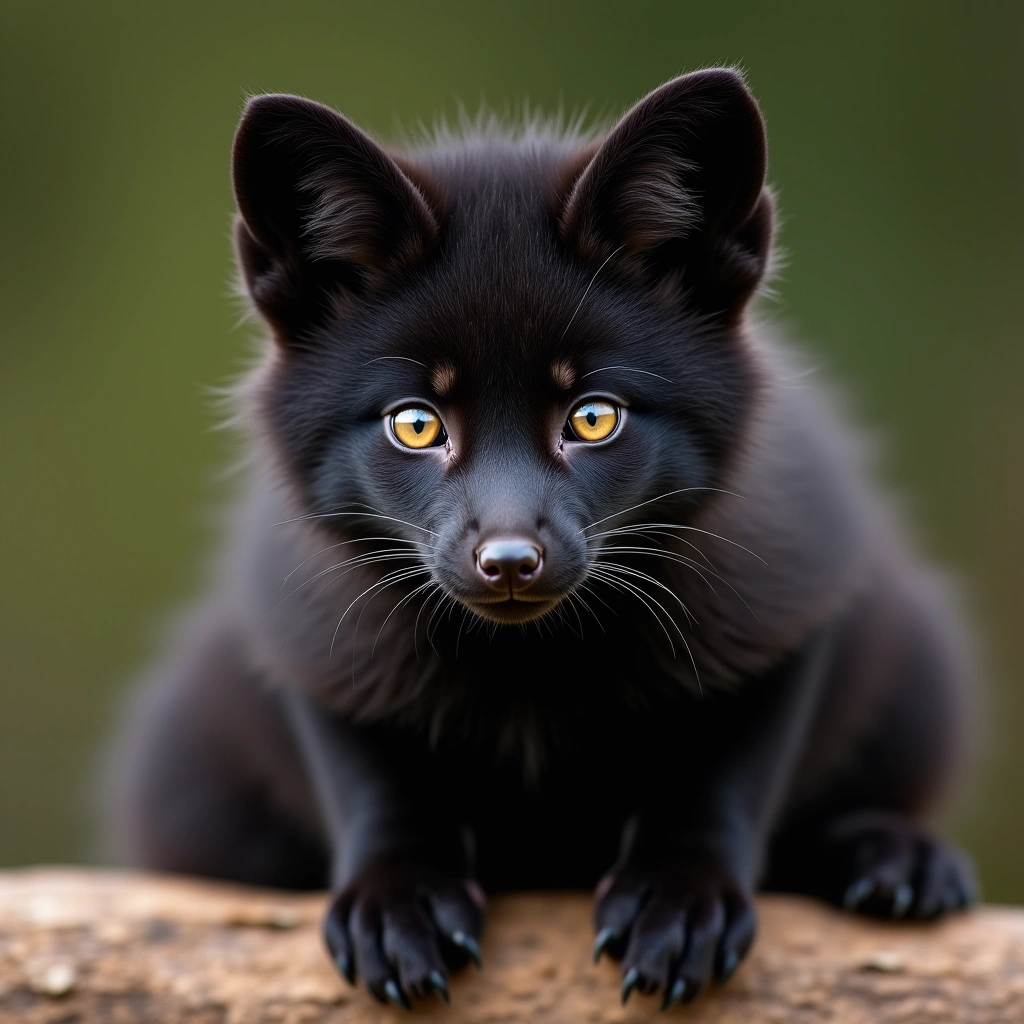
    Have you ever heard of a melanistic fox? No, it’s not a new superhero in a comic book; it’s one of nature’s rarest gems! Imagine a fox so mysterious and striking that it could easily be mistaken for a shadow darting through the woods. Yes, folks, it’s time to talk about these ebony-coated canines that make the regular red fox look like a basic Instagram filter.

    First things first, let’s get to the nitty-gritty. Melanism is a genetic mutation that causes an excess of dark pigmentation. In simpler terms, it’s like the foxes decided to go for the “goth” look—complete with a dramatic, all-black wardrobe. While the typical fox flaunts its fiery red fur, the melanistic version is the dark knight of the forest, blending in with the night like a pro.

    But why are these beauties so rare? Well, it turns out that nature isn’t always a fan of the color black—at least when it comes to survival. The melanistic fox is often outnumbered by its colorful cousins because their darker coats can make them less effective at hiding from predators and finding food. Talk about being fashionable but impractical! It’s like wearing high heels on a hike: stylish, but you’ll probably end up with a twisted ankle.

    Now, let’s take a moment to appreciate their elusive nature. Melanistic foxes are typically found in regions where their dark coats can provide them with some camouflage, like dense forests or rocky terrains. They are expert hiders, which makes spotting one a bit like finding a needle in a haystack—or, perhaps more aptly, a black fox in a sea of red. And when you DO spot one, it’s like you’ve just uncovered a hidden treasure. Seriously, the joy is comparable to finding an extra fry at the bottom of the bag.

    But hold your horses! Before you rush off to find one of these rare creatures, let’s talk about their conservation status. Due to habitat loss and hunting, the melanistic fox’s population is dwindling. In other words, we need to protect these furry wonders before they vanish like your motivation to go to the gym after New Year’s Day.

    In a world full of ordinary creatures, the melanistic fox stands out like a black swan in a flock of white ones. They remind us that nature is full of surprises, and sometimes, the rarest things are the most beautiful. So, the next time you hear about a melanistic fox, remember that it’s not just any animal; it’s a symbol of the wild’s enigmatic charm and a reminder that sometimes being different is what makes you truly special.

    So, let’s raise our glasses (or coffee mugs) to the melanistic fox—a creature that has mastered the art of stealth and style. May they roam the forests for generations to come, reminding us of the beauty of diversity and the importance of conservation. And who knows? Maybe one day, you’ll be lucky enough to catch a glimpse of one. Until then, keep your eyes peeled and your cameras ready!


    Inspired by: “A melanistic fox, one of the rarest animals on earth” (r/interestingasfuck)

  • Megalodon Attack on GitHub: A Deep Dive into the Ocean of Repository Compromise

    Megalodon Attack on GitHub: A Deep Dive into the Ocean of Repository Compromise

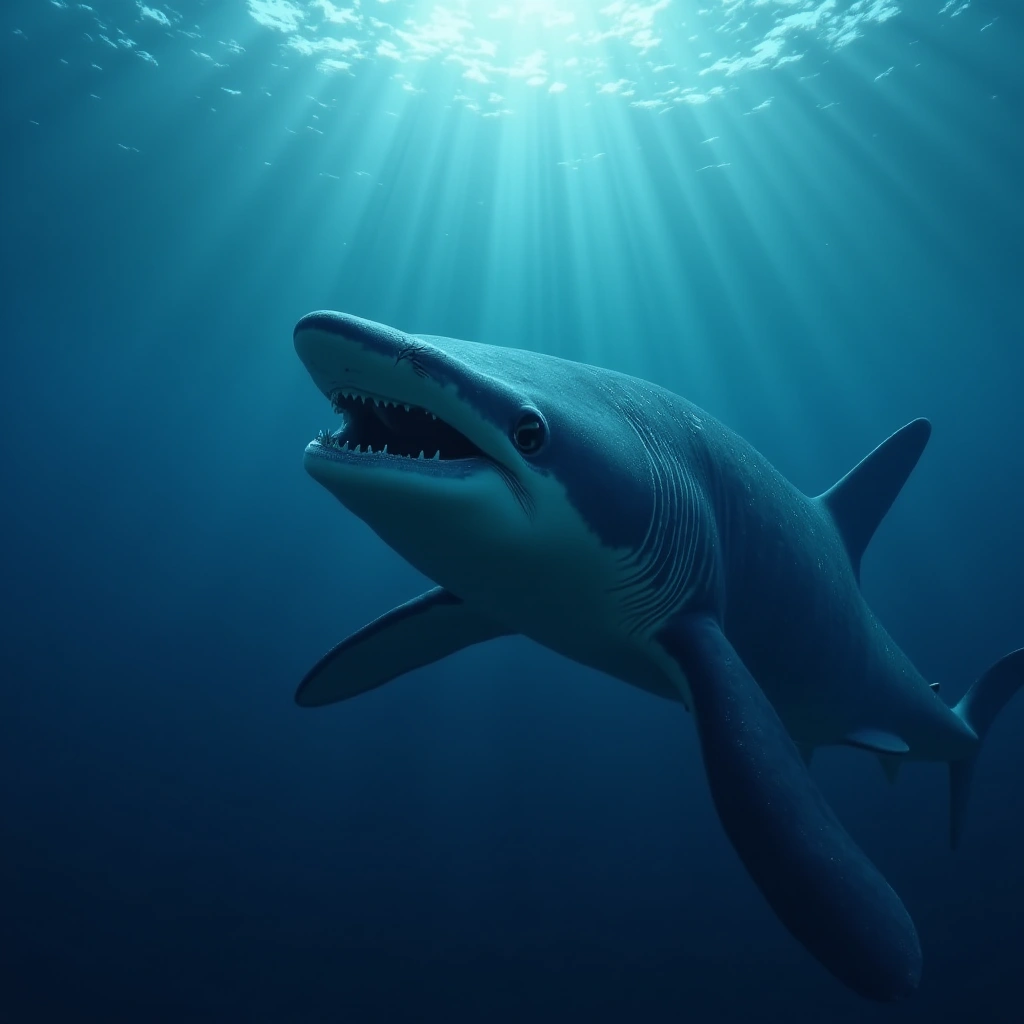
    Ahoy there, fellow tech adventurers! Grab your life jackets and prepare to dive into the murky waters of the latest GitHub attack—dubbed the Megalodon. No, it’s not a new prehistoric fish that’s come back to life; it’s a cybersecurity nightmare that has reportedly compromised over 5,500 repositories! Let’s swim through the waves of confusion and uncover what this all means.

    First off, you might be wondering, “What the heck is a Megalodon attack?” Well, picture this: a gigantic shark lurking in the digital depths, ready to chomp down on unsuspecting repositories. This attack is more than just a mean prank; it’s a serious breach that could expose sensitive code, private keys, and potentially ruin your weekend plans of sipping coffee and coding in peace.

    Now, before you start hyperventilating into your keyboard, let’s break down how this happened. Hackers, those pesky undersea creatures of the internet, have gotten clever. They’ve developed sophisticated tactics to infiltrate GitHub repositories. It’s like they’ve been watching too many spy movies and decided to take a page out of the villain’s playbook. The attack vector often involves phishing, where unsuspecting developers are lured into sharing their credentials. So, if you think that email from the “GitHub Security Team” is legit, double-check that sender address, my friend. Spoiler alert: it probably isn’t.

    What makes this attack particularly alarming is the scale. 5,500 repositories compromised? That’s like a shark buffet! Developers are now swimming in a sea of anxiety, wondering if their beloved code is next on the menu. And let’s face it—no one wants to be the developer who accidentally opens the door to hackers. It’s like inviting a raccoon into your kitchen; you’ll regret it when you find your leftovers raided!

    So, what can we do to protect ourselves from becoming the next meal in this digital ocean? For starters, enable two-factor authentication (2FA) on your GitHub account. It’s like putting a giant lock on your front door that only you can open. Additionally, keep your software and dependencies updated. Remember, just like you don’t want to be the last one in the office with a flip phone, you don’t want to be the developer using outdated libraries.

    In conclusion, the Megalodon attack serves as a wake-up call for all developers. Cybersecurity is not just a buzzword; it’s a whole lifestyle! So, let’s band together, stay vigilant, and keep our repositories safe from the jaws of these digital predators. And if you ever feel overwhelmed, remember: even sharks have a soft spot for humor. So, keep laughing, keep coding, and let’s navigate these waters together!


    Inspired by: “A new GitHub attack dubbed Megalodon compromised more than 5.5K repositories” (r/technology)

  • The Eight-Eyed Wonders: Why Spiders Are Nature’s Creepy Yet Fascinating Creatures

    The Eight-Eyed Wonders: Why Spiders Are Nature’s Creepy Yet Fascinating Creatures

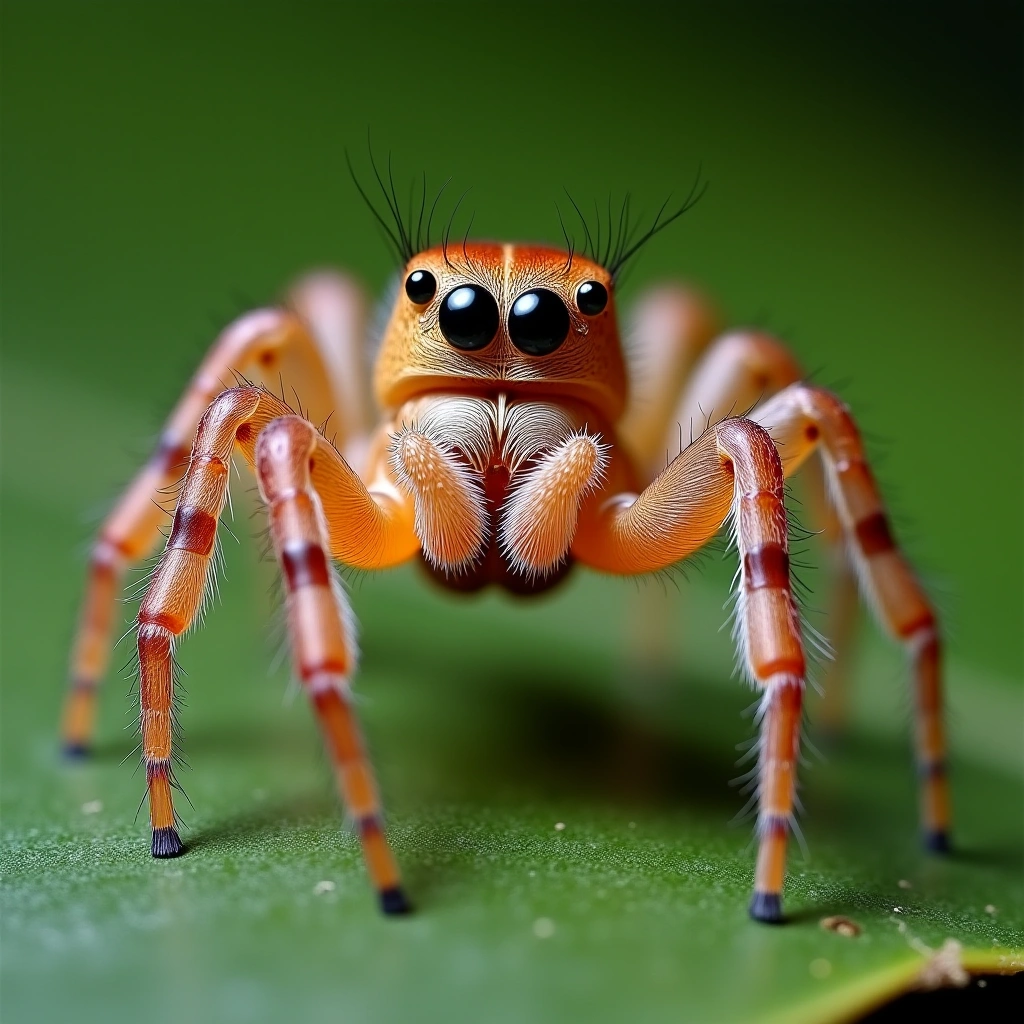
    Hey there, fellow arachnophobes and insect enthusiasts! Let’s dive into the wild world of spiders, those eight-legged creatures that sometimes make us scream like we just saw a ghost. Did you know that these eight-legged wonders have a whopping eight eyes? Yes, you read that right! Spiders are like the ultimate overachievers of the animal kingdom, sporting more peepers than your average horror movie villain.

    Now, before you start panicking and planning a spider-free zone in your house, let’s talk about the science behind those eight eyes. Contrary to popular belief, not all spiders are blessed with eight functional eyes. Some have a few less—like a budget version of an octopus without the ocean views. Most spiders can actually have anywhere from six to eight eyes, depending on their species. Who knew that spiders were like us trying to save a few bucks at the optometrist?

    You might be wondering: Why do they need all those eyes anyway? Well, spiders are not just hanging around in your attic waiting to scare your friends. They are predatory creatures that rely heavily on their vision to hunt down prey. Their eyes come in handy for spotting movement and estimating distances, which is crucial when you’re trying to catch a fly before it realizes it’s been targeted for lunch.

    Interestingly, not all spider eyes are created equal. Some species have excellent vision while others might as well be wearing blindfolds. For example, jumping spiders are like the Olympic sprinters of the arachnid world. They have some of the best eyesight among spiders, allowing them to pounce on their prey with the precision of a ninja. Meanwhile, your garden variety web-spinning spider may have eyes that are more suited for a cozy evening in their silk hammock, waiting for dinner to come to them.

    And let’s not forget the controversy surrounding spiders. While some folks scream at the mere sight of a spider, others are out there defending them like they’re their long-lost relatives. Sure, they might give you the heebie-jeebies, but they play a crucial role in our ecosystems by keeping insect populations in check. So, the next time you spot a spider, instead of reaching for the shoe, why not just give it a nod of appreciation? It’s out there working hard to keep your pest problems at bay—like a tiny, eight-eyed exterminator.

    In conclusion, those eight eyes are not just for show; they serve a purpose in the spider’s quest for survival and dominance over the insect world. So, the next time you see one of these creepy crawlies, remember that they are more than just nightmare fuel; they are fascinating creatures with unique adaptations that help them thrive. Give them a break (from your shoe) and maybe even learn to coexist. Who knows, you might just find a new appreciation for your eight-eyed roommate!


    Inspired by: “Spiders have 8 eyes!!” (r/interestingasfuck)

  • The Marvelous Mystery of Candlestick Ice: Nature’s Springtime Magic

    The Marvelous Mystery of Candlestick Ice: Nature’s Springtime Magic

    Hey there, fellow nature enthusiasts! Gather ’round as we unravel one of spring’s coolest (pun intended!) secrets: candlestick ice. Yes, you heard it right! This quirky phenomenon occurs when lakes start to thaw, and if you’ve ever seen it, you know it’s like watching Mother Nature show off her ice sculpting skills.

    First off, let’s set the scene. Picture this: you’re standing by a tranquil lake, the sun is shining, and you can almost hear the ice giving a dramatic sigh as it begins to melt. That’s when the magic happens! As the temperature rises, the ice doesn’t just melt away like a sad popsicle; instead, it forms these beautiful, elongated structures that resemble candlesticks. It’s as if nature decided to throw a party and invited every ice shard to join in the fun!

    Now, you might be wondering, “How does this happen?” Great question, my curious friend! As the ice melts, currents and water movement create these slender spikes that jut out from the surface. It’s like the ice is trying to reach for the sky, saying, “Hey! Look at me! I’m not done being fabulous yet!” These formations can be pretty impressive, sometimes reaching up to a few feet high.

    But hold onto your hats because the fun doesn’t stop there! Candlestick ice isn’t just a pretty face; it’s also a reminder of the changing seasons. It represents the struggle between winter and spring—a dramatic showdown worthy of its own reality TV series. Picture it: ice vs. sunshine, who will take the crown? Spoiler alert: sunshine wins, but not without putting up a good fight!

    Now, let’s address the elephant in the room: some people think candlestick ice is just a fancy name for a frozen mess. But let’s be real here; nature does what it wants, and it’s not concerned about our definitions! Plus, if you’re ever looking for a conversation starter at a party, just drop “candlestick ice” into the mix. You’ll have your friends scratching their heads and wondering if they accidentally wandered into a science fiction novel.

    As we welcome the warmer weather, keep your eyes peeled for this phenomenon. If you’re lucky enough to spot candlestick ice, take a moment to appreciate the artistry of nature. And who knows, maybe you’ll be inspired to create your own ice sculptures—just remember, they won’t have the same pizzazz unless you get some epic sunlight involved!

    So there you have it, folks! Candlestick ice is not only a natural wonder but also a testament to the beauty of seasonal change. Next time you see it, give a little nod of appreciation to Mother Nature. After all, she’s the real MVP when it comes to crafting these icy wonders. Until next time, keep your sense of wonder alive and your ice skates handy!


    Inspired by: “Candlestick ice is a natural phenomenon that occurs in the spring when the lakes start to thaw.” (r/interestingasfuck)

  • Holograms at Circus Roncalli: The Future of Animal Acts or Just a Fancy Light Show?

    Holograms at Circus Roncalli: The Future of Animal Acts or Just a Fancy Light Show?

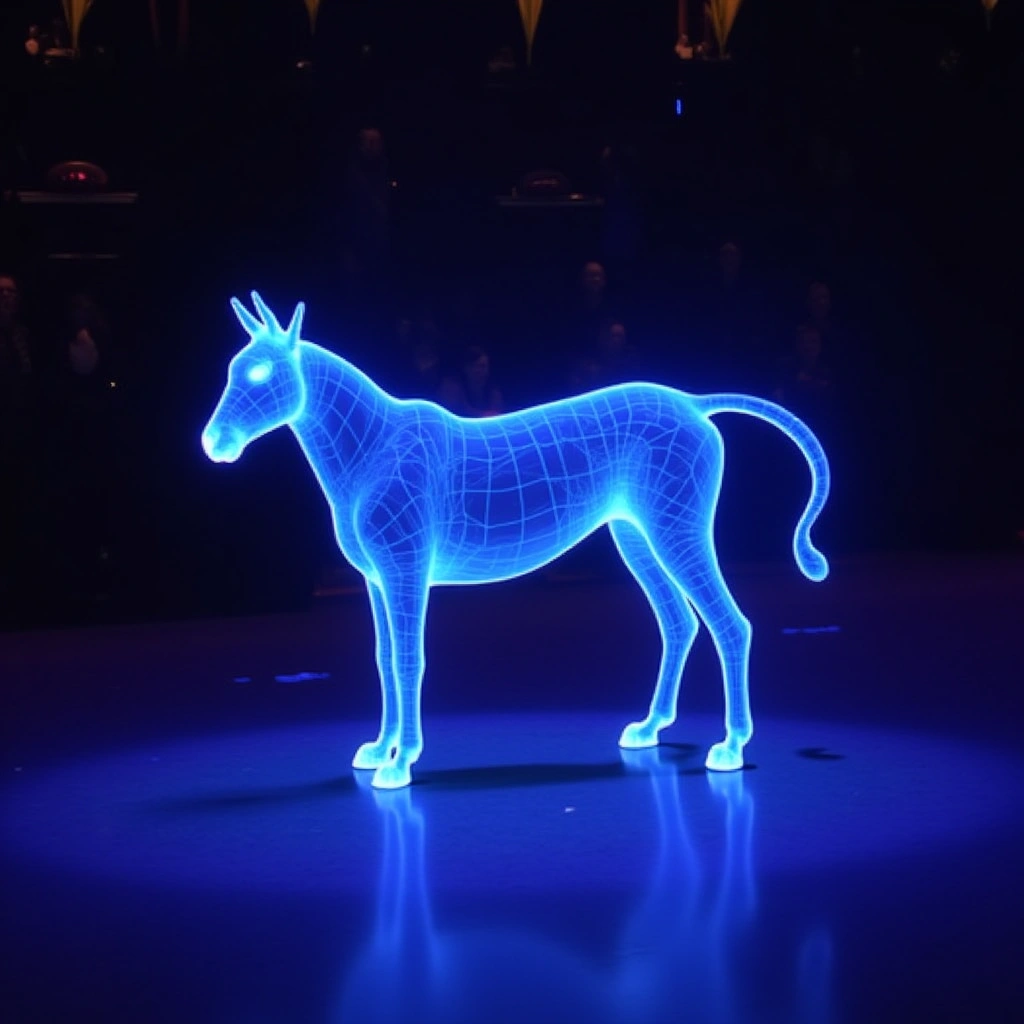
    Hey there, circus enthusiasts and animal lovers! Have you heard the latest buzz from Circus Roncalli in Germany? They’ve decided to swap out live animal acts for holograms. Yes, you heard that right! No more lion tamers or elephant trainers—just a dazzling display of projected animals that won’t eat your popcorn. Talk about a win-win situation!

    Now, before you start picturing a circus where the only thing missing is the smell of popcorn and the sound of children laughing, let’s dive into what this really means for the future of circus entertainment.

    First things first, let’s address the elephant in the room—no more elephants! For years, circuses have been criticized for their treatment of animals. From cramped cages to questionable training methods, the circus industry has had a reputation that’s as tarnished as a magician’s old top hat. But Circus Roncalli has taken the bold step of eliminating live animal acts altogether. And you know what? I think that deserves a standing ovation!

    Now, instead of watching a poor elephant balance on a ball, you get to see a holographic elephant that doesn’t need a single peanut for motivation. Holograms are like the new vegan option at the circus—cruelty-free and just as impressive (minus the actual weight of the animal, of course). Plus, who doesn’t love a bit of futuristic technology? It’s like the circus has been upgraded from Windows 95 to the latest Macbook!

    But let’s not get too carried away. Is this truly the end of animal acts in circuses, or just a clever marketing strategy? Some skeptics argue that holograms might be just a flashy gimmick to distract us from the fact that the circus industry still has a lot of issues to clean up. After all, it’s easy to put on a light show while ignoring the deeper ethical questions surrounding entertainment. Are we really progressing, or just getting better at avoiding the tough conversations?

    Another thing to consider is the experience for the audience. Will people still be thrilled by holograms, or will they miss the genuine connection that comes from seeing real animals? I mean, let’s face it: watching a holographic tiger might not quite compare to a live one gracefully strolling around the ring. It’s like ordering a veggie burger when you really wanted a juicy cheeseburger. Sometimes, nothing beats the original.

    However, let’s not forget that technology is advancing at a lightning-fast pace. Who knows? Maybe in the future, holograms will be so realistic that we won’t even be able to tell the difference. And if that happens, we might just be looking at a new era of entertainment where everyone can enjoy a circus without the guilt. Now, that’s something I can get behind!

    So, what do you think? Are holograms the way forward for circuses, or is it just a passing trend? Will we embrace a world where animal acts come with a side of pixelated perfection? Grab your popcorn and let the debate begin!


    Inspired by: “Circus Roncalli in Germany replaced live animal acts with holograms to create a cruelty-free experi…” (r/interestingasfuck)

  • Yosemite’s Fiery Waterfall: Nature’s Own Lava Show

    Yosemite’s Fiery Waterfall: Nature’s Own Lava Show

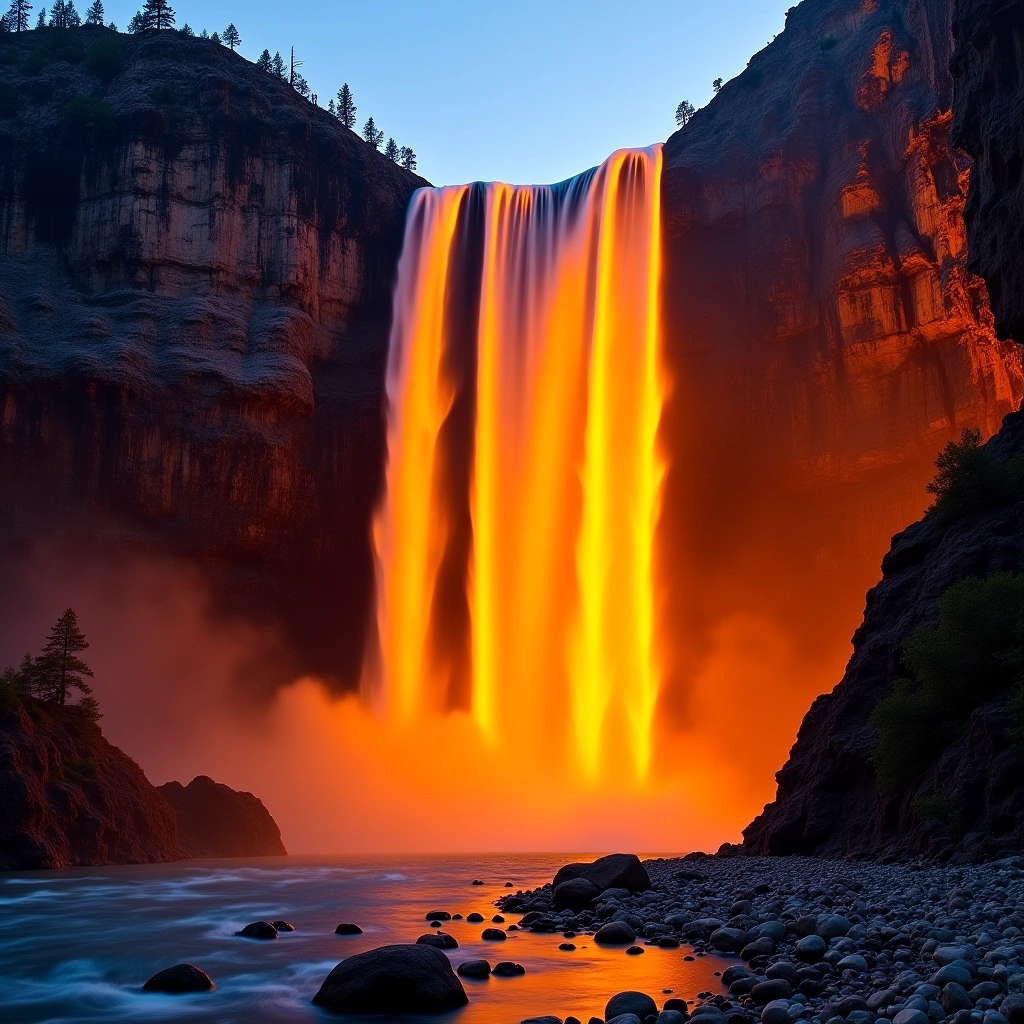
    Picture this: you’re in the heart of Yosemite National Park, surrounded by towering granite cliffs and lush greenery. It’s a sunny day, and you’re just trying to soak up the natural beauty of your surroundings when suddenly, WHAM! The waterfall in front of you starts to glow like it’s auditioning for a role in an action movie. Welcome to the magical moment known as Firefall!

    Now, if you’ve ever been to Yosemite, you know it’s like stepping into a postcard—except this postcard has a wild bear trying to steal your sandwich. But once a year, around mid-February, the setting sun hits the Horsetail Fall at just the right angle, transforming its cascading waters into a breathtaking spectacle that looks like molten lava flowing down the cliffside. It’s as if Mother Nature decided to throw a party and invited only the best light show!

    This phenomenon, often referred to as “Firefall,” is a sight to behold. For about ten minutes (yes, you read that right—10 minutes), the sunlight strikes the waterfall at a precise angle, illuminating the water and making it appear as if it’s on fire. People flock from all over to witness this dazzling display. It’s like Black Friday shopping, but instead of elbowing your way to the last TV, you’re fighting for a spot to snap a picture of a waterfall that looks like it’s straight out of a volcano.

    Now, before you pack your bags and rush to Yosemite, let’s talk logistics. This event is not only brief but also dependent on weather conditions. Cloud cover, rain, or even a bit of late snow can ruin the party. Imagine driving for hours only to realize the sky decided to wear its grumpy face that day. It’s like planning a surprise birthday party and forgetting the cake. So, if you’re planning to witness the Firefall, keep your fingers crossed for clear skies and a little bit of luck!

    But wait! The Firefall isn’t just a one-off event. Oh no, my friend. It has a bit of a scandalous history. Back in the day, Yosemite used to host a literal Firefall where they would pour burning embers over Glacier Point to create the illusion of a fiery waterfall. Talk about an extreme camping trip! This event, which drew crowds of tourists, was eventually discontinued in the 1960s because, let’s face it, playing with fire in a national park is not the best idea. Who knew that tossing around embers while surrounded by trees was frowned upon?

    So, what’s the takeaway from all this? If you ever find yourself in Yosemite in mid-February, do yourself a favor and try to catch the Firefall. Just remember to bring your camera, a sense of wonder, and maybe a snack or two—because waiting for the perfect shot can be a test of patience. And who knows, maybe you’ll witness the waterfall lighting up like a scene from a blockbuster movie. Just don’t forget to share the photos; after all, if it’s not on Instagram, did it even happen?

    In conclusion, Yosemite’s Firefall is a natural wonder that proves nature can be both beautiful and a little cheeky. So, mark your calendars, grab your hiking boots, and get ready to see a waterfall that’s more fiery than your last Tinder date!


    Inspired by: “For a few minutes each year, sunlight makes this Yosemite waterfall in California look like a river…” (r/interestingasfuck)