Category: Nature

  • Mammatus Clouds: Nature’s Bizarre Cotton Candy or Just a Sky Prank?

    Mammatus Clouds: Nature’s Bizarre Cotton Candy or Just a Sky Prank?

    Hey there, cloud enthusiasts and casual sky gazers! Today we’re diving into the wild world of mammatus clouds. If you’ve ever seen these fluffy, baggy-looking formations hanging in the sky and thought, ‘What on Earth is that?’, you’re not alone. Let’s unpack the weirdness of these atmospheric wonders.

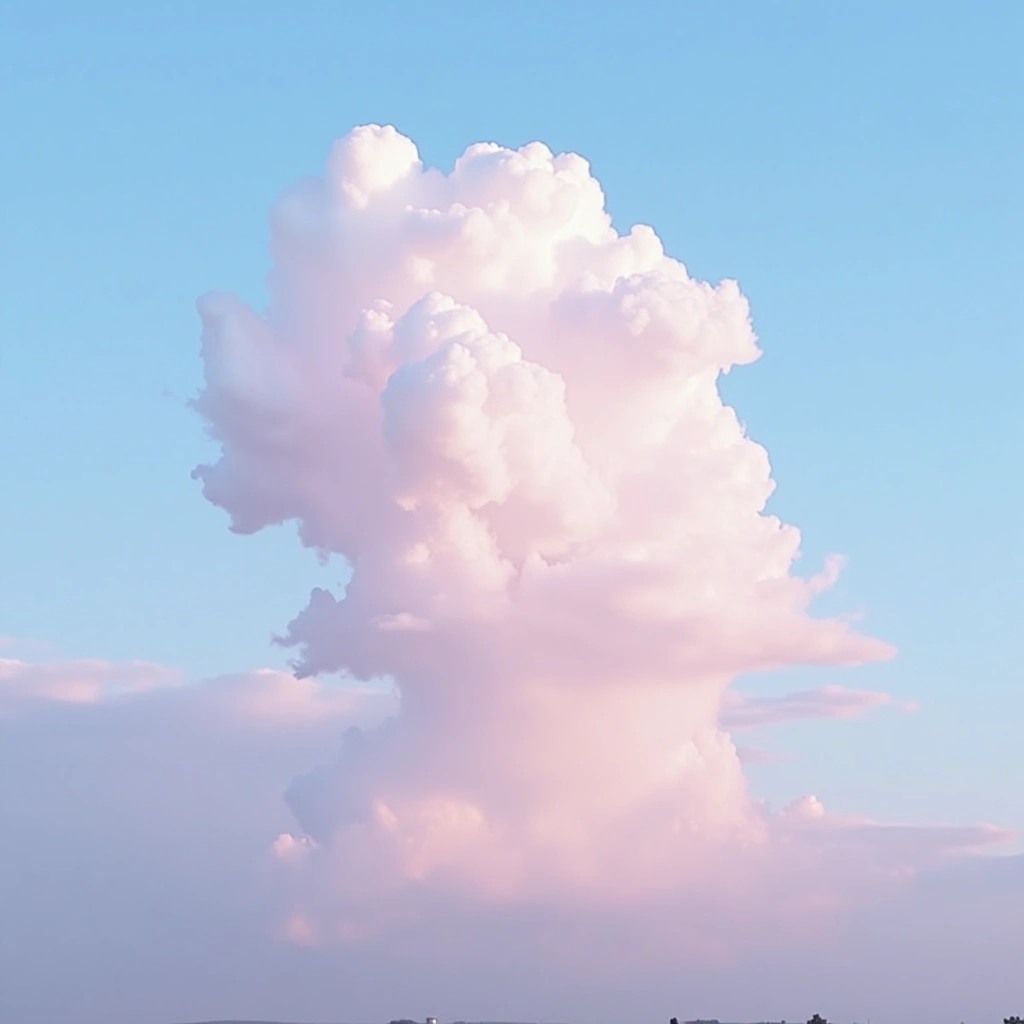
    First off, let’s address the elephant in the sky: mammatus clouds are not just your average cumulus fluff. These bad boys are like the rebellious teenagers of the cloud family. They usually show up after a storm, hanging out like they own the place—defying gravity and common sense. They resemble giant cotton balls that have been left out in the rain and then stomped on by a very confused giant. Seriously, who wouldn’t want to take a selfie with these sky marshmallows?

    Now, if you’re into meteorology (or just like to sound smart at parties), you might be interested to know that mammatus clouds are formed by sinking air. Yes, you heard that right! While most clouds are all about rising and floating away like they’re on a cloud vacation, mammatus clouds are like, ‘Nah, I’m going to hang out down here and look fabulous instead.’ This can happen when cool air sinks beneath the warmer air, creating those distinct pouch-like formations. It’s like the clouds are saying, ‘We’re not going anywhere, sweetheart.’

    But hold on to your umbrellas! These peculiar clouds can also send a signal that something more chaotic is on the horizon. Think of them as the sky’s way of saying, ‘Hey, guys! You might want to brace yourselves for a storm!’ So, if you see mammatus clouds, grab your galoshes and maybe a snack, because things could get hairy. Or, you know, just enjoy the show. It’s nature’s version of a cliffhanger!

    And let’s not forget the social media frenzy! If you’re lucky enough to capture a photo of these clouds, you’re basically Insta-famous. Just throw in a hashtag like #MammatusMadness and watch your followers go wild. Because who doesn’t want to be the person who brought cloud appreciation back into the spotlight?

    So the next time you find yourself staring up at the sky and see these magnificent mammatus clouds, remember: they’re not just clouds; they’re a sign of nature’s quirky sense of humor. And who knows? Maybe they’re just waiting for their moment to shine, or at least to rain down some form of entertainment!

    In conclusion, while some might see mammatus clouds as ominous signs of impending doom, I like to think of them as the universe’s way of keeping us on our toes. So keep looking up, stay curious, and never underestimate the power of a good cloud!


    Inspired by: “These mammatus clouds look absolutely insane.” (r/interestingasfuck)
  • When Cats and Flags Collide: The Epic Moment at the Miami Game

    When Cats and Flags Collide: The Epic Moment at the Miami Game

    Ah, Miami! Known for its vibrant nightlife, sun-soaked beaches, and now, a cat that took a leap of faith during a game. Yes, you read that right – a feline friend decided that the best way to experience the thrill of the game was to take a plunge from the stands. But fear not, loyal cat supporters! Fans were quick to rise to the occasion, literally catching the furry daredevil with none other than an American flag. Talk about patriotism!

    Now, let’s set the scene. Picture it: the stadium is buzzing with excitement, the crowd is on its feet, and suddenly, from the corner of your eye, you see a blur of fur cascading downwards. It’s not a bird, it’s not a plane – it’s a cat! And not just any cat, but the kind that probably thinks it’s a secret agent, ready to parachute into action. Because, let’s face it, what’s more heroic than a cat falling from the sky and being caught by a group of enthusiastic fans? Only in America, folks!

    As the cat plummeted, a group of fans sprang into action, channeling their inner superheroes. But instead of capes and tights, they had something more patriotic – an American flag. In a moment that can only be described as a blend of comedy and compassion, the flag was unfurled, and the kitty was saved from what could have been a very awkward landing.

    Now, you might be wondering, how do we feel about a cat at a sporting event? Some might argue that it’s a distraction, while others view it as a delightful twist to the game. I mean, who needs a halftime show when you have a cat falling from the bleachers? This is the kind of entertainment that deserves its own highlight reel. And let’s be honest, it’s way more engaging than watching a bunch of overpaid athletes jog around a field.

    This incident also raises some serious questions about pet ownership and responsibility. Should our feline friends be allowed at sporting events? On one hand, you could say it adds a certain charm and unpredictability to the game. On the other hand, let’s not kid ourselves – not every cat is a seasoned veteran of the wild world of sports. Some are just trying to figure out why humans lose their minds over a ball being kicked around.

    In the end, this Miami game will go down in history not just for the athletes on the field, but for the heartwarming (and slightly ridiculous) moment when fans united to save a cat, all while waving the stars and stripes. So here’s to the brave fans who demonstrated the true spirit of America: catching falling cats and flying flags. If that’s not a symbol of freedom and unity, I don’t know what is!

    Will this event spark a trend of feline participation in sports? Only time will tell. But be prepared, because the next time you’re at a game, you might just want to keep your eyes peeled for more than just touchdowns and home runs. After all, anything can happen when you mix sports with a little bit of chaos and a lot of love for our four-legged friends!


    Inspired by: “Fans Catch Falling Cat with American Flag at Miami Game” (r/interestingasfuck)

  • Incredible Survival Stories: When Nature Tests Our Limits

    Incredible Survival Stories: When Nature Tests Our Limits

    Ah, survival stories! Those jaw-dropping tales that make you question if you really need that extra slice of pizza or if you should be preparing for the apocalypse instead. Today, let’s dive into the wild world of survival—the kind that makes you want to either hug a tree or run screaming from one.

    So, you might be wondering, what qualifies as an ‘incredible display of survival’? Well, my dear reader, it’s not just about that time you bravely faced a buffet and lived to tell the tale. We’re talking about the real McCoy: stories of folks who have found themselves in life or death situations and somehow emerged from them with a smile, a few scrapes, and possibly a bear-shaped scar.

    Take, for instance, the infamous tale of the man who wrestled a bear to save his dog. Yes, you heard that right! This guy was just enjoying a peaceful day in the woods when he spotted a bear eyeing his furry friend like it was the main course. What did he do? He channeled his inner superhero and jumped in! Spoiler alert: he didn’t end up on a dinner plate—or at least not a bear’s dinner plate. Instead, he walked away with a story that would make even the toughest of grandpas weep with envy.

    But survival is not just about brawn; it’s also about brains. Let’s talk about that time a group of adventurers got lost in the Amazon rainforest. Now, if you ever find yourself in a jungle, here’s a tip: don’t just follow the trail of screaming monkeys. They’re probably trying to warn you about the alligators! These folks managed to survive by using their wits, crafting makeshift shelters, and perhaps more importantly, learning to identify which fruits were edible and which ones would send them on a one-way trip to the great beyond.

    And then there are the legendary survivalists who could teach Bear Grylls a thing or two. You know, the ones who can start a fire with just two sticks and a fierce determination to not die. They’re the type who probably have a secret stash of survival gear in their basements and could live off the land for weeks, while the rest of us are panicking over a lack of Wi-Fi.

    But here’s the kicker: while these stories are often thrilling, they also highlight the resilience of the human spirit. Isn’t it amazing how people can face nature’s wrath and come out on the other side, perhaps a little bruised but certainly wiser? It reminds us that we’re all capable of more than we think—unless you’re trying to assemble IKEA furniture, in which case you might still be lost in the jungle.

    So, the next time you hear an incredible survival story, whether it’s about a bear fight or getting lost in the wild, remember: it’s more than just a tale of bravery. It’s a reminder of our tenacity, our ability to adapt, and that maybe, just maybe, we should all learn a little survival skill or two. Because you never know when a bear might come knocking—or when you might find yourself in a battle with that last slice of pizza.


    Inspired by: “An Incredible Display of Survival” (r/interestingasfuck)

  • The Slow and Steady Snack: What a Snail Eating Corn Tells Us About Nature’s Quirks

    The Slow and Steady Snack: What a Snail Eating Corn Tells Us About Nature’s Quirks

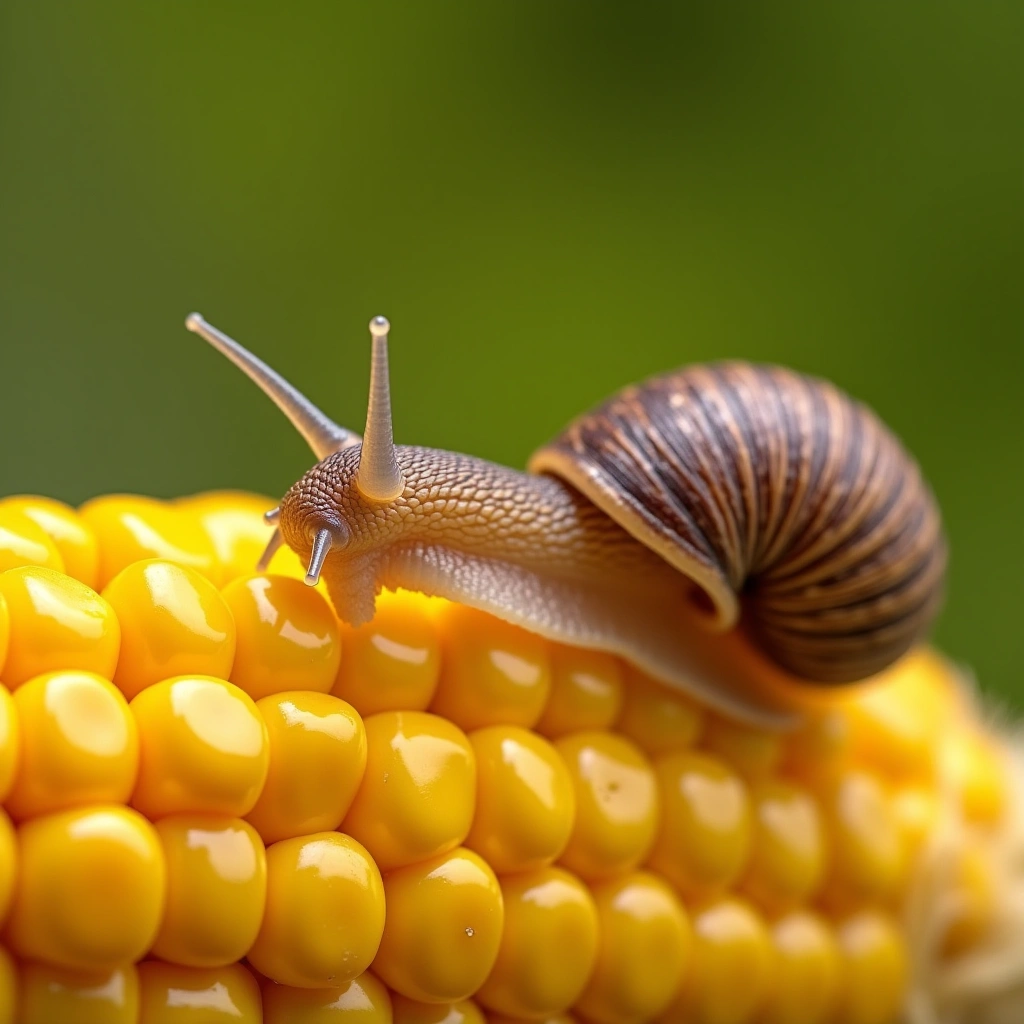
    Ah, the humble snail. Often overlooked, rarely respected, and sometimes mistaken for a slimy garden intruder. But today, we’re diving into the peculiar world of snails, specifically one that has taken a fancy to a kernel of corn. Yes, you heard that right! This isn’t just any ordinary snack time; it’s a culinary adventure worthy of a food critic’s attention.

    First off, let’s talk about our little friend: the snail. These critters may not win any races (sorry, Tortoise), but they sure know how to savor their meals. With their tiny, spiral shells and a slimy trail that would put any modern art installation to shame, snails bring a sense of wonder to the mundane. When you see a snail munching on a piece of corn, your first thought might be, “How in the world did you even discover corn?” It’s like finding out your grandma has a secret life as a punk rock singer!

    Now, corn—nature’s golden gift to both humans and wildlife alike. It’s not just for popcorn at the movies or slathered in butter at summer barbecues. Corn has a rich history, dating back thousands of years as a staple food for various cultures. So, when a snail decides to partake in this golden delicacy, it’s not just a snack; it’s a culinary celebration! Think of it as the snail’s version of dining at a five-star restaurant. “I’ll have the corn, please, and a side of lettuce.”

    But let’s get real for a moment: Snails are not exactly the picture of finesse. Watching a snail eat is like watching a toddler try to eat spaghetti for the first time. It’s a messy affair! Their radula, a tongue-like organ covered in tiny teeth, acts as their personal corn-on-the-cob shredder. And you thought your last meal was a challenge!

    Now, why do snails munch on corn, you ask? It’s simple: they’re looking for nutrients, and corn is a fantastic source of carbohydrates. But here’s where it gets a bit controversial. Some folks argue that snails are just garden pests, while others claim they’re nature’s recyclers. And while they may be munching on your precious garden veggies, they also play a role in breaking down organic material and enriching the soil. So, maybe we need to rethink our snail-hating tendencies? I mean, they’re just trying to make a living, folks!

    And let’s not forget the entertainment value! Watching a snail feast on corn is like watching a slow-motion video of a food challenge. It’s oddly satisfying and somewhat hypnotic. You might find yourself staring for too long and questioning your life choices. “Why am I watching a snail eat corn? Am I this desperate for entertainment?” Spoiler alert: you might be. But hey, we all need a break from the chaos of life!

    In conclusion, the sight of a snail indulging in a kernel of corn is more than just a quirky moment in nature. It’s a reminder that life is about taking it slow, savoring the little things, and maybe—just maybe—being a bit more accepting of those slimy garden dwellers. So next time you see a snail chomping on a sweet kernel, tip your hat and appreciate the show. After all, even snails deserve a snack break.


    Inspired by: “Snail eating a kernel of corn” (r/interestingasfuck)

  • Unveiling the Genius of Ravens: Nature’s Feathered Einsteins

    Unveiling the Genius of Ravens: Nature’s Feathered Einsteins

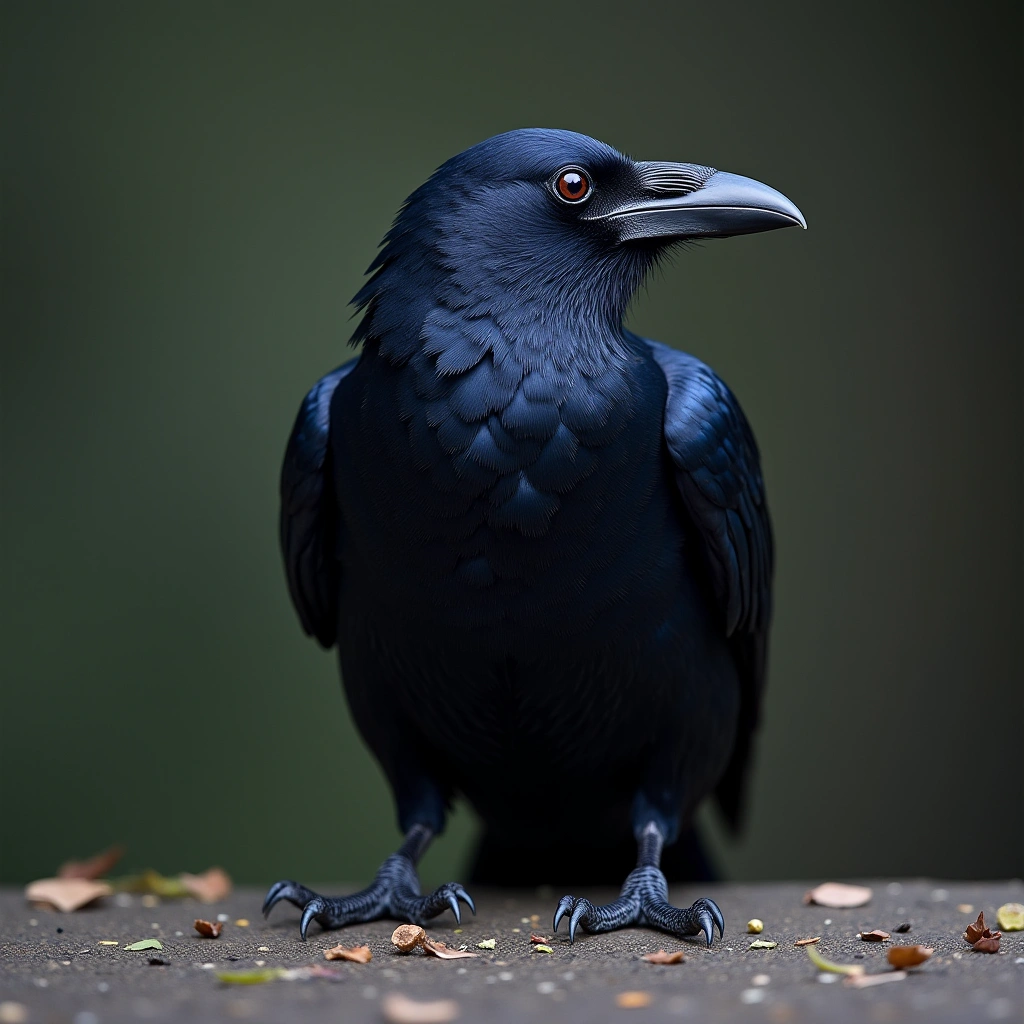
    Hey there, my fellow bird enthusiasts and curious minds! If you’ve ever looked at a raven and thought, “Hmm, that bird looks like it could outsmart my cousin Fred,” you might just be onto something! Ravens are not only the punk rockers of the avian world, but they are also the intellectuals, packing more brainpower than most of us give them credit for.

    Let’s dive into the fascinating world of these feathered geniuses, shall we? First off, did you know that ravens are part of the corvid family? That’s right! Along with crows, magpies, and jays, they’re like the cool kids in the bird world. With a brain-to-body ratio comparable to that of a chimpanzee, it’s no wonder they’ve been labeled as one of the smartest birds on the planet. Who needs a PhD when you have a raven?

    Now, if you’re wondering what exactly makes these birds so brainy, let’s break it down. Ravens can solve complex puzzles, use tools, and even plan for the future. Yes, you heard that right! They can think ahead like your friend who always brings snacks to the party. In one study, ravens were shown to navigate through a series of challenges to get to a tasty treat, showcasing their problem-solving skills. Talk about teamwork!

    But wait, there’s more! Ravens have been observed engaging in play and exhibit behaviors that indicate they have a sense of humor. They’ve been seen sliding down snow-covered roofs or playing games with each other, which is basically their version of “let’s see who can be the coolest bird.” If that doesn’t scream intelligence, I don’t know what does!

    And let’s not forget their communication skills. Ravens have a complex system of vocalizations and body language that would put some humans to shame. They can mimic sounds, including human speech, and they have different calls for different situations—like a gossiping neighbor who has the scoop on everyone’s business. So, next time you hear a raven cawing, it might just be discussing the latest neighborhood drama!

    Now, I can hear some of you saying, “But aren’t they just smart for a bird?” To that, I say, why limit intelligence to humans? If a raven can outsmart a toddler when it comes to hiding snacks, we might need to reconsider our definition of ‘smart.’ Maybe we should be taking notes from our feathered friends instead of the other way around!

    So, the next time you see a raven perched on a tree branch, give it a nod of respect. After all, you’re looking at one of the smartest creatures on the planet, often misunderstood and underappreciated. Who knows? Perhaps they’re planning their next big move to take over the world—or at least steal your french fries!

    In conclusion, ravens are not just intelligent; they’re fascinating, social, and downright entertaining. If you ever doubted their intelligence, I hope this post cleared things up. So, let’s raise a toast (of birdseed, of course) to these remarkable creatures and give them the credit they deserve. Cheers to the ravens, the true Einsteins of the animal kingdom!


    Inspired by: “If you’re wondering how intelligent ravens are, this should clear up any doubt!” (r/interestingasfuck)

  • How Birds Use Their Lungs for Breathing While Flying: The Real MVPs of the Sky

    How Birds Use Their Lungs for Breathing While Flying: The Real MVPs of the Sky

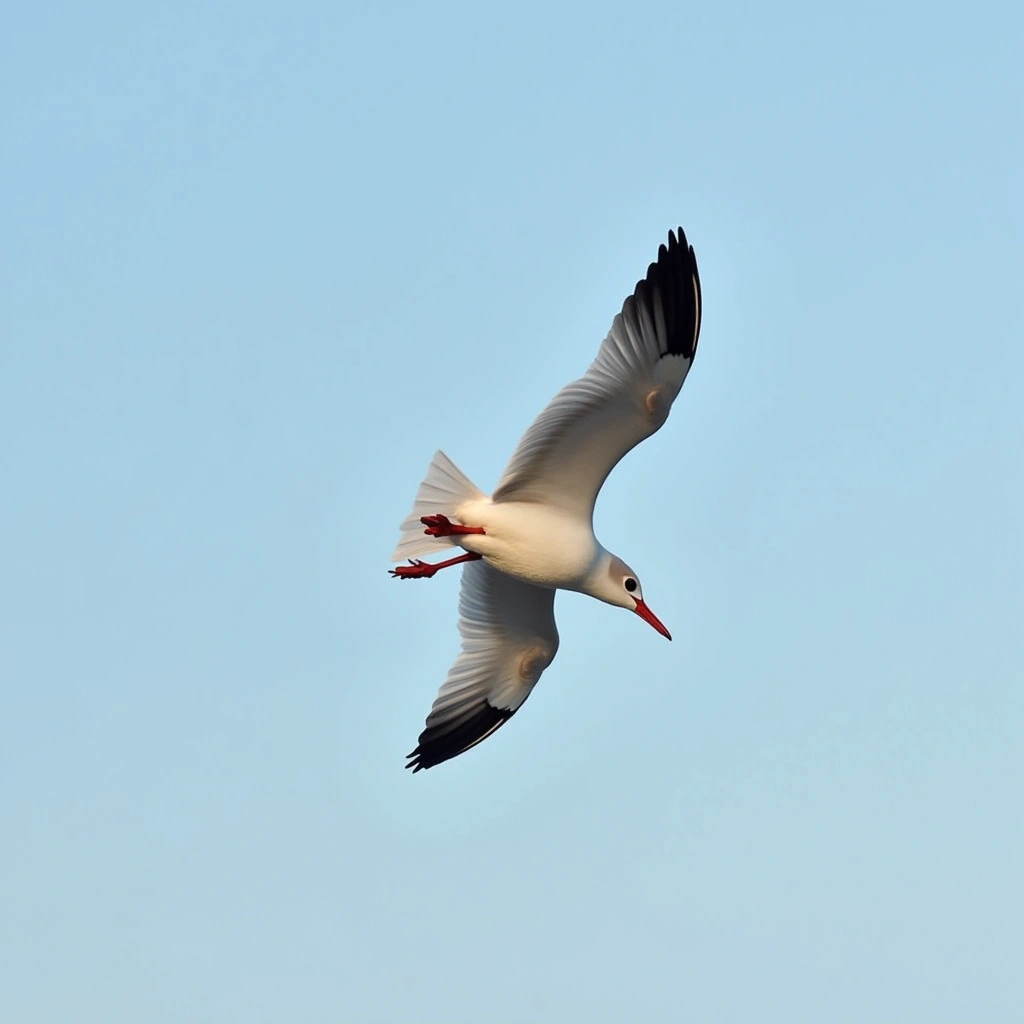
    Hey there, fellow nature lover! Have you ever looked up at the sky and wondered how those feathered aerial acrobats manage to fly around while breathing? I mean, I can barely run to the fridge without gasping for air, and here are these birds, flapping their wings like it’s a casual stroll in the park. Well, buckle up, because we’re diving into the fascinating world of avian anatomy and their lungs. Spoiler alert: it’s not just about puffing and panting!

    First off, let’s get one thing straight: birds are the Olympic athletes of the animal kingdom. Their lungs are engineered for performance! Unlike our unimpressive pair of lungs, which are essentially glorified balloons that expand and contract, birds have a unique respiratory system that allows for a continuous flow of air. This means they can breathe in oxygen while exhaling, which is like getting a double espresso shot in a single cup—efficient and invigorating!

    Now, you might be wondering, what’s the secret sauce? It all comes down to something called air sacs. Birds have these nifty little structures that act like a turbocharger for their lungs. When a bird inhales, air doesn’t just fill up its lungs like it does for us; it also fills these air sacs. Then, when the bird exhales, the air from those sacs pushes the spent air out of the lungs while fresh air is inhaled. Talk about multitasking!

    But wait, there’s more! While soaring through the skies, birds are also dealing with the fact that flying requires a ton of energy. So, they need a constant supply of oxygen to keep their engines running. This is where their high metabolism comes into play. Birds have a heart rate that can reach over 1000 beats per minute—yikes! That’s like me when I see my crush at the coffee shop!

    To make things even crazier, some species of birds can change the size of their air sacs depending on their needs. Need to go higher? Inflate those sacs! Need to dive? Deflate them! It’s like they’re living, breathing balloons that can adjust to the atmosphere. Who knew birds were so full of hot air? (Pun totally intended!)

    And let’s not forget about the whole ‘flying while breathing’ thing. When birds are soaring at high altitudes, the air gets thinner, meaning there’s less oxygen to go around. But fear not! Those clever little creatures have adapted over time to extract oxygen more efficiently than your average Joe. Their lungs have a higher surface area, which means more room for gas exchange. So while we’re down here huffing and puffing, birds are up there just chillin’.

    In conclusion, the way birds use their lungs for breathing while flying is nothing short of miraculous. They’ve evolved some of the most efficient respiratory systems you could imagine, allowing them to rule the skies while we’re stuck in traffic. So next time you see a bird flying overhead, give it a nod of respect—because while you’re catching your breath, it’s just catching the wind!

    Now go ahead, impress your friends with this newfound knowledge. Just don’t make it sound too nerdy, or they might think you’ve been spending too much time on Wikipedia instead of enjoying the great outdoors!


    Inspired by: “The way birds uses it lungs and use for breathing while flying” (r/interestingasfuck)

  • Solar Halo: Nature’s Bling or Just Another Optical Illusion?

    Solar Halo: Nature’s Bling or Just Another Optical Illusion?

    Hey there, fellow sky gazers! So, you’ve stumbled upon the term ‘Solar Halo’ and are wondering what this dazzling spectacle is all about. Is it a sign from above? A celestial selfie? Or just nature showing off its funky side? Grab your favorite beverage, and let’s dive into this shimmering phenomenon!

    First things first, what exactly is a Solar Halo? Picture this: You’re lounging outside, sipping a cold beverage, when you notice a ring of light surrounding the sun. No, your eyes aren’t playing tricks on you; what you’re witnessing is a glorious halo effect caused by ice crystals in the atmosphere. Yes, ice crystals! It’s like Mother Nature decided to throw a party and invited all the little ice cubes floating around up there.

    Now, before you start planning a halo-themed party (because who doesn’t love a good theme?), let’s get a bit technical. Solar halos usually appear as bright, circular rings that can stretch up to 22 degrees from the sun. This isn’t some random number pulled out of a hat; it’s based on the refraction, reflection, and dispersion of sunlight through those pesky ice crystals found in cirrus or cirrostratus clouds. So next time you see one, give a nod to those tiny ice cubes for being the life of the party!

    But wait, there’s more! Solar halos aren’t just a one-trick pony. They come in a variety of flavors. You’ve got your classic 22-degree halo, which is the most common, but sometimes you might spot a 46-degree halo or even the elusive ‘sun dogs’—which aren’t actually dogs, but rather bright spots that sometimes appear on either side of the halo. I mean, who knew the sky had so many personalities? It’s like the sun just can’t decide what look it wants today!

    Now, let’s address the elephant in the room: Are solar halos a sign of impending doom? Some folks believe that seeing a solar halo is a sign of upcoming storms or bad weather. But let’s be real, if you’re looking to the sky for signs of doom, you might want to check your horoscope instead. The reality is, halos are just a byproduct of specific atmospheric conditions, not a prophetic message from the universe.

    So, what should you do when you spot a solar halo? First, take a moment to appreciate the beauty and marvel at the scientific wonders of our atmosphere. Then, snap a picture! Post it on social media with a caption like “When the sun’s got better lighting than me” and watch your friends go wild. Who doesn’t love a bit of nature’s glam?

    In conclusion, solar halos are a stunning example of nature’s artistry, proving that sometimes the universe just wants to show off a little bling. So, next time you gaze up at the sky and see that radiant ring, remember to appreciate not just the beauty but also the science behind it. And hey, if you’re ever in need of an icebreaker at a party, you can always drop some solar halo knowledge—just don’t be surprised if people start to slowly back away!


    Inspired by: “Solar Halo” (r/interestingasfuck)

  • The Bizarre World of Anglerfish: Nature’s Unlikely Predator

    The Bizarre World of Anglerfish: Nature’s Unlikely Predator

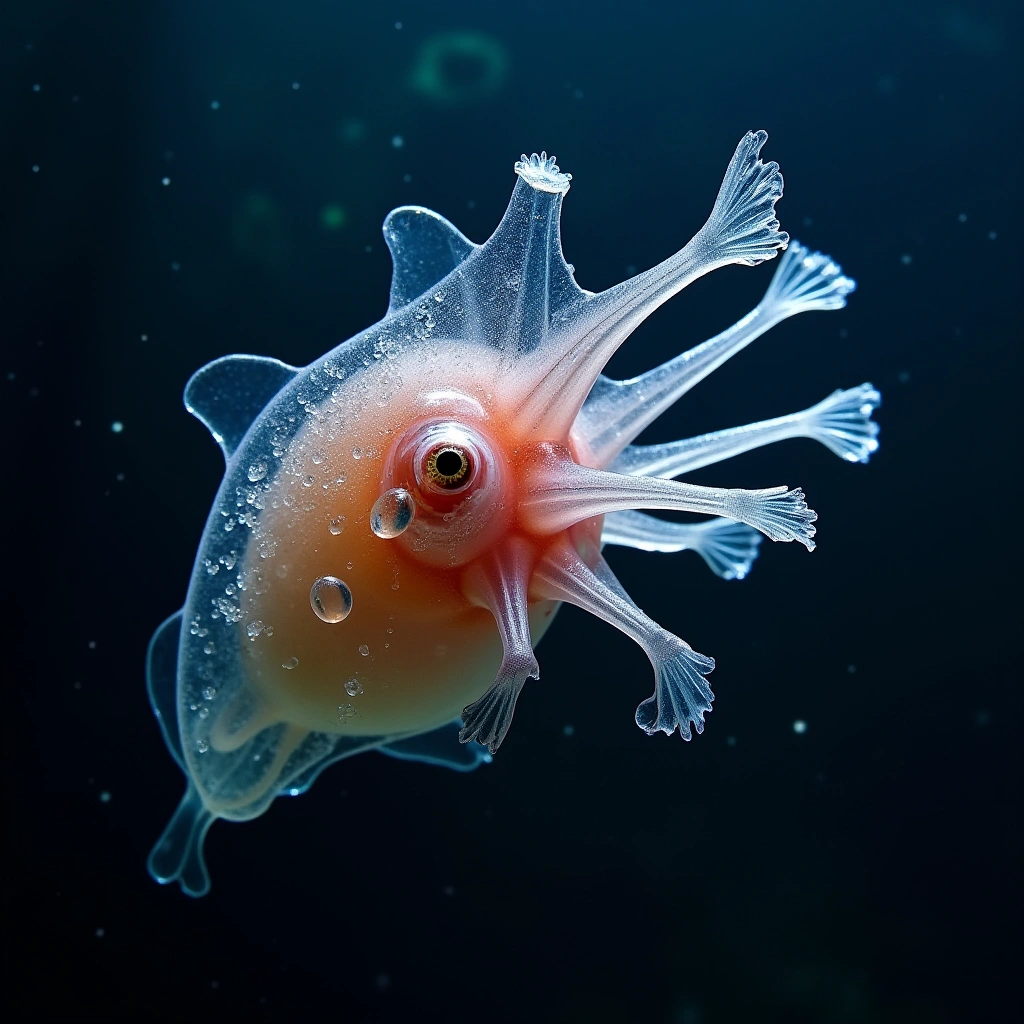
    Ah, the anglerfish! If there ever was a creature that could win the title of ‘most likely to appear in a horror movie,’ it would be this delightful deep-sea oddity. With its eerie glow and terrifying teeth, it’s like nature’s version of a bad dream, but a dream that went to culinary school and learned how to attract dinner.

    First off, let’s talk about that infamous lure. You know, the little fishing pole sticking out of its head? It’s not just for show, folks! The anglerfish uses this bioluminescent bait to lure in unsuspecting prey. Imagine being a small fish swimming along, minding your own business, only to be seduced by a glowing worm dangling in front of you. Talk about falling for a trap! It’s like a Tinder date that ends with you being served as the main course. Yikes!

    Now, if you thought the anglerfish was just a pretty face with a flashy lure, think again! These fish boast some seriously impressive adaptations. For starters, their mouths can expand to accommodate prey that is often larger than themselves. That’s right, they’re the original ‘go big or go home’ poster fish. They can swallow meals whole, which is a skill many of us wish we had during buffet season.

    But wait, there’s more! Did you know that many species of anglerfish display sexual dimorphism? This means the males are significantly smaller than the females. In fact, the male anglerfish is basically a tiny, love-struck parasite that latches onto a female for life. It’s like a romantic comedy gone wrong, where one partner just clings on and hopes for the best. The male’s body essentially dissolves into the female’s, merging their fates. Talk about commitment issues!

    Living in the dark depths of the ocean, where sunlight is as rare as a unicorn sighting, the anglerfish has adapted to thrive in this alien environment. Their dark, oversized mouths and sharp teeth make them the ultimate predators of the deep. It’s a place where the phrase ‘the early bird gets the worm’ is replaced with ‘the early angler gets the fish.’ And let’s be honest, when you’re lurking in the shadows, a little bit of deception goes a long way!

    But don’t let their terrifying appearance fool you; anglerfish are a vital part of their ecosystem. They help control populations of smaller fish, and their existence is a reminder that beauty (or lack thereof) is in the eye of the beholder. Plus, they are an excellent conversation starter at parties. Just imagine pulling out an anglerfish fact and watching your friends’ jaws drop faster than the anglerfish’s mouth when it spots dinner!

    In conclusion, the anglerfish is not just a fish; it’s a symbol of survival, adaptation, and the weird wonders of nature. So, the next time you’re feeling down about your dating life or your eating habits, just remember the anglerfish. It might just inspire you to embrace your quirks and shine bright in your own unique way—even if it means occasionally biting off more than you can chew!


    Inspired by: “The Angler fish” (r/interestingasfuck)

  • Meet the Paratoxodera Cornicollis: Nature’s Master of Disguise That Makes You Question Reality

    Meet the Paratoxodera Cornicollis: Nature’s Master of Disguise That Makes You Question Reality

    Hey there, fellow nature enthusiasts! Today, we’re diving into the bizarre and beautiful world of the Paratoxodera cornicollis, a baby praying mantis that takes camouflage to the next level. Seriously, this little green ninja is so good at blending in that it could make a chameleon weep with envy!

    First off, let’s talk about what makes this mantis so extraordinarily rare. Imagine a creature that can mimic a loose branch so perfectly that even the most eagle-eyed predator would struggle to spot it. It’s like if an artist and a magician had a baby, and that baby decided to live in the rainforest instead of going to art school. This mantis doesn’t just want to be seen; it wants to be a part of the scenery!

    Now, if you’re wondering why this little critter has chosen the branch life, it’s all about survival. In the wild, looking like a branch is basically the equivalent of wearing an invisibility cloak. Predators are everywhere, and while you might think being a praying mantis means you’re at the top of the food chain, let me tell you, everyone has a bigger appetite. So, blending in is crucial!

    But let’s address the elephant in the room: is this mantis just a wannabe branch, or does it have a personality? I mean, it’s hard to imagine it sitting around, sipping tea with its mantis friends, discussing the latest trends in foliage fashion. Yet, I like to think that somewhere deep down, it has dreams of being more than just a stick. Maybe it wants to be a model for Nature’s Got Talent, showing off its moves in the breeze!

    As we marvel at this incredible creature, let’s not forget the ecological significance it holds. The Paratoxodera cornicollis plays a vital role in its ecosystem, controlling pest populations and contributing to the food web. So, the next time you see one of these little dudes, remember: it’s not just a stick; it’s a tiny guardian of the forest!

    In conclusion, the baby praying mantis Paratoxodera cornicollis is a fascinating marvel of nature, proving once again that Mother Nature has a wicked sense of humor and impeccable taste in disguise. So, keep your eyes peeled, folks! You never know when you might stumble across a branch that just might save its own life by being a little green ninja!


    Inspired by: “This extraordinarily rare baby praying mantis that mimics a lose branch (Paratoxodera cornicollis)” (r/interestingasfuck)

  • The Heartwarming Tale of a Thirsty Squirrel: When Nature Meets Kindness

    The Heartwarming Tale of a Thirsty Squirrel: When Nature Meets Kindness

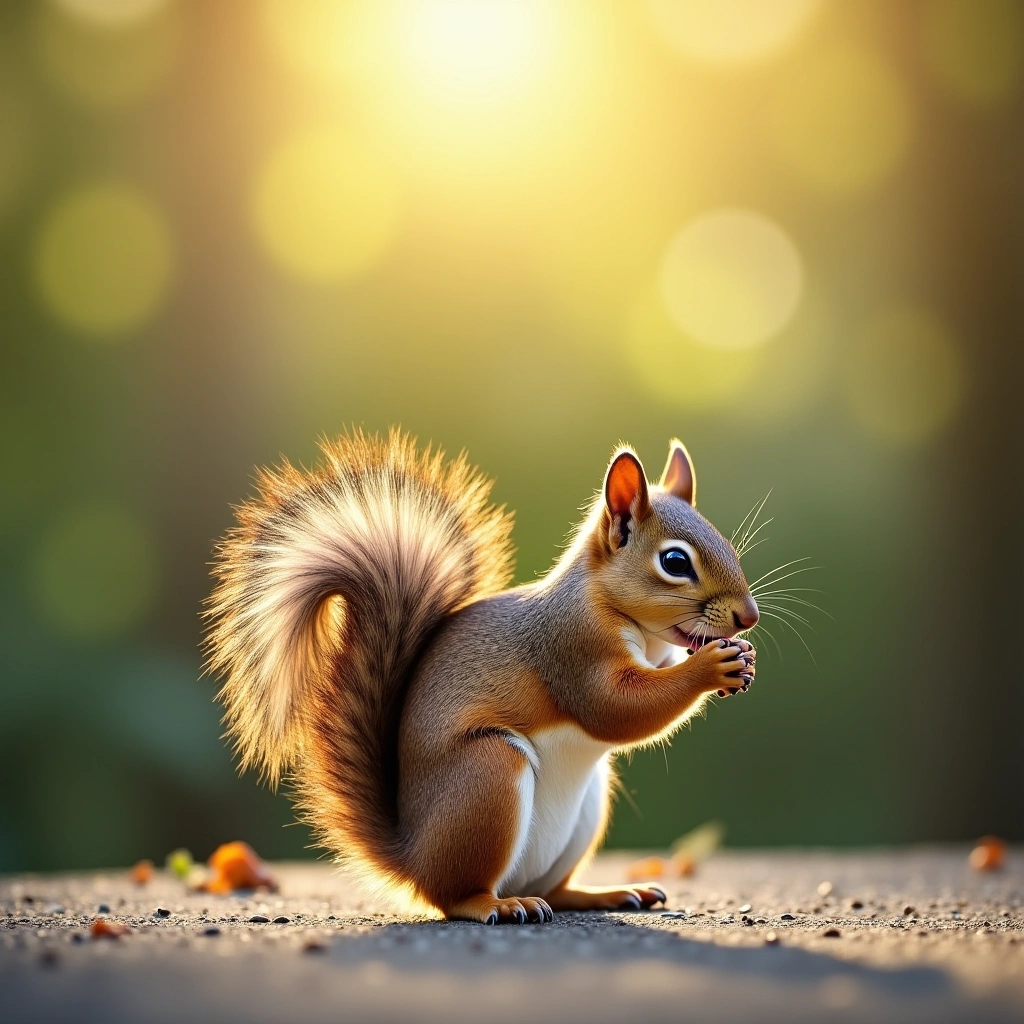
    Ah, the age-old debate: should you help wildlife or let nature take its course? Well, grab your popcorn, because this is a story that might just tip the scales in favor of kindness. Enter our hero, the unsuspecting human, and a thirsty little squirrel in need of a drink. What could possibly go wrong, right?

    Picture this: a sunny afternoon, the kind where you can feel the warmth radiating from the ground, and a little squirrel, looking like it just finished a marathon, scurries up to a human. It’s hot out there, folks! Even Mother Nature needs to chill sometimes. But instead of a cold drink from the nearest cafe, our furry friend is met with a big ol’ dry patch of nothingness. Cue the dramatic music!

    Now, let’s talk about the decision to give that squirrel a drink of water. It’s a noble act, but it also raises some eyebrows. Is this the start of a new trend in animal hospitality? Will we soon see squirrels lining up at our backyard BBQs demanding their own signature cocktails? “Excuse me, bartender, I’ll have a Nutty Mojito, shaken, not stirred!”

    But let’s get serious for a moment. The act of giving water to a thirsty squirrel serves a greater purpose. It’s about fostering a connection with nature, one sip at a time. It’s like when you see a friend struggling with their drink order and you swoop in with a life-saving suggestion. “You should totally try the iced latte, trust me!”

    Yet, not everyone is on board with this kindness train. There’s a camp of people who believe that feeding or watering wildlife can lead to them becoming too dependent on humans. “What’s next? Teaching them to use a straw?” They say. Sure, that’s a valid point, but isn’t it also a bit of a buzzkill? Let’s not forget that squirrels are like the acrobats of the animal kingdom. They can leap from tree to tree, but when it comes to hydration? They’re just as clueless as the rest of us on a hot summer day.

    Ultimately, the act of giving water to a squirrel is about more than just quenching thirst; it’s about building a bridge between humans and wildlife. It’s about saying, “Hey, I see you out there, and I care.” So, the next time a little critter approaches you looking parched, don’t just shake it off and say, “Not today, squirrel!” Consider lending a hand—or shall I say paw? Who knows, you might just spark a trend! “Squirrel Water Stations: The Next Big Thing?”

    So go on, embrace your inner wildlife whisperer. And if you find yourself surrounded by a gang of squirrels demanding hydration, just remember to keep a cool head. After all, you don’t want to be known as the person who started a squirrel revolution over a simple drink of water!


    Inspired by: “He gives a squirrel a drink of water” (r/interestingasfuck)