Category: Human Interest

  • The Rise of Fashion Robots: Are They the Future of Style or Just a Trendy Fad?

    The Rise of Fashion Robots: Are They the Future of Style or Just a Trendy Fad?

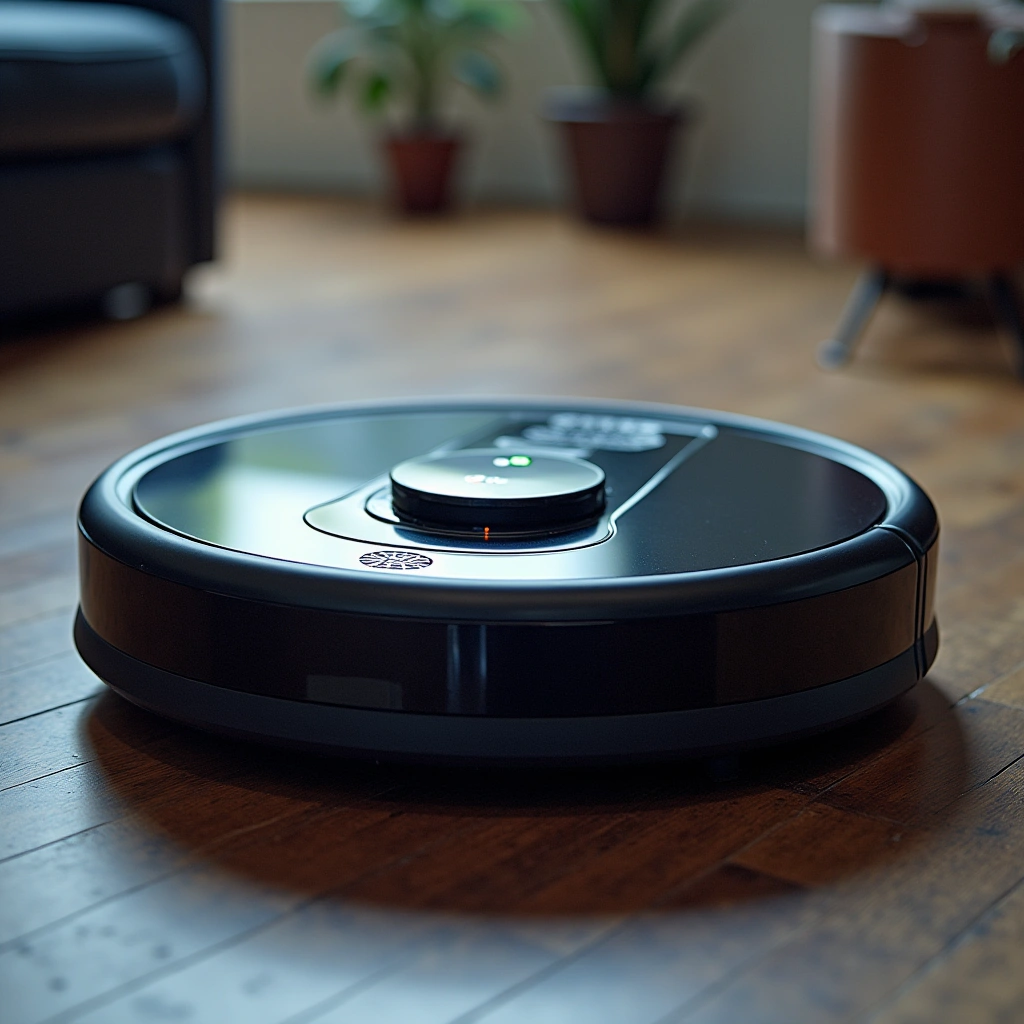
    Hey there, fashion aficionados and tech-savvy trendsetters! So, you’ve probably seen those adorable little robots popping up everywhere, right? No, I’m not talking about the ones that clean your floors while you binge-watch your favorite series. I’m talking about the new wave of robots that are taking the fashion industry by storm, promoting clothes like they’re the next top models. Talk about a plot twist!

    Now, before we dive headfirst into this metallic fashion fiesta, let’s address the elephant in the room. Are we seriously trusting robots to give us style advice? I mean, sure, they can calculate the trajectory of a space shuttle, but can they really understand the complexities of pairing a floral dress with combat boots? I guess we’ll have to wait and see!

    First off, let’s talk about how these robots are strutting their stuff. From social media platforms to physical stores, these little fashionistas are everywhere! They’re equipped with algorithms that analyze current fashion trends, customer preferences, and even the latest Instagram hashtags. Imagine a robot that can tell you that wearing socks with sandals is still a cardinal sin. It’s like having your own personal fashion consultant, minus the judgmental eye roll!

    But here’s where it gets spicy: the robots aren’t just promoting clothes; they’re also creating them! Yes, you heard that right. There are robots out there sketching designs faster than I can decide what to wear in the morning. And if you thought your wardrobe was cool, wait until you see what a robot can whip up with a few lines of code and a splash of glitter. Who needs a fashion degree when you have artificial intelligence, am I right?

    Now, let’s get a little controversial. Is this a good thing? On one hand, it could democratize fashion. Anyone can get access to stylish clothes suggested by a robot that doesn’t care about your body type, style, or bank account. On the other hand, are we losing the human touch? Fashion has always been about expression, creativity, and, let’s not forget, that glorious feeling of finding the perfect outfit. Can a robot really grasp that?

    And let’s not overlook the environmental aspect. With robots taking over the fashion scene, we might see a rise in sustainable fashion practices. No more fast fashion pumping out clothes faster than you can say “shopaholic.” Robots could help streamline production and reduce waste. But then again, are we just exchanging one set of problems for another? It’s like getting a new pair of shoes only to realize they’re two sizes too small. Ouch!

    In conclusion, whether you’re a fan of these fashionable robots or you think they’re just another gimmick, one thing is for sure: they’re here to stay—at least for now. So, the next time you see a little robot recommending your next outfit, just remember to give it a wink and a nod. After all, they might just be the future of fashion, or they could be the punchline of a really bad joke. Either way, it’s going to be one heck of a ride!

  • The Unsung Heroes of Our Homes: Small Spiders and Their Masterful Webs

    The Unsung Heroes of Our Homes: Small Spiders and Their Masterful Webs

    Hey there, fellow arachnophobes and spider enthusiasts! Today, we’re diving into the world of our eight-legged roommates—the small spiders that weave their intricate webs right under our noses. You know, the ones you only notice when they decide to drop down and give you a mini heart attack while you’re just trying to enjoy your Netflix binge. Let’s unravel the fascinating (and slightly creepy) lives of these tiny architects!

    First off, let’s talk about the web. You might think it looks like a mess, but to a spider, it’s like a five-star hotel. These little creatures spin their silk with a precision that would put most of us to shame. One minute they’re hanging out in the corner of your living room, and the next, they’re crafting a masterpiece that could rival any modern art installation. Seriously, have you ever seen a spider’s web glistening in the morning dew? It’s like nature’s own disco ball!

    Now, here’s where it gets interesting. These small spiders are not just sitting around waiting for dinner to drop in. They’re busy keeping our homes pest-free! Yes, I said it! That little guy in the corner is basically your personal bug exterminator. Think about it: would you rather have a spider or a family of cockroaches throwing a rave in your kitchen? I know which one I’d pick!

    But let’s address the elephant in the room (or should I say spider in the web?). The mere thought of spiders sends shivers down the spines of many. I get it, they’re not exactly cuddly creatures. But let’s be real: they’re more scared of you than you are of them. They just want to live their lives, catch some bugs, and maybe binge-watch some spider documentaries. Who are we to judge?

    And for those of you who are still not convinced, here’s a fun fact: some small spiders can actually help with allergies. Yep, you heard that right! By keeping other pests in check, they can reduce the number of allergens floating around your home. So maybe it’s time to reconsider your stance on these little warriors. They might just be the unsung heroes we didn’t know we needed!

    In conclusion, the next time you see a small spider weaving its web, take a moment to appreciate the craftsmanship. They’re not just spinning silk; they’re spinning life! And if you’re still feeling a bit creeped out, just remember: they’re more afraid of your shoe than you are of them. So let’s give a round of applause to our tiny friends, the architects of the insect world. Who knew that small spiders could pack such a big punch?

  • Is Your Location Data Up for Grabs? The Supreme Court’s Take on ‘Geofence’ Warrants

    Is Your Location Data Up for Grabs? The Supreme Court’s Take on ‘Geofence’ Warrants

    Hey there, fellow netizens! So, have you ever wondered if your phone knows more about your whereabouts than your own mother? Spoiler alert: it probably does. And now, the Supreme Court is mulling over the constitutionality of something called ‘geofence’ warrants, which sounds like a fancy tech term for ‘we’re watching you.’

    Picture this: the cops want to catch a suspect who was at a specific location at a specific time. Instead of asking for a list of suspects (because that would be too easy), they can request a ‘geofence’ warrant. This allows them to collect location data from all devices that were in that area during the incident. Yes, you read that right—every phone, every smartwatch, and probably even your neighbor’s smart fridge could be under scrutiny.

    Now, before you grab your tinfoil hat and start plotting an escape to a remote cabin in the woods, let’s break this down. On one hand, this could be seen as a genius way to catch the bad guys. Think about it: if you were a detective, wouldn’t you want every tool at your disposal? Geofence warrants could potentially solve crimes faster than you can say ‘Big Brother is watching.’

    But here comes the Orwellian twist. We live in an age where privacy is as rare as a unicorn on Twitter. With the police having access to a treasure trove of data that includes innocent bystanders who just happened to be in the wrong place at the wrong time, we have to ask ourselves: where do we draw the line? Are we willing to sacrifice our privacy for the sake of security? And more importantly, how do we ensure that this power isn’t abused?

    As the Supreme Court deliberates, people are getting divided—some are all for it, shouting, ‘Yes! Catch those criminals!’ while others are clutching their smartphones like they’re the last slice of pizza at a party, saying, ‘Not my data, buddy!’ This is a classic case of the age-old debate: safety versus freedom. And honestly, it feels like we’re in one of those dystopian novels where the government is always one step ahead.

    So, what does this mean for you, the average joe or jane scrolling through social media? Well, it’s a wake-up call. It’s high time we start thinking about our digital footprints. Just because you can tweet about your lunch doesn’t mean the government should know your exact location while you’re at the taco truck. Let’s keep the taco secrets safe, people!

    In conclusion, as the Supreme Court weighs the implications of geofence warrants, we’re left with more questions than answers. Is this a clever tool for law enforcement or a slippery slope toward invasive surveillance? Only time will tell, but one thing’s for sure: if you start seeing ads for cabin rentals in the woods, don’t say we didn’t warn you!

  • The Digital Fairness Act: Big Tech or Busy Broadcasters? Let’s Get Real!

    The Digital Fairness Act: Big Tech or Busy Broadcasters? Let’s Get Real!

    Ah, the Digital Fairness Act! It’s like the new kid in school who promises to keep things fair but ends up just stirring the pot. Recently, EU broadcasters have thrown a curveball, suggesting that this act should focus on Big Tech instead of them. And honestly, who can blame them? It’s like being called out for not sharing your lunch when the kid with the buffet is right next to you!

    Let’s break this down. Broadcasters are saying, ‘Hey, we’re just trying to keep our heads above water here, while the likes of Google and Facebook are swimming in money like Scrooge McDuck.’ They point out that they’re already facing enough challenges—like trying to keep up with the latest streaming trends and avoiding that awkward moment when you recommend a show that everyone has already binged on last month.

    Now, don’t get me wrong. Big Tech has its fair share of blame to shoulder. With their algorithms and data collection practices, they can make or break a broadcaster’s success faster than you can say ‘content creation.’ It’s like the digital version of the high school hierarchy—only this time, the popular kids are hoarding all the likes and retweets, while the broadcasters are left wondering why their heartfelt posts about local news aren’t getting any love.

    But let’s be real for a second. The Digital Fairness Act is intended to level the playing field, right? So why are broadcasters pushing back? Maybe it’s because they fear they’ll be the ones to feel the heat. After all, navigating regulations can be trickier than getting your grandma to understand TikTok trends. They might think, ‘Let’s just keep our noses clean and let the tech giants take the blame.’

    However, if we’re talking fairness, shouldn’t everyone be held accountable? Sure, Big Tech may be the bullies in this scenario, but broadcasters aren’t entirely innocent either. You know, the whole ‘we can charge you for everything’ model? It’s like getting a parking ticket for breathing near a meter. And yet, they want us to believe they’re the underdogs. Talk about a plot twist!

    So where do we go from here? The Digital Fairness Act should be a wake-up call for both sides. Instead of slinging blame like it’s confetti at a parade, maybe they should come together and figure out how to coexist. After all, we all want to watch our favorite shows without feeling like we need to rob a bank to afford a subscription.

    In conclusion, the EU broadcasters have a point, but so does Big Tech. So let’s grab some popcorn, sit back, and watch this drama unfold. Because if there’s one thing we can all agree on, it’s that the digital landscape is about as fair as a three-legged race at a family reunion—somebody’s always going to trip over their own feet!

  • Two Marathon Legends: Sebastian Sawe and Yomif Kejelcha Break the Two-Hour Barrier at the 2026 TCS London Marathon!

    Two Marathon Legends: Sebastian Sawe and Yomif Kejelcha Break the Two-Hour Barrier at the 2026 TCS London Marathon!

    Well, folks, grab your running shoes and hold on to your energy gels because the 2026 TCS London Marathon just threw down the gauntlet in the running world! In a shocking twist that even the most optimistic sports analyst couldn’t foresee, Sebastian Sawe and Yomif Kejelcha both finished under the magical two-hour mark. And no, this isn’t some wild plot twist from a new sports movie—this is real life!

    First, let’s talk about Sebastian Sawe. The guy’s not just fast; he’s practically a blur on the pavement! With a finish time that had spectators questioning their own sense of time, Sawe sprinted across the finish line like he was being chased by a pack of angry wild boars. Seriously, if I were running at his speed, I’d be throwing in some dramatic arm flailing just to keep the spectators entertained!

    Then there’s Yomif Kejelcha, who, let’s be honest, might just have a deal with the Speed Force. How else do you explain his phenomenal ability to maintain a pace that makes us mere mortals look like we’re running through molasses? The guy is so fast that I half-expect him to show up at my local grocery store to beat me to the checkout line!

    Now, let’s break down the implications of this historical marathon. The two-hour barrier has been a kind of Holy Grail to distance runners since the dawn of time (or at least since the ’90s). We all remember Eliud Kipchoge’s monumental feat in 2019, and now we have not one but two athletes joining the elite club. It’s like the Avengers of marathon running, and Kipchoge is probably sitting somewhere with popcorn, nodding approvingly at the new recruits!

    But wait! Before you start training for your own marathon in hopes of breaking two hours, let’s get real. The secret sauce for these legendary performances includes years of dedication, a dash of genetics, and probably a whole lot of coffee—because let’s face it, how else would they survive those grueling training sessions?

    And let’s not forget the London Marathon itself! With its iconic route and enthusiastic crowds, it’s the perfect stage for these records to be shattered. If you’ve ever run this marathon, you know it’s not just about the distance; it’s about the energy of the city! Runners are practically high-fiving Big Ben and giving the Queen’s Guard a run for their money.

    In conclusion, the 2026 TCS London Marathon will forever be etched in the history books, not just for the breathtaking performances of Sawe and Kejelcha, but for the inspiration it gives countless runners worldwide. So, while you might not be able to replicate their feats, you can certainly channel your inner marathoner (after finishing that pizza, of course). Remember, every step you take is one step closer to your own finish line, even if that’s just making it to the couch!

    Now, who’s up for a 5K? Or maybe just a leisurely walk to the fridge? Let’s keep it realistic, friends!

  • Could John Ternus Channel Microsoft’s Secret Sauce to Spice Up Apple’s Innovation? Let’s Dive In!

    Could John Ternus Channel Microsoft’s Secret Sauce to Spice Up Apple’s Innovation? Let’s Dive In!

    Ah, John Ternus. The guy who has to fill some pretty enormous shoes at Apple. I mean, when you’re following in the footsteps of legends like Jony Ive, it can feel like trying to fill a bathtub with a spoon. So, what if Ternus took a page out of Microsoft’s playbook? Buckle up, folks; we’re about to dive into a world where Apple gets a little more… Microsoft-ish.

    First off, let’s talk about the elephant in the room: innovation. Apple has long been the shiny apple (pun intended) of the tech world, but lately, their fruit has been looking a bit bruised. Enter Microsoft, a company that has somehow managed to go from the tech villain to the underdog hero. How did they do it, you ask? By embracing a mix of creativity and practical solutions!

    Imagine this: Ternus decides to adopt Microsoft’s collaborative approach. You know, the one where they don’t just throw a bunch of features at you and say, “Good luck figuring it out!” Instead, they listen to their users. Shocking, right? If Ternus starts paying attention to what consumers are actually asking for, he might just bring the Apple experience into the 21st century—where folks want more than just a shiny logo and a hefty price tag.

    Next up, let’s discuss the good ol’ subscription model. Microsoft Office made a leap into the subscription world, and guess what? People didn’t run away screaming! Instead, they embraced it. What if Ternus introduced an Apple subscription service that didn’t just involve Apple Music and iCloud? How about a service that combines all of Apple’s offerings into a neat little package? You could have your iPhone, iPad, and MacBook all singing in harmony, like a techy boy band.

    Of course, we can’t forget about the software side of things. Microsoft has been all about updates, and not the kind that leaves you staring at a loading screen for hours. Regular, meaningful updates that actually improve user experience. If Ternus could somehow make macOS updates feel less like dental appointments and more like surprise pizza parties, Apple users would be singing his praises faster than you can say “iPhone 15 Pro Max Ultra Mega Edition.”

    Now, let’s get a bit controversial. Some might say Apple is the “luxury brand” of tech, and that’s fine and dandy. But what if Ternus decided to shake things up? What if he embraced a little more accessibility? Microsoft has made strides in this area, and it’s about time Apple joined the fun. Imagine a world where everyone, regardless of their budget, could access Apple’s top-tier products. Radical, I know! But isn’t that what we want in a world of overpriced gadgets?

    Lastly, let’s chat about ecosystem integration. Microsoft has been working hard on making their services interoperable, and Apple is known for its walled garden. What if Ternus threw open the gates just a little? We could see a world where your Apple devices not only play nice with each other but also with devices from other brands. The horror! But seriously, it could lead to a happier user base.

    In conclusion, while John Ternus has his work cut out for him, he wouldn’t be the first person to take inspiration from a rival. By borrowing some strategies from Microsoft’s playbook, he could breathe new life into Apple and ensure that the brand remains not just relevant but a leader in innovation. So, here’s to hoping Ternus gets a little Microsofty and shakes things up at Apple. Who knows? We could be in for a wild ride!

  • Navigating the Strait of Malacca: The World’s Busiest Waterway and Its Sea of Ships

    Navigating the Strait of Malacca: The World’s Busiest Waterway and Its Sea of Ships

    Ahoy there, ship lovers and nautical nerds! If you’ve ever wondered where the most traffic jammed waters of the world are, look no further than the Strait of Malacca. This narrow stretch of water is like the Times Square of the ocean, minus the neon lights and hot dog stands (although, let’s be honest, a hot dog on a boat doesn’t sound too shabby!).

    But seriously, the Strait of Malacca, which runs between the Malay Peninsula and the Indonesian island of Sumatra, is the lifeblood of maritime trade in Southeast Asia. Picture this: over 100,000 ships pass through this strait every single year! That’s like a never-ending parade of cargo, oil tankers, and, yes, even the occasional pirate (just keep your eye on your treasure, matey!).

    Now, you might be wondering why this narrow waterway is such a big deal. Well, let’s break it down. The Strait of Malacca is the shortcut for ships traveling between the Indian Ocean and the South China Sea. It’s like the express lane on a highway, except instead of speeding tickets, you might encounter a giant container ship that’s just as clueless about merging as your average driver.

    And speaking of ships, the variety you’ll find here is mind-boggling. From massive cargo vessels carrying everything from electronics to IKEA furniture (good luck assembling that on a rocking boat), to tankers that could probably be mistaken for floating skyscrapers, the diversity is a sight to behold. It’s a veritable sea of ships, and if you squint hard enough, you might even see a few suspicious-looking vessels that are definitely NOT delivering pizza.

    But let’s not sugarcoat it—navigating this strait isn’t just smooth sailing. The waterway is notorious for its shallow depths and tricky currents, which can turn a simple journey into an episode of “Survivor: Nautical Edition.” Ships have to be on high alert for each other, and let’s not even get started on the occasional run-in with piracy. Yes, pirates are still a thing here, and no, they don’t wear eyepatches and sing sea shanties (at least not the ones you want to encounter).

    And then there’s the environmental angle. With so many ships passing through, one can’t help but wonder about the impact on marine life. The Strait is home to beautiful coral reefs and diverse ecosystems. But with all those ships, it’s like trying to enjoy a quiet evening at home while your neighbors throw a raging party. So, let’s raise a toast to both the maritime industry and Mother Nature—may they coexist peacefully (and may the ships remember to take out the trash, please!).

    So, next time you’re sitting at home scrolling through Reddit, and you come across a post about the Strait of Malacca, remember: it’s not just a waterway, it’s a chaotic ballet of ships, a haven for commerce, and yes, a potential pirate hangout. Just don’t forget your eye patch and your best pirate impression!

    In conclusion, the Strait of Malacca is a fascinating place that showcases the hustle and bustle of global trade, the challenges of navigation, and the delicate balance of our environment. It’s a “sea” of ships that tells the story of modern commerce, where every vessel has its own tale to tell. So, whether you’re an aspiring captain or just a curious observer, keep your eyes peeled for the next big ship you might see passing by!

  • The Great Canadian SMS Blaster Incident: How Texts Turned Into Trouble

    The Great Canadian SMS Blaster Incident: How Texts Turned Into Trouble

    Hey there, fellow internet wanderers! Buckle up because we’re about to take a wild ride through the streets of Canada, where mobile SMS blasters have turned into the villains of the telecom tale. You might want to grab a coffee or something stronger because this story is as chaotic as a moose in a middle school dance.

    So, what exactly went down? Picture this: 13 million network disruptions, tens of thousands of devices infiltrated, and oh, let’s not forget that precious 911 service getting blocked. Yes, you heard it right! These sneaky SMS blasters were prowling around like a cat burglar in a fish market, leaving behind a trail of chaos and confusion.

    First, let’s talk about these SMS blasters. They’re not the friendly neighborhood text messengers you’d hope for. No, they’re more like the annoying telemarketers that call you just as you’re about to dig into your dinner. But instead of selling you a new vacuum cleaner, they’re wreaking havoc on your mobile networks. Imagine receiving a flood of texts that you never signed up for! You’d think your phone was auditioning for a role in a horror movie.

    Now, how did we get to a staggering 13 million disruptions? Well, it turns out that these blasters operate like a digital swarm of locusts, overwhelming systems and causing network meltdowns. It’s as if they decided that the Canadian telecommunications system was their personal playground, and they brought all their friends along for the ride. And just like that, your usual innocent text conversation about last night’s hockey game turns into a nightmare.

    But wait, there’s more! These pesky blasters didn’t just stop at annoying the heck out of you. They went full villain mode by infiltrating tens of thousands of devices and stealing cellphone data. Who does that? It’s like someone breaking into your house, stealing your prized collection of action figures, and leaving you a note that says, “Thanks for the loot!”

    And the cherry on top? Blocking 911 calls! Can you imagine? You’re in a sticky situation, and you dial for help only to be met with a voicemail saying, ‘Sorry, we’re busy right now. Please leave a message after the beep?’ Now, that’s not just a logistical nightmare; that’s a recipe for disaster.

    As if Canadians didn’t have enough to deal with—like the existential crisis of choosing between Tim Hortons or Starbucks—now they have to contend with these techno-terrorists. It’s almost enough to make you want to throw your phone into a lake and go live in a cabin in the woods. But let’s be real; we love our smartphones way too much (and the Wi-Fi is better than any cabin).

    So, what’s the takeaway from this wild saga? Well, folks, it’s a reminder that while technology can do amazing things, it can also create a hot mess when it falls into the wrong hands. Let’s hope that authorities catch these SMS blasters and put them in digital jail, preferably with no Wi-Fi access. Until then, keep your devices safe, your networks secure, and maybe turn off those notifications for a while. Your sanity will thank you!

  • Unpacking the Industrialized Fraud in the H-1B Visa Program: A Comedy of Errors and Ethics

    Unpacking the Industrialized Fraud in the H-1B Visa Program: A Comedy of Errors and Ethics

    So, let’s dive into the murky waters of the H-1B visa program, where the promise of skilled labor meets the reality of, well, industrialized fraud. You’d think we were discussing the latest plot twist in a Netflix drama, but alas, this is real life. Grab your popcorn!

    The H-1B visa was designed to bring highly skilled workers to the United States, filling gaps in industries that just can’t find enough qualified Americans. Sounds noble, right? But hold onto your hats, because what we’ve got here is a classic case of ‘oh no, they didn’t!’

    Here’s the deal: companies often use the H-1B visa program to hire foreign workers at lower wages. Shocker! It’s like finding out your favorite ice cream flavor has been replaced by, I don’t know, broccoli. Sure, it’s still technically ice cream, but where’s the joy? Instead of hiring the best and the brightest, some companies have turned this program into a way to cut costs and fatten their wallets.

    Now, let’s talk numbers. According to reports, a significant portion of H-1B visas is granted to companies that are less than scrupulous. Picture this: a company claims to be on the hunt for top-tier tech talent, but instead, they’re hiring a bunch of folks who barely know how to refresh their browsers. It’s like sending a toddler to fix a car engine!

    And don’t even get me started on the consulting firms that have turned this into an art form. They’re like the circus clowns of the tech industry, juggling fake resumes and fraudulent job offers while the real experts are left in the dust. It’s a sad state of affairs when the system designed to bring in talent is instead bringing in a parade of impostors.

    But wait! It gets better. There’s a whole underground economy popping up around this. Picture a black market for H-1B visas, where shady deals and backdoor agreements are the norm. It’s like a spy movie, but instead of espionage, it’s all about paperwork and a few thousand bucks! You can almost hear the James Bond theme in the background.

    Now, I know what you’re thinking: isn’t this just an issue for the government to sort out? Well, yes and no. While the government can tighten regulations, the real change needs to come from within the industry. Companies must take a good hard look in the mirror and ask themselves if they’re truly committed to hiring the best talent or just looking for a cheap workaround.

    So, what’s the takeaway? The H-1B visa program isn’t inherently bad, but it’s certainly become a breeding ground for fraud. It’s time for a serious overhaul, and maybe a few less circus clowns in the mix. Let’s put the ‘fun’ back in ‘fundamental reform’ and ensure that the program works as it was intended: bringing in skilled workers who can genuinely contribute to the economy, not just filling seats in a conference room.

    In conclusion, the saga of the H-1B visa program is a classic tale of good intentions gone awry. Like a well-meaning parent who buys their kid a puppy, only to realize they have no idea how to take care of it. It’s time to train that puppy right, folks, and make the H-1B program work for everyone.

  • The Brave Guardians of Elephants: Kenya’s Anti-Poaching Soldiers Stand Tall

    The Brave Guardians of Elephants: Kenya’s Anti-Poaching Soldiers Stand Tall

    So, you’ve heard about the brave anti-poaching soldiers stationed in front of elephant ivory, right? If not, grab your popcorn because we’re diving into a topic that’s as serious as it is fascinating. Picture this: soldiers decked out in camouflage, not for a typical war scenario, but to defend our massive friends with trunks. Yes, we’re talking about elephants and the battle against poaching in Kenya!

    First off, let’s address the elephant in the room—pun intended! Why are elephants being poached in the first place? Well, you see, ivory is like the bling-bling of the wildlife world. It’s a hot commodity that has been sought after for centuries for its use in art, jewelry, and even traditional medicine. But here’s where it gets sticky: poaching not only threatens the survival of these majestic creatures but also disrupts entire ecosystems. Spoiler alert: without elephants, the world would be a sadder place!

    Now, meet the unsung heroes of this saga: the anti-poaching soldiers. These brave souls are not just standing there with stern expressions and oversized rifles. Nope, they’re equipped with a heart full of passion and a mission to protect wildlife. Imagine being stationed in the African bush, surrounded by breathtaking landscapes and the occasional zebra photobombing your selfies. That’s their office! But it’s not all fun and games. They face real dangers, including armed poachers who would rather see an elephant’s tusks turned into trinkets than see the animal thrive. Talk about a tough gig!

    These soldiers undergo rigorous training, which includes everything from tracking techniques to survival skills. They need to be part soldier, part wildlife expert, and all heart. Can you picture them whispering sweet nothings to elephants while chasing away poachers? Okay, maybe that’s a stretch, but you get the point. They’re on a mission, and they take it seriously.

    Let’s not forget the role of technology in this battle. Drones, camera traps, and GPS tracking systems have become their best buddies. With the latest gadgets at their disposal, they can monitor vast areas of land that would be impossible to patrol on foot. It’s like having a superhero on speed dial, ready to swoop in and save the day! Who knew tech could be so cool?

    Now, here’s where it gets a bit controversial. Some folks argue that the solution to poaching might not just be more soldiers but also addressing the demand for ivory. If people stop buying ivory, poachers will stop hunting elephants. Simple math, right? But convincing people to change their buying habits is like trying to convince a cat to take a bath—good luck with that!

    So, what can you do to help? Spread awareness! Share this blog post, talk to your friends, and educate others about the plight of elephants and the importance of supporting anti-poaching efforts. You can also contribute to organizations that work tirelessly to protect wildlife. Remember, every little bit helps! And who knows? Your small action might just be the butterfly effect that saves an elephant’s life.

    In conclusion, the fight against poaching is far from over, but with brave soldiers standing guard and the power of technology on our side, there’s hope. Let’s rally together, support our heroes, and ensure that elephants can roam the savannahs for generations to come. Because frankly, if elephants disappear, who will we turn to for the best memes? Stay wild, my friends!