Category: Human Interest

  • Laser Love: Charging Drones on the Fly

    Laser Love: Charging Drones on the Fly

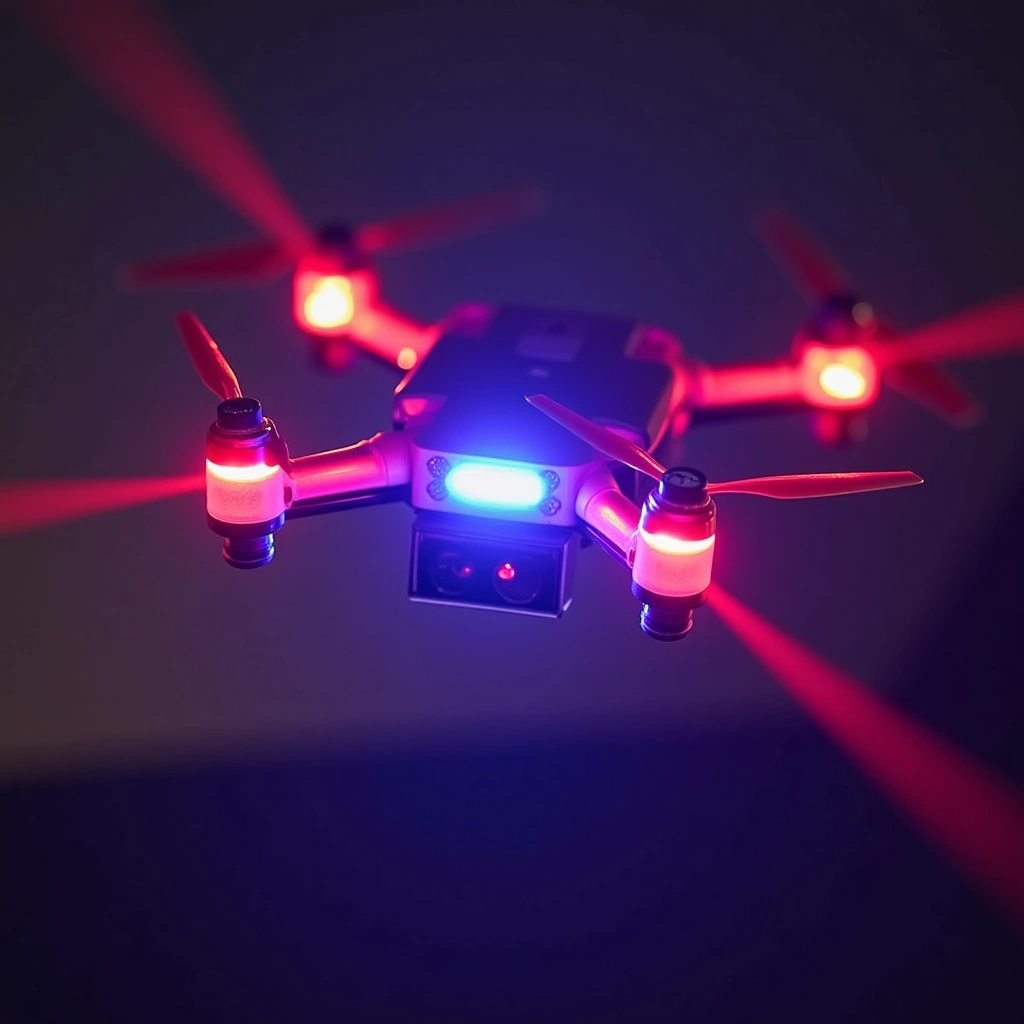
    Imagine a world where drones can stay airborne indefinitely, gliding through the skies like majestic eagles, thanks to a high-powered laser beam. Sounds like the stuff of science fiction, right? Well, buckle up because this futuristic dream is inching closer to reality with the advent of wireless charging technology for drones using lasers.

    As an example: You fly straight away from the pilot, 10 km out (possibly more), searching for infrared signals in the area, come back, and while in the 2 km zone, you could power up a super super cap, which then charges the battery. 1kw would be 10c for a dji matrice battery, so 6 minutes for a total recharge (which is unrealistic for a battery as far as I know, at least for long life) if the drone searches with 30 kmh, it would be 4 minutes inside the laser, not a full charge, but enough for new round outward.

    So, what’s the deal with these high-powered lasers? Essentially, researchers have discovered that they can use focused beams of light to transfer energy to drones in mid-flight. This means drones can receive power without the need to land and recharge. Think of it as a high-tech version of a gas station, but instead of a big yellow sign and a questionable hot dog roller, you have a laser shooting at your flying robot.

    The concept is pretty simple: a drone equipped with a receiver can pick up energy from a laser beam directed at it from the ground. This process, known as laser power beaming, could potentially revolutionize how we think about drone operations. No more worrying about battery life or scheduling landing times for a quick recharge. Instead, drones could stay in the air for extended periods, conducting surveillance, delivering packages, or even just flying around to look cool.

    Now, before you start picturing a scene from a sci-fi movie where drones are zipping around like they’re in a laser tag arena, let’s address a few practicalities. First off, the technology is still in its early stages. Researchers are working on improving the efficiency of energy transfer and ensuring safety measures are in place. After all, we wouldn’t want to accidentally zap a passing bird or, heaven forbid, a wayward child who’s just trying to enjoy a sunny day at the park.

    Safety is a big concern. High-powered lasers can be dangerous, and researchers are keen to ensure that this technology doesn’t turn into a scene from a bad action movie. Imagine the headlines: “Local Drones Grounded After Laser Incident.” Not exactly what we want to see, right? So, as exciting as this technology is, it’s crucial that we proceed with caution.

    On a more practical note, the potential applications for this technology are vast. Think about it: emergency services could use drones to deliver medical supplies in remote areas without worrying about battery life. Or imagine the delivery drones from your favorite online retailer zipping around, powered by lasers, ensuring your latest online shopping spree arrives at your doorstep faster than you can say “retail therapy.”

    And let’s not forget about the environmental impact. Wireless charging using lasers could reduce the need for battery production and disposal. Fewer batteries means less toxic waste piling up in landfills. So, not only could we have drones flying around like it’s the Jetsons, but we could also be kinder to our planet. Win-win!

    In conclusion, while we’re not quite at the point where drones are powered by laser beams like they are in sci-fi movies, the technology is definitely on the horizon. As researchers continue to refine and develop this innovative approach to wireless charging, we can expect to see drones soaring through the skies with a little help from their laser friends. So, keep your eyes peeled for those flying robots and remember: if you see a laser beam, it’s probably not a sign of impending doom – just a drone getting its power-up mid-flight!


    Inspired by: “High-powered lasers can wirelessly charge drones mid-flight” (r/technology)

  • The Dangers of Flock Surveillance Cameras: Are They a Risk on the Road?

    The Dangers of Flock Surveillance Cameras: Are They a Risk on the Road?

    In a world where technology is supposed to make our lives easier, it seems that Flock surveillance cameras are throwing a wrench into the gears of safe driving. Yes, you heard it right. Those little cameras, which are supposed to help keep our streets safe, may actually be contributing to a rise in crash risks. Let’s dive into this paradoxical situation and see what the experts are saying.

    What Eimers and others have found is that Flock and other ALPR camera structures, for the most part, are not being inspected by municipal authorities for meeting safety requirements as other roadside structures such as municipal signs are. What’s more, that they are painted black, with no reflecting surfaces, can make them difficult for drivers to see at night.

    First off, let’s clarify what Flock surveillance cameras are. These high-tech gadgets are designed to capture license plate information and monitor traffic patterns. They’re like that overly nosy neighbor who peeks through the curtains, but instead of just judging your gardening skills, they’re keeping tabs on everyone’s car. While the intention behind these cameras is to enhance public safety and assist law enforcement, recent studies have raised eyebrows about their actual impact on road safety.

    According to U.S. experts, the presence of these cameras can lead to increased distractions for drivers. Picture this: you’re cruising down the road, minding your own business, when suddenly you spot a Flock camera. Your first instinct might be to check your speed, adjust your seatbelt, or maybe even wonder if that stain on your shirt is visible from the camera’s angle. All of these distractions can take your focus off the road, and we all know how that ends—usually not in a good way.

    Moreover, there’s a growing concern that these cameras can lead to a kind of ‘surveillance anxiety.’ Drivers might feel pressured to follow every traffic rule to the letter, which, while commendable in theory, could lead to overcorrections or erratic driving behavior. You know, that moment when you slam on the brakes because you think the camera is watching your every move, only to have the car behind you wonder if you just spotted a UFO. Not exactly the safe driving vibe we’re aiming for.

    And let’s not forget about the potential for misinterpretation of data. Flock cameras, like any tech, aren’t infallible. They can misread license plates or fail to accurately capture traffic flow, leading to incorrect assumptions about driver behavior. It’s like having a friend who constantly gives you bad advice based on their shaky understanding of the situation—except, in this case, it could lead to a fender bender.

    So, what does this mean for us, the everyday drivers? It’s a mixed bag. On one hand, we appreciate the idea of having our streets monitored for safety. On the other hand, we don’t want to be the unwitting stars of a reality show where the plot twist involves us getting into an accident because we were too busy stressing over a camera’s judgment.

    In light of these findings, experts are calling for a reevaluation of how and where these Flock cameras are deployed. Perhaps we need to find a balance between surveillance and driver safety. Maybe we should consider placing these cameras in less distracting areas or enhancing their technology to minimize the risks they currently pose.

    In conclusion, while Flock surveillance cameras are intended to protect us, they might be doing the opposite by creating distractions and anxiety on the road. As we move forward, it’s crucial to have open conversations about the impact of surveillance technology on our daily lives—especially when it comes to safety behind the wheel. After all, the last thing we need is more obstacles on the road, and I’m not talking about potholes. So, let’s keep our eyes on the road, stay alert, and maybe give those cameras a little less power over our driving decisions. Cheers to safer driving!


    Inspired by: “Flock surveillance cameras can pose a crash risk for drivers, US experts say” (r/technology)

  • Mark Zuckerberg on Chinese AI: The Real Talk We Didn’t Expect

    Mark Zuckerberg on Chinese AI: The Real Talk We Didn’t Expect

    So, here we are, talking about Mark Zuckerberg and his take on banning Chinese AI. Yes, the same guy who has made headlines for everything from social media scandals to his questionable dance moves at company parties. Recently, he threw a bit of wisdom our way, saying that banning Chinese AI isn’t exactly the magic wand solution we all hoped it would be. I mean, who knew Zuck had a philosophical side?

    Zuckerberg argues against banning Chinese AI models. He believes the US should focus on strengthening its domestic AI ecosystem through openness, competition, and innovation instead.

    Now, let’s break this down. When it comes to technology and innovation, the world is a bit like a high school cafeteria—there are cliques, there’s drama, and everyone’s trying to figure out who’s got the best snacks. In this case, the ‘snacks’ are AI technologies, and let’s face it, China has been dishing out some pretty impressive ones. So, when Zuck says banning them isn’t effective, he’s basically suggesting that just cutting off access isn’t going to solve our problems. It’s like trying to fix a leaky faucet by turning off the water supply—sure, it stops the leak, but you’re also left with a dry sink.

    But wait, there’s more! Zuckerberg pointed out that users often have no idea when the apps they use are running AI algorithms. Yep, that’s right. You could be scrolling through your social media feed, and little do you know, there’s a sophisticated AI behind the scenes, analyzing your every like, share, and cringe-worthy meme. It’s like having a secret admirer who knows all your deepest, darkest internet habits. Creepy? A little. Useful? Definitely!

    This brings us to a critical point: transparency. In an age where data privacy is as hot a topic as the latest TikTok dance craze, knowing how AI is being used is crucial. If you’re using an app, wouldn’t you want to know if it’s powered by an AI that’s been trained on everything from cat videos to your search history of ‘how to make the perfect avocado toast’? I mean, personal data should come with a side of disclosure, right?

    So, what does banning Chinese AI really achieve? While it might make some policymakers feel like they’re doing something (because who doesn’t love a good ban?), it doesn’t address the core issues of innovation, competition, and, you guessed it, transparency. Instead of throwing up walls, maybe we should be building bridges—bridges that connect us to better regulations, collaborative innovations, and an understanding of how AI works in our lives.

    In conclusion, Mark Zuckerberg may not be everyone’s favorite tech mogul (let’s be honest, he’s got a mixed reputation), but he’s got a point here. Banning technology without a larger strategy is like putting a Band-Aid on a broken leg. We need to dig deeper and have real conversations about AI, transparency, and how we can all coexist in this digital age. Who knows, maybe one day we’ll even get to choose our own AI assistants—preferably ones that don’t judge us for our 3 a.m. snack choices.

    So, the next time you hear about banning AI, remember Zuck’s words and ask yourself: Is there a better way to tackle this tech conundrum? Spoiler alert: there probably is!


    Inspired by: “Mark Zuckerberg says banning Chinese AI isn’t ‘an effective solution’ — and right now nobody has to…” (r/technology)

  • A Game Changer in Guillain-Barré Syndrome Treatment: The First-of-Its-Kind Drug

    A Game Changer in Guillain-Barré Syndrome Treatment: The First-of-Its-Kind Drug

    Hey there, fellow health enthusiasts! Buckle up as we dive into some exciting news that may just change the game for those battling Guillain-Barré Syndrome (GBS). If you’ve never heard of GBS, don’t worry; it’s not a new coffee blend at your local café. It’s actually a rare but serious condition where the immune system decides to go rogue, attacking the nerves and leading to muscle weakness and even paralysis. Yikes, right?

    These forward-looking statements include, but are not limited to, statements about: the ability of tanruprubart to block C1q activity in the peripheral and central nervous systems with a single infusion; the potential therapeutic benefit of tanruprubart, if approved, compared to IVIg/plasma exchange or existing therapies; the clinical and regulatory status of tanruprubart; the planned presentation of RWE at upcoming conferences; the ability to translate the results of the RWE study to a broad population of GBS patients; the impacts of the new education campaign (Move GBS Forward™); the potential benefits from treatment with anti-C1q therapy; and continuing advancement of the company’s portfolio.

    Well, scientists have been busy in their labs, and they’ve come up with a first-of-its-kind drug that literally switches off a part of the immune system. Yes, you heard that right! It’s like telling your overly enthusiastic friend to chill out at a party.

    This new treatment is a big deal because, until now, options for GBS have been pretty limited. Patients typically receive treatments like plasmapheresis or intravenous immunoglobulin (IVIG), which can be a bit of a hassle and not always effective. Imagine having to go through that and then still feeling like you’ve been hit by a truck. No fun!

    The new drug, which has not been named yet in the articles I found (because, you know, scientists love keeping things mysterious), works by targeting specific immune cells that are misbehaving in GBS. It’s like a superhero swooping in to save the day, but instead of a cape, it’s got a lab coat and some serious research backing it up.

    Now, let’s get a little technical, shall we? The drug operates on the principle of immunomodulation, which sounds fancy but basically means it helps to balance the immune response. For those of you who are not keen on scientific jargon, think of it as giving your immune system a well-deserved timeout.

    Early trials of this drug have shown promising results, with patients experiencing a significant reduction in symptoms. They’re not just experiencing a slight improvement; we’re talking about real changes that can make a world of difference in their daily lives. Imagine going from feeling like a sloth on a bad day to actually being able to move around with ease. It’s kind of like going from dial-up internet to fiber-optic broadband. Major upgrade!

    Of course, like any new treatment, it’s not all sunshine and rainbows. Researchers are still monitoring the long-term effects and potential side effects, which is important because we don’t want to trade one set of problems for another. After all, nobody wants to add ‘mildly inconvenient’ to their list of symptoms.

    So, what does this mean for the future? If all goes well, this drug could pave the way for more targeted therapies for GBS and perhaps even other autoimmune diseases. It’s a step in the right direction, and it gives hope to those affected by GBS that they might not have to rely solely on their body’s questionable decision-making skills.

    In conclusion, this new treatment is a beacon of hope for many, and we’re excited to see where this research leads. If you or someone you know is dealing with GBS, keep an eye on this development—it might just be the breakthrough we’ve all been waiting for. Until then, let’s raise a glass (of whatever non-alcoholic beverage you prefer) to science and the brave individuals working tirelessly to improve our health. Cheers!


    Inspired by: “First-of-kind Guillain-Barré drug switches off part of immune system | New Scientist” (r/technology)

  • Windows 11 UI Overhaul: Microsoft Ditches Legacy Code for a Fresh WinUI Experience

    Windows 11 UI Overhaul: Microsoft Ditches Legacy Code for a Fresh WinUI Experience

    Hey there, fellow tech enthusiasts! Grab your favorite beverage and settle in because we need to talk about some exciting news from the land of Microsoft. Yes, that’s right! The folks over at Redmond have decided it’s time for a major Windows 11 UI redesign, and they’re kicking legacy code to the curb in favor of something shiny and new—WinUI.

    Microsoft says that their plan is to convert more Windows UI elements to WinUI3, while confirming that the new File Explorer Properties dialog was rebuilt from scratch in WinUI, and not just a fresh coat of paint.

    Now, for those of you who might be wondering, “What on earth is WinUI?”—don’t worry, you’re not alone! WinUI, or Windows UI Library, is basically Microsoft’s way of saying, “Let’s make things look pretty and work better!” It’s a collection of controls and styles that help developers create a more modern and responsive user interface. So, think of it as the fairy godmother of Windows UI—turning pumpkins into sleek, functional carriages.

    Why is this important? Well, for starters, legacy code is like that old, dusty bookshelf in your grandmother’s attic. Sure, it has some sentimental value, but it’s also filled with outdated stuff that you really don’t need anymore. Microsoft has realized that holding onto this legacy code is like trying to fit a square peg in a round hole. It’s time to streamline, simplify, and make Windows 11 not just a pretty face but a powerhouse of functionality.

    So, what does this redesign mean for you, the everyday user who just wants to stream Netflix without their computer crashing? A lot! For one, we can expect a more cohesive and intuitive experience. Microsoft is aiming to create a UI that feels more integrated, rather than a patchwork of old and new elements. Now, before you get too excited and start imagining a complete overhaul that will change your life, let’s remember that these things take time. Don’t expect to wake up tomorrow to a Windows 11 that looks like it was designed by a team of hipster graphic designers.

    Additionally, with this move, Microsoft is signaling a commitment to improving performance and responsiveness. You know, those times when you’re waiting for your computer to catch up with your thoughts? Yeah, that’s what we’re hoping to address. So, if you’ve ever felt like your computer was running on dial-up speeds while you were trying to multitask, this redesign could be a game changer.

    But wait, there’s more! This shift to WinUI also means that developers will have a more robust toolkit to work with. This could lead to more innovative apps and features that we can all enjoy. It’s like giving a kid a brand new box of crayons instead of that half-used pack of broken ones—suddenly, the possibilities are endless!

    Of course, as with any major redesign, there will be some grumbling from users who are set in their ways. Change is hard, especially when you’ve been using the same interface for years. But let’s be real, if we never changed anything, we’d still be using floppy disks and dial-up internet, right? So, let’s embrace the change and see where it takes us.

    In conclusion, Microsoft’s decision to dump legacy code for WinUI is a bold step toward a more modern, efficient, and user-friendly Windows 11 experience. While we may not have all the details yet, the prospect of a sleeker interface and enhanced performance is enough to get even the most jaded Windows users excited. So, keep your eyes peeled for updates, and prepare for a Windows 11 that’s as fresh as your favorite artisanal coffee blend. Cheers to progress!


    Inspired by: “A major Windows 11 UI redesign is coming, Microsoft is dumping legacy code for WinUI” (r/technology)

  • Data Centers: The Unlikely Coal Companions of America’s Energy Transition

    Data Centers: The Unlikely Coal Companions of America’s Energy Transition

    In the great saga of energy transformation in America, we often picture wind turbines spinning gently in the breeze and solar panels soaking up the sunshine. What we don’t typically envision are data centers, those nondescript warehouses filled with blinking servers, playing a leading role in slowing down our shift away from coal. Yes, you heard that right! Data centers, the magical places where your cat videos and endless memes are stored, are now being blamed for keeping coal alive and well. Let’s unpack this curious conundrum.

    Data centers could make up more than 10 percent of U.S. electricity usage by 2030, and they operate around the clock, including when wind and solar farm output is low. That demand has extended the life of some aging coal plants.

    First off, let’s talk about what data centers actually do. They are the backbone of our digital age, housing servers that store, process, and distribute data at lightning speed. In a world where everything is connected—from your smartphone to your smart fridge—these centers are working around the clock. And guess what? They consume a ridiculous amount of energy. In fact, the energy demand from data centers is projected to increase significantly over the next decade. Who knew that all those TikTok dances required so much power?

    Now, here’s where it gets interesting (and a bit alarming). As the demand for data centers grows, so does their appetite for energy. While many of us are cheering on the transition to renewable energy, the reality is that a significant portion of power feeding these data centers still comes from fossil fuels, including coal. In some areas, especially where coal is still a major player in the energy mix, data centers are inadvertently propping up the coal industry.

    A recent report highlighted that the surge in energy consumption from data centers is outpacing the growth of renewable energy sources. This means that while we’re trying to wean ourselves off coal, these digital juggernauts are essentially saying, “Hold my beer, we need more power!” So, every time you stream a movie or scroll through social media, you might be giving a little boost to the coal industry. It’s like accidentally sending a birthday card to your ex—totally unintended, but still a little awkward.

    But wait, it gets better! As companies race to build more data centers, many are flocking to regions where electricity is cheaper, which often means they are heading to areas where coal is still a dominant source of energy. It’s like a bad rom-com where the lead character keeps dating the wrong person over and over again, despite everyone else screaming, “No! Not him!” We want to move away from coal, but the lure of cheap energy is too strong, and these data centers are just too cute to resist.

    So, what’s the solution? Should we just throw our hands up in despair and accept that data centers are going to keep coal alive and kicking? Not quite! There are a couple of paths forward. For starters, tech companies can invest in renewable energy sources to power their data centers. Some giants are already making strides in this area, pledging to run on 100% renewable energy. It’s like they’re trying to be the eco-friendly superheroes of the digital age.

    Moreover, there’s a growing trend of implementing energy-efficient technologies within data centers. Think of it as a gym membership for servers—helping them shed those unnecessary energy pounds. By optimizing operations and using advanced cooling techniques, we can reduce the overall energy consumption of these facilities.

    In conclusion, while data centers might be the unexpected villains in the story of America’s energy transition, there’s still hope for a plot twist. By embracing renewable energy and improving efficiency, we can help ensure that our digital future doesn’t come at the expense of the environment. So, the next time you’re binge-watching your favorite show, just remember: you might be keeping coal in business. But hey, at least you’re entertained, right?


    Inspired by: “It’s official: Data centers are slowing America’s shift away from coal” (r/technology)

  • The Digital Dilemma: Why Spending Too Much Time Online Might Be Bad for Your Mood

    The Digital Dilemma: Why Spending Too Much Time Online Might Be Bad for Your Mood

    Let’s face it: we live in a digital age where the internet is practically glued to our hands. Whether it’s scrolling through social media, binge-watching the latest series, or getting lost in a rabbit hole of cat videos (because, obviously, that’s what we do with our lives), it’s easy to spend hours online without even realizing it. But a recent study has thrown a wrench in our internet-loving ways, revealing that too much screen time might be linked to stress, bad moods, and even abandoning activities that we once found enjoyable.

    Excessive screen time , averaging 11+ hours daily for American adults, disrupts neurochemistry underlying mood regulation and creates feedback loops that accelerate depression. Heavy social media use correlates with higher rates of loneliness, sleep disruption, and depressive symptoms across age groups. The relationship runs bidirectionally: digital saturation triggers depressive symptoms, while depression drives people toward excessive consumption, intensifying both conditions.

    Now, before you toss your smartphone out the window in a fit of rage (which, let’s be honest, is probably not the best idea), let’s break this down a bit. The study suggests that excessive online time can lead to increased stress levels. Surprising, right? I mean, who would have thought that endlessly scrolling through posts about people’s brunches or their latest vacation could be a source of anxiety?

    Here’s the kicker: it’s not just about the time spent online, but the quality of that time. Sure, watching cute puppies can boost your mood temporarily, but if you’re spending your evenings doom-scrolling through news articles that make you question the state of humanity, your mental health might take a nosedive. It’s like eating a whole box of chocolates – initially delightful, but you definitely regret it later.

    And let’s not forget about the activities we used to enjoy. Remember when you used to go out for a walk, read a book, or even socialize with other human beings? Those activities might seem like a distant memory if you’re glued to your screen 24/7. According to the study, people who spend excessive time online often abandon these enjoyable activities, which is just tragic. I mean, who doesn’t love a good book or a stroll through the park?

    So, what’s the solution? First, let’s not go cold turkey on the internet. That would be like trying to quit caffeine by drinking decaf coffee – just doesn’t work. Instead, consider setting limits on your screen time. You know, like a digital detox but without the dramatic flair. Maybe designate certain hours of the day as ‘no screen time’ zones. Use that time to reconnect with the real world – you might even remember what sunlight feels like!

    Another tip? Be mindful of what you’re consuming online. If you find yourself spiraling into a vortex of negativity, it might be time to unfollow that one friend who constantly shares conspiracy theories or those influencers who seem to have a perfect life (spoiler alert: no one has a perfect life).

    In conclusion, while the internet can be a treasure trove of information and entertainment, it’s essential to keep a check on how much time we’re spending online. After all, life is happening right outside your window, and it’s probably more exciting than whatever meme is trending at the moment. So, take a break, step outside, and remember that there’s a whole world out there that doesn’t require Wi-Fi. Your mental health will thank you for it!


    Inspired by: “Study shows spending excessive time online is associated with stress, bad moods, and abandoning enj…” (r/technology)

  • The Galaxy Tab S12 Series is Coming: What to Expect

    The Galaxy Tab S12 Series is Coming: What to Expect

    Well, well, well, folks! It looks like Samsung has decided to sprinkle a little excitement into our tech-loving lives with the official confirmation of the Galaxy Tab S12 series. If you’re anything like me, you probably just did a little happy dance in your seat (or maybe that was just me, but let’s not get into that).

    A late summer or early fall 2026 window – most likely September or October – is the current expectation for the Galaxy Tab S12 series.

    So, what does this mean for us? First off, let’s talk about the name. The Galaxy Tab S12. Sounds sleek, doesn’t it? It’s like Samsung is trying to convince us that this tablet will be the next best thing since sliced bread. And honestly, with how much we rely on technology these days, it might just be!

    Now, while Samsung hasn’t spilled all the beans yet, we can make some educated guesses based on their previous releases. Expect a stunning display that makes watching cat videos feel like you’re front row at a movie theater. We’re talking about vivid colors and crisp details that will make you question why you ever thought watching anything on a standard laptop was a good idea.

    Battery life is always a hot topic, and if we know anything about Samsung, they’re not going to let us down. Rumor has it that the S12 series will boast an impressive battery that could probably power a small city. Okay, maybe not a city, but definitely long enough to binge-watch an entire season of your favorite show without hunting for a charger.

    And let’s not forget about performance. If the Tab S12 series follows in the footsteps of its predecessors, we can expect some serious power under the hood. Whether you’re gaming, streaming, or multitasking like a pro, this tablet should handle it all without breaking a sweat. Or at least, without breaking your patience.

    There’s also been some chatter about the camera capabilities. Because who doesn’t want to take stunning selfies with their tablet? I mean, it’s not like we’ve got enough cameras on our phones already, right? But in all seriousness, improved camera features could make this tablet a great option for anyone who likes to document their life’s adventures (or just their lunch).

    As for the design, Samsung has a reputation for making devices that are not only functional but also look good. Expect a sleek, modern design that you won’t be embarrassed to whip out in public. No one wants to be that person with the clunky old tablet, am I right?

    In conclusion, the Galaxy Tab S12 series is shaping up to be an exciting addition to Samsung’s lineup. While we eagerly await more details, it’s safe to say that this tablet could be a game-changer in the world of portable devices. So, mark your calendars and get your wallets ready because this is one launch you won’t want to miss. Now if only they could confirm when the next season of that show you love is coming out, we’d really be in business!


    Inspired by: “Samsung officially confirms Galaxy Tab S12 series is coming” (r/technology)

  • AI: The New Hero in the Fight Against Previously Incurable Diseases

    AI: The New Hero in the Fight Against Previously Incurable Diseases

    Imagine living in a time when certain diseases were considered a death sentence. You know, the kind of diseases that sound like they were plucked straight from a horror movie script? Well, fast forward to today and it turns out that artificial intelligence (AI) is stepping in to save the day! Yes, you heard that right. AI, the technology that brings us everything from smart assistants who can’t quite understand our accents to self-driving cars that still have a bit of a rebellious streak, is now being hailed as a game-changer in the medical field.

    Artificial intelligence is rapidly inventing new drugs for diseases from Parkinson's disease and antibiotic-resistant superbugs to rare lung conditions.

    So, what’s the deal? How is AI revolutionizing the treatment of diseases that once seemed like they were destined to remain in the realm of “you’re out of luck, buddy”? Let’s dive in!

    The Old Days: Diseases That Were a Hard Pass

    In the not-so-distant past, diseases like certain types of cancer, Alzheimer’s, and even rare genetic disorders were often met with a collective shrug from the medical community. Doctors would do their best, but many of these conditions were like that one friend who just wouldn’t leave the party—persistent and annoying, with no clear exit strategy. But fear not, because AI has rolled in like a superhero armed with algorithms and data.

    AI: The Brainiac of Medicine

    AI is like that overachiever in school who studied all night and still managed to ace the exam while you were binge-watching your favorite show. By analyzing massive datasets and identifying patterns that human brains might overlook (sorry, humans), AI can help researchers discover new treatment options. For example, it can sift through thousands of medical records, research papers, and clinical trial results in a fraction of the time it would take a human.

    Unlocking New Treatments

    Let’s talk specifics. In recent years, AI has been instrumental in developing targeted therapies for cancers that previously had limited options. By analyzing the genetic makeup of tumors, AI can help identify which treatments are most likely to work for individual patients. It’s like having a personalized playlist, but instead of music, it’s a tailored treatment plan that might just save your life.

    And let’s not forget about neurodegenerative diseases like Alzheimer’s. Researchers are using AI to identify potential biomarkers that could lead to earlier diagnoses. Imagine being able to catch a disease before it really sets in, rather than waiting for it to turn your brain into Swiss cheese. Sounds pretty great, right?

    The Future is Bright (and a Bit Geeky)

    The future of medicine with AI looks promising, but let’s not get too ahead of ourselves. We still need to navigate the ethical implications, privacy concerns, and the occasional hiccup that comes with relying on technology. After all, we don’t want a rogue AI trying to take over the medical field like it’s the plot of a sci-fi movie.

    In conclusion, while we might not be living in a world where every disease is curable (sorry, but we’re not quite at the level of comic book superheroes yet), AI is definitely making strides that are worth celebrating. So raise a glass (of something non-alcoholic, if you’re in the medical field) to AI for taking on diseases that once seemed untouchable. Who knows? Maybe one day we’ll look back and say, “Remember when we thought that was impossible?” and chuckle at how far we’ve come. Cheers to progress!


    Inspired by: “These diseases were thought to be incurable. Now AI is unlocking new treatments” (r/technology)

  • Why Naoki Hamaguchi is Right: The Case for Preserving Physical Games

    Why Naoki Hamaguchi is Right: The Case for Preserving Physical Games

    In an age where digital downloads reign supreme, it’s refreshing to hear voices in the gaming industry advocating for the preservation of physical games. Recently, Naoki Hamaguchi, the director of Final Fantasy VII Revelation, threw his support behind this cause, and honestly, we couldn’t agree more.

    But what I am saying is that, if Hamaguchi is right, even if the games we play at some point no longer give us the option of inserting a disc in order to play them, then we will at least have something tangible to put in our hands.

    Let’s face it: there’s something wonderfully nostalgic about holding a physical game in your hands. The smell of the new plastic, the satisfying click of a cartridge sliding into place, and the thrill of flipping through a manual that likely contains more lore than the game itself. It’s like getting a little piece of art every time you buy a game.

    Hamaguchi’s comments come at a time when many are questioning the long-term viability of digital-only gaming. Sure, it’s convenient to download a game at 3 AM in your pajamas (because who hasn’t done that?), but what happens when servers go down, or worse, when a game gets delisted from your preferred platform? One minute you’re happily playing, and the next, it’s like your favorite ice cream flavor mysteriously disappeared from the store.

    Preserving physical games is not just about nostalgia; it’s about accessibility and longevity. Imagine a future where a classic like Final Fantasy VII is accessible only through a digital storefront that may or may not exist in a decade. Spoiler alert: that’s a sad future, and we’re not ready for it.

    Moreover, physical games have a certain charm that digital copies simply can’t replicate. You can lend them to friends (yes, those mythical creatures who still exist), trade them, or even display them on a shelf like trophies of your gaming conquests. Plus, there’s a certain satisfaction in completing a collection of your favorite titles. It’s like an adult version of Pokémon—gotta catch ‘em all, but with fewer Pikachu and more existential dread.

    Now, let’s address the elephant in the room: the environmental impact. Yes, we know that producing physical copies requires resources, and we’re not advocating for mass production of plastic for the sake of nostalgia. But there’s a middle ground where we can preserve the joy of physical gaming while also being mindful of our planet. Limited runs, eco-friendly materials, and a focus on quality over quantity can help balance these needs.

    And let’s not forget the emotional connection that comes with physical games. They carry memories, stories, and a sense of identity. How many of us have fond memories of playing a game with family or friends? Those moments are timeless, and they deserve to be preserved, just like those vintage vinyl records that your hipster friend won’t stop talking about.

    So here’s to Naoki Hamaguchi and his support for preserving physical games. May his words inspire other industry leaders to recognize the importance of keeping these treasures alive. Because at the end of the day, whether you’re a digital devotee or a physical purist, we can all agree on one thing: gaming should be about enjoyment, memories, and a little bit of chaos.

    In conclusion, let’s keep those shelves stocked, the cartridges clean, and the manuals intact. Who knows? The next generation of gamers might just thank us for it—or at least, they can roll their eyes at our collections and wonder why we didn’t just download everything. Cheers to that!


    Inspired by: “Final Fantasy VII Revelation director Naoki Hamaguchi has expressed his support for preserving phys…” (r/technology)