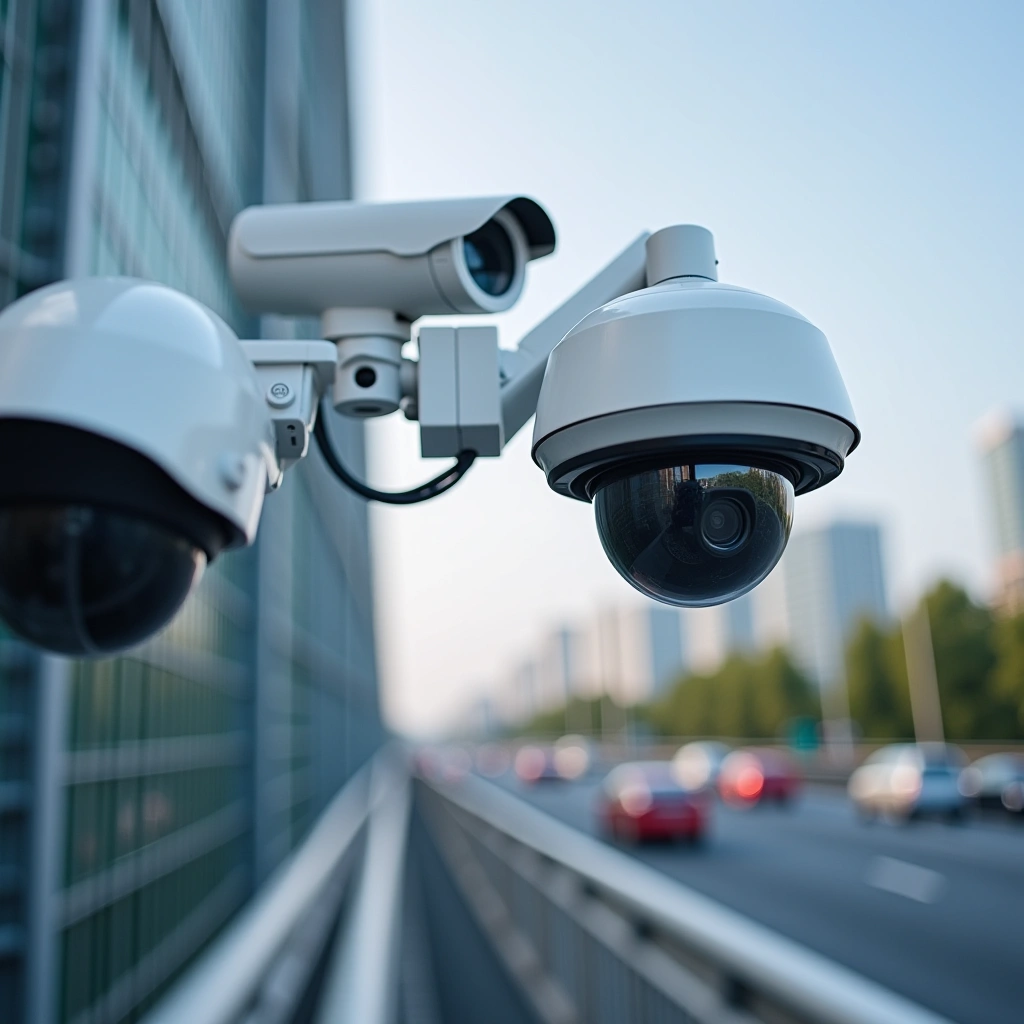
In a world where technology is supposed to make our lives easier, it seems that Flock surveillance cameras are throwing a wrench into the gears of safe driving. Yes, you heard it right. Those little cameras, which are supposed to help keep our streets safe, may actually be contributing to a rise in crash risks. Let’s dive into this paradoxical situation and see what the experts are saying.
What Eimers and others have found is that Flock and other ALPR camera structures, for the most part, are not being inspected by municipal authorities for meeting safety requirements as other roadside structures such as municipal signs are. What’s more, that they are painted black, with no reflecting surfaces, can make them difficult for drivers to see at night.
First off, let’s clarify what Flock surveillance cameras are. These high-tech gadgets are designed to capture license plate information and monitor traffic patterns. They’re like that overly nosy neighbor who peeks through the curtains, but instead of just judging your gardening skills, they’re keeping tabs on everyone’s car. While the intention behind these cameras is to enhance public safety and assist law enforcement, recent studies have raised eyebrows about their actual impact on road safety.
According to U.S. experts, the presence of these cameras can lead to increased distractions for drivers. Picture this: you’re cruising down the road, minding your own business, when suddenly you spot a Flock camera. Your first instinct might be to check your speed, adjust your seatbelt, or maybe even wonder if that stain on your shirt is visible from the camera’s angle. All of these distractions can take your focus off the road, and we all know how that ends—usually not in a good way.
Moreover, there’s a growing concern that these cameras can lead to a kind of ‘surveillance anxiety.’ Drivers might feel pressured to follow every traffic rule to the letter, which, while commendable in theory, could lead to overcorrections or erratic driving behavior. You know, that moment when you slam on the brakes because you think the camera is watching your every move, only to have the car behind you wonder if you just spotted a UFO. Not exactly the safe driving vibe we’re aiming for.
And let’s not forget about the potential for misinterpretation of data. Flock cameras, like any tech, aren’t infallible. They can misread license plates or fail to accurately capture traffic flow, leading to incorrect assumptions about driver behavior. It’s like having a friend who constantly gives you bad advice based on their shaky understanding of the situation—except, in this case, it could lead to a fender bender.
So, what does this mean for us, the everyday drivers? It’s a mixed bag. On one hand, we appreciate the idea of having our streets monitored for safety. On the other hand, we don’t want to be the unwitting stars of a reality show where the plot twist involves us getting into an accident because we were too busy stressing over a camera’s judgment.
In light of these findings, experts are calling for a reevaluation of how and where these Flock cameras are deployed. Perhaps we need to find a balance between surveillance and driver safety. Maybe we should consider placing these cameras in less distracting areas or enhancing their technology to minimize the risks they currently pose.
In conclusion, while Flock surveillance cameras are intended to protect us, they might be doing the opposite by creating distractions and anxiety on the road. As we move forward, it’s crucial to have open conversations about the impact of surveillance technology on our daily lives—especially when it comes to safety behind the wheel. After all, the last thing we need is more obstacles on the road, and I’m not talking about potholes. So, let’s keep our eyes on the road, stay alert, and maybe give those cameras a little less power over our driving decisions. Cheers to safer driving!
Inspired by: “Flock surveillance cameras can pose a crash risk for drivers, US experts say” (r/technology)