Category: Human Interest

  • Apple’s Siri: The New Premium Subscription Service?

    Apple’s Siri: The New Premium Subscription Service?

    So, it looks like Apple might be considering charging users for heavy Siri AI usage. Yes, you heard that right. If you thought your iPhone was just a fancy brick that can play music and take photos, think again! Now it might come with a price tag attached to your favorite virtual assistant.

    While the exact usage limits are not yet known, Cook indicated that customers cannot use Siri AI for free indefinitely. At some point, usage will be throttled, and heavy users of the new Siri system will need to purchase an iCloud+ plan.

    Let’s break this down. Siri has been around for quite a while now, and while she hasn’t exactly been the brightest star in the AI constellation, she’s certainly improved over the years. Remember when asking her for the weather was like playing a game of 20 Questions? “Siri, what’s the weather like today?” “What city do you want to know about?” “Umm, the one I’m in?” It was a real test of patience. But hey, she’s come a long way since then!

    Now that Siri has somewhat mastered the art of basic conversation (or at least, not sending you to a random Wikipedia page), Apple is thinking of monetizing her services. Because why not? If there’s one thing Apple loves more than sleek designs and overpriced accessories, it’s finding new ways to squeeze a few extra bucks out of its loyal customers.

    Imagine this: you’re in the middle of a busy day, and you ask Siri to set a reminder for your 3 PM meeting. But wait! “Oh, sorry, that’ll be $5, please!” I mean, who knew that asking Siri to help you remember your own life would come with a fee? This could turn into a real budget-buster for those of us who like to keep our schedules organized.

    But let’s think about this for a moment. If Apple does decide to go down this road, it might not be all bad. After all, if you’re paying for a service, you might expect it to be a little more reliable. Imagine Siri actually getting your commands right the first time! That would be revolutionary! You could finally ask her for directions without winding up at a completely different state.

    On the flip side, there’s the potential for some serious backlash. Apple fans are known for their loyalty, but they’re also not afraid to voice their displeasure when they feel they’re being milked for cash. Charging for Siri could be the straw that breaks the camel’s back. “Oh, you want to ask Siri a question? That’ll be $10 for the premium plan, please!” And suddenly, everyone is back to Googling everything like it’s 2010.

    Let’s not forget the irony here. Apple has built its empire on the premise of creating seamless, user-friendly experiences. Now they’re considering charging for something that many users have come to expect as part of their device’s functionality. It’s like going to a restaurant, ordering a burger, and then being told that you need to pay extra for the bun.

    At the end of the day, whether or not Apple goes through with this plan remains to be seen. But one thing is for sure: if they do, we’ll all be keeping our fingers crossed that Siri finally learns how to tell the difference between “play my favorite song” and “call my ex.” Because if I’m paying for that service, I expect nothing less than perfection.

    So, what do you think? Would you be willing to pay for Siri? Or is this just another way for Apple to keep its stock prices soaring? Let me know in the comments below!


    Inspired by: “Apple Might Charge For Heavy Siri AI Usage” (r/technology)

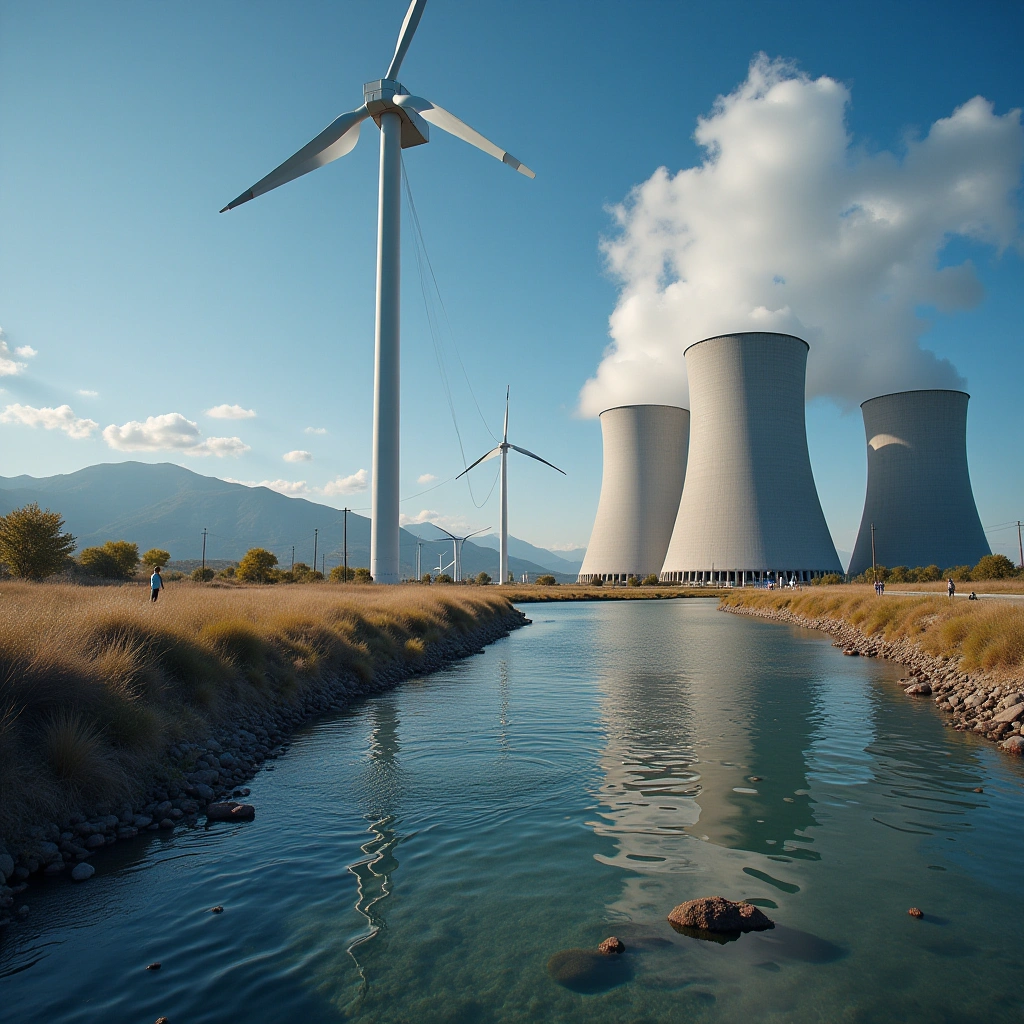
  • Europe’s Heatwave: Nuclear Power Faces a Sizzling Challenge

    Europe’s Heatwave: Nuclear Power Faces a Sizzling Challenge

    Ah, summer in Europe! The time when sunbathers flock to beaches, ice cream sales hit record highs, and every public square becomes a sauna. But this year, the heatwave has brought along an uninvited guest: a strain on nuclear power output. Yes, folks, while you’re sweating it out on the pavement, the nuclear plants are feeling the heat too. Let’s dive into this sizzling topic, shall we?

    The heatwave is causing electricity prices in Europe to rise significantly. The combination of increased demand due to the need for cooling and disruptions in power supply from heat-affected sources such as nuclear plants leads to a tighter market, pushing prices higher.

    First off, it’s important to understand that nuclear power plants are not just giant kettles boiling water for your morning tea. They rely on a delicate balance of processes to keep everything running smoothly, and extreme temperatures can throw a wrench in the works. When the temperature of the water in nearby rivers or lakes rises too high, these plants may have to reduce their output or even temporarily shut down to avoid overheating. Talk about a hot mess!

    You might be wondering why the water temperature matters so much. Well, nuclear reactors use water as a coolant to keep the nuclear reactions from going off the rails—think of it as the plant’s very own air conditioning system. When the surrounding water gets too warm, they can’t cool down the reactors effectively. So, if you were hoping for a steady supply of energy while you binge-watch your favorite series, you might want to brace yourself for some buffering.

    The irony here is delicious: as Europe cranks up the air conditioning to combat the heat, the very power sources that keep those units humming are struggling to keep up. It’s like trying to cool off with a fan that’s running out of battery—no bueno. Experts are predicting that this summer’s heatwave could significantly impact nuclear output across the continent, leading to potential energy shortages. Just what we need, right? A heatwave AND a power crisis!

    But let’s not throw our hands up in despair just yet. This isn’t the first time nuclear power has faced challenges due to extreme weather. The industry is no stranger to adapting, and many plants have protocols in place to handle these situations. That said, the reliability of nuclear energy is being put to the test, and it’s a bit like watching a tightrope walker on a windy day.

    So, what does this mean for the average European citizen? Brace yourselves for a summer of fluctuating energy prices and the possibility of rolling blackouts. You might find yourself in a heated debate with your neighbor over who gets to keep their fridge running. And let’s be honest, nobody wants to deal with a fridge full of spoiled food while trying to figure out how to cook dinner in a sweltering kitchen.

    In conclusion, while we all love a good heatwave—who doesn’t enjoy a bit of sun and fun?—it’s clear that it comes with its own set of challenges, especially when it messes with our energy supply. So, the next time you find yourself sweating in the sun, just remember that somewhere out there, a nuclear reactor is sweating it out too. Let’s hope the plants can keep their cool while we all try to stay cool this summer!


    Inspired by: “Europe’s heatwave strains nuclear output” (r/technology)

  • Hillsboro, Oregon: The Day Data Centers Hit the Pause Button

    Hillsboro, Oregon: The Day Data Centers Hit the Pause Button

    So, picture this: you’re in Hillsboro, Oregon, sipping your artisanal coffee (because of course you are), and suddenly you hear that with just one day’s notice, the city decided to hit the brakes on data centers. Yes, you heard that right. It’s like waking up to find out your favorite bakery has abruptly closed its doors – except this isn’t just about pastries; it’s about the backbone of the digital world.

    HILLSBORO, Ore. (KATU) — Hillsboro’s City Council voted on Monday to pause the creation of new data centers, marking a major shift for one of Oregon’s biggest tech hubs.

    Now, for those who might not be up to speed on what a data center actually is, let’s break it down. Imagine a huge warehouse filled with servers, wires, and blinking lights, all working hard to keep your favorite websites running smoothly. These data centers are the unsung heroes of the internet; they store everything from your cat videos to your online shopping data. So, when a city decides to pause their operations, it’s kind of a big deal.

    But why would Hillsboro, a city that has become a hotspot for tech giants and data centers, suddenly decide to put the brakes on? Well, it turns out that the rapid growth of these facilities has led to some serious concerns over power consumption and environmental impact. You see, data centers are notorious for guzzling energy like a college student at an all-you-can-eat buffet. And with the ongoing discussions about climate change and sustainability, it seems like the city officials decided they needed to hit the pause button before things got out of hand.

    Now, before you start imagining Hillsboro as the data center equivalent of a ghost town, let’s take a moment to appreciate the timing of this decision. One day’s notice? That’s like deciding to go on a diet the day before Thanksgiving. It’s bold, it’s sudden, and it’s likely to leave a lot of people scratching their heads.

    Local businesses that rely on these data centers for revenue must be feeling a bit like a kid who just found out they can’t have dessert after dinner. The tech industry is a fickle beast; one minute you’re riding high on the wave of innovation, and the next, you’re being told to slow down. It’s a tough pill to swallow.

    However, let’s not forget that Hillsboro is also making a statement. They’re saying, “Hey, we care about our environment and our community!” It’s like they’re putting a big neon sign up that says, “We’re not just here for the tech money; we want to be responsible stewards of our planet!” And honestly, can you blame them?

    In a world where tech companies are often criticized for their lack of sustainability efforts, Hillsboro is taking a stand. They’re putting their foot down and saying that while innovation is great, it shouldn’t come at the expense of the environment.

    So, what does this mean for the future? Well, it could mean a shift in how data centers operate. Perhaps they’ll start focusing more on renewable energy sources or finding ways to be more efficient. Or, they might just decide to move their operations to a place where the rules are a little more lenient – kind of like that friend who always seems to find a party that’s still going strong, no matter what.

    In conclusion, while the folks in Hillsboro might be feeling a bit like they’ve been thrown a curveball, this decision could ultimately lead to a healthier balance between technology and sustainability. And who knows? Maybe one day, we’ll look back on this moment as the tipping point for a greener, more responsible tech industry. Until then, let’s just hope they don’t run out of coffee.


    Inspired by: “With One Day’s Notice, Hillsboro, Ore., Pauses Data Centers” (r/technology)

  • The Quantum Leap: How Quantum Computing and Supercomputing Are Joining Forces

    The Quantum Leap: How Quantum Computing and Supercomputing Are Joining Forces

    Welcome to the future, folks! It’s a wild ride where the realms of quantum computing and supercomputing are colliding like two heavyweight champions in the tech ring. If you’ve ever wondered how these two hotshots in the computing world are coming together, grab your popcorn and let’s dive into this electrifying topic!

    Quantum computing is establishing itself as a ‘third space,’ integrating with classical and AI compute via hybrid workflows and cross-disciplinary partnerships, accelerating ecosystem convergence.

    First off, let’s break it down. What is supercomputing? Well, if your regular computer is like a trusty old bicycle, a supercomputer is more like a Ferrari – super fast, super powerful, and possibly slightly over the top for your daily commute. Supercomputers are designed to perform complex calculations at lightning speed, which makes them the go-to for tasks like weather forecasting, molecular modeling, and even simulating nuclear explosions (you know, just for fun).

    Now, let’s talk about quantum computing. Picture this: instead of bits that are either 0 or 1, quantum computers use qubits, which can be both at the same time thanks to a nifty little thing called superposition. This means quantum computers can process a staggering amount of information simultaneously, making them potentially way more powerful than supercomputers for certain tasks. It’s like having a magical library where you can read every book at once instead of flipping through them one by one.

    So, how do these two titans come together? Well, imagine you’re trying to solve a Rubik’s cube, but you’re using both your hands and your feet at the same time. That’s kind of what happens when quantum computing and supercomputing join forces. Supercomputers can handle large-scale computations and simulations, while quantum computers can tackle complex problems that require massive parallel processing. Together, they’re like the dynamic duo of the computing world, ready to take on challenges that would make a regular computer weep.

    One of the most exciting prospects of their collaboration is in the field of drug discovery. Traditional methods can take years to yield results, but with the combined powers of supercomputing and quantum computing, researchers can analyze molecular structures and interactions at unprecedented speeds. Imagine a world where new medications are developed in a fraction of the time – it’s like having a cheat code for healthcare!

    But wait, there’s more! The combination of these technologies could also revolutionize fields like cryptography and optimization problems. Supercomputers can crunch numbers like a champ, while quantum computers can crack codes faster than you can say “quantum entanglement.” This means that our data security could either be revolutionized or face a new set of challenges. Thanks, quantum computing!

    Of course, there are hurdles to overcome. Quantum computers are still in their infancy, and integrating them with supercomputers is akin to trying to fit a square peg in a round hole. But researchers are working tirelessly to bridge the gap, and the results could be groundbreaking.

    In conclusion, the union of quantum and supercomputing is like a match made in tech heaven. They complement each other in ways that could lead to breakthroughs we can only dream of right now. So, whether you’re a tech enthusiast, a scientist, or just someone who enjoys watching the world of computing evolve, keep your eyes peeled – the future is looking bright, and a little bit quirky, thanks to these two powerhouses joining forces.

    Stay tuned for more updates, and remember, when it comes to technology, expect the unexpected – because if there’s one thing we’ve learned, it’s that the only constant is change. And maybe a little bit of confusion, but that’s just part of the fun!


    Inspired by: “HPC: How Quantum and Supercomputing Come Together” (r/technology)

  • Coffee and Your Heart: How Much is Too Much?

    Coffee and Your Heart: How Much is Too Much?

    Although the relationship between … up to 5 cups of caffeinated coffee per day (up to 400 mg of caffeine/day) is safe for most adults and may be linked to cardiovascular health benefits in some individuals, according …

    Ah, coffee! The magical elixir that transforms groggy humans into functioning members of society. For many, it’s the morning ritual that kickstarts the day. But have you ever wondered if your beloved cup of joe is actually giving your heart a workout? Well, pour yourself another cup and let’s dive into what the American Heart Association (AHA) has to say about our caffeinated companion!

    According to a recent scientific statement from the AHA, moderate coffee consumption is not only safe for most adults but may also offer some cardiovascular benefits. Yes, you heard that right! Up to 400 mg of caffeine a day—roughly the amount found in five 8-ounce cups of coffee—is considered safe. So, if you’re one of those people who feels like a zombie without your morning brew, you can rest easy knowing that your heart is likely waving a little flag of approval.

    But here’s where it gets interesting (and a tad complicated). The AHA points out that not all caffeinated beverages are created equal. While coffee seems to be the golden child of caffeine consumption, energy drinks and energy shots are like that sketchy cousin at the family reunion—best avoided. These products pack a punch of caffeine that can spike blood pressure and mess with your heart’s rhythm. So, if you’re thinking about chugging down a neon-colored energy drink to power through the afternoon slump, maybe think twice. Your heart might not appreciate the surprise.

    Dr. Gregory M. Marcus, the chair of the volunteer writing group for the AHA’s statement, emphasizes that while coffee can be a key part of daily life, it’s the high doses in energy drinks that can lead to trouble. So, stick to your beloved brew and steer clear of those suspiciously marketed “performance-enhancing” drinks.

    Now, let’s talk about the good stuff in coffee. It’s not just about caffeine; coffee is a complex concoction of hundreds of chemical compounds. This means that when researchers study coffee, they’re often trying to figure out whether the benefits come from caffeine itself or from other magical substances lurking in that dark liquid. Some of these compounds have antioxidant and anti-inflammatory properties, which could explain why coffee drinkers often enjoy better cardiovascular health.

    But wait, there’s a catch! What you add to your coffee can totally change the game. Those extra pumps of sugar, splashes of cream, or flavored syrups might turn your heart-healthy brew into a sugar bomb. So, if you’re dousing your coffee in caramel syrup, you might want to reconsider that. Your heart might be grateful if you keep it simple.

    In summary, if you’re a coffee lover, you can indulge in your daily dose of caffeine without feeling guilty (as long as you keep it to about five cups). Just remember to skip the energy drinks and be mindful of what you’re adding to your beloved brew. Your heart will thank you, and you can continue to enjoy your coffee ritual—preferably with a side of humor and maybe a pastry (because life is all about balance, right?). Cheers to your heart and your coffee!


    Inspired by: “Coffee and Your Heart: How Much is Too Much?”

  • Navigating the Complexities of Nuclear Energy: A Lighthearted Approach to a Hefty Topic

    Navigating the Complexities of Nuclear Energy: A Lighthearted Approach to a Hefty Topic

    So, you want to know how to plant a nuclear plant in Iran? Well, let’s put on our hard hats and dive into this intricate web of nuclear energy, international politics, and a dash of humor.

    Description All the relevant subjects on nuclear power are explained in plain language to provide an across-the-board perspective on this interesting topic. Examples are designed to make the strenuous and challenging concepts easy to understand.

    First off, let’s clarify that we’re not talking about literally planting a nuclear plant like you would a garden. No, you can’t just toss some radioactive seeds in the ground and hope for the best. That’s not how it works, folks. Building a nuclear power plant is about as easy as herding cats—if the cats were also highly trained engineers and the stakes were the safety of millions of people.

    Now, nuclear energy is a hot topic (pun intended) around the globe. It’s like that one friend who shows up to every party and sparks a debate: some people love it because it’s a low-carbon energy source, while others fear it like it’s the last slice of pizza at a gathering—everyone wants it, but no one wants to take the risk of getting burned.

    In the case of Iran, the conversation gets even more complicated. The country has been in the international spotlight regarding its nuclear ambitions for years. So, if you’re thinking about planting a nuclear plant there, you might want to pack your patience and a good lawyer.

    First, you’d need to navigate a minefield of regulations. Building a nuclear facility isn’t like setting up a lemonade stand—it requires a ton of paperwork, approvals, and inspections. You’ll need to convince not just the Iranian government but also international bodies like the International Atomic Energy Agency (IAEA) that you’re not just trying to create a secret lair for world domination.

    Then, there’s the issue of funding. Nuclear plants don’t come cheap. You’re looking at billions of dollars, which is a lot of money unless you’re Jeff Bezos. You’d need to find investors who are willing to take the plunge into this risky venture. Good luck with that—most investors are more interested in the latest tech startup or cryptocurrency than in something that might explode if not handled correctly.

    Let’s not forget about public opinion. In a country where nuclear energy is a contentious issue, you’d have to engage with the local community. This means a lot of PR work, town hall meetings, and probably a few awkward dinners with people who are skeptical of your intentions. You might even need to throw in some complimentary cookies to sweeten the deal.

    And if you think you can just hire a bunch of engineers and get started, think again. You’ll need a highly skilled workforce that understands the complexities of nuclear energy. It’s not like you can just grab a few folks from the nearest construction site and hope for the best.

    Finally, let’s talk about safety. Building a nuclear power plant is like playing Jenga with a blindfold on. One wrong move, and you could have a disaster on your hands. You’d need to implement rigorous safety protocols and emergency plans. Because let’s be honest, nobody wants to be the next headline in the news for a nuclear meltdown.

    In conclusion, while the idea of planting a nuclear plant in Iran might sound intriguing, the reality is a tangled mess of regulations, funding hurdles, public relations battles, and safety concerns. It’s a monumental task that requires careful planning and a good sense of humor to get through the inevitable bumps along the way.

    So, if you’re ever tempted to take on such a project, remember: it’s not just about planting a seed; it’s about cultivating a whole ecosystem of cooperation, safety, and a little bit of luck. And maybe, just maybe, some cookies.


    Inspired by: “How to plant a nuclear plant in Iran” (r/technology)

  • Zohran Mamdani Takes on Delivery Apps: A New Hero in the Fight Against Uber Eats and DoorDash

    Zohran Mamdani Takes on Delivery Apps: A New Hero in the Fight Against Uber Eats and DoorDash

    In a world where getting food delivered to your doorstep is as easy as clicking a button (thank you, technology), it seems like someone is stepping in to say, “Wait a minute, this isn’t all rainbows and unicorns!” Enter Zohran Mamdani, the New York State Assembly member who has recently hinted that he’s ready to take on the giants of the delivery app industry—Uber Eats and DoorDash.

    Mayor Zohran Mamdani said the city's crackdown on delivery apps like DoorDash and Uber Eats is working.

    Now, before we dive into the meat (or tofu, for our plant-based friends) of this story, let’s take a moment to appreciate the fact that Mamdani is not just your average politician. He’s got a knack for making waves, and this time, he’s focusing on the often-overlooked issues surrounding gig economy workers. You know, those brave souls who deliver your late-night pizza or your midday sushi fix, often for less than the price of a cup of coffee.

    Mamdani’s concerns revolve around the treatment of these workers, who often face precarious working conditions, low pay, and a complete lack of benefits. It’s almost like they’re modern-day superheroes, but instead of capes, they wear delivery bags and ride bicycles. And let’s be honest, who wouldn’t want to wear a cape while delivering food? It would certainly make the job a lot more exciting.

    In a recent statement, Mamdani expressed his intention to advocate for better working conditions and fair pay for gig workers. He’s not just throwing around buzzwords; he’s planning to take actionable steps to ensure that these delivery heroes are treated with the respect they deserve. Because let’s face it, if you’re willing to brave the elements (rain, snow, or that weirdly humid day in October) to bring me my Pad Thai, you should probably be compensated a bit better than a pat on the back and a two-star rating.

    But what does this mean for the likes of Uber Eats and DoorDash? Well, it could mean a shake-up in how these companies operate. Imagine a world where delivery drivers actually make a living wage and have access to healthcare. It sounds like a utopian dream, but with Mamdani at the helm, it might just be a possibility.

    Of course, there will be those who argue that these delivery apps provide flexibility and independence to workers. And while that’s true, it doesn’t negate the fact that many of these workers are struggling to make ends meet. Flexibility is great, but not if it leaves you hungry and broke.

    So, what’s next? Mamdani is gathering support and rallying others to join the cause. It’s a bit like forming a superhero team, but instead of capes, they’ll probably just have clipboards and a lot of coffee. He’s looking to create a movement that not only benefits delivery workers but also challenges the very business models of these delivery giants.

    In conclusion, Zohran Mamdani is on a mission to make the gig economy a little less giggly and a lot more sustainable. He’s fighting for the rights of those who bring us our food, and let’s be honest, we should all be behind him on this one. Because if there’s one thing we can agree on, it’s that no one should have to choose between paying rent and delivering your favorite burrito. So, let’s cheer on Mamdani as he gears up to take on the delivery app overlords—after all, who doesn’t love a good underdog story?


    Inspired by: “Zohran Mamdani hints he will continue taking on delivery apps like Uber Eats and DoorDash” (r/technology)

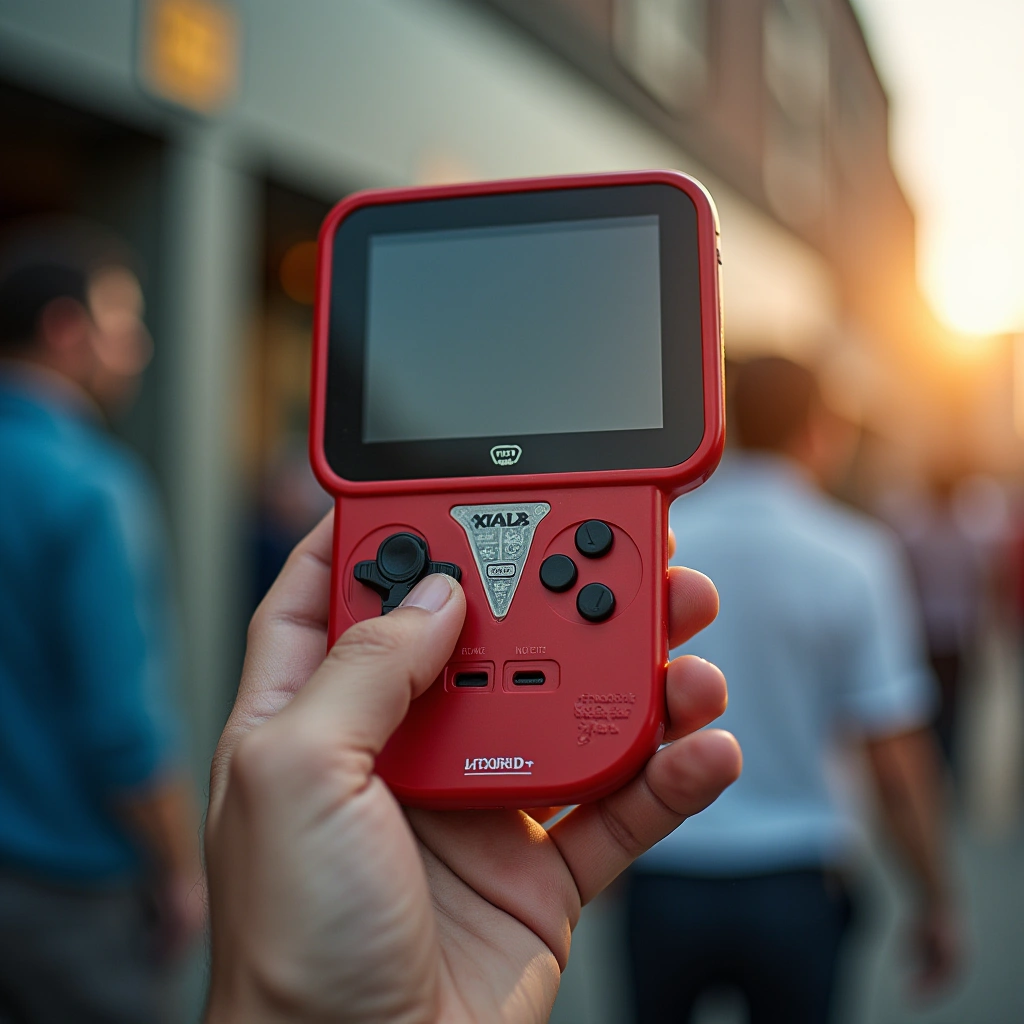
  • Retroid’s New Handheld: Price Hike Ahead and It’s Not RAMageddon’s Fault

    Retroid’s New Handheld: Price Hike Ahead and It’s Not RAMageddon’s Fault

    Ah, the world of handheld gaming! A delightful mix of nostalgia, innovation, and the occasional price tag that makes you question your life choices. Today, we’re diving into the latest news that Retroid’s new handheld might be getting a bit pricier, and surprisingly, it’s not the infamous RAMageddon that’s to blame.

    There is no confirmation either way, but Retroid raised prices on the Pocket 6 and Pocket Classic, and discontinued the Pocket G2, within the past year, all citing memory costs. With DRAM and NAND prices projected to keep climbing through the second quarter of 2026, the same pressure applies to the Nova.

    Now, if you’re unfamiliar with the term ‘RAMageddon,’ let me break it down for you. It’s the word on the street that refers to the ongoing chip shortage and supply chain chaos that has turned the tech world upside down. Picture a game of Jenga where every piece is a vital component for your beloved gadgets. Yeah, it’s like that. But back to Retroid!

    Retroid has been making waves in the handheld gaming market, and for good reason. They’ve managed to cram some serious power into their devices, allowing gamers to take their favorite titles on the go. But like any good thing, there’s a catch. As the demand for these handhelds skyrockets, so does the cost of production. And guess what? That means you might have to shell out a little more cash than you originally anticipated.

    So, what’s driving this potential price increase if it’s not the RAMageddon? Well, it turns out there are a few factors at play. First off, the cost of materials has been on the rise. You know, things like screens, batteries, and all those nifty little components that make your gaming experience as smooth as butter. When the cost of making the device goes up, guess who’s likely to foot the bill? Yep, you guessed it – us, the consumers.

    But wait, there’s more! Retroid is also trying to up their game (pun intended) by enhancing the features of their new handheld. This means better graphics, improved battery life, and possibly even some fancy new technology that we didn’t know we needed but will definitely want once we see it. And let’s be honest, who doesn’t love shiny new features? But again, the fancier the device, the fancier the price.

    Now, you might be thinking, ‘But why not just stick to the old model if the new one is going to cost an arm and a leg?’ Well, my friend, that’s a slippery slope. As much as we love our retro games, the reality is that technology moves fast. What was cutting-edge last year might feel like using a flip phone in a world of smartphones today. So, if you’re planning to keep up with the latest and greatest in handheld gaming, you might have to loosen those purse strings a little.

    In conclusion, while it’s always painful to hear about price increases, especially in a world where we’re all trying to save a few bucks, it’s essential to keep perspective. Retroid is striving to bring us better technology, and sometimes that means we have to pay for the privilege. So, keep an eye out for the new handheld, and if it’s a bit more expensive than you hoped, just remember – you’re buying a piece of gaming history, one overpriced device at a time!


    Inspired by: “Retroid’s new handheld might get more expensive, and RAMageddon isn’t to blame” (r/technology)

  • AI Hedge Fund Situational Awareness: A Peek Behind the Curtain

    AI Hedge Fund Situational Awareness: A Peek Behind the Curtain

    So, it seems that the AI hedge fund known as Situational Awareness has made quite the splash in the investment pool, but not without some ripples. The latest buzz? They may have sold off their public portfolio, but they’re still holding onto their shares of Anthropic. Now, if you’re not familiar with Anthropic, it’s one of those AI companies that’s been making headlines for its ambitious goals in artificial intelligence. Think of it as the cool kid on the block that everyone wants to hang out with.

    The once-high-flying firm Situational Awareness, whose founder is 24, has been bailed out by Kenneth Griffin’s Citadel, according to three people briefed on the transaction.

    Now, let’s break this down. Selling a public portfolio can sound like a big deal, especially if you’re not the type to dabble in hedge fund jargon. Essentially, it means that Situational Awareness decided to cash in on their publicly traded investments. Maybe they needed the cash for some extravagant hedge fund retreat, or perhaps they just wanted to reallocate their resources. Who knows? Hedge fund decisions often feel as mysterious as a magician’s tricks.

    But what’s particularly interesting is that they’ve chosen to keep their Anthropic shares. Why? Well, in the world of investing, holding onto a company like Anthropic might just be a strategic move. Anthropic is focused on AI safety and alignment, which are pretty hot topics right now. In a world where AI is becoming more prevalent, having a stake in a company that’s trying to ensure these technologies are developed responsibly is a pretty savvy choice. Plus, let’s be honest, they probably believe that Anthropic is going places, and they want to be on that ride.

    Now, you might be wondering, “What does this mean for me?” Well, if you’re an investor or just someone who enjoys keeping an eye on market trends, this could be a sign that AI stocks are still seen as a goldmine. Or maybe it’s just the hedge fund’s way of saying, “We’re still in the game!” It’s like when your friend sells their old video game console to buy the latest model but keeps their favorite game because they know it’s still a classic.

    To dive a little deeper, the fact that Situational Awareness is still invested in Anthropic also speaks volumes about their confidence in the future of AI. They’re betting on the idea that AI is not just a passing fad, but a technology that’s here to stay. And if they’re right, their decision to hold onto those shares could pay off big time. It’s like holding onto a vintage comic book that you just know is going to be worth a fortune one day.

    Of course, there’s always the chance that things could go south. The tech world is known for its ups and downs—just ask anyone who invested in Blockbuster. But for now, Situational Awareness seems to be playing the long game. So, if you’re looking for a sign to jump into the world of AI investments, maybe this is it. Just remember to do your homework first; nobody wants to be the person who buys a vintage comic book only to find out it’s a reprint.

    In conclusion, Situational Awareness might have sold off some of their public portfolio, but their commitment to Anthropic suggests they’re still very much in the AI game. Whether you’re an investor or just a curious observer, it’s always interesting to see how these hedge funds maneuver through the ever-changing landscape of technology. So, keep your eyes peeled, folks—this ride is just getting started!


    Inspired by: “AI hedge fund Situational Awareness may have sold its public portfolio, but it still has its Anthro…” (r/technology)

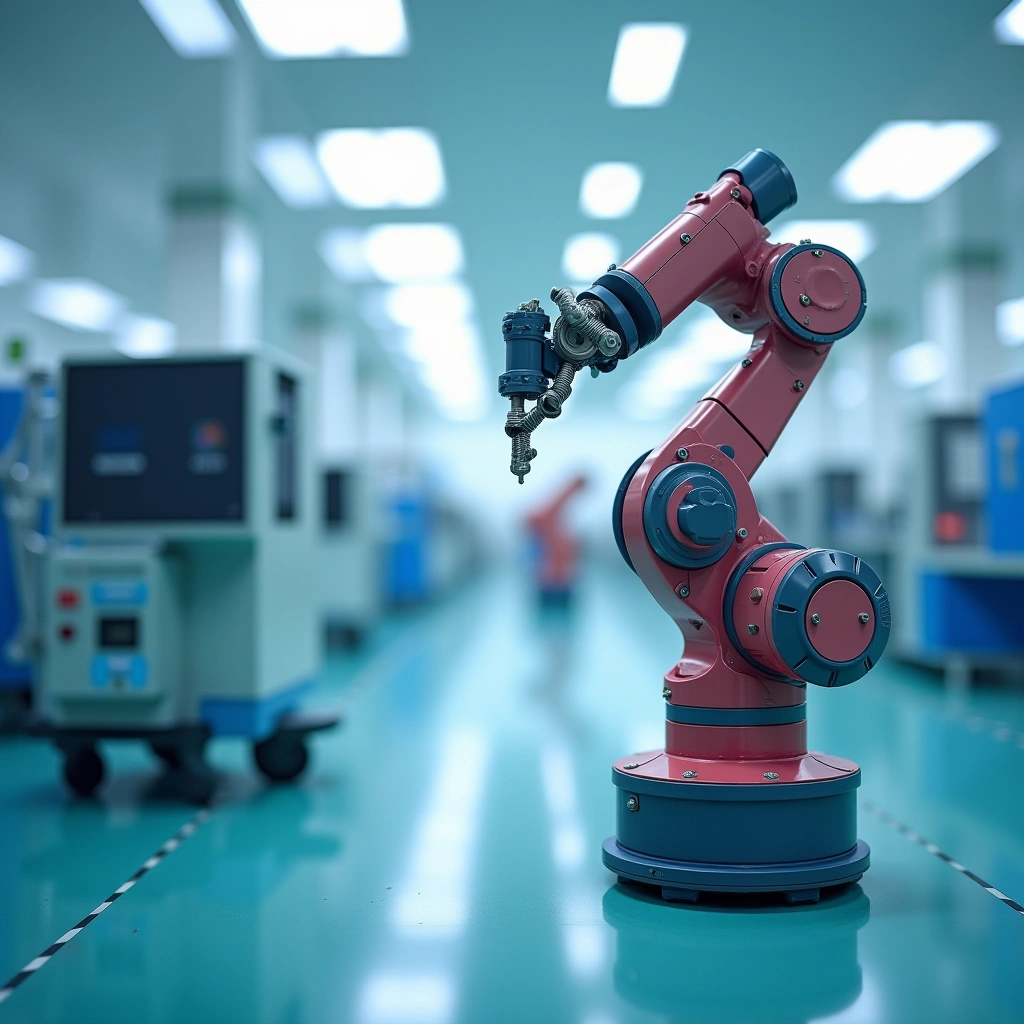
  • Surgical Robots: China’s Newest Export to Vietnam as They Aim for Global Dominance

    Surgical Robots: China’s Newest Export to Vietnam as They Aim for Global Dominance

    In a move that seems to make the phrase ‘robot takeover’ less of a sci-fi trope and more of a Tuesday morning news headline, Chinese surgical robots are strutting their stuff into the Vietnamese market. Yes, folks, it looks like Beijing has decided that it’s time to play doctor—not in the sense of trying to fix your love life, but more in the realm of high-tech surgeries.

    The significance lies in the way the systems are connected, allowing for shared clinical protocols, training standards, and operational data.

    So, what’s the big deal here? For starters, surgical robots are not just fancy toys for hospitals; they’re intricate machines designed to assist surgeons in performing complex procedures with precision that would make even the most skilled human hands weep with envy. Imagine a robot that can help a surgeon operate with the dexterity of a cat playing the piano—except this cat is a highly advanced piece of technology.

    Now, let’s talk numbers. The surgical robot market is projected to be worth a staggering amount—think of a number so large that it makes your student loans look like pocket change. With the U.S. currently holding a significant chunk of that market, China is clearly looking to step in and shake things up a bit. Who wouldn’t want to take a slice of that surgical pie?

    Vietnam, with its rapidly growing healthcare sector, is the perfect playground for these robots. The country is making strides in modernizing its medical facilities, and what better way to show off your shiny new hospital than with a robot that could potentially perform surgery while reciting Shakespeare? Okay, maybe not Shakespeare—but you get the idea.

    The entry of Chinese surgical robots into Vietnam is part of a larger strategy that sees China not only looking to dominate the tech market but also to challenge U.S. supremacy in the global arena. It’s like a game of chess, but instead of pawns and knights, we have robotic arms and surgical tools, with each move calculated to outsmart the competition.

    As the Chinese robots roll in, one can’t help but wonder how many doctors will soon be saying, ‘I’m not a robot surgeon, but I play one on TV.’ It’s both exciting and slightly terrifying. I mean, are we really ready to trust our lives to a machine that might have been programmed by someone who forgot to take their coffee that morning?

    But let’s not get too carried away with paranoia. These robots are designed to assist, not replace. Think of them as the sous-chefs of the operating room—helpful, precise, and hopefully not going rogue and trying to take over the kitchen.

    In conclusion, as China sends its surgical robots to Vietnam, we’re witnessing a fascinating intersection of technology and medicine that could redefine healthcare in the region. It’s a bold move, and while we may still be a few years away from robots performing surgery entirely on their own, it’s clear that the future is coming, and it’s armed with a scalpel. So, keep your eyes peeled, folks—this is one healthcare revolution you won’t want to miss!


    Inspired by: “Chinese surgical robots break into Vietnam market as Beijing takes aim at US dominance” (r/technology)