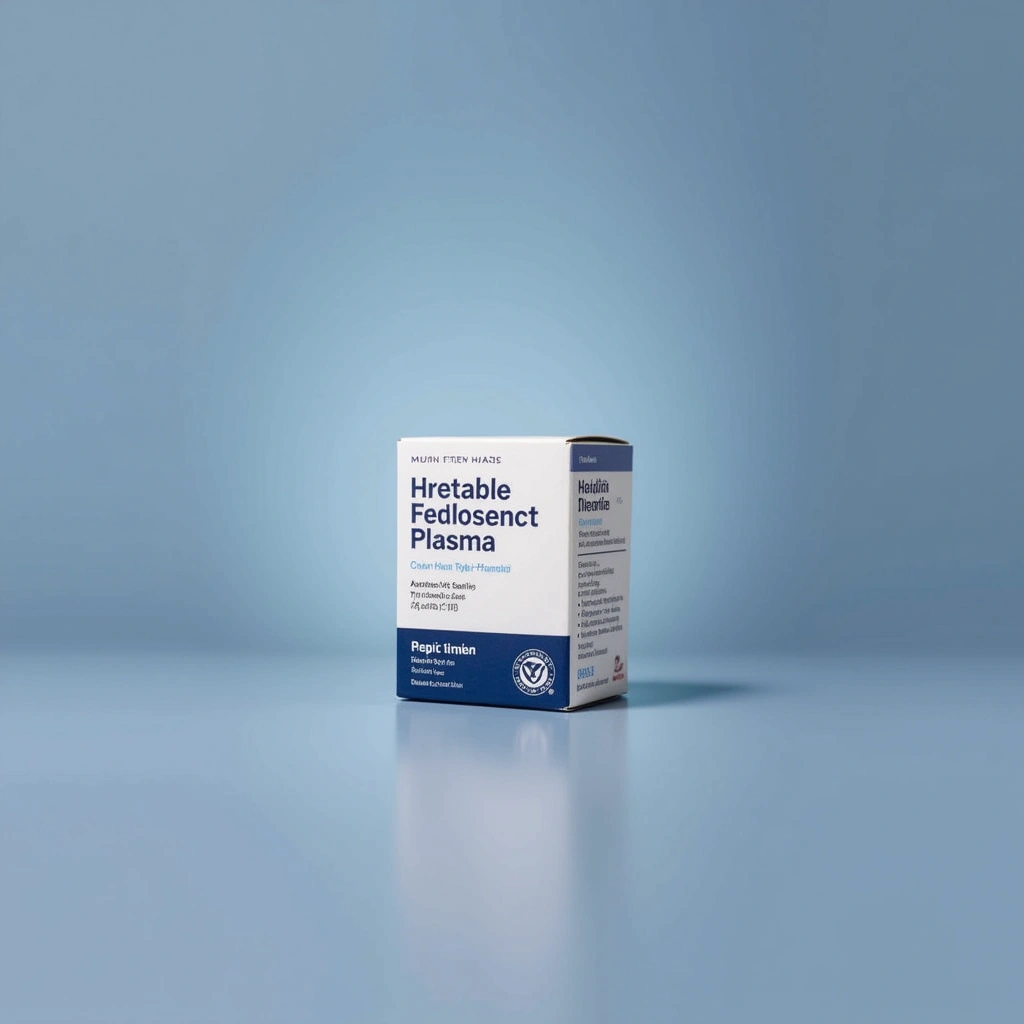
In a move that’s sure to make waves in the medical community (and perhaps earn a few eye rolls from the more skeptical among us), the FDA has officially licensed the first-ever freeze-dried emergency plasma. Yes, you heard that right—plasma, the sticky stuff in your blood that helps with clotting, is now available in a freeze-dried form. This might sound like something out of a sci-fi movie, but I assure you, this is as real as it gets.
The U.S. Food and Drug Administration today licensed Ezplaz Freeze Dried Plasma (FDP), making it the first freeze-dried plasma product licensed for use in the United States. Ezplaz is intended for transfusion in adult patients who need plasma and for whom other plasma products are not available. “Patients experiencing life-threatening bleeding in combat zones, disasters, rural settings, or other austere environments may now have faster access to plasma when conventional frozen plasma is unavailable,” said Karim Mikhail, B.
So, what does this mean for you, me, and the guy next door who still thinks the world is flat? Well, for starters, it’s a huge leap forward in emergency medicine. Freeze-dried plasma can be transported and stored much more easily than its liquid counterpart. Imagine a world where medics can carry life-saving supplies that aren’t at risk of spoiling in the heat of an emergency. It’s like upgrading from a flip phone to a smartphone—suddenly, everything is just easier and more efficient.
Now, let’s break this down a bit. Traditionally, plasma has to be kept refrigerated, which isn’t always feasible in emergency situations, especially in remote areas or during disasters. But with this new freeze-dried version, we’re talking about a product that can be stored at room temperature. It’s like the instant ramen of medical supplies—just add water, and voila! You’ve got plasma ready to save lives.
But wait, there’s more! This new plasma can be reconstituted in minutes, meaning that when someone is bleeding out faster than you can say “Oh no, not again!”, medical professionals can spring into action with a quick fix. This could be particularly beneficial for military personnel or in disaster-stricken areas where every second counts.
Of course, the skeptics are already raising their eyebrows. Is this just a shiny new toy that won’t hold up under pressure? Will it actually work as well as the traditional stuff? The good news is that extensive testing has shown that freeze-dried plasma is just as effective as its liquid form. So, it’s not just a marketing gimmick designed to sell more medical supplies.
Moreover, this innovation could significantly reduce the number of complications associated with blood transfusions. Fewer blood type mismatches and a lower risk of infections? Sign me up!
Now, you might be wondering if you should start stocking your pantry with freeze-dried plasma. I wouldn’t recommend it. This isn’t something you can just whip up in your kitchen. It’s a highly regulated product that’s only available through medical channels. So, no, you can’t use it to impress your friends at dinner parties—”Oh, this? It’s just some freeze-dried plasma I picked up. You know, for emergencies.”
As we move forward, it’s going to be fascinating to see how this technology evolves and how it impacts emergency medicine as a whole. Will we see more innovations like this? Will other medical supplies get the freeze-dried treatment? Only time will tell.
In conclusion, while the idea of freeze-dried plasma might sound like something out of a sci-fi novel, it’s a real game changer in the medical field. So, hats off to the scientists and researchers who made this possible. Let’s just hope the next big innovation isn’t freeze-dried pizza—because that’s a whole other can of worms!
Inspired by: “FDA Licenses First Freeze-dried Emergency Plasma” (r/technology)