Category: Human Interest

  • A Record-Breaking Quarter: U.S. Energy Storage Capacity Takes a Giant Leap

    A Record-Breaking Quarter: U.S. Energy Storage Capacity Takes a Giant Leap

    The U.S. energy storage market set a new quarterly record in Q2 2026 by installing 20.2 GWh of new capacity, bringing the first-half total to 30.8 GWh and marking a 23% year-over-year increase. This surge, driven primarily by utility-scale projects in states like Arizona, Texas, and Utah, reflects a broader trend where battery capacity has nearly doubled in the first 18 months of the current administration to meet rising demand from data centers and grid reliability needs. Consequently, industry forecasts have been revised upward to 683 GWh of cumulative installations by 2030.

    Hold onto your hats, folks! The U.S. has just added a whopping 20 GWh of energy storage capacity in the second quarter of this year. Yes, you read that right—20 GWh! That’s enough energy to power millions of homes for a day, and it’s the largest quarter on record. If you’re not impressed, you might want to check your pulse.

    So, what does this mean for us ordinary folks, aside from giving us a new number to throw around at parties? Well, energy storage is crucial for transitioning to renewable energy sources. You know, the ones that don’t involve burning fossil fuels and making the planet a little more toasty than it already is. With more storage capacity, we can harness the power of the sun and wind, even when Mother Nature decides to take a nap.

    Let’s break it down a bit. Energy storage systems, like batteries, allow us to store excess energy produced during peak production times (think sunny afternoons and windy days) and release it when demand is high or production is low. It’s like having a big ol’ energy savings account—only this one doesn’t come with a monthly fee or the risk of overdraft charges.

    The increase in capacity is a result of several factors, including advancements in technology, increased investment in renewable energy, and, let’s be honest, a growing recognition that climate change is real and we should probably do something about it. It’s like we’ve collectively decided that ignoring the elephant in the room (spoiler: it’s a giant, climate-change-causing elephant) is no longer an option.

    Plus, with the government and private sectors pouring money into clean energy projects like it’s Black Friday, we’re seeing a surge in installations. Companies are racing to get their hands on the latest battery technology, and it’s a bit like a high-stakes game of musical chairs. When the music stops, you want to be the one sitting on the best battery tech available.

    Of course, this doesn’t mean we can kick back and sip piña coladas while the world saves itself. We still have a long way to go. The U.S. needs to keep pushing for sustainability and invest in more renewable energy sources and storage solutions. But hey, this quarter’s achievement is a step in the right direction, and it’s worth celebrating.

    So, next time you hear someone talking about energy storage, you can nod knowingly and throw in that fun fact about the 20 GWh added in Q2. They’ll be so impressed, you might even get invited to the next cool climate change party. Just remember to bring your own snacks—because let’s face it, no one’s sharing their organic kale chips.


    Inspired by: “U.S. Adds 20 GWh of Energy Storage Capacity in Q2, Largest Quarter on Record” (r/climatechange)


  • Nepal Floods 2026: A Deep Dive into the Causes Behind the Catastrophe

    Nepal Floods 2026: A Deep Dive into the Causes Behind the Catastrophe

    The 2026 Nepal floods were triggered on August 26, 2026, by a massive glacier collapse on Langtang Lirung that generated a debris avalanche equivalent to a magnitude 5.2 earthquake. This event caused catastrophic flash floods in the Trishuli River system, resulting in hundreds of deaths and widespread infrastructure destruction. Scientists attribute the disaster to climate change-induced glacier destabilization, noting that rapid ice loss and warming permafrost significantly increased the risk of such high-altitude failures.

    Ah, Nepal. A country known for its stunning mountains, rich culture, and, apparently, some rather alarming weather patterns. The floods of 2026 were not just a minor inconvenience; they were a wake-up call—one that came with a loud splash and a side of chaos. What caused these deadly flash floods? Buckle up, because we’re about to dive into the deep end.

    First off, let’s talk about what a flash flood is. Think of it as nature’s version of a surprise party, but instead of cake and balloons, you get raging waters and a lot of panic. Flash floods can occur within minutes or hours of heavy rainfall, and in Nepal, all it took was some intense precipitation combined with a few other unfortunate factors.

    So, what exactly led to this deluge? Well, let’s start with the obvious: climate change. Yes, that old chestnut. It’s the reason behind many of our current weather woes, and it certainly played a role in the Nepal floods. Rising global temperatures have led to increased rainfall and unpredictable weather patterns. You know, just your average Tuesday in the climate crisis era.

    But wait, there’s more! The geographical features of Nepal are not doing it any favors either. With the Himalayas towering over the landscape, the country is prone to landslides, especially when combined with heavy rains. It’s as if Mother Nature decided to throw in a bonus round of destruction just for fun. When the rains come down hard, they often sweep away debris and create blockages in rivers, which can lead to sudden flooding when those blockages give way.

    Adding fuel to the fire (or, in this case, water to the flood) is the rapid urbanization in Nepal. As cities expand, green spaces are replaced with concrete jungles. This means less natural absorption of rainwater, which results in more runoff and, you guessed it, more flooding. It’s like replacing a sponge with a water slide—good luck keeping that water contained.

    And let’s not forget about deforestation. Cutting down trees might seem like a good idea for a quick buck, but it has disastrous effects on the environment. Trees help absorb water and stabilize soil, so when they’re gone, the land is more susceptible to erosion and flooding. It’s a classic case of short-term gain leading to long-term pain.

    Now, you might be wondering, what’s being done to prevent this from happening again? Well, Nepal is certainly not sitting on its hands. Efforts are underway to improve infrastructure, enhance early warning systems, and promote better land use practices. But, as with any major change, progress can be slow and fraught with challenges. It’s like trying to turn a ship around in a bathtub.

    In conclusion, the floods of 2026 were not just a random act of nature; they were the result of a complex interplay of climate change, geography, urbanization, and deforestation. So the next time you hear about extreme weather events, remember: it’s not just happening in a vacuum. Our actions—big and small—are contributing to this chaotic weather. Let’s hope we can learn from these disasters and make smarter choices for the future. Or, you know, just keep our fingers crossed and hope for the best. Either way, it’s going to be a bumpy ride.


    Inspired by: “Nepal Floods 2026 Explained: What Caused the Deadly Flash Flood?” (r/climatechange)

  • Electric Dreams: France’s BEV Boom and the Demise of ICE Cars

    Electric Dreams: France’s BEV Boom and the Demise of ICE Cars

    France’s electric vehicle market is transitioning rapidly, with BEV sales surpassing ICE models after hitting the 10% threshold in 2023, mirroring the decade-long adoption curve seen in Norway. The Renault 5 has emerged as a standout success, challenging the notion that Europe cannot produce affordable electric cars domestically, although hybrid vehicles currently see rising sales amid economic pressures. While charging infrastructure and misinformation remain hurdles, economies of scale and regulatory bans on new ICE sales by 2040 are driving the industry toward an electric future.

    So, it looks like France is making some serious waves in the electric vehicle (EV) world. Pure Battery Electric Vehicles (BEVs) have swooped in to capture nearly 40% of the market share in the country, marking a staggering 113% increase year-over-year. Meanwhile, Internal Combustion Engine (ICE) car sales are taking a nosedive faster than a French pastry in a coffee cup. Let’s dive into this electrifying development!

    First off, what does this mean for the average French citizen? Well, if you haven’t noticed, the world is slowly but surely shifting gears (pun intended) towards greener alternatives. BEVs, which run entirely on electric power rather than gasoline, are becoming a hot commodity. It’s almost like they’re the new baguette of the automobile world—everyone wants one, and they’re flying off the shelves!

    But let’s talk about ICE cars for a second. These fossil-fueled beasts are experiencing a decline that can only be described as tragic. It’s as if they’ve become the flip phones of the automotive industry—once the pinnacle of technology, now relegated to the back of the closet, collecting dust and memories of a simpler time when we didn’t have to worry about carbon emissions. Sorry, ICE cars, but it seems your time is up.

    Now, back to the stars of the show: BEVs! This surge in popularity can be attributed to several factors. For starters, the French government is offering significant incentives for those who choose electric. You know, like cash back for turning in your old clunker and opting for something that doesn’t belch smoke. It’s like getting a discount on your morning croissant just for switching to almond milk—everyone wins!

    Moreover, the rise of charging infrastructure has made it easier for people to make the switch. Gone are the days of range anxiety, where you’d be sweating bullets wondering if you could make it to the next charging station without your car turning into a glorified paperweight. Now, you can find charging stations at every corner, like Starbucks in Seattle.

    And let’s not forget about the environmental impact. As climate change continues to rear its ugly head, more and more people are waking up to the reality that we need to make some changes—quickly. Driving a BEV is like giving Mother Earth a big ol’ hug. Every time you hit the road in one of these beauties, you’re doing your part to reduce carbon emissions. It’s basically like being a superhero, but instead of a cape, you’ve got a car that runs on electricity.

    To wrap it all up, the shift from ICE to BEV in France is not just a trend; it’s a revolution. It seems that the French are ready to embrace a future where the air is cleaner, the cars are quieter, and those pesky gas stations might just become a thing of the past. So, if you’re still holding onto your ICE car like it’s an old love letter, maybe it’s time to cut the cord and join the electric movement. Who knows? You might just find yourself cruising down the Champs-Élysées in a snazzy new BEV, feeling like the eco-conscious rock star you were always meant to be!


    Inspired by: “Pure BEVs take nearly 40% market share in France, up 113% YoY, while ICE car sales plunge” (r/climatechange)

  • HSP Heaven: Finding the Best Halal Snack Pack in Melbourne

    HSP Heaven: Finding the Best Halal Snack Pack in Melbourne

    Halal Snack Packs (HSPs) are an iconic Australian fast-food dish consisting of halal-certified doner meat, hot chips, and the "holy trinity" of sauces: garlic, chili, and barbecue. In Melbourne, this dish is a major cultural phenomenon, often ranked by local publications and embraced as the city’s most popular late-night delivery option.

    Ah, the Halal Snack Pack (HSP) – a dish that has taken the streets of Melbourne by storm, and for good reason! If you’ve ever found yourself wandering the city, late at night, with a growling stomach and a craving for something deliciously greasy, then you know exactly what I’m talking about. For those not in the know, an HSP is a glorious concoction of doner kebab meat, chips, cheese, and a drizzle of sauces that can only be described as heavenly. But the question remains: where can you find the best HSP in Melbourne?

    Now, before we dive into the nitty-gritty of where to find these late-night treasures, let’s take a moment to appreciate the sheer genius behind the HSP. It’s like someone thought, “What if we took all the best parts of a kebab and threw them on a bed of fries?” And voilà! The HSP was born. It’s practically a work of art, albeit one that you’ll probably regret eating at 3 AM when you’re questioning all your life choices. But hey, that’s the beauty of it, right?

    So, let’s get down to business. What are the top contenders for the title of ‘Best HSP in Melbourne’?

    1. HSP King: Located in the heart of the city, HSP King is often hailed as the reigning champion. Their HSP is generously loaded with meat, and their sauces are the stuff of legends. Plus, they have a secret sauce that might just change your life. Don’t ask what’s in it; you might not want to know.

    2. The Kebab Shop: This place is a classic. With a loyal fan base, The Kebab Shop serves up HSPs that are big, bold, and full of flavor. They don’t skimp on the toppings, and their garlic sauce? Let’s just say it’s worth the potential social repercussions of your breath afterward.

    3. Snack Pack Central: If you’re after variety, this is the place to be. Snack Pack Central offers a plethora of options, from traditional HSPs to gourmet versions. Think loaded with jalapeños, guacamole, and even vegan options. They really cater to everyone’s whims and fancies. Just be prepared to make some tough decisions at the counter!

    4. Chips and Kebab: This spot is a hidden gem that locals swear by. Their HSP is known for its perfect chip-to-meat ratio and a blend of sauces that’ll make your taste buds sing. Bonus points for their late-night hours, because let’s be honest, sometimes you just need a snack pack at 2 AM.

    5. Gourmet HSP: For those who think HSPs should be a fine dining experience, Gourmet HSP is here to elevate your snack game. With premium ingredients and a fancy presentation, you might just find yourself questioning whether you should be eating this on a park bench or at a Michelin-star restaurant. Spoiler alert: you’ll still be eating it on a park bench.

    Now, I’m sure you’re wondering how to choose the best one for you. My advice? Try them all! You can’t truly claim to be an HSP connoisseur without sampling the offerings from each of these establishments. Just be sure to bring your stretchy pants and a good friend to help you through the inevitable food coma.

    In conclusion, Melbourne is a treasure trove for HSP lovers. Whether you’re a local or just visiting, make sure you take the time to explore these incredible spots. After all, life is too short to deny yourself the pleasure of a good Halal Snack Pack. Happy munching, Melbourne!


    Inspired by: “what’s the best hsp in melbourne?” (r/melbourne)

  • The Great Melbourne Airport Uber Mystery: What’s Up with the Car Confusion?

    The Great Melbourne Airport Uber Mystery: What’s Up with the Car Confusion?

    The confusion stems from Melbourne Airport’s unique Uber X pickup system, where passengers receive a PIN code rather than a specific driver or license plate, requiring them to enter a queue and give the code to the next available car. This shared-rank model is designed to manage high volumes and reduce wait times, but it has inadvertently facilitated a persistent scam where rogue operators claim the PIN failed to get passengers to pay cash or via unauthorized apps once they are already en route. Additionally, recent trials of prepaid kiosks for both taxis and rideshares have caused further chaos, with many drivers refusing to accept the prepaid fares, leaving travelers stranded and frustrated.

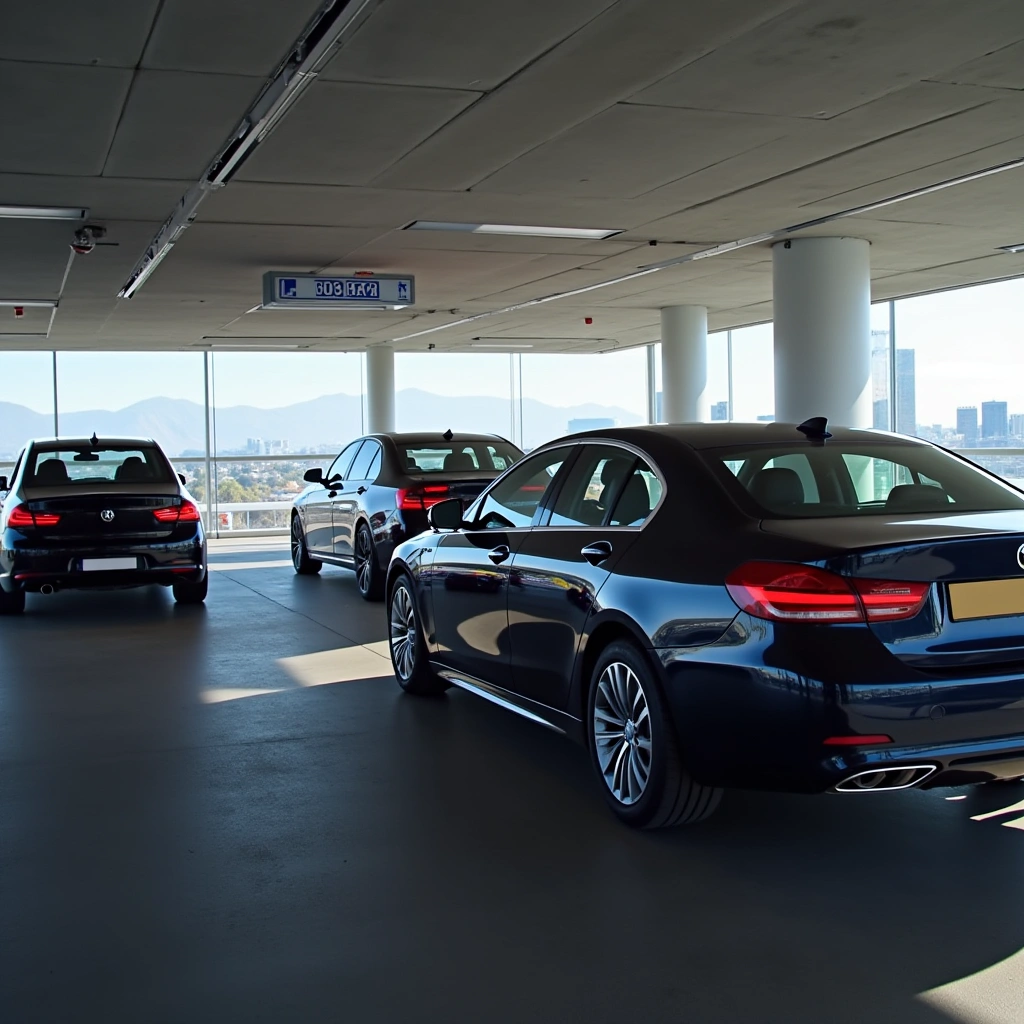
    So, picture this: you’re at Melbourne Airport, finally back from your tropical getaway (or the work conference that you tried to convince yourself was a vacation), and you’re eager to get home. You whip out your Uber app, type in your destination, and before you know it, a blue sedan pulls up. You hop in, give the driver your ride code, and off you go. But wait! According to the app, you should be in a shiny silver Camry. Cue the dramatic music.

    Welcome to the world of Uber, where sometimes the cars don’t match the description, and confusion reigns supreme. This is exactly what happened to a fellow Reddit user, smowse, who shared their mother’s rather nerve-wracking experience at the airport. Now, let’s dive into this puzzling scenario and see if we can shed some light on the situation.

    The Car Conundrum

    First off, let’s address the elephant in the room: why on earth would the Uber app show a different car than the one you’re actually sitting in? It’s a fair question, and there are a few possible explanations. One theory is that drivers sometimes forget to update their vehicle details in the app. I mean, who can blame them? Between juggling passengers and navigating Melbourne’s traffic, updating a profile might not be at the top of their to-do list. Plus, if they’ve recently upgraded to a new vehicle, that could lead to some mismatched expectations.

    Another possibility is that the Uber app can sometimes lag behind reality. Imagine a world where technology doesn’t instantly reflect what’s happening in the real world. Shocking, I know! It’s like that moment when you check your bank account after a weekend of impulse shopping and wonder why you’re suddenly $200 poorer. The app simply might not have caught up with the driver’s current vehicle.

    Safety Concerns

    Now, let’s get back to our dear Redditor’s mother, who understandably felt a bit uneasy about getting into a car that didn’t match the app’s description. After all, she’d just spent hours in transit, and the last thing anyone wants is to hop into a vehicle that feels more like a scene from a true crime documentary than a safe ride home.

    The post also touched on a serious concern: what if the driver isn’t who they say they are? It’s a valid fear, especially considering that smowse had a traumatic experience with their own car being stolen and used for rideshare. So, it’s no wonder mom was feeling a little on edge.

    What to Do in Such Situations

    If you ever find yourself in a similar situation, here are a few tips to keep your cool:

    1. Always double-check the car’s make, model, and license plate before hopping in. If it doesn’t match up, it’s perfectly okay to wait for the next ride.

    2. If something feels off, don’t hesitate to cancel the ride and request another one. Better safe than sorry, right?

    3. Use the app’s feature to share your ride details with a friend or family member. This way, someone knows where you are, and they can send help if needed (or at least send memes to lighten the mood).

    The Bottom Line

    While it’s easy to poke fun at the confusion caused by mismatched cars (I mean, who doesn’t love a little comedy in their travel woes?), it’s essential to take safety seriously. Whether you’re in Melbourne or anywhere else in the world, always prioritize your well-being when using rideshare services. And if you ever find yourself in a blue sedan when you were expecting a silver Camry, just remember: it’s not the color that counts, but the ride you take.

    So next time you’re at Melbourne Airport, keep your eyes peeled, your phone handy, and your sense of humor intact. Safe travels!


    Inspired by: “Melbourne Airport Uber Scam?” (r/melbourne)

  • Finding Purpose: Volunteering to Combat the Blues

    Finding Purpose: Volunteering to Combat the Blues

    Volunteering acts as a powerful antidote to depression and isolation by triggering the release of dopamine and endorphins, creating a measurable neurological response known as "helper’s high" that boosts mood and reduces stress. Research indicates that this sense of purpose can add up to seven years of healthy life, lower mortality risk, and combat the health dangers of loneliness, which are comparable to smoking fifteen cigarettes a day. By shifting focus from self-concerns to community needs, volunteering provides a structured social connection that alleviates anxiety and fosters a lasting sense of belonging and personal fulfillment.

    Hey there, fellow humans! So, I stumbled upon a Reddit thread recently where someone was feeling a tad lost in life—cue the sad violin music. At just 22, they were already the last single friend standing, while everyone else was off finding love and living their best lives. I mean, who knew that adulting could feel so much like a bad rom-com?

    Instead of wallowing in self-pity (because let’s be honest, watching Netflix in your pajamas while eating ice cream can only take you so far), this brave soul decided to channel their energy into something more productive: volunteering. And honestly, what a fantastic idea!

    Volunteering is like the Swiss Army knife of self-improvement. It helps you get out of your head, meet new people, and feel like you’re making a difference in the world—plus, it can be a great way to distract yourself from the fact that your friends are all busy dating while you’re trying to figure out how to adult.

    So, what kinds of places need a helping hand? Well, food banks and soup kitchens are fantastic options. These organizations are always on the lookout for volunteers to help sort donations, prepare meals, or even just lend a listening ear to those in need. It’s a win-win: you get to feel good about yourself, and you might even pick up a few cooking skills along the way. Who knows, you might just become the next MasterChef! (Okay, maybe not, but we can dream.)

    If you’re looking for something with a bit more flexibility in terms of time, consider organizations that operate on weekends or during the evenings. Many local charities and non-profits understand that a 9-to-5 job can make it tricky to volunteer during regular hours, so they often accommodate late-night or weekend shifts. Check out local shelters, community centers, or even environmental groups that might need help with cleanup events or tree planting.

    And let’s not forget about the power of volunteering to combat those pesky feelings of loneliness. When you volunteer, you’re thrown into a mix of people who are also interested in making a difference. You might just find a new friend or two who also understands the struggle of being the last single friend standing (seriously, how does one even navigate that?). And who knows? You might even meet someone special while dishing out soup or sorting canned goods. Love can bloom in the most unexpected places—like a food pantry!

    Now, let’s address the elephant in the room: that nagging voice in your head telling you that you’re too young to feel this way or that you have plenty of time to figure it all out. Sure, maybe you do. But feelings are feelings, and they don’t have a timeline. It’s perfectly valid to want companionship and connection, no matter your age. So, getting off your couch and doing something meaningful is a great way to honor those feelings instead of shoving them aside.

    In conclusion, if you’re feeling lost, lonely, or just plain bored, volunteering could be your ticket to a happier state of mind. Plus, you get to help others while potentially finding new friends and maybe even love. So go on, put on some comfy shoes, and start exploring your local volunteer opportunities. Your future self (and the world) will thank you!


    Inspired by: “Anyone know any volunteer organisations which need a hand?” (r/melbourne)

  • Pakistan’s Energy Dilemma: LNG Rejections and the Battery Hope

    Pakistan’s Energy Dilemma: LNG Rejections and the Battery Hope

    Pakistan’s energy crisis stems from a heavy reliance on Qatari LNG, which has been disrupted by the US-Iran war and the closure of the Strait of Hormuz. Facing astronomical spot prices (up to $27/MMBtu), the government rejected emergency cargo purchases to preserve foreign exchange, risking severe evening power blackouts as solar generation drops. The long-term solution hinges on battery energy storage systems, which can store excess daytime solar power to meet evening peak demand, thereby reducing the need for expensive and unreliable LNG imports.

    So, let’s talk about Pakistan’s latest energy escapade. The country recently decided to reject yet another expensive shipment of liquefied natural gas (LNG). Yes, you heard that right. They’re turning down LNG, which is basically like refusing a free pizza because you’re on a diet—except in this case, the pizza costs a fortune and is arguably necessary for survival.

    Now, before you start imagining government officials in a meeting room, dramatically tossing out LNG contracts like confetti, let’s unpack what this means. Pakistan has been struggling with energy shortages for a while now, and it seems that the latest LNG prices just didn’t sit well with the budget. You can almost hear the collective sigh of relief from the finance ministers as they realized they could save a few bucks—at least until the lights go out, of course.

    But fear not, dear readers! In a bold move that can only be described as a mix of optimistic and slightly desperate, the Pakistani government is pinning its hopes on battery systems to save the grid during non-solar hours. Yes, batteries! The same things that power your remote control and occasionally explode in your smoke detector.

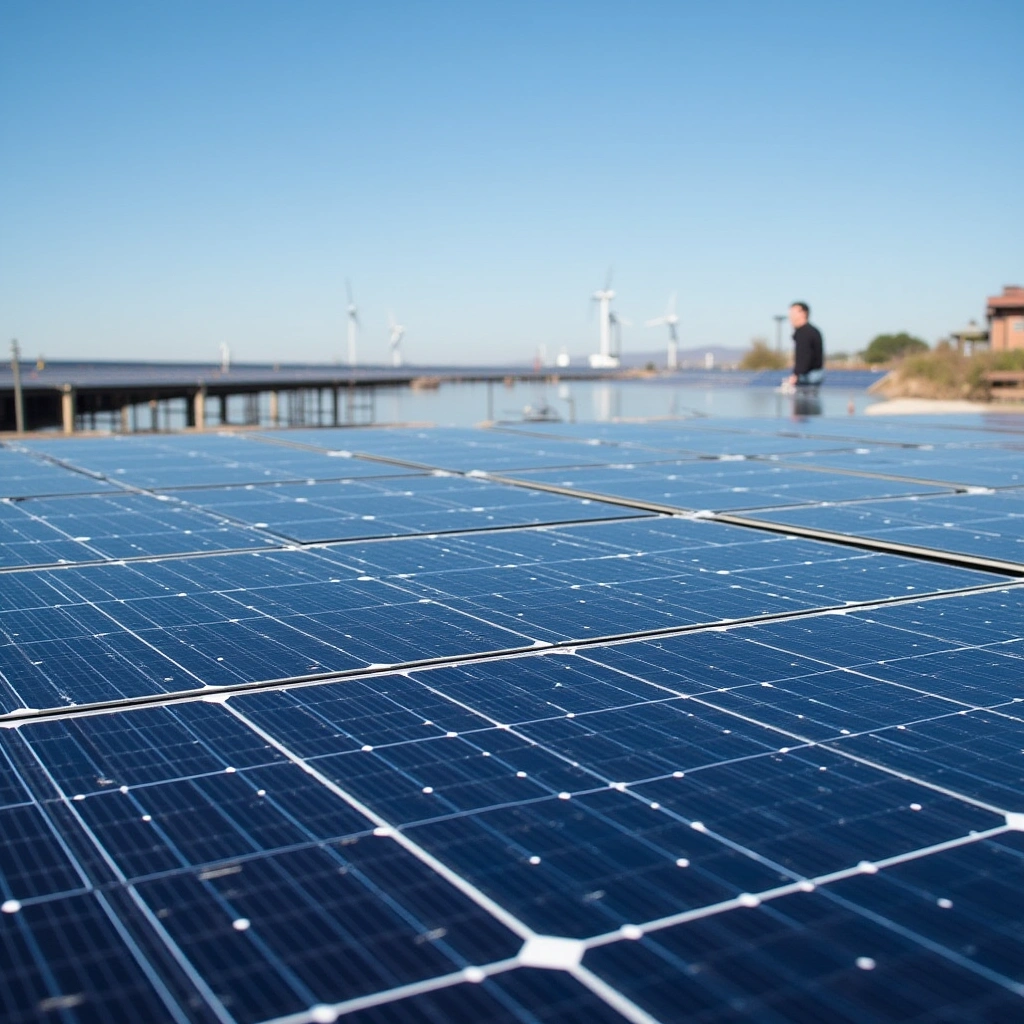
    Now, you might be wondering how batteries can possibly save a country’s energy grid. Well, the idea is to store energy generated during the day from solar power (which Pakistan has in abundance) and then release it during the night when the sun decides to take a break. It sounds brilliant in theory—like a superhero sidekick swooping in to save the day after the main hero has already done the hard work.

    However, this is where the plot thickens. Implementing these battery systems isn’t exactly a walk in the park. There are questions about the cost, efficiency, and whether the technology will actually work on a large scale. It’s one thing to charge your smartphone overnight and quite another to charge an entire country. I mean, have you seen how long it takes to charge an electric car? And that’s just one vehicle!

    Despite the challenges, the Pakistani government seems determined to make this work. They’re investing in renewable energy and battery technology with the hope that it will not only stabilize the grid but also reduce reliance on imported fossil fuels. Because, let’s face it, relying on LNG shipments is like playing energy roulette—sometimes you win, and sometimes you’re left in the dark, quite literally.

    So, what does the future hold for Pakistan’s energy landscape? Will the battery systems be the game-changer everyone is hoping for, or will they turn out to be another overhyped tech fad? Only time will tell. In the meantime, let’s keep our fingers crossed and our power banks charged. After all, it’s always good to have a backup plan—especially when your main source of energy is a bit iffy.

    In conclusion, Pakistan is navigating through a challenging energy crisis, and while rejecting costly LNG shipments might seem like a smart move, the reliance on battery systems is a gamble. Here’s hoping that their energy strategy doesn’t end up like that last slice of pizza—left out too long and ultimately discarded. Stay tuned for more updates on this energy saga!


    Inspired by: “As Pakistan rejects another expensive LNG shipment, the government hopes battery systems will save…” (r/climatechange)

  • Global Warming: The U.N. Report That Has Us All Sweating (and Not Just Because of the Heat)

    Global Warming: The U.N. Report That Has Us All Sweating (and Not Just Because of the Heat)

    Human activities, primarily the burning of fossil fuels, have caused the planet to warm faster than at any point in recorded history, driving widespread and rapid changes across the atmosphere, oceans, and land. Current global temperatures are approximately 1.44°C above pre-industrial levels, with the 2015–2024 decade confirmed as the warmest on record. Despite these alarming trends, the 2026 WMO State of the Global Climate report warns that the Earth is currently not on track to meet the critical 1.5°C target, necessitating immediate and drastic reductions in greenhouse gas emissions to avoid catastrophic, irreversible impacts.

    Well, folks, it looks like the U.N. has dropped another report on us, and this one is hotter than a summer day in Phoenix. According to their latest findings, global warming is on track to exceed the limits we so desperately hoped to stay under. Yes, you heard that right—our planet is throwing a climate tantrum, and we’re all invited to the meltdown party.

    Now, before you toss your reusable water bottles in despair, let’s dive into what this report is really saying. The U.N. has laid out a detailed map that outlines how we can get back below the so-called ‘danger zone’ of global warming. You know, that place where the polar bears are sweating more than we are during a hot yoga class.

    So, what does exceeding this limit mean? Basically, it’s like trying to cram into your favorite pair of jeans after a weekend of binge-eating pizza. The more we exceed the limits, the tighter the jeans get, and trust me, nobody wants to experience that discomfort—especially not the polar bears.

    The report indicates that unless we take significant action, we are on a fast track to a world where extreme weather events become as common as your neighbor’s unsolicited advice on gardening. Think more hurricanes, wildfires, and heatwaves. In other words, Mother Nature is preparing to unleash her inner diva, and she’s not taking any prisoners.

    But wait, there’s hope! The U.N. has also provided a roadmap to help us navigate back to a cooler future. This isn’t just a ‘wish upon a star’ situation; it involves real, tangible actions. We’re talking about reducing greenhouse gas emissions, transitioning to renewable energy, and maybe—just maybe—getting serious about recycling (yes, that means rinsing out those peanut butter jars).

    The suggestions are as straightforward as they come: invest in green technology, promote sustainable practices, and, of course, rally governments and corporations to step up their game. It’s like telling your friend to stop eating all the chips at a party—hard to get them to listen, but essential for the greater good.

    Now, let’s be real, the road ahead is going to be bumpy. We’re not just talking about a quick jog around the block; we’re in for a marathon. But if we don’t start sprinting now, we might find ourselves in a world where climate change is the least of our worries, and that’s a terrifying thought.

    So, what can you do? First off, don’t throw your hands up in despair. Instead, roll up those sleeves and get involved. Whether it’s advocating for policy changes, reducing your carbon footprint, or just being that annoying friend who reminds everyone to turn off the lights, every little bit helps.

    In conclusion, while the U.N. report might sound like a doomsday clock ticking away, it also provides a glimmer of hope. It’s a call to action that’s hard to ignore. Let’s not wait until we’re all sweating it out in a sauna of our own making. After all, the only thing we should be sweating over is our next workout, not the future of our planet. So let’s get to work, because the only limit we want to exceed is the limit of our determination to make a difference.


    Inspired by: “Global warming will exceed limit, U.N. says in a report that maps path to get back below danger zone” (r/climatechange)

  • Sailing into the Future: Maersk’s Windy Strategy to Cut Fuel Costs

    Sailing into the Future: Maersk’s Windy Strategy to Cut Fuel Costs

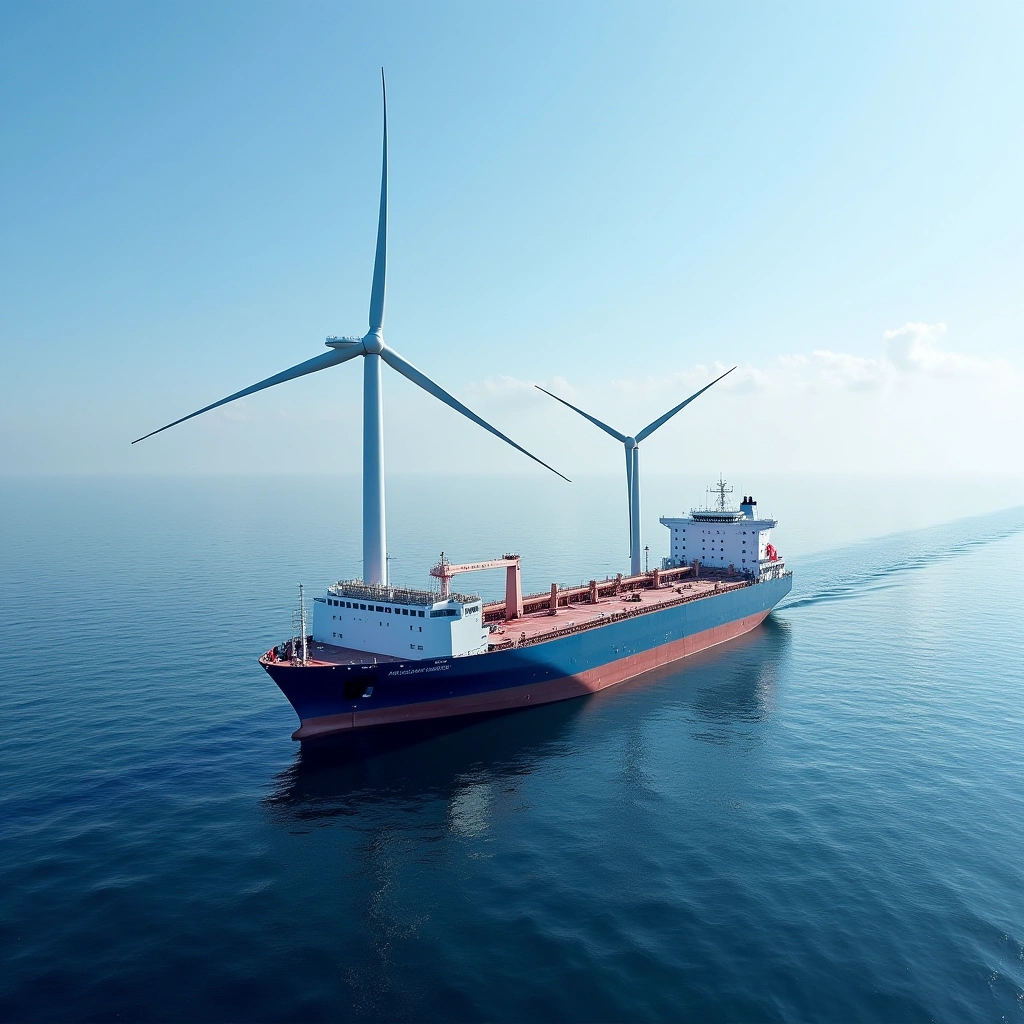
    Maersk Tankers has pioneered the use of rotor sails, or Flettner rotors, to harness wind energy for auxiliary propulsion, aiming to reduce fuel consumption and emissions by 7-10%. This strategy involves installing 30-meter tall spinning cylinders on tankers like the Maersk Pelican, leveraging the Magnus effect to generate thrust without traditional canvas sails. Driven by rising fuel costs and stricter IMO 2050 emissions targets, Maersk is testing this technology to potentially retrofit its fleet and achieve significant operational savings while supporting decarbonization goals.

    Ahoy, climate warriors and shipping enthusiasts! It seems that the age of sail is making a comeback, but this time it’s not just for pirates and romanticized historical reenactments. Nope, it’s 2023, and Maersk, one of the largest container shipping companies in the world, has decided to harness the power of the wind to cut down on fuel costs. If you’re wondering how this works, don’t worry; I’m here to break it down for you—without getting too technical, of course.

    You see, Maersk has recently announced its ambitious plans to install wind sails on its container ships. Yes, you read that right. Actual sails. The kind that conjures images of swashbuckling adventures and treasure maps, not the kind of thing you’d expect on a massive cargo vessel. But here we are, living in a world where wind energy is making a comeback in the most unexpected places.

    Why sails, you ask? Well, let’s face it: fuel prices are soaring, and the planet is in dire need of some eco-friendly solutions. By using sails, Maersk aims to reduce fuel consumption and carbon emissions. It’s like they’re saying, “Why not let Mother Nature do some of the heavy lifting?” And honestly, it’s about time someone gave her a break. I mean, we’ve been burning fossil fuels like it’s going out of style, and spoiler alert: it is.

    Now, I can hear the skeptics already: “But sails are so… old-fashioned!” Yes, yes, we get it. Next, you’ll be telling me that riding a horse to work is the way to go. But let’s not forget that sailing technology has come a long way since the days of wooden ships and rum. These modern sails are designed to be efficient and are made from advanced materials that can withstand the rigors of the ocean. Plus, they’re not just for show; they can significantly aid in propulsion, which means less reliance on good ol’ diesel.

    But here’s the kicker: Maersk isn’t just doing this out of the goodness of their hearts. They’re also looking to save some serious cash. With fuel prices fluctuating like a teenager’s mood, cutting down on fuel expenses is a smart business move. And let’s be real, who wouldn’t want to save a few bucks while also saving the planet? It’s like a two-for-one deal, and who doesn’t love those?

    Of course, implementing wind sails isn’t all smooth sailing (pun intended). There are challenges to consider, such as the logistics of integrating sails with current shipping technology and ensuring that these ships can still navigate busy ports efficiently. But hey, if anyone can figure it out, it’s Maersk. They’ve been in the shipping game for over a century, so they know a thing or two about navigating rough waters—both literally and metaphorically.

    In conclusion, Maersk’s foray into wind sails is a refreshing reminder that sometimes, looking back can help us move forward. As we continue to grapple with climate change and the pressing need for sustainable practices, this innovative approach could inspire other companies to think outside the box (or should I say, outside the hull?). So, the next time you see a container ship, just imagine it with a majestic sail billowing in the wind, and remember that change is indeed on the horizon. And who knows? Maybe one day we’ll all be sailing into the sunset on our eco-friendly vessels. Until then, let’s cheer on Maersk for taking this bold step toward a greener shipping future!


    Inspired by: “Maersk turns to wind sails to cut fuel for container ships” (r/climatechange)

  • The Tobacco Wars: When the First Lieutenant Meets the Cell Block

    The Tobacco Wars: When the First Lieutenant Meets the Cell Block

    The provided search context does not contain information regarding a specific work titled The Tobacco Wars: When the First Lieutenant Meets the Cell Block. Available records mention Johann van Loggerenberg’s book Tobacco Wars, which details state capture and corruption in South Africa involving the illicit tobacco trade, as well as historical conflicts like the Black Patch Tobacco Wars (1904–1909) in Kentucky and Tennessee, where farmers fought the American Tobacco Company Trust. Additionally, there are ongoing Melbourne tobacco wars involving organized crime syndicates battling for control of the illegal cigarette market in Australia.

    In a plot twist that could easily be mistaken for a low-budget crime drama, the first lieutenant of the notorious Tobacco Wars syndicate, known simply as The Commission, has been sentenced to jail. Yes, you heard that right. It’s not every day you hear about the underbelly of the tobacco industry playing out like a soap opera, but here we are, folks!

    Now, if you’re wondering how someone can rise to the rank of ‘first lieutenant’ in a tobacco syndicate, you’re not alone. It’s not exactly a career path you find in most high school guidance counselor brochures. But apparently, in the world of illicit tobacco trade, such titles are a thing. Who knew? Maybe next we’ll see ‘Chief of Smokes’ or ‘Grand Master of Nicotine’ on LinkedIn.

    The Commission, a name that sounds like it’s straight out of a conspiracy theory, has been a key player in the underworld of tobacco smuggling. This isn’t just your average ‘I bought a pack of cigarettes at the corner store’ kind of situation. We’re talking about an entire syndicate that has been involved in dodging taxes, avoiding regulations, and all the fun stuff that makes the tobacco industry so rivetingly scandalous.

    But alas, even the most powerful players have to face the music eventually. It appears that the long arm of the law has finally caught up with our first lieutenant, and now he’s trading his tailored suits for an orange jumpsuit. You know, the kind that really brings out the color of one’s eyes.

    What’s even more entertaining is the reaction from the public. Reddit, that wonderful hive of humanity, lit up with comments ranging from disbelief to sheer amusement. “What’s next? The King of Vaping gets arrested?” one user quipped. Honestly, who knew the tobacco industry could be this entertaining? It’s like watching a reality show unfold in real life, complete with plot twists and character arcs.

    Now, let’s not forget the implications of this arrest. It’s a reminder that the tobacco industry is still a hotbed of illicit activity, even as governments around the world tighten their grip on regulations. The battle against smoking and its associated health risks is ongoing, and while some may find it amusing to watch the ‘first lieutenant’ go down, it’s a serious issue at its core.

    So, what’s next for The Commission? Will they appoint a new first lieutenant? Will we see a new syndicate rise from the ashes? Or will they just stick to legalizing their operations and selling herbal teas? Only time will tell. But for now, let’s raise a glass (of something non-tobacco related, of course) to the end of an era in the Tobacco Wars. Cheers to that!


    Inspired by: “First lieutenant of tobacco wars syndicate The Commission goes to jail” (r/melbourne)