Category: Human Interest

  • The Skyscraper Dilemma: Sunshine vs. Skyline in Melbourne

    The Skyscraper Dilemma: Sunshine vs. Skyline in Melbourne

    Melbourne’s skyline is Australia’s tallest and most concentrated, driven by a flat geography and a dense, centralized urban structure that contrasts with Sydney’s more decentralized, sprawling layout. While Melbourne is statistically smaller than Sydney according to official census data, its compact central business district creates a visually impressive "Manhattan-like" cluster of high-rises, including the 297-meter Eureka Tower. This density allows for a dramatic, iconic skyline, whereas Sydney’s historic building height restrictions and geographic constraints have traditionally resulted in a shorter, more spread-out urban profile.

    Ah, Melbourne—home to coffee culture, quirky laneways, and some of the tallest skyscrapers you can find outside of, well, New York. But if you’ve been following the news (or browsing Reddit, because who reads news anymore?), you might have stumbled upon a post about a massive skyscraper that’s just popped up in front of some unsuspecting apartment buildings. It raises an important question: how are the tenants doing?

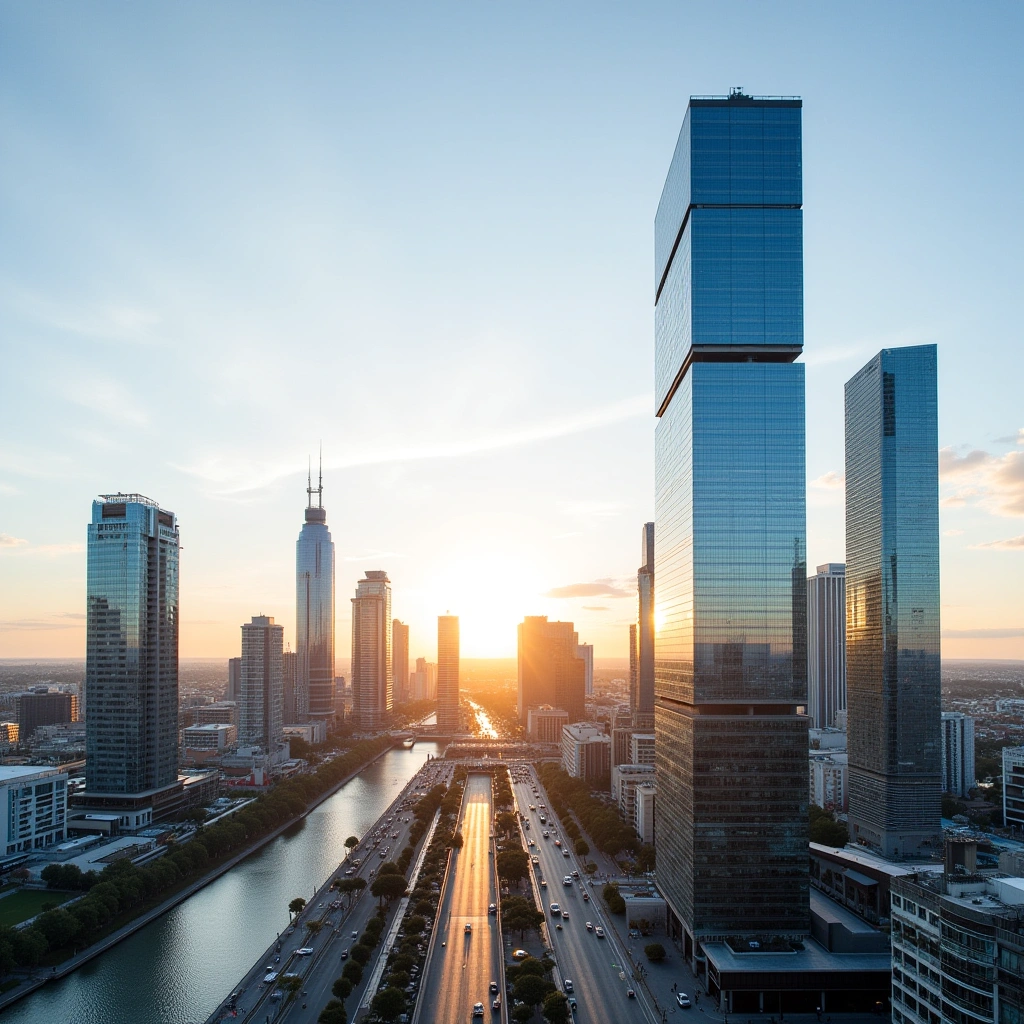
    Let’s take a moment to picture this: you’ve got your cozy little apartment, perhaps with a view of the Bolte Bridge, and then BAM! A towering behemoth of concrete and glass suddenly blocks your precious sunlight. For those who lived there before the construction, it must have felt like they were in a slow-motion horror movie where every day a little more light disappears.

    During the pandemic, when we were all stuck at home, it must have been a special kind of torture to look out your balcony and see nothing but an empty construction site. You’d think that if you’re stuck indoors, at least you could enjoy a bit of natural light, right? But nope, that was not in the cards. Instead, they might have been left with a lovely view of a wall of steel and a constant reminder of the construction noise.

    Now, fast forward to today: what’s it like living in the shadow of a skyscraper? One can only imagine the mixed feelings. On one hand, you might be thrilled that your apartment just got a new neighbor who’s probably going to bring in a bunch of fancy restaurants and shops (because let’s face it, no one wants to walk more than five minutes for a good coffee). On the other hand, you might be thinking, “Great, I now live in a cave.”

    So, let’s break it down: sunlight. Or, as some might call it, “that thing we used to enjoy before our view was obstructed.” Are these tenants now bathed in darkness, or has the new skyscraper somehow worked its magic and allowed some rays to sneak through?

    If I were in their shoes, I’d be standing on my balcony with a magnifying glass, inspecting every inch of the sky for any signs of light creeping in. Maybe they’ve developed some sort of bizarre ritual involving sun lamps and reflective surfaces to maximize their exposure. Hey, desperate times call for desperate measures!

    And let’s not forget the social aspect. Living in a building that suddenly has a skyscraper looming over it could lead to some interesting conversations among tenants. “Hey, did you see the new building?” “Yeah, it’s blocking my view of the sunset, but at least I can hear the construction workers yelling at each other!”

    In conclusion, while the tenants might miss their sunshine, they’ve also gained a new neighborhood vibe. Plus, they can now say they live in a ‘prime location’—at least until the next skyscraper goes up right next to them. So, to all the tenants out there, how are you doing? Are you surviving the lack of sunlight, or have you embraced your new life as a resident of a concrete jungle? Let us know!

    In the meantime, may your coffee be strong and your sunshine be slightly less obstructed!


    Inspired by: “Massive skyscraper was built in front of these apartment buildings, tenants how are you doing?” (r/melbourne)

  • Yarraville Power Pole Protest: When Residents Say ‘Not Today, Power Poles!’

    Yarraville Power Pole Protest: When Residents Say ‘Not Today, Power Poles!’

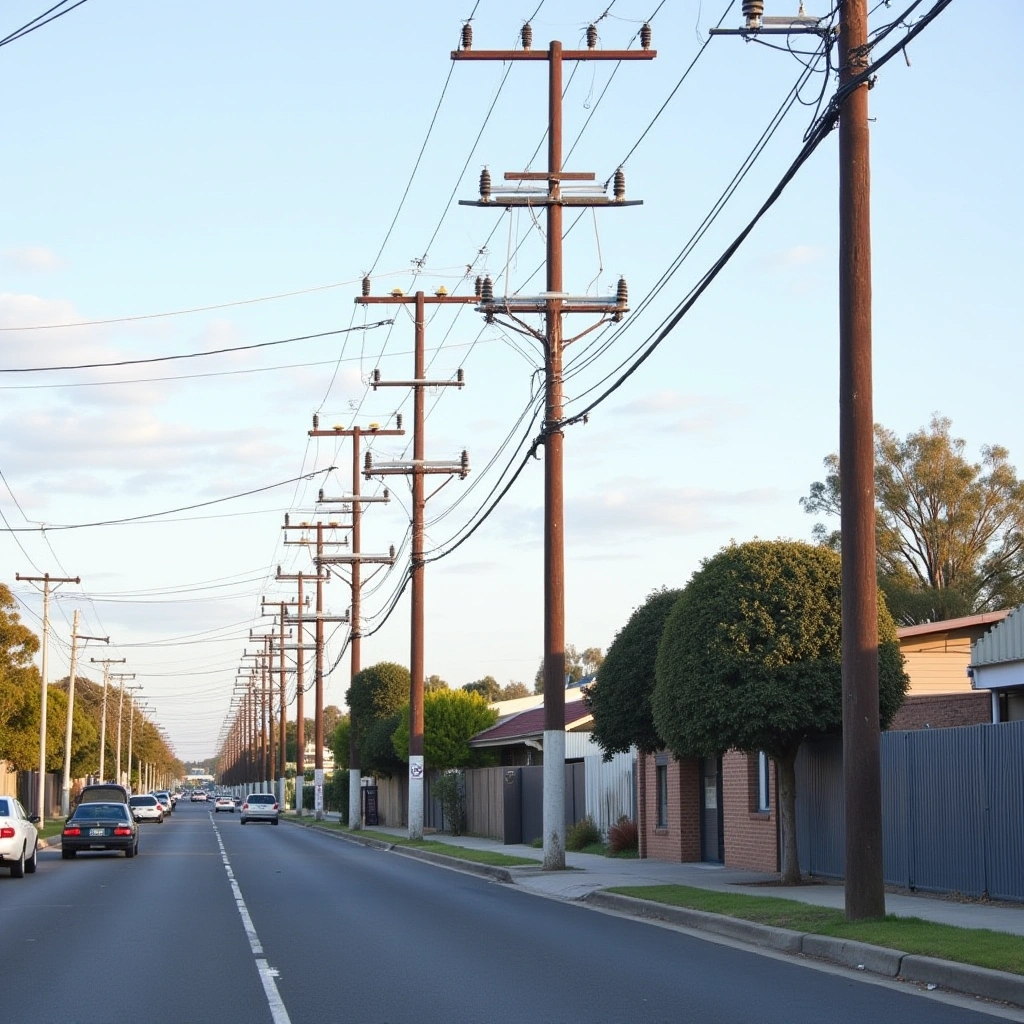
    Jemena, Melbourne’s electricity distributor, paused a major infrastructure rollout in September 2026 after Yarraville residents used direct action, such as blocking excavation sites with vehicles, to stop the installation of 15-metre concrete power poles. The company had planned to replace standard wooden poles with these towering structures to supply power to 27 proposed data centres in the area, a move residents claimed was poorly communicated and visually intrusive. This local backlash contributed to the Victorian government considering statewide restrictions on data centre development to balance industrial growth with community amenity.

    Ah, Yarraville! A place known for its charming cafes, vibrant community, and apparently, a fierce dedication to keeping power poles at bay. Recently, the residents of this Melbourne suburb decided to take a stand—or rather, a sit—against Jemena, the gas and electricity company that had plans to roll out a significant infrastructure project. And by ‘take a stand,’ I mean they literally blocked work crews from getting anything done.

    Now, before you roll your eyes and think, ‘Oh great, another protest,’ let’s dive into the juicy details of this power pole drama. It seems that Jemena was all set to install new power poles as part of their infrastructure rollout. You know, the kind of thing that usually happens without much fuss unless there’s a bunch of locals who are not having it.

    Residents took to the streets, armed with their best protest signs and an even better sense of community spirit. It was like a scene from a movie, but instead of a heroic battle against an evil corporation, it was more of a neighborhood watch meeting gone rogue. I can just picture it: a bunch of residents standing there, arms crossed, shaking their heads disapprovingly at the work crews like a group of parents scolding a kid for trying to sneak a cookie before dinner.

    So, what’s the big deal about these power poles? Well, it seems that Yarraville folks have a bit of a love affair with their picturesque neighborhood. The thought of having new power poles sprouting up like weeds in their front yards didn’t sit well with them. And who could blame them? After all, no one wants to wake up to a giant metal pole blocking their view of the sunrise—or worse, their Instagram-worthy garden.

    In response to the protest, Jemena decided to hit the pause button on their infrastructure plans. Yes, you heard that right. The mighty Jemena, halted by a bunch of residents who just wanted to sip their coffee in peace without staring at a power pole. It’s a classic case of the little guy winning against corporate giants, and let’s be honest, we all love a good underdog story.

    But let’s not get too carried away with the idea of victory just yet. Jemena has indicated that they will be reviewing their plans and possibly finding a way to compromise with the residents. This could mean relocating the poles or, you know, finding a way to make them look less like eyesores. Perhaps they could paint them in pastel colors or wrap them in vines—because nothing says ‘we care’ like a power pole that looks like it belongs in a fairy garden.

    As it stands, the residents of Yarraville have shown that community action can lead to tangible results, even if it’s just delaying the inevitable. So, what’s next for the Yarraville power pole saga? Will the poles eventually make their way into the neighborhood, or will the residents succeed in keeping their beloved suburb free from the tyranny of tall, metal structures? Only time will tell, but for now, the residents can bask in their glorious victory of having temporarily halted the power pole invasion.

    So, to all the Yarraville residents out there: keep your protest signs handy and your coffee cups full. You never know when you might need to block another work crew from ruining your neighborhood’s charm. And remember, if life gives you power poles, just say, ‘Not today!’


    Inspired by: “Yarraville power pole protest: Jemena pauses major infrastructure rollout after residents block wor…” (r/melbourne)

  • The Great Garden Heist: Why Are Homebuyers Destroying Our Neighborhoods?

    The Great Garden Heist: Why Are Homebuyers Destroying Our Neighborhoods?

    The "Great Garden Heist" appears to conflate the 2015 Hatton Garden safe deposit burglary in London, where elderly criminals dubbed the "Diamond Wheezers" stole an estimated £14 million in valuables, with the urban phenomenon of gentrification. While the heist was a high-profile, non-violent crime that captivated the public as a "victimless" caper, gentrification involves affluent individuals moving into lower-income areas, driving up property values and causing the social disruption and displacement of long-term residents. These two distinct narratives—one of organized criminal theft and the other of systemic urban redevelopment—are sometimes juxtaposed in discussions about neighborhood change, with some critics likening the displacement caused by rising rents to a form of theft against existing communities. However, they differ fundamentally in method and intent: one involves illegal drilling into vaults, while the other results from market forces and policy decisions that broaden the tax base at the cost of community stability.

    Ah, the joys of homeownership! The thrill of picking out the perfect house, the excitement of envisioning your dream garden, and then—BAM!—the crushing reality that the new owners might not share your passion for lush greenery. Welcome to the curious case of ‘Cemented Neighborhoods’ in Melbourne, where stunning gardens are being replaced with red brick tiles and smooth white plaster at the speed of light.

    I recently stumbled upon a Reddit post that perfectly encapsulates this baffling trend. The poster, who goes by the handle u/batteriesdrain, shared their dismay over three houses in their neighborhood that once boasted beautiful front yard gardens filled with native shrubs, flowers, and even small trees. You know, the kind of gardens that make you want to throw on your gardening gloves and dig in the dirt while sipping on a nice glass of rosé? Yes, those gardens! But alas, the new owners had other plans.

    Instead of nurturing these green havens, they decided to rip them out faster than you can say “landscaping disaster”. One house was demented over (and no, that’s not a typo—just a creative way to say it was completely transformed), and another was tiled over in a stunningly uninspired red brick. Because nothing screams ‘I love nature’ like a brick patio that looks like it belongs in a parking lot.

    But wait, it gets better! The most beautiful house in the neighborhood—a charming little stone cottage—was plastered in white, turning it into a smooth, bland canvas that could easily be mistaken for a modern art installation. I mean, why appreciate the natural beauty of stone when you can have a stark reminder of your local paint store’s clearance section?

    Now, before I dive deeper into my existential crisis about the state of our neighborhoods, let’s consider the reasons behind these questionable renovations. Perhaps the new owners are trying to keep up with the latest trends in minimalism? You know, the kind of trend that makes you want to throw all your furniture out and live like a hermit in an empty room with a single potted plant. Or maybe they just really, really hate gardening?

    But here’s the kicker: why buy a house with a garden if you’re just going to destroy it? It’s like ordering a gourmet meal at a fancy restaurant and then asking for a microwaved frozen dinner instead. I mean, come on! If you can’t appreciate a good garden, perhaps you should reconsider living in a house altogether. Apartments are a great option for those who prefer beige walls and gray sofas (because who doesn’t love a little monotony in their life?).

    It’s almost as if these new homeowners are on a mission to create a world devoid of all things vibrant and alive. And while I appreciate a good aesthetic choice, I can’t help but feel a little sad for the biodiversity that’s being sacrificed on the altar of personal preference.

    So, what’s the solution here? Should we start a neighborhood committee to protect our gardens? Form a brigade of garden warriors armed with trowels and compost? Or maybe just start a support group for those of us mourning the loss of beautiful front yards?

    In all seriousness, it’s important for communities to come together and celebrate what makes them unique. Gardens, with their colorful blooms and fragrant herbs, are a big part of that. So, let’s raise our voices (and perhaps a few shovels) to ensure that our neighborhoods remain a vibrant tapestry of life, rather than a monotonous stretch of concrete and bricks. Because if we don’t, we might just wake up one day in a world where the only green we see is the occasional potted plant in a sterile apartment. And trust me, nobody wants that.


    Inspired by: “Cemented Neighbourhoods” (r/melbourne)

  • Meet Wisdom: The Albatross That Defies Age and Logic

    Meet Wisdom: The Albatross That Defies Age and Logic

    Wisdom is a wild female Laysan albatross, officially designated #Z333, recognized as the world’s oldest known wild bird. Hatched around 1951, she was first banded in 1956 and has remained active at Midway Atoll, successfully incubating eggs as recently as 2025. Her longevity defies biological norms for her species, which typically lives 12 to 40 years; she has logged over 3 million flight miles and raised approximately 30 to 35 chicks over her lifetime. Despite facing threats like plastic pollution and tsunamis, she continues to breed, with recent reports confirming she laid an egg at age 73 and was spotted healthy in late 2025.

    If you think your grandma is impressive for still knowing how to use Facebook, wait until you hear about Wisdom, the Laysan albatross who just won’t quit. On December 10, 1956, a biologist named Chandler Robbins decided to give some seabirds a little bling by banding them with shiny metal rings. One of those birds was an unassuming female albatross, who was probably just thinking about her egg and not about the fact that she was about to become a legend. Fast forward nearly 70 years, and this old gal is still raising chicks like it’s nobody’s business.

    Wisdom, as she’s affectionately known (and yes, it’s quite a fitting name), was banded as number Z333, and she has officially earned the title of the oldest known wild bird on Earth. Now, let’s do some quick math, shall we? Albatrosses typically don’t start breeding until they’re about five years old. Since she was already incubating an egg when Robbins banded her, we can safely assume she was hatched no later than 1951. That puts her at a spry 75 years old, give or take a few gray feathers.

    But wait! There’s more! Keeping track of Wisdom’s age is no small feat. Over the decades, her original metal band has taken quite a beating from the coral sand and saltwater. So much so that she’s been re-banded multiple times, each new ring a testament to her long and storied life. In a twist of fate that sounds like something out of a feel-good movie, Robbins himself re-banded her in 2002, 46 years after he first met her. Talk about a reunion!

    Now, what’s really astonishing is how Wisdom has completely rewritten the rulebook on albatross longevity and reproductive age. Of the 250,000 albatrosses banded on Midway since 1956, the next oldest known bird is a mere 52 years old. That’s a solid 23-year gap between the record holder and the runner-up. Each year Wisdom returns to the colony, she pushes the textbook numbers higher, and we’re all just here, popcorn in hand, watching in awe.

    And if you thought her age was impressive, wait until you hear about her breeding history. Biologists estimate that she has laid between 50 to 60 eggs and successfully fledged around 30 chicks. In November 2024, at the ripe age of 74, she paired up with a new mate (because, let’s face it, the dating scene is tough even for albatrosses) and laid her first egg in four years. Yes, you heard that right—she hatched a chick in January 2025, making her the oldest known wild bird to do so. Talk about a comeback!

    This past November, Wisdom returned once again, arriving slightly early, and reunited with her new mate in a colony bustling with a million birds. It’s like a scene out of a romantic comedy, but with more feathers and less awkward small talk.

    Along the way, Wisdom has survived a tsunami, outlived mates, and flown millions of miles across the vast Pacific Ocean. In fact, some estimates suggest she’s traveled a distance equivalent to a round trip to the Moon. It’s almost as if she’s got a personal vendetta against retirement.

    So, the next time you think about how hard it is to get out of bed in the morning, just remember Wisdom the albatross. She’s out there, living her best life, raising chicks, and proving that age is just a number. If that’s not inspiring, I don’t know what is. Here’s to you, Wisdom—may you continue to soar and defy expectations for many more years to come!


    Inspired by: “Meet Wisdom: The Albatross That Defies Age and Logic”

  • Heat Pumps: The Coolest Thing to Happen to Housing Since Indoor Plumbing

    Heat Pumps: The Coolest Thing to Happen to Housing Since Indoor Plumbing

    Heat pumps are all-electric systems that move heat rather than generate it, allowing a single unit to provide both heating and cooling with up to 75% less energy use than traditional furnaces. Sales have surpassed gas furnaces in the U.S. since 2022, driven by cold-climate innovations that maintain efficiency in freezing temperatures and significant cost savings for homeowners. This technology is rapidly becoming the new standard for home comfort, offering cleaner indoor air and reduced carbon emissions while eliminating the need for fossil fuel combustion.

    In 2025, a whopping 53% of new apartment buildings and 48% of new houses in the US came equipped with heat pumps. Yes, you heard that right! These nifty little devices are becoming the go-to choice for home builders across the nation. It seems like the days of gas heating are being put on the back burner, and honestly, who can blame them? Let’s dive into why heat pumps are heating up the market (pun totally intended).

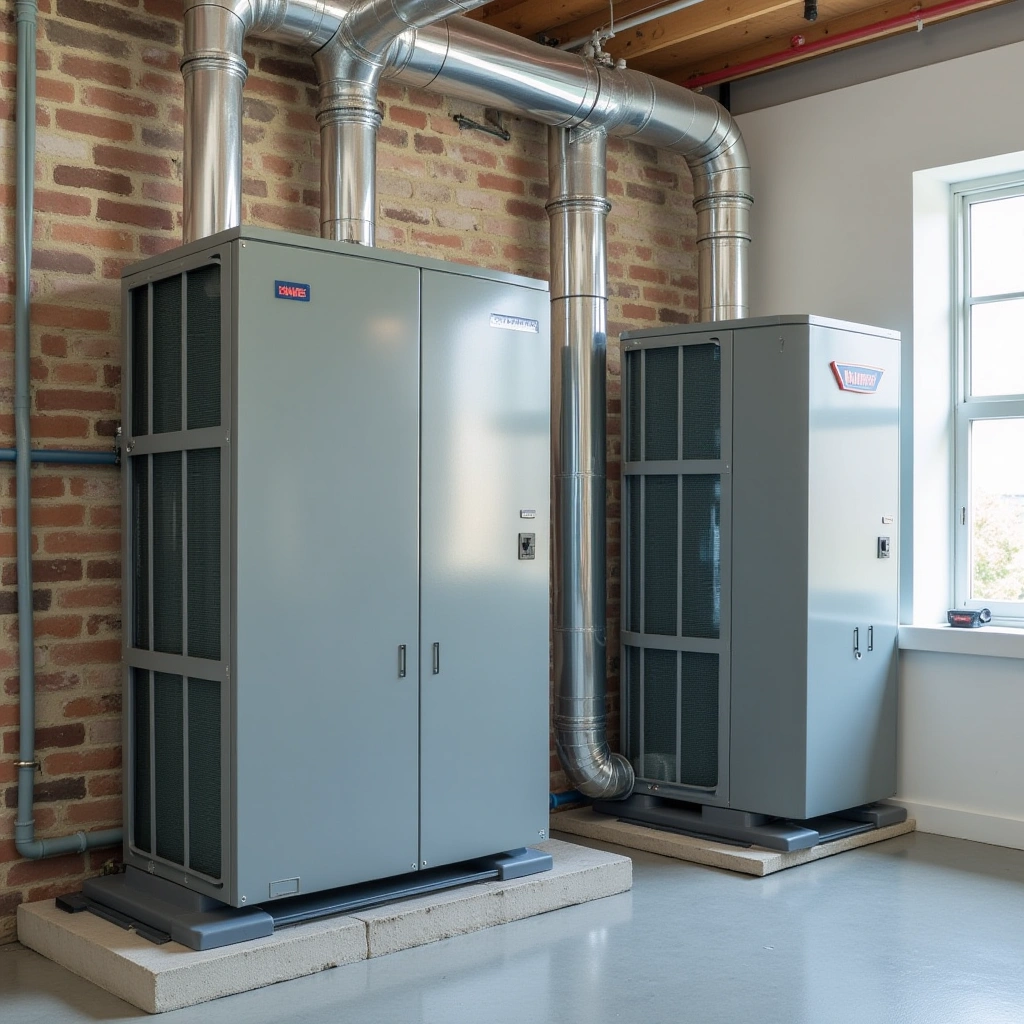
    First off, what exactly is a heat pump? Think of it as that overachieving friend who can do it all. It can both heat and cool your indoor spaces, which is especially handy in places that experience all four seasons (looking at you, Midwest!). Unlike traditional heating systems that rely on burning gas, heat pumps use electricity to move heat from one place to another. In the winter, they pull warmth from the outside air (yes, even when it’s cold!) and transfer it indoors. In the summer, they do the opposite—cooling your home by moving heat outside. Talk about versatility!

    Now, let’s address the elephant in the room: climate change. With the world facing ever-increasing temperatures and erratic weather patterns, it’s about time we made some serious changes in how we heat and cool our homes. Heat pumps are considered a climate-friendly alternative since they can significantly reduce greenhouse gas emissions. They’re like the eco-warriors of the HVAC world, and who wouldn’t want to be friends with an eco-warrior?

    Not only are heat pumps better for the environment, but they also save builders time, complexity, and money. In a world where every penny counts (thanks, inflation), the last thing builders want is to complicate their lives with gas lines and ventilation systems. Ditching gas means fewer headaches and more straightforward installations. Builders can get those homes up and running faster than you can say “energy efficiency!”

    Plus, let’s be real: energy efficiency is the new black. Homebuyers are increasingly looking for properties that won’t just keep them cozy but also save them money on their utility bills. Heat pumps are known for their efficiency, often boasting a 300-400% efficiency rating. This means that for every unit of electricity they use, they can produce three to four units of heating or cooling. It’s like getting a buy-one-get-three-free deal—who doesn’t love a good bargain?

    But wait, there’s more! The technology behind heat pumps has improved leaps and bounds in recent years, making them more reliable and effective in extreme temperatures. No longer are they just for mild climates; they can handle the icy winters and sweltering summers like a champ. So, if you’re concerned about your future heat pump breaking down when the temperature dips below freezing, fear not! These appliances are ready for the challenge.

    In conclusion, as we move further into the 2020s, it’s clear that heat pumps are here to stay. With a growing trend towards sustainability in home building and a desire for energy efficiency, it’s no surprise that these climate-friendly appliances are becoming the norm. So, whether you’re a builder, a homeowner, or just someone who appreciates a good pun, it’s time to embrace the heat pump revolution. Because let’s face it, when it comes to heating and cooling your home, why settle for ordinary when you can have extraordinary? Stay warm (or cool), my friends!


    Inspired by: “In 2025, 53% of new apartment buildings and 48% of new houses in the US came equipped with heat pum…” (r/climatechange)

  • The Art of Restraint: Why ‘Just Because You Can’ Isn’t Always Enough

    The Art of Restraint: Why ‘Just Because You Can’ Isn’t Always Enough

    Restraint is not the absence of feeling, but the voluntary governance of emotion, language, and power by judgment. It represents the deliberate choice not to use available force or expression, distinguishing it from weakness or repression by requiring the presence of potential action that is consciously withheld. This discipline is essential because civilization and moral maturity depend on channeling instinct into form rather than acting on every impulse. While the capacity to act is necessary, exercising restraint ensures that actions are measured, respectful, and aligned with long-term goals rather than short-term gratification or chaos.

    Have you ever heard the phrase, “Just because you can, doesn’t mean you should”? It’s one of those nuggets of wisdom that sounds like it was plucked straight from a fortune cookie, yet it holds a treasure trove of truth, especially in a city like Melbourne where the creativity flows like coffee from a barista’s hand. Today, we’re diving into this concept, sparked by a Reddit post that got people thinking—and perhaps chuckling—about the consequences of our choices.

    Now, let’s face it: Melbourne is a city bursting with ideas. From street art that makes you go, “Wow, that’s a lot of color for a brick wall,” to the myriad of food options that tempt you to try everything from kangaroo burgers to fusion sushi. But with all this opportunity comes the undeniable truth that not every idea is a good idea.

    Picture this: you’re at a café, and you see someone ordering a coffee that’s been infused with everything from lavender to chili. Sure, it’s Instagrammable, but does it actually taste good? Sometimes, the answer is a resounding no. Just because you can create a concoction that looks like a unicorn threw up doesn’t mean it’s going to delight your taste buds.

    This principle extends beyond food and coffee, though. Think about fashion choices. Melbourne is known for its eclectic style, where it’s totally acceptable to wear a beanie with a tuxedo. But let’s be real—sometimes, less is more. Just because you can rock a neon green fur coat with rainbow crocs doesn’t mean you should. Unless you’re going to a costume party, then by all means, go wild!

    And let’s not forget about the digital realm. Social media gives us the power to share every single thought and moment. But just because you can post a 20-minute rant about your neighbor’s cat doesn’t mean you should. Trust me, your followers will thank you for sparing them the details of Mr. Whiskers’ latest antics.

    Now, don’t get me wrong, creativity and self-expression are vital in a place like Melbourne, where the arts scene thrives. But there’s a fine line between being avant-garde and just plain ridiculous. It’s all about knowing your audience and understanding the context of your actions.

    So, the next time you’re faced with a decision, whether it’s about what to post online or how to dress for a night out, ask yourself: is this going to contribute positively to my life or the lives of those around me? Will it spark joy, or will it just leave people scratching their heads?

    In conclusion, while Melbourne encourages us to embrace our quirky sides, let’s not forget the wisdom behind the saying, “Just because you can, doesn’t mean you should.” Sometimes, a little restraint can go a long way. And who knows? You might just end up being the trendsetter who knows when to hold back, leaving everyone else wondering how you manage to look effortlessly cool while they’re busy trying to pull off their latest outrageous idea. Cheers to that!


    Inspired by: “Daniels, Just because you can, does not mean you should….” (r/melbourne)

  • The 1.5°C Warning: Should We Panic or Just Keep Chilling?

    The 1.5°C Warning: Should We Panic or Just Keep Chilling?

    The Earth has temporarily exceeded the 1.5°C threshold in recent years, with the 2023–2025 average reaching 1.48°C above pre-industrial levels, signaling that a long-term breach is likely within the next decade. While scientists emphasize that every fraction of a degree matters and that impacts escalate continuously rather than at a specific "cliff edge," remaining below this limit significantly reduces the risks of extreme weather, sea-level rise, and irreversible ecosystem collapse. Current emissions trajectories suggest the remaining carbon budget for a 50% chance of staying below 1.5°C will be exhausted by 2030, making rapid, stringent cuts to greenhouse gases critical to minimizing damage.

    So, it seems like the United Nations has decided to drop a little bombshell on us with a report that warns we might breach the global warming limit of 1.5°C within the next few years. Cue the dramatic music and the collective gasp from climate enthusiasts and skeptics alike. If you’re like me, you might be wondering: how did we get here, and more importantly, what does it mean for our planet and our future?

    First off, let’s clarify what this 1.5°C limit is all about. Think of it as the planet’s version of a ‘no more cake’ rule at a birthday party. The 1.5°C threshold was established in the Paris Agreement, which is basically a global treaty where countries decided to play nice and try to keep global temperatures from rising too much. The idea is that if we let temperatures rise beyond this limit, we’re looking at some pretty dire consequences—like extreme weather, rising sea levels, and a general sense of doom and gloom. Yikes!

    Now, according to the UN report, we’re on track to hit this limit sooner than your average person can say, ‘Wait, what’s climate change again?’ It’s a bit like being told that your favorite ice cream shop is running out of your favorite flavor—only this time, the flavor is a livable planet.

    But let’s break down what this means. The report highlights that our current efforts to curb greenhouse gas emissions are about as effective as trying to put out a fire with a squirt gun. Sure, we’ve made some progress, but it’s not nearly enough to stave off the impending doom. Countries around the world are still heavily relying on fossil fuels like they’re a comforting old blanket, which is a problem because, spoiler alert, that blanket is on fire.

    Now, you might be thinking, ‘Okay, so what can we do about it?’ Great question! Here’s where it gets interesting. While individual actions like recycling and using reusable bags are great (and we should absolutely keep doing them), it’s going to take a lot more than that to make a dent in this crisis. We need systemic changes—think policies that promote renewable energy, electric vehicles, and sustainable agriculture. It’s like trying to convince your friend to stop eating junk food; you need to tackle the whole diet, not just the candy bars.

    And let’s not forget about the importance of holding corporations accountable. They’re the ones who have been pumping out greenhouse gases like it’s going out of style. If we really want to make a difference, we have to demand that these companies adopt cleaner practices. After all, it’s not like they’re going to change just because we ask nicely.

    In the meantime, we can’t lose hope. There are plenty of innovations happening in the climate space—solar panels are becoming more efficient, electric cars are becoming more mainstream, and people are finally starting to talk about climate change like it’s the hot topic at a dinner party (which, let’s be honest, it should be!).

    So, as we face the reality of potentially breaching the 1.5°C limit, it’s time to buckle up and get serious about climate action. We can’t just sit back and wait for someone else to save the day. It’s going to take all of us, from individuals to governments to corporations, to step up and make meaningful changes. Because if there’s one thing we can all agree on, it’s that we’d prefer not to live on a planet that resembles a giant oven.

    In conclusion, while the UN’s warning is undoubtedly alarming, it’s also a call to action. Let’s roll up our sleeves and get to work. After all, we don’t want to be the generation that let the planet go up in flames—literally. So, what are you waiting for? Let’s save the world, one small step at a time!


    Inspired by: “UN Report Warns Global 1.5°C Warming Limit Will Be Breached ‘Within the Next Few Years’” (r/climatechange)

  • Goodbye Possum Family: A Roof Adventure in Melbourne

    Goodbye Possum Family: A Roof Adventure in Melbourne

    Possums are protected under the Wildlife Act 1975, meaning they cannot be harmed or kept in cages, which complicates removal efforts for homeowners. In Melbourne, the two primary species are the brushtail possum and the smaller ringtail possum, both of which require humane removal if they cause damage. Professional removalists typically use one-way flap systems to allow possums to exit voluntarily, avoiding the stress of trapping, while illegal baiting can result in fines of up to $6,000.

    Ah, possums—those adorable little marsupials that seem to think your roof is just a fancy five-star hotel. If you’ve ever found yourself sharing your living space with a family of possums, you know that it can be quite the experience. Recently, a Reddit user from Melbourne shared their own encounter with a family of possums that took up residence in their roof for a month. Spoiler alert: they finally left after some good old possum proofing. Let’s dive into this furry saga, shall we?

    First off, let’s talk about the star of the show: the mumma possum. According to the post, she was quite the hefty lady, which may explain why she felt entitled to commandeer someone’s roof. I mean, who wouldn’t want to lounge around on a nice, cushy ceiling instead of roughing it in the wild? It’s like a possum version of ‘The Real Housewives’—drama, family, and a whole lot of squabbling over territory.

    Now, living with possums isn’t all bad. These creatures are nocturnal, so while you’re trying to get some beauty sleep, they’re busy rummaging through your attic like they’re on a scavenger hunt. You might wake up to the sounds of tiny claws scuttling across the beams, which is great if you enjoy the thrill of a surprise horror movie at 3 AM. Just imagine the adrenaline rush!

    But let’s be real, after a month of uninvited guests, even the most patient person is going to want to reclaim their space. Enter the magical world of possum proofing. This is not just a fancy term for throwing a bunch of pillows in your attic and hoping for the best. No, possum proofing involves a series of strategic measures designed to keep these critters out for good. We’re talking about sealing up holes, installing barriers, and perhaps even hiring a professional who can give those possums a stern talking-to.

    The Redditor’s journey to possum proofing must have been quite the adventure. Imagine climbing up ladders, sealing gaps, and possibly yelling at the possums to get a job and stop freeloading. It’s a family affair—one that ultimately ends with the possums packing their bags and taking their business elsewhere.

    Once the possums finally vacated, it must have felt like a bittersweet victory. On one hand, peace and quiet returned to the house. On the other hand, you can’t help but feel a little bad for the little critters. After all, they were just looking for a cozy spot to hang out with their family. But hey, this is life; sometimes you have to choose between comfort and sanity.

    In conclusion, if you ever find yourself with a family of possums in your roof, remember this Melbourne tale. There’s a way to reclaim your space without resorting to extreme measures. Just be patient, get that possum proofing done, and you might find yourself with a roof that’s possum-free and peaceful once more. And who knows? You might even miss the little rascals—until the next time they decide your attic is the place to be.

    So, here’s to the possums of Melbourne: may they find a new roof to call home, and may your home remain possum-proof for years to come!


    Inspired by: “Had this family of Possums in my roof for the last month. Finally left after possum proofing was in…” (r/melbourne)

  • The Super El Niño: Warming Up the Himalayas Faster Than Your Morning Coffee

    The Super El Niño: Warming Up the Himalayas Faster Than Your Morning Coffee

    A Super El Niño is defined by sea surface temperatures in the tropical Pacific rising at least 2°C above average, a rare threshold last seen in the late 1990s that significantly amplifies global weather disruptions. This event releases vast amounts of ocean heat into the atmosphere, temporarily boosting global temperatures and intensifying the hydrological cycle, which exacerbates extreme weather events like severe droughts and flooding in vulnerable regions.

    So, let’s talk about something that’s been making waves—literally and figuratively—in the climate change conversation: the Super El Niño. You might be wondering, “What is this Super El Niño thing, and why should I care?” Well, settle in because we’re about to dive into how this weather phenomenon could turbocharge warming in the Himalayas. Spoiler alert: it’s not good news.

    First off, let’s break down what El Niño is. Imagine a giant warm ocean wave that decides to crash into the coast of South America, disrupting weather patterns across the globe. Sounds fun, right? Well, it can be, if you’re a surfer. For the rest of us, it can lead to all sorts of climate chaos, including droughts, floods, and, you guessed it, increased temperatures.

    Now, when we say “Super El Niño,” we’re talking about an El Niño that’s gone full superhero mode. It’s not just your average warm ocean wave; it’s the Hulk of ocean waves. This phenomenon can lead to more extreme weather events, and guess where the effects are particularly pronounced? You guessed it—high-altitude places like the Himalayas.

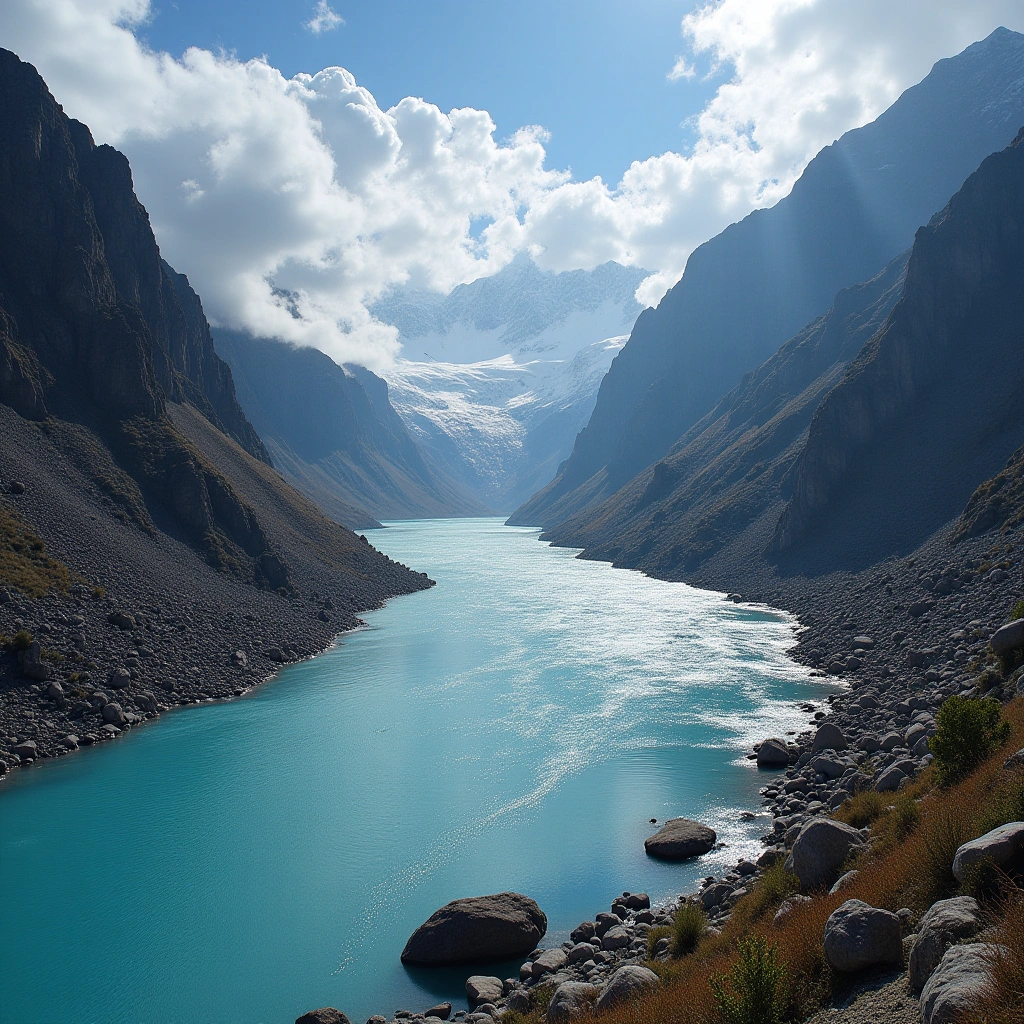
    The Himalayas, often dubbed the “Third Pole” because they hold the largest reserves of ice outside the Arctic and Antarctic, are already feeling the heat. Research indicates that these majestic mountains are warming at an alarming rate, and the arrival of a Super El Niño could accelerate this process. Warming temperatures can lead to glacial melt, which might sound fun for a summer getaway but is actually a disaster waiting to happen. We’re talking about rising sea levels, altered river flows, and increased risks of landslides. Basically, it’s a recipe for chaos.

    But how does this all tie back to our oceanic friend, the Super El Niño? Well, it’s all about the atmospheric changes that come with it. The increased heat from the ocean can alter wind patterns and precipitation, pushing warm air and moisture into the Himalayas. This leads to more rain in some areas and less in others, which can disrupt the delicate balance of the ecosystem. Imagine if your favorite dessert suddenly started tasting like cardboard—nobody wants that.

    And let’s not forget about the local communities. The people living in and around the Himalayas depend on the glaciers for their water supply. As these glaciers shrink, it won’t just be a problem for Instagram photos; it will impact agriculture, drinking water, and overall livelihoods. Talk about a double whammy!

    Now, you might be thinking, “Okay, but isn’t this just another climate change scare tactic?” Well, to that, I say: Have you seen the news lately? The evidence is mounting faster than the snow on Everest. Scientists are keeping a close eye on the situation, and while we can’t say for sure how bad it will get, the consensus is clear—things are heating up, and not in a good way.

    So, what can we do about it? For starters, we can educate ourselves and others about these issues. Knowledge is power, after all. We can also support policies aimed at reducing carbon emissions and investing in renewable energy. And if you’re feeling particularly ambitious, why not take a moment to reflect on your own carbon footprint? Just maybe skip that extra flight to Bali this year.

    In conclusion, the Super El Niño is no laughing matter when it comes to the warming of the Himalayas. It’s a complex interplay of ocean and atmospheric conditions that could have far-reaching consequences. So, let’s keep our eyes on the horizon and maybe, just maybe, do our part to address climate change before it’s too late. Because if the Himalayas start to melt like ice cream on a hot day, we’re all in for a sticky situation.


    Inspired by: “How the super El Niño could turbocharge warming in the Himalayas” (r/climatechange)

  • Welcome to the Daily Discussion Thread: Your Go-To Spot for Melbourne Chit-Chat!

    Welcome to the Daily Discussion Thread: Your Go-To Spot for Melbourne Chit-Chat!

    The r/Melbourne daily discussion thread serves as a central hub for locals and visitors to share real-time updates, personal anecdotes, and community feedback. These threads often feature recommendations for dining, nightlife, and cultural events, reflecting the city’s vibrant social scene. By aggregating diverse perspectives, the forum helps users navigate Melbourne’s diverse neighborhoods, from the CBD laneways to suburbs like St Kilda and Brunswick.

    Hey there, fellow Melburnians! Or should I say, Melbourne enthusiasts? Welcome to the r/Melbourne Daily Discussion Thread, where the coffee is strong, the conversations are lively, and the weather is, well, unpredictable—just like your friend who insists they can handle spicy food but ends up sweating bullets at the first bite.

    So, what’s the deal with this daily thread? It’s a cozy little corner of Reddit where you can drop in for a casual chat about whatever tickles your fancy. Maybe you’ve got a burning question about the best laneway for brunch, or perhaps you just want to share your thoughts on the latest footy match. Whatever it is, this is the place for it!

    Now, let’s talk about the first and most important rule of this thread: respect. We’re all sharing this beautiful land of Melbourne, and it’s crucial to acknowledge the Traditional Owners of the land. So, a big shoutout to the Aboriginal and Torres Strait Islander cultures, as well as the Elders past and present. We wouldn’t be here enjoying our flat whites without their ongoing connection to the lands, waters, and communities. And that’s not just me trying to sound deep; it’s genuinely important.

    If you’re new here or perhaps just a bit shy, don’t fret! This thread is the perfect place for newcomers to introduce themselves. It’s like a welcome party but without the awkward small talk about the weather—because let’s be honest, we all know it’s going to rain at some point this week. So, why not save that chat for a more riveting topic?

    Got a research or survey request? You guessed it! This is also the spot to ask the community for help. Just make sure it’s relevant to Melbourne; we don’t want to hear about your cousin’s cat’s diet plan unless it somehow ties into the local pet trends.

    And for all you tourists out there, welcome! If you’re wondering where to find the best hidden gems in the city, this thread is your treasure map. Just drop your questions, and the locals will swoop in like superheroes—cape optional.

    Oh, and a quick reminder: Lifeblood Australia is always looking for blood donations. If you’re feeling generous and want to save some lives, consider giving a little of your time (and blood). Just think of it as a way to contribute to the community and, who knows, you might just get a cookie or a juice box in return!

    So, whether you’re here to seek advice, share your thoughts, or just have a good old natter about life in Melbourne, dive right in! Let’s keep it fun, friendly, and full of Melbourne spirit. And remember, if all else fails, we can always bond over our mutual love for coffee and the occasional tram delay. Happy chatting, everyone!


    Inspired by: “It’s the r/Melbourne daily discussion thread [Thursday 03/09/2026]” (r/melbourne)