Category: Human Interest

  • The 1.5°C Challenge: Can We Really Overshoot and Still Be Okay?

    The 1.5°C Challenge: Can We Really Overshoot and Still Be Okay?

    Global temperatures have already briefly breached the 1.5°C threshold, making temporary overshoot inevitable under current policies. Recent UN reports indicate that while the original goal of avoiding this limit entirely is no longer feasible, the peak warming is still projected to remain below 2°C if nations act rapidly. The critical factor is minimizing the duration and magnitude of this exceedance to prevent irreversible climate tipping points, such as ice sheet collapse or Amazon dieback. Achieving a return to 1.5°C requires not just net-zero emissions, but active carbon removal to draw down atmospheric CO2, transforming the climate strategy from simple avoidance to managed recovery.

    Ah, the 1.5°C climate goal. It’s like the gold star of the climate change world. We all want it, but achieving it feels like trying to get your cat to take a bath—nearly impossible and a little messy. Recent discussions have brought up a concept that’s both intriguing and a bit concerning: overshooting the 1.5°C target. So, what does it mean to ‘meet’ this goal from above, and what implications does it have for our dear planet?

    First off, let’s break down what we mean by ‘overshoot.’ Essentially, it’s the idea that for a brief period, we might exceed the 1.5°C increase in global temperatures, only to bring it back down later. Imagine you’re at a party, and you take one too many cupcakes (or, let’s be real, it’s always one too many). You know you’ll regret it later, but in the moment, it feels so good. That’s kind of like overshooting the climate goal. We might hit 1.6°C or even 1.7°C for a hot second (pun intended), but we have to find a way to bring it back down.

    Now, why is this a big deal? Well, overshooting could have some serious implications. For starters, it could lead to more extreme weather events. Think of it as Mother Nature throwing a temper tantrum because we couldn’t stick to the plan. More hurricanes, wildfires, and floods are on the table if we don’t keep our act together. And let’s be honest, we’re already juggling enough chaos without adding more extreme weather to the mix.

    Another issue with overshooting is the potential for long-term impacts on ecosystems. We’re talking about coral reefs bleaching out faster than you can say ‘climate change’ and species going extinct at a rate that would make your head spin. These ecosystems are like the delicate balance of a seesaw, and if we push too hard on one side, well, let’s just say it might not end well.

    But wait, there’s a silver lining! The idea of overshooting also comes with the notion of carbon capture and storage technology. Think of it as the adult version of cleaning up your messy room. If we can develop and deploy these technologies effectively, we might be able to suck that excess carbon dioxide back out of the atmosphere and mitigate some of the damage we’ve done. It’s like having a magical vacuum cleaner for our planet’s atmosphere. If only it were that easy, right?

    Then there’s the matter of policy and international cooperation. The climate crisis doesn’t have borders, and we can’t just put up a ‘No Trespassing’ sign to keep the carbon out. Countries need to work together, and that’s often easier said than done. Will nations rally together to tackle the overshoot challenge, or will it be like herding cats? Spoiler alert: herding cats is much easier.

    In conclusion, while the idea of overshooting the 1.5°C target is certainly a topic worth exploring, it’s not without its risks. We need to be proactive, not reactive. The stakes are high, and the consequences of inaction could be dire. So, as we navigate this climate conundrum, let’s remember that it’s not just about hitting a number; it’s about ensuring a livable planet for future generations. Now, who’s ready to tackle this cupcake of a challenge head-on?


    Inspired by: “Overshoot: Exploring the implications of meeting 1.5C climate goal ‘from above’ – Carbon Brief” (r/climatechange)


  • China’s CO2 Emissions Take a Dive: What It Means for the Planet

    China’s CO2 Emissions Take a Dive: What It Means for the Planet

    China’s CO2 emissions have been flat or falling for 21 consecutive months, marking the first sustained decline driven by clean energy expansion rather than an economic slowdown. This trend suggests emissions may have peaked earlier than the 2030 target, with record renewable deployment outpacing electricity demand growth and reducing reliance on coal. While this structural shift is critical for limiting global warming, challenges remain in the chemicals sector, where emissions rose by 12% in 2025, offsetting some gains in power and transport.

    So, it looks like China is throwing a bit of a curveball in the climate change debate. According to a recent analysis from Carbon Brief, the country’s CO2 emissions plummeted in the second quarter of 2026, and guess what? It’s mostly because they’re using less oil. Yes, you heard that right—less oil! I know, it sounds like the plot of a sci-fi movie where the world suddenly decides to be responsible.

    Now, let’s break this down. China has long been seen as the heavyweight champion of carbon emissions, and for good reason. With its massive population and booming industrial sector, it has been top of the leaderboard for CO2 emissions for years. But in a surprising twist, it seems the nation is taking steps to curb that title, at least for the moment. Could it be that they’ve finally realized that the air isn’t supposed to look like a scene from a dystopian novel?

    The fall in emissions can largely be attributed to a significant decrease in oil usage. This doesn’t mean they’ve gone fully hippie and started riding bicycles everywhere (although that would be quite the sight). Instead, it appears that China is investing more heavily in renewable energy sources, electric vehicles, and possibly even some good old-fashioned energy efficiency measures. Who knew that being eco-friendly could actually be a thing?

    One of the most fascinating aspects of this drop is the impact it has on global emissions. As China reduces its carbon footprint, it sends ripples through the international community. Other countries might feel a little pressure to step up their game. After all, if the world’s largest emitter can start making changes, what’s stopping the rest of us? Maybe we’ll see a domino effect where countries start competing to cut emissions faster than a toddler can throw a tantrum when they don’t get their way.

    Of course, we have to take this news with a grain of salt. While this reduction is encouraging, it’s important to remember that one quarter of good news doesn’t erase years of bad habits. Just like one salad doesn’t make you a health guru, a few months of reduced emissions doesn’t mean China is off the hook. There’s still a long road ahead, and the world will be watching closely to see if this trend continues or if they decide to revert to their old ways like a cat that suddenly decides it hates water.

    In the grand scheme of things, this could be a pivotal moment for global climate action. It raises questions about how other nations will respond, how the global economy might shift, and whether the trend will last beyond a few months. Will China continue to invest in cleaner technologies, or will they revert to their old habits once the spotlight dims?

    In conclusion, while we should celebrate this drop in emissions, let’s not pop the champagne just yet. We’ve seen many a false dawn in the fight against climate change. But hey, at least for now, we can take a moment to appreciate that even the biggest polluter on the planet can make a change. Who knows, maybe the rest of us should take notes. After all, if China can cut down on oil, maybe we can all learn a little something about reducing our carbon footprints. And if nothing else, it gives us a glimmer of hope that the planet isn’t completely doomed just yet. Cheers to that!


    Inspired by: “Analysis: China’s CO2 emissions fall in Q2 2026 due to plummeting oil use – Carbon Brief” (r/climatechange)
  • Victoria’s Underquoting Crackdown: What’s the Deal with Reserve Prices?

    Victoria’s Underquoting Crackdown: What’s the Deal with Reserve Prices?

    Victoria is introducing Australian-first laws requiring real estate agents to publish a property’s reserve price at least seven days before an auction or fixed-date sale to combat illegal underquoting. These reforms, set to pass in 2026, aim to protect buyers from misleading price guides by ensuring the advertised price aligns with the vendor’s actual minimum acceptable amount. Failure to disclose the reserve within this timeframe will prohibit the agent from proceeding with the auction or sale.

    If you’ve been paying any attention to the Melbourne real estate scene lately, you might have stumbled upon the term “underquoting.” No, it’s not a new trendy diet or a hipster coffee order; it’s actually a practice that’s been raising eyebrows and, more importantly, raising questions about reserve prices in Victoria. So, grab your favorite beverage, and let’s dive into this topic with all the seriousness of a cat meme.

    First off, what is underquoting? In simple terms, it’s when real estate agents quote a price that’s lower than what the property is likely to sell for in order to attract more buyers. Think of it like telling your friends that a movie is “okay” just to get them to come along, only to realize it’s actually an Oscar-worthy masterpiece. Agents use this tactic to lure in potential buyers with the promise of a bargain, but it often leads to disappointment when the final sale price skyrockets beyond the initial quote.

    In Victoria, the government has decided it’s had enough of this deceptive practice. Enter the underquoting crackdown! They’ve rolled out new regulations aimed at increasing transparency in the real estate market, which is great news for buyers who were previously left feeling like they were in a game of real estate roulette. The aim is to ensure that buyers know what they’re getting into and aren’t just being lured in by a shiny, low price.

    But wait, there’s a twist! With these new rules, there’s been a lot of chatter about reserve prices. A reserve price is the minimum amount a seller is willing to accept for their property at auction. It’s like the secret password to the bouncer at the hottest club in town—if you don’t meet it, you’re not getting in. The issue here is that with the crackdown on underquoting, many agents are now faced with the dilemma of how to set these reserve prices without falling foul of the new regulations.

    Some agents are scratching their heads, trying to navigate this tricky landscape, while others are looking for loopholes like they’re in a game of Monopoly and just landed on Boardwalk. The fear is that in an effort to comply with the crackdown, reserve prices might shift upward, making properties even less accessible for first-time buyers. It’s a classic case of trying to fix one problem and inadvertently creating another. Kind of like trying to fix your hair and ending up looking like you just walked through a wind tunnel.

    So, what does this mean for you, dear reader? If you’re in the market for a new home, you might need to do a little more research than usual. Keep your eyes peeled for those reserve prices because they could be the difference between snagging your dream home or being left standing in the auction room wondering what just happened.

    In conclusion, while the underquoting crackdown is a step in the right direction for transparency in Victoria’s real estate market, it’s also a reminder that the world of property buying is as complex and unpredictable as trying to assemble IKEA furniture without the instructions. So, whether you’re a seasoned investor or a first-time buyer, stay informed, ask questions, and maybe keep a backup plan in your pocket—just in case.


    Inspired by: “Victoria’s underquoting crackdown raises questions on shifting reserve prices” (r/melbourne)

  • Building Homes for the People: A Quick Solution to Melbourne’s Housing Crisis

    Building Homes for the People: A Quick Solution to Melbourne’s Housing Crisis

    Melbourne faces a severe housing crisis driven by stringent planning policies that have restricted density, resulting in a projected shortfall of 1.3 million homes over the next few decades. Current solutions are shifting toward build-to-rent developments and upzoning transport hubs to increase density in established suburbs, while innovative projects like the Make Room conversion demonstrate how repurposing vacant commercial buildings can rapidly provide housing for those experiencing homelessness.

    If you’ve been anywhere near Melbourne recently, you might have noticed that finding a decent place to live is about as easy as winning the lottery while juggling flaming torches. The housing market is tighter than a pair of skinny jeans after the holidays, and working people are feeling the pinch more than ever. So, what’s the solution? Well, according to a recent Reddit post, it seems we need to build more homes, and fast!

    Now, before you roll your eyes thinking, “Oh great, another housing development that’s going to look like a block of cheese,” let’s chat about how we can make this work for the people who actually need it.

    The Current State of Housing in Melbourne

    To put it simply, Melbourne’s housing market is in a bit of a pickle. Prices have skyrocketed, rents are through the roof, and working folks are left scrambling for any roof at all. If you’re a young professional or a family just trying to make ends meet, the prospect of homeownership might feel like a distant dream—like that time you thought you could actually finish a whole pizza by yourself. Spoiler alert: you can’t.

    The Need for Speed: Building Homes Quickly

    So, how do we tackle this housing dilemma? The answer lies in building more homes, and doing it quickly. It’s not rocket science, folks! By streamlining the construction process, cutting through the red tape, and maybe even using some of those fancy new building technologies—think of them as the IKEA of home construction—we could see homes popping up faster than you can say “affordable housing.”

    Imagine a world where you could actually find a place to live without having to sell a kidney. We could build smaller, yet functional homes that are affordable for working people. You know, the ones who keep the city running, not the ones hoarding multiple properties like they’re playing a real-life game of Monopoly.

    Community Involvement: Because It’s Not Just About Buildings

    But wait, there’s more! It’s not just about slapping up a few walls and calling it a day. We need to think about community. Housing developments should be designed with the people in mind. This means incorporating parks, schools, and public transport options. Because let’s face it, no one wants to live in a concrete jungle where the only thing to do is stare at your neighbor’s wall.

    The Role of Government and Developers

    Now, I know what you’re thinking: “Oh great, here comes the government to save the day!” But hear me out. If local government and developers could work together, we might just have a fighting chance. Incentives for building affordable housing, reducing unnecessary regulations, and maybe even some tax breaks could encourage developers to focus on what really matters—people, not profits.

    A Hopeful Future

    In a city as vibrant and diverse as Melbourne, we have the potential to create a community where everyone can thrive, not just those with deep pockets. More homes built faster for working people isn’t just a catchy slogan; it’s a necessary step toward a fairer society.

    So, let’s rally together, folks! Whether it’s joining a community meeting, voicing your opinions on social media, or just having a good old-fashioned chat with your neighbor, every little bit helps. Who knows, maybe we can turn this housing crisis into a housing solution—one home at a time.

    In conclusion, let’s build homes not just for the sake of building, but for the people who truly need them. After all, everyone deserves a place to call home. And if we do it right, we might just create a Melbourne that’s not only livable but thriving. Now, who’s ready to roll up their sleeves and get to work? You bring the coffee, and I’ll bring the blueprints!


    Inspired by: “More Homes Built Faster For Working People” (r/melbourne)

  • When Arson Meets Instant Karma: A Cautionary Tale

    When Arson Meets Instant Karma: A Cautionary Tale

    The phrase likely conflates two distinct literary works: Khushwant Singh’s satirical short story "Karma" (1989), which depicts ironic retribution against a colonial mimic, and "Instant Karma" (2020), a young adult novel by Marissa Meyer featuring a protagonist who gains the power to exact swift justice. Additionally, "The Snot Goblin – A Cautionary Tale 3" is a separate fantasy narrative about karmic consequences for deceit. Arson is mentioned in the search context only as a separate forensic case study, with no direct link to these specific "Instant Karma" titles.

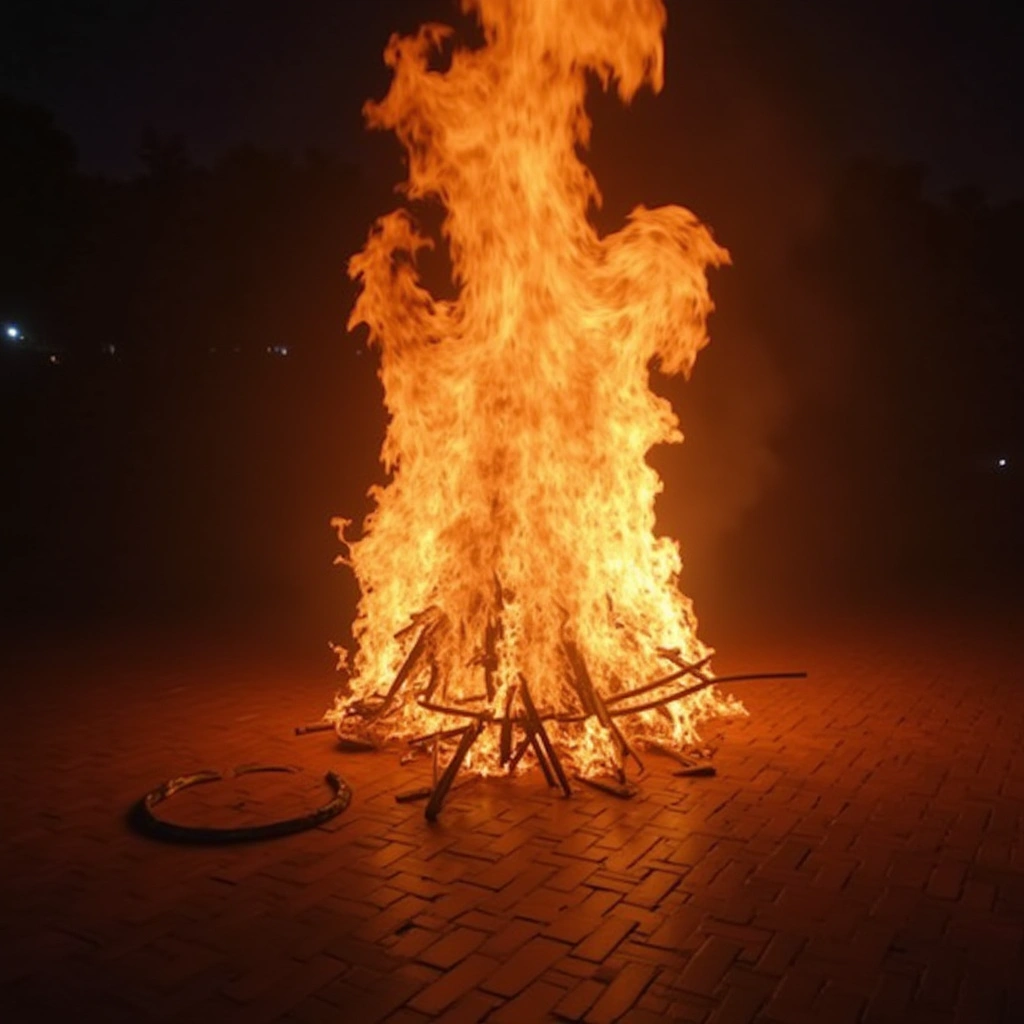
    In a plot twist straight out of a bizarre crime drama, a suspected arsonist in Melbourne recently learned the hard way that playing with fire can lead to some pretty fiery consequences. Yes, you read that right—a fireball, followed by screams of agony, sounds like the opening scene of a horror movie, but it’s actually a real-life incident that has left many scratching their heads and rolling their eyes at the sheer absurdity of it all.

    So, let’s break this down. According to reports, this aspiring villain had a grand plan to torch a tobacco shop. Now, I’m not one to judge anyone’s career choices, but really? Arson? In broad daylight? It’s almost as if he thought he was the star of a low-budget action flick, complete with a slow-motion explosion. Spoiler alert: it didn’t quite go as planned.

    Instead of a dramatic getaway, what he got was a face full of flames and a one-way ticket to the hospital. Now, I’m not saying that karma is a thing, but it sure seems to have a funny way of showing up when you least expect it. I mean, if you’re going to attempt to commit a crime, maybe don’t go full pyromaniac on it. Just a thought.

    Witnesses reported seeing a fireball erupt from the store, followed by what can only be described as the soundtrack of a horror movie—screams of agony. It’s not every day you get to witness a crime scene turn into a slapstick comedy routine in real-time. I can only imagine the bewildered expressions on the faces of bystanders as they tried to process the chaos unfolding before them.

    The irony here is delicious. This guy was likely hoping to make a quick buck by setting fire to a tobacco shop, but instead, he ended up in a hospital bed, nursing burns and probably a bruised ego. Let’s face it, he’s going to need more than a band-aid for that one.

    As the authorities investigate, it’s hard not to feel a mix of disbelief and amusement. Who knew that Melbourne would become the backdrop for such a ludicrous tale? It’s almost as if the universe decided to intervene and remind us all that crime doesn’t pay—especially when you’re not very good at it.

    For anyone considering a life of crime, let this serve as a warning: If you’re going to set things on fire, make sure you know what you’re doing. Or better yet, maybe just stick to less hazardous hobbies. Knitting, anyone?

    In conclusion, while the details of this incident may be shocking, they also serve as a reminder that sometimes, life has a way of giving you a taste of your own medicine. So, here’s to the suspected arsonist—may you recover quickly and find a new passion that doesn’t involve fire, flames, or, you know, felony charges. Cheers!


    Inspired by: “A fireball, then screams of agony: Suspected arsonist fights for life after botched tobacco shop at…” (r/melbourne)

  • Finding the Perfect Fishing Vest in Melbourne: A Quest for Comfort

    Finding the Perfect Fishing Vest in Melbourne: A Quest for Comfort

    Choosing the perfect fishing vest requires prioritizing bilateral weight distribution and breathable mesh to prevent spine torque and ensure comfort during long shifts on the water. Experts recommend looking for a proper fit, sufficient pockets for gear, and materials that keep you cool in warm conditions. This approach transforms the vest from a simple storage locker into a mobile workbench designed for all-day wear.

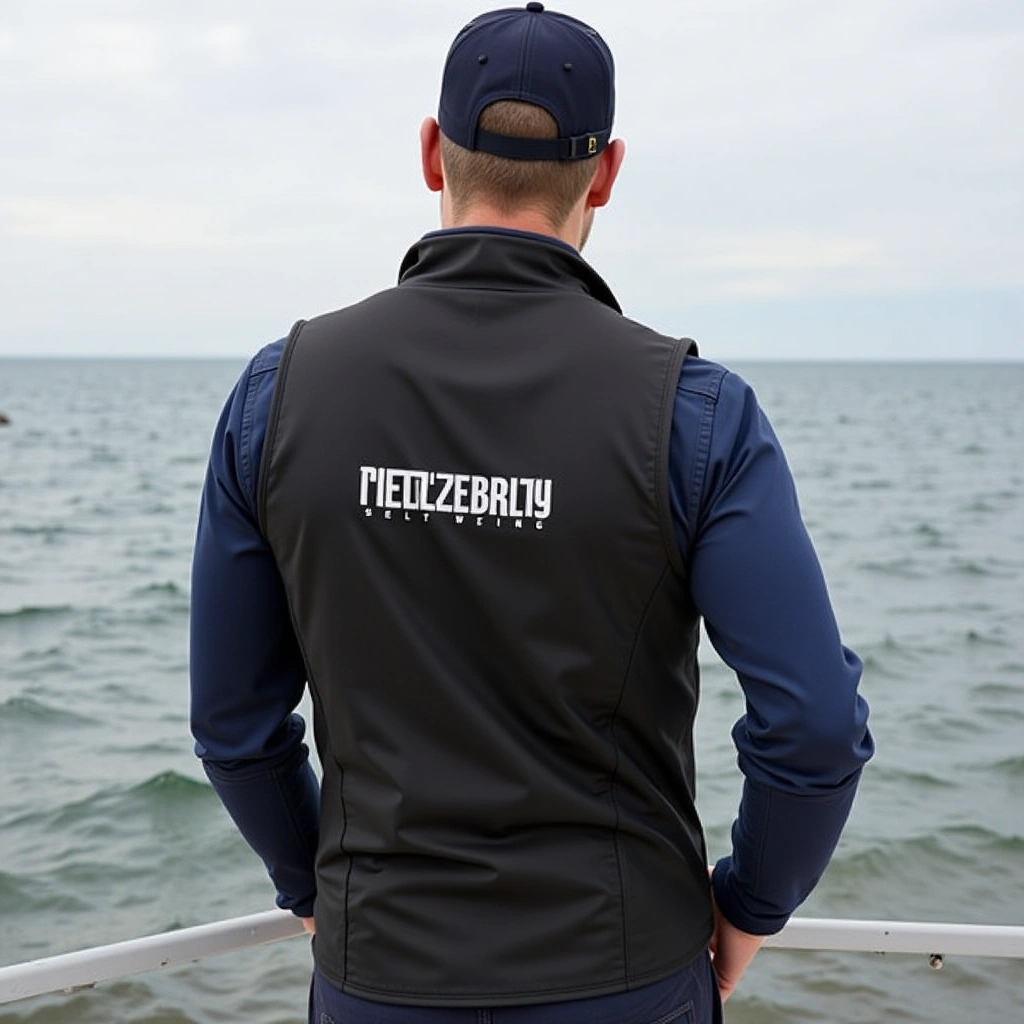
    Ah, the fishing vest – a garment that has seen its fair share of fashion faux pas but remains a staple for anglers everywhere. If you’re in Melbourne’s northern suburbs and you’re on the hunt for a fishing vest that doesn’t make you look like you just walked out of a 90s sitcom, you might be in for a bit of a challenge. But fear not! Let’s dive into this quest together.

    First off, let’s address the elephant in the room: not all fishing vests are created equal. Some are light and breathable, while others feel like you’re wearing a sleeping bag. And when you’re shopping for someone with sensory sensitivities, like your autistic 21-year-old, it’s crucial to find the right fit and fabric. Nobody wants to be out on a fishing trip, feeling like they’re being hugged by a cactus.

    So, where to start? You might think that a big box store like Ray’s Outdoors, BCF, or Anaconda would have a plethora of options. However, if you’ve been there, you know that the selection often leans heavily towards the ‘puffy vest’ category. I mean, who knew fishing was such a chilly sport? If you’re looking for something more streamlined, you might find yourself out of luck.

    But don’t throw in the towel just yet! There are still some local gems in the northern suburbs that you can check out. One option is to visit smaller specialty stores that focus on outdoor gear. They tend to have a more curated selection, and the staff might even know what they’re talking about. Imagine that!

    Another tip is to check out second-hand stores. You might just stumble upon a vintage fishing vest that’s not only functional but also a conversation starter. Plus, it’s eco-friendly – you’ll be saving the planet one old vest at a time. Just make sure to give it a good sniff before you buy; you never know what kind of fishy business it’s been involved in.

    If you’re still struggling, consider online shopping with the option of in-store pickup. Many retailers allow you to order online and try on in-store, so you can avoid the dreaded ‘I bought it online, but it doesn’t fit’ situation. Just be sure to check the return policy because, let’s be real, sometimes things just don’t work out.

    In conclusion, finding the right fishing vest in Melbourne’s northern suburbs is like fishing itself – it requires patience, a bit of strategy, and sometimes a little bit of luck. But with a little perseverance, you’ll find that perfect vest that combines comfort with functionality. And who knows, maybe you’ll even enjoy the process. Just remember, if all else fails, there’s always the option to go vest-less. After all, who needs a vest when you have a good fishing rod and a dream?


    Inspired by: “Fishing vests – at a bricks and mortar store.” (r/melbourne)

  • Navigating the Confusion: The Merging Lane Madness at St Kilda Road and the Arts Centre

    Navigating the Confusion: The Merging Lane Madness at St Kilda Road and the Arts Centre

    St Kilda Road is a major transport corridor featuring separated bike lanes that were officially commissioned in September 2022 along the kerb in service lanes, replacing earlier rejected central-road concepts. This infrastructure overhaul aimed to resolve long-standing safety issues, including dangerous "doorings" and tram conflicts, by providing protected cycling facilities from Linlithgow Avenue at the Arts Centre to St Kilda Junction. The project followed a decade of advocacy and government delays, culminating in a $30.5 million investment to separate cyclists from motor traffic and improve intersection safety.

    Ah, Melbourne traffic. A symphony of horns, the sweet sound of frustration, and a dance of vehicles that sometimes resembles a game of Twister. If you’ve been cruising down St Kilda Road lately, you might have noticed some changes that are causing more confusion than a cat in a dog park. Yes, dear readers, we’re talking about the merging lane situation near the Arts Centre.

    So, what’s the deal? Well, it seems the powers that be have decided that the merging lane heading into the city needed a little facelift. Perhaps they thought it was looking a bit too bland, or maybe they just wanted to spice things up a bit. Whatever the reason, they’ve made some changes, and let’s just say it’s not going as smoothly as they might have hoped.

    The problem? The new lane changes aren’t exactly winning any awards for clarity. Drivers are left scratching their heads, wondering if they’ve accidentally entered a game of “choose your own adventure.” One moment you’re happily cruising along, and the next, you’re faced with a U-turn lane that seems to be saying, “Surprise! You didn’t see this coming, did you?”

    Now, you might think, “Well, surely there must be signs to guide these poor, bewildered souls.” And you’d be right! There are indeed signs put up before the National Gallery of Victoria (NGV) to help navigate this newfound chaos. However, it seems that these signs might as well be written in ancient hieroglyphics for all the good they’re doing. People are still going straight when they should be making that U-turn, creating a delightful scene of confusion that could rival a slapstick comedy.

    It’s almost like a rite of passage now – if you can navigate the new merging lane without ending up in the wrong lane, you’ve officially earned your Melbourne driver’s badge. And if you do get caught in the wrong lane? Well, let’s just say you’ll have a story to tell at the next brunch with your friends. “So there I was, heading into the city, and suddenly I found myself making an unexpected U-turn like I was in some sort of vehicular game show!”

    In all seriousness, though, it’s a bit concerning that such a fundamental aspect of traffic flow could be so poorly communicated. We all know that Melbourne’s traffic is already complicated enough without adding surprise U-turns to the mix. It’s like trying to solve a Rubik’s cube while blindfolded – tricky at best, and maddening at worst.

    So, if you’re planning a trip down St Kilda Road, just remember to stay alert, keep your eyes peeled for those signs, and maybe even practice your best U-turn skills. Who knows? You might just end up impressing your passengers with your newfound ability to navigate Melbourne’s ever-changing streets.

    In conclusion, while the merging lane changes at the Arts Centre may not have been executed with the precision of a Swiss watch, we can only hope that the city will take note of the confusion and make adjustments accordingly. Until then, let’s all keep our cool behind the wheel and maybe invest in a good GPS – or a trusty map, if you’re feeling adventurous. Happy driving, Melbourne!


    Inspired by: “St Kilda Road / Arts Centre merge lane changes.” (r/melbourne)

  • The Quest for Kyrgyzstan Money Exchange in Melbourne: A Comedy of Errors

    The Quest for Kyrgyzstan Money Exchange in Melbourne: A Comedy of Errors

    The provided search context does not contain information regarding a specific event, story, or guide titled "The Quest for Kyrgyzstan Money Exchange in Melbourne." The available sources focus on general travel guides for Kyrgyzstan, detailing its local currency, the som, and exchange practices within the country itself. Melbourne is not mentioned in the context as a location for Kyrgyzstan currency exchange, nor is there any reference to a comedic narrative involving this specific transaction. Consequently, no background context for this specific title can be derived from the provided sources.

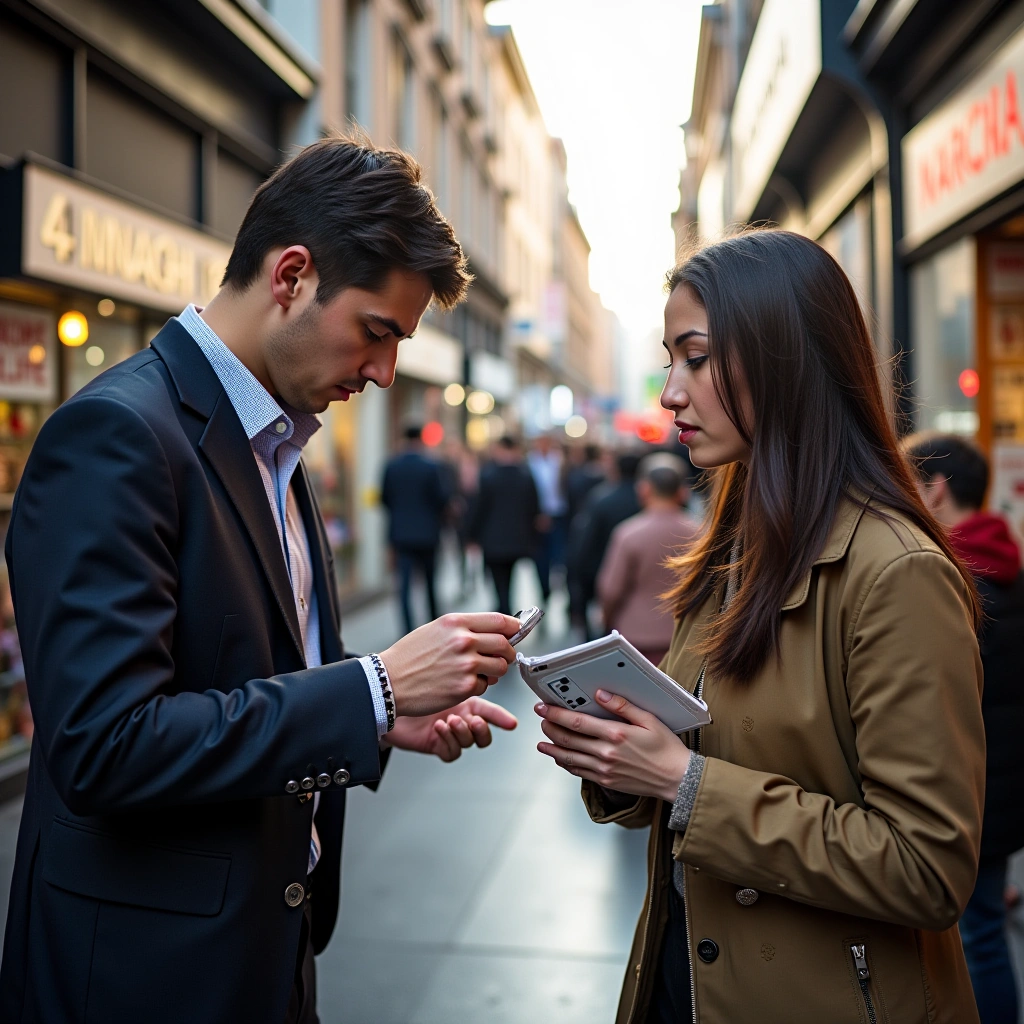
    If you’ve ever found yourself in a foreign land, falling in love with the culture, the people, and perhaps even the food, only to return home with a pocket full of currency that nobody seems to recognize, then you’re in good company. Our friend from Reddit, u/ladiesman218, recently faced this very dilemma after a trip to Kyrgyzstan. They returned to Melbourne with a cool $180 AUD worth of Kyrgyz SOM (COM for short), only to find themselves in a currency exchange conundrum.

    Now, let’s take a moment to appreciate the beauty of Kyrgyzstan. It’s a stunning place, filled with breathtaking mountains, rich history, and a culture that makes you feel all warm and fuzzy inside. But when it comes to currency exchange, it’s like trying to convince your cat to take a bath—good luck with that!

    After spending some time in the UK, where apparently the currency exchange gods were not smiling upon our traveler, they returned to Melbourne, hoping for a better fate. Spoiler alert: they were still pretty much out of luck. The struggle to convert Kyrgyz SOM into AUD is real, folks.

    For those of you who might be wondering why there isn’t a Kyrgyz SOM exchange booth on every corner in Melbourne, let’s just say that the currency isn’t exactly a household name. In fact, you might have better luck finding a unicorn than a currency exchange that deals with SOM.

    So, what’s a traveler to do? Firstly, you could try your luck at some of the larger banks in Melbourne. While they might not have SOM on their exchange list, it’s worth asking if they can help you out, or at least give you some advice on what to do with your leftover cash. You might even get lucky and find a bank teller who has been to Kyrgyzstan and can offer you a sympathetic ear.

    Another option is to check out specialized currency exchange stores. Some of these places cater to a more diverse clientele, and while they might not advertise Kyrgyz SOM specifically, it’s always worth a shot. Just walk in confidently and ask, “Excuse me, do you exchange Kyrgyz SOM?” If they look at you like you just asked them to do a backflip, well, you may need to adjust your approach.

    And let’s not forget the possibility of online exchanges. There are platforms that allow you to convert currency digitally, so you might find a way to convert your SOM into something that people actually recognize. Just be mindful of any fees—they can sneak up on you like a cat when you’re least expecting it.

    In the end, if you find yourself still holding onto that Kyrgyz SOM, consider keeping it as a souvenir. It’s a great conversation starter, especially when you’re relaying tales of your adventures in Kyrgyzstan. Plus, it might just inspire someone else to visit this hidden gem of a country.

    So, if you’re planning a trip to Kyrgyzstan and need some SOM, hit up u/ladiesman218. They’ve got your back—and your currency! Just remember, when you come back home, you might need to get creative with your exchange options. Good luck, and may the odds of currency conversion be ever in your favor!


    Inspired by: “Kyrgyzstan money exchange in Melbourne?” (r/melbourne)

  • A Sweet Nostalgia: The Search for Brunetti’s Chocolate Chip Biscuit Recipe

    A Sweet Nostalgia: The Search for Brunetti’s Chocolate Chip Biscuit Recipe

    Brunetti’s is a well-known Italian bakery and café chain, particularly famous in Seattle, that serves chocolate chip biscotti as a staple treat. The search for their specific recipe often stems from a desire to recreate the hard, crunchy, and buttery texture associated with traditional Italian biscotti. Many enthusiasts look for versions that balance this classic crunch with the sweetness of chocolate chips, aiming to capture that nostalgic, café-style experience at home.

    Ah, childhood memories! They often come wrapped in a warm blanket of nostalgia, and for many of us, they’re sprinkled with the sweet aroma of freshly baked cookies. If you’ve ever lived in Melbourne, you might be familiar with Brunetti’s, the iconic Italian café that’s been a staple of the city’s dessert scene. One Reddit user, known as u/unconfirmedpanda, recently shared a story that resonates with many of us who grew up in Melbourne, and it’s all about a lost recipe card for chocolate chip biscuits from Brunetti’s.

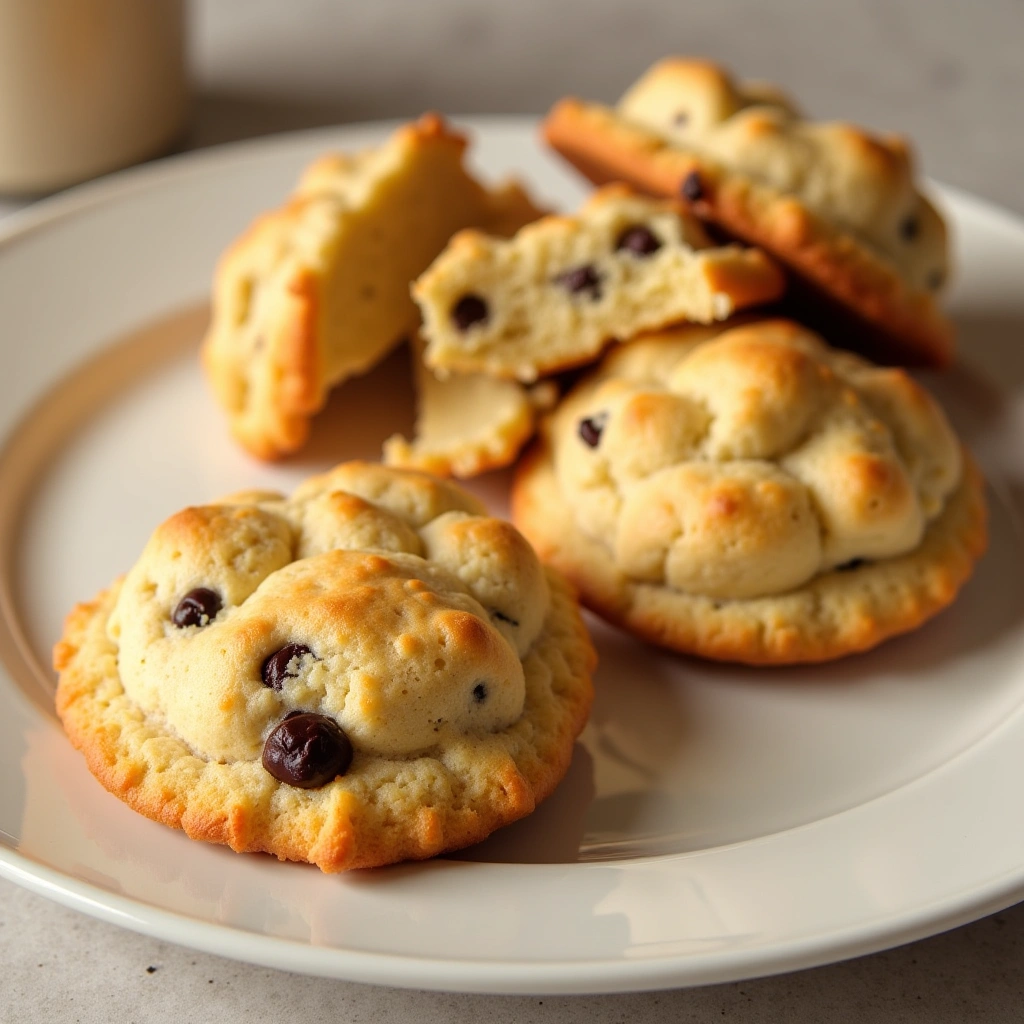
    Imagine this: a little bookmark-shaped recipe card, lovingly preserved, holding the secret to the only chocolate chip biscuits your family could tolerate. These weren’t just any cookies; they were sacred, a cherished part of the family repertoire. But alas, during a move (because who doesn’t love the chaos of packing?), that precious card went MIA. Cue the dramatic music.

    Now, here’s where the story takes a bittersweet turn. The submitter’s sister is currently dealing with some serious health issues and has a craving for those childhood biscuits that just won’t quit. That’s right—nothing says ‘I love you’ like baking your sibling their favorite cookies when they’re feeling down. So, u/unconfirmedpanda is on a quest, calling out to the Reddit community for help in tracking down that elusive recipe.

    They’ve even gone so far as to reach out to Brunetti’s directly, but apparently, the café is too busy serving up their delectable pastries to respond. I mean, who wouldn’t want to be surrounded by the heavenly scent of tiramisu and panna cotta instead of dealing with recipe requests?

    This brings us to a much larger point: the power of food in our lives. Food has a way of connecting us to our past, our families, and even our identities. It’s not just about ingredients or baking times; it’s about the memories that come with each bite. Whether it’s your grandma’s secret lasagna recipe or your favorite childhood cookies, those flavors often define our experiences.

    So, what can we do in times like these? First off, if you happen to have a copy of Brunetti’s chocolate chip biscuit recipe lying around, do the right thing and share it with u/unconfirmedpanda. You could be the hero that saves the day, or at least saves the cookie cravings. And if you don’t have the recipe, maybe you could whip up your own version of chocolate chip biscuits. After all, who doesn’t love a bit of experimentation in the kitchen? Just be prepared for the possibility that your version might not hold a candle to Brunetti’s, but hey, it’s the thought that counts, right?

    In the end, it’s more than just cookies; it’s about love, family, and the memories we create around food. So, let’s keep our fingers crossed that u/unconfirmedpanda finds that recipe or at least manages to bake something that brings a smile to their sister’s face. And next time you find yourself in Melbourne, don’t forget to stop by Brunetti’s for a taste of nostalgia—you might just find a new favorite treat to add to your own family’s recipe card.


    Inspired by: “Brunetti’s Recipe Card” (r/melbourne)

  • The Skyscraper Dilemma: Sunshine vs. Skyline in Melbourne

    The Skyscraper Dilemma: Sunshine vs. Skyline in Melbourne

    Melbourne’s skyline is Australia’s tallest and most concentrated, driven by a flat geography and a dense, centralized urban structure that contrasts with Sydney’s more decentralized, sprawling layout. While Melbourne is statistically smaller than Sydney according to official census data, its compact central business district creates a visually impressive "Manhattan-like" cluster of high-rises, including the 297-meter Eureka Tower. This density allows for a dramatic, iconic skyline, whereas Sydney’s historic building height restrictions and geographic constraints have traditionally resulted in a shorter, more spread-out urban profile.

    Ah, Melbourne—home to coffee culture, quirky laneways, and some of the tallest skyscrapers you can find outside of, well, New York. But if you’ve been following the news (or browsing Reddit, because who reads news anymore?), you might have stumbled upon a post about a massive skyscraper that’s just popped up in front of some unsuspecting apartment buildings. It raises an important question: how are the tenants doing?

    Let’s take a moment to picture this: you’ve got your cozy little apartment, perhaps with a view of the Bolte Bridge, and then BAM! A towering behemoth of concrete and glass suddenly blocks your precious sunlight. For those who lived there before the construction, it must have felt like they were in a slow-motion horror movie where every day a little more light disappears.

    During the pandemic, when we were all stuck at home, it must have been a special kind of torture to look out your balcony and see nothing but an empty construction site. You’d think that if you’re stuck indoors, at least you could enjoy a bit of natural light, right? But nope, that was not in the cards. Instead, they might have been left with a lovely view of a wall of steel and a constant reminder of the construction noise.

    Now, fast forward to today: what’s it like living in the shadow of a skyscraper? One can only imagine the mixed feelings. On one hand, you might be thrilled that your apartment just got a new neighbor who’s probably going to bring in a bunch of fancy restaurants and shops (because let’s face it, no one wants to walk more than five minutes for a good coffee). On the other hand, you might be thinking, “Great, I now live in a cave.”

    So, let’s break it down: sunlight. Or, as some might call it, “that thing we used to enjoy before our view was obstructed.” Are these tenants now bathed in darkness, or has the new skyscraper somehow worked its magic and allowed some rays to sneak through?

    If I were in their shoes, I’d be standing on my balcony with a magnifying glass, inspecting every inch of the sky for any signs of light creeping in. Maybe they’ve developed some sort of bizarre ritual involving sun lamps and reflective surfaces to maximize their exposure. Hey, desperate times call for desperate measures!

    And let’s not forget the social aspect. Living in a building that suddenly has a skyscraper looming over it could lead to some interesting conversations among tenants. “Hey, did you see the new building?” “Yeah, it’s blocking my view of the sunset, but at least I can hear the construction workers yelling at each other!”

    In conclusion, while the tenants might miss their sunshine, they’ve also gained a new neighborhood vibe. Plus, they can now say they live in a ‘prime location’—at least until the next skyscraper goes up right next to them. So, to all the tenants out there, how are you doing? Are you surviving the lack of sunlight, or have you embraced your new life as a resident of a concrete jungle? Let us know!

    In the meantime, may your coffee be strong and your sunshine be slightly less obstructed!


    Inspired by: “Massive skyscraper was built in front of these apartment buildings, tenants how are you doing?” (r/melbourne)