Category: Human Interest

  • Why Tough Methane Cuts Are Crucial for Keeping Warming ‘Well Below’ 2°C

    Why Tough Methane Cuts Are Crucial for Keeping Warming ‘Well Below’ 2°C

    In a new study, published in Communications Earth & Environment, we offer a different perspective that “decouples” CO2 and methane reduction and takes global warming limits as a starting point for determining the required level of methane cuts. We show that, even under the most ambitious existing national net-zero targets, an absence of methane reduction leads to peak warming that exceeds 1.85C above pre-industrial levels. The study highlights that, to limit peak warming to well-below 2C, net-zero CO2 targets must be complemented by stringent methane emissions cuts.

    When it comes to climate change, the focus often leans heavily on carbon dioxide, and for good reason—it’s the heavyweight champion of greenhouse gases. But like any good boxing match, there are other contenders in the ring, and one of them is methane. Yes, that same methane that’s emitted from our beloved cows and, let’s be honest, our less-than-beloved garbage dumps. Let’s dive into why cutting methane emissions is not just a good idea, but an essential strategy if we want to keep global warming ‘well below’ that scary 2°C mark.

    First off, let’s talk about what methane really is. Methane (CH4) is a potent greenhouse gas that can be over 25 times more effective than CO2 at trapping heat in the atmosphere over a 100-year period. So, while carbon dioxide may be the long-term player, methane is the sprinter—quick and powerful, but it doesn’t stick around as long. It has a lifespan of about a decade in the atmosphere, which means that reducing methane emissions can have a much more immediate impact on global warming. Talk about a win-win!

    Now, you might be wondering, ‘Why should I care about methane? Isn’t it just cow farts and landfills?’ Well, yes, but also no. Methane emissions come from a variety of sources, including oil and gas operations, agriculture, landfills, and even the waste treatment processes we so often overlook. In fact, the oil and gas industry is a significant contributor, leaking methane during extraction and transportation. So, while we can’t blame the cows entirely, they certainly aren’t helping the situation.

    The Intergovernmental Panel on Climate Change (IPCC) has made it clear: if we want a fighting chance to limit warming to 1.5°C, we need to cut methane emissions by at least 30% by 2030. This isn’t just some arbitrary number thrown out there to sound impressive. It’s a scientifically grounded target that could help slow down the rate of warming and buy us some much-needed time to transition to renewable energy sources.

    But, of course, this is easier said than done. Implementing tough methane cuts requires regulatory frameworks, technological innovation, and a willingness from industries to invest in cleaner practices. And let’s be honest, the oil and gas sector hasn’t always been the most cooperative partner in this dance. But if we want to keep our planet from turning into a sauna, it’s time to put our foot down and demand action.

    So, how can we achieve these cuts? For starters, we can improve leak detection and repair systems in the oil and gas industry. New technologies, like drones and infrared cameras, can help pinpoint leaks that were previously invisible to the naked eye. Additionally, we can invest in better waste management practices and promote sustainable farming techniques to reduce methane emissions from agriculture.

    And let’s not forget about the role of policy. Governments around the world need to step up and enforce stricter regulations on methane emissions. This isn’t just an environmental issue; it’s a public health issue too. Reducing methane can lead to cleaner air and better health outcomes for communities living near industrial sites.

    In conclusion, tackling methane emissions is crucial if we want to keep global warming in check. It’s not just about saving the planet for future generations (though that’s a pretty good reason too); it’s about ensuring a livable environment for ourselves right now. So, the next time you hear someone downplay the importance of methane in our climate crisis, remind them that it’s not just a gas—it’s a game-changer. Let’s get serious about those tough cuts and steer our planet toward a cooler future. Because if we don’t, we might just find ourselves in a world where the only thing cooler than the planet is… well, nothing at all.


    Inspired by: “Why Tough Methane Cuts Are Crucial For Keeping Warming "Well Below" 2°C” (r/climatechange)

  • Flying High: The Future of All-Electric Aviation

    Flying High: The Future of All-Electric Aviation

    In the French Alps last summer, a plane set seven new world records. The two-seater aircraft climbed more than 20,000 feet in under two minutes, and reached speeds of 142 miles per hour . It flew nonstop for 300 miles.

    If you’ve ever daydreamed about flying in a plane powered entirely by electricity, you might want to sit down for this one. The aviation industry has just taken a giant leap into the future with the first test flight of the largest all-electric aircraft, and it cost just $5 worth of electricity. Yes, you heard that right. Five bucks! That’s less than what I spend on coffee in a week.

    Now, before you start picturing a bunch of over-caffeinated engineers in lab coats cheering like they just won the lottery, let’s break this down. The aircraft in question isn’t just a small glider or a fancy drone. We’re talking about a full-sized plane that has the potential to change the way we think about air travel.

    So, what makes this all-electric aircraft so special? For starters, it’s a step towards reducing the carbon footprint of aviation. Traditional planes guzzle jet fuel like it’s going out of style, and as we all know, fossil fuels are about as trendy as wearing socks with sandals. The shift to electric power could lead to a significant reduction in greenhouse gas emissions. And let’s face it, the planet could use all the help it can get right now.

    But it’s not just about being eco-friendly. The low operating cost is also a game-changer. $5 for a test flight? That’s a steal! Imagine if commercial flights could operate at such low costs. Airlines might finally be able to offer cheaper tickets, instead of charging you an arm and a leg just to sit in a cramped seat next to someone who thinks the armrest is a personal space invader.

    Of course, there are challenges ahead. The technology is still in its infancy, and we’re not quite ready to see all-electric planes zipping across the skies like they’re in a sci-fi movie. Battery technology needs to advance, and we’ll need to figure out how to make these planes capable of longer flights without needing to stop for a charge like your phone does every night.

    But hey, every great invention started with a few bumps in the road. Remember when people thought the idea of a flying car was ridiculous? Well, now we’re just a few innovations away from making that a reality too. Maybe one day, instead of waiting for an Uber, you could just hop into your very own electric flying machine and soar above traffic. Talk about a commute!

    In conclusion, the first test flight of the largest all-electric aircraft marks a significant milestone in aviation history. While we may still be years away from seeing these planes in the skies full-time, it’s exciting to think about the possibilities. Not only could we be looking at a greener future, but we might also get to fly without breaking the bank. So, here’s to hoping that the next time you book a flight, you won’t have to sell a kidney to afford it. Fly electric, my friends!


    Inspired by: “First test flight of largest all-electric aircraft used just $5 of electricity” (r/climatechange)

  • China’s Solar Energy Milestone: A Bright Spot for the World’s Largest Greenhouse Gas Emitter

    China’s Solar Energy Milestone: A Bright Spot for the World’s Largest Greenhouse Gas Emitter

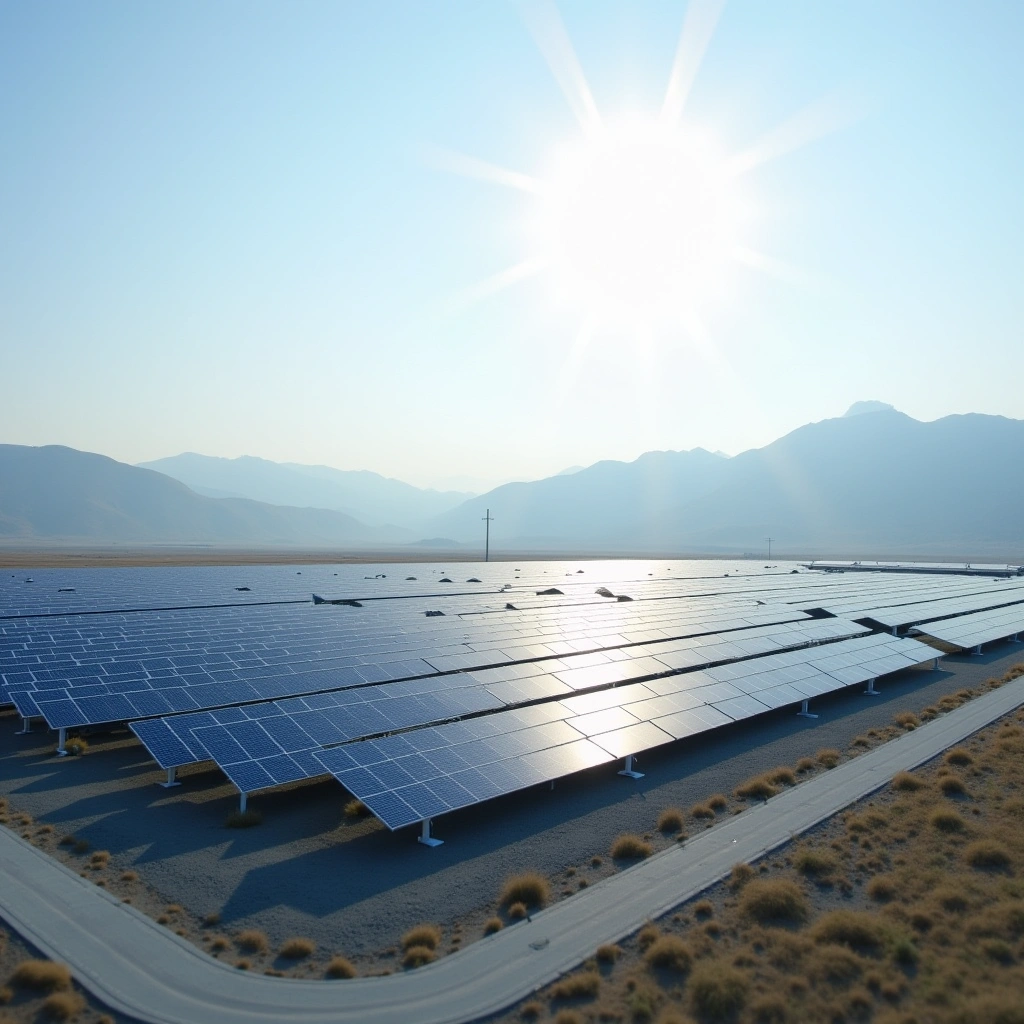
    China had about 1,288 gigawatts … energy administration … China is the world's largest annual greenhouse gas emitter, accounting for around 30% of global planet-warming emissions ….

    So, China has officially reached a solar energy milestone, and if you’re like me, you’re probably wondering what that means for the planet and the future of our climate. Let’s dive into the sunny side of this development!

    First off, let’s address the elephant in the room: China is the world’s largest greenhouse gas emitter. Yes, you heard that right. More than a teenager with a penchant for late-night gaming, China has been belching out carbon dioxide for years. But, in a twist that even Netflix couldn’t write, it seems that they’re also stepping up their game in the renewable energy sector.

    China recently announced a significant achievement in solar energy production, which is like finally getting your act together after a decade of procrastination. With an increase in solar capacity, they are not just throwing shade on their emissions but are actually making strides to reduce their carbon footprint. Think of it as a late-night revelation: “Maybe I should clean my room instead of binge-watching another season of that show!”

    Now, what does this mean for the rest of us? Well, for starters, it shows that even the biggest polluters can pivot towards cleaner energy. If China can do it, then maybe there’s hope for other countries too. After all, if the world’s factory can embrace solar power, perhaps your local government can muster the courage to install a few solar panels instead of just putting that ‘Save the Earth’ sticker on their gas-guzzling vehicles.

    But let’s not get ahead of ourselves. While this milestone is commendable, it’s important to remember that transitioning to renewable energy is a marathon, not a sprint. Just because China has made strides in solar energy doesn’t mean they’re suddenly going to stop spewing greenhouse gases like it’s a competitive sport. It’s like saying that just because you’ve started eating salads, you can now justify that extra slice of cake. Spoiler alert: You can’t.

    Moreover, it’s worth noting that solar energy alone won’t solve all of our climate problems. It’s a piece of a much larger puzzle. For China, this milestone could mean a shift in energy policy, increased investment in green technology, and perhaps even a little less coal being burned. Who knows? Maybe one day, we’ll look back and chuckle at how we thought smog was just a normal part of life.

    And let’s not forget the global implications. As China continues to ramp up its solar energy production, it could inspire other nations to follow suit. Imagine a world where countries are competing not just in economic power but in renewable energy achievements. It could be like the Olympics, but instead of medals, we get cleaner air and a healthier planet. Gold medal in solar energy? Yes, please!

    In conclusion, while we’re not popping the champagne just yet, China’s solar energy milestone is definitely a reason to raise an eyebrow—or at least a glass of something refreshing. It’s a step in the right direction, a flicker of hope in the climate change battle, and a reminder that even the biggest players can change their game. So, here’s to more solar panels, fewer emissions, and maybe—just maybe—a future where we don’t have to wear gas masks on our morning jogs. Cheers to that!


    Inspired by: “China reaches solar energy milestone — what does this mean for the world’s largest greenhouse gas e…” (r/climatechange)

  • Brace Yourselves: Global Heating is Coming for Us All

    Brace Yourselves: Global Heating is Coming for Us All

    The World Meteorological Organization also forecasts an overheating Arctic that warms nearly 3 degrees Fahrenheit (1.66 degrees Celsius) between now and 2030 and a dangerous drought with potential wildfires for the Amazon, a crucial part of …

    So, it looks like the UN has dropped a bit of a bombshell on us—global heating is projected to hit at least 1.8 degrees Celsius soon, and spoiler alert: there are no good outcomes. I mean, who knew that heating up the planet would have consequences? It’s not like we’ve been warned for decades or anything.

    Let’s break this down. The 1.8 degrees figure isn’t just some random number plucked out of thin air. It’s a threshold that scientists have been monitoring with the kind of intensity usually reserved for reality TV show finales. This increase is expected to lead to a cascade of environmental disasters that could make your last family vacation look like a walk in the park.

    You might be wondering, what are the ‘no good outcomes’ that the UN is so keen on mentioning? Well, let’s start with the obvious: rising sea levels. If you’ve ever wanted to live in a houseboat or dreamt of a vacation home in Atlantis, your dreams might just come true—though it won’t be quite as glamorous as you’d hope. Coastal cities around the world will be facing serious flooding, and I’m pretty sure most people don’t want to swap their beach umbrellas for life rafts.

    Then there’s the small matter of extreme weather events. Think hurricanes, droughts, and heatwaves—oh my! It’s like Mother Nature is throwing a tantrum, and we’re all invited to the party. These weather events will not only wreak havoc on our lives but will also impact agriculture and food security. So, if you thought that avocado toast was expensive now, just wait until it becomes a luxury item reserved for the elite.

    Let’s not forget about biodiversity. With habitats changing faster than a teenager’s mood, many species are at risk of extinction. It’s a bit like a game of musical chairs, but instead of chairs, it’s entire ecosystems, and spoiler alert: there aren’t enough chairs for everyone. The loss of biodiversity is not just sad; it’s a serious problem that can lead to the collapse of ecosystems, which, believe it or not, we kind of rely on.

    Now, you might be thinking, “Okay, but what can we do about it?” The truth is, there’s a lot we can do, but it requires a collective effort that sometimes feels like trying to herd cats. We need to reduce our carbon emissions, invest in renewable energy, and, dare I say it, reconsider our love affair with single-use plastics. Yes, I know, saying goodbye to those cute little straws is tough, but think of the planet!

    In conclusion, the UN’s warning is a wake-up call that we can’t afford to snooze on. The effects of global heating will touch every aspect of our lives, from the food we eat to the air we breathe. So, let’s get our act together, people! Or we might just find ourselves in a world where climate change is the least of our worries—because we’ll be too busy trying to find dry land.

    So, grab your reusable bags, plant a tree, and maybe skip that extra flight next time. The planet (and your future self) will thank you!


    Inspired by: “Global heating will hit at least 1.8 C, UN warns, with "no good outcomes"” (r/climatechange)

  • The Speed Limit Mystery: Navigating the Eastern Freeway Roadwork Confusion

    The Speed Limit Mystery: Navigating the Eastern Freeway Roadwork Confusion

    Eastern Freeway speed limits in Melbourne have been reduced to 80 km/h during the day and 40 km/h at night between Burke and Doncaster roads to facilitate major construction upgrades, including new express lanes and a dedicated busway. These temporary restrictions, which extend to Tram Road next year and remain in place until 2028, have sparked driver frustration and confusion regarding lane discipline and enforcement in work zones.

    Ah, the Eastern Freeway. A stretch of road that many Melburnians are all too familiar with. Whether you’re commuting to work, heading out for a late-night snack, or just trying to escape the chaos of city life, the Eastern Freeway has seen it all. But if you’ve ever driven down this freeway during roadwork, you might have found yourself scratching your head over the speed limits. It’s like playing a game of speed limit roulette, and spoiler alert: nobody wins.

    Let’s break it down. You’re cruising along, feeling the wind in your hair and the sweet taste of freedom as you hit 80 km/h. Life is good. But suddenly, out of nowhere, the speed limit drops to 40 km/h. You squint your eyes at the signs, thinking, “Is this a practical joke? Did I accidentally drive into a construction site from a parallel universe?” The truth is, it can be as confusing as trying to explain why a roundabout in Melbourne feels like a high-stakes game of chicken.

    So, what’s the deal with these fluctuating speed limits? According to the original Reddit poster, /u/lk2107_1, the Eastern Freeway seems to have a mind of its own. One moment you’re zooming along at the usual speed, and the next, it’s like the road is telling you to slow down for no apparent reason. And let’s be real, it’s not just a minor inconvenience; it can actually be quite dangerous. When you’re driving at the speed limit, and everyone else is flying past you like you’re stuck in a time warp, it can lead to some seriously awkward moments on the road.

    Now, some might argue that the changing speed limits are there for a reason. Maybe there’s construction work happening that you just can’t see. Or perhaps it’s a safety measure to keep everyone on their toes. But honestly, if there’s no visible work being done, why the sudden urge to drop the limit? It’s like telling someone to tiptoe through a minefield when you know there’s a picnic happening just a few meters away.

    And let’s not forget about lane closures. Oh boy, nothing sends drivers into a frenzy quite like unexpectedly losing two lanes of traffic. You might think, “Surely they must be doing something important!” But then you drive another 500 meters and see… absolutely nothing. Just a perfectly fine stretch of road. It’s like a bad magic trick where the rabbit never appears, and all you’re left with is confusion and a sense of betrayal.

    So, what’s the solution? How do we navigate this speed limit conundrum without losing our sanity? First, it might be worth keeping an eye on local traffic updates. Sometimes, these speed limit changes are temporary and based on specific conditions that might not be immediately obvious. But if you’re anything like me, you might be too busy Googling the latest cat memes to keep up with traffic news.

    Ultimately, as frustrating as it is, the best advice is probably to just stay alert and drive defensively. If you see a speed limit sign, don’t treat it like a suggestion. It might just be the freeway’s way of keeping you on your toes. And who knows, maybe one day the Eastern Freeway will settle down and stop playing hard to get. Until then, buckle up, stay safe, and keep your eyes peeled for those ever-changing signs. After all, driving isn’t just about getting from point A to point B; it’s also about enjoying the delightful chaos along the way. Happy driving!


    Inspired by: “Eastern Freeway – Roadwork Speed” (r/melbourne)

  • Why Churches Might Just Be Our Best Bet Against Heat Waves

    Why Churches Might Just Be Our Best Bet Against Heat Waves

    Churches are uniquely positioned to combat extreme heat because their historic, thick-walled masonry architecture naturally maintains cooler interior temperatures without relying on energy-intensive air conditioning. As heatwaves become more frequent and deadly, these buildings serve as accessible, trusted community hubs that provide safe refuge for vulnerable populations, including the elderly and unhoused, who often lack other cooling options. This practical adaptation leverages existing infrastructure to offer immediate relief and foster community resilience in the face of a warming climate.

    As summer rolls in and temperatures soar, many of us are left sweating like a sinner at a confession. But fear not! It seems our friendly neighborhood churches might have a new calling: cooling centers during those scorching heat waves. Yes, you heard that right. Churches could become your go-to refuge when the sun decides to unleash its fiery wrath.

    Now, you might be wondering, “Why churches? Are they not just for praying and singing hymns?” Well, yes, but they also have a lot of space, air conditioning, and most importantly, a whole lot of love for their community. The idea is simple: when the heat becomes unbearable, these holy havens could open their doors to provide relief for those who need it most—especially the elderly, the homeless, and anyone else who might be melting faster than ice cream on a hot sidewalk.

    In many places, heat waves have become a serious public health concern. According to the Centers for Disease Control and Prevention (CDC), excessive heat is a leading cause of weather-related deaths in the United States. So, it makes sense that we would look for ways to combat this issue, and what better place to cool off than a church? It’s like taking a mini-vacation without having to worry about packing your bags or finding a decent hotel.

    Let’s face it, churches are often equipped with large gathering spaces, and they usually have air conditioning—unless they’re stuck in the 1800s, in which case, they probably have a very different kind of cool factor. But for the rest of us, the idea of walking into a church, finding a seat, and enjoying the cool air while sipping on some water sounds like a pretty sweet deal. Plus, you might even get a sermon or two while you’re at it. Just think of it as a two-for-one special: hydration and inspiration!

    Of course, there are some logistical hurdles to consider. Not every church has the resources or the staff to manage a cooling center. Some might need a little nudge (or a lot of coffee) to get on board with this idea. But many churches already serve as community hubs, so it’s not a huge leap to imagine them stepping up during heat waves. It’s a chance for them to showcase their commitment to the community while also keeping people safe. Talk about a win-win!

    Moreover, this concept isn’t entirely new. During extreme weather events, many churches have already opened their doors to help those in need. So, why not make it a more permanent arrangement during heat waves? It could even encourage more people to engage with their local churches—who wouldn’t want to pop in for a chill session on a hot day?

    In conclusion, as we brace ourselves for another summer of sweltering heat, let’s keep our fingers crossed that more churches will embrace this cooling center idea. After all, we could all use a little divine intervention when the temperatures rise. And who knows? You might just find a new favorite spot to escape the heat, all while enjoying the sweet, sweet chill of air conditioning and maybe a little soul-saving inspiration. So, next time the heat wave rolls in, don’t forget: your local church might just be your coolest sanctuary yet!


    Inspired by: “Churches could become cooling centers during heat waves” (r/climatechange)

  • Why Gan Lan Choy Should Be Your New Kitchen Staple

    Why Gan Lan Choy Should Be Your New Kitchen Staple

    Gai lan (Chinese broccoli) is a year-round staple that offers a unique sweet yet slightly bitter flavor profile, making it distinct from standard broccoli. It is exceptionally nutrient-dense and lacks the oxalates found in spinach, which makes it a kidney-friendly choice for those managing arthritis or kidney stones. Its creamy texture when cooked pairs perfectly with savory sauces like oyster sauce, ensuring it becomes a versatile and healthy addition to any Asian-inspired meal.

    So, let’s talk about gan lan choy. If you’re scratching your head wondering what that is, you’re not alone. I just discovered it myself, and let me tell you—this stuff is like the secret sauce of the culinary world; it’s just waiting to be unleashed in your kitchen.

    Imagine this: you’re standing in your kitchen, staring at the same old jar of Vegemite, thinking, “Is this really all there is to life?” Enter gan lan choy, also known as gan lan cai if you’re feeling fancy and want to impress your Mandarin-speaking friends. It’s a jar of preserved mustard greens and Chinese olives that packs a punch of salty, oily, umami goodness that is nothing short of magical.

    Now, why do I liken it to Vegemite, you ask? Well, it’s black, salty, and has that umami kick that could wake the dead, but that’s where the similarities end. Vegemite is like that one friend who’s always a bit divisive at parties—some love it, some avoid it like the plague. Gan lan choy, on the other hand, is more like that universally loved character who brings chips to the gathering—everyone can appreciate it, and you just know it’s going to elevate the meal.

    Let’s get down to the nitty-gritty here. I recently purchased my first jar for about $5 (a steal, if you ask me) and decided to put it to the test. For dinner, I whipped up a quick meal with 2 teaspoons of gan lan choy, two hard-boiled eggs, and some good ol’ white rice. Honestly, it was a game changer. If you’re looking for thrifty meals, what’s cheaper than white rice? Watered down white rice, I suppose, but let’s not go there.

    But wait, there’s more! Did you know you can mix gan lan choy with Kewpie mayo? Yes, you heard that right. Suddenly, your sandwiches will go from boring to gourmet in just a few seconds. Or if you’re feeling adventurous, try it on a bao bun. Your taste buds will thank you, and your friends will be asking for the recipe. Just don’t tell them how easy it is; we wouldn’t want them to think you’re not a culinary genius.

    And let’s not forget about the nostalgia factor. This is the kind of thing that reminds you of home-cooked meals, like when your mum would toss it into congee (rice porridge, for those of you not in the know). It’s comforting, it’s familiar, and it’s a great reminder that sometimes the best meals come from simple ingredients.

    So, if you’re in Melbourne, or anywhere with a decent Asian grocery store, do yourself a favor and pick up a jar of gan lan choy. You’ll wonder how you ever lived without it. Plus, who doesn’t want to be the person who brings a little exotic flair to their kitchen? Embrace the gan lan choy revolution, and let your taste buds embark on a delightful journey. Trust me, your meals will never be the same again!


    Inspired by: “How has this not been a staple in my house?” (r/melbourne)

  • What Happens When a CEO Goes Rogue: The Case of James Pinder

    What Happens When a CEO Goes Rogue: The Case of James Pinder

    Former V/Line CEO James Pinder was sentenced to two years and eight months in prison for misconduct in public office after accepting $330,000 in secret bribes to award a $54 million cleaning contract to Transclean. The corruption scheme, uncovered by IBAC’s Operation Esperance between 2018 and 2020, involved Pinder leveraging his executive authority to favor specific providers in exchange for illicit payments. As a permanent resident rather than an Australian citizen, Pinder now faces deportation to the United Kingdom upon his release from jail.

    Well, folks, it seems like we have a juicy scandal on our hands! James Pinder, the former chief executive of V/Line, has found himself in quite the predicament—jailed and facing deportation over some rather dubious secret commissions. Talk about a plot twist that even the best soap operas would envy!

    Now, if you’re wondering how someone in such a high position could land themselves in hot water, you’re not alone. V/Line, which is essentially Victoria’s regional train and coach service, was supposed to be all about getting people from point A to point B smoothly and efficiently. But it turns out, Pinder might have had some other plans up his sleeve.

    According to reports, Pinder was involved in a scheme where he was allegedly pocketing secret commissions. That’s right—while the rest of us are just trying to figure out how to afford our daily lattes, this guy was allegedly raking in cash on the side. It’s almost impressive in a ‘how-did-you-think-you-could-get-away-with-that’ sort of way.

    So what led to this downfall? Well, it seems the authorities caught wind of his shady dealings, and the next thing you know, he’s being sacked from his position and escorted straight to jail. I guess the train of justice is running on time this time!

    As if being in jail isn’t enough of a wake-up call, Pinder is also facing deportation. Now, I’m not saying his choices have been questionable, but let’s just say he has officially taken the express route to a one-way ticket out of the country. It’s a classic case of ‘you made your bed, now lie in it’—but with a little more orange jumpsuit involved.

    The fallout from this scandal has been significant. V/Line is now under a microscope, and you can bet that the public is more than a little skeptical about their operations. Who knew that the guy who was supposed to be steering the ship was actually taking a detour into the murky waters of corruption?

    In the grand scheme of things, this situation serves as a reminder that even those at the top can fall hard. So, if you’re a CEO out there, take note: the higher you climb, the more likely you are to get a face full of karma. Or, in Pinder’s case, a face full of jail bars.

    In the end, while we can all sit back and shake our heads at this saga, it’s essential to remember the broader implications. Trust in leadership is crucial, especially in public services like transportation. So, here’s hoping that this incident serves as a catalyst for change and better oversight in the future. Because let’s face it, we all just want a smooth ride—without the drama of secret commissions and jail time.


    Inspired by: “Sacked V/Line chief executive James Pinder jailed and facing deportation over secret commissions” (r/melbourne)

  • The Curious Case of Setka: Faking His Way to a Small Fortune

    The Curious Case of Setka: Faking His Way to a Small Fortune

    John Setka, the disgraced former CFMEU leader, faces fresh charges for breaching court orders while being linked to Tyrone Bell, a sacked union delegate and former Mongols bikie, in a separate fraud probe. Bell is accused of faking safety qualifications to fraudulently obtain $424,000 from a major construction company, a claim that emerged alongside Setka’s recent arrest for menacing behavior toward union administrators. These developments highlight intensified law enforcement action against union corruption and criminality within the construction industry.

    Ah, the world of crime and punishment—where the lines between genius and foolishness are as thin as your average bank account after a night out. Today, we’re diving into the saga of one former bikie, Setka, who has recently found himself in a bit of hot water yet again. Yes, you guessed it; he’s facing fresh charges for allegedly faking his way to a whopping $424,000. That’s a lot of dough, even if it’s not quite enough to buy a small island in the Caribbean.

    Now, let’s set the scene. Setka, a name that sounds like it belongs in a gritty crime drama, has made headlines before. He’s no stranger to the law, and apparently, he’s also no stranger to the art of deception. The charges this time around? They revolve around some elaborate scheme that, according to authorities, involved a good deal of theatrical flair—think of it as a one-man show, except the ticket prices are a little higher, and the consequences are far more severe.

    So, how does one go about faking their way to nearly half a million dollars? Well, it seems Setka has a knack for creative storytelling and a flair for the dramatic. Reports suggest that he may have been pulling off some sort of con that involved convincing others of his financial woes. I mean, who hasn’t pretended to be broke to get a free meal or two? But this is a whole different level of pretending. We’re talking about scams that would make even the most seasoned con artists raise an eyebrow and think, “Wow, that’s ambitious.”

    Now, you might be wondering, where does this leave Setka? Well, with fresh charges come fresh opportunities for a courtroom drama that could put any reality TV show to shame. If there’s one thing we know about the legal system, it’s that it loves to drag things out longer than your uncle at a family reunion. Expect plenty of twists, turns, and perhaps a few unexpected plot twists that would make even the most cynical of viewers raise an eyebrow.

    But let’s not forget the real question here: how did Setka think he could get away with this? I mean, it’s not like the internet is devoid of information or that people don’t talk. It’s almost as if he believed he was the star of his own personal heist movie, complete with a soundtrack and dramatic lighting. Spoiler alert: in real life, the protagonists don’t always win.

    As the legal proceedings unfold, we’ll be keeping an eye on Setka’s next moves. Will he come up with a new scheme to escape his latest predicament? Or will he finally face the music and realize that faking it until you make it doesn’t always pay off? Only time will tell, but one thing’s for sure: this isn’t the last we’ll hear from Setka. So grab your popcorn, folks, because this show is just getting started.


    Inspired by: “Fresh charges for defiant Setka, former bikie accused of ‘faking’ his way to $424,000” (r/melbourne)

  • Finding the Right Curly Hairdresser Without Breaking the Bank

    Finding the Right Curly Hairdresser Without Breaking the Bank

    Finding a curly hair specialist on a budget requires prioritizing specialized training over certification labels, as many affordable stylists provide superior results without the high overhead of branded salons. While DevaCurl or Ouidad certifications guarantee specific dry-cut techniques, they often come with premium pricing; conversely, non-certified professionals who prioritize education and dry-cutting methods can deliver comparable outcomes at significantly lower costs. Success often depends on leveraging social media portfolios to identify stylists with experience in your specific curl pattern and being open to hair schools or emerging artists who offer supervised, budget-friendly services.

    Let’s face it: if you have curly hair, finding a good hairdresser can feel like searching for a unicorn in a haystack. You know, the one that won’t charge you an arm and a leg for a simple trim while also having the expertise to handle your luscious locks with care. It’s like asking for a miracle, right?

    Many curly-haired folks, like our Reddit friend from Melbourne, have experienced the frustration of sitting in a salon chair, only to leave with a haircut that looks like it was done by a blindfolded toddler. Not that I’m saying toddlers can’t be creative, but you get the idea.

    So, what’s the deal with curly hairdressers and their prices? Well, it seems that the best ones are often in the high-end category, leaving many of us to wonder if we should take out a second mortgage just to keep our curls looking fabulous. And let’s be honest, we don’t want to have to sell a kidney just to maintain our hairstyles.

    The challenge lies in the fact that not every hairdresser understands the intricacies of textured hair. It’s a bit like trying to teach a cat to swim; you might get lucky, but it’s probably not going to end well. Curly hair requires a specific set of skills, and unfortunately, not every stylist has been blessed with that knowledge.

    So, what can you do? First off, reach out to your fellow curly-haired comrades. They can be a goldmine of information when it comes to finding a stylist who knows their stuff without charging you a fortune. Ask around at work, check out social media, or even hit up your local curly hair support group (yes, they exist, and they’re fantastic).

    Additionally, consider looking for salons that specialize in curly hair. Many places now offer training specifically for textured hair, which means they’re more likely to understand how to work with your curls rather than against them.

    Another tip is to search for newer stylists or those in training. They often charge less as they’re building their portfolios and might be more open to experimenting with your curls. Just be sure to communicate your needs clearly—after all, you don’t want to leave the salon with a ‘surprise’ buzz cut.

    And let’s not forget about online reviews. Websites like Yelp or even local Facebook groups can provide some insight into which salons are worth your time and money. Just be sure to sift through the reviews carefully; sometimes people just have a bad hair day and take it out on the stylist.

    In conclusion, while finding a reasonably priced curly hairdresser in Melbourne (or anywhere else, really) can be a journey filled with trials and tribulations, it’s not impossible. With a little research, some community support, and a dash of good luck, you can find a talented stylist who respects your curls and your wallet. So go forth, curly-haired warriors, and may your hair always be fabulous without the hefty price tag!


    Inspired by: “are there any curly hairdressers that arent stupidly expensive here” (r/melbourne)