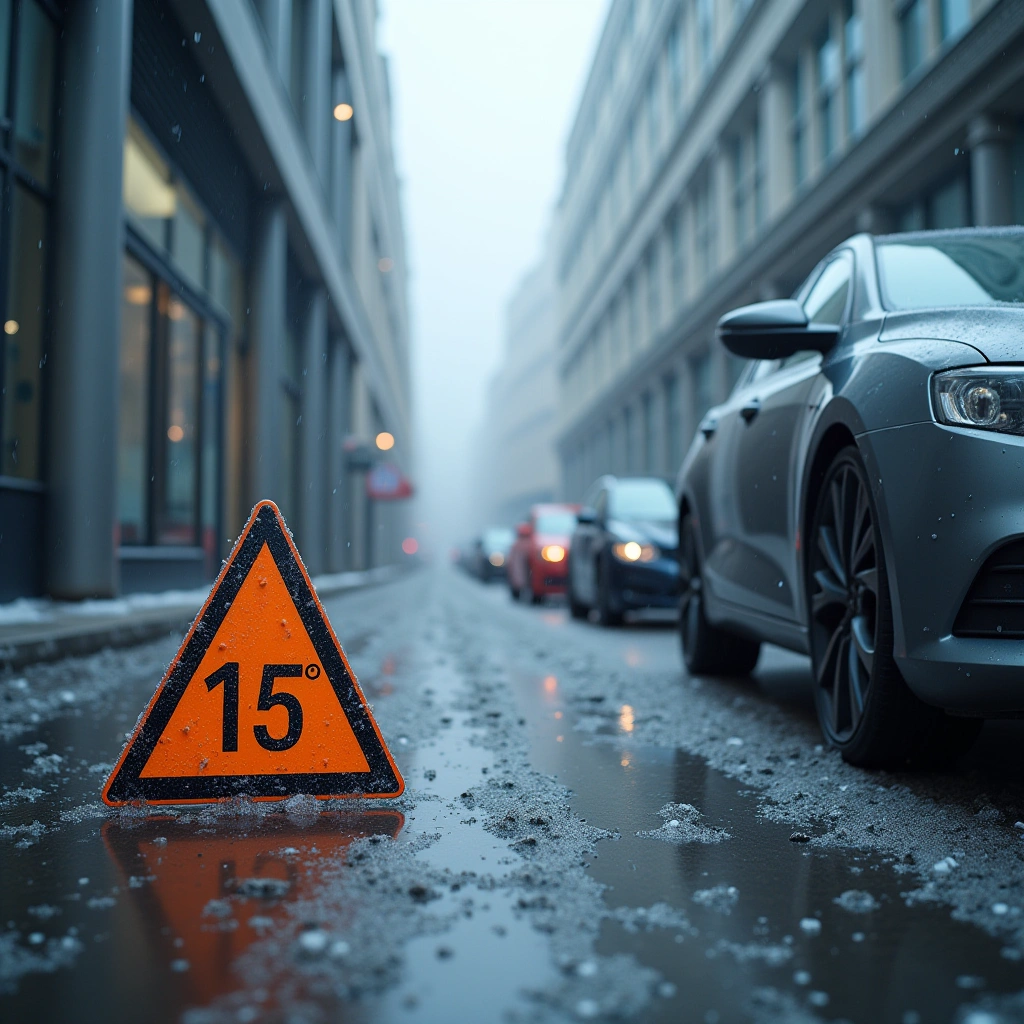
The Earth has temporarily exceeded the 1.5°C threshold in recent years, with the 2023–2025 average reaching 1.48°C above pre-industrial levels, signaling that a long-term breach is likely within the next decade. While scientists emphasize that every fraction of a degree matters and that impacts escalate continuously rather than at a specific "cliff edge," remaining below this limit significantly reduces the risks of extreme weather, sea-level rise, and irreversible ecosystem collapse. Current emissions trajectories suggest the remaining carbon budget for a 50% chance of staying below 1.5°C will be exhausted by 2030, making rapid, stringent cuts to greenhouse gases critical to minimizing damage.
So, it seems like the United Nations has decided to drop a little bombshell on us with a report that warns we might breach the global warming limit of 1.5°C within the next few years. Cue the dramatic music and the collective gasp from climate enthusiasts and skeptics alike. If you’re like me, you might be wondering: how did we get here, and more importantly, what does it mean for our planet and our future?
First off, let’s clarify what this 1.5°C limit is all about. Think of it as the planet’s version of a ‘no more cake’ rule at a birthday party. The 1.5°C threshold was established in the Paris Agreement, which is basically a global treaty where countries decided to play nice and try to keep global temperatures from rising too much. The idea is that if we let temperatures rise beyond this limit, we’re looking at some pretty dire consequences—like extreme weather, rising sea levels, and a general sense of doom and gloom. Yikes!
Now, according to the UN report, we’re on track to hit this limit sooner than your average person can say, ‘Wait, what’s climate change again?’ It’s a bit like being told that your favorite ice cream shop is running out of your favorite flavor—only this time, the flavor is a livable planet.
But let’s break down what this means. The report highlights that our current efforts to curb greenhouse gas emissions are about as effective as trying to put out a fire with a squirt gun. Sure, we’ve made some progress, but it’s not nearly enough to stave off the impending doom. Countries around the world are still heavily relying on fossil fuels like they’re a comforting old blanket, which is a problem because, spoiler alert, that blanket is on fire.
Now, you might be thinking, ‘Okay, so what can we do about it?’ Great question! Here’s where it gets interesting. While individual actions like recycling and using reusable bags are great (and we should absolutely keep doing them), it’s going to take a lot more than that to make a dent in this crisis. We need systemic changes—think policies that promote renewable energy, electric vehicles, and sustainable agriculture. It’s like trying to convince your friend to stop eating junk food; you need to tackle the whole diet, not just the candy bars.
And let’s not forget about the importance of holding corporations accountable. They’re the ones who have been pumping out greenhouse gases like it’s going out of style. If we really want to make a difference, we have to demand that these companies adopt cleaner practices. After all, it’s not like they’re going to change just because we ask nicely.
In the meantime, we can’t lose hope. There are plenty of innovations happening in the climate space—solar panels are becoming more efficient, electric cars are becoming more mainstream, and people are finally starting to talk about climate change like it’s the hot topic at a dinner party (which, let’s be honest, it should be!).
So, as we face the reality of potentially breaching the 1.5°C limit, it’s time to buckle up and get serious about climate action. We can’t just sit back and wait for someone else to save the day. It’s going to take all of us, from individuals to governments to corporations, to step up and make meaningful changes. Because if there’s one thing we can all agree on, it’s that we’d prefer not to live on a planet that resembles a giant oven.
In conclusion, while the UN’s warning is undoubtedly alarming, it’s also a call to action. Let’s roll up our sleeves and get to work. After all, we don’t want to be the generation that let the planet go up in flames—literally. So, what are you waiting for? Let’s save the world, one small step at a time!
Inspired by: “UN Report Warns Global 1.5°C Warming Limit Will Be Breached ‘Within the Next Few Years’” (r/climatechange)