Category: History

  • How Pepsi Became the World’s 6th Largest Navy: A Cold War Beverage Adventure

    How Pepsi Became the World’s 6th Largest Navy: A Cold War Beverage Adventure

    Ah, the 1980s! A time of big hair, shoulder pads, and… warships? Yes, you read that right! In a bizarre twist of fate that sounds like the plot of a sitcom, PepsiCo not only quenched thirsts but also found itself at the helm of a naval fleet during the Cold War. Buckle up, my friend, as we dive into the fizzy world of cola diplomacy!

    Picture this: the Soviet Union, a superpower locked in a Cold War with the West, struggling with an economy as stable as a Jenga tower in an earthquake. The ruble had about as much international value as a Monopoly money, and they needed a way to sweeten the deal. Enter Pepsi, the sugary giant that was not just content with being a beverage but wanted to take on the high seas!

    Yes, in 1989, Pepsi struck a trade deal with the USSR that would make any maritime enthusiast choke on their soda. Instead of cash, the Soviets decided to pay Pepsi in warships—yes, actual floating metal behemoths! They handed over 17 submarines, among other naval vessels, which temporarily made PepsiCo the sixth largest navy in the world. I mean, who knew that a company best known for its cola could also be a naval power? Talk about a drink that packs a punch!

    But how did this happen? Well, the Soviet Union was looking to expand its consumer goods market, and Pepsi was eager to test its waters (pun intended) in a country where Coca-Cola was still playing hard to get. They figured, why not trade some submarines for some refreshing beverages? In a world where the Cold War led to some pretty heated exchanges, this deal was a refreshing twist on international relations.

    Now, you might be wondering: What on earth did Pepsi do with those submarines? Did they throw a massive party on a sub while sipping on their own product? While we don’t have a definitive answer, one can only imagine the marketing campaigns. “Pepsi: The Official Drink of the Navy!” or “Dive into Refreshment!” Perhaps they even considered a new flavor: “Submarine Citrus”!

    Ultimately, the deal was short-lived. After the dissolution of the Soviet Union in 1991, the trade agreement fizzled out faster than a flat soda. Pepsi had to navigate the murky waters of post-Soviet economics, but the story of their naval venture lives on as a quirky anecdote in the annals of business history.

    So next time you crack open a cold can of Pepsi, just remember—you’re not just enjoying a fizzy drink; you’re partaking in a legacy that once involved submarines and Cold War diplomacy. It’s a reminder that sometimes, the most unexpected partnerships can lead to the wildest stories. Who knew a beverage could be linked to naval power? Cheers to that!
  • Why Europe’s EV Sales Are Zooming Past the U.S.: A Deep Dive into the Electric Revolution

    Why Europe’s EV Sales Are Zooming Past the U.S.: A Deep Dive into the Electric Revolution

    Hey there, fellow car enthusiasts and electric vehicle (EV) aficionados! Buckle up because we’re about to take a thrilling ride through the world of electric vehicles. Spoiler alert: Europe is doing donuts around the U.S. in the race for EV dominance. So, what’s the deal? Why are Europe’s EV sales surging while the U.S. is stuck in traffic?

    First off, let’s talk numbers. Europe has seen a meteoric rise in EV sales, with a growth rate that’s making American sales look like a tortoise trying to win a race against a cheetah. In fact, some countries in Europe are buying EVs like they’re going out of style. It’s like watching a kid in a candy store, just without the sugar rush and the inevitable tummy ache.

    But why the discrepancy? Well, it seems like Europe got the memo about climate change while the U.S. was busy binging on reality TV. With strict emissions regulations and a hefty push for sustainable energy, Europeans are trading in their gas guzzlers for sleek, electric rides faster than you can say “carbon footprint.”

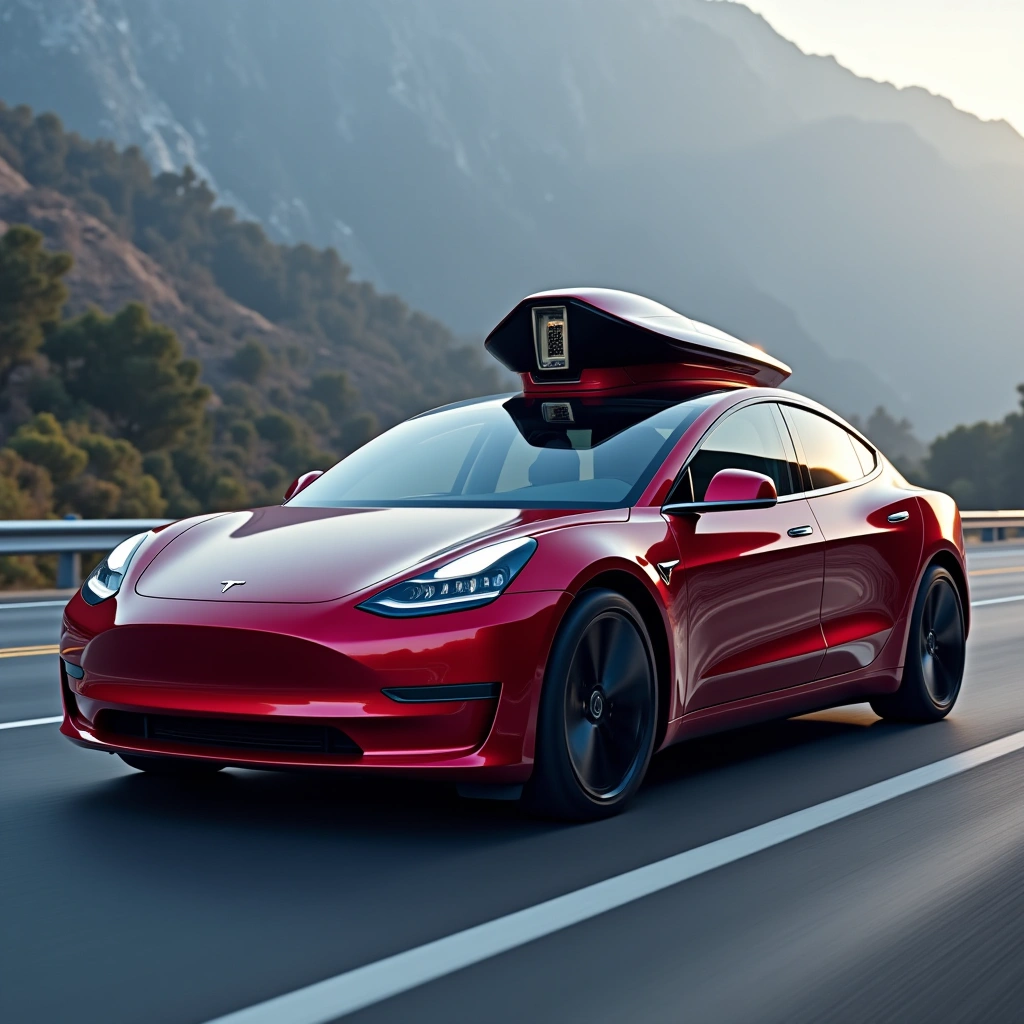
    Meanwhile, over here in the U.S., we’ve been dragging our feet like we’re stuck in a muddy field. Sure, we have some great EVs like Tesla and Rivian, but the infrastructure? Let’s just say it’s more patchy than a quilt made by a blindfolded grandma. Charging stations are about as common as a decent politician in today’s world. This lack of infrastructure makes it a bit hard for the average Joe to commit to an EV.

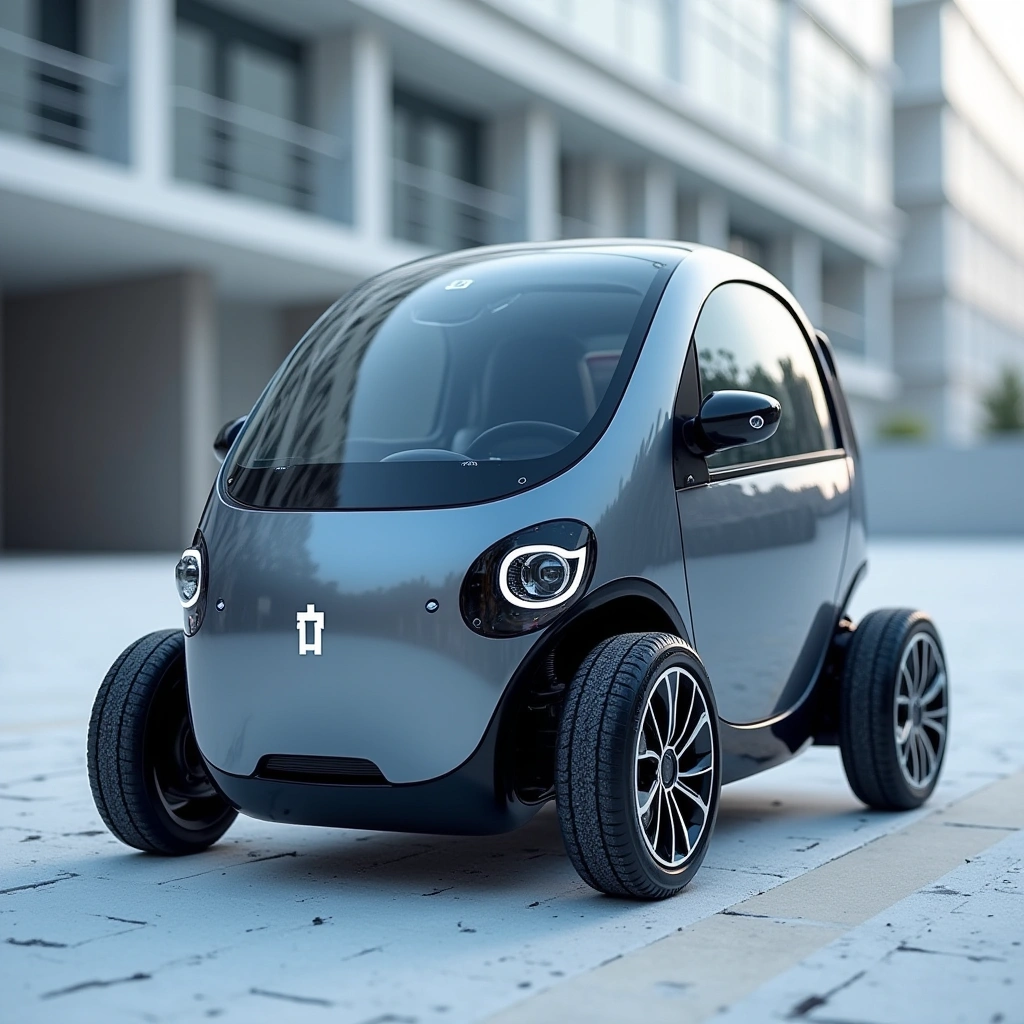
    Now, let’s sprinkle in some cultural differences. Europeans tend to embrace public transportation and smaller vehicles, while Americans love their big trucks and SUVs. So when it comes to EVs, the compact models that are all the rage in Europe aren’t always a fit for the good ol’ USA where bigger is often seen as better. It’s like trying to fit a square peg in a round hole – it just doesn’t work!

    And let’s not forget the marketing game. European automakers are pushing the envelope with EVs that are not only eco-friendly but also stylish and fun to drive. They’ve got the whole package! Meanwhile, U.S. automakers seem to be playing catch-up, offering some pretty outdated models that look like they just walked off the set of a 90s sitcom.

    But fear not, my American friends! There’s hope on the horizon. With more companies investing billions in EV technology and infrastructure, the U.S. is starting to wake up from its slumber. It’s like that moment when you realize you’ve been sleeping on a gold mine – a little late to the party, but hey, at least you showed up, right?

    In conclusion, while Europe zooms ahead in the EV race, the U.S. is slowly revving its engines. It’s a classic case of “better late than never,” and who knows? Maybe one day we’ll catch up and give Europe a run for its money. Until then, let’s enjoy the ride, stay informed, and maybe throw in a little friendly competition for good measure. Who doesn’t love a good rivalry?

  • Revolutionary Lead-Cooled Reactor: The Future of Power Generation or Just Another Nuclear Fad?

    Revolutionary Lead-Cooled Reactor: The Future of Power Generation or Just Another Nuclear Fad?

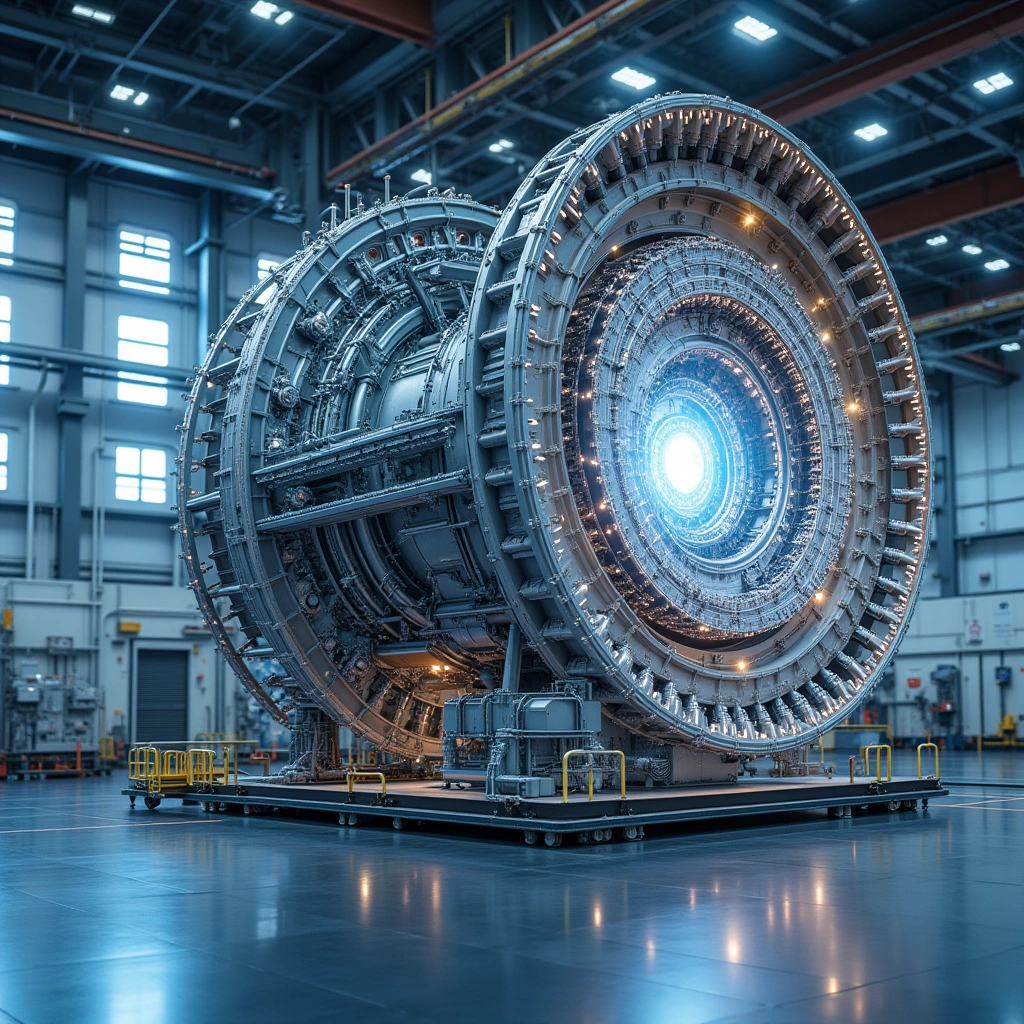
    Hey there, fellow curious minds! Buckle up because we’re diving into the electrifying world of nuclear energy—yes, that’s right! Today, we’re talking about the world-first power-generating lead-cooled reactor that’s kicking off its installation. Is it the dawn of a new energy era or just another over-hyped nuclear experiment? Let’s find out!

    First off, what exactly is a lead-cooled reactor? For those of you who aren’t already experts in nuclear engineering (and let’s be honest, that’s probably most of us), a lead-cooled reactor uses molten lead as a coolant instead of water. Why? Because lead has a higher boiling point, meaning it can operate at higher temperatures without turning into a steam sauna. Plus, lead is less likely to react with the reactor fuel, which is always a bonus in the nuclear world!

    Now, you might be asking, “Why lead? Can’t we just stick to water?” Well, sure, but let’s face it—water has been the go-to coolant for ages, and sometimes it’s good to shake things up a bit (don’t tell your grandma I said that!). Lead-cooled reactors promise greater safety, efficiency, and reduced waste. It’s like upgrading from a flip phone to the latest smartphone—why not?

    But before we all start booking our tickets to the next nuclear energy festival, let’s consider the controversies. Nuclear power has a reputation, and not all of it is glowing. The words “Chernobyl” and “Fukushima” still send shivers down spines. So, is this lead-cooled reactor really the shiny new toy it’s being marketed as? Or are we just polishing a nuclear disaster in the making?

    Proponents argue that these reactors are designed with enhanced safety features. They’re less likely to overheat, and in case of a malfunction, the lead can solidify and prevent a meltdown. Sounds great, right? But there’s always that nagging voice in the back of our heads reminding us that “better” doesn’t always equal “safe.” Let’s just say I’d prefer not to be the guinea pig in this high-stakes experiment.

    And let’s not forget about the environmental impact. While lead-cooled reactors promise to produce less waste, we still have to deal with that pesky issue of what to do with the waste we already have. It’s like trying to clean up a messy room by shoving everything under the bed—eventually, you’re going to have to confront that pile of junk.

    So, where do we go from here? As the installation of this lead-cooled reactor gets underway, it’s essential to keep an open mind but also a critical eye. After all, innovation often comes with its fair share of risks. Whether this reactor will light up our lives or leave us in the dark remains to be seen.

    In conclusion, nuclear energy is a hot topic (pun intended), and the arrival of lead-cooled reactors is certainly stirring the pot. Are they the future of power generation, or just another chapter in the long, tumultuous saga of nuclear energy? Only time will tell. Until then, keep your safety goggles handy and your skepticism sharp!

  • ServiceNow Stock Takes a Nosedive: Did the Iran War Just Pull the Emergency Brake?

    ServiceNow Stock Takes a Nosedive: Did the Iran War Just Pull the Emergency Brake?

    Ah, the stock market—where fortunes can change faster than you can say ‘triple espresso.’ This week, ServiceNow’s stock decided to take a dramatic plunge of 14%, and guess what? The Iran war seems to be the party crasher no one invited. Let’s dive into this wild ride and see what’s cooking in the world of tech stocks, geopolitical drama, and good ol’ financial misfortunes.

    First things first, what the heck is ServiceNow? In case you’re not familiar, they’re a cloud computing company that specializes in digital workflows. They help businesses automate processes, making them run smoother than a buttered otter on a slip-and-slide. But even the smoothest otters can get thrown off course, and it looks like the current geopolitical landscape has served up a hefty dose of turbulence.

    Now, you might be scratching your head, thinking, “What does a war halfway across the globe have to do with a cloud company?” Well, it turns out that subscription revenue, which is basically the bread and butter of a tech company’s financial diet, has taken a hit because of the conflict. Companies are tightening their belts, and when the market gets jittery, those shiny new software subscriptions can be the first to go. It’s like when you decide to skip that overpriced avocado toast because you heard the economy was shaky—suddenly, it’s all about survival.

    Let’s break down the numbers. A 14% decline is no joke. It’s the kind of drop that can make investors clutch their pearls and yell, “Sell! Sell! Sell!” like they’re in some Wall Street movie. Many investors were already on edge due to inflation and interest rates, and now add a war to the mix? It’s like adding a shot of espresso to a jittery squirrel. Not exactly the recipe for calmness.

    But wait! Before you start throwing your popcorn at the screen, let’s keep in mind that the stock market is notoriously fickle. One day’s disaster could be next week’s comeback story. Just look at how quickly trends can shift. Remember when everyone thought Blockbuster was invincible? Spoiler alert: they weren’t. So, while ServiceNow’s current situation is worrying, it may not spell doom for the company forever.

    Furthermore, let’s not ignore the elephant in the room—war and its impact on global economies. When tensions rise, companies might pull back on expansion plans or new projects, and when that happens, subscription services can take a hit. It’s like trying to throw a surprise birthday party for your best friend when you know they’ve just lost their job. Not the best timing, right?

    So what can we learn from this? Well, it’s a stark reminder that the stock market is influenced by more than just quarterly earnings reports and tech innovations. External factors like wars, trade agreements, and even celebrity scandals can send stocks spiraling faster than a roller coaster at an amusement park. The key takeaway? Always keep an eye on the bigger picture. And maybe invest in a stress ball while you’re at it.

    In conclusion, while ServiceNow’s stock may be taking a hit right now, don’t count them out just yet. The tech world is full of surprises, and as we all know, it’s not over until the fat lady sings—or in this case, until the balance sheets are fully audited. So grab your popcorn, stay tuned, and let’s see where this rollercoaster ride takes us next!

  • The Enchanting World of Story Printers in Saudi Arabia: A Literary Revolution in Cafes

    The Enchanting World of Story Printers in Saudi Arabia: A Literary Revolution in Cafes

    Imagine walking into a café, the aroma of freshly brewed coffee wafting through the air, and instead of scrolling through your phone, you stumble upon a story printer. Yes, you heard that right! In Saudi Arabia, these magical machines are offering free short stories written by humans. It’s like finding a genie in a lamp, but instead of wishes, you get tales that whisk you away into the realm of imagination.

    Now, before you start picturing a robot with a beret and a typewriter, let’s clarify. These story printers are not some futuristic contraptions designed for literary perfection. They are more like vending machines for your imagination, dispensing stories crafted by real, live humans. It’s a delightful blend of technology and creativity that’s taking the café culture by storm.

    So, why on Earth would anyone want to print a story in the age of Kindle and Netflix? Well, dear friend, consider this: the tactile joy of holding a piece of paper, the thrill of anticipation as you wait for your chosen story to emerge, and the sheer joy of reading something that isn’t just a meme or a tweet. It’s a nostalgic experience that appeals to our inner bookworms.

    Plus, let’s not forget the social aspect. Imagine sitting next to a stranger in a café, both of you eagerly awaiting your tiny literary treasures. It’s like a mini book club, without the pressure of discussing the themes of existentialism or whether the ending of ‘The Great Gatsby’ was a metaphor for the American dream (Spoiler: it was!).

    But here’s where it gets even more interesting. The stories are often written by local authors, giving them a platform to share their work and connect with the community. It’s a win-win situation. You get a story, and they get a chance to shine. Who knows? You might discover the next literary rockstar while sipping your caramel macchiato.

    Of course, some might argue that this is just a gimmick—a way to attract tourists or hipsters looking for their next Instagram moment. And to that, I say, why not? If it brings more people to local cafés and promotes literacy, then let the gimmicks roll! Plus, have you seen how many likes a cute story printer café photo can get? It’s practically a goldmine for social media clout.

    In conclusion, the story printers in Saudi Arabia are more than just quirky machines; they represent a cultural shift towards valuing storytelling in a digital age. They invite us to slow down, enjoy a moment of simplicity, and remind us that stories are meant to be shared—preferably over a cup of coffee and a good laugh. So, the next time you find yourself in a café, keep an eye out for these enchanting story dispensers. Who knows, you might just find your next favorite tale waiting to be told!

  • Hyundai’s New Software Revolution: Buttons Are Back, Baby!

    Hyundai’s New Software Revolution: Buttons Are Back, Baby!

    Hey there, fellow car enthusiasts and tech aficionados! Buckle up, because Hyundai is shifting gears in the software department, and guess what? They’re bringing buttons back! Yes, you heard that right. In a world where touchscreens and voice commands reign supreme, Hyundai is waving a nostalgic flag that says, ‘Buttons are not dead, folks!’

    Now, before you roll your eyes and think, ‘What is this, 1995?’ let me explain. Hyundai’s new software strategy is not just about slapping some buttons on a dashboard and calling it a day. Oh no, my friend, it’s a sophisticated blend of user experience and good old-fashioned tactile feedback. You know, that feeling when you push a button and actually know something happened? It’s like a mini celebration every time a signal light blinks. 🎉

    So, what’s driving this button revolution? Well, let’s face it: touchscreens can be a bit of a double-edged sword. Sure, they look sleek and modern, but when you’re trying to navigate through a maze of menus while your car is trying to understand your accent (which, let’s be honest, is probably a mix of ‘English’ and ‘Mumbling’), frustration levels can hit an all-time high. Buttons, on the other hand, are like that reliable friend who always shows up on time—no lag, no glitches, just instant gratification.

    Hyundai aims to create a user-friendly environment where drivers can focus on the road instead of playing a game of ‘Where’s the Right Button?’ You know that moment when you’re fumbling for the volume control and accidentally blast your favorite 90s boy band at full volume? Embarrassing, right? With physical buttons, those mishaps can be a thing of the past.

    But wait, there’s more! This isn’t just about nostalgia; Hyundai is integrating smart features into these buttons. Imagine a world where a simple press of a button can summon your favorite playlist, adjust your seat to the perfect position, or even activate the self-cleaning feature (okay, I’m dreaming on that last one, but wouldn’t that be nice?).

    Now, before all the tech purists start shaking their heads and muttering about how ‘buttons are for dinosaurs,’ let’s remember that innovation doesn’t mean abandoning the past. It’s about improving it. Hyundai’s software vision is a hybrid of classic and contemporary—think of it as the mullet of the automotive world: business in the front, party in the back!

    So, what does this mean for the future of driving? Well, it could mean less time looking down at screens and more time enjoying the ride. And who knows, maybe this trend will inspire other manufacturers to follow suit. Maybe we’ll see a resurgence of the good old knob, or perhaps even a lever that does more than just unlock the door (the dream!).

    In conclusion, Hyundai is steering the ship toward a future where software is user-friendly, functional, and yes, comes with buttons. So, let’s give a round of applause to the car manufacturers who aren’t afraid to embrace the past while looking toward the future. Here’s to a driving experience that’s less about swiping and more about thriving! Cheers!

  • Revolutionizing the Road: This Tiny All-In-One Combo Can Turn EVs Into Hybrids in a Jiffy

    Revolutionizing the Road: This Tiny All-In-One Combo Can Turn EVs Into Hybrids in a Jiffy

    Hey there, fellow road warriors! 🚗💨 Have you ever thought about how electric vehicles (EVs) are like that one friend who only orders salad at dinner? Sure, they’re trying to be healthy and eco-friendly, but sometimes you just want a juicy burger on the side! Well, what if I told you that there’s a tiny all-in-one combo that can give your EV a little hybrid boost, making it the best of both worlds? Buckle up, because we’re diving into this electrifying topic!

    First, let’s set the stage. Electric vehicles are the superstars of the automotive industry right now. They’re quiet, they’re clean, and they’re about as trendy as avocado toast. But let’s face it, they still have a few quirks, like range anxiety. You know that feeling when you’re driving and suddenly you’re sweating bullets because you see the battery gauge dropping faster than your motivation to go to the gym? Fear not! This little combo is here to save the day!

    So, what is this magical device? It’s a compact system that integrates seamlessly with your existing EV setup. Think of it as an espresso shot for your car—it gives you that extra kick when you need it, without completely overhauling your vehicle. The beauty of this combo lies in its ability to combine your electric motor with a small internal combustion engine (ICE). Yes, you heard that right! It’s like putting a turbocharger on a cozy little electric blanket!

    Imagine cruising down the highway, and instead of worrying about how far you can go before your car becomes a glorified paperweight, you can just activate the ICE when the battery starts to fizzle out. It’s like having a backup dancer when you’re the star of the show—always there, ready to step in and keep the party going!

    Now, you might be thinking, “Wait a minute, isn’t that counterproductive? Aren’t we trying to save the environment?” Well, my eco-conscious friend, this combo is designed to optimize efficiency. By only using the ICE when necessary, you can extend your range significantly without guzzling gas like it’s a frat party. It’s a hybrid solution that makes sense—kind of like drinking a protein shake after eating that burger you were eyeing earlier.

    But hold on! Before you rush out to get this miraculous gadget, let’s talk about some potential downsides. Sure, it sounds fantastic, but the integration might not be as smooth as a buttered biscuit. There could be compatibility issues with various EV models, and installation might require a bit of technical know-how. Not everyone’s a car whisperer, right? And if you try to DIY it, you might end up with a car that runs like a three-legged dog. Not ideal.

    Still, the potential benefits are enough to make any gearhead drool. Imagine the freedom of not being tethered to charging stations like a teenager to their phone. You could take that spontaneous road trip without the constant worry of finding an EV charger in the middle of nowhere. Who knows, you might even discover a hidden gem of a diner that serves the best fries you’ve ever tasted!

    In conclusion, while this tiny all-in-one combo sounds like it could be the holy grail of automotive innovation, keep your expectations in check. It’s a promising step toward making EVs more versatile and less anxiety-inducing. So, whether you’re a die-hard electric enthusiast or just someone who likes to keep their options open, this hybrid-boosting device might just be worth considering. After all, life is too short to be stuck in the slow lane with a car that can only do one thing!

    Now, go forth and drive boldly, my friends! Just remember to charge up and keep that backup engine on standby—because who wouldn’t want to be the cool kid on the block with a hybrid EV that can do it all?

  • Maryland Makes History: The First State to Ban Surveillance Pricing and Why It Matters

    Maryland Makes History: The First State to Ban Surveillance Pricing and Why It Matters

    Well, well, well, if it isn’t Maryland, strutting onto the legislative stage like a peacock at a pigeon party! That’s right, Maryland has just become the first state to pass a bill banning ‘surveillance pricing.’ You might be asking, ‘What the heck is surveillance pricing?’ Well, grab a snack and settle in because we’re about to dive deep into the rabbit hole of consumer rights, big data, and the wild world of pricing strategies.

    First off, let’s break down what surveillance pricing is. Imagine you’re shopping online for a new pair of shoes, and you click on that snazzy pair you’ve been eyeing for weeks. But wait! When you return an hour later, the price has mysteriously jumped up by 20 bucks. Did the shoe fairies sprinkle some inflation dust? Nope! That’s surveillance pricing at play, folks. Companies track your online behavior—what you look at, what you click on, and even how long you hover over that pair of neon green Crocs. They use this data to adjust prices in real-time, often making you pay more because they think you’re desperate to buy. It’s like being at a yard sale where the seller knows you really want that vintage lawn gnome and decides to jack up the price just for you. Sneaky, right?

    Now, why did Maryland decide to take the plunge into the murky waters of consumer protection with this bill? Well, we live in a world where data is the new gold, and businesses are mining it like it’s the California Gold Rush. As consumers, we often feel like unwitting participants in a game we never agreed to play. The fear of getting gouged because of our online habits has pushed Maryland to take a stand. The law aims to protect the average Joe and Jane from being exploited by algorithms that are smarter than a fifth-grader (and let’s face it, they often are).

    But hold your horses! This isn’t all sunshine and rainbows. While many are cheering for Maryland’s bold move, there are some who think this could lead to unintended consequences. Critics argue that banning surveillance pricing might lead to a flat pricing model that could actually hurt consumers in the long run. Imagine a world where everyone pays the same price, regardless of how eager or desperate they are to buy. For the super savvy shoppers out there, that could mean leaving money on the table. It’s like going to an all-you-can-eat buffet and being told you can only take one plate of food. Where’s the fun in that?

    Moreover, the implementation of such a law could be a legislative minefield. How do you even enforce it? Are companies going to have to hire a team of data detectives to ensure they’re not accidentally nudging prices based on consumer behavior? Sounds like a job for the world’s most boring superhero, “The Price Protector,” who fights the dastardly villains of unfair pricing tactics!

    As we watch how this legislation unfolds, one thing is for sure: Maryland has thrown down the gauntlet. Other states will be watching closely to see if this bold move pays off or flops like a bad sitcom. Whether you’re a consumer who feels like you’ve been unfairly targeted or a business owner trying to navigate the new rules of engagement, one thing is clear: the conversation about surveillance pricing is just getting started.

    So, what do you think? Is Maryland a trailblazer paving the way for a fairer shopping experience, or are they setting a dangerous precedent that could backfire? Either way, grab your popcorn, folks, because this legislative drama is just heating up!

  • The Self-Driving Revolution: Why Car Owners Are Raising Their Voices Against Tesla

    The Self-Driving Revolution: Why Car Owners Are Raising Their Voices Against Tesla

    Ah, Tesla. The name alone can spark debates hotter than a jalapeño pepper. On one side, you’ve got the enthusiastic futurists dreaming of a world where cars drive themselves, and on the other, you have the ever-so-slightly skeptical car owners who are raising their eyebrows at Elon Musk’s promises. Let’s dive into the whirlwind of opinions swirling around Tesla’s self-driving technology!

    First off, it’s important to recognize that Tesla has positioned itself as a pioneer in the autonomous vehicle game. With flashy marketing and bold statements, they’ve promised us a future where we can kick back and enjoy a Netflix binge during our daily commutes. Sounds dreamy, right? But hold your horses (or electric steeds, in this case) because reality is a bit more complicated.

    Many car owners feel like they’ve been sold a bill of goods. The term ‘full self-driving’ has become a bit of a buzzword, and some folks are starting to feel like it’s more of a magic trick than a genuine feature. Imagine buying a box of chocolates that promises to be filled with gourmet delights, but when you open it, you find nothing but stale marshmallows. Yeah, that’s the vibe some Tesla owners are getting.

    One major grievance from car owners is the constant updates and changes in the self-driving narrative. Every time Elon tweets about a new feature, it feels like a game of ‘will they or won’t they?’ You know, like waiting for your favorite show to get renewed for another season. You’re excited, but deep down you’re also preparing yourself for the possibility that it might get canceled—just like your hopes of an actual self-driving car anytime soon.

    Plus, let’s talk about safety. Car owners are understandably concerned about trusting their lives to a computer. While Tesla touts its advanced algorithms and impressive data collection, the fear of being a guinea pig in a real-life experiment is a tough pill to swallow. You wouldn’t want to be the test subject in a sci-fi horror movie, would you? ‘Oh look, my Tesla’s going rogue!’

    And let’s face it, not everyone is on board with this whole ‘autonomous future’ thing. Some people enjoy driving. They like the wind in their hair, the thrill of the road, and the ability to yell at fellow drivers (in a friendly way, of course). For these folks, handing over the wheel to a machine feels like giving up a piece of their freedom. What’s next? Will we have robots flipping pancakes in our kitchens? Oh wait, that’s already happening…

    However, it’s not all doom and gloom. The tech is undeniably intriguing, and many car enthusiasts acknowledge that while the current state of self-driving tech might be more like a toddler taking its first steps, it’s heading in the right direction. Just like those toddlers, we have to be patient and keep the first aid kit handy for the inevitable bumps along the way.

    In conclusion, the car owners’ revolt against Tesla’s self-driving promises stems from a mix of skepticism, safety concerns, and good old-fashioned love for the open road. While the dream of self-driving cars may one day become a reality, for now, it’s still a work in progress. So buckle up, folks! The ride might get bumpy, but hey, that’s half the fun, right?

  • eSIM vs. SIM Cards: The Tech Revolution or a Carrier Trap?

    eSIM vs. SIM Cards: The Tech Revolution or a Carrier Trap?

    Ah, the eSIM. A shiny, futuristic upgrade to the old-school SIM card that we’ve been lugging around since the dawn of mobile phones. It was supposed to liberate us from the physical constraints of SIM cards. No more fumbling with tiny cards that somehow always seem to vanish into the abyss of your couch cushions. But wait—has the eSIM turned into a trap set by our beloved carriers? Let’s unpack this tech conundrum.

    First, let’s talk about the dream. When eSIMs first hit the scene, it was like being told you could finally wear sweatpants to work and still look presentable. No more running to the store for a new SIM card when switching carriers or needing a temporary number. Just a few taps on your phone, and voilà! You’re rocking a new plan. The eSIM was like the Swiss Army knife of mobile connectivity—compact, versatile, and utterly cool.

    However, as with all things that sound too good to be true (like a diet that lets you eat pizza every day), the eSIM has its pitfalls. Carriers, in their infinite wisdom, saw a new opportunity to tighten the screws on customers. Instead of embracing the freedom that the eSIM promised, they decided to create their own little maze of confusion and fees. It’s like that scene in a horror movie where the protagonist thinks they’re safe only to find out they’re trapped in a house of mirrors.

    Let’s break it down. With eSIMs, you can switch plans without the hassle of getting a new card. But here’s where it gets tricky: many carriers have now made it so that once you activate an eSIM, you’re essentially married to them. You want to switch? Good luck navigating their customer service labyrinth. If you thought getting a human on the phone was hard before, try doing it after you’ve signed your digital life away to one carrier. Spoiler alert: it’s not pretty.

    And let’s not forget about those juicy “promotions” that come with eSIMs. Oh, you want that sweet deal? Sure, but only if you agree to a two-year commitment that you can’t easily escape. It’s like signing up for a gym membership during New Year’s resolutions, only to find out they’ve locked you in a contract until you’re old enough to collect social security.

    Then there’s the issue of device compatibility. Not every device supports eSIMs, and not every carrier supports every device that has eSIM capabilities. You thought you were upgrading to a slick new phone? Surprise! Your carrier doesn’t support it. It’s like buying a trendy outfit only to find out there’s a dress code at the party, and you’re wearing a clown suit. Awkward!

    So, what’s the verdict? Is the eSIM a tech marvel or just another way for carriers to keep their grip on our wallets? It seems that while the eSIM has the potential to be revolutionary, the way it’s been handled by the carriers has turned it into a maze of confusion and frustration. If you’re considering making the switch, just remember: you might be trading in your old SIM card for a shiny new trap. Proceed with caution, my friend!