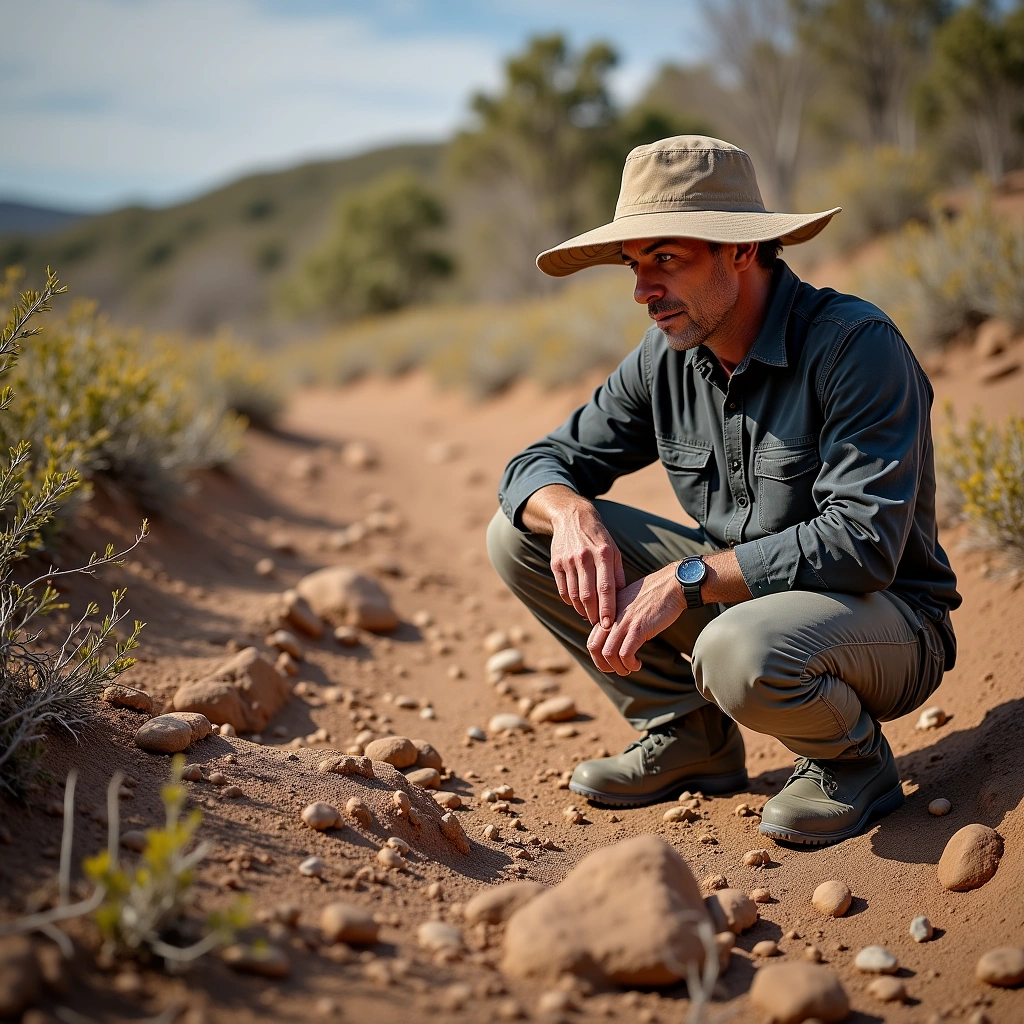
Category: History

  • Exploring the Ancient Connections: A Swedish Archaeologist’s Groundbreaking Discovery

    Exploring the Ancient Connections: A Swedish Archaeologist’s Groundbreaking Discovery

    Imagine you’re sitting around a campfire, roasting marshmallows and sharing ghost stories. Suddenly, someone drops a bombshell about a 3,400-year-old rock carving in Sweden that may just be the key to understanding some of humanity’s oldest myths. Sounds like a plot twist straight out of a Netflix series, right? Well, brace yourself, because this is real life, and it involves a Swedish archaeologist whose recent book could rewrite history as we know it.

    In 2024, this brave soul has taken on the Herculean task of connecting the dots between a rock-carving from Sweden, Homer’s epic ‘Odyssey’ from 2,500 years ago, a Ukrainian myth that’s been kicking around for 70,000 years, and a jaw-dropping 300,000-year-old African myth. Yes, you read that correctly—300,000 years! If that doesn’t make your head spin faster than a rollercoaster, I don’t know what will!

    The Swedish Rock-Carving: A Time Machine?

    First, let’s talk about the Swedish rock carving. Picture this: ancient people, armed with nothing but rudimentary tools and an insatiable thirst for storytelling, etched their tales onto stone. This particular carving has puzzled historians for centuries, but our intrepid archaeologist believes it encapsulates a story that transcends time and geographical boundaries. After all, who doesn’t love a good story that lasts longer than a Kardashian marriage?

    The Odyssey: More Than Just a Bunch of Ships and Sirens

    Now, let’s take a detour to the ancient Greeks. Homer’s ‘Odyssey’ is like the original binge-watch, filled with adventure, mythical creatures, and enough drama to fuel a thousand soap operas. But what if the themes of this epic—heroism, adventure, and the struggle against fate—echo the stories told in that Swedish rock carving? Could it be that these ancient cultures were swapping notes long before the internet made it possible for you to troll your friends about their taste in movies?

    The Ukrainian Myth: A Timeless Tale

    And then we have the Ukrainian myth that’s been around for a staggering 70,000 years. If you think your grandparents tell the same stories over and over, wait until you hear this one! It’s like the original version of the ‘tall tale’ but with a much longer warranty. What makes this myth particularly fascinating is how it intertwines with themes found in both the Swedish carving and the ‘Odyssey’. Maybe they all shared a communal coffee shop where they brainstormed epic narratives?

    The African Myth: The Granddaddy of Them All

    Finally, let’s not forget the African myth that reportedly dates back over 300,000 years. This is where things get seriously mind-boggling. The fact that stories of human experience can stretch back that far makes you wonder if our ancestors were just sitting around, thinking, “You know what? Let’s write down our problems and hopes on a rock!” It’s the ultimate form of ancient therapy, and it might just be the root of all storytelling.

    What Does This All Mean?

    So, what’s the takeaway from all of this? Are we all just characters in a cosmic story that keeps getting retold with different twists? Or do these ancient tales hold keys to our shared humanity? Perhaps we’re all more connected than we think, and our stories are like those old family recipes that keep getting passed down, each generation adding their own special ingredient—like a dash of drama here, a sprinkle of adventure there.

    This new book by the Swedish archaeologist not only challenges our understanding of narrative history but also invites us to ponder how interconnected we really are. So, the next time you hear an old tale, remember: it could be the echo of a story that started way before your great-great-great-great-grandparents even thought about having kids. And who knows? Maybe one day, your own story will be unearthed and connected to an epic saga from millennia ago!

    Until then, keep those marshmallows roasting and the stories flowing, because every tale matters—even the ones about that time you tripped over your own shoelaces in front of your crush.
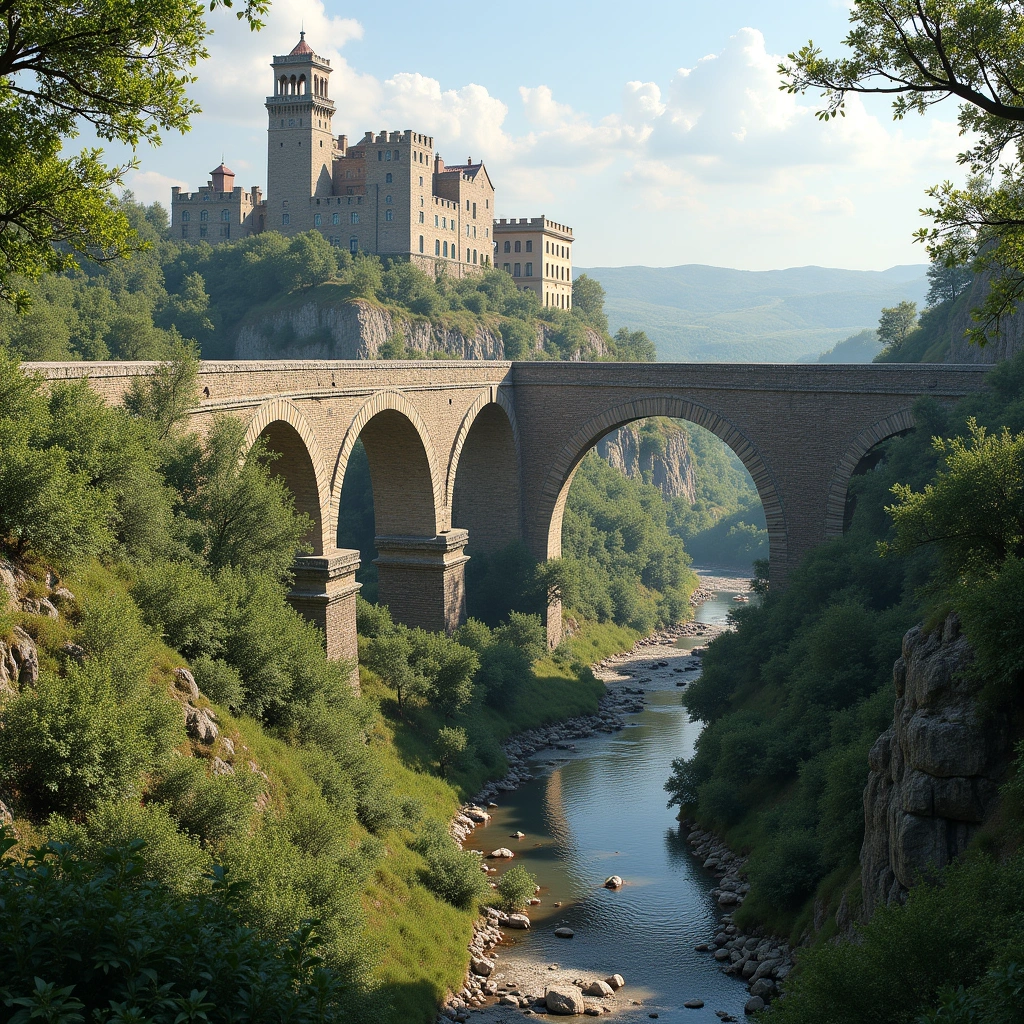

  • Exploring the Spring and Roman Aqueduct to the Overgrown Knights Templar Fortress City

    Exploring the Spring and Roman Aqueduct to the Overgrown Knights Templar Fortress City

    Ah, spring! The season of blooms, sunshine, and the occasional sneeze from all that pollen. But what if I told you that this beautiful season could also lead you on an epic adventure to an overgrown Knights Templar fortress city via a Roman aqueduct? Sounds like a plot twist worthy of an action movie, right? Buckle up, my friend, because we’re about to dive into a tale that combines history, architecture, and just a smidge of mystery!

    Let’s start with the Roman aqueduct. You see, the Romans were the original overachievers of their time. While we were still trying to figure out how to tie our sandals, they were engineering massive structures to transport water across vast distances. Imagine a water slide that’s 2000 years old—just without the fun twisties and splashes. This aqueduct is not just a marvel of engineering; it’s a testament to the Romans’ relentless pursuit of hydration.

    Now, picture this: You’re strolling along a beautifully preserved stretch of the aqueduct in the heart of spring. The sun is shining, birds are singing, and the only thing missing is a marching band welcoming you to your next adventure. As you walk, the remnants of this ancient structure whisper stories of the past, tales of long-gone civilizations that relied on its waters. It’s like a history lesson and a nature hike rolled into one—who knew learning could be so scenic?

    But wait, there’s more! Following the aqueduct leads you straight to a fortress city that was once home to the enigmatic Knights Templar. Now, if you’re not familiar with these guys, let’s just say they were medieval knights with a penchant for secrecy, treasure hunting, and a flair for the dramatic. Think of them as the original crusaders with a side gig in mystery novels.

    As you approach the fortress, you’ll notice the telltale signs of nature reclaiming its territory. Vines crawling up the stone walls, trees sprouting from ancient battlements—it’s like Mother Nature decided to throw a ‘welcome back, knights’ party. It’s a little eerie but also incredibly beautiful, like a scene from a post-apocalyptic film, just without the zombies (for now, at least).

    Now, let’s talk about the location. This overgrown fortress isn’t just a random pile of rocks; it’s steeped in history. The Knights Templar once roamed these very grounds, probably plotting world domination or at least the next big treasure hunt. Walking through the crumbling remains, you can almost hear the ghostly whispers of knights discussing their next strategic move over goblets of medieval ale.

    And let’s not forget about the views! Standing in the fortress, you’ll be treated to some of the most breathtaking vistas. Picture this: rolling hills, lush greenery, and the remnants of ancient architecture all around you. It’s Instagram gold, folks! Just don’t forget to use the right filter—because, let’s face it, your followers need to believe you’re living your best life.

    So, why should you care about a springtime expedition involving an aqueduct and a fortress? Well, because life’s too short to stay cooped up indoors, and adventures like this remind us of the rich tapestry of history that surrounds us. Plus, it’s a great way to impress your friends with your knowledge of medieval history—that is, until they ask you for specifics, and you suddenly forget everything you ever learned.

    In conclusion, if you’re looking for a delightful mix of nature, history, and a hint of adventure, grab your hiking boots and set off on this journey. Who knows what you might discover? Just be careful not to disturb any slumbering knights or ancient spirits—they can be very grumpy when awakened!

    And remember, if you’re feeling particularly adventurous, check out the full video linked below. It might just inspire you to pack your bags and set off on your own quest for ancient wonders! Happy exploring!

  • Discovering Mount Laojun: The Ancient Refuge of Taoism’s Founder

    Discovering Mount Laojun: The Ancient Refuge of Taoism’s Founder

    So, gather ’round, my curious friends! Today, we’re embarking on a virtual trek to Mount Laojun in China, a place steeped in history and spiritual vibes that would make even the most hardened skeptic raise an eyebrow. Imagine this: over 2,500 years ago, a dude named Laozi—yep, the very founder of Taoism—sought refuge in this mountain. Talk about a spiritual hideout!

    Now, let’s dive into the mystical world of Laozi. Legend has it that this guy was like the Yoda of ancient China, dishing out wisdom and cryptic advice faster than you can say “Tao Te Ching.” This sacred text is basically the Taoist Bible, and it’s all about going with the flow and embracing that chill vibe. Forget about that 9-to-5 grind; Laozi would probably tell you to take a nap under a tree instead.

    Why Mount Laojun?

    You might be wondering, why did Laozi pick Mount Laojun as his chill spot? Well, picture this: towering peaks, lush greenery, and a serene atmosphere that’s so peaceful it could make a meditation retreat look like a rock concert. The mountain is not just a pretty face; it’s a pilgrimage site for many Taoists who flock here to bask in the ancient wisdom of Laozi.

    *You can almost hear the whispers of ancient wisdom floating through the air!*

    The Taoist Connection

    Now, let’s talk about the whole Taoist religion thing. It’s not just some old-timey philosophy; it’s a lifestyle, folks! Taoism emphasizes living in harmony with the Tao, or the way of the universe. So, if you’ve ever felt like your life is a chaotic mess (and let’s be real, who hasn’t?), just think of Laozi sitting on that mountain, sipping tea and contemplating the meaning of life.

    A Mountain of Mystique

    Mount Laojun isn’t just a scenic getaway; it’s a treasure trove of temples and shrines dedicated to the teachings of Laozi. If you’re ever in the area, you’ll want to don your hiking boots and explore the stunning architecture that’s been around longer than your great-great-grandparents. Plus, the views from the top? Breathtaking! You might even see your future self up there, contemplating whether to start that podcast you’ve been dreaming of.

    Is it Controversial?

    Now, for a bit of controversy—some folks argue that while Taoism is all about peace and tranquility, it has also been tangled in political and social debates throughout history. It’s like that one friend who just can’t keep their opinions to themselves at dinner parties. But let’s not go too deep down that rabbit hole today!

    Final Thoughts

    So, whether you’re a spiritual seeker, a history buff, or someone who just likes to take Instagram photos in front of ancient structures, Mount Laojun has something for everyone. Just remember to pack a snack, because those hikes can work up an appetite! And who knows—maybe you’ll leave with more than just a few selfies; perhaps some ancient wisdom will stick with you too!

    In conclusion, Mount Laojun is not just a mountain; it’s a testament to a philosophy that has survived the test of time. So, if you find yourself in China, be sure to pay a visit to this mystical mountain and give a nod to the great Laozi, who might just be smiling down on you from above. Happy hiking!