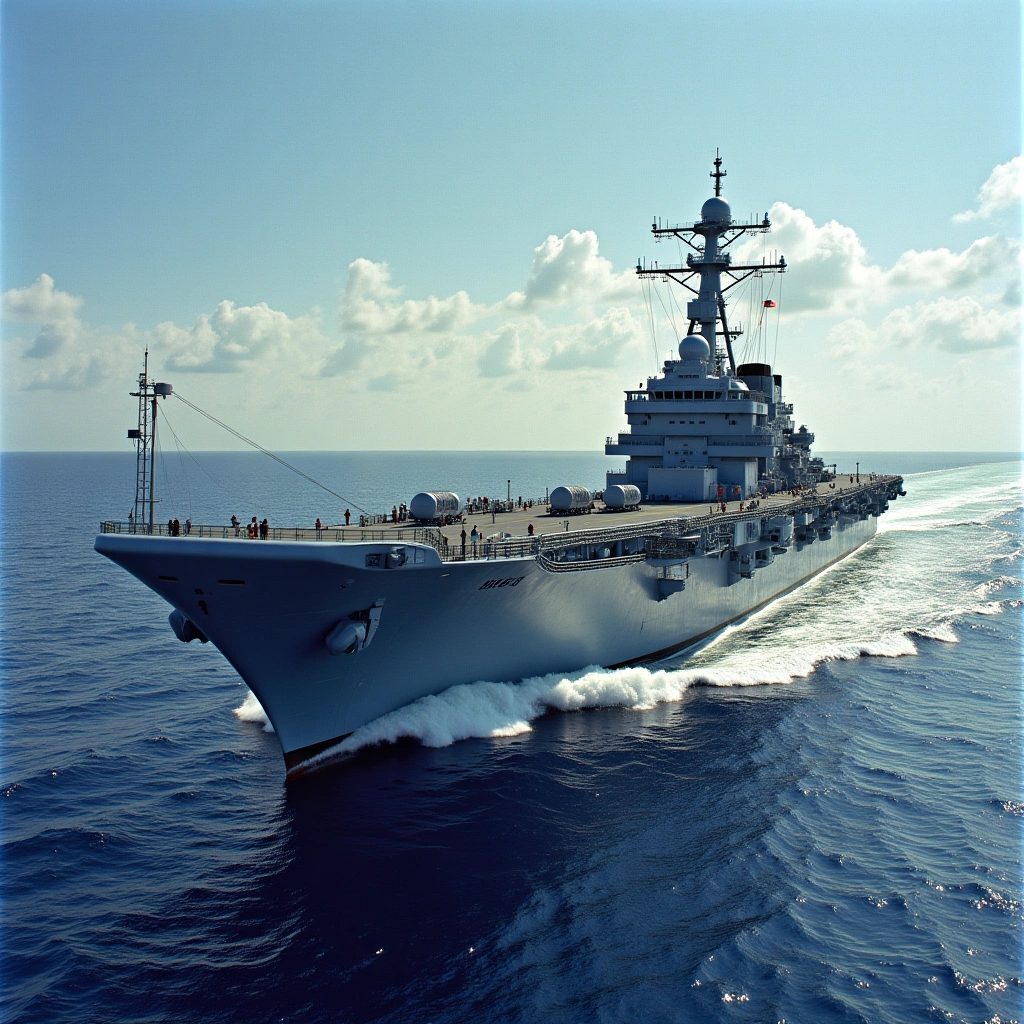
Ah, the 1980s! A time of big hair, shoulder pads, and… warships? Yes, you read that right! In a bizarre twist of fate that sounds like the plot of a sitcom, PepsiCo not only quenched thirsts but also found itself at the helm of a naval fleet during the Cold War. Buckle up, my friend, as we dive into the fizzy world of cola diplomacy!
Picture this: the Soviet Union, a superpower locked in a Cold War with the West, struggling with an economy as stable as a Jenga tower in an earthquake. The ruble had about as much international value as a Monopoly money, and they needed a way to sweeten the deal. Enter Pepsi, the sugary giant that was not just content with being a beverage but wanted to take on the high seas!
Yes, in 1989, Pepsi struck a trade deal with the USSR that would make any maritime enthusiast choke on their soda. Instead of cash, the Soviets decided to pay Pepsi in warships—yes, actual floating metal behemoths! They handed over 17 submarines, among other naval vessels, which temporarily made PepsiCo the sixth largest navy in the world. I mean, who knew that a company best known for its cola could also be a naval power? Talk about a drink that packs a punch!
But how did this happen? Well, the Soviet Union was looking to expand its consumer goods market, and Pepsi was eager to test its waters (pun intended) in a country where Coca-Cola was still playing hard to get. They figured, why not trade some submarines for some refreshing beverages? In a world where the Cold War led to some pretty heated exchanges, this deal was a refreshing twist on international relations.
Now, you might be wondering: What on earth did Pepsi do with those submarines? Did they throw a massive party on a sub while sipping on their own product? While we don’t have a definitive answer, one can only imagine the marketing campaigns. “Pepsi: The Official Drink of the Navy!” or “Dive into Refreshment!” Perhaps they even considered a new flavor: “Submarine Citrus”!
Ultimately, the deal was short-lived. After the dissolution of the Soviet Union in 1991, the trade agreement fizzled out faster than a flat soda. Pepsi had to navigate the murky waters of post-Soviet economics, but the story of their naval venture lives on as a quirky anecdote in the annals of business history.
So next time you crack open a cold can of Pepsi, just remember—you’re not just enjoying a fizzy drink; you’re partaking in a legacy that once involved submarines and Cold War diplomacy. It’s a reminder that sometimes, the most unexpected partnerships can lead to the wildest stories. Who knew a beverage could be linked to naval power? Cheers to that!